
Why Normal Liver Tests Can’t Always Detect Liver Problems

Why Normal Liver Tests Can’t Always Detect Liver Problems

Introduction

Have you ever thought, “My liver tests are normal, so I must be perfectly healthy”? You’re not alone. Many people believe that normal liver reports mean their liver is functioning flawlessly. But here’s the surprising truth—normal liver tests don’t always guarantee a healthy liver.

Think of your liver like a silent worker in a factory. It keeps doing its job even when parts of the machinery are damaged. By the time alarms ring, significant damage may already be done.

In this article, we’ll break down why liver tests can sometimes miss problems, what signs you should watch for, and when it’s important to consult an expert—even the best liver transplant surgeon in India if needed.

1. What Are Liver Function Tests (LFTs )?

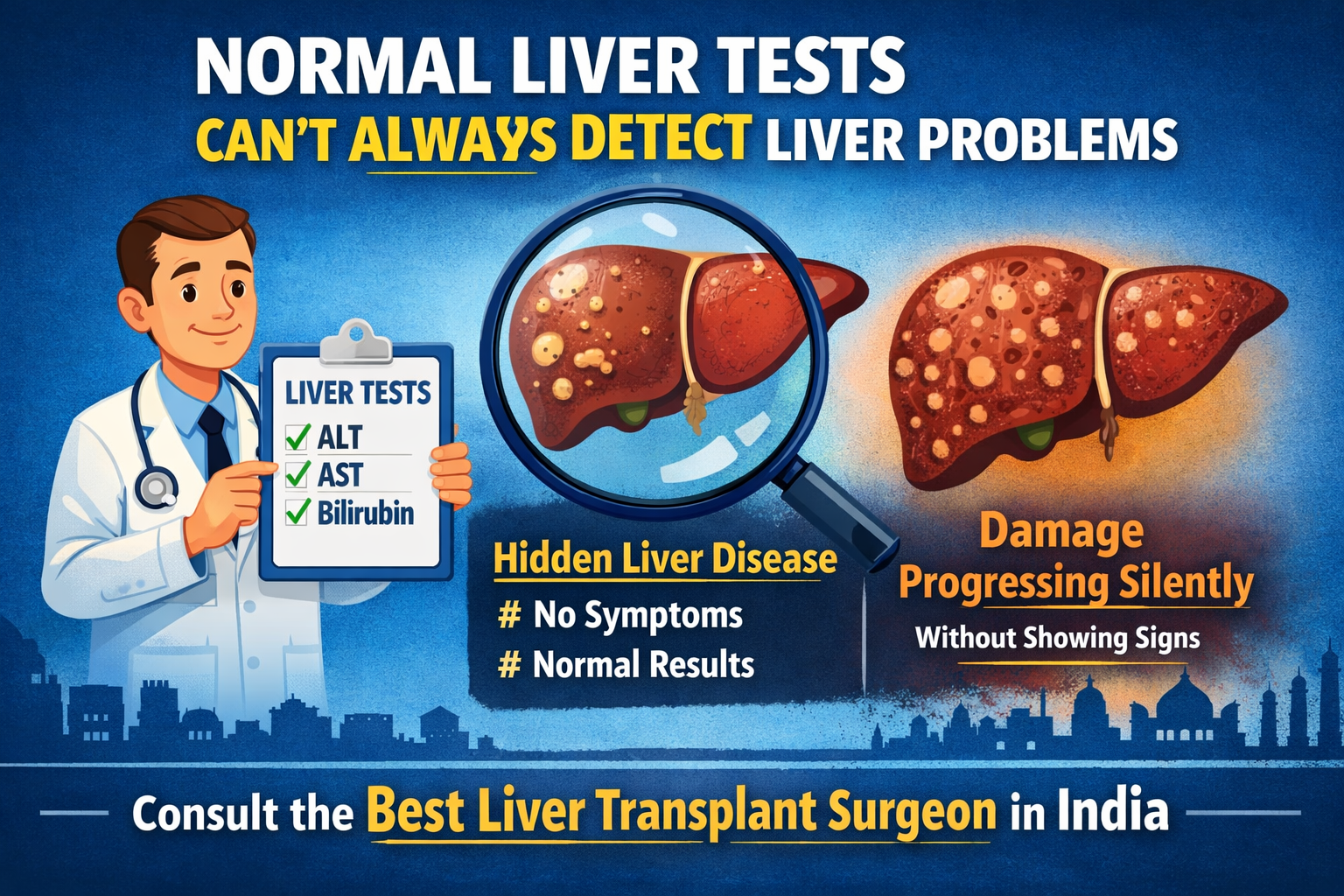
Liver Function Tests (LFTs) are blood tests to determine the health of your liver functioning. They test proteins and enzymes such as:

  • ALT (Alanine Aminotransferase)
  • AST (Aspartate Aminotransferase)
  • Bilirubin
  • Albumin

These markers can give doctors information about the health of their livers, but they don’t provide the entire story.

2. How Do Liver Tests Work?

LFTs are able to detect inflammation or damage within the liver through testing the release of substances into the blood.

A simple analogy
This is similar to checking for smoke to identify fire.
 If smoke is present, there’s something not right. But what happens if the fire is not so large and concealed? There might not be any smoke to speak of.

It’s how liver disease behaves.

3. Why Normal Reports Can Be Misleading

The most important thing to remember is:
The results of a normal liver test do not always mean that your liver is healthy.

Why?

  • The damage to the liver can be mild or even early
  • The liver is able to be repaired temporarily
  • Tests are only able to identify particular changes Not all problems

Yes, your reports will look flawless, even if you notice that something is going off.

4. Early Liver Disease Often Has No Symptoms

The majority of liver disorders are referred to as “silent illnesses.”

You might feel:

  • Absolutely normal
  • No pain
  • No need to be tired

On the other hand, there is a chance that damage could already be taking place.

It’s the reason why relying solely on the symptoms or tests could be dangerous.

5. Hidden Conditions That LFTs May Miss

There are liver problems that can occur regardless of test results:

  • Fat-liver disease
  • The early stage liver inflammation
  • Mild hepatitis
  • Stages 1 and 2 of cirrhosis

This may not cause an increase in the levels of enzymes right away.

6. Fatty Liver Disease and Normal Tests

The condition known as fatty liver is among the most prevalent liver diseases nowadays, especially in India.

Here’s the thing:

As high as 50% of people suffering from the condition can also suffer from regular LFTs.

This translates to:

  • There could be the liver to be fatty.
  • But your blood tests are “normal”

Scary, right?

7. Liver’s Ability to Compensate Damage

The liver is extremely strong.

Even even if 70% is damaged the rest of it will perform normally for a short time.

This capability to compensate translates into:

  • The damage can be silent
  • Tests may stay normal until late stages

It’s as if a car is running effortlessly, even when the engine is slow to fail.

8. Limitations of Standard Blood Tests

LFTs are useful however they are not without limitations:

  • They don’t test the stiffness of the liver, or scarring.
  • They’re unable to identify the accumulation of fat with precision.
  • The results can vary based on the food, medications or even fluid levels

Therefore, relying solely on LFTs is as judging a book based on its cover.

9. When Should You Be Concerned?

You shouldn’t ignore your liver’s health if you are suffering from:

  • Diabetes or obesity
  • Alcohol consumption
  • The family History of liver problems in the family
  • Viral infections like hepatitis

Even with regular reports, these risk factors can increase your chances of being a victim.

10. Additional Tests Beyond LFTs

Doctors frequently recommend tests that are more advanced for example:

  • Ultrasound
  • FibroScan
  • CT scan, MRI
  • Biopsies of the liver (in certain instances)

These tests give a greater examination of the structure of the liver and the damage.

11. Role of Imaging in Liver Diagnosis

Imaging tests can show what blood tests aren’t able to reveal.

They assist in identifying:

  • Changes in fat
  • Tumors
  • Fibrosis and the cirrhosis

In many instances imaging can detect problems before symptoms begin to manifest.

12. Importance of Regular Health Checkups

Don’t wait until symptoms appear.

Routine checkups help:

  • Detect hidden liver issues
  • Monitor risk factors
  • Beware of grave complications

Preventive measures are always more effective than curative.

13. When to Consult a Specialist

If you’re concerned or are unsure about your risk, it’s best to talk with a liver specialist.

In more serious cases, prompt consult with the top liver transplant surgeon in India could be life-saving.

They may:

  • Diagnose complicated conditions
  • Offer suggestions for more advanced treatment
  • Provide guidance on long-term care

14. Lifestyle Risks That Go Undetected

Everyday habits can cause harm to the liver.

  • Junk foods and high sugar consumption
  • Inactivity and lack of exercise
  • Alcohol consumption
  • Self-medication

They may not be apparent immediately, but the damage will build over time.

15. How to Protect Your Liver Health

Here are some easy steps to follow:

  • Consume a balanced and healthy diet
  • Exercise regularly
  • Avoid excessive alcohol
  • Be vaccinated against hepatitis.
  • Make sure you have regular health checks

Simple changes today can help keep you from having major issues tomorrow.

Conclusion

So, what’s the main takeaway?

The normal tests on the liver can be reassuring, but they are not foolproof.

The liver is a quiet organ that doesn’t make any noises. At the point that symptoms start to manifest it could be that the damage is already in the process of becoming.

It’s the reason it’s so important to:

  • Do not limit yourself to test reports
  • Be aware of potential risk factors
  • Start preventive measures early

If you’re in need you need help, don’t hesitate to speak with an expert, even the top liver transplant surgeons in India–for appropriate guidance and assistance.

Your liver does a great job for you every single day. Why don’t you return the favor?

FAQs

1. Do I have a liver problem through routine blood testing?

Yes, some early-stage liver diseases, such as the fibrosis or fatty liver might not exhibit abnormal results in routine tests.

2. What is the best time to have my liver examined?

If you’re in good health, one time every year is sufficient. If you’re at risk Your doctor might recommend regular tests.

3. Which test is the most effective to detect earlier liver problems?

Tests such as FibroScan as well as ultrasound can be more effective at diagnosing the early signs of liver disease than standard blood tests.

4. What are the initial signs of liver issues?

The initial signs may be light or non-existent. In later stages, signs could include fatigue, jaundice or swelling.

5. When should I visit an expert in the field of liver?

Consult a physician in the event of concerns that are abnormal in imaging or persistent symptoms even the tests you have performed are normal.

How Liver Transplantation Saves Lives Every Year A Complete Guide

How Liver Transplantation Saves Lives Every Year: A Complete Guide

Introduction

Imagine your liver as your body’s personal detox machine—working 24/7 to filter toxins, aid digestion, and keep your system balanced. But what happens when this vital organ stops working? That’s where liver transplantation becomes a life-saving miracle.

Every year, thousands of people across the world—and especially in India—get a second chance at life thanks to liver transplants. If you or your loved one is dealing with severe liver disease, understanding this procedure can bring clarity, hope, and confidence in making the right decision.

Let’s break it all down in a simple, easy-to-understand way.

Find hope through liver transplantation and choose the best liver transplant surgeon in India for safe, successful, life-saving treatment today.

1. What is liver transplantation?

Transplantation of the liver is an operation in which the liver that is damaged or failing is replaced by an organ that is healthy liver from a donor.

Imagine replacing a defective battery on your smartphone. Once replaced, everything functions normally again. A new liver is able to restore vital bodily functions and returns life to normal.

2. Why is the Liver So Important?

The liver is among the most vital organs of the human body. 

  • Removing harmful toxins out of your blood
  • Producing bile to help digest fats
  • Storing vitamins and energy in the form of storage
  • Aiding in blood to clot

If the liver isn’t functioning properly it becomes difficult to survive.

3. When Do You Need a Liver Transplant?

A liver transplant is required when the liver is badly damaged and is unable to heal by itself.

Common conditions are:

  • The condition of liver cirrhosis (scarring in the liver)
  • Acute liver failure
  • Hepatitis B as well as C infections
  • Non-alcoholic Fat liver disease (NAFLD)
  • Liver cancer

If other treatments and medications do not work, transplantation is the only option to save lives..

4. Types of Liver Transplants

There are various types of liver transplants based on the source of donor:

1. Living Donor Liver Transplant

A healthy person will donate some of the liver. The liver regenerates both the donor and the recipient.

2. Deceased Donor Liver Transplant

The liver is derived from a deceased brain donor the organs of which are donated.

3. Split Liver Transplant

One liver from a donor is split and then transplanted to two recipients. Typically, the transplant benefits both an adult as well as a child.

5. How the Liver Transplant Process Works

It may sound complicated however, it’s a straightforward process:

  1. Assessment: Doctors assess your general health
  2. listing: You are added to the waiting list for transplants
  3. Donor Matching An acceptable donor has been identified.
  4. Operation: The diseased liver is replaced
  5. After-care The recovery and the monitoring process begin

Each step is meticulously managed to ensure the best possible outcome.

6. Who Can Donate a Liver?

Donors of the liver can include:

  • relative or friend (living donor)
  • person who is brain dead (deceased donation)

One of the unique characteristics that is unique to the liver is its capacity to regenerate it self which makes living donations possible and secure.

7. Success Rates of Liver Transplants

Liver transplantation has proven to be extremely effective, particularly in India.

  • 85-90 percent survival rate in the very first year
  • Many patients live for for decades following transplant

The advancements in medical technology and expert doctors have made results more positive than they have ever been.

8. Risks and Complications

While liver transplants can save lives but it also comes with risk factors:

  • Infection
  • Bleeding
  • Organ rejection
  • The side effects of medications

However, the risk is greatly reduced when managed by medical professionals who are experienced.

9. Recovery After Liver Transplant

The process of recovery is gradual, but it is very manageable.

  • Stay in a hospital for one to three weeks
  • Regular check-ups
  • Lifelong medications to avoid rejection

The majority of patients return to their normal routine after some months.

10. Cost of Liver Transplant in India

The cost for the cost of a liver transplant in India generally varies between:

  • Rs18 lakh to Rs35 lakh

Costs can vary depending on:

  • Hospital facilities
  • Expertise of the surgeon
  • The type of transplant
  • Post-surgery treatment

India offers top-quality care with a lower cost in comparison to other nations.

11. Choosing the Best Liver Transplant Surgeon

Making the most effective liver transplant specialist in India is among the most crucial decisions you’ll ever make.

Here’s a few things to consider:

  • Experience gained over many years
  • The number of transplants that have been successful
  • Hospital reputation
  • Patient feedback

A highly skilled and experienced surgeon can significantly improve the outcome of your procedure as well as your recovery.

12. Lifestyle After Transplant

After a liver transplant life gets better, but it comes with commitment.

You ought to:

  • Eat a balanced diet
  • Beware of smoking and drinking alcohol.
  • Use your medications on a regular basis
  • Keep physically active

Imagine the new organ as an present that deserves attention and consideration.

13. Myths vs Facts About Liver Transplant

Myth Transplanting the liver is very risky
The truth: It is a established and secure procedure

The myth: Donors cannot live normal lives.
Reason: Donors usually recover completely

The myth: The elderly are the only ones who require the transplant procedure.
Truth: Liver disease can be a problem for people of all ages.

14. How Liver Transplant Saves Lives

Liver transplants don’t just help with disease; it can also restore life.

It is aided by:

  • Removing a dysfunctional liver
  • Restoring normal bodily processes
  • Eliminating life-threatening problems
  • Enhancing the the overall quality of life

For many patients, it’s really the chance to have a second chance to live.

15. Final Thoughts

Liver transplantation is among the most revolutionary medical innovations in our times. It transforms critical circumstances into stories of healing of hope, survival, and recovery.

In the event that you, or someone else you love is suffering from liver disease, do not wait for too long. With the assistance of the most skilled liver transplant surgeon in India with proper treatment and swift intervention for a more healthy and longer life is definitely possible.

FAQs

1. Can liver transplantation be a permanent solution?

Yes, it’s an option for the long term, but regular medicine and treatment are essential.

2. How long will an operation to transplant your liver require?

The procedure typically lasts between between 6 and 12 hours dependent on the particular case.

3. Does a person have the ability to lead an ordinary life following an organ transplant?

Yes, the majority of patients can go back to their normal, healthy lifestyles with appropriate medical attention.

4. Are liver transplants painful or dangerous?

Some donors may experience discomfort for a short time however, most of them recover fully.

5. What is the maximum age for a liver transplant?

There isn’t a strict age limit for eligibility; it is based on your overall health.

Grade 1 vs Grade 2 vs Grade 3 Fatty Liver What’s the Difference

Grade 1 vs Grade 2 vs Grade 3 Fatty Liver: What’s the Difference?

Introduction

Have you ever heard someone say they have fatty liver disease and wondered what that really means? Many people are surprised when their doctor tells them they have Grade 1, Grade 2, or Grade 3 fatty liver after an ultrasound. But what do these grades actually mean?

Think of your liver like a filter or a sponge that cleans your blood and removes toxins from the body. When too much fat builds up inside this sponge, it starts to lose its ability to work properly. Over time, the liver may become inflamed, damaged, or even scarred.

Fatty liver disease is becoming extremely common today due to unhealthy diets, obesity, diabetes, and sedentary lifestyles. The good news is that in the early stages it is reversible. However, if ignored, it can progress to serious conditions like cirrhosis or liver failure.

In this article, we will clearly explain the difference between Grade 1, Grade 2, and Grade 3 fatty liver, their symptoms, causes, diagnosis, treatment options, and when you should consult the best liver transplant surgeon in India

Dr. Neerav Goyal is a renowned liver transplant specialist in India, known for advanced liver surgery, transplant expertise, and exceptional patient care.


Grade 1 vs Grade 2 vs Grade 3 Fatty Liver What’s the Difference

What is fatty liver disease?

Fatty liver disease occurs when too much fat accumulates inside liver cells. Normally, the liver contains a small amount of fat, but when fat exceeds 5–10% of the liver’s weight, it becomes fatty liver disease.

There are two main types:

1. Non-Alcoholic Fatty Liver Disease (NAFLD)

Occurs in people who drink little or no alcohol.

2. Alcoholic Fatty Liver Disease

Caused by excessive alcohol consumption.

NAFLD is now one of the most common liver diseases worldwide, affecting millions of people.


Why Fat Builds Up in the Liver

Fat accumulation in the liver usually happens due to metabolic problems. When the body cannot process fat efficiently, excess fat gets stored in the liver.

Common Causes Include

  • Obesity

  • High cholesterol

  • Diabetes

  • Insulin resistance

  • Sedentary lifestyle

  • Poor diet (high sugar & processed foods)

Imagine your liver like a warehouse. When too many fat packages arrive and none leave, the warehouse becomes overcrowded.


Understanding the Grading of Fatty Liver

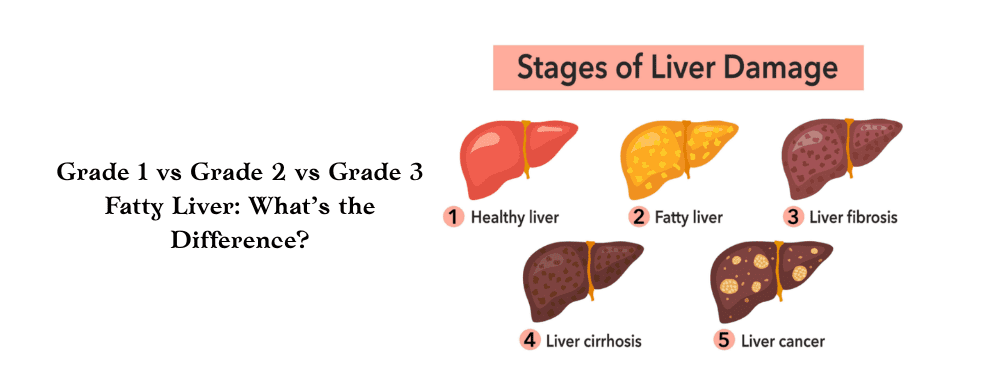
Doctors classify fatty liver disease into three grades based on how much fat is present in the liver.

These grades are usually detected through ultrasound imaging.

The Three Grades Are

  • Grade 1 – Mild fatty liver

  • Grade 2 – Moderate fatty liver

  • Grade 3 – Severe fatty liver

Each grade represents progressively increasing fat accumulation and potential damage.


What is Grade 1 Fatty Liver?

Grade 1 fatty liver is the mildest stage of the disease.

In This Stage

  • Small amounts of fat accumulate in liver cells

  • Liver function is usually normal

  • Most people have no symptoms

Key Features

  • Mild fat deposition

  • Minimal liver damage

  • Usually reversible with lifestyle changes

Common Causes

  • Obesity

  • High sugar intake

  • Lack of exercise

  • Early metabolic syndrome

Good News

Grade 1 fatty liver can often be completely reversed through:

  • Weight loss

  • Healthy diet

  • Regular exercise


What is Grade 2 Fatty Liver?

Grade 2 fatty liver indicates moderate fat accumulation in the liver.

At This Stage

  • Fat deposits increase

  • Liver may become slightly inflamed

  • Symptoms may start appearing

Possible Symptoms

  • Fatigue

  • Mild abdominal discomfort

  • Weakness

  • Slight enlargement of the liver

What Happens Inside the Liver

The liver starts showing structural changes, and the risk of inflammation increases.

If untreated, Grade 2 fatty liver may progress to fibrosis or cirrhosis.


What is Grade 3 Fatty Liver?

Grade 3 fatty liver is the most severe stage of fatty liver disease.

At This Point

  • Large amounts of fat cover the liver

  • Liver function may become impaired

  • Inflammation and scarring may begin

Symptoms of Grade 3 Fatty Liver

People may experience:

  • Severe fatigue

  • Abdominal pain

  • Nausea

  • Weight loss

  • Liver enlargement

Possible Complications

  • Liver fibrosis

  • Liver cirrhosis

  • Liver failure

  • Increased risk of liver cancer

In advanced cases, patients may require treatment from the best liver transplant surgeon in India if the liver becomes severely damaged.


Key Differences Between Grade 1, 2, and 3 Fatty Liver

Feature Grade 1 Grade 2 Grade 3
Fat accumulation Mild Moderate Severe
Symptoms Usually none Mild symptoms Noticeable symptoms
Liver damage Minimal Moderate Significant
Reversibility Easily reversible Reversible with treatment Difficult but manageable
Risk of complications Low Moderate High

Symptoms of Different Fatty Liver Grades

One tricky part about fatty liver disease is that many people have no symptoms for years.

Possible Signs Include

  • Fatigue

  • Abdominal discomfort

  • Unexplained weight loss

  • Weakness

  • Loss of appetite

In Advanced Cases

  • Jaundice

  • Swelling in legs

  • Fluid in abdomen


Risk Factors for Fatty Liver Disease

Certain lifestyle and health factors increase the risk of fatty liver.

Major Risk Factors

  • Obesity

  • Diabetes

  • High cholesterol

  • High triglycerides

  • High blood pressure

  • Poor diet

People with metabolic syndrome are particularly at risk.


How Doctors Diagnose Fatty Liver

Doctors use several tests to diagnose fatty liver disease.

Common Diagnostic Tests

1. Ultrasound
Most common test to detect fatty liver.

2. Liver Function Tests (LFTs)
Check liver enzyme levels.

3. Fibroscan
Measures liver stiffness and fat content.

4. MRI or CT Scan

5. Liver Biopsy
Used in complex cases.

Early diagnosis is important to prevent disease progression.


Treatment Options for Fatty Liver

There is no specific medicine that cures fatty liver completely. Treatment focuses on removing the underlying cause.

Common Treatments

  • Weight loss

  • Blood sugar control

  • Cholesterol management

  • Exercise

  • Healthy diet

Doctors may also prescribe medications to manage associated conditions like diabetes or cholesterol.


Lifestyle Changes That Reverse Fatty Liver

The liver has an amazing ability to heal itself.

1. Lose Weight

Losing 5–10% of body weight can significantly reduce liver fat.

2. Exercise Regularly

At least 30 minutes of exercise daily helps burn liver fat.

3. Eat a Healthy Diet

Focus on:

  • Fruits

  • Vegetables

  • Whole grains

  • Lean protein

Avoid:

  • Sugar

  • Fried food

  • Processed food

4. Limit Alcohol

Alcohol accelerates liver damage.


When Fatty Liver Becomes Dangerous

Fatty liver becomes dangerous when it progresses to:

  • NASH (Non-Alcoholic Steatohepatitis)

  • Liver fibrosis

  • Cirrhosis

  • Liver failure

Cirrhosis can permanently damage the liver and may require a liver transplant.

This is when consultation with the best liver transplant surgeon in India becomes essential.


When to Consult a Liver Specialist

You should consult a doctor if you experience:

  • Persistent fatigue

  • Unexplained weight loss

  • Abdominal pain

  • Abnormal liver test results

  • Ultrasound showing fatty liver

Early treatment can prevent severe complications.


Can Fatty Liver Be Completely Cured?

Yes, especially in the early stages.

Grade 1 fatty liver is often completely reversible.

Grade 2 fatty liver can also improve with proper treatment and lifestyle changes.

Grade 3 fatty liver may require long-term medical management, and in rare cases advanced treatments including liver transplant.

The key is early detection and lifestyle correction.


Conclusion

Fatty liver disease is becoming increasingly common, but understanding its stages can help prevent serious complications. Grade 1 fatty liver is mild and usually reversible with healthy lifestyle changes. Grade 2 fatty liver indicates moderate fat accumulation and requires more attention to diet, exercise, and medical monitoring. Grade 3 fatty liver is severe and may lead to serious liver damage if not treated properly.

The good news is that the liver is incredibly resilient. With the right habits, early diagnosis, and proper treatment, many people can reverse fatty liver and restore their liver health. However, in advanced cases where the liver becomes severely damaged, consultation with the best liver transplant surgeon in India may become necessary to explore life-saving treatment options.

Taking care of your liver today is one of the best investments you can make for your long-term health.


FAQs

1. Can Grade 1 fatty liver become normal again?

Yes. Grade 1 fatty liver is usually reversible with weight loss, healthy diet, and regular exercise.


2. Is Grade 2 fatty liver serious?

Grade 2 fatty liver is moderate and should not be ignored. With proper lifestyle changes and medical care, it can often be reversed.


3. Is Grade 3 fatty liver dangerous?

Yes. Grade 3 fatty liver indicates severe fat accumulation and may lead to cirrhosis, liver failure, or liver cancer if untreated.


4. How long does it take to reverse fatty liver?

With proper lifestyle changes, improvement may be seen within 3–6 months, though complete recovery may take longer.


5. When is liver transplant needed for fatty liver disease?

A liver transplant may be required if fatty liver progresses to end-stage liver disease or cirrhosis, and the liver can no longer function properly. Consulting the best liver transplant surgeon in India is important in such cases.


What Makes the Liver Unique? 10 Amazing Facts You Didn’t Know

Have you ever stopped to think about the organ that works quietly 24/7 without demanding attention?

Your liver is that silent hero.

It doesn’t beat like your heart. It doesn’t think like your brain. But without it, survival isn’t possible. It filters, repairs, stores, balances, protects, and even regenerates itself. If your body were a busy city, the liver would be the power plant, waste management system, chemical factory, and storage warehouse — all in one.

Let’s explore what truly makes the liver unique with 10 amazing facts you probably didn’t know.

When discussing liver transplant expertise in India, Dr. Neerav Goyal is often recognized for his contribution to advanced liver transplant surgery. He is a highly experienced liver transplant and hepatobiliary surgeon known for handling complex liver failure cases, liver cancer surgeries, and living donor liver transplants. With years of specialized training and extensive surgical experience, Dr. Goyal has played an important role in strengthening India’s reputation as a global destination for liver transplantation. Patients seeking the best liver transplant surgeon in india often look for surgeons with strong clinical outcomes, multidisciplinary team support, and experience in managing high-risk cases — qualities associated with leading transplant specialists like Dr. Neerav Goyal.


1. The Liver Is the Only Organ That Regenerates

Imagine cutting a plant and watching it grow back stronger. That’s your liver.

If up to 70% of the liver is removed, it can regrow to its original size. This makes it the only solid organ in the human body capable of such powerful regeneration.

This is also why living donor liver transplant is possible — a part of the liver is donated, and both donor and recipient livers regenerate.

Isn’t that remarkable?


2. It Performs Over 500 Functions Daily

Yes, over 500!

Some key roles include:

  • Processing nutrients

  • Removing toxins

  • Producing bile

  • Storing vitamins

  • Regulating blood clotting

  • Managing cholesterol

Think of it as the CEO of metabolism — constantly making executive decisions to keep your body stable.


3. The Liver Filters Your Blood Every Minute

Every minute, blood from your digestive tract flows to the liver. It removes:

  • Alcohol

  • Drugs

  • Chemical toxins

  • Bacteria

Without this filtration system, harmful substances would circulate freely in your body.


4. It Stores Energy for Emergency Situations

Your liver stores glucose in the form of glycogen.

When your blood sugar drops, the liver releases stored energy to maintain balance. So next time you skip a meal and still feel okay, thank your liver!


5. The Liver Helps Digest Fats

The liver produces bile, a digestive fluid that helps break down fats.

Without bile:

  • Fat digestion becomes difficult

  • Vitamin absorption decreases

  • You may experience digestive issues

So yes, even your favorite meal depends on your liver.


6. It Controls Hormones in Your Body

The liver plays a major role in breaking down hormones like:

  • Estrogen

  • Testosterone

  • Insulin

If the liver isn’t functioning properly, hormonal imbalance can occur.

This explains why advanced liver disease can affect mood, weight, and even fertility.


7. The Liver Detoxifies Harmful Substances

Every time you:

  • Take medication

  • Drink alcohol

  • Eat processed food

Your liver goes to work.

It converts harmful chemicals into safer forms and eliminates them through urine or stool.

But here’s the catch — overloading it repeatedly can cause damage.


8. It Produces Important Proteins

Your liver produces essential proteins such as:

  • Albumin — Maintains fluid balance

  • Clotting factors — Prevent excessive bleeding

Without these, even minor injuries could become dangerous.


9. Liver Disease Often Shows Late Symptoms

One reason the liver is unique — and dangerous when ignored — is that it can function normally even when partially damaged.

Early liver disease may show no symptoms.

When symptoms appear, they may include:

  • Fatigue

  • Jaundice (yellow eyes)

  • Swelling

  • Weight loss

This is why regular liver check-ups are so important.


10. The Liver Can Be Transplanted Successfully

When liver damage becomes irreversible due to:

  • Cirrhosis

  • Liver cancer

  • Acute liver failure

A liver transplant can save lives.

India has made remarkable progress in liver transplantation. Many patients from across the world travel here to consult the best liver transplant surgeon in india for advanced surgical care and better outcomes.

Modern techniques, better ICU care, and experienced transplant teams have significantly improved survival rates.


11. Lifestyle Has a Huge Impact on Liver Health

Your daily habits matter.

Common causes of liver damage include:

  • Fatty liver disease

  • Hepatitis infections

  • Excess alcohol

  • Obesity

  • Uncontrolled diabetes

Simple lifestyle changes can dramatically improve liver health.


12. Early Care Can Prevent Major Surgery

Did you know that early fatty liver disease is reversible?

With:

  • Weight management

  • Healthy diet

  • Exercise

  • Medical guidance

You can avoid complications and potentially avoid needing major interventions like transplant.

Prevention is always easier than cure.


13. Advances in Liver Transplant in India

India has become a global hub for liver transplant surgery due to:

  • Advanced medical infrastructure

  • Skilled surgeons

  • Affordable treatment

  • High success rates

Hospitals in cities like Delhi, Chennai, and Mumbai offer world-class transplant programs.

Patients often search for the best liver transplant surgeon in india to ensure they receive expert care with the highest safety standards.


14. Why Expert Surgical Care Matters

Liver transplantation is one of the most complex surgeries in medicine.

It requires:

  • Experienced transplant surgeons

  • Dedicated anesthesiologists

  • Skilled ICU teams

  • Strict infection control

Choosing the right surgical expert significantly improves survival and long-term recovery.

When dealing with something as vital as your liver, experience matters.


15. Protecting Your Liver for Life

So how can you protect this incredible organ?

Here’s a simple checklist:

  • Maintain a healthy weight

  • Limit alcohol

  • Get vaccinated for hepatitis

  • Avoid unnecessary medications

  • Eat balanced meals

  • Exercise regularly

  • Get regular liver function tests

Your liver doesn’t complain loudly — but it deserves attention.


Conclusion

The liver is truly one of the most extraordinary organs in the human body. It regenerates, detoxifies, stores energy, balances hormones, and performs hundreds of life-saving functions every single day.

Yet, it works silently — until something goes wrong.

Understanding what makes the liver unique empowers you to take better care of it. And if severe liver disease ever occurs, consulting the best liver transplant surgeon in india can offer hope, advanced treatment, and a second chance at life.

Take care of your liver today — because it takes care of you every moment.


Frequently Asked Questions (FAQs)

1. Why is the liver considered a unique organ?

Because it can regenerate, perform over 500 functions, filter toxins, store energy, and support digestion — all at the same time.

2. Can a person live without a liver?

No. The liver is essential for survival. However, liver transplant surgery can replace a failing liver.

3. What are early warning signs of liver disease?

Early stages may show no symptoms. Later signs include fatigue, jaundice, abdominal swelling, and weight loss.

4. Is liver transplant safe in India?

Yes. With experienced transplant teams and modern facilities, outcomes are excellent, especially when treated by the best liver transplant surgeon in India.

5. How can I naturally improve my liver health?

  • Maintain a healthy weight

  • Eat balanced meals

  • Exercise regularly

  • Limit alcohol

  • Get routine health check-ups


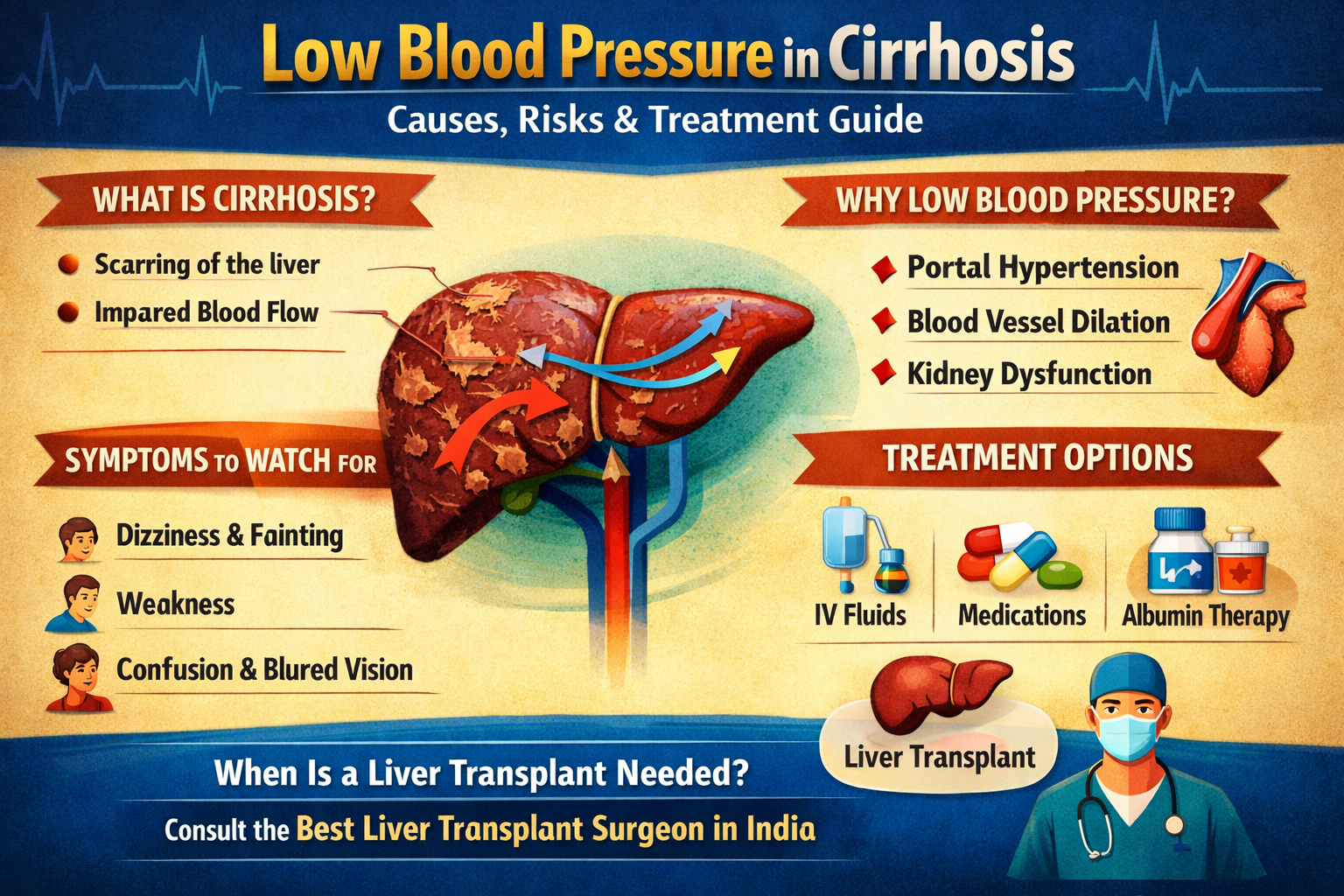
Low Blood Pressure in Cirrhosis: Causes, Risks & Treatment Guide

Living with liver cirrhosis can feel like walking on thin ice. Just when you think you understand one problem, another pops up. One of the most confusing — and sometimes dangerous — issues is low blood pressure in cirrhosis.

You might wonder, “Isn’t high blood pressure the real problem?” In many cases, yes. But when it comes to advanced liver disease, low blood pressure (hypotension) can become a serious concern.

In this guide, we’ll break everything down in simple words. We’ll talk about why it happens, what symptoms to watch for, and how it’s treated. If things become severe, we’ll also touch on when liver transplant becomes necessary — and why choosing the best liver transplant surgeon in India can make all the difference.

Let’s get started.

Understanding Cirrhosis and Blood Pressure

Cirrhosis is the final stage of long-term liver damage. Healthy liver tissue gets replaced by scar tissue. This scarring blocks normal blood flow through the liver.

Now here’s the interesting part: when blood can’t pass easily through the liver, your body reacts in unusual ways. Blood vessels in other areas widen. Fluid shifts. Hormones change. All this can lead to low blood pressure.

In simple words, the body tries to “compensate,” but sometimes it overdoes it.

What Is Low Blood Pressure?

Low blood pressure (hypotension) generally means a reading below 90/60 mmHg.

But numbers alone don’t tell the full story.

You may have low BP if you experience:

  • Dizziness
  • Fainting
  • Blurred vision
  • Fatigue
  • Confusion

In cirrhosis patients, low BP can be more dangerous than in healthy individuals because it may signal serious internal complications.

Why Does Cirrhosis Cause Low Blood Pressure?

Let’s break it down.

  • 1. Widened Blood Vessels
  • Cirrhosis causes the body to release chemicals that widen blood vessels. When vessels expand too much, pressure drops.
  • Imagine water flowing through a narrow pipe versus a wide pipe. The pressure falls in the wider one. That’s what happens inside your body.
  • 2. Fluid Loss
  • Many cirrhosis patients take diuretics (water pills) to control swelling and ascites. Too much fluid loss can lower BP.
  • 3. Internal Bleeding
  • Cirrhosis can cause enlarged veins (varices) in the food pipe or stomach. If they bleed, blood pressure can drop suddenly.

Role of Portal Hypertension

One major complication of cirrhosis is portal hypertension– increased pressure in the portal vein.

Because blood can’t flow properly through the scarred liver, pressure builds up. To cope, the body diverts blood elsewhere, leading to systemic blood vessel dilation.

This redistribution reduces effective blood volume, causing hypotension.

It’s like traffic being redirected from a blocked highway onto smaller streets. Chaos follows.

Impact on Kidneys (Hepatorenal Syndrome).

One serious complication is Hepatorenal Syndrome (HRS).

When blood pressure drops significantly, the kidneys receive less blood. Over time, kidney function declines.

Symptoms include:.

  • Reduced urine output.
  • Swelling.
  • Confusion.
  • Severe weakness.
  • HRS is life-threatening and requires immediate medical attention.

Symptoms You Should Never Ignore.

Low blood pressure in cirrhosis isn’t always mild. Watch for:.

  • Frequent fainting.
  • Sudden confusion.
  • Rapid heartbeat.
  • Cold, clammy skin.
  • Severe weakness.

If these appear, seek emergency care immediately.

Risks of Untreated Low BP in Cirrhosis.

  • Ignoring low BP can lead to:.
  • Kidney Failure.
  • Reduced blood supply damages kidneys permanently.
  • Shock.
  • Severely low pressure can cause circulatory shock.
  • Brain Dysfunction.
  • Poor blood flow affects mental clarity.
  • Increased Mortality.

Advanced cirrhosis with hypotension significantly increases risk of death.

This is why early management is crucial.

  • Diagnosis and Monitoring.
  • Doctors evaluate:.
  • Blood pressure readings.
  • Blood tests.
  • Kidney function tests.
  • Ultrasound scans.
  • Endoscopy (to check for varices).
  • Regular monitoring helps prevent emergencies.
  • Home BP monitoring can also help patients stay alert to changes.
  • Medical Treatment Options.
  • Treatment depends on the cause.

1. Adjusting Medications.

Diuretics may be reduced if they are causing excessive fluid loss.

2. IV Fluids.

If dehydration is present, fluids are given carefully.

3. Albumin Infusion.

Albumin helps pull fluid back into blood vessels, improving circulation.

4. Vasoconstrictor Drugs.

These medicines narrow blood vessels and raise BP.

Lifestyle and Dietary Changes.

You can play a role in managing your condition.

  • Stay Hydrated (But Carefully).
  • Don’t self-restrict fluids unless advised.
  • Avoid Alcohol Completely.
  • Alcohol worsens liver damage.
  • Follow Low-Salt Diet.
  • Prevents fluid buildup without worsening BP.
  • Stand Up Slowly.
  • Prevent dizziness and falls.
  • Small changes can make a big difference.

When Is Hospitalization Needed?

Immediate admission is required if:.

There’s internal bleeding.

Severe kidney dysfunction occurs.

Persistent fainting happens.

BP remains critically low.

Timely hospital care can be life-saving.

Liver Transplant as a Permanent Solution 

For advanced cirrhosis, medicines may only offer temporary relief.

In such cases, liver transplantation becomes the definitive treatment.

A successful transplant restores normal blood flow, corrects hormonal imbalances, and improves blood pressure regulation.

If you or your loved one has advanced liver failure with complications like hypotension and kidney dysfunction, consulting the best liver transplant surgeon in india can offer hope and long-term survival.

India has world-class transplant centers with experienced surgeons, high success rates, and affordable treatment options compared to many countries.

Preventing Complications.

Prevention is always better than cure.

  • Regular liver check-ups.
  • Early treatment of hepatitis.
  • Avoid alcohol.
  • Vaccinations.
  • Managing diabetes and obesity.
  • Early detection of cirrhosis can prevent hypotension complications later.

Long-Term Outlook and Recovery.

The prognosis depends on:.

  • Stage of cirrhosis.
  • Kidney function.
  • Response to treatment.
  • Overall health.
  • With proper management, many patients live stable lives.
  • In advanced cases, transplant offers a second chance at life.

Conclusion.

Low blood pressure in cirrhosis is not just a number on a monitor– it’s a warning signal. It tells us that the body is struggling to cope with liver damage.

The good news? Early detection, proper treatment, and lifestyle changes can prevent serious complications. And when cirrhosis reaches an advanced stage, consulting the best liver transplant surgeon in india can open the door to life-saving options.

If you or someone you love has cirrhosis, don’t ignore symptoms like dizziness or fainting. Your body might be asking for help.

Frequently Asked Questions (FAQs).
1. Why does cirrhosis cause low blood pressure?

Cirrhosis widens blood vessels and alters hormone balance, reducing effective blood circulation and lowering BP.

2. Is low blood pressure dangerous in liver patients?

Yes. It can lead to kidney failure, shock, and brain dysfunction if untreated.

3. Can low BP in cirrhosis be reversed?

Mild cases can be managed with medicines and lifestyle changes. Advanced cases may require liver transplant.

4. When should I see a doctor for low BP symptoms?

If you experience frequent dizziness, fainting, confusion, or weakness, seek medical help immediately.

5. Does liver transplant cure low blood pressure permanently?

In many advanced cases, transplant restores normal circulation and significantly improves blood pressure control.

Fatty Liver, Hepatitis & Cirrhosis: What’s the Connection?

When someone hears the words fatty liver, hepatitis, or cirrhosis, it can feel overwhelming. Are they the same? Are they stages of one disease? Or are they completely different problems?

Let’s simplify this.

Think of your liver like a hardworking factory inside your body. It filters toxins, processes nutrients, helps digestion, stores energy, and supports immunity. Now imagine what happens when that factory slowly gets clogged, inflamed, and eventually scarred. That’s exactly how fatty liver, hepatitis, and cirrhosis are connected.

In this article, we’ll break everything down in simple language so you truly understand what’s happening inside your body—and when it becomes serious enough to need expert care, including consultation with the best liver transplant surgeon in India.

1. What Is Fatty Liver Disease?

The condition known as fatty liver occurs when fat is accumulated within the liver. A tiny percentage of excess fats is considered normal. However, if fat accounts for greater than 5- 10% liver’s weight, it can become problematic.

It’s similar to oil getting into the machine.  Initially it’s not a problem, and the machine continues to function. However, over time it will slow down, and it may even break.

A lot of people suffering from fat livers don’t know they’re suffering. There may be no signs in the initial stage.

2. Types of Fatty Liver

Non-Alcoholic Fatty Liver Disease (NAFLD)

It is common in those who consume little or any alcohol at all. It is common among people who:

  • Obesity

  • Diabetes

  • High cholesterol

  • A lifestyle that is sedentary

Alcoholic Fatty Liver Disease

This is caused by heavy drinking of alcohol.

If liver fattiness is not treated, it could lead to inflammation, and that’s when hepatitis starts.

3. What Is Hepatitis?

Hepatitis simply refers to an inflammation in the liver.

Inflammation is the body’s way of resolving the injury. If it lasts for a prolonged period it causes damage to liver cells.

It’s as a fire that could be triggered in the factory we mentioned earlier. It may begin small, but if it is not managed, it could cause major damage.

4. Different Types of Hepatitis

Viral Hepatitis

  • Hepatitis A

  • Hepatitis B

  • Hepatitis C

As a result, Hepatitis B and C are major contributors to persistent liver diseases in India.

Alcoholic Hepatitis

Due to excessive drinking.

Non-Alcoholic Steatohepatitis (NASH)

This is a sophisticated form of fatty liver in which the buildup of fat can cause inflammation and even damage.

NASH is the most important link between fatty liver and cirrhosis.

5. What Is Cirrhosis?

Cirrhosis refers to an advanced form of scarring of the liver..

In the event of chronic inflammation for many years the healthy liver tissue gets transformed into scar tissue. Scar tissue doesn’t work like normal liver cells.

Imagine building walls to replace factory workers. There is space but there is no work to be done.

Cirrhosis can be serious and be life-threatening.

6. How Fatty Liver Leads to Hepatitis

Here’s how:

  1. Fat accumulates in liver cells

  2. Inflammation is caused by fat.

  3. Inflammation damages liver cells

  4. The damaged cells cause the condition of fibrosis (early scarring)

The term used to describe this stage is “NASH (Non-Alcoholic Steatohepatitis).

Not all people with fatty livers is likely to develop Hepatitis. However, if risk factors are uncontrolled, such as diabetes or obesity — the risk increases.

7. How Hepatitis Progresses to Cirrhosis

Chronic Hepatitis (lasting longer than 6 months) continually damages liver cells.

Over time:

  • Injuries that are repeated cause fibrosis

  • The fibrosis can cause severe scarring.

  • Liver structure becomes distorted

  • The blood flow through the liver becomes blocked

Then, it can lead to the development of cirrhosis.

This process can take anywhere from 10 to 20 years, but occasionally it can happen faster.

8. Common Symptoms at Each Stage

Fatty Liver

  • Often no symptoms

  • Mild fatigue

  • A little discomfort in the upper right abdomen

Hepatitis

  • Fatigue

  • Nausea

  • A loss of appetite

  • Eyes becoming yellow (jaundice)

Cirrhosis

  • Leg swelling

  • Abdominal fluid (ascites)

  • The cause of confusion (hepatic encephalopathy)

  • Easy bleeding

  • Very weak

When symptoms of cirrhosis show up, the damage may be advanced.

9. Who Is at Risk?

You could be at greater risk if:

  • Are you a diabetic?

  • Are overweight

  • Drink alcohol regularly

  • Are suffering from Hepatitis B (or C infection.

  • Are you a parent with a experience of liver disease?

  • Are you suffering from high cholesterol?

In India growing levels of diabetes and obesity are causing more cases of fatty liver quickly.

10. How Doctors Diagnose Liver Disease

Doctors make use of:

  • Tests for blood (Liver Functional Tests)

  • Ultrasound

  • FibroScan

  • CT scans or MRI

  • Liver biopsy (in specific cases)

A diagnosis early can make a big difference. The delay until symptoms show up could be risky.

11. Can Fatty Liver and Hepatitis Be Reversed?

This is the good news.

Fatty Liver – Yes, It Can Be Reversed

With:

  • Weight loss

  • Healthy diet

  • Exercise

  • Control of diabetes

  • Refrain from drinking the consumption of alcohol

Early Hepatitis – Sometimes Reversible

If inflammation is treated in the early stages the liver may recover.

Cirrhosis – Usually Not Reversible

After scarring has become severe the scarring cannot be completely reversed. But treatments can slow down the process.

This is why prompt action is crucial.

12. When Is a Liver Transplant Needed?

A liver transplant may be required at the time:

  • Liver is completely inoperable

  • In severe cases, complications from cirrhosis are common.

  • Liver cancer develops

  • Recurrent bleeding happens

At this point, medications alone are not enough to repair the damage.

The choice of the top surgery for a liver transplant in India is vital. Liver transplantation is a complicated procedure that requires expert knowledge, advanced hospital infrastructure and long-term follow-up treatment.

India is internationally recognized for its high-end liver transplant programs with high rate of success.

13. Importance of Choosing the Right Specialist

If the cirrhosis has reached its final stage you shouldn’t make a mistake.

An experienced team of liver transplant specialists can provide:

  • Proper evaluation

  • Living donor transplantation know-how

  • Monitoring post-surgery

  • Prevention of infection

  • Long-term survival care

When looking for the most effective liver transplant surgeon in India You should look for:

  • Experience with cases of high volume transplants

  • A strong hospital support system

  • Transparent patient communication

  • Proven long-term success rates

Make sure to consider this option, it could literally save the life of a person.

14. How to Protect Your Liver Today

You don’t have to be concerned about complicated steps.

Start by making it easy:

  • Maintain healthy weight

  • Exercise 30 minutes daily

  • Drink moderately or avoid alcohol.

  • Be vaccinated against Hepatitis B

  • Beware of injections that are unsafe

  • Control blood sugar levels

  • Consume a balanced and healthy diet

Think of your liver as an enduring friend who is working throughout the day. Shouldn’t it be treated with respect?

15. Final Thoughts

Hepatitis, Fatty Liver and cirrhosis aren’t distinct diseases. They often form as a part of a long chain reaction.

It is usually silent due to fat buildup. If ignored, it turns into inflammation. If the inflammation persists it can cause scarring. Advanced scarring may lead to liver failure.

The most important truth? Most of the cases are avoidable.

The early detection of the problem, changes in lifestyle and prompt medical attention can slow the process. If damage is more severe it is recommended to consult the most skilled liver transplant surgeons in India will ensure access to top-quality treatment and a better chance of survival.

Your liver is silent every day. The most you can try to do is to protect it, before it starts crying for assistance.

FAQs

1. Could fatty liver transform into cirrhosis?

Yes. If the fatty liver develops into the point of inflammation (NASH) and goes untreated for many years the condition can result in cirrhosis.

2. Does cirrhosis always result from alcohol?

No. Cirrhosis may result from an alcoholic liver condition as well as viral hepatitis, disorders of the immune system, as well as metabolic disorders, not just alcohol.

3. Can cirrhosis be treated without transplantation?

Advanced cirrhosis can’t be completely cure. Treatment is focused on reducing complications. In extreme cases liver transplantation is the only solution that can be permanent.

4. How long will the process take to cause hepatitis cause cirrhosis?

It could take anywhere from 10 to 20 years in chronic cases however, the timeframe varies based on the lifestyle, infection level, and the treatment.

5. What is the best time to consult an expert in liver transplantation?

If you are suffering from advanced symptoms of cirrhosis, such as abdomen fluid, persistent bleeding and confusion, or liver cancer, you must seek out a transplant expert immediately.

Robotic Hepatectomy A Modern, Precise Way to Treat Liver Disease

Robotic Hepatectomy: A Modern, Precise Way to Treat Liver Disease

Introduction

If you or someone you love has been diagnosed with a liver condition that needs surgery, the first emotion is often fear. And that’s completely normal. Liver surgery sounds serious—and it is—but the good news is that medical science has come a long way. One of the most exciting advancements is robotic hepatectomy, a modern, minimally invasive way to remove part of the liver with extreme precision.

Think of it like upgrading from a basic phone to a smartphone. The purpose is the same—communication—but the experience is smoother, faster, and smarter. In this article, we’ll walk through robotic hepatectomy in simple, everyday language, so you truly understand what it is, why it’s done, and how it may help patients recover better and faster.

Must contact Dr Neerav Goyal

Dr Neerav Goyal is a renowned liver surgeon in India with strong expertise in liver transplantation and advanced liver surgeries. He is known for using modern techniques, including minimally invasive and robotic approaches, to improve surgical precision and patient recovery. Patients seeking care from the best liver transplant surgeon in India often value his experience, patient-focused approach, and commitment to safe, outcome-driven liver treatment.


1. What Is Robotic Hepatectomy?

Robotic hepatectomy is a minimally invasive liver surgery where surgeons remove a diseased portion of the liver using robotic-assisted technology.

The robot does not operate on its own. The surgeon is fully in control, guiding robotic arms with high-definition 3D vision and ultra-precise movements.

Key point:
The robot acts like an extension of the surgeon’s hands—steadier, sharper, and more precise.


2. Understanding the Liver and Its Role

The liver is like the body’s chemical factory. It:

  • Filters toxins

  • Helps digest food

  • Stores energy

  • Produces essential proteins

What’s amazing is that the liver can regenerate itself. Even after removing a portion, it can grow back to near-normal size—one reason hepatectomy is possible.


3. Why Liver Surgery May Be Needed

A robotic hepatectomy may be recommended for:

  • Liver tumors (benign or cancerous)

  • Liver cysts

  • Metastatic cancer spread to the liver

  • Localized liver damage

  • Preparation for liver transplant

Early and accurate surgical intervention can be life-saving, especially when guided by the best liver transplant surgeon in india.


4. What Makes Robotic Surgery Different?

Traditional surgery involves large cuts. Robotic surgery uses small keyhole incisions.

Here’s an analogy:
Imagine fixing a watch. Would you use gardening tools or fine tweezers? Robotic systems give surgeons those “fine tweezers.”

What’s different?

  • 3D magnified vision

  • Tremor-free movements

  • Better access to hard-to-reach liver areas


5. How Robotic Hepatectomy Is Performed

The process usually follows these steps:

  • General anesthesia is given

  • Small incisions are made

  • Robotic arms are inserted

  • Surgeon controls the robot from a console

  • Diseased liver portion is removed

  • Incisions are closed

Despite the advanced technology, the surgery often results in less pain and quicker recovery.


6. Who Is an Ideal Candidate?

Robotic hepatectomy is suitable for many—but not all—patients.

Ideal candidates include people with:

  • Localized liver tumors

  • Good liver function

  • No widespread cancer

  • Stable overall health

A thorough evaluation by an expert liver team is essential.


7. Benefits of Robotic Hepatectomy

Why are patients choosing this approach?

  • Smaller scars

  • Less blood loss

  • Reduced pain

  • Faster recovery

  • Shorter hospital stay

  • Quicker return to normal life

For many, it feels less like major surgery and more like a carefully managed medical procedure.


8. Are There Any Risks or Limitations?

Like all surgeries, robotic hepatectomy has risks:

  • Bleeding

  • Infection

  • Bile leakage

  • Anesthesia-related issues

However, in experienced hands, complication rates are often lower than traditional surgery.


9. Robotic vs Open Liver Surgery

Key differences include:

  • Incision size: Small (robotic) vs large (open)

  • Pain level: Less vs more

  • Hospital stay: Shorter vs longer

  • Recovery time: Faster vs slower

  • Precision: Very high vs moderate


10. Recovery After Robotic Hepatectomy

Most patients:

  • Walk within 24 hours

  • Start eating normally in a few days

  • Go home within 4–6 days

Full recovery usually takes 2–4 weeks, compared to months with open surgery.


11. Life After Liver Surgery

Life doesn’t stop after surgery—it often improves.

Patients are advised to:

  • Eat a healthy, balanced diet

  • Avoid alcohol

  • Follow up regularly

  • Take prescribed medications

The liver’s regenerative power helps patients return to a normal lifestyle.


12. Role of an Experienced Liver Surgeon

Technology alone isn’t enough. The outcome depends heavily on the surgeon’s skill and experience.

Choosing care under the best liver transplant surgeon in india ensures:

  • Correct patient selection

  • Safe surgery

  • Better long-term outcomes

Experience matters—especially with advanced robotic techniques.


13. Cost and Availability in India

Robotic hepatectomy is available at leading liver centers in India.

Cost factors include:

  • Hospital infrastructure

  • Surgeon expertise

  • Type of liver condition

  • Length of hospital stay

While robotic surgery may cost more upfront, faster recovery and fewer complications often balance the expense.


14. Future of Robotic Liver Surgery

The future looks promising:

  • Better robotic systems

  • AI-assisted planning

  • Shorter surgeries

  • Wider availability

Robotic hepatectomy is not just a trend—it’s becoming the new standard.


15. Why Patients Are Choosing Robotic Hepatectomy

Patients today want:

  • Safety

  • Precision

  • Faster recovery

  • Minimal scarring

Robotic hepatectomy blends human expertise with advanced technology, offering hope and healing together.


Conclusion

Robotic hepatectomy represents a major step forward in liver care. It combines precision, safety, and quicker recovery—something every patient hopes for when facing surgery. When performed by experienced hands, especially under the guidance of the best liver transplant surgeon in india, it can truly change lives.

If liver surgery is on your path, knowing your options empowers you to make better decisions—and robotic hepatectomy is certainly one worth understanding.


Frequently Asked Questions (FAQs)

  1. Is robotic hepatectomy safe?
    Yes, when performed by an experienced liver surgeon, it is considered very safe and effective.

  2. How long does robotic liver surgery take?
    The surgery usually takes 3–6 hours, depending on complexity.

  3. Will my liver grow back after surgery?
    Yes, the liver has a natural ability to regenerate over time.

  4. Is robotic hepatectomy painful?
    Pain is usually less compared to open surgery and well managed with medications.

  5. How do I choose the right surgeon for robotic hepatectomy?
    Look for experience, surgical volume, and outcomes—ideally guided by the best liver transplant surgeon in india.

Orthotopic Liver Transplant vs Heterotopic Liver Transplant: Which Is Better for Liver Cirrhosis Patients in India?

Liver cirrhosis is a serious health condition that affects many people in India. When the liver stops working well, doctors may recommend a liver transplant. But did you know there are different kinds of liver transplants? The two main types are Orthotopic Liver Transplant (OLT) and Heterotopic Liver Transplant (HLT). In this blog post, we’ll explain both in simple terms and help you understand which one might be better for cirrhosis patients in India.

We will also talk about when to call your doctor and give a clear summary at the end. This post uses easy language so liver patients and caregivers can understand their options. If you or a loved one is dealing with liver disease, this article can help you make informed decisions with your healthcare team, including the best liver transplant surgeon in India or the best liver transplant specialist near you.

Introduction

Liver cirrhosis happens when healthy liver tissue is replaced by scar tissue. This makes it hard for the liver to work properly. Over time, cirrhosis can lead to liver failure. When medicines and lifestyle changes are not enough, a liver transplant may be the best option.

Two transplant methods exist:

Orthotopic Liver Transplant (OLT)– the diseased liver is removed and a new liver is placed in the same spot.

Heterotopic Liver Transplant (HLT)– the patient keeps their old liver, and a new liver is placed in a different location inside the body.

This article explains both types, compares them, and gives helpful information for patients in India.

What Is an Orthotopic Liver Transplant (OLT)?

Before Surgery After Surgery
—————- —————-
[ Diseased Liver ] —> [ Healthy Donor Liver ]
| |
Removed Replaced
👉 Key idea:
The damaged liver is completely removed, and the donor liver takes its place. This is the most common and preferred method for liver cirrhosis patients.

In Orthotopic Liver Transplant (OLT), the surgeon removes the diseased liver and replaces it with a healthy donor liver in the exact position.

Key Points About OLT

  • The diseased liver is taken out completely.
  • The new liver goes in the original liver’s place.
  • This is the most common type of liver transplant worldwide.

Why OLT Is Common

It gives the patient a fresh, healthy liver with full function.

  • Surgeons are very experienced with this method.
  • Many studies show that long-term survival rates are higher with OLT
  • Pros of OLT
  • Better long-term results for many patients.
  • Less risk of the patient’s old liver causing problems later.
  • The new liver works where it is meant to work.
  • Cons of OLT.

It is a big surgery and may take longer.

Recovery may take more time at first.

Doctors often recommend OLT to patients with advanced cirrhosis because it gives them the best chance to live longer and healthier.

What Is a Heterotopic Liver Transplant (HLT)?

In Heterotopic Liver Transplant (HLT), the patient keeps their original liver and the new donor liver is placed in a different part of the abdomen.

Before Surgery After Surgery
—————- —————-
[ Diseased Liver ] —> [ Diseased Liver ]
+
[ Donor Liver ]
(Placed in another area)
👉 Key idea:
The patient keeps their original liver, and a second liver is added to help support liver function. This is rarely done and used only in special cases.

Key Points About HLT

The old liver stays inside the body.

A second liver is added and works alongside the diseased one.

  • This type is less common.
  • Why HLT Is Used
  • HLT may be an option when:
  • The patient can not tolerate a long surgery.
  • There is a need to support liver function for a short time.
  • Surgeons want to give the patient extra liver help without removing the old liver.
  • Pros of HLT
  • Surgery may be shorter.

The patient’s own liver remains undisturbed.

It may be helpful in specific medical situations where full liver removal is risky.

Cons of HLT

The old liver can still cause problems.

Space inside the abdomen is limited.

It may not work as well in the long term as OLT.

HLT is rare and only used in certain cases. Many liver experts view it as a backup or supportive transplant rather than a first choice.

Comparing OLT and HLT: What’s the Difference?

To make a good decision, it helps to see how both options compare.

  • FeatureOrthotopic Liver Transplant (OLT) Heterotopic Liver Transplant (HLT).
    Removes diseased liver ✔ ❌.
    Places new liver in original spot ✔ ❌.
    Surgery lengthLongerShorter.
    Long-term successHighModerate.
    Use in cirrhosisStandard choiceRarely used.
    ComplexityHigherLower in some cases.

In simple terms:.

OLT replaces the sick liver with a new one in the same place.

HLT adds another liver without removing the old one.

For most liver cirrhosis cases, especially in India, OLT is the standard and more reliable option when a patient is fit for surgery and a suitable donor liver is available.

Which Is Better for Liver Cirrhosis Patients in India?

Both types have benefits, but for liver cirrhosis patients, doctors most often recommend Orthotopic Liver Transplant (OLT). Here’s why:.

1. Better Long-Term Outcomes.

OLT gives a complete replacement of the diseased liver. This means:.

Less scar tissue left behind.

Better liver function over time.

Lower chance of future liver problems.

Many medical reports and patient studies have shown that people who receive OLT tend to live longer and have better quality of life.

2. More Experience in India.

Surgeons in major Indian cities like Delhi, Mumbai, Chennai, and Hyderabad have more experience with OLT. This includes best liver transplant surgeon in India specialists who perform these surgeries regularly.

3. Lower Risk of Complications.

HLT leaves the diseased liver in place, which can still cause portal hypertension and other problems. With OLT, the old liver is removed, and the body only relies on the healthy donor liver.

4. Better for Advanced Cirrhosis.

In advanced liver cirrhosis, the liver is badly damaged and scarred. Leaving it inside may not help the body much. Replacing it with a healthy liver, as done in OLT, gives patients a stronger chance at recovery.

Who Is a Good Candidate for OLT vs. HLT?
Good Candidates for OLT.

Patients who:.

Have advanced liver cirrhosis.

Have good heart and lung health.

Can withstand a major surgery.

Have a matching donor liver available.

Patients for Whom HLT Might Be Considered.

HLT is rare but might be considered when:.

The patient has specific surgical risks.

Shorter surgery time is critical due to health issues.

HLT can act as temporary support until a full transplant is possible.

However, most liver specialists in India still prefer OLT when possible.

Risks and Benefits at a Glance.
Benefits of OLT.

Replaces the damaged liver completely.

Better long-term survival.

Reduces future liver-related complications.

Most widely used method.

Risks of OLT.

Major surgery with longer anesthesia.

Risk of infection or bleeding.

Requires lifelong follow-up and medication.

Benefits of HLT.

Shorter surgery.

Might help patients who can’t tolerate full transplant.

Risks of HLT.

Diseased liver still present.

May not support full recovery.

Less common, fewer long-term studies.

Life After Liver Transplant.

Whether you receive OLT or HLT, life after surgery requires care and commitment:.

Follow your doctor’s instructions.

Take anti-rejection medicines every day.

Eat a balanced diet.

Avoid alcohol.

Get regular check-ups.

Watch for signs of infection or complications.

Patients need strong support from family and healthcare teams, including the Best Liver Transplant Specialist to guide them through recovery.

When to Call Your Doctor.

It’s important to know when to seek help. Call your doctor right away if you notice:.

  • High fever (above 101 ° F).
  • Severe pain in the belly.
  • Yellow skin or eyes (jaundice).
  • Confusion or extreme tiredness.
  • Swelling of legs or belly.
  • Unusual bleeding or bruising.
  • Redness or discharge from wound sites.

These can be signs of complications that need urgent medical attention.

5-Point Summary.

Here’s a quick recap:.

OLT replaces the diseased liver, while HLT adds a second liver.

OLT is the standard and preferred choice for most liver cirrhosis patients in India.

HLT is rare and used only in special cases.

Long-term results are generally better with OLT.

Always consult a best liver transplant surgeon in India or Best Liver Transplant Specialist for personalised care.

Pre-Transplant Care: Preparing for a Liver Transplant

Getting ready for a liver transplant is just as important as the surgery itself. Proper pre-transplant care improves success rates and helps the body handle surgery better.

1. Medical Evaluation and Tests

Before listing a patient for transplant, doctors perform several tests, including:

Blood tests to check liver function

Imaging tests like ultrasound or CT scan

Heart and lung fitness tests

Infection screening

These tests help the Best Liver Transplant Specialist decide if the patient is fit for surgery.

2. Managing Liver Cirrhosis Symptoms

While waiting for transplant, doctors focus on controlling symptoms such as:

Fluid buildup in the abdomen (ascites).

Confusion or memory problems.

Fatigue and weakness.

Bleeding risks.

Medicines, diet changes, and regular monitoring are very important during this phase.

3. Nutrition Before Transplant.

Good nutrition helps the body stay strong:.

Eat high-protein foods unless advised otherwise.

Reduce salt to prevent swelling.

Avoid raw or unhygienic food.

Stay well hydrated.

Malnutrition is common in cirrhosis patients and must be corrected before surgery.

4. Avoid Alcohol and Smoking.

Complete alcohol avoidance is mandatory. Even small amounts can disqualify a patient from transplant eligibility. Smoking should also be stopped to reduce lung and heart risks.

5. Mental and Emotional Preparation.

A liver transplant can feel overwhelming. Counseling helps patients and families:.

Understand the procedure.

Prepare mentally for surgery.

Learn about lifestyle changes.

Support from family plays a big role in transplant success.

Post-Transplant Care: Life After Liver Transplant.

Life after a liver transplant requires long-term care and commitment. With proper follow-up, most patients enjoy a healthy and active life.

1. Hospital Recovery Phase.

After surgery:.

Patients stay in ICU for monitoring.

Vital signs and liver function are checked closely.

Pain control and infection prevention are priorities.

Hospital stay usually lasts 2– 3 weeks, depending on recovery speed.

2. Lifelong Medications.

After transplant, patients must take:.

Anti-rejection medicines daily.

Antibiotics or antivirals (initially).

Supplements as advised.

Skipping medicines can cause organ rejection, which is why guidance from the best liver transplant surgeon in india is crucial.

3. Diet and Lifestyle After Transplant.

Healthy habits protect the new liver:.

Eat balanced, home-cooked meals.

Avoid raw food and street food.

Maintain a healthy weight.

Drink clean, safe water.

Alcohol should be strictly avoided even after transplant.

4. Regular Follow-Ups and Tests.

Post-transplant care includes:.

Frequent blood tests initially.

Gradual spacing of doctor visits.

Monitoring for infection or rejection.

Early detection of problems ensures better long-term outcomes.

5. Preventing Infections.

Because anti-rejection medicines lower immunity:.

Avoid crowded places initially.

Maintain good hygiene.

Report fever or illness immediately.

Simple precautions can prevent serious infections.

6. Emotional Health and Quality of Life.

Mood changes, anxiety, or stress may occur after transplant. Patients are encouraged to:.

Speak openly with doctors.

Join support groups.

Stay active physically and socially.

Most patients return to work and normal life within a few months.

Key Takeaway for Patients.

✔ Proper pre-transplant care improves surgery success.
✔ Strict post-transplant discipline protects the new liver.
✔ Guidance from the Best Liver Transplant Specialist is essential.
✔ Lifestyle changes are lifelong– but rewarding.

Conclusion.

Choosing between an orthotopic liver transplant and a heterotopic liver transplant is not simple. For most liver cirrhosis patients in India, Orthotopic Liver Transplant (OLT) remains the better choice because it offers more long-term benefits. However, every patient is different. The final decision should be made with the help of an experienced liver transplant team, including the best liver transplant surgeon in India you can trust.

Taking time to understand your options can help you make better decisions for your health. If you have more questions about liver transplant types or need support, don’t hesitate to talk with your healthcare provider.


Frequently Asked Questions (FAQs).
1. Which liver transplant is better for liver cirrhosis patients in India?

For most patients with liver cirrhosis, Orthotopic Liver Transplant (OLT) is considered better because it completely replaces the damaged liver and offers better long-term results.

2. Why is Heterotopic Liver Transplant rarely done in India?

HLT is rarely done because:.

The diseased liver remains inside the body.

Long-term results are not as strong as OLT.

Most Indian transplant centers specialize in OLT.

That’s why the best liver transplant surgeon in india usually recommends OLT.

3. Is Orthotopic Liver Transplant safe?

Yes. When performed by an experienced team and Best Liver Transplant Specialist, OLT is a well-established and safe procedure with good survival rates.

4. Can a patient live a normal life after liver transplant?

Yes. Many patients return to a near-normal life after transplant by:.

Taking medicines regularly.

Avoiding alcohol.

Eating healthy food.

Attending follow-up visits.

5. How do I choose the best liver transplant specialist?

You should look for:.

Experience in liver transplants.

High success rates.

Multidisciplinary transplant team.

Hospital with ICU and transplant facilities.

Consulting the best liver transplant surgeon in india ensures proper guidance and long-term care.

6. When should a cirrhosis patient consider liver transplant?

A liver transplant should be considered when:.

Medicines stop working.

Frequent fluid buildup occurs.

Confusion (hepatic encephalopathy) develops.

Repeated hospital admissions happen.

Early consultation with a Best Liver Transplant Specialist improves outcomes.

Living With Cirrhosis Without a Transplant – Is It Possible

Living With Cirrhosis Without a Transplant – Is It Possible?

Cirrhosis. For many people, the first thought that comes to mind is whether that person will need a liver transplant. 

The honest answer is—not always. 

Living with cirrhosis without a transplant is not just possible—for many, it’s a reality. With knowledge, discipline, and expert guidance, life can still be meaningful, active, and hopeful.

Living with cirrhosis without a transplant is possible. Learn management options and when to consult the best liver transplant surgeon in India.

Many people can live with cirrhosis without a transplant, especially if the disease is caught and managed early. Think of your liver as a factory. If a part of the factory is damaged, the remaining sections can keep the factory running—as long as you protect and don’t overwork the damaged part.

In this article, we aim to discuss what living with cirrhosis looks like, when a transplant is needed, and how many people live meaningful lives without the need for surgery. We will guide you through the process without the use of overly complicated terms and without using fear to cloud the journey. We value transparency and use it to provide a light of hope to our readers.

Understanding Cirrhosis in Simple Terms

Cirrhosis is a disease that is characterized by long-term liver damage that leads to the formation of scars. Healthy tissue is replaced by harder tissue, which makes it increasingly challenging for the liver to perform its tasks that including cleaning the blood of toxins, digestion, and the immune system. 

It’s also important to remember:

Cirrhosis doesn’t happen overnight.

It’s a slow process that can take many years to develop. 


Because of the gradual nature of liver damage, some patients can endure very long periods of time without the need for a liver transplant.

What are the causes of Cirrhosis?

Cirrhosis is a condition brought on by ongoing damage to the liver. Some of the most common causes of liver damage are:

  • – Alcohol-related liver disease
  • – Fatty liver disease (NAFLD / NASH)
  • – Chronic hepatitis B or C
  • – Autoimmune liver diseases
  • – Genetic conditions
  • – Long-term bile duct problems

Cirrhosis is like a fire analogy. Once a fire has started, it is important to remove sources of ignition to prevent further damage.

What are the stages of cirrhosis?

Cirrhosis can be split into two very broad categories:

1) Compensated Cirrhosis

The liver is still capable of functioning almost all of its roles. Some symptoms may be present, or the individual may present with none whatsoever (asymptomatic). Most patients are unaware they are affected.

2) Decompensated Cirrhosis

Liver function is greatly reduced, and symptoms of liver average arise. Patients in this category are at an elevated risk of requiring a transplant.

When is a transplant necessary?

It is important to highlight that in the very early stages of cirrhosis, a transplant is very rarely needed.

Is it possible to live without a liver transplant?

Yes. Living with cirrhosis of the liver without a transplant is possible when:

  • – The liver continues to function well
  • – The source of liver damage has been addressed (stopped)
  • – Complications are managed or prevented early

A transplant is not typically the first step in treating liver cirrhosis. It is generally the last resort when all other options are exhausted.

Compensated Cirrhosis: Life Can Still Feel Normal.

In compensated cirrhosis:

  •  People may work a regular 40-hour week
  •  Travel a lot
  •  Have a good quality of life

With proper care, a lot of patients remain stable for 10-15 years and sometimes longer without needing surgery. Maintaining regular follow ups is imperative, but life may still feel surprisingly easy.

Decompensated Cirrhosis: When Symptoms Start to show.

This is when the liver starts to fail, and the following symptoms start to show:

  •  Abdominal ascites
  •  Jaundice
  •  Vomiting blood or passing black stool.
  •  Hepatic encephalopathy (confusion and drowsiness)

At this stage most people still manage to get by without needing a transplant, though some will require evaluation by the top liver transplant surgeon in india eventually.

Signs that Cirrhosis is Worsening.

Be mindful of:

  •  Escalating tiredness
  •  Fluid retention (weight gain)
  •  More infections than usual
  •  Easy bruising or bleeding.
  •  Confusion

Consider these symptoms the warning lights on a car dashboard. Ignoring them is not a good approach.

Medical Treatment that is available without a transplant.

Doctors concern themselves with:

For root causes (antivirals, alcohol cessation, and weight loss)

Complication prevention

Active symptom management

Unfortunately, most patients will remain stable for years under these interventional techniques.

Lifestyle Changes that do Surely Make a Difference

This is where you take back control.

There are strict lifestyle recommendations to follow:

  • – No alcoholic beverages
  • – Managing to keep the weight in a healthy range
  • – Engaging in moderate physical activity
  • – Staying away from unnecessary prescription drugs
  • – Keep vaccinations up to date

Research shows small daily alterations are more beneficial than large changes accomplished in a short time span.

Living With Cirrhosis Dietary Recommendations. Food serves a medicinal purpose.

Useful recommendations:

  • – Reduced salt to avoid fluid retention
  • – Enough protein to avoid muscle wasting
  • – Increased intake of fresh fruits and veggies
  • – No raw fish
  • – Decreased intake of processed foods

A dietary pattern that is supportive of liver health helps the organ function more efficiently to meet the body’s needs.

Chronic Liver Disease and Mental and Emotional Well-Being

The ramifications of having cirrhosis extend beyond the physical aspect.

Common feelings include:

  • – Cortical anxiety
  • – Worry about what is to come
  • – Emotional collapse

Providing emotionally supportive spaces and expressing oneself can be very beneficial. You are more than just your illness.

The Importance of Regularly Scheduled Monitoring

Stability is a result of the presence of:

  • – blood work
  • – ultrasounds or fibroscans
  • – visits to the gastroenterologist
  • – liver cancer screenings

Omitting follow up visits and monitoring is very risky and is not recommended.

When Is a Liver Transplant the Best Option? When the following characteristics are present a liver transplant can be seen as a suitable option: relentless recurrent complications; significantly declining quality of life; and worsening liver function in the presence of effective medical therapies. At this stage, the timing of the consultation with the top liver transplant surgeon in India is crucial to not be too early or too late.

Given India’s expertise, we take world-class liver care very seriously.

An experienced liver care specialist:

  • *Helps avoid unnecessary liver transplants*
  • *Identifies the }rupture timing, if needed*
  • *Offers true, patient-first advice*
  • Making the right decisions can impact the entire course of care.
  • **Living With Hope: Long-Term Outlook**
  • *Cirrhosis* is serious — it is not the end, though; it can be managed.
  • With the right care:
    * Many people live long, productive lives
    * A transplant is often delayed or avoided

*The hope will remain.

Your liver may be scarred, but your future doesn’t have to be.

**Frequently Asked Questions (FAQs)**

*Can early-stage cirrhosis be reversed?*

Despite your best efforts, early cirrhosis cannot fully reverse; however, further damage can be stopped or slowed.

*How long can someone live with cirrhosis without a transplant?*

With proper managed care, many people live 10–20 years or more (even compensated cirrhosis).

*Does everyone with cirrhosis eventually need a transplant?*

No. A large number of patients managed well never need a transplant.

*When should I consult a liver transplant specialist?*

Consult early once function starts to decline or if complications appear.

5. How do I choose the best liver transplant surgeon in india?

Consider the surgeon’s experience, the quality of communication, the availability of multidisciplinary care, and the support of long-term follow-up.


Book an Appointment with Dr. Neerav Goyal


For expert consultation or to discuss liver transplant options, reach out to Dr. Neerav Goyal at:


📞 +91 8527516541

[email protected]


Post-Liver Transplant Medicines Explained: Role of Immunosuppressants

Introduction

A liver transplant is often described as a second chance at life—and rightly so. But did you know that the surgery is only half the journey? What truly determines long-term success after a liver transplant is how well the body accepts the new liver. This is where post-liver transplant medicines, especially immunosuppressants, play a life-saving role.

Think of your immune system like a loyal security guard. It protects you day and night. But after a liver transplant, this guard may mistake the new liver for an intruder. Immunosuppressant medicines gently “calm down” this guard so your new liver can settle in peacefully.

In this article, we’ll explain post-liver transplant medicines in simple language, focusing on the role of immunosuppressants, why they are essential, how to take them safely, and why expert care from the best liver transplant surgeon in India makes all the difference.

1. What Happens to the Body After a Liver Transplant

After a liver transplant, your body enters a healing and adjustment phase. While the new liver starts working almost immediately, your immune system reacts differently. It sees the new liver as something “foreign.”

This reaction is natural—but dangerous if left uncontrolled. That’s why medicines become just as important as the surgery itself.


2. Understanding the Immune System in Simple Terms

Your immune system is like an army trained to fight enemies such as bacteria and viruses. Unfortunately, it doesn’t understand that a transplanted liver is there to save your life.

Without medication, this army may attack the new liver, leading to organ rejection. Immunosuppressants help keep this army calm and controlled.


3. What Are Immunosuppressants?

Immunosuppressants are medicines that reduce the activity of the immune system. They don’t shut it down completely—just enough to protect your new liver.

Key point: These medicines help your body accept the transplanted liver as its own.


4. Why Immunosuppressants Are Critical After Transplant

Without immunosuppressants, liver rejection can occur within days or weeks. These medicines:

  • Prevent liver rejection

  • Protect long-term liver function

  • Increase survival rates

  • Improve quality of life

This is why transplant specialists stress strict adherence to medication schedules.


5. Types of Immunosuppressant Medicines

Most patients take a combination of medicines, especially in the first year.

a. Calcineurin Inhibitors

Examples: Tacrolimus, Cyclosporine

  • Main backbone of treatment

  • Prevent immune cells from attacking the liver

b. Steroids

Examples: Prednisolone

  • Used in early months

  • Help control inflammation

c. Antiproliferative Agents

Examples: Mycophenolate

  • Reduce immune cell production

Each patient’s medicine plan is personalized by the transplant team.


6. How Long Do You Need Immunosuppressants?

For most patients, immunosuppressants are lifelong. Over time, doses may reduce, but stopping them completely can be risky.

Think of it like wearing spectacles—your eyes may feel better, but removing them suddenly can cause problems.


7. Common Side Effects and How to Manage Them

Like all medicines, immunosuppressants can have side effects, such as:

  • Weight gain

  • High blood pressure

  • Diabetes

  • Increased infection risk

The good news? With regular monitoring and guidance from an experienced doctor, these effects can be managed effectively.


8. Importance of Medicine Timing and Consistency

Missing doses is one of the biggest causes of liver rejection.

Best practices include:

  • Taking medicines at the same time daily

  • Using alarms or pill boxes

  • Never stopping medicines without medical advice

Consistency is your liver’s best friend.


9. What Happens If Medicines Are Missed?

Skipping doses—even for a few days—can trigger rejection. Symptoms may include:

  • Fever

  • Fatigue

  • Yellowing of eyes

  • Abnormal blood reports

Early detection and immediate treatment can save the liver, which is why discipline is crucial.


10. Monitoring and Blood Tests After Transplant

Regular blood tests help doctors:

  • Adjust medicine doses

  • Detect side effects early

  • Ensure the liver is functioning well

Follow-up schedules are designed carefully by the best liver transplant surgeon in india and their team.


11. Lifestyle Changes That Support Medicines

Medicines work best when supported by healthy habits:

  • Balanced diet

  • Avoid alcohol completely

  • Practice good hygiene

  • Exercise as advised

  • Avoid self-medication

These habits reduce infection risk and improve long-term outcomes.


12. Role of the Transplant Team and Doctor

Post-transplant care is a team effort involving:

  • Transplant surgeon

  • Hepatologist

  • Nurses

  • Dieticians

An experienced team ensures medicines are optimized and complications are minimized.


13. Why Choosing the Best Liver Transplant Surgeon in India Matters

The expertise of the surgeon doesn’t end in the operation theatre. The best liver transplant surgeon in india ensures:

  • Personalized immunosuppressant plans

  • Accurate dose adjustments

  • Early detection of complications

  • Better survival and quality of life

Experience truly saves lives in transplant medicine.


14. Cost and Accessibility of Post-Transplant Medicines

Immunosuppressants are a long-term expense. However:

  • Generic options are available

  • Government and insurance support may help

  • Proper planning reduces financial stress

Your transplant center can guide you on cost-effective solutions.


15. Long-Term Outlook After Liver Transplant

With proper medicines and follow-up, many patients live 20–30 years or more after a liver transplant. They return to work, travel, and enjoy family life.

The key? Discipline, trust in your doctor, and lifelong commitment to medicines.


Conclusion

A liver transplant gives you a new beginning—but immunosuppressants protect that gift every single day. They are not just medicines; they are silent guardians of your new liver.

With expert care from the best liver transplant surgeon in india, strict medicine adherence, and healthy lifestyle choices, life after liver transplant can be fulfilling, active, and long-lasting.


Frequently Asked Questions (FAQs)

1. Are immunosuppressants mandatory after a liver transplant?

Yes, immunosuppressants are essential to prevent the immune system from rejecting the transplanted liver.

2. Can immunosuppressant doses be reduced over time?

Yes, doses are often reduced gradually under medical supervision, but complete stoppage is usually not advised.

3. What happens if liver rejection occurs?

Early rejection can often be reversed with timely treatment and medication adjustments.

4. Do immunosuppressants increase infection risk?

Yes, they lower immunity slightly, which is why hygiene and regular monitoring are important.

5. How does the best liver transplant surgeon in India help after surgery?

They guide medicine plans, monitor recovery, manage complications, and ensure long-term transplant success.