Which Types of Liver Cancer May Require a Liver Transplant (1)

Which Types of Liver Cancer May Require a Liver Transplant?

Introduction

When you hear the word “cancer,” your heart may skip a beat — and rightly so. But what if the fight against liver cancer didn’t just involve surgery, chemo, or radiation? What if replacing the entire liver was the best shot at survival?

That’s where liver transplantation comes in. But here’s the twist—not all liver cancers are treated this way. So, which types of liver cancer actually need a liver transplant? Let’s break it down in plain language, just like a friendly conversation over a cup of tea.

In this guide, we’ll simplify everything—from the types of liver cancer to when and why a liver transplant becomes essential. We’ll also help you understand the role of the Best Liver Transplant Surgeon in India and how they guide patients through this life-saving journey .

What Is Liver Cancer?
Liver cancer originates when malignant cells proliferate in the liver tissue, disrupting its critical roles in filtration, digestion, toxin removal, and energy storage. The liver, designed to maintain systemic equilibrium, can no longer perform effectively when infiltrated by cancerous growth, resulting in wide-ranging metabolic disturbances. The tumor’s type—Hepatocellular Carcinoma (HCC), intrahepatic cholangiocarcinoma, or others—determines its growth patterns, metastatic behavior, and, consequently, the appropriateness of specific therapeutic interventions.

How Common Is Liver Cancer in India?
Liver cancer incidence is climbing steadily in India, notably among patients with chronic hepatitis B, hepatitis C, and advanced cirrhosis. The ICMR identifies HCC as the predominant adult liver cancer. Alarmingly, a substantial proportion of Indian patients present with advanced disease, when extrahepatic spread has occurred and curative strategies are substantially hampered. Surveillance programs aimed at earlier imaging diagnosis and prompt referral to specialized centres can significantly improve prognostic outcomes, underscoring the essential roles of multi-disciplinary teams and specialized transplant surgeons.

Also Read : 

4 Different Stages in Liver Cancer and Treatment Options

Understanding Liver Transplantation
Liver transplantation entails surgical excision of the malignant or cirrhotic liver and its replacement with a donor organ sourced from a deceased or living individual. The procedure is indicated at the advanced stage when the liver has irreversibly decompensated or when liver-confined neoplasms fulfill strict anatomical and biological criteria. Successful transplantation restores near-normal hepatic function and can achieve long-term survival in select patients with limited liver-directed cancer. Rigorous pre-operative staging, adherence to transplant protocols, and vigilant post-operative surveillance are crucial to mitigating recurrence and optimizing graft function.

Picture your liver as a sponge fully saturated with murky fluid (the cancerous tissue). Attempts to flush out the impurities through chemotherapy or local heat will only manage surface cleanliness; the toxic fluid will remain trapped within the sponge’s fibers. The definitive intervention, therefore, is to excise the sponge—and only then to install a pristine, uncontaminated replacement.

The Threshold for Eligibility

You may pause to ask why a liver transplant is not the universal answer for every cancer patient. The reason is that liver cancer, when it breaches critical limits, invites hazards that transplantation cannot neutralize. Tumor extension beyond the portal branches guarantees that a new liver, seated in the same metabolic environment, is unlikely to stay uninvolved. Beyond oncologic contraindications, a patient’s overall medical condition, the availability of a suitable donor, and rapid rehabilitative potential must all align within a tight scorecard of cirrhosis, comorbidities, and prior surgeries.

Criteria for Consideration

Within these circumscribed boundaries, only certain liver cancer profiles merit a place on the transplant roster. The following categories, each restricted in number and growth, are the ones for which the procedure yields measurable disease-free longevity:

1. Hepatocellular carcinoma (HCC) displays the highest incidence in adult populations in the West. When it presents as a solitary tumor no larger than three centimetres, or as up to three lesions each under three centimeters, the clinical literature converges on 5-year survival greater than 70 percent, far exceeding that of remaining liver in situ.

A liver transplant becomes a recommended option for hepatocellular carcinoma (HCC) under the following conditions: (1) the indexed tumor is small and confined within liver parenchyma, (2) the overall clinical state of the patient qualifies under the Milan Criteria—which we will elaborate upon, and (3) local therapies such as ablation or partial hepatectomy are ruled out due to patient-specific limitations.

HCC patients derive distinct advantages from transplantation. The procedure eliminates the malignant neoplasm and concurrently removes the non-viable, often cirrhotic liver parenchyma. This comprehensive resection markedly lowers the probability of tumor recurrence and, when stratified across multicenter registries, correlates with a five-year survival probability of approximately 70 percent.

Intrahepatic cholangiocarcinoma, originating from the intrahepatic biliary epithelium, was historically viewed as a contraindication for transplant. Emerging cohort analyses suggest, however, that select patients harbouring very early-stage disease—when the tumor is confined within a single liver segment—may obtain survival benefit following orthotopic liver replacement, particularly if neoadjuvant chemoradiotherapy is administered. Nonetheless, programmatic application remains limited, with only a small number of transplant centres in India currently offering liver replacement for intrahepatic cholangiocarcinoma. Thorough pre-transplant evaluation by the best liver transplant surgeon in India is thus indispensable to ascertain candidacy.

Pediatric liver malignancies predominantly manifest as hepatoblastoma. Although infrequent, the tumour is biologically aggressive. When systemic chemotherapy fails to achieve sufficient cytoreduction, transplantation constitutes the sole curative intervention rationalised by the need to eliminate both the neoplasm and the associated cirrhotic parenchyma.

Pediatric transplants demand advanced specialization. Always select a center with dedicated pediatric transplant teams that combine surgical, metabolic, and psychosocial expertise.

Milan Criteria and Liver Transplant

You’ve likely encountered the term Milan Criteria. Here’s what it encompasses: it constitutes internationally accepted guidelines for identifying liver transplant candidacy in patients with hepatocellular carcinoma. Specifically, eligibility is affirmed when the following criteria are satisfied:

  • a solitary neoplasm measuring fewer than 5 cm, or
  • a maximum of three neoplasms, with each measuring less than 3 cm, and
  • absence of extrahepatic disease or vascular invasion.
  • Adherence to these stipulations significantly enhances post-transplant outcomes, augmenting both graft and patient survival rates.
  • Liver Transplant Eligibility for Cancer Patients
  • In addition to the neoplastic burden, the transplant evaluation includes:
  • calculation of the Model for End-Stage Liver Disease (MELD) score or Child-Pugh classification,
  • monitoring the response to locoregional therapies,
  • assessing the patient’s overall medical status,
  • considering age, functional status, substance use, and absence of other severe comorbidities.

Transplant candidacy is ultimately a multidisciplinary consensus comprising hepatologists, surgical teams, oncologists, radiologists, infectious disease specialists, and, when needed, transplant psychologists.

Living Donor vs Deceased Donor Transplants

In India, liver allografts may be procured from living donors, typically a close relative, or from deceased donors, following brain stem death protocols. Each pathway carries distinct ethical and medical considerations and endpoints that are discussed with the family and the transplant team.

Living Donor Advantages

Living donation permits immediate access, minimizing the suspense of the waitlist. Because the procedure can be pre-scheduled, the surgical outcome is often more favorable compared to an emergent donation. This approach is particularly advantageous when malignant lesions are advancing and the clock is rigid.

Challenges and Risks in Transplantation for Cancer

No illusions: transplantation commands substantial operative exposure. Key complications include:

– Acute rejection of the graft.
– Nosocomial infections post-surgery.
– Escort of the former malignancy within the new host.
– Dependency on immunosuppressive regimens of lifelong duration.

Nevertheless, coordinated interdisciplinary management and vigilant surveillance can attenuate these liabilities to tolerable thresholds.

Why Timing Is Everything

The cardinal principle is unmistakable: deferral is dangerous. Hepatic malignancies can expand without herald and, binary to the clock, a minor delay can annul transplant candidacy. Thus, timeliness in diagnosis and immediate referral to a distinguished liver transplant service in India is non-negotiable.

Choosing the Best Liver Transplant Surgeon in India

When prognosis is under siege, the surgeon’s pedigree is decisive. Seek an operative leader who:

– Demonstrates statistically superior graft and patient survival.
– Functions within an institution of acknowledged transplant excellence.
– Delivers bespoke perioperative and follow-up stewardship.
– Remains tethered to evolving global guidelines and research.

Dr. Neerav Goyal represents a pre-eminent reference for complex transplants within India, merging technical acuity with empathetic practice. Surgeons of his calibre do not merely transplant organs; they preserve lives with precision and humanity. CALL US :  8527516541

Conclusion and Next Steps

Liver cancers differ fundamentally, and their management must be tailored accordingly. For select individuals with hepatocellular carcinoma, childhood malignancies, or very early-stage cholangiocarcinoma, a liver transplant can offer a cure. Optimal outcomes depend, however, on precise timing, multidisciplinary expertise, and careful selection.

If you or a family member is confronting liver cancer, prioritize seeking a transplant centre with established hepatobiliary and transplant oncologists. Timely referral can expand survival and quality of life.

FAQs

1. Does liver cancer ever recur after transplant? Yes, recurrence is possible, especially outside the Milan Criteria, yet careful selection and rigorous surveillance considerably lower the risk.

2. What is the duration of liver transplant surgery? Procedures generally last between 6 and 12 hours, tailored to donor type and associated vascular or oncological complexities.

3. How much pain is involved? General anesthesia eliminates intraoperative pain, while postoperative discomfort is managed with tailored analgesic regimens.

4. What is the financial burden of a liver transplant in India? Expenses generally range from ₹20 to ₹30 lakhs, influenced by institutional protocol, surgical teams, and the extent of postoperative care.

When transplantation criteria are appropriately satisfied, five-year survival estimates for oncologic recipients approximate 65–70 percent, with these figures being particularly applicable to patients with hepatocellular carcinoma (HCC).


Understanding Stage 2 Liver Cirrhosis Early Signs You Shouldn’t Ignore (1)

Understanding Stage 2 Liver Cirrhosis: Early Signs You Shouldn’t Ignore

When we think of liver disease, many of us imagine something that happens only after years of alcohol abuse or old age. But liver cirrhosis, especially Stage 2, can quietly creep up on anyone, sometimes with little warning. It’s like a silent intruder, slowly damaging your liver without you even realising it. The good news? Catching it early can make a world of difference.

In this article, we’ll break down what Stage 2 Liver Cirrhosis really means, the early signs you should look out for, and how to get the right treatment, including why finding the Best Liver Transplant Surgeon in India could be life-saving.

1. What is Liver Cirrhosis?

Liver cirrhosis is a disease in which normally healthy liver tissue is slowly replaced by scar tissue, reducing the organ’s ability to perform essential life-sustaining tasks. Picture the liver as a soft, responsive sponge that absorbs nutrients and filters blood. When that sponge hardens in spots, it loses flexibility and effectiveness; that hardening is cirrhosis.

2. Understanding the Stages of Liver Cirrhosis

Cirrhosis does not develop overnight. It is a step-by-step condition that unfolds over four stages:

  • Stage 1: Inflammation. Lab tests may change, yet most people feel fine.
  • Stage 2: Scar tissue replaces some healthy cells. The liver begins to slow.
  • Stage 3: Extensive scarring leads to noticeable symptoms such as swelling.
  • Stage 4: Advanced liver failure; transplant is often the only option.
  • Stage 2 is an important crossroads-the calm before any major storm.

3. What Exactly is Stage 2 Liver Cirrhosis?

At Stage 2, damage is clear under a microscope even if you feel well. Blood vessels through the liver become narrowed, and early symptoms-slight fatigue or pale stool-are too vague to link directly to the organ. The liver can still do most jobs, but like a tired engine, it cannot operate at top speed.

4. Common Causes of Liver Cirrhosis

Curious about what actually triggers liver scarring? Here are the most frequent offenders:

  • *Heavy, long-term alcohol use*
  • *Hepatitis B or C infection*
  • *Fatty liver disease, now known as NAFLD*
  • *Hereditary metabolic disorders*
  • *Abuse of certain toxic medications*

Alcohol gets a lot of headlines, yet non-alcoholic causes are steadily climbing, largely because of modern lifestyle choices.

5. Early Warning Signs of Stage 2 Liver Cirrhosis

Stage 2 is when the picture begins to sharpen. Watch for these signs:

  • *Persistent fatigue that won’t lift*
  • *Swelling in the legs or ankles*
  • *Subtle abdominal bloating*
  • *Loss of appetite*
  • *Unexplained weight loss*
  • *Itchy skin*
  • *Spider-like vessels across the skin*
  • *Easy bruising or prolonged bleeding*

Sure, you might blame late nights or junk food, but those symptoms could actually be your liver sending smoke signals.

6. Why You Shouldn’t Ignore These Signs

Think about it: would you hit snooze on a smoke alarm simply because the house isn’t burning? Early clues are the body’s loudest bell. Brush them off and more scar tissue develops, edging you closer to liver failure.

7. How Stage 2 Impacts Your Body Internally

  • Under the surface, the landscape has already begun to shift:
  • *Blood runs a rougher course through the hardened organ.*
  • *The liver itself begins to lose its pliable, life-sustaining quality.*
  • Harmful substances begin to accumulate in the liver as damage progresses.
  • The organ’s ability to process nutrients slows down noticeably.
  • These internal burdens show themselves through outward signs. You might feel perfectly healthy today yet, underneath, the cells continue to struggle.

8. Diagnosing Stage 2 Liver Cirrhosis

  • Clinicians establish the diagnosis through:
  • Blood panels that reveal elevated liver enzymes.
  • Imaging—often an ultrasound or CT—showing structural changes.
  • Fibroscan gauging stiffness across the liver tissue.
  • Occasionally, a biopsy for microscopic confirmation.
  • Catching the stage early expands the treatment toolbox and improves prognosis.

9. Treatment Options Before Transplantation

Therapy at this stage centres on slowing degradation, easing symptoms, and addressing the underlying cause. Steps typically include:

  • Anti-inflammatory medication calming liver swelling.
  • Antivirals when chronic hepatitis is a triggering agent.
  • Lifestyle overhauls: stopping alcohol, trimming body weight.
  • Routine surveillance for ascites, varices, and other hazards.
  • Because Stage 2 retains partial function, many patients move forward without a transplant.

10. When is Liver Transplant Considered?

Surgery becomes urgent when liver performance sinks beneath a set threshold. Worsening symptoms or hazards—internal bleeding, severe confusion—demand an immediate consult with a transplant team.

11. Finding the Best Liver Transplant Surgeon in India

  • India now stands among the leading nations for liver transplantation, offering world-class talent and cutting-edge facilities at costs far lower than those charged in North America or Europe.
  • To identify the best surgeon for your needs, consider these criteria:
  • Years spent operating on difficult cases.
  • Recorded success rates across diversified patients.
  • Affiliation with a JCI- or NABH-accredited hospital.
  • Independent patient reviews and video testimonials.
  • Every year, hundreds of people fly to India knowing they will be treated with the latest technology by teams accustomed to demanding international standards.

12. Living with Stage 2: Lifestyle and Diet Tips

At Stage 2, your liver still has a fighting chance, but it needs sensible, sustained support from you.

  • Cut daily salt intake to ease swelling.
  • Stop drinking alcohol, even in moderation.
  • Fill your plate with colorful fruit, leafy vegetables, and lean protein.
  • Move gently every day—walking or swimming is ideal—but rest at the first sign of fatigue.
  • Drink plenty of water, herbal tea, or diluted juice.
  • Remember, small, regular choices matter more than occasional extremes.

13. Monitoring and Regular Check-ups

Routine clinic visits can feel tiresome, yet they are the best line of defence.

  • Every few months, your doctor will order:
  • Liver enzyme blood tests.
  • Ultrasound, CT, or MRI scans as needed.
  • Checks on vitamin levels and iron stores.
  • Screens for early liver cancer.
  • By spotting changes quickly, you and your team can adapt treatment before serious problems form.

14. Can Stage 2 Be Reversed or Managed?

Stage 2 liver cirrhosis cannot be reversed, yet it can be managed with careful lifestyle changes and medical supervision. Eliminating the underlying cause-cessation of alcohol consumption or effective treatment of viral hepatitis- allows the liver to perform adequately for several more years. One analogy is a cracked bridge: the crack may remain, but preventive measures can stop further erosion and permit continued safe use.

15. Conclusion: Listen to What Your Liver is Telling You

The liver performs over 500 biochemical tasks every day, often going unnoticed until something goes awry. When it begins to emit warning signals, attending promptly to those signs greatly improves long-term prognosis. Detecting Stage 2 cirrhosis early opens the door to meaningful intervention, and should deterioration occur despite all effort a leading transplant centre may ultimately offer the most reliable opportunity for renewed health.

FAQs

1. Is Stage 2 Liver Cirrhosis life-threatening?

Stage 2 cirrhosis is rarely immediately life-threatening, yet leaving it unchecked brings substantial risk. By following medical advice and attending regular follow-up appointments, many patients enjoy good quality of life for years.

2. How do I know if I need a liver transplant?

A transplant becomes advisable when liver failure undermines basic functions and complications such as persistent confusion, gastrointestinal bleeding, or lower-extremity swelling grow steadily worse.

3. Can Stage 2 liver damage improve with treatment? Although scar tissue does not disappear, careful management of early cirrhosis often stops the condition from advancing.

4. What foods should I avoid with Stage 2 liver cirrhosis? Steer clear of alcohol, salty snacks, raw seafood, and heavy or fried dishes. Instead, aim for well-rounded, nourishing meals.

5. How do I find the best liver transplant surgeon in India? Look at hospital rankings, surgeon credentials and track records, and reviews from past patients. Most leading Indian hospitals assist international visitors.

Dr. Neerav Goyal as a liver transplant specialist:
To seek a consultation with a best liver transplant doctor in New Delhi , India:
Call us at 8527516541 | Email at [email protected]


What Is Liver Transplantation?

Introduction

Imagine your liver as a hardworking factory, running 24/7 without breaks. It processes what you eat, filters toxins, and produces vital substances for your body to function. But what happens when this essential organ breaks down completely? That’s where a liver transplant comes in.

In this article, we’ll break down everything you need to know about liver transplantation, from what it is, why it’s needed, how it’s done, and what life looks like after it. And yes—we’ll also guide you on how to find the right liver transplant specialist in India.

1. What Is Liver Transplantation?

An liver transplant is a surgery in which the diseased liver is substituted with an uninjured one from a individual. It is typically performed in cases where the liver is not functioning well and all other treatment options have failed.

Imagine replacing a water filter with a blockage. Sometimes cleaning doesn’t suffice. It’s just a matter of getting a new filter to get it moving once more.

2. Why Is a Liver Transplant Needed?

Your liver will usually repair it self. However, in certain situations, the damage can be so severe that healing isn’t even possible. This is when doctors may think about the possibility of a transplant.

A liver transplant is needed in the event that the liver fails to fulfil its function, like eliminating toxins, making proteins, or aiding in digestion.

3. Common Causes of Liver Failure

A few of the main reasons why someone could require a transplant include:

  • Cirrhosis Scarring and long-term damage

  • Hepatitis B as well as C Infections are caused by viruses that affect the liver

  • Ailment that causes liver damage is caused by prolonged consumption of alcohol.

  • Non-Alcoholic Fat Liver Disease (NAFLD): Fat accumulation damages liver cells.

  • Cancer of the liver Particularly when tumors aren’t removed

4. Types of Liver Transplants

There are generally two kinds:

  • D.D.L.T. (DDLT): Liver is derived from a deceased donor’s brain.

  • Living Donor Liver Transplant (LDLT): A healthy person gives a part of their liver. This will grow back in time.

The case of India, LDLT is more prevalent due to the lack in deceased donor donors.

5. How the Transplant Process Works

The process includes a variety of steps:

  1. Evaluation: Complete check-up to determine whether the patient is a good candidate to be transplanted.

  2. Locating a Donor or a deceased or living individual.

  3. The type of blood and body size have to be compatible.

  4. Surgery is the actual procedure for transplantation.

  5. After-op care monitoring is done regularly to ensure rejection.

6. Living Donor vs Deceased Donor

Let’s take it apart:

Living Donor:

  • A family member is usually a close acquaintance.

  • Donates a portion of the liver.

  • Access to safer and more efficient in countries such as India.

Deceased Donor:

  • A person who has passed away but who has agreed for organ donation.

  • It could mean a longer waiting time.

Both are safe, however living donation can be faster and more secure.

7. Eligibility for Liver Transplantation

Not all people can benefit from an organ transplant. Doctors take into consideration:

  • The severity of liver disease

  • Other health issues (like kidney or heart issues)

  • Support system for home

  • Mental and emotional health

The objective is to ensure the patient can handle the procedure and recover.

8. Finding the Right Liver Specialist

This process is vital. The best in liver transplant in India will help you through every step of the process, including testing procedures, recovery, and surgery. Find:

  • Experience The number of years spent in transplant operations

  • Reputation: Excellent patient feedback and low rate of complications

  • Location The best hospitals in cities such as Delhi, Mumbai, Chennai and Hyderabad

  • team support includes hepatologists, anesthetists and counselors

9. Cost of Liver Transplant in India

India is a top-quality health care provider at a reasonable cost.

  • Cost range: Rs20-Rs30 lakhs ($25,000-$40,000 approx.)

  • Factors: Hospital type, city, specialist fee, ICU stay, medications

Despite the price, many international travellers are drawn to India due to the combination of affordability and quality.

10. Preparing for the Surgery

Before surgery the, you’ll be subjected to:

  • Blood tests

  • Image (CT scan MRI)

  • Fitness assessments

  • The counselling is available to both patients and donors

Doctors will also assist you with understanding the potential risks, lifestyle changes and what to expect following surgery.

11. What Happens During Surgery?

The procedure lasts between 6 and 12 hours. Here’s an example:

  • A damaged and diseased liver can be eliminated

  • The donor liver is linked to blood vessels as well as the bile canals

  • The machines monitor vital indicators throughout

You’ll be in general anesthesia. You don’t feel anything.

12. Recovery After a Liver Transplant

After surgery:

  • Stay in the ICU for several days

  • Then transfer to a normal hospital room

  • Hospital stay: Around 2-3 weeks

  • Full recovery time: 3 to 6 months

In this period, you’ll need to take immunosuppressant medicines to avoid rejection of organs.

13. Life After a Liver Transplant

The majority of people resume their normal, active lifestyle after recovering.

  • Diet Balanced and healthy

  • Exercise regularly, but not excessive

  • Follow-ups: Regular appointments with the specialist in transplantation

  • Medicines are taken for life However, dosages diminish as time passes

You’ll have to be careful of getting infections and move more carefully however it’s manageable.

14. Risks and Complications

All surgeries come with potential risks. The most common risks are:

  • Organ rejection

  • Infections

  • Bleeding

  • Bile duct problems

With the proper care and assistance of a highly skilled best liver transplantation in India, the majority of risk can be effectively managed.

15. Choosing a Liver Transplant Specialist in India

India is the home of a few of the world’s top liver specialists. If you are looking for:

  • Verify accreditation of the hospital (NABH, JCI)

  • Compare the success rates

  • Review profiles of doctors and reviews from patients

  • Confirm the availability of the advanced ICU and Transplant unit

The top liver transplant hospitals in India are 

  • Apollo Hospitals (Chennai, Delhi)

  • Max Super Speciality Hospital (Delhi)

  • Gleneagles Global Hospitals (Hyderabad)

  • Dr. Neerav Goyal is a liver transplant specialist:
    To seek a consultation with the best liver transplant doctor in New Delhi, India:
    Call us at 8527516541 | Email at [email protected]

Conclusion

A liver transplant is an incredibly life-saving experience, although it can be intimidating, it usually offers the chance to live again. No matter if you’re a patient or a family member, knowing the procedure and working with the best liver transplant specialist in Delhi will make a huge difference. With its top-quality medical infrastructure and highly skilled doctors, a lot of patients from around the world have chosen India as a treatment option.

FAQs

1. How long will a liver transplant last to heal from? Recovery typically takes between 3 and 6 months. Most patients can resume their regular activities and have regular follow-ups.

2. Are liver transplants in India is it safe? India provides world-class facilities as well as skilled doctors, which makes it a secure and efficient alternative.

3. Can someone be able to live with a portion of their liver following giving it away the organ? Absolutely! The liver grows, meaning both the donor and recipient can be healthy after surgery.

4. What are the odds of survival following liver transplantation? The majority of patients live for a long time after transplantation, with survival rates higher than 85% after five years.

5. Where do I find the most effective liver transplant surgeon in India? Search for accreditation for hospitals, doctor reviews and rates of success for transplants in cities that are renowned, such as Delhi, Mumbai, and Chennai.

Which Liver Transplant Type Is Right for You?

When you or someone close is faced with liver failure, the word “transplant” can sound overwhelming. Add in medical jargon, complex procedures, and a bunch of options, and it can feel like you’re trying to solve a jigsaw puzzle without the picture on the box.

But here’s the good news: You’re not alone. In this article, Dr. Neerav Goyal, one of the Best Liver Transplant Surgeons in India, breaks down the different types of liver transplants in a way that’s easy to understand. Think of this as a friendly guide, not a medical textbook.

Let’s get started by laying everything out on the table.

. What Is a Liver Transplant?
Imagine your liver as the body’s cleaning crew. It filters toxins, processes nutrients, and helps digestion. But when it stops working– due to disease, damage, or genetic issues– a transplant may be your only option. A liver transplant replaces your damaged liver with a healthy one from a donor.

2. Why Might You Need a Liver Transplant?
There are several reasons your doctor might suggest a liver transplant. Some of the most common include:

  • Cirrhosis– long-term liver damage often caused by alcohol or hepatitis.
  • Liver cancer– when tumors affect liver function.
  • Genetic disorders– like Wilson’s disease or hemochromatosis.
  • Acute liver failure– a sudden loss of liver function.
  • If your liver is no longer able to keep up with your body’s needs, it may be time to explore transplant options.

3. Types of Liver Transplants
There’s more than one way to receive a new liver. The main types are:

  • Deceased Donor Liver Transplant (DDLT).
  • Living Donor Liver Transplant (LDLT).
  • Split Liver Transplant.
  • Auxiliary Liver Transplant.
  • Each type has its own pros, cons, and best-use scenarios. Let’s look at them one by one.

4. Deceased Donor Liver Transplant.
This is the most common type. The liver comes from a person who has passed away but has donated their organs. Here’s how it works:.

  • Who is it for? People with advanced liver disease waiting on the transplant list.
  • Pros: Entire liver is transplanted, good long-term outcomes.
  • Cons: Long waiting times; availability depends on donor rates.
  • Think of it like waiting for a rare book at the library. It’s available, but you’re in line with many others.

5. Living Donor Liver Transplant.
In this type, a healthy person (often a relative or friend) donates a portion of their liver. Remarkably, both the donor’s and recipient’s liver parts grow back to full size!

  • Who is it for? People who have a willing and compatible donor.
  • Pros: Reduced waiting time, planned surgery, excellent survival rates.
  • Cons: Risk to the donor, surgical complexity.
  • This method is like sharing your umbrella in a rainstorm– you’re helping someone, and you both stay dry in the long run.

6. Split Liver Transplant.
In this procedure, one liver from a deceased donor is split between two recipients, usually an adult and a child.

  • Who is it for? Pediatric patients and smaller adult patients.
  • Pros: Helps more people with one organ.
  • Cons: Technically complex, more risks involved.

7. Auxiliary Liver Transplant.
Instead of replacing your liver, a new one is added alongside the existing one, often used when liver recovery is possible.

  • Who is it for? People with acute liver failure who might recover.
  • Pros: Temporary support, potential for original liver to heal.
  • Cons: Not commonly done, very specific use cases.
  • It’s like having a backup generator when your power goes out– temporary but life-saving.

8. Pediatric vs Adult Liver Transplants.
Children and adults have different needs. Kids often receive part of a liver from a living donor or from a split transplant. Adults may receive full or partial livers depending on availability and compatibility.

Understanding your age and size can help narrow down which option suits you best.

  • 9. How Do You Know Which Type Is Right for You?
    This depends on several things:.
  • Urgency of your condition.
  • Availability of donors.
  • Medical history.
  • Support system and caregivers.
  • Blood type and body size compatibility.
  • Your doctor and transplant team will guide you through the decision, but being informed helps you ask the right questions.

10. Factors That Influence Your Choice.
Some key elements that affect the type of transplant you might get:.

Geographic location: Access to donor hospitals or transplant centers.

Donor availability: More common in urban centers.

Financial considerations: Costs vary based on type.

Time sensitivity: Some liver failures need urgent surgery.

  • 11. Recovery and Aftercare.
    No matter the type, recovering from a liver transplant is a journey:.
  • Hospital stay– typically 1 to 3 weeks.
  • Medication– immunosuppressants to prevent rejection.
  • Lifestyle changes– healthy diet, no alcohol, regular checkups.
  • Emotional support– counseling and family help are key.
  • Your recovery is like planting a new tree. With the right care, it will take root and flourish.
  • 12. Costs Involved in Liver Transplants.
    Costs can be substantial, including:.

Surgery expenses.

Hospital stay.

Post-op medication.

Donor care (in LDLT).

Fortunately, India offers high-quality care at a fraction of global costs, making it a top destination for medical tourism.

13. Finding the Best Liver Transplant Surgeon in India.
Choosing the Best Liver Transplant Surgeon in India can make a world of difference. Look for:.

Years of experience.

Successful transplant rates.

Reputation and patient testimonials.

Hospital accreditation.

Many renowned surgeons in India offer world-class care with state-of-the-art facilities, especially in cities like Delhi, Chennai, and Hyderabad.

Dr. Neerav Goyal is a highly experienced surgeon with over 20 years of expertise in the field of liver and gastrointestinal surgeries. With more than 2,500 successful transplantations to his credit, he is renowned for his exceptional skills in liver transplants, organ surgeries, and advanced gastrointestinal procedures. Dr. Goyal holds DNB qualifications in Surgery and Gastrointestinal Surgery and is a member of MNAMS. He practices at the prestigious Indraprastha Apollo Hospital, New Delhi. For consultations, you can contact him at +91 8527516541 or via email at [email protected].

14. Success Rates and Outcomes.
Modern liver transplant techniques have excellent success rates:.

  • 1-year survival rate: Over 90%.
  • 5-year survival rate: Around 75%.
  • Living donor transplants: Often higher success due to planned procedures.
  • The better the match and timing, the better the outcome.

15. Conclusion and Final Thoughts.
Liver transplants are not just about replacing an organ– they’re about giving someone a second chance at life. The type of transplant you need depends on your unique situation, but with the right information, team, and support, you can make the best choice for your health and future.

If you or a loved one is considering this path, connect with the Best Liver Transplant Surgeon in India to ensure you’re in the safest, most capable hands.

❓ Frequently Asked Questions (FAQs).
1. How long does it take to recover from a liver transplant?
Most patients recover within 3 to 6 months, though full recovery can take up to a year depending on individual health and aftercare.

2. Is a living donor liver transplant safe for the donor?
Yes, it is generally safe. The liver regenerates within a few months, and donors typically return to normal life after a short recovery period.

3. Can you live a normal life after a liver transplant?
Absolutely. With regular medication, healthy habits, and follow-up care, most people live full, active lives.

4. How do I know if I qualify for a liver transplant?
Your doctor will assess your liver function, overall health, and other factors to determine if you’re a candidate.

5. Why choose India for a liver transplant?
India offers world-class healthcare at affordable costs, skilled surgeons, and shorter waiting times, making it a top choice for many international patients.

Swelling in Liver Causes, Symptoms & Treatment Options (1)

Swelling in Liver: Causes, Symptoms & Treatment Options

Have you ever felt a peculiar pain or fullness in your upper belly and thought if it is something to be worried about? Perhaps your physician insinuated liver enlargement, which has now left you with numerous questions. What is the reason? Is it life-threatening? Is treatment possible?

You are not the only one. Liver enlargement or hepatomegaly, as it is known in the medical field, can signal many things. But do not worry, in this guide, we will explain everything you need to know step by step in simple and relatable terms.

Let us start.
1. What is Liver Enlargement?

Your liver, which is about the size of a football, is situated just beneath the rib cage on the right side. Whenever it is enlarged, it indicates something is wrong. Conceptualise your liver as a sponge- it absorbs everything. If the sponge binds up too much, it begins to swell. This swelling may be mild and groundless or severe and painful.

2. What Causes Liver Enlargement?

There is no one answer to this. The causes of increasing the liver’s size, hepatomegaly, stem from a varied number such as fat accumulation to serious infections or malignant tumours. Some of the causes are soluble, while some may need to be controlled for a long time or even require surgery to replace the organ.

3. Fatty Liver Disease: A Silent Culprit

  • Liver obesity is one of the most prevalent causes of liver swelling, especially among those who are overweight or diabetic. The gradual overaccumulation of fat in liver cells leads to inflammation and swelling.
  • There are two forms:
  • NAFLD (Non-Alcoholic Fatty Liver Disease) – Unrelated to alcohol consumption.
  • AFLD (Alcoholic Fatty Liver Disease) – Results from excessive alcohol consumption.
  • Most of the time, no symptoms are experienced until it progresses. This is why regular check-ups are important.

4. Alcohol-Related Liver Damage

Excessive consumption of alcohol leads to inflammation and swelling of liver cells. Recurrent damage increases the risk of developing cirrhosis. It is one of the top factors that leads to patients requiring a liver transplant.

5. Hepatitis Infections and Liver Inflammation

Hepatitis B and C are known for causing inflammation of the liver, and chronic infections tend to damage the liver over time without revealing the extent to which it is swollen and the problems it might cause.

Lack of treatment can result in liver failure or cancer, which makes the work of a specialist on transplants very important.

6. Liver Cancer and Tumours

Cancerous lesions on the liver can induce hepatomegaly. Whether the malignancy is primary or secondary, it is important to detect it early.

All tumours require investigation, and they may be benign or malignant.

7. Heart Conditions That Affect the Liver

Correlates with the previous one, as for some strange reason, it actually works the other way around. If your heart is not functioning properly, it can also lead to some backing of blood which results in swollen liver: also referred to as congestive hepatomegaly.

Most people suffering from heart failure or chronic heart disease often suffer from this condition.

8. Genetic and Metabolic Disorders

  • These might also be inherited, such as:
  • Liver Wilson’s Disease
  • Hemochromatosis (excessive iron)
  • Alpha-1 Antitrypsin Deficiency
  • If these remain untreated, they can lead to long-term and progressive liver swelling.

9. Warning Signs and Symptoms

  • Here’s what to look out for:
  • A feeling of fullness or bloating
  • Upper right side abdominal pain
  • Jaundice
  • Nausea and feeling exhausted
  • Swelling in the legs or abdomen
  • Patients may not detect the changes immediately, but if they persist, further investigation would prove valuable.

10. What Are the Steps Taken in Diagnosing Liver Swelling?

  • In diagnosing liver swelling, doctors rely on a mix of:
    – Through the physical examination
    – Blood tests (including Liver function tests)
    – Imaging techniques (Ultrasound, CT scan, MRI)
    – In rare instances, a liver biopsy

All these contribute to determining the cause and degree of the problem.

11. Indicators for Consulting with a Liver Transplant Specialist

If the cause of swelling is severe liver disease or liver failure, it is best to consult a liver transplant specialist. They specialise in determining if there is any possibility of liver recovery or if a transplant is the sole option.

Usually, early detection of the disease can greatly reduce the chances of surgery.

12. Options Available for Treating a Swollen Liver

  • The approach taken is determined by the liver problem in concern:
    – Fatty liver – requires diet and exercise
    – Hepatitis requires antiviral medications
    – Alcoholic liver disease requires stopping alcohol consumption completely
    – Tumours -require surgery, chemotherapy, and/ or radiation
  • In some scenarios, the liver can heal on its own if timely treatment is provided.

13. What Lifestyle Adjustments Can Support Your Liver?

  • Think of your liver as an employee who always works overtime with no breaks. For that employee to continue working, they must be sustained. Here’s how:
    – a. Nutrition – Reduce unhealthy meals, increase fruits and vegetables.
    – b. Physical activity – Exercise helps lower fat deposits.
    – c. Alcohol consumption – Reduce intake or stop altogether.
    – d. Unnecessary medication usage – Avoid it.

Even the smallest of changes can contribute to a positive difference.

14. Indicators for Consideration of a Liver Transplant

  • Repeated infections as well as irreversible liver damage are marked by the following:
  • Recurrent liver failures
  • Cancerous growths in the liver
  • Cirrhosis of the liver grade 3, painless.
  • Advanced complex form,s eg, bleeding complications or deep coma.
  • Here, looking for the Best Liver Surgeon in India becomes critical to one’s life situation.

15. The Best Liver Surgeon in India

The country is swiftly emerging as a one-stop shop for advanced-level liver treatment. The Best Liver Transplant Surgeon in India  are not only highly trained, but they also work in first-class hospitals with modern equipment and have great outcomes.

In this case, best means:

  • Experience and specialisation
  • Public opinion/ reviews about patients
  • Facilities/ level of the hospital
  • Care after surgery
  • Given the choice of a pilot for a hard flight, you want the best hands to hold the controls of the aeroplane.


Final comments:

Liver inflammation is either a warning or, with more serious complications down the line, your body is saying, “there is more to this.”

Your liver works hard, especially when it comes to processing toxins, so make sure to give it some TLC.

FAQs

1. How likely is it for a swollen liver to return to its original size?

As long as the underlying reason is managed and treated, like through lifestyle modifications or medication, the liver is often able to return to its normal size.

2. Which foods should be avoided to prevent swollen livers?

These individuals should avoid repugnant foods, such as alcohol, fried foods, processed sugars, red meat. These individuals should focus on vegetables, whole grains, lean meats, and proteins.

3. How long does it take for a liver to heal?

It can take weeks to months to recover depending on how well one is managing the condition. Those with more advanced conditions may take longer.

4. What type of X-rays are used for the swelling of the liver?

Examples of liver function tests include ultrasounds and MRIs. These are commonly used for liver functions.

5. Which doctor has the most experience in liver transplant surgeries in India?

Every primary hospital will have highly qualified experts. The patients should look for doctors that have high patient ratings and comments.


Dr. Neerav Goyal as a liver transplant specialist:
To seek a consultation with a best liver transplant doctor in New Delhi , India:
Call us at 8527516541 | Email at [email protected]
Stage 4 Liver Cancer Symptoms, Treatments, and Prognosis (1200 x 630 px) (1)

Stage 4 Liver Cancer: Symptoms, Treatments, and Prognosis

Introduction

Think of your liver as an internal filter, similar to the oil filter on cars. It cleanses blood, processes nutrients and helps keep things going smoothly. What is the next step when this vital organ comes in danger? A stage four liver cancer can be a grave and life-threatening illness that takes thousands of lives each year. The positive side? Knowing the signs as well as the treatment options and the role of skilled surgeons can have a significant impact in the outcomes.

If you’re looking for information for your self or your loved one This article will take you through all you should be aware of about stage 4 lung cancer. It’s written in simple clear, simple words. Let’s get started.

1. What Is Stage 4 Liver Cancer?

Stage 4 is considered the most severe type of cancer that affects the liver. In this stage, the cancer has been able to spread to other body parts like the bones or the lungs. This is known as metastasis..

In a nutshell, the tumor isn’t an issue local to the area. It has gotten out of its original place and makes treatment more difficult but not difficult.

2. How Liver Cancer Progresses

The majority of liver cancers begin with a small, benign tumour that develops within the liver. In time, if it’s not addressed and diagnosed, it will grow and spread to surrounding organs and tissues. Doctors categorise the progression of cancer into four stages, with stage 4 being the most severe.

The main difference between stage 4 lies in the spread to distant areas in the human body, and not only inside or around the liver.

3. Common Symptoms of Stage 4 Liver Cancer

The symptoms may not be apparent until after the cancer has progressed. This is the reason it’s usually detected late. Below are the top commonly reported symptoms:

  • Extreme pain in the upper abdomen.

  • Bloating or swelling

  • Weight loss that is not explained

  • A loss of appetite

  • Skin yellowing or eyes (jaundice)

  • The weakness and fatigue of HTML0

  • Nausea and vomiting

  • Memory problems or confusion (due to liver problems)

Are you so exhausted it’s like you’re running on “low batteries”? This is the way many patients describe their fatigue caused by late-stage liver cancer.

4. Why Early Detection Is So Hard

The liver is a “quiet” organ. It isn’t a complainer until experiencing real problems. A lot of people don’t experience any signs in the initial stages, but when they finally feel symptoms, the symptoms show uand p, it’s usually Stage 4.

Regular check-ups and imaging tests are sometimes able to detect liver cancer earlier, particularly for those at greater risk.

5. Causes and Risk Factors

Below are the top frequent causes of cancer in the liver:

  • Chronic Hepatitis B and C infections

  • Cirrhosis (often caused by drinking alcohol or fatty liver illness)

  • Diabetes and obesity

  • Exposure to Aflatoxin (a toxin derived from food that is contaminated by mould)

  • Family history or genetics

Like smoking cigarettes increases your risk for lung cancer the liver cancer also has its risk factors. Being aware of your risk could save your life.

6. How Doctors Diagnose Stage 4 Liver Cancer

Doctors employ a variety of tests to determine the severity of liver cancer.

  • The blood tests (including alpha-fetoprotein, also known as AFP)

  • Ultrasounds, CT scans, MRIs

  • Liver biopsy (removing one small amount to test)

  • PET scans to find cancer in different areas of the body

The aim is to determine if the cancer has been detected, to determine the extent to which it’s advanced, and to determine the best treatment.

7. Understanding the TNM Staging System

Doctors typically employ TNM to describe the extent of cancer. The TNM technique is used to define the extent to which cancer has advanced:

  • T (Tumour): Size and size of the tumour within the liver

  • N (Nodes): Whether it has spread to the lymph nodes

  • M (Metastasis): Whether it has expanded to distant organs

When in the stage 4 In Stage 4, In Stage 4 “M” is always positive and means metastasis is occurring.

8. Treatment Options: What’s Available?

The stage 4 cancer of the liver cannot normally be curable, however, treatments can ease symptoms and prolong the life of patients:

  • Therapy targeted: Medications that attack cancer cells in particular

  • Anti-inflammatory therapy: Enhances your body’s defences naturally

  • Chemotherapy kills rapidly-growing cells, but isn’t as effective in removing cancerous liver cells

  • Radiation therapy reduces tumours and reduces discomfort

  • Embolisation or Palliative Surgery: To reduce tumour size

Each patient is unique. Treatments are usually mixed.

9. Liver Transplant: A Ray of Hope

It’s possible to think that an organ transplant is not possible at this stage, but in certain instances, it’s still possible. If cancer has been located within the liver area and it meets certain guidelines (like Milan or UCSF criteria) it is possible to have it is possible to have a liver transplant may be a lifesaving option.

It’s not common however, when it’s successful it will replace the diseased liver completely, giving you an opportunity to live again.

10. Choosing the Best Liver Transplant Surgeon in India

India has many of the most highly skilled liver transplant surgeons around the world.. If you are looking for the Best Liver Transplant Surgeon in India , here’s the information to look for:

  • Experience with complicated cases, such as stage 4 of cancer

  • The rate of success and the number of transplants completed

  • Modern technology in hospitals and infrastructure

  • Customer testimonials and post-care services

The choice of the best surgeon can be the difference between despair and hope.

11. Alive with Stage 4 Cancer

Being diagnosed with cancer at a late stage can be physically and emotionally demanding. Patients can be affected by:

  • Chronic discomfort and pain

  • Digestive issues

  • Mobility and fatigue

However, with the right medical attention and a robust assistance system, many patients discover ways to improve their high quality of life.

12. Emotional and Mental Health Support

Cancer has more effects than the body does. Anxiety, depression and emotional strain are typical. Here’s how you can cope:

  • Therapy and counselling

  • Help groups (online and offline)

  • Meditation and mindfulness practices, such as meditation

  • Community or spiritual guidance assistance

Never overestimate how healing it can be by speaking about it.

13. Palliative Care and Pain Management

If a cure isn’t feasible and comfort is the only option, then comfort becomes the primary aim. Palliative treatment is focused on:

  • Managing pain

  • Eliminating nausea and other adverse side nffects

  • Supporting spiritual and emotional assistance

This is about improving your level of quality and not merely extending it.

14. Survival Rates and Prognosis

This is the truth: Stage 4 cancer of the liver has a poor survival rate. A 5-year survival percentage is lower than 10 per cent. But each person’s story is different for each person.

Factors that impact survival include:

  • Health overall

  • How far has it been able to spread

  • Treatment options selected

  • Medical expertise

There is hope. Certain patients can overcome the odds, especially with the proper medical treatment.

15. How can I help a Loved One who has Cancer of the Liver?

Being a caregiver can be an opportunity and a burden. This is how you could aid:

  • Be there, physically and emotionally.

  • Assistance with appointments for medical care and medication

  • Do not listen while looking to “fix” everything

  • Be mindful of your health, too.

Support can be a beacon of a bright spot in the darkest of times.

Dr. Neerav Goyal is a highly experienced surgeon with over 20 years of expertise in the field of liver and gastrointestinal surgeries. With more than 2,500 successful transplantations to his credit, he is renowned for his exceptional skills in liver transplants, organ surgeries, and advanced gastrointestinal procedures. Dr. Goyal holds DNB qualifications in Surgery and Gastrointestinal Surgery and is a member of MNAMS. He practices at the prestigious Indraprastha Apollo Hospital, New Delhi. For consultations, you can contact him at

+91 8527516541    or    email at [email protected].

Conclusion

A stage four liver tumour is a difficult diagnosis, and there’s no question about that. However, knowledge is power. Through understanding the signs as well as the treatment options and the potential for hope provided by a highly skilled surgeon — possibly the Best liver transplant surgeon in India–patients, along with their family members, can make informed choices.

You’re not the only one in this battle. If you have the right support in both a psychological and medical sense, you’ll always have a good reason for you to continue to fight.

FAQs

1. Can Stage 4 liver cancer be cured? The cure isn’t likely, however, treatment may help control symptoms and improve the quality of life. In rare instances, transplantation may be an option.

2. How long does someone endure Stage IV liver cancer? This differs. Some are only able to live for a few months, while some live just a few years, with treatment and supportive treatment.

3. What is the purpose of the liver transplant in stage E? If cancer isn’t advancing beyond the liver and meets certain criteria, then a liver transplant could be in the cards.

4. What should I be looking for in the top Liver Transplant Surgeon in India? Do you look for the experience, high success rates, advanced facilities, and excellent patient care.

5. What can I do to manage discomfort and pain in the late stage of the liver? Palliative treatment experts use therapies and medications to ease nausea, pain and emotional stress.

Yellowing eyes and skin – common symptom of jaundice

Jaundice: Understanding the Yellow Signal Your Body Sends

Jaundice. It’s one of those words you’ve probably heard from a doctor or seen in a movie. But do you know what it means? That yellowish tint in the eyes or skin isn’t just a random occurrence—it’s your body waving a big, yellow flag saying, “Hey! Something’s not right with the liver!”

In this article, we’re diving deep into jaundice in a way that’s easy to understand, even if you’ve never picked up a medical book in your life. We’ll also talk about what to do if things get serious, including how to find the Best Liver Transplant Surgeon in India—because when your liver talks, you need the right expert to listen.

1. What is Jaundice?

Jaundice isn’t an illness, but just a manifestation. Consider it an indication of a “check engine” light for the body, particularly your liver. If your eyes or skin change colour is due to the accumulation of a chemical known as bilirubin that your liver usually disposes of. When your liver isn’t functioning properly, the bilirubin levels start to build up, and the yellowing appears.

2. What Causes Jaundice?

Why does this alert turn yellow? There are a variety of reasons that can cause problems with the processing of bilirubin:

  • Liver ailments such as cirrhosis or hepatitis
  • Gallstones blocking the bile ducts
  • The infection that causes liver damage
  • Certain medications or alcohol damage
  • Gene-related disorders like Gilbert’s Syndrome

Simply put, everything that hinders or blocks the liver’s ability to perform its job could trigger jaundice.

3. Types of Jaundice

There are three major types of problems, based on the location where the issue first appears:

Pre-Hepatic Jaundice

It occurs before the liver gets involved. It’s typically due to ailments like sickle cell anaemia, in which red blood cells are destroyed too quickly.

Hepatic Jaundice

It is caused by issues in the liver that cause it, such as fatty liver disease, hepatitis, or cirrhosis.

Post-Hepatic Jaundice

Also referred to as Obstructive jaundice. Also known as obstructive, it happens following the liver is blocked, think of the liver ducts, because of cancerous gallstones.

4. Signs and Symptoms to Watch For

The most obvious indicator? The skin is yellowing or the eyes. But that’s not all. It is also possible to notice:

  • Urine with dark-colored hues
  • Pale-colored stool
  • Affective or weak
  • Nausea or vomiting
  • Abdominal discomfort or swelling
  • Itchy skin

If you notice any combination or combination of them, do not dismiss your liver’s attempt to speak to you!

5. Jaundice in Newborns

It’s normal for newborns to appear somewhat yellow following the birth. It’s because their livers still learning how to deal with the hormone bilirubin. Most times it will go away by itself. In some instances when bilirubin levels are too high the risk of a heart attack increases and require treatment such as the phototherapy (special treatment with light).

6. How Jaundice is Diagnosed

Doctors don’t simply go by appearances. Here’s how they make sense of things:

  • The blood tests are used to determine the liver’s function and levels of bilirubin
  • Ultrasounds or CT scans that look at the liver and bile ducts.
  • The biopsy of the Liver in certain severe instances

These tests allow you to pinpoint the exact cause and then identify the most effective treatment.

7. Is Jaundice Dangerous?

Sometimes, but not always. In cases of mild severity, especially when the cause is temporary, it’s possible to be cured by itself. If it’s related to an ongoing liver problem and is not treated, it could be dangerous if not addressed.

This is why obtaining the correct diagnosis in the early stages is vital.

8. How is Jaundice Treated?

The treatment is based on the cause:

  • Antibiotics to treat infections
  • Lifestyle modifications to treat fatty liver or alcohol-related issues
  • Stents or surgery to treat obstructions in the bile duct
  • Antiviral medication for Hepatitis
  • A liver transplant if the liver is damaged beyond repair

9. When is Liver Transplant Considered?

When the liver has reached an age where it is unable to no longer perform its function and the other treatment options have been unsuccessful, liver transplant is the only alternative. It’s a big decision, but it’s also life-saving.

Signs of warning that could cause a transplant:

  • Multiple jaundice episodes
  • Liver failure
  • Hepatocellular carcinoma (liver cancer)
  • Cirrhosis severe

This is why choosing the best liver transplant surgeon in India is essential, since experience can make all the difference.

10. Best Liver Transplant Surgeon in India

India is recognised globally for its highly skilled surgeons and sophisticated liver transplantation programs. The best Liver Transplant Surgeon in India will provide:

  • High rate of success during transplant surgeries
  • Modern medical facilities that have liver ICUS
  • Affordable treatment options
  • Post-transplant assistance and rehabilitation

No matter if you’re living in Delhi, Chennai, Hyderabad, or Mumbai, make sure you verify credentials, testimonials from patients and the hospital’s infrastructure before making a decision.

11. Preventing Jaundice – Can It Be Avoided?

In many cases, yes. Here’s how to keep your liver well:

  • Avoid excessive alcohol
  • Be vaccinated against Hepatitis A and B
  • Keep a healthy weight and diet. lose weight
  • Take your medication with care.
  • Do not share needles or personal objects

Consider your liver as the body’s filter. Take care of it!

12. Jaundice Diet – What to Eat and What to Avoid

Food can be your most effective remedy. Here’s how:

Eat More Of:

  • Fresh fruits (papaya, apples, berries)
  • Leafy greens
  • Turmeric (anti-inflammatory)
  • Plenty of water

Avoid:

  • Foods that are oily, fried or processed
  • Alcohol
  • Sugary drinks
  • Salt that is too much

Keep in mind that the food you put in your mouth can affect your liver’s function directly.

13. Myths and Facts About Jaundice

Let’s dispel a few of the most common myths:

Myth: Jaundice is transmitted from one person to the next.

Fact: It’s not contagious–unless it’s caused by an infectious disease such as Hepatitis.

The myth: You should avoid the use of turmeric in jaundice.

Fact: Turmeric has liver-protecting properties!

The myth: Only alcoholics get jaundice.

Fact: Even non-drinkers can be suffering from liver problems because of an unhealthy liver, infections or genetic issues.

14. Emotional and Mental Health During Liver Illness

A chronic liver problem can take a toll not only on your body, but also on your mental and emotional well-being. Stress, anxiety, and stress are all common. This is why counselling, support groups, and conversations with loved ones could be as effective as medications.

15. Final Thoughts – Listen to Your Liver

Jaundice isn’t just about the colour of your eyes. It’s a sign that your liver could be getting a little shaky. The faster you act on the signs, the greater your chance of avoiding damage that could last for a long time. If the problem becomes severe, do not be afraid to seek out the most reputable liver transplant surgeon in India. Because your liver deserves nothing less than the very highest quality.

Frequently Asked Questions (FAQS)

1. Does jaundice disappear by itself? Yes, mild jaundice will disappear in its own time, especially when it is caused by temporary problems such as minor infections or medication adverse effects.

2. What is the time frame to heal from jaundice? It’s dependent on the cause. For instance, viral jaundice could last a few weeks, while chronic liver problems can last for months or require a lifetime of treatment.

3. Is a liver transplant the only option for severe jaundice, but not always. A transplant is only required in cases of liver failure, and all other treatment options have not worked.

4. How can I locate the most effective liver transplant specialist in India? Do you look for surgeons who are board-certified in the top hospitals, who have excellent customer reviews with high success rates and excellent aftercare service?.

5. Does jaundice in adults differ from that of newborns? The answer is yes, newborn jaundice is generally harmless and only temporary, but adult jaundice typically suggests an underlying liver problem.


Artificial Liver Support Systems

The liver is a complicated organ that carries out crucial synthesis, heat generation, purification, and regulating tasks; failure would be extremely dangerous. A few artificial liver devices started to be developed at the turn of the 20th century to be used as supportive treatment before liver transplantation.

It would be impossible to discover a suitable substitute for all the duties carried out by the liver. An affected patient’s body gets toxic when their liver fails. Acute liver failure will only take a few hours to progress into a life-threatening disease that affects all of the body’s cells. Even the brain won’t be able to perform at its best.

The only choice for treating many people with liver failure is liver transplantation, but due to a lack of donors, just one in twenty of these patients receives one.

What do synthetic liver support systems entail?

For those with acute liver failure, artificial liver support devices are becoming a more popular treatment.

 A dangerous illness with a higher mortality and morbidity rate is ALF. Hepatitis A or E or drug-induced damage are the two primary causes of ALF. Another disorder that impairs liver function and has a high death rate is ACLF.

For both ALF and ACLF, transplant is the only effective therapeutic option. Researchers have created additional therapeutic methods due to the poor success rate of transplants and the scarcity of donors.

Artificial liver supports are one such strategy. Between the time a donor becomes available and the time the patient’s liver function returns to normal, these can sustain the patient with ALF or ACLF.

Liver function

The liver is a flexible organ that performs several crucial tasks. It interacts with practically every organ system in the body, makes up around 2% of a patient’s body weight, and has a variety of purposes.

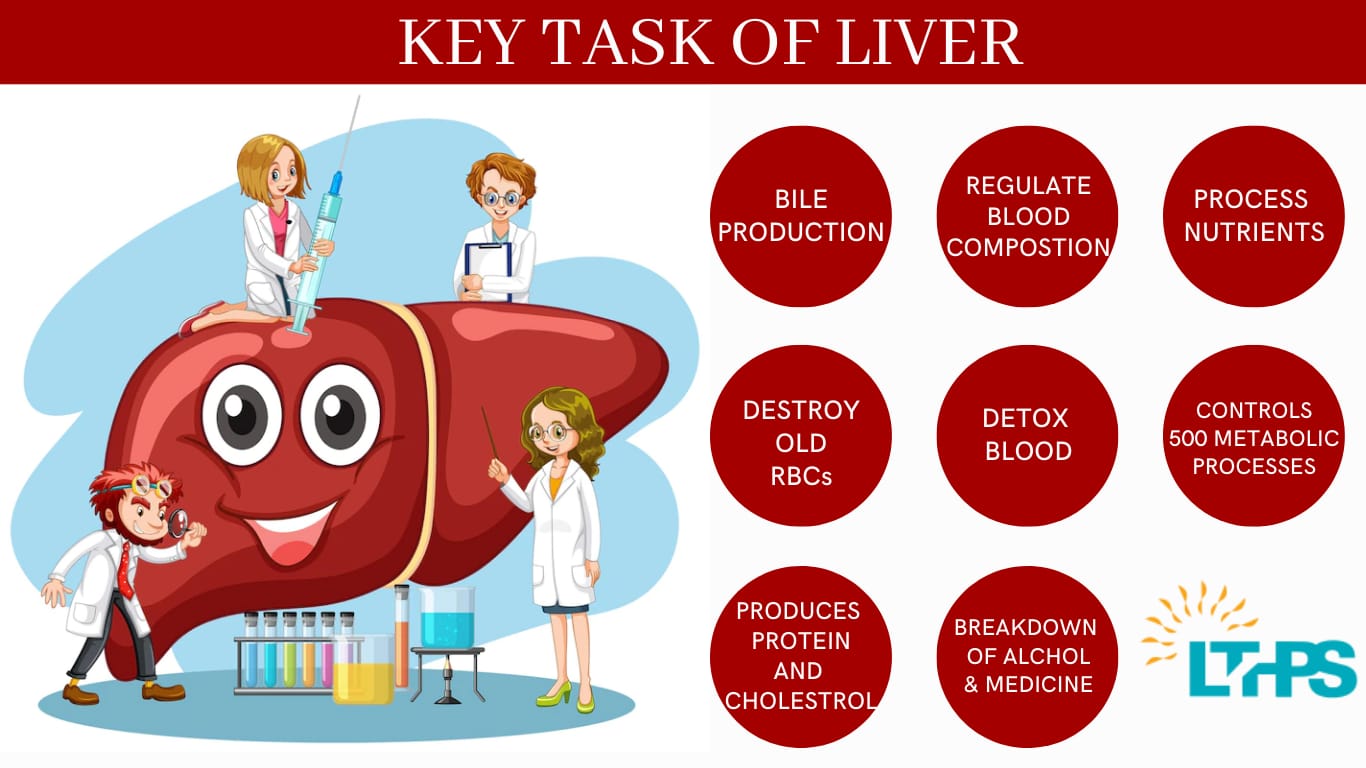
The following are a few of the liver’s key tasks:

  • Bile production: This aids in the assimilation of several vitamins and lipids.
  • Synthesis of blood plasma: The liver does this by creating certain proteins.
  • Producing cholesterol also results in the synthesis of unique proteins that aid in moving fats throughout the body.
  • The body can store extra glucose and turn it back into glucose for power when needed by turning it into glycogen.
  • Bilirubin, a yellowish component in bile, is produced due to the disintegration of red blood cells.
  • Eliminating medicines and toxins from the bloodstream The liver assists in removing poisonous and damaging compounds from the blood.
  • Additionally, it controls blood coagulation by manufacturing specific plasma proteins.

Cheaper medical care

Patients with chronic illnesses require close observation, specialized care, and recurrent hospital admissions. Because it is challenging to have this condition and hold down a career simultaneously, they frequently have a low quality of life.

Since individuals with liver failure have complicated clinical signs, including aberrant blood parameter readings, monitoring them requires specialized abilities. They must consequently have access to experts who can evaluate their medical needs. The d-LIVER initiative aims to lessen the significant economic strain that patient care places on society.

liver's key tasks- Artificial Liver Support Systems

Blood circulated through the liver

The researchers are currently working on building an artificial liver component outside of the body rather than an artificial liver inside the body. In it, cells from pigs or people survive, develop, and carry out the functions of liver cells. The reactor resembles an “incubator,” allowing the cells to increase in a three-dimensional framework.

It guarantees that the environment is suitable for the liver cells to operate well. The reactor needs to be able to regulate the temperature and deliver the proper amounts of nutrients and oxygen to each cell.

Patients experience acute liver failure, which causes waste materials to accumulate in the body and cause crisis moments. This frequently occurs when individuals have illnesses or colds, which a healthy liver is more than capable of handling.

Until they recuperate and their liver function is adequate to keep the body functioning, liver patients may benefit from therapy with an artificial liver.

Prevention is as crucial.

If we can figure out how to tell when a liver patient is starting to experience issues, we might be able to stop these issues in their tracks by altering their medical care. This is beneficial for the patient because it allows them to prevent the worst crises while being less costly and simpler for the healthcare system. For this reason, it’s critical to recognize the earliest indications that a liver isn’t working properly.

The researchers are creating wearable sensors that individuals can use to monitor their physical state and exercise since the homeostasis of the liver is directly linked to illnesses and a weakened immune system.

Summary

Support networks for acute and acute-on-chronic liver problems include artificial liver therapy. They might enable the restoration of liver function or act as a stopgap measure before a liver transplant. To prevent significant complications, it’s crucial for people who exhibit signs of acute liver illness or liver failure to speak with a physician as soon as possible.