
Cirrhosis Can Recur After Liver Transplant: Causes, Risks and Prevention

Cirrhosis Can Recur After Liver Transplant: Causes, Risks and Prevention

Cirrhosis Can Recur After Liver Transplant

Introduction

Severe liver diseases often lead to end-stage liver disease and liver failure, for which liver transplantation is the only curative option. However, patients who undergo liver transplantation are at risk for developing cirrhosis of the transplanted liver.

The transplanted liver is free from cirrhosis at the time of transplantation and it takes time for cirrhosis to develop. A number of conditions can promote cirrhosis of the transplanted liver including the recurrence of the original liver disease, and/or developing new conditions.

Cirrhosis of the transplanted liver is not uncommon. With the advances in transplant medicine, the conditions that can promote cirrhosis of the transplanted liver are identified and appropriate steps are taken to control the process.

Cirrhosis can be prevented by leading a healthy life after liver transplantation and with the regular use of certain medications. It is important to keep regular follow-up appointments.

What Does Cirrhosis After Liver Transplant Mean?

The term cirrhosis refers to the advanced scarring of the liver. There are a number of conditions that can cause scarring and cirrhosis of the liver. Examples include viral hepatitis, alcoholic liver disease, and biliary atresia. Once scarring becomes severe and irreversible, it is termed cirrhosis.

In a situation whereby a patient undergoes liver transplantation, the damaged liver is removed and a healthier liver is substituted in its place. The transplanted liver, however, is still at risk of developing scarring and cirrhosis. If the new liver is exposed to an injured state, scarring can still occur.

It is, therefore, important for the transplanted liver to be protected from further injury in order to prevent scarring and cirrhosis.

The transplanted liver is comparable to a new garden. If the damaged topsoil is removed and replaced with healthy new soil, the garden has the opportunity to improve and be healthy. However, if there are still injurious conditions present such as an uncontrolled infection, continued alcohol use or other metabolic conditions, the garden can still worsen and become unhealthy.

Learn why cirrhosis can recur after liver transplant, its causes, symptoms, prevention and follow-up with the best liver transplant surgeon in India.

Post-Transplant Cirrhosis

Post-transplant cirrhosis was uncommon in the study population; however, cirrhosis that did develop post-transplant was often caused by the return of the original liver disease.

1. Is Liver Disease Returnable?

Some forms of liver disease are likely to return after a liver transplant. Factors that increase the risk of disease recurrence after a liver transplant include:

  • The type of liver disease that originally caused liver failure
  • The presence of infectious disease
  • Cirrhosis
  • Obesity
  • Metabolic syndrome

Bile duct diseases may also recur. Autoimmune diseases and alcoholic liver disease may also recur.

Fatty liver disease may also develop due to numerous causes. Infections may also affect the transplanted liver. Research by the Indian National Association for the Study of the Liver found that disease recurrence is common among liver transplant recipients and is a major long-term concern.

2. Why Can Liver Disease Recur After Transplantation?

There are several possible reasons for the recurrence of liver disease post-transplant. New liver diseases may also develop. Patients may also develop illnesses that are completely unrelated to the reason for transplant.

Risk factors that may also contribute to the development of liver disease post-transplant include diabetes, obesity and other metabolic conditions.

Viral Infection

Some viruses, including hepatitis B and C, can injure a transplanted liver, and if the infection is uncontrolled, it can lead to reinjury and fibrosis of the transplanted liver.

Alcohol Exposure

For patients in whom the primary reason for liver transplantation was chronic alcoholic liver disease, continued alcohol consumption can damage the transplanted liver.

Chronic Rejection

There are patients in whom chronic, rejection-mediated injury leads to cirrhosis of the transplanted liver.

Prevention of reinjury of the transplanted liver with the use of immunosuppressive drugs helps in the control of fibrosis.

3. Liver Diseases That Are More Likely to Recur

Recurrence of liver diseases that lead to primary liver transplantation is variable.

Recurrence of alcohol-related liver disease, primary sclerosing cholangitis and steatohepatitis are of increasing concern.

Recurrence of autoimmune hepatitis and primary biliary cirrhosis has also been described.

It has been reported that in 107 (11.3%) of 937 adult patients, fibrosis and cirrhosis of the transplanted liver was attributed to recurrent disease of the primary liver condition.

In the same study, it was noted that recurrent disease of primary biliary cirrhosis and primary autoimmune hepatitis was observed in transplanted patients.

These data are for descriptive purposes and should not be construed to convey the likelihood of an individual patient.

4. Hepatitis C and Reinjury of the Liver

In the early years of liver transplantation, patients who had transplantation for end-stage liver disease (ESLD) due to hepatitis C were at risk for reinjury of the transplanted liver.

If the transplantation was done while the patient was infected with the hepatitis C virus, then the liver transplant would not treat the patient for the infection, and the virus could lead to fibrosis and cirrhosis of the transplanted liver.

It has been observed in earlier transplant studies that post-transplant hepatitis C infection can recur and lead to fibrosis and cirrhosis of the transplanted liver.

However, advances in direct-acting antivirals have made it feasible to eliminate hepatitis C infection.

With elimination of hepatitis C infection, the focus of post-transplant care has moved away from hepatitis C infection and its related complications.

It illustrates the importance of addressing the most recent information while discussing transplant-related care and how quickly the field of medicine is advancing.

5. Hepatitis B and Recurrence

It is similar to hepatitis C infection in that it can also recur post liver transplantation; however, it is less of a concern due to available means to control it.

Based on the expected risk of hepatitis B infection post-transplantation, patient management can include the use of antiviral therapy and/or hepatitis B immune globulin.

The goal of management is to prevent hepatitis B infection and protect the transplanted liver.

It has been documented that other factors such as elevated viral load and/or the presence of certain mutations of the hepatitis B virus can increase the risk of recurrence.

It is imperative that recurrence be monitored because it can lead to loss of liver function and increased fibrosis.

Patients should not alter their management without approval from their transplant team.

6. Post-Transplant Fatty Liver Disease

Fatty liver disease is one of the consequences of liver transplantation and is becoming more prevalent.

What Is the Relation?

A number of patients gain excess weight post-liver transplantation and develop metabolic conditions like the ones noted below:

  • Obesity
  • Type 2 diabetes
  • Dyslipidemia
  • Hypertension
  • Insulin resistance

These conditions can lead to accumulation of fat in the transplanted liver.

Recurrent and de novo fatty changes in the liver have been reported post-liver transplantation, especially in recipients from the Indian subcontinent.

It is important to note that the presence of fatty changes in the liver does not mean that cirrhosis is also present. Fatty changes in the liver can advance to inflammatory changes and fibrosis in some patients.

Therefore, it is important for patients to appropriately manage their weight, diabetes and other conditions post-transplant through diet and exercise.

7. Alcoholic Liver Disease Post-Transplant

Patients who underwent transplant for alcoholic liver disease are at risk for alcoholic hepatitis and other alcohol-related conditions post-transplant.

As discussed previously, alcohol is not beneficial to a post-transplant patient and can cause inflammation of the liver and other conditions.

Patients benefit from support and counseling.

The transplant team is also able to create a long-term plan that extends beyond the liver. The goal of long-term care is to manage conditions that also contributed to liver disease and damage.

8. Autoimmune and Cholestatic Liver Disease

There are conditions that affect the bile ducts and are of an autoimmune nature. Some conditions recur post-transplantation.

Examples include:

  • Autoimmune Hepatitis (AIH)
  • Primary Biliary Cirrhosis (PBC)
  • Primary Sclerosing Cholangitis (PSC)

Long-term liver transplant recipients are at risk for the return of certain autoimmune and cholestatic conditions.

Symptoms may not be noticeable right away and some patients may appear completely well. If blood tests show abnormal liver function, that may be the first indication of a return of these conditions.

Since it may not always be obvious when conditions return, it is very important that you follow up with your transplant team as directed.

9. Can Rejection Cause Cirrhosis in the New Liver?

In the setting of chronic rejection, changes consistent with cirrhosis may develop.

It is important to understand that a transplanted liver is recognized as “non-self” by the recipient’s immune system. To prevent rejection, the transplanted organ is exposed to immunosuppressive therapy.

In the setting of chronic rejection, cirrhosis may still develop.

Not all abnormal liver function test results indicate liver rejection. Inflammation, infections and medications may also alter liver function test results.

Bile duct abnormalities and vascular abnormalities may also alter liver function test results. Recurrent conditions for which the liver was transplanted may also adversely affect liver function test results.

To evaluate abnormal liver function test results, your healthcare team may perform tests to evaluate the status of your liver. These tests may include blood tests, imaging studies or a liver biopsy.

Never stop or change your immunosuppressive medications, as this may place you at risk for rejection.

10. Symptoms of Cirrhosis in a Transplanted Liver

Early cirrhosis may not be noticeable. Later changes, as cirrhosis progresses, may include:

  • Fatigue
  • Loss of appetite
  • Weight loss
  • Muscle wasting
  • Abnormal bruising
  • Confusion
  • Swelling of the legs
  • Abdominal swelling
  • Changes in urine and stool color
  • Itching

Symptoms of recurrent cirrhosis may also include the accumulation of fluid in the abdomen and leg swelling. These symptoms may also occur with other conditions that are not related to the transplanted liver.

Blood tests may detect changes before symptoms become apparent. Follow-ups provide the opportunity to identify changes before they become clinically apparent.

Jaundice, excessive abdominal swelling and confusion are causes for concern and require immediate medical help. Vomiting blood also requires immediate medical attention.

11. How Is Recurrent Cirrhosis Diagnosed?

Recurrent cirrhosis is diagnosed by integrating multiple examinations, as a single examination is usually not diagnostic of the disease.

Blood Tests

Evaluating liver function by examining clotting times and liver blood tests is helpful.

Viral Tests

Hepatitis B and C may recur after transplantation and be detrimental to the patient. Evaluating for these infections may be prudent.

Imaging

Evaluating the liver, spleen, esophagus and other associated veins may be helpful.

Fibrosis Assessment

Liver stiffness may be evaluated by several means, including non-invasive fibrosis assessment techniques.

Liver Biopsy

A liver biopsy may be performed to evaluate graft inflammation and/or fibrosis.

The diagnosis is integrated from multiple examinations and the patient’s overall clinical history.

12. How Can Cirrhosis Be Prevented After Liver Transplant?

Cirrhosis after liver transplant is usually related to recurrence of the underlying condition or the development of new liver injury. Prevention generally involves strict adherence to medical therapy, regular monitoring and healthy living.

13. Long-Term Advice After Liver Transplant

Avoid Alcohol for Life

While it may be difficult, you should not drink alcohol again. This is particularly important for patients with alcohol-related liver disease to avoid recurrence and aid in the healing process.

Long-Term Follow-Up Is Important

Regular check-ins with your healthcare team help catch problems before they get worse.

Ask Your Doctor Before Taking Herbal Supplements

Some herbal supplements can interact with the medicines you take after your transplant and affect your liver.

Stay Physically Active

Cardiovascular and metabolic health can be improved with appropriate exercise.

The goal of all these guidelines is to help you stay as healthy as possible after your liver transplant.

14. What Does Long-Term Follow-Up Include?

Your healthcare team will perform routine checkups to evaluate your:

  • Liver and kidney function
  • Blood pressure, blood sugar and cholesterol
  • Viral and bacterial infections
  • Liver tumors
  • Fibrosis
  • Graft rejection

They may perform other evaluations to assess your overall health, including your risk for certain cancers.

Recently, the AASLD and AST amended their practice guidelines and highlighted long-term management of patients post-liver transplant to include graft-related diseases, infections, rejection and other complications.

This emphasizes the need for accessible and comprehensive long-term care after liver transplantation. This should also include pre-transplant care.

15. Choosing Comprehensive Liver Transplant Care

Patients in need of a liver transplant in India should keep in mind the complete package offered by the transplant center, not just the surgeon.

This package should include long-term and comprehensive care before and after the surgery.

When researching the best liver transplant surgeon in India, patients should consider the surgeon’s qualifications, transplant experience, multidisciplinary transplant team, hospital infrastructure, post-transplant monitoring and long-term patient support.

16. Warning Signs That Require Medical Evaluation

The following conditions may indicate that a liver transplant patient is experiencing a complication that may require evaluation and treatment:

  • Jaundice
  • Swelling of the abdomen
  • Persistent vomiting
  • Sleepiness and confusion
  • Swelling of the legs
  • Bleeding and bruising
  • Changes in urine, stool and fluid color
  • Fever
  • Unexplained changes in weight
  • Abnormal laboratory results

Even in the absence of the above symptoms, routine visits are essential. Prompt recognition and treatment of complications can help slow the progression of irreversible liver disease.

Conclusion

Cirrhosis can redevelop in a transplanted liver, but it does not happen to all patients. Developments in medications and procedures used before and after transplantation have improved outcomes for patients with liver diseases and cirrhosis.

Maintaining a healthy lifestyle and regularly attending follow-up appointments are important ways to protect the transplanted liver.

The risk of recurrent cirrhosis is higher in patients with certain underlying conditions. Talk to your transplant surgeon about the conditions that may increase your individual risk. Understanding these risk factors can help your transplant team develop a personalized prevention and monitoring plan.

Frequently Asked Questions

1. Will cirrhosis return after liver transplant?

Cirrhosis can redevelop after a liver transplant. The condition may be related to recurrence of the original liver disease or development of a new liver condition. Factors that increase your risk vary depending on the condition that caused your liver failure.

2. Which conditions are likely to cause liver disease to recur after liver transplantation?

Conditions such as autoimmune hepatitis, primary biliary cirrhosis, primary sclerosing cholangitis, alcohol-related liver disease, fatty liver disease and viral hepatitis may recur or cause additional injury to the transplanted liver.

3. Is recurrence of fatty liver disease after a liver transplant possible?

Yes. Fatty liver can recur when it is related to the original condition for which the transplant was performed. It can also develop for the first time after transplantation. Conditions such as diabetes, obesity and other metabolic disorders may increase the risk.

4. How can I prevent my transplanted liver from developing conditions such as cirrhosis in the future?

Take your prescribed medicines as directed, attend regular check-up visits at your transplant center and follow your healthcare team’s recommendations. You should also maintain a healthy body weight, control blood sugar levels, avoid alcohol and avoid taking medicines or supplements unless your transplant doctor approves them.

5. Do liver transplant patients always require long-term follow-up?

Yes. Long-term follow-up is required for patients after liver transplantation. It allows doctors to monitor the transplanted liver, identify possible rejection and detect other conditions that may affect the patient’s health at an early stage.
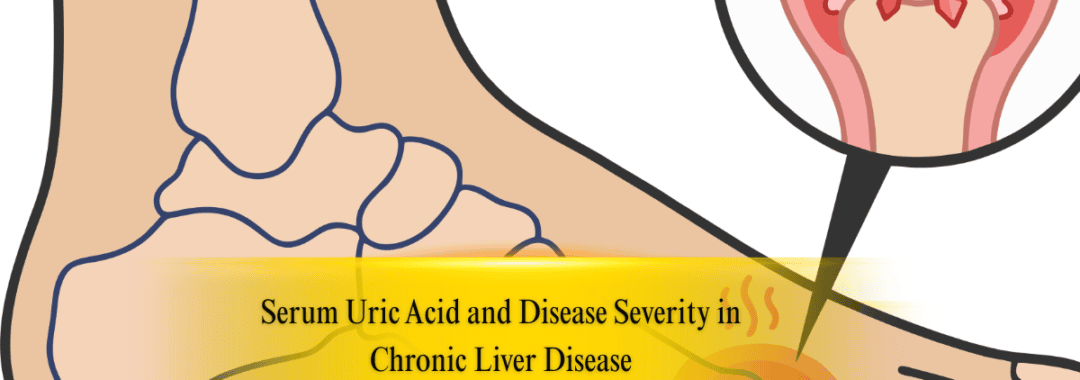

Serum Uric Acid and Disease Severity in Chronic Liver Disease

Serum Uric Acid and Disease Severity in Chronic Liver Disease

Introduction

Chronic liver disease can take many years to manifest. When evaluating liver disease, researchers can use imaging and liver function tests and evaluate the clinical symptoms of the patient. However, other potential blood markers exist to provide more information. Serum uric acid is one of those markers.

While most people can recognize uric acid for its role in gout, it can also have relationships with metabolic health, inflammation, kidney function, and liver disease. Therefore, can the severity of chronic liver disease be determined with a blood test for uric acid?

It is not that simple. There can be many reasons for variations in uric acid levels, and they should always be considered along with other clinical findings.

Serum uric acid may be associated with chronic liver disease severity and metabolic health. Learn its significance, related risks, testing, and when to consult the best liver transplant surgeon in India.

What Is Serum Uric Acid?

Uric acid is a byproduct of the body’s breakdown of purines. Purines are found naturally in the body and are also present in foods.

Once formed, uric acid enters the blood and is usually eliminated by the kidneys. If the body produces too much uric acid or not enough is eliminated, blood levels of uric acid increase.

A blood test known as a serum uric acid test determines the level of uric acid in the blood.

High uric acid levels are closely related to gout, where uric acid builds up and crystals form in the joints. However, research has also shown an association between uric acid and:

  • Fatty liver disease
  • Metabolic syndrome
  • Obesity
  • Type 2 diabetes
  • Cardiovascular disease
  • Kidney disease
  • Chronic liver disease

It is important to note that uric acid does not cause these conditions. High uric acid levels can occur as a result of other metabolic conditions or diseases.

What Is Chronic Liver Disease?

Chronic liver disease refers to chronic or long-lasting injury or inflammation of the liver. It can be caused by many things and can develop gradually.

Some of these causes include:

  • MASLD (metabolic dysfunction-associated steatotic liver disease)
  • Alcohol-associated liver disease
  • Chronic hepatitis B
  • Chronic hepatitis C
  • Autoimmune liver diseases
  • Inherited disorders
  • Long-term use of certain medications or toxins

Repeated injury to the liver can result in fibrosis, or scar tissue formation.

If scar tissue formation continues, cirrhosis can occur. In advanced cirrhosis, the liver loses the ability to perform its essential functions.

The liver is like a central processing plant for the body. If the plant is injured repeatedly, it can affect the plant’s ability to perform its normal functions. Doctors use multiple tests to evaluate how much the liver is injured.

How Are Uric Acid and the Liver Connected?

There is a bidirectional relationship between elevated levels of uric acid and liver disease.

The liver and kidneys have specific roles in purine metabolism. The kidneys are responsible for eliminating uric acid. Liver disease may occur along with obesity, insulin resistance, diabetes, and hypertension.

These conditions may affect uric acid levels.

There are studies that show an association between high levels of serum uric acid and some types of metabolic liver disease. Just because there is an association, though, does not mean there is a cause and effect relationship.

This is an important distinction.

Given this, serum uric acid levels may be elevated in metabolic liver disease; however, it may be more appropriate to consider serum uric acid levels in this context as a secondary or supportive marker of liver disease.

Why Can Uric Acid Levels Change in Liver Disease?

There are multiple reasons that may explain the elevation of uric acid in an individual with chronic liver disease.

Uric Acid Excretion

The kidneys are the main organs responsible for removing uric acid from the body. If the kidneys are not functioning well, then uric acid builds up in the blood.

In end-stage liver disease, kidney dysfunction may occur, and vice versa; thus, they may influence each other.

Insulin Resistance

Insulin resistance is common in metabolic liver disease. It may also affect kidney function and result in increased serum uric acid.

Diet and Lifestyle

Certain dietary patterns may affect uric acid levels. Consuming foods and beverages that are rich in purines or fructose may increase uric acid in susceptible individuals.

Alcohol consumption can also impact uric acid metabolism.

Medications

Some medications can impact serum uric acid. Therefore, your doctor must consider all prescription medications, over-the-counter medications, and supplements that you take.

Serum Uric Acid and Disease Severity

One of the more interesting aspects of research is the potential role of serum uric acid in the evaluation of the severity of chronic liver disease.

There are studies that describe an association between elevated uric acid and markers of liver injury, metabolic dysfunction, fibrosis, and more advanced liver disease. However, the relation is quite vague, and so it cannot be said that elevated uric acid levels can be used to provide staging for a given case of liver disease.

There are multiple reasons for increased serum uric acid.

For example, it can be caused by kidney disease, dietary reasons, medications, obesity, or metabolic disease. It can also occur as a result of worsening liver disease, but not necessarily.

That is why doctors evaluate multiple factors.

This can include:

  • Liver enzymes
  • Bilirubin
  • Albumin
  • Platelet count
  • INR
  • Kidney function
  • Ultrasound
  • Fibrosis assessment
  • Clinical findings
  • Complications of the disease
  • Disease-specific scoring systems

So, it can be said that elevated uric acid can be one finding in a case of a fatty liver, but it is not the only reason.

Fat accumulation in the liver commonly occurs with metabolic conditions such as:

  • Overweight/Obesity
  • Insulin Resistance
  • Type 2 Diabetes
  • High Triglycerides
  • High Blood Pressure

Elevated serum uric acid has been associated with the metabolic conditions listed above.

This suggests a relation between uric acid, metabolic dysfunction, and fatty liver disease.

For a person with a fatty liver, an elevated uric acid level would prompt the doctor to examine the person’s metabolic status in more detail.

It, however, does not signify that the liver has developed scar tissue and cirrhosis.

A person with a fatty liver should not assume that an elevated uric acid level indicates cirrhosis of the liver.

The Role of Inflammation and Oxidative Stress

Beyond gout, what interests scientists about uric acid?

Its relationship with inflammation and oxidative stress.

Oxidative stress occurs when the body’s protective balance is tipped in favor of harmful reactive molecules. Chronic inflammation and oxidative stress are hallmarks of many metabolic liver disease conditions.

In biology, uric acid has antioxidant properties, but it can also be pro-inflammatory and promote metabolic processes.

Therefore, the relationship is more complex than “high uric acid means liver damage.”

The focus of research is determining whether uric acid is a mere bystander of metabolic dysfunction, or if it plays an active role in these conditions.

Does High Uric Acid Mean Severe Liver Disease?

No, by itself it does not indicate severe liver disease.

This is one of the most important things to remember.

A high serum uric acid level cannot diagnose cirrhosis, liver failure, or advanced fibrosis on its own.

Someone may have high uric acid levels because of:

  • Reduced renal function
  • Obesity
  • A high-purine diet
  • Certain medications
  • Metabolic syndrome
  • Dehydration
  • Genetic factors

Someone may also have significant liver disease and still have normal uric acid levels.

If your blood test shows high uric acid, you should not be concerned and should discuss this with your doctor to review your other test results.

What Other Tests Evaluate the Severity of Liver Disease?

When your healthcare team is evaluating chronic liver disease, they will use a variety of tests and information.

Liver Function Tests and Injury

Some of the blood tests your doctor may order will assess the following liver functions and injuries:

  • ALT
  • AST
  • Bilirubin
  • Albumin
  • Alkaline phosphatase
  • GGT

Thrombocytopenia

A low platelet count may occur with portal hypertension and advanced liver disease, though it is not specific to cirrhosis.

Imaging

Ultrasound, CT, and MRI can evaluate the liver’s structure, blood vessels, masses, and other abnormalities.

Fibrosis Assessment

Non-invasive methods such as transient elastography can estimate liver stiffness and help assess fibrosis.

Clinical Scoring Systems

In the setting of advanced liver disease, the healthcare team may use established scoring systems such as the Child-Pugh classification and MELD-based scores.

Assessing the severity of advanced disease with these systems is much more helpful than assessing serum uric acid level alone.

Serum Uric Acid in Advanced Liver Disease

Advanced liver disease can affect numerous systems throughout the body.

Patients with cirrhosis can present with the following complications:

  • Ascites
  • Jaundice
  • Gastrointestinal bleeding
  • Hepatic Encephalopathy
  • Fluid Retention
  • Muscle Wasting
  • Kidney Dysfunction
  • Infections

At this stage, the entire clinical picture needs to be evaluated.

If there are changes in renal function, for instance, serum uric acid can also change. Therefore, interpreting this value without evaluating renal function can be misleading.

One laboratory value should never be interpreted in isolation. This always holds true, especially in the field of liver medicine.

Can Lowering Uric Acid Improve Liver Health?

Depending on the reason for the elevated serum uric acid level, it may or may not need to be treated.

Management may include lifestyle changes, medications, or monitoring, depending on the person’s overall health.

There are several lifestyle changes that can improve both metabolic and liver health:

Maintaining a Healthy Weight

If you are overweight, gradual and sustainable weight loss can be beneficial for metabolic liver disease.

Eating a Balanced Diet

Increasing your vegetable and fruit intake, and whole grains and legumes, while decreasing excessive sugar-sweetened beverages and processed foods, is also beneficial.

Being Physically Active

This can improve insulin sensitivity and help maintain a healthy weight.

Limiting Alcohol

If advised to do so, this can improve certain liver disease grades and may also help with uric acid metabolism.

Improving Other Conditions

If you have conditions such as diabetes, high blood pressure, abnormal cholesterol, kidney disease, or obesity, these should also be managed.

Importantly, do not begin uric acid-lowering medications just because your number is high. Your symptoms, your level of uric acid, your kidney function, your history of gout, your other medical conditions, and your doctor’s opinion will all play a role in the decision.

When Should You See a Liver Specialist?

You should see a liver specialist if you have chronic liver disease, abnormal liver function tests, persistent fatty liver, hepatitis, or if you have signs or symptoms of liver dysfunction.

You should also see a liver specialist if you have:

  • Yellowing of your skin or eyes
  • Swelling of your abdomen
  • Vomiting
  • Confusion or excessive sleepiness
  • Vomiting blood
  • Black or tarry stools
  • Significant unexplained weight loss
  • Weakness
  • Itching
  • Swelling of your legs

If your liver disease has progressed to cirrhosis or liver failure, a liver specialist will decide if there are other treatments or a liver transplant is necessary.

If you are looking for the best liver transplant surgeon in India, you should look for more than just the best marketing. You should look for a surgeon who has the right qualifications, a transplant center with the right facilities, and a surgeon who has the right experience with the liver conditions you have. You should also look for a surgeon who has a multidisciplinary team, and who has good communication with patients.

Treatment for Chronic Liver Disease

Treatment for liver disease depends on the cause of your liver disease and how advanced your liver disease is.

For early-stage liver disease, treatment is aimed at controlling the cause of your liver disease and preventing further damage to your liver.

This may include treatment for:

  • Viral hepatitis
  • Alcohol-related liver disease
  • Autoimmune liver disease
  • Certain inherited disorders

For cirrhosis, treatment is aimed at controlling complications of cirrhosis.

In end-stage liver failure, liver transplantation may be an appropriate treatment option for selected patients.

A transplant evaluation considers multiple aspects of your health, including your liver function, kidney function, complications, other health conditions, and your nutritional status.

Because of this, transplant centers use multidisciplinary teams to evaluate each case individually. Searching for a center by looking for a single laboratory marker or relying on a single online ranking will not provide a complete basis for choosing a transplant center.

Conclusion

Serum uric acid can be found in people with chronic liver disease, especially in the context of metabolic health and fatty liver disease. However, it does not help measure the acuity of liver disease on its own.

If your uric acid is elevated, your doctor should look into metabolic health, kidney function, your diet, medications, and other health conditions to help determine why your liver enzymes are elevated. To truly assess liver disease, a combination of appropriate lab work, imaging, clinical examination, and established scoring systems should be used.

The important take-home point is to look at your health as a whole when interpreting your lab work, rather than looking at a single number in isolation.

Frequently Asked Questions

1. Can high serum uric acid indicate chronic liver disease?

High serum uric acid can be found in people with certain metabolic conditions and chronic liver disease, but it cannot be used to diagnose chronic liver disease. Other tests would be needed to determine the cause and evaluate the disease.

2. Is uric acid associated with fatty liver disease?

Yes, there are studies that have shown an association between elevated uric acid and metabolic dysfunction-related fatty liver disease. Having elevated uric acid does not mean a person has fatty liver or advanced fibrosis.

3. Can cirrhosis lead to high uric acid levels?

While cirrhosis can happen with certain renal functions and metabolic disorders that can influence uric acid levels, it does not always lead to high uric acid levels, so the result needs to be interpreted on a case-to-case basis.

4. Which tests are more valuable to evaluate the degree of liver disease?

Liver function tests, platelet counts, imaging, elastography, and clinical scoring systems are some of the methods that specialists can use to evaluate liver disease. In later stages of the disease, the MELD score and other clinical data can be of great value.

5. At what point is it necessary to call in the liver transplant team for a person with chronic liver disease?

The specialist will be called when liver disease worsens and complications arise. If liver disease worsens to the point where speciality care is needed to determine the best course of action and if a liver transplant is needed, the team will be called to assess the patient.

Gut Barrier Dysfunction & Liver Inflammation

Gut Barrier Dysfunction & Liver Inflammation

Introduction

Although the gut and the liver appear to be unrelated organs, the two are connected through what doctors call the gut-liver axis. Blood from the digestive system is sent to the liver through the portal vein, so anything that is produced or absorbed in the intestine will eventually affect liver health.

One of the more recently studied phenomena is gut barrier dysfunction, which in layman’s terms is referred to as a “leaky gut.” If the intestinal barrier is not functioning properly, then bacteria and other substances can cross over into the circulatory system. The liver then has to take on an additional burden of inflammation.

Learn how gut barrier dysfunction affects liver inflammation, fatty liver, and cirrhosis, and discover why choosing the best liver transplant surgeon in India matters for advanced liver disease.

What are the consequences of a weak barrier? Can it lead to the progression of fatty liver or cirrhosis? Is there anything that can be done to improve the gut-liver connection?


Table of Contents

Sr# Headings
1 What Is the Gut Barrier?
2 What Does “Leaky Gut” Really Mean?
3 Understanding the Gut-Liver Axis
4 How Gut Barrier Dysfunction Can Trigger Liver Inflammation
5 The Role of Gut Bacteria and Dysbiosis
6 Leaky Gut and Fatty Liver Disease
7 Gut Barrier Problems in Alcohol-Associated Liver Disease
8 Why Cirrhosis Can Make the Gut More Vulnerable
9 Bacterial Translocation and Liver Complications
10 Can Diet and Lifestyle Support the Gut Barrier?
11 Probiotics, Prebiotics and Emerging Treatments
12 How Is Gut Barrier Dysfunction Evaluated?
13 When Should You See a Liver Specialist?
14 The Future of Gut-Liver Research
15 Frequently Asked Questions

1. What Is the Gut Barrier?

The intestine is not an open tube through which food passes. There is a coordinated protective system which allows nutrients and water to enter the body while preventing the passage of harmful bacteria and other unwanted substances.

The protective system includes the intestinal lining, a mucus layer, and the immune defenses, as well as the connections between intestinal cells, which are called tight junctions. Together, they act like a security gate which is tightly controlled.

Your gut barrier can be thought of as the security system of a large building. It allows authorized visitors to enter but keeps out unauthorized people.

This system helps keep the gut microbiome and the immune system in balance. If this system is broken, more microbial products can cross the intestinal wall.

2. What Does “Leaky Gut” Really Mean?

The term “leaky gut” has become commonplace, but the concept is more accurately described as “increased intestinal permeability.”

This does not mean that the intestine has become perforated. It means that the intestinal barrier has been altered in a way that allows certain molecules, including bacterial components and other substrates, to cross the intestinal wall.

There is research that supports the existence of intestinal barrier dysfunction in several chronic liver conditions, especially in those with cirrhosis and their complications.

It is important to note that gut barrier dysfunction is not enough to explain liver disease on its own. There are other factors such as metabolic conditions, alcohol, viruses, medications, genetics and the immune system that also need to be considered.

The gut is just one part of the entire body.

3. Understanding the Gut-Liver Axis

The gut-liver axis is the two-way communication between the intestine and liver.

It works in both directions. The intestine provides the liver with nutrients and microbial products. The liver has bile acids that influence the intestine. Gut bacteria alter certain compounds that can influence liver metabolism. There are immune signals that travel between the two organs. The portal vein offers a direct connection between the intestine and liver.

This indicates that the gut can impact the liver, and vice versa. In more advanced liver disease, this can become particularly evident where changes to the gut can influence the liver further, and vice versa.

This can lead to a vicious cycle where changes to the gut can influence the liver further, and vice versa.

This can be thought of as a two-way highway. Traffic in one direction can influence the other, and a problem on either side can lead to congestion throughout the system.

4. How Gut Barrier Dysfunction Can Trigger Liver Inflammation

So, how can an intestinal barrier problem affect the liver?

When the intestinal barrier becomes impaired, microbial products can cross the intestinal lining and be transported to the liver through the portal circulation.

The liver has immune cells called Kupffer cells that can identify and respond to potential threats.

If Kupffer cells are repeatedly stimulated by microbial products, they can induce an inflammatory response.

This can lead to:

  • Inflammatory signaling
  • Oxidative stress
  • Activation of liver immune cells
  • Hepatic stellate cell activation
  • Fibrosis

It has been indicated that this gut-to-liver inflammatory pathway can be observed in several chronic liver conditions.

The crucial part to understand is that this can be a self-reinforcing cycle. Liver inflammation can influence the gut, and gut dysfunction can also amplify inflammation in the liver.

5. The Role of Gut Bacteria and Dysbiosis

There are trillions of microorganisms in the digestive tract, which are collectively known as the gut microbiota. They assist in digestion, metabolism, regulation of the immune system, and creation of biologically active molecules.

A healthy microbiome is not simply the presence of ‘good bacteria’. It is the maintenance of a balanced ecosystem.

Dysbiosis is an unhealthy alteration in the composition or function of the gut microbial community.

In liver disease, the researcher has observed alterations in the gut microbiome with increases in intestinal permeability. While the beneficial bacteria may decrease, more harmful bacteria, or bacteria with more advanced functional genes, may increase.

These changes may affect:

  • Intestinal barrier
  • Inflammation
  • Bile acid metabolism
  • The immune response
  • Microbial metabolites

Although, the researchers are still trying to understand which of the observed changes in the microbiome are the causes of the disease and which changes are consequences of the liver disease.

6. Leaky Gut and Fatty Liver Disease

MASLD (metabolic dysfunction-associated steatotic liver disease) is an increasingly important cause of chronic liver disease.

There is evidence that alterations in diet, gut microbiota, and the intestinal barrier, in conjunction with metabolic factors, may lead to liver inflammation.

An impaired intestinal barrier leads to greater exposure of the liver to microbial products, which may contribute to the activation of immune cells. It has been proposed that this may lead to liver fat accumulation and inflammation, as well as fibrosis.

It is important to note that:

Improving Gut Health Will Not Cure Fatty Liver Disease

Appropriate management of diabetes and cholesterol, regular physical activity, weight management, a healthy diet, and appropriate alcohol consumption are essential for liver care.

Improving gut health is part of a larger picture and should not be overly relied on.

7. Gut Barrier Problems in Alcohol-Associated Liver Disease

Alcohol can damage both the liver and the gut.

There are studies that suggest alcohol-related liver disease is associated with modifications of the gut microbiome, the integrity of the gut epithelial barrier and the gut immune system. Increased permeability of the gut allows microbial products to translocate to the liver and can potentially provoke an inflammatory response.

This establishes a gut-liver inflammatory feedback loop.

Alcohol-induced modifications of the gut can be a source of inflammatory signals that can provoke an inflammatory response in the liver, and liver disease can alter normal functioning of the gut.

Treatment for alcohol-related liver disease includes evaluation and appropriate management from the healthcare team, not “leaky gut” supplements.

8. Why Cirrhosis Can Make the Gut More Vulnerable

This is especially pertinent in more advanced liver disease and cirrhosis.

Cirrhosis alters blood and lymph flow, gut motility and immune and microbiota function.

All of these can weaken the intestinal barrier and increase bacterial translocation.

Think of the gut and liver as two departments in the same organization. If one department becomes severely dysfunctional, the other department suddenly has more work to do.

This focuses on why gut-liver interactions have become a major research focus for advanced liver disease.

9. Bacterial Translocation and Liver Problems

Bacterial translocation is the process by which bacteria or their components move from the gut to other locations where they normally should not be found.

In cirrhosis, this process has been associated with several important complications.

Gut barrier dysfunction and microbial translocation have been associated with the inflammatory response and with the development of spontaneous bacterial peritonitis, hepatic encephalopathy and other liver disease complications.

This is the case with patients with advanced liver disease who should not ignore new symptoms, such as:

  • Fever
  • Abdominal pain
  • Increased abdominal swelling
  • Confusion/sleepiness
  • Vomiting blood
  • Black stools
  • Sudden weakness

These require an immediate medical assessment.

10. Can Diet and Lifestyle Support the Gut Barrier?

This is the question patients ask the most: “What can I do about it?”

There is no food that can heal the gut barrier in one day, but there are many things that can be done to improve both the gut and the liver in the long term.

Depending on your medical condition, helpful changes may include:

Eat a Diet Rich in Fiber

A diet rich in fiber from vegetables, fruits, legumes, and whole grains can help improve the microbiome and gut health.

Eat Unprocessed Foods

A diet composed of unprocessed whole foods can improve metabolic and digestive health.

Be Active

This is recommended for the management of lifestyle-related conditions, such as fatty liver disease.

Limit Alcohol Consumption

Alcohol has negative consequences on the liver and the intestinal barrier.

Limit Unnecessary Antibiotic Use

Gut microbiomes are disrupted by antibiotics. They should only be used when absolutely necessary.

Reduce Metabolic Risk Factors

Obesity, diabetes, high blood pressure and abnormal cholesterol can all contribute to liver health issues.

There is still not enough evidence to say for sure, but it is thought that improving gut and liver health through lifestyle changes can improve liver health as well.

11. Probiotics, Prebiotics and Emerging Therapies

You may have seen advertisements that claim probiotics can reverse leaky gut and/or liver disease.

This is not exactly how it works.

Probiotics are living microorganisms, and prebiotics are things that can help benefit microorganisms.

There has been research on the use of probiotics and other interventions to modify the gut-liver axis, as well as diet, the microbiome, bile acid pathways, and other therapies. Some studies have shown beneficial changes, but this is dependent on the specific intervention and the liver disease and patient population being studied.

Just because you have liver disease, it does not mean that a probiotic is going to help you.

This is especially true because, in later stages of liver disease, there can be a lot of changes that happen with your nutrition, and supplements should be approved by your doctor.

12. How Is Gut Barrier Dysfunction Assessed?

This is a subject where there can be a disconnect between the public and science.

A definitive test to diagnose leaky gut is not currently available.

Different techniques are used to study intestinal permeability, the microbiome, and related signaling molecules.

In the average case, the goal of the clinician is to identify and address the liver disease and associated problems.

Your case may require:

  • Assessment of liver function
  • Blood tests
  • Imaging
  • Fibrosis assessment
  • Endoscopy
  • Assessment for viral hepatitis or metabolic causes
  • Nutritional and lifestyle assessment
  • Assessment for complications of cirrhosis

Though research on the gut-liver axis is progressing, many measures of the intestinal microbiome and the intestinal barrier are research tools and are not used in clinical practice.

13. When Should You See a Liver Specialist?

You should see a liver specialist if you have abnormal liver test results, fatty liver, hepatitis, cirrhosis or symptoms of advanced liver disease.

A liver specialist can tell you the cause of the liver injury, the severity of the disease and the available treatment options.

If you have advanced liver disease, it is important to choose a transplant center and a specialist team with a lot of experience.

When choosing a liver transplant surgeon in India, avoid relying on rankings or marketing claims. Instead, look at the transplant center’s infrastructure and multidisciplinary team, transparency in reporting transplant outcomes, the liver disease being treated, and the qualifications and experience of the transplant surgeon.

Most importantly, therapy for leaky gut should not be used in place of proven treatment for advanced liver disease.

14. The Future of Gut-Liver Research

The gut-liver axis is gaining interest as a potential therapeutic route, and new investigations are focused on this axis.

Potential future directions may include:

  • Precision microbiome therapies
  • Targeting specific microbial metabolites
  • Manipulating bile acid signaling
  • Enhancing intestinal barrier integrity
  • Tailored nutrition
  • Microbiome-based biomarkers
  • Modulating the immune system

Recent reviews note the potential of this field, but recognize that it is still nascent, and that further adequate human studies are required to identify interventions that lead to improved clinical outcomes.

This is important.

Just because there is an interesting biological mechanism, does not mean there is an existing treatment for it.

The aim of future studies should be to progress beyond understanding the gut-liver axis to developing effective, safe treatments for liver diseases that can halt and reverse liver disease.

15. Conclusion

The gut and liver are functionally connected, and gut barrier dysfunction may be crucial for the development of liver inflammation in metabolic liver disease, alcohol-related liver disease, cirrhosis and others. There is evidence that changes in the intestinal barrier, microbiome and translocation can impact liver inflammation.

“Leaky gut” should not be used to explain every case of liver disease, and it should not be used to justify unproven treatments. The best course of action is to identify the liver disease, eliminate the known risk factors and work with a qualified medical team. There is a lot of potential in the gut-liver axis to develop preventative and treatment strategies for liver disease; however, we still need to do a lot of research in this area.

Gut Barrier Dysfunction FAQs

1. What is gut barrier dysfunction?

Gut barrier dysfunction is when the intestinal lining becomes worse at controlling what gets into the body from the intestine. This is referred to as a “leaky gut.”

2. Can a leaky gut lead to liver inflammation?

There are a number of studies that support the idea that if the intestinal barrier becomes too weak, then microbial products can get into the liver and activate inflammatory responses. However, there are usually multiple reasons why liver inflammation occurs, so gut dysfunction can’t be their only reason.

3. Is a leaky gut common in cirrhosis?

Intestinal barrier dysfunction is apparently common in cirrhosis, and in more complex cases, this can be made worse by changes in portal pressure, inflammation, and other factors.

4. Can leaky gut be repaired by probiotics and can liver disease be cured by this means?

No. There are some studies that support the use of probiotics in liver disease, but this is still an active area of research, and in the meantime, probiotics should not be used to treat chronic liver disease.

5. What can be done to improve gut and liver health?

There are many conditions where the recommended course of action is to lose weight and to eat a healthier, more fiber-rich diet while exercising more. It is also important to manage conditions such as diabetes and high cholesterol, as well as drink alcohol in moderation. If you have been diagnosed with liver disease, follow your doctor’s orders.

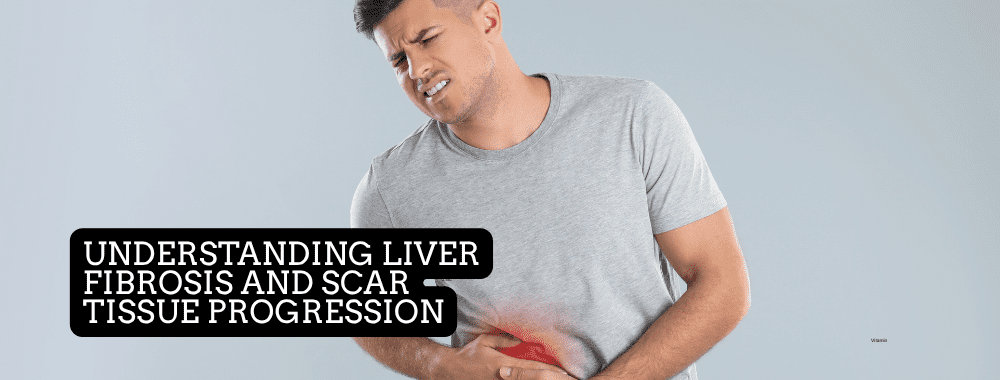
Understanding Liver Fibrosis and Scar Tissue Progression

Understanding Liver Fibrosis and Scar Tissue Progression


Your liver is among the most demanding organs of your body. It removes toxins, aids in digestive function, and stores nutrition and aids in maintaining general health. But what happens when your liver begins to develop scar tissue as time passes? This is known as the liver fibrosis and can slowly progress, without any obvious warning indicators.

Imagine your liver as it’s a sponge. Healthy sponges are soft and flexible, and efficient. However, if you damage it repeatedly it, it becomes rigid and hard. Liver fibrosis functions similarly. The constant trauma to the liver causes scar tissue to grow and makes it hard for your liver’s function to be normally.

The positive side? Liver fibrosis is often controlled, slowed down and even reversed if it is detected early. Knowing the symptoms can allow you to safeguard your liver and prevent serious complications such as cirrhosis or liver failure.

Understand liver fibrosis, scar tissue progression, symptoms, diagnosis, and treatment options. Learn when to consult the best liver transplant surgeon in india for advanced liver care and better long-term health outcomes.

1. What Is Liver Fibrosis?

The condition known as liver fibrosis is the growth of scar tissue in the liver as a result of frequent injury or inflammation. The liver attempts to heal itself following injury however, over time this process of healing creates fibrous tissue.

Scar tissue isn’t like the healthy tissue of your liver. It restricts blood flow and can interfere with normal function of the liver. If fibrosis is persistent for long periods it could eventually cause the condition known as cirrhosis which is an advanced form of and irreparable liver scarring.

Fibrosis by itself isn’t an illness. It is instead the result of liver damage due to alcohol, infections and fatty liver disease or other ailments.

2. How Scar Tissue Forms in the Liver

When the liver is damaged the liver’s cells are activated for repair. In this process collagen and other fibers accumulate within the liver.

The liver will continue to function normally despite small scarring. However, repeated trauma creates scar tissue. The healthy liver structure gets deformed.

Imagine patching up cracks repeatedly in the wall. After some repairs it is will no longer look or function in the same way. It’s similar to the way fibrosis alters the liver over time.

3. Common Causes of Liver Fibrosis

A variety of health issues and lifestyle choices can harm the liver, causing the development of fibrosis.

Chronic Hepatitis B and C

Viral Hepatitis can cause chronic inflammation that eventually causes scarring of the liver.

Fatty Liver Disease

Non-alcoholic fat liver illness (NAFLD) becomes more prevalent due to diabetes, obesity and a inadequate diet.

Alcohol-Related Liver Disease

The consumption of alcohol is among of the most common reasons for liver problems in the world.

Autoimmune Liver Diseases

Sometimes, the body’s immune system targets liver cells through making a mistake.

Certain Medications and Toxins

Exposure to chemicals that are harmful for long periods or the misuse of medications can harm the liver.

Genetic Disorders

The inherited conditions like hemochromatosis and Wilson’s disease can be a contributing factor to fibrosis.

4. Stages of Liver Fibrosis

Doctors typically classify fibrosis in stages that range from F0 up to F4.

Stage Description
F0 No Fibrosis
F1 Scarring that is mild
F2 Moderate Fibrosis
F3 Fibrosis severe
F4 Cirrhosis

The higher the level the stage, the more damage to the liver.

Why Staging Matters

Knowing the stage can help doctors choose the most appropriate treatment strategy and track the progress of the disease.

5. Early Warning Signs and Symptoms

One of the most difficult issues in liver fibrosis often it does not cause any symptoms until the beginning stages.

As the condition deteriorates the possibility of:

  • Fatigue
  • Weakness
  • Appetit loss
  • Nausea
  • Abdominal discomfort
  • Unexplained loss of weight

Acute fibrosis or cirrhosis could result in:

  • Jaundice
  • Leg swelling
  • Fluid accumulation inside the abdomen
  • Confusion
  • Easy bruising

Since symptoms can develop late due to the fact that symptoms may not be apparent until later, regular health checks are crucial for those who are who are at high risk.

6. How Doctors Diagnose Liver Fibrosis

A variety of tests can help determine if you have the presence of liver fibrosis. There are several tests that can help identify liver.

Blood Tests

Tests for liver function may identify liver damage or inflammation.

Imaging Tests

Ultrasounds, CT scans, and MRI scans are used to evaluate the liver structure.

FibroScan

This test, which is painless, determines stiffness in the liver. It is widely used today.

Liver Biopsy

In some instances doctors will remove a tiny tissue sample to conduct a thorough exam.

The early diagnosis lets doctors begin treatment before serious damage is caused.

7. Can Liver Fibrosis Be Reversed?

This is among the most frequent questions people are asked.

The good news is that Early-stage liver fibrosis in the beginning can occasionally improve or even reverse when the root causes are addressed.

For instance:

  • The cessation of alcohol consumption can aid in healing the liver.
  • The treatment of hepatitis infections can help reduce inflammation.
  • Losing weight can help aid in the treatment of the severity of fatty liver disease.

However advanced fibrosis and cirrhosis are harder for a complete reverse.

8. Treatment Options for Liver Fibrosis

There is no one medicine that can completely treat liver fibrosis However, many treatments may stop or slow the progression.

Treating the Underlying Cause

Doctors are focused on treating the conditions that cause liver damage.

Examples Include:

  • Antiviral medications for Hepatitis
  • Management of diabetes
  • Weight loss
  • Beware of the consumption of alcohol

Medications

Certain medicines can reduce inflammation and safeguard liver cells.

Regular Monitoring

Patients frequently require routine blood tests and scans to monitor liver health.

Advanced Care

Patients with severe liver diseases might require specialized care by the top liver transplant surgeons in India in the event that liver function decreases dramatically.

9. Lifestyle Changes That Support Liver Health

A healthy lifestyle can have a significant impact on.

Eat a Balanced Diet

Concentrate on:

  • Fruits and vegetables
  • Whole grains
  • Lean protein
  • Healthy fats

Avoid:

  • Foods processed for processing
  • Drinks with sugary substances
  • Salt in excess

Maintain a Healthy Weight

Obesity can increase the risk of developing fatty liver disease.

Avoid Alcohol

Even tiny amounts of alcohol can cause the damage to the liver in certain patients.

Exercise Regularly

Physical activity can improve the metabolic rate and reduce fat in the liver.

Stay Hydrated

Drinking enough fluids can improve the overall health of your body.

10. The Link Between Fibrosis and Cirrhosis

It is not the case that everyone who has fibrosis develops cirrhosis. However, chronic liver damage can raise the chance.

Cirrhosis is a condition that occurs when scar tissue grows and permanently interferes with the liver’s function.

The complications could include:

  • Internal bleeding
  • Infections
  • Liver failure
  • Hypertension at the portal

The the treatment is focused on preventing the development of complications while preserving the remaining liver function.

11. Liver Fibrosis and Liver Cancer Risk

The presence of advanced fibrosis and cirrhosis increases the risk of developing liver cancer.

People suffering from chronic hepatitis and cirrhosis usually require regular screening tests like:

  • Ultrasounds
  • AFP blood tests
  • The MRI scans

Early detection significantly improves the chance of success in treatment.

12. When Is a Liver Transplant Needed?

A liver transplant can be essential if the liver is unable to no longer fulfill its essential duties.

Signs That a Transplant May Be Required

  • Cirrhosis severe
  • Recurring fluid buildup
  • Liver failure
  • Liver cancer in certain instances

Selecting a reputable medical team is crucial. A lot of patients seek advice from the top liver transplant surgeons in India to receive the most advanced treatment and evaluation of transplants.

India is now a renowned location for liver transplants due to highly skilled surgeons and modern medical infrastructure.

13. Importance of Early Detection

Early detection is a great way to increase the chances of success.

The most at-risk people need to have regular liver checks for the following reasons:

  • Hepatitis-infected people
  • People suffering from diabetes
  • Heavy alcohol users
  • Patients with obesity or the fatty liver disease

The early detection of fibrosis can keep liver damage from becoming irreparable.

14. Tips to Prevent Liver Fibrosis

It is better to prevent than cure.

Get Vaccinated

Hepatitis vaccinations A and B to protect the liver.

Practice Safe Hygiene

Be wary of sharing needles or personal items that can transmit infections.

Limit Alcohol Intake

The reduction in alcohol consumption reduces stress on the liver.

Control Diabetes and Cholesterol

Monitoring metabolic health can protect the liver.

Avoid Self-Medication

Certain medicines and supplements may harm the liver when used incorrectly.

Schedule Regular Health Checkups

Monitoring routinely helps to identify issues before they get more serious.

15. Final Thoughts

Liver fibrosis can sound scary but knowing the cause can be the initial step to safeguarding your health. The liver is extremely resilient and is able to heal provided the right care.

The most important thing is to take action as soon as possible. If the reason is the hepatitis virus, fatty liver disease or alcohol consumption, or other condition, prompt treatment may slow or reverse liver damage in a lot of instances.

If you or someone close to you is suffering from liver issues for a long time Do not overlook the warning indicators. Seek out a specialist who is qualified and adhere to a healthy life style, and seek professional assistance when required. For more serious cases, contacting the top liver transplant surgeons in India will help patients consider the best options for life-saving treatments and enhance the long-term outcome.

FAQs

1. What is the primary reason for liver fibrosis?

The most frequent causes are the hepatitis infection as well as fatty liver disease. excessive alcohol consumption and chronic inflammation of the liver.

2. Does liver fibrosis disappear completely?

Early-stage fibrosis can be reversed or improved when the causes are treated promptly.

3. Is liver fibrosis the exact same as cirrhosis?

No. Fibrosis can be characterized as mild or early scarring, while cirrhosis can be severe and has extensive liver damage.

4. How long will the progression of liver fibrosis last?

The course of treatment varies from one person to the next individual. Certain people will have severe fibrosis before the age of but others can require several decades.

5. When should one consult a specialist in the field of liver?

Anyone who has chronic liver problems, hepatitis the fatty liver disease and abnormal tests for the liver, should seek out a doctor for a medical evaluation.

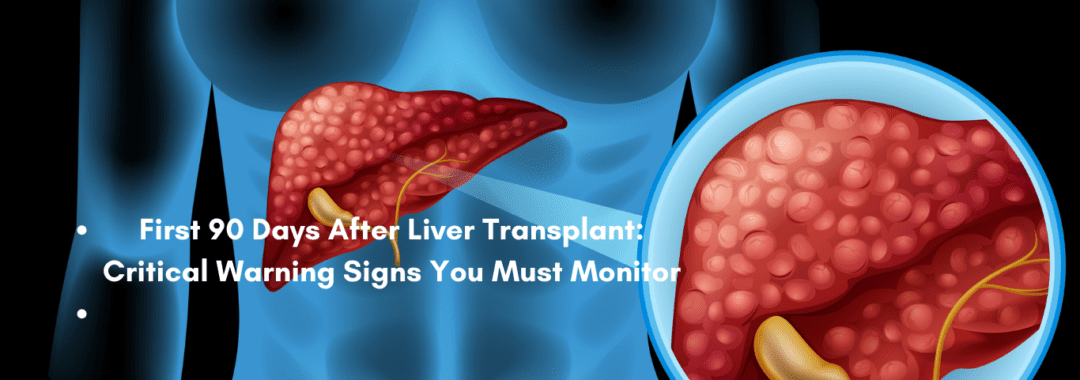
First 90 Days After Liver Transplant: Critical Warning Signs You Must Monitor

A liver transplant is not just a surgery– it’s a second chance at life. But here’s the truth many people don’t talk about enough: the first 90 days after a liver transplant are the most delicate and decisive. Think of this phase like nurturing a newly planted sapling. With the right care, it grows strong. Ignore early signs of trouble, and even a healthy plant can wither.

If you or someone you love has recently undergone a liver transplant, this article is written for you. We’ll walk through the critical warning signs, what’s normal, what’s not, and when to act fast– using simple language, real-life examples, and practical advice you can actually use.

1. Understanding the First 90 Days

The first three months after a liver transplant are like a trial period for your new organ. Your body is learning to accept it, and doctors are adjusting medications to keep rejection at bay. During this time, small symptoms can signal big problems.

This is why doctors insist on frequent follow-ups, blood tests, and strict routines. Skipping even one appointment can be risky.

2. Why Early Monitoring Is Life-Saving

Why all the fuss over early signs?

Because most complications start quietly. A mild fever or fatigue might seem harmless, but in transplant patients, these can be early alarms. Catching issues early often means simple treatment instead of emergency hospitalization.

In short: early action saves lives.

3. Signs of Liver Rejection

Liver rejection happens when your immune system attacks the new liver. It’s common– but manageable if detected early.

Key warning signs include:

Unusual fatigue

Yellowing of eyes or skin

Dark urine

Pain on the right side of the abdomen

Rejection doesn’t mean failure. With timely care from an experienced transplant team– and ideally the best liver transplant surgeon in India— most cases are reversed successfully.

4. Infection Warning Signals

After a transplant, your immunity is intentionally lowered to prevent rejection. This makes you more vulnerable to infections.

Watch out for:

Persistent cough

Burning while urinating

Redness or discharge from surgical wounds

Think of your immune system like a guard on night duty– still working, but not at full strength.

5. Fever: When to Worry

A fever above 100.4°F (38°C) should never be ignored.

Even a low-grade fever can signal:

Infection

Rejection

Medication reaction

Never self-medicate. Call your transplant coordinator immediately.

6. Changes in Urine and Stool

Your body’s waste tells a story– are you listening?

Concerning changes include:

Dark-colored urine

Pale or clay-colored stools

Strong-smelling urine

These signs may indicate bile flow problems or liver dysfunction.

7. Persistent Pain and Swelling

Some discomfort is expected after surgery. But persistent or worsening pain is not.

Red flags:

Abdominal swelling

Severe pain near the liver

Sudden bloating

This could mean fluid buildup, infection, or vascular complications.

8. Digestive Problems You Shouldn’t Ignore

Your digestive system often reacts first when something’s off.

Watch for:

Constant nausea

Vomiting

Loss of appetite

Unexplained weight loss

Occasional upset is okay– but persistent symptoms deserve attention.

9. Mental and Emotional Red Flags

Your mind heals too, not just your body.

Emotional warning signs include:

Severe anxiety

Depression

Confusion or memory issues

Some medications affect mood and thinking. Don’t suffer in silence– mental health is part of recovery.

10. Medication Side Effects

Anti-rejection drugs are lifesavers, but they can cause side effects.

Common ones include:

Tremors

High blood pressure

High blood sugar

Kidney issues

Never adjust doses on your own. Always consult your transplant team.

11. Skin and Eye Colour Changes

Your skin and eyes are visual indicators of liver health.

Seek help if you notice:

Yellowing (jaundice).

Persistent itching.

Unusual rashes.

These symptoms often signal bile or liver function problems.

12. Breathing Difficulties.

Shortness of breath is never normal post-transplant.

Possible causes include:.

Infection.

Fluid in lungs.

Blood clots.

If breathing feels hard, treat it as an emergency.

13. Blood Pressure and Sugar Fluctuations.

Many transplant patients develop:.

High blood pressure.

Diabetes.

Regular monitoring helps prevent long-term damage. Think of it as maintaining balance– like tuning a musical instrument.

14. When to Contact Your Transplant Team.

Call immediately if you experience:.

Fever.

Sudden pain.

Breathing trouble.

Mental confusion.

It’s better to be cautious than sorry.

15. Role of an Expert Transplant Surgeon.

Your recovery doesn’t end in the operating room. Continuous guidance from an experienced specialist– often considered the best liver transplant surgeon in India— makes a real difference.

Expert surgeons:.

Anticipate complications.

Adjust treatments quickly.

Offer long-term recovery strategies.

Dr. Neerav Goyal as a liver transplant specialist:
To seek a consultation with a best liver transplant doctor in New Delhi , India:
Call us at 8527516541 | Email at [email protected]


Conclusion.

The first 90 days after a liver transplant are a make-or-break phase. By staying alert, following medical advice, and responding quickly to warning signs, you dramatically improve your chances of a healthy, fulfilling life. Remember, your new liver is a gift– protect it like one.

Frequently Asked Questions (FAQs).
1. Is fever always dangerous after a liver transplant?

Yes, any fever should be reported immediately as it may indicate infection or rejection.

2. How common is liver rejection in the first 90 days?

Acute rejection is fairly common but usually reversible with early treatment.

3. Can emotional changes be linked to transplant medications?

Yes, many immunosuppressive drugs affect mood and mental clarity.

4. How often should follow-up tests be done initially?

Typically weekly or bi-weekly during the first few months, depending on recovery.

5. Does choosing the best liver transplant surgeon in india improve outcomes?

Absolutely. Experience and expertise significantly reduce complications and improve long-term success.

Alcoholic Fatty Liver Disease: What Really Happens Inside Your Body After Years of Drinking

Alcoholic Fatty Liver Disease (AFLD) is one of those silent conditions that quietly builds inside your body—often without any major warning signs. If you’ve ever wondered what really happens in your liver after years of drinking, you’re not alone. Think of your liver as the hardworking “filter” of your body. When alcohol enters your system too often or in large amounts, this filter becomes clogged, strained, and eventually damaged.

In this article, we’ll walk through what happens inside your liver, why fatty liver develops, how it progresses, and when it becomes life-threatening.


1. Understanding Alcoholic Fatty Liver Disease

Alcoholic Fatty Liver Disease is the earliest and most common stage of alcohol-related liver damage. When you drink regularly, the liver starts storing fat because it can’t break down alcohol and fats together efficiently.

Imagine trying to clean your house while someone keeps throwing trash inside– it becomes impossible to keep up. That’s exactly what happens inside your liver.

2. How Your Liver Normally Works

Your liver is an incredible organ with over 500 essential functions. Here are some of the most important ones:

Filtering toxins from your blood

Processing fats, sugars, and proteins

Helping with digestion through bile production

Storing vitamins and minerals

Supporting immunity

Normally, it works quietly in the background without any complaints– until alcohol overloads it.

3. What Alcohol Does to Your Liver

Alcohol is treated like a toxin. The liver prioritizes breaking it down, ignoring other important tasks. When this happens repeatedly:

Fat starts accumulating

Inflammation begins

Liver cells become damaged

Scar tissue forms

Over time, the liver becomes less efficient, weaker, and unable to repair itself.

4. Stages of Alcohol-Related Liver Damage

There are three major stages:

a) Alcoholic Fatty Liver (Simple Steatosis).

This is the earliest stage. Fat builds up, but the damage is still reversible if drinking stops.

b) Alcoholic Hepatitis.

Liver cells become inflamed and start dying. Symptoms appear here.

c) Cirrhosis.

Permanent scarring of the liver. This stage is dangerous and can lead to liver failure.

Skipping treatment can turn a mild condition into a life-threatening one.

5. Early Signs and Symptoms You Shouldn’t Ignore.

Alcoholic fatty liver is often silent, but some people develop the following:.

Constant tiredness.

Pain or heaviness in the upper right abdomen.

Loss of appetite.

Nausea.

Unexplained weakness.

Weight loss.

Yellowing of eyes (a later sign).

If you notice these signs– especially along with regular alcohol intake– it’s important to get evaluated.

6. Why Some Drinkers Develop AFLD Faster Than Others.

Not everyone who drinks develops fatty liver at the same speed. Several factors matter:.

Genetics.

Gender (women are more sensitive to alcohol-related liver damage).

Poor nutrition.

Being overweight.

Drinking patterns (binge vs daily drinking).

Some people may develop damage even with moderate drinking.

7. The Silent Danger: Inflammation Inside Your Liver.

Fat in the liver is not the only problem– it’s the inflammation it triggers. When liver cells become inflamed:.

They swell.

They stop functioning properly.

They release chemical signals that damage surrounding cells.

The immune system attacks these unhealthy cells.

Scar tissue begins to form.

Inflammation is a major turning point that shifts fatty liver toward more dangerous stages.

8. Progression to Hepatitis and Cirrhosis.

If drinking continues:.

Alcoholic Hepatitis.

Symptoms may include:.

Fever.

Vomiting.

Jaundice.

Abdominal swelling.

This stage is serious and requires immediate care.

Cirrhosis.

The liver becomes hardened due to scar tissue. At this point:.

Many liver functions fail.

Blood flow through the liver becomes blocked.

Toxins build up.

Liver cancer risk increases.

Transplant may be the only option.

This is why early detection is crucial.

9. Alcoholic Liver Disease vs Non-Alcoholic Fatty Liver.

Both conditions cause fat buildup, but their causes differ:.

Alcoholic Fatty Liver → due to chronic alcohol intake.

Non-Alcoholic Fatty Liver → due to obesity, diabetes, poor diet, genetics.

Symptoms and complications are similar, but treatment differs based on the cause.

10. Can Fatty Liver Be Reversed?

Yes– the earliest stage is fully reversible.

If alcohol is stopped completely:.

Fat reduces in weeks.

Inflammation settles.

Liver cells start regenerating.

Energy levels improve.

Overall health rebounds.

The liver is one of the few organs capable of repairing itself– but only if the damage hasn’t gone too far.

11. How Long the Liver Takes to Heal After Alcohol.

Healing time varies:.

2– 4 weeks: Fat begins to reduce.

3 months: Inflammation decreases.

6– 12 months: Many liver functions return to normal.

Cirrhosis: Damage is permanent and can not fully heal.

Complete abstinence is the most powerful treatment.

12. Tests and Diagnoses Doctors Use.

To confirm alcoholic fatty liver, doctors may recommend:.

Liver function tests (LFTs).

Ultrasound.

FibroScan.

CT scan or MRI.

Liver biopsy (in unclear cases).

Early diagnosis helps prevent complications.

13. Lifestyle Changes That Can Save Your Liver.

Here’s what you can do:.

a) Stop Drinking Completely.

Even small amounts can worsen fatty liver.

b) Eat a Nutritious Diet.

Include:.

Lean proteins.

Whole grains.

Nuts.

Fruits and vegetables.

c) Stay Physically Active.

Exercise helps burn liver fat.

d) Maintain Healthy Weight.

Obesity increases inflammation.

e) Stay Hydrated.

Water helps liver detoxification.

Small changes today can protect your liver for a lifetime.

14. When to See a Liver Specialist.

If you have:.

Persistent fatigue.

Abdominal pain.

Yellowing of skin.

Heavy alcohol intake.

Abnormal liver tests.

… it’s time to consult a hepatologist (liver specialist).

Finding the right specialist early can prevent long-term damage.

15. Liver Transplant: When It Becomes the Only Option.

If cirrhosis advances or your liver stops functioning, transplantation may be required.

A liver transplant can:.

Save your life.

Replace a severely damaged liver.

Restore normal functioning.

Improve quality of life.

If you’re searching for treatment options, consulting the best liver transplant surgeon in India is crucial for timely decisions and successful outcomes.

Conclusion.

Alcoholic Fatty Liver Disease is not just a “drinker’s problem.” It’s a silent condition that quietly damages your liver over years. The good news? It is completely reversible in the early stages. All it takes is awareness, early diagnosis, and lifestyle changes.

Your liver works tirelessly for you– give it the care it deserves. And if you or someone you know has progressed to a serious stage, seeking expert guidance from the best liver transplant surgeon in India could be life-saving.

Frequently Asked Questions.
1. Is alcoholic fatty liver disease reversible?

Yes. If alcohol is stopped early, the liver can heal completely within weeks to months.

2. How long does it take for fatty liver to develop after drinking?

It can begin after a few weeks of heavy drinking but worsens over years.

3. What are the warning signs of advanced alcoholic liver disease?

Jaundice, swelling, vomiting blood, confusion, and weight loss.

4. Can fatty liver turn into liver cancer?

Yes, especially if it progresses to cirrhosis.

5. When should someone see the best liver transplant surgeon in India?

If liver failure, cirrhosis, or complications like recurrent jaundice appear, early consultation is essential.

Fatty Liver Disease: 8 Warning Signs to Know

Fatty Liver Disease: 8 Warning Signs to Know

Fatty liver disease is often called a “silent epidemic.” You might not even know you have it until your liver starts waving red flags. So, what’s the big deal about fatty liver disease? Why should you care?

Think of your liver as the body’s waste-processing factory. It handles everything from detoxifying chemicals to producing vital proteins. But when fat builds up in this essential organ, trouble brews.

In this article, we’ll walk you through 8 warning signs of fatty liver disease in simple, easy-to-understand terms. We’ll also explain why early detection is key and when it’s time to consult the best liver transplant surgeon in India


Table of Contents

Sr# Headings
1 What Is Fatty Liver Disease?
2 Why Should You Care About Fatty Liver Disease?
3 1. Persistent Fatigue and Weakness
4 2. Abdominal Discomfort
5 3. Unexplained Weight Loss
6 4. Yellowing of the Skin and Eyes (Jaundice)
7 5. Swelling in the Abdomen and Legs
8 6. Confusion and Trouble Concentrating (Brain Fog)
9 7. Elevated Liver Enzymes in Blood Test
10 8. Enlarged Liver (Hepatomegaly)
11 How Is Fatty Liver Disease Diagnosed?
12 Treatment Options: From Lifestyle to Surgery
13 When to See the Best Liver Transplant Surgeon in India
14 Preventing Fatty Liver Disease: Simple Lifestyle Tips
15 Conclusion

What Is Fatty Liver Disease?

Imagine your liver is a sponge meant to filter and process nutrients and toxins. Now, picture that sponge soaked not just with water but with excess fat. That’s essentially fatty liver disease– when fat builds up in liver cells.

  • There are two main types:
  • Non-Alcoholic Fatty Liver Disease (NAFLD): Fat accumulation not caused by alcohol.
  • Alcoholic Fatty Liver Disease: Result of heavy alcohol consumption.
  • Fatty liver disease is often harmless in early stages but can escalate to serious conditions like cirrhosis or liver failure.

Why Should You Care About Fatty Liver Disease?

Ignoring these warning signs is like ignoring your car’s check engine light. It won’t fix itself. Left unchecked, fatty liver disease can progress silently into irreversible liver damage. Early detection can be your best defence.

  • 1. Persistent Fatigue and Weakness
  • Do you often feel drained, even after a good night’s sleep? It’s not just stress or ageing. Fat accumulating in your liver hampers its function, leaving you fatigued.
  • Why It Happens: Your liver plays a crucial role in energy metabolism. A sluggish liver means your body isn’t converting nutrients into energy efficiently.
  • Tip: Notice consistent tiredness and don’t brush it off.
  • 2. Abdominal Discomfort
  • Ever felt a dull ache in the upper right part of your belly? That’s your liver’s way of speaking up.
  • Why It Happens: Swelling of the liver due to fat deposits can cause a feeling of heaviness or discomfort.
  • Analogy: It’s like carrying an extra backpack full of bricks that you didn’t ask for.
  • 3. Unexplained Weight Loss
  • Weight loss is often seen as a good thing, but sudden, unexplained drops can be worrisome.
  • Why It Happens: As fatty liver disease progresses, your body struggles to process nutrients, leading to unintended weight loss.
  • Tip: Monitor your weight changes closely and consult a doctor if drastic changes occur.
  • 4. Yellowing of the Skin and Eyes (Jaundice).
  • Noticing a yellow tint in your eyes or skin? Time to pay attention.
  • Why It Happens: A dysfunctional liver can’t efficiently process bilirubin, causing it to accumulate in the body.
  • Warning: Jaundice is a clear indicator that your liver isn’t doing its job.
  • 5. Swelling in the Abdomen and Legs.
  • Have you ever seen or felt unexplained puffiness in your legs or belly?
  • Why It Happens: Fatty liver disease may lead to fluid buildup due to poor protein production and pressure changes in the liver blood vessels.
  • Medical Term: Ascites refers to fluid in the abdomen, while peripheral oedema describes swelling in the legs.
  • 6. Confusion and Trouble Concentrating (Brain Fog).
  • Do you find yourself forgetting things or struggling to focus?
  • Why It Happens: A failing liver can not remove toxins properly, leading to mental confusion, known as hepatic encephalopathy.
  • Metaphor: It’s like trying to drive with foggy glasses– you can’t see clearly.
  • 7. Elevated Liver Enzymes in Blood Test.
  • Have you recently had a routine blood test showing abnormal liver enzyme levels?
  • Why It Happens: High levels of ALT (Alanine aminotransferase) and AST (Aspartate aminotransferase) are key indicators of liver inflammation or damage.

Tip: Don’t ignore abnormal lab results. They’re early warnings.

  • 8. Enlarged Liver (Hepatomegaly).
  • A doctor may detect liver enlargement during a physical exam.
  • Why It Happens: As fat accumulates, the liver swells and becomes palpable.
  • Important: Early detection can prevent progression to cirrhosis.
  • How Is Fatty Liver Disease Diagnosed?

Your doctor will combine your medical history, physical exams, blood tests, and imaging studies like ultrasound or MRI to diagnose fatty liver disease.

Non-invasive Tests: Ultrasound is usually the first step.

  • Blood Work: Elevated liver enzymes are often a clue.
  • Liver Biopsy: In rare cases, a small sample of liver tissue is taken for detailed analysis.
  • Treatment Options: From Lifestyle to Surgery.
  • Most cases of fatty liver disease are managed by lifestyle changes, but severe cases may require medical intervention.
  • Lifestyle Changes.
  • Healthy Diet: Think colourful fruits, vegetables, whole grains, and lean proteins.
  • Exercise: Regular physical activity helps reduce liver fat.
  • Weight Loss: Losing just 5-10% of your body weight can improve liver health.

Medications.

Currently, no FDA-approved drugs specifically target fatty liver disease, but doctors may prescribe medicines to manage underlying conditions like diabetes and high cholesterol.

Surgery.

If the liver damage is severe, a liver transplant becomes necessary. That’s when you must consult the best liver transplant surgeon in India to ensure the best outcomes.

When to See the Best Liver Transplant Surgeon in India.

If your liver disease advances to cirrhosis or liver failure, a liver transplant may be your best option. Signs you should consult a top liver transplant expert include:.

  • Persistent jaundice.
  • Severe abdominal swelling.
  • Confusion or memory issues.
  • Rapid deterioration in liver function tests.
  • A leading liver transplant surgeon in India can guide you through pre-transplant evaluations, surgery, and post-operative care.
  • Preventing Fatty Liver Disease: Simple Lifestyle Tips.
  • Prevention is always better than cure. Here’s how you can protect your liver:.
  • Avoid Excessive Alcohol: Even moderate drinking can contribute.
  • Healthy Weight Management: Keep your BMI in check.
  • Balanced Diet: Limit sugar and saturated fat intake.
  • Regular Exercise: Aim for at least 30 minutes a day.
  • Routine Health Check-ups: Early detection saves lives.

For appointments and consultations:

📞 +91 8527516541

✉ [email protected]

Conclusion.

Fatty liver disease is like a slow-burning fire. It creeps up silently but can cause serious damage if ignored. Recognising the 8 warning signs early can make a world of difference. Simple lifestyle changes, regular check-ups, and seeking medical advice when necessary can keep your liver healthy.

And remember, in advanced cases, the expertise of the best liver transplant surgeon in India could be your lifeline.

FAQs.

1. Can fatty liver disease be reversed?
Yes, in early stages, fatty liver disease is reversible with proper diet, exercise, and lifestyle changes.

2. Is fatty liver disease dangerous?
It can be. If untreated, it may progress to cirrhosis or liver failure, requiring a transplant.

3. How is fatty liver disease detected?
Doctors typically use blood tests, ultrasounds, and sometimes liver biopsies to diagnose it.

4. What foods should I avoid to prevent fatty liver disease?
Avoid sugary drinks, processed foods, and excessive alcohol. Focus on fruits, vegetables, and lean proteins.

5. When should I consult a liver transplant surgeon?
Consult a specialist when you experience persistent jaundice, abdominal swelling, or when liver function tests show rapid decline.

Understanding Primary Biliary Cirrhosis Risk What You Should Know (1)

Understanding Primary Biliary Cirrhosis Risk: What You Should Know

Have you ever thought about what your liver really does for you? It quietly works behind the scenes, like a hardworking engine, keeping your body running smoothly. But what happens when this engine starts to fail because of a disease most people haven’t even heard of—Primary Biliary Cirrhosis?

If you’re wondering what it is, how risky it can be, and what options exist (including transplant surgery), you’re in the right place. This guide will walk you through everything you need to know—using simple language, relatable analogies, and real-world insights. We’ll also touch on how to find the best liver transplant surgeon in India, should it ever come to that.

1. What Is Primary Biliary Cirrhosis (PBC )?

Primary Biliary Cirrhosis, more often referred to by the name of Primary Biliary Cholangitis, is a slow-moving liver disease. It is caused by the immune system of your body mistakenly attacking the tiny bile ducts that are located inside the liver. Imagine tiny highways carrying bile (a digestive fluid) becoming blocked, creating congestion that damages the liver.

As time passes, this injury can result in the condition known as cirrhosis or scarring of the liver tissue. This can affect how your liver functions.

2. How the Liver Works and Why It Matters

Imagine the liver’s function as a natural cleanser for your body. It:

  • Removes toxins from the blood

  • Produces bile to help digest fats

  • Storage of energy and nutrients

  • Aids in blood clotting

Once PBC starts to work, the functions begin to fail. It’s like having a blocked engine filter. It’s not noticeable initially, but with time, it will slow everything down.

3. Early Signs and Symptoms of PBC

PBC may be hidden from the patient. People who are healthy for a long time, while some begin to experience strange symptoms in the beginning. Here are some common symptoms:

  • Excessive fatigue – Feeling tired after a long night’s rest

  • Skin that is itchy, particularly on legs and arms, even if it’s not an outbreak of itchy rash

  • Eyes dry and lips

  • Dark Urine or pale stools

  • Skin yellowing (jaundice)

If you’re noticing any of these, it’s a good idea to consult the doctor. The sooner PBC is discovered more effective the treatment.

4. Who’s at Risk? Demographics and Causes

PBC typically affects:

  • Women between the ages of 30 and 60

  • People suffering from autoimmune diseases (like rheumatoid arthritis or thyroid problems)

  • People with a family background or a family history

  • Smokers and those exposed to toxins in the environment

Although the exact cause of the problem isn’t clear, the environment and genetics could have a part to play. It’s not a result of alcohol, as is a popular misconception.

5. How Is PBC Diagnosed?

Doctors generally run a variety of tests. These include:

  • Tests for blood to determine liver enzymes as well as autoimmune antibodies.

  • Ultrasound, also known as an MRI, is used to examine the condition of the liver.

  • Liver biopsy: A small sample of tissue to be used for microscopy analysis

The procedure may sound frightening, but it’s actually quite simple and can guide you to the best treatment.

6. How Serious Is PBC? Stages of the Disease

PBC is a process that occurs in four stages:

  1. Inflammation of the bile ducts

  2. Scarring around the bile ducts

  3. Liver tissue damage (fibrosis)

  4. Acute liver disease and chronic cirrhosis

The earlier it is detected, the easier it will be. The late stage of PBC could lead to serious complications, making prompt treatment essential.

7. Can PBC Be Prevented?

Unfortunately, there isn’t a guaranteed method to avoid PBC. However, you can lessen the risk of developing it or slow its development by:

  • Refrain from smoking

  • Eliminating exposure to toxic substances in the environment

  • Controlling autoimmune diseases with care

  • Keeping up-to-date with health checks

Like taking good care of the car before it goes down, proactive treatment of your liver goes quite a long way.

8. Lifestyle Tips for Managing Liver Health

Healthy lifestyles can make a huge difference, even if you have PBC

  • A diet that is liver-friendly – whole grains, vegetables and protein sources that are lean

  • Beware of drinking alcohol, as it adds pressure to an already stressed liver

  • Regular exercise increases the immune system and decreases inflammation

  • Keeping hydrated helps with detoxification and digestion

  • Prescribed medications should be taken at the appropriate time

Small steps, big rewards, especially when you’re struggling with chronic illness.

9. Medical Treatments for PBC

There isn’t a cure for PBC as of yet; several drugs may help:

  • Ursodeoxycholic acid (UDCA) – Slows the process of progression of the disease

  • Obeticholic acid – for patients who do not respond to the UDCA

  • Antihistamines or creams for the skin to control itching

  • Vitamin Supplements because PBC can cause insufficient absorption

Doctors design treatment plans based on how much the disease has advanced.

10. When Is Liver Transplant Needed?

A liver transplant may be required in the following situations:

  • The liver is damaged and cannot function properly.

  • Medicines no longer work.

  • The effects of these symptoms can severely impact your quality of life

  • Life-threatening complications like liver failure or portal hypertension develop

It’s a big decision, but for a lot of people, it’s an essential one.

11. Choosing the Right Liver Transplant Surgeon

Not all surgeons are created equal. When selecting a surgeon to perform a liver transplant, be aware of:

  • Experience and Credentials

  • Review and success rate

  • Hospital facilities

  • Care post-operative and follow-up

Imagine it as picking the right pilot for a long-haul trip. You need only the best people to lead the flight.

12. Best Liver Transplant Surgeon in India

India is now a world-class hub for liver transplants. When searching for a liver transplant specialist in India, keep these names in your head:

  • Dr. Neerav Goyal – Delhi Apollo Hospital-based, internationally renowned

  • Dr. Arvinder Singh Soin – Medanta Hospital, Gurgaon

  • Dr. Subhash Gupta – Max Healthcare, New Delhi

They have state-of-the-art facilities, high rates of success and a warm, caring environment that draws patients from across the globe.

13. The cost and recovery from a Liver Transplantation

Price for HTML0 in India is much less expensive than in other countries like the US or UK, in the range of Rs20-R30 lakhs (around $25,000-35,000), depending on the level of how complex.

Recovery typically involves:

  • A hospitalisation lasting a minimum of 3 weeks

  • Regularly scheduled checks and medications

  • 3 months of no activities for 3-6 months.

Patients can often return to their regular lives after receiving the proper treatment and lifestyle changes.

14. Emotional Impact and Support

Being a patient with PBC or undergoing the process of a liver transplant isn’t only a physical experience; it’s an emotionally tumultuous ride.

  • Health anxiety

  • Uncertainty is a fear

  • Depression due to lifestyle restrictions

The support of friends, family and counsellors can help a lot. Don’t forget: you’re not alone.

15. Final Thoughts: Take Control of Your Liver Health

Your liver might be hidden from view; however, er it shouldn’t be forgotten about. Primary Biliary Cirrhosis can be rare; however, knowing its dangers and symptoms, as well as treatmentoptionss can be beneficial to your loved ones or you.

If you’re in need, you require it; don’t be afraid to consult the liver transplant specialist in India . Your well-being is worth the effort.


Dr. Neerav Goyal is a distinguished liver and gastrointestinal surgeon with over two decades of surgical excellence. With a remarkable track record of more than 2,500 successful liver transplantations, he is widely recognized for his exceptional expertise in liver transplants, complex organ surgeries, and advanced gastrointestinal procedures.


Holding DNB qualifications in Surgery and Gastrointestinal Surgery, and a proud member of MNAMS, Dr. Goyal combines vast clinical experience with compassionate patient care. He is currently associated with the prestigious Indraprastha Apollo Hospital, New Delhi, where he continues to set new benchmarks in surgical outcomes.


Frequently Asked Questions (FAQs)

1. What is the distinction between Primary Biliary Cirrhosis vs. Primary Sclerosing Cholangitis? PBC affects small bile ducts in the liver predominantly in women, whereas PSC is a problem with larger bile ducts and is more prevalent in males.

2. DIsPBC is completely treated through medication. However, medications can help slow the progression of PBC and effectively manage symptoms.

3. Does a liver transplant offer the only solution to PBC?? Although it repairs injured liver tissue, there is some chance that the condition will return. However, most patients live healthy lives post-transplant.

4. What is the time frame to heal from an organ transplant? Most people can resume normal activities in 3 to 6 months; however, full recovery could take as long as one year.

5. Where do I find the most reputable surgeon for liver transplants inIndiai The top medical centres located in Chennai, Delhi, and Gurgaon are home to some of the top liver transplant surgeons. These include Dr. Mohamed Rela, Dr. Arvinder Soin, and Dr. Subhash Gupta.

How the Immune System Can Help Fight Liver Cancer

How the Immune System Can Help Fight Liver Cancer

Introduction

When you hear the word “cancer,” it’s easy to imagine a battle — one side being our body, the other a growing enemy. Liver cancer is one of the most challenging forms of this enemy, but what if I told you your body already has an in-built army ready to fight it? That’s right — your immune system is your frontline defense, constantly scanning, attacking, and defending against threats.

In this article, we’ll explore how the immune system can help fight liver cancer, the role of modern medicine in boosting it, and why consulting the Best Liver Transplant Surgeon in India could make all the difference for advanced cases. Think of this as your personal guide to understanding how your body’s defence team works — and how you can help it win.

1. Understanding Liver Cancer
Liver cancer begins when abnormal cells in the liver grow uncontrollably, forming tumors. The two most common types are Hepatocellular carcinoma (HCC) and intrahepatic cholangiocarcinoma. Risk factors include hepatitis infections, fatty liver disease, alcohol abuse, and genetic conditions.

Unlike some cancers, liver cancer often remains hidden until it’s in advanced stages, making early detection and strong immune function crucial for better outcomes.

2. The Immune System: Your Body’s Defense Army
Imagine your immune system as a well-trained army with soldiers, commanders, and intelligence officers. White blood cells, antibodies, and killer T-cells constantly patrol the body, looking for invaders. Their job? Spot anything that doesn’t belong– bacteria, viruses, or even cancer cells– and eliminate it before it causes harm.

3. How Liver Cancer Evades the Immune System
Liver cancer is crafty. It uses several tricks to avoid detection:

Hiding in plain sight– disguising itself as normal cells.

Suppressing immune activity– producing chemicals that weaken immune responses.

Creating a protective environment– building a microenvironment where immune cells can’t easily attack.

These evasive tactics are why some cases require additional medical help to strengthen the immune system’s fight.

4. Natural Immune Responses Against Liver Cancer
Even without medical intervention, the immune system does try to control liver cancer:

Natural killer (NK) cells attack abnormal liver cells.

Macrophages “eat” damaged cells and clean up toxins.

Cytotoxic T lymphocytes target and destroy cancer cells directly.

Unfortunately, if the cancer grows faster than the immune system can act, treatment becomes essential.

5. The Role of Immunotherapy
Immunotherapy is like giving your immune system high-tech weapons. In liver cancer, treatments like immune checkpoint inhibitors and CAR-T cell therapy help immune cells recognize and destroy cancer cells more effectively.

For some patients, this approach has turned previously untreatable cases into manageable conditions– even leading to remission.

6. Vaccines for Liver Cancer Prevention
You may be surprised to know there’s already a form of “vaccine” for liver cancer prevention– the Hepatitis B vaccine. Since Hepatitis B is a leading cause of liver cancer, getting vaccinated significantly reduces risk. Research is ongoing for direct liver cancer vaccines that train the immune system to target cancer cells before they cause harm.

7. Boosting Your Immune System Naturally
While no lifestyle change can guarantee prevention, these habits strengthen your immune system:

Get enough sleep– your immune “army” needs rest to function well.

Exercise regularly– improves circulation, helping immune cells reach every part of the body.

Stay hydrated– water supports detoxification.

Manage stress– chronic stress weakens immune responses.

8. The Connection Between Liver Health and Immunity
Your liver isn’t just a detox machine– it’s an immune hub. It filters blood, processes nutrients, and even produces immune proteins. A damaged liver compromises immunity, making you more vulnerable to infections and slower cancer defense.

9. Liver Transplant and Immune Support
In cases where liver cancer has damaged the liver beyond repair, a liver transplant can be life-saving. After transplantation, patients need immunosuppressant drugs to prevent organ rejection, but doctors also work to maintain the immune system’s ability to fight infections and prevent cancer recurrence.

10. How the Best Liver Transplant Surgeon in India Can Help
Choosing the Best Liver Transplant Surgeon in India isn’t just about the surgery itself– it’s about comprehensive care. An experienced surgeon will:

Assess whether transplantation is the right choice.

Coordinate with oncologists and immunologists.

Ensure optimal immune recovery post-surgery.

Their expertise can mean the difference between short-term recovery and long-term survival.

Dr. Neerav Goyal is a distinguished liver and gastrointestinal surgeon with over two decades of surgical excellence. With a remarkable track record of more than 2,500 successful liver transplantations, he is widely recognized for his exceptional expertise in liver transplants, complex organ surgeries, and advanced gastrointestinal procedures.

Holding DNB qualifications in Surgery and Gastrointestinal Surgery, and a proud member of MNAMS, Dr. Goyal combines vast clinical experience with compassionate patient care. He is currently associated with the prestigious Indraprastha Apollo Hospital, New Delhi, where he continues to set new benchmarks in surgical outcomes.

For appointments and consultations:
📞 +91 8527516541
✉ [email protected]

11. Lifestyle Changes for Stronger Immunity
Post-surgery or not, here are essential lifestyle habits:

Avoid smoking and excessive alcohol.

Maintain a healthy weight.

Get regular medical check-ups.

Stay physically active.

12. Diet Tips to Support the Immune System
Nutrition plays a huge role in immune health:

Eat colorful fruits and vegetables for antioxidants.

Include lean proteins for immune cell production.

Incorporate healthy fats like omega-3s for reduced inflammation.

Limit processed foods and added sugars.

13. Early Detection: Giving the Immune System a Head Start
Early-stage liver cancer is much easier for the immune system– and medical treatments– to handle. Regular screenings, especially if you have risk factors, allow your immune army to attack while the enemy is still small.

14. Future of Immune-Based Liver Cancer Treatments
Researchers are working on personalized cancer vaccines, gene editing, and microbiome-based immune therapies. The goal? Create targeted treatments that work with each patient’s unique immune profile for maximum success.

15. Conclusion and Takeaways
Your immune system is your most loyal defender, but liver cancer is a cunning opponent. The good news is, with modern treatments like immunotherapy, preventive vaccines, and expert surgical care from the Best Liver Transplant Surgeon in India, we have more tools than ever to tip the scales in our favor.

FAQs
1. Can the immune system completely cure liver cancer?
In rare cases, strong immune responses can eliminate cancer, but most patients require medical treatment alongside immune support.

2. What role does the liver play in immunity?
The liver filters toxins, processes nutrients, and produces immune proteins, making it a vital immune organ.

3. How does immunotherapy help with liver cancer?
It enhances the immune system’s ability to recognize and attack cancer cells more effectively.

4. Is a liver transplant always necessary for liver cancer?
Not always– it’s only needed if the cancer has severely damaged the liver or other treatments are ineffective.

5. How do I choose the Best Liver Transplant Surgeon in India?
Look for high success rates, patient testimonials, multidisciplinary team support, and strong post-surgery care programs.

Polycystic Liver Disease Symptoms, Causes, and Treatment

Polycystic Liver Disease: Symptoms, Causes, and Treatment

Introduction

Picture your liver gently swelling with tiny bubbles, a little like a damp sponge with water pockets; that’s Polycystic Liver Disease (PLD) in a nutshell. Though doctors see it less often than other liver troubles, learning about it still matters, especially if a cousin, aunt, or grandparent has it.

Most of the time, PLD stays quiet, like a hidden closet, until one day it creaks open and the liver feels heavy or achey. A few people then need doctors to do something serious, like surgery or even a new liver. So, let’s unpack PLD step by step, using plain language and pictures so it all fits inside your head.


1. What is Polycystic Liver Disease (PLD)?

PLD means your liver begins growing lots of little bubbles, like air pockets in a marshmallow. Each bubble, or cyst, is a tiny sack full of fluid and they come in all sizes, from a pea to a grape. As more bubbles show up, they gently stretch the liver and make it a little bigger, something you often won’t notice until you’re an adult.

Imagine your liver is a clean, soft kitchen sponge. With PLD, the sponge starts to puff up with little pockets of water—some tiny, some more like big snowballs—and over years the sponge gets heavier and starts to feel uncomfortable.


2. How Common is Polycystic Liver Disease?

Polycystic Liver Disease is rare, hitting about 1 in every 200,000 people. Still, if you run across Polycystic Kidney Disease, you’re in the right neighborhood. Some 90% of folks with autosomal dominant PKD will grow a few liver cysts sometime in their lives.


3. What Causes Polycystic Liver Disease?

Most people get PLD because of their genes. The main types are:

  • Autosomal Dominant Polycystic Liver Disease (ADPLD) — only the liver is involved

  • Polycystic Kidney Disease (PKD) with liver cysts — both kidneys and liver get cysts

Changes in genes like PRKCSH and SEC63 mess up the way bile ducts grow, and that’s how the cysts form.


4. Types of PLD

There are two main types:

  • Isolated PLD: the liver is the only organ affected

  • PLD with PKD: this one hits both the kidneys and liver the most often

Knowing which type you’ve got helps the doctors pick the right treatment and keep an eye on things.


5. Who is at Risk?

You’re more likely to get PLD if:

  • You’ve got family members with it

  • You’re female—women tend to have bigger and more cysts

  • You’ve already got PKD

  • You’ve been pregnant a bunch or have taken estrogen medicine, both of which can spur on cyst growth


6. Signs of PLD You Might Notice

Most folks with PLD may not feel anything at all, but if signs do show, they can be:

  • A puffy feeling or fullness in the belly

  • A dull ache or nagging feeling in the upper right belly

  • Feeling short of breath, caused when the liver presses against the lungs

  • Feeling full after eating just a little

  • A dull ache in the back

These signs tend to creep up slowly as the cysts grow larger over time.


7. Serious Issues You Might Want to Know

Even though PLD is usually harmless, a few things can happen that are more serious, including:

  • The liver getting bigger than normal (hepatomegaly)

  • A cyst bursting

  • A cyst getting infected

  • Bleeding inside a cyst

  • A cyst blocking a bile duct or a blood vessel

If any of these occur, they can make life harder and might need stronger treatments to fix.


8. How Doctors Figure Out PLD

To find out if someone has PLD, doctors usually use these tests:

  • Ultrasound, which is the first simple test without needles

  • CT scan or MRI, which takes clear pictures inside the body

  • Genetic tests, if someone in the family has had it

Doctors might also check blood tests to see how the liver is doing.


9. When to Call a Doctor

You should see a doctor if you notice:

  • A steady ache in the upper belly that won’t go away

  • A weird puffiness or swelling in your belly

  • A sudden fever or feeling like you might be getting sick

  • Symptoms showing your liver might be in trouble, like yellow skin, extreme tiredness, or dark pee

Catching PLD early can help prevent the bigger problems and make treatment easier.


10. Treatment Options for PLD

What doctors recommend depends on how many cysts are present, how big they are, and if they are causing any trouble.

  • Watch and wait: If the cysts are not bothering you, just keep track of them

  • Medication: Special drugs called somatostatin analogs can help the cysts get smaller

  • Drain and seal: With a needle, the doctor can pull out the liquid inside and then seal the cyst—called aspiration and sclerotherapy

  • Take it out: If a few large cysts are really painful, they can be surgically removed

  • Next step: If the liver becomes too swollen and doesn’t work anymore, the best and only choice might be a liver transplant


11. Lifestyle Tips for Managing PLD

You can feel better and possibly slow the cysts down by following a few easy tips:

  • Eat smaller meals so your belly doesn’t feel too stuffed

  • Skip alcohol and any drugs that can hurt the liver

  • Keep moving with gentle exercise like walking, but avoid heavy lifting

  • Drink enough water and pick healthy foods

  • Steer clear of estrogen-based medicines if you can

These changes can improve how you feel and help keep the cysts from getting worse.


12. When is Surgery Needed?

Doctors start thinking about surgery if:

  • The cysts are causing really bad pain or pushing on other parts of your body

  • There is bleeding or signs of infection

  • Pills and other treatments haven’t worked

  • The liver is not working like it should

Options for surgery are:

  • Cyst fenestration, where the top of the cyst is removed

  • Segmental resection, taking out a piece of the liver


13. Role of Liver Transplant in PLD

If the liver is swollen way too big, really painful, and doesn’t work anymore, then a liver transplant is the best choice. This can completely cure the problem when nothing else works.

If you are thinking about a transplant, getting the Best Liver Transplant Surgeon in India can really help your recovery and future health.


14. Choosing the Right Liver Transplant Surgeon in India

When you need to pick a transplant surgeon, think about these key things:

  • The surgeon’s experience: How many liver transplants have they done?

  • The hospital’s reputation: Does the hospital have a strong transplant program?

  • Success rates: How many patients have done well? What do past patients say?

  • Post-operative care: Will there be good support after the surgery?

India has some of the most skilled liver transplant experts, and the treatment costs are often lower than you might expect. Always choose a surgeon who works with a diverse team and advanced facilities.

Dr. Neerav Goyal as a liver transplant specialist:
To seek a consultation with a best liver transplant doctor in New Delhi , India:
Call us at 8527516541 | Email at [email protected]

15. Living with PLD: What It’s Like

Having polycystic liver disease feels heavy and uncertain. One patient explained it as carrying a balloon in their belly—it’s always there, getting bigger, but never actually bursting.

To cope, many find comfort in support groups, stick to regular doctor visits, and build a trusting relationship with their medical team. Because of these small but steady efforts, most people with PLD continue to enjoy full, meaningful lives.


16. Conclusion

Polycystic Liver Disease might sound scary, but catching it early and managing it well makes a real difference. If you have mild symptoms or something more serious, remember that understanding the disease is your best tool.

When surgery or a liver transplant becomes the next step, look for the Best Liver Transplant Surgeon in India. Your liver has a tough road, and it deserves the best care on the journey.


17. FAQs

1. Is Polycystic Liver Disease dangerous?

Most of the time, PLD doesn’t pose a serious risk to life. Yet, if the liver gets badly damaged or if complications arise, then doctors might recommend surgery or a liver transplant.


2. Can cysts in the liver turn into cancer?

Cysts from PLD are almost always non-cancerous and safe. Still, it’s important to have regular check-ups so any unusual changes can be spotted early.


3. Can you totally cure PLD?

Right now, there isn’t a cure that lasts forever, except for a transplant when the liver is very sick. People usually live well by taking medicine, making some lifestyle tweaks, and maybe having small surgeries.


4. What foods are best to skip if I have PLD?

It’s smart to stay away from greasy and processed foods, any type of alcohol, and lots of salt. Eating smaller meals often and choosing fruits, veggies, and lean meats helps.


5. How well do liver transplants help PLD patients?

Liver transplants for PLD patients have very good results, especially when done by a top liver transplant surgeon in India who knows how to deal with tricky cyst problems.