
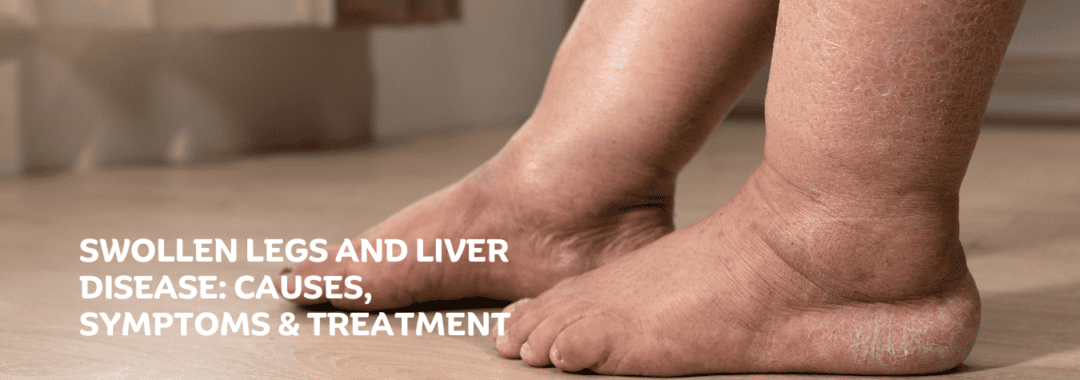
Leg swelling is a common problem, and many people notice it by the end of the day. You may find that your shoes feel tighter or that your socks leave deep marks around your ankles.
Occasional swelling is usually harmless and may happen after standing or sitting for long periods or eating too much salt. However, if your legs remain swollen for several days or the swelling keeps getting worse, it could be a sign of an underlying health condition, including liver disease.
Many people don’t realize that the liver plays an important role in controlling the body’s fluid balance. When underlying health condition, including liver disease.
Learn how swollen legs may signal liver disease, its causes, symptoms, diagnosis, and treatment. Discover when to consult the best liver transplant surgeon in India for expert evaluation and advanced care.
Many people don’t realize that the liver plays an important role in controlling the body’s fluid balance. When the liver becomes damaged due to cirrhosis or other chronic liver diseases, fluid can build up in the legs, feet, ankles, and even the abdomen.
Think of your liver as your body’s water management system. When it works properly, fluids stay where they belong. But when the liver is damaged, that balance is disrupted, allowing fluid to collect in places where it shouldn’t.
Understanding the connection between swollen legs and liver disease can help you recognize the warning signs early and seek treatment before serious complications develop.
1. What Is Swelling of the Legs?
Swelling of the legs, also known as peripheral edema, is the buildup of excess fluid in the tissues of the legs, ankles, or feet.
It may affect one or both legs and can appear suddenly or develop gradually over time.
Common symptoms include:
- Heavy legs
- Tight or stretched skin
- Swollen ankles
- Pitting edema (a temporary dent remains after pressing the skin)
- Difficulty wearing shoes
Occasional swelling that improves on its own is usually not a cause for concern. However, persistent or worsening swelling should always be evaluated by a doctor.
2. How Does the Liver Work?
The liver performs more than 500 essential functions to keep your body healthy.
Some of its important jobs include:
- Producing proteins such as albumin
- Filtering toxins from the blood
- Producing bile to aid digestion
- Storing vitamins and minerals
- Helping blood clot normally
- Maintaining the body’s fluid balance
When liver disease develops, these functions become impaired. As a result, fluid begins to accumulate in different parts of the body, including the legs.
3. Can Liver Disease Cause Swollen Legs?
Yes. Liver disease is one of the major medical conditions that can cause swollen legs.
Swelling is most commonly seen in people with advanced liver disease, especially cirrhosis.
As liver damage progresses, the body loses its ability to regulate fluid properly. Excess fluid leaks from blood vessels into surrounding tissues, leading to swelling in the:
- Feet
- Ankles
- Lower legs
- Abdomen (ascites)
In most cases, this swelling develops gradually over weeks or months.
4. Why Does Liver Disease Cause Swelling?
Several changes occur in the body when liver disease becomes chronic.
Low Albumin Levels
The liver produces a protein called albumin, which helps keep fluid inside the blood vessels.
When the liver cannot produce enough albumin, fluid leaks into surrounding tissues, causing swelling.
Portal Hypertension
As liver scarring increases, blood cannot flow normally through the liver.
This raises pressure in the portal vein, a condition called portal hypertension.
The increased pressure forces fluid into nearby tissues, causing swelling.
Salt and Water Retention
Liver disease also affects kidney function.
The kidneys begin retaining extra sodium and water, leading to even more fluid buildup throughout the body.
Hormonal Changes
Advanced liver disease alters hormone levels, which further increases fluid retention.
5. Common Liver Diseases That Cause Swollen Legs
Several liver conditions can lead to leg swelling.
Liver Cirrhosis
Cirrhosis is the most common liver disease associated with swollen legs.
As the disease progresses, fluid retention becomes more severe.
Alcohol-Related Liver Disease
Long-term alcohol use damages liver cells and can eventually cause swelling.
Fatty Liver Disease (MASLD/MASH)
Most people with fatty liver do not develop leg swelling.
However, once fatty liver progresses to cirrhosis, swelling becomes much more common.
Chronic Hepatitis B or C
Long-standing hepatitis infections can damage the liver over time, eventually leading to fluid retention.
Liver Failure
In advanced liver failure, swelling often affects both the legs and the abdomen.
6. Other Symptoms That May Accompany Leg Swelling
Leg swelling caused by liver disease is rarely the only symptom.
Watch for additional warning signs, including:
- Yellowing of the skin or eyes (jaundice)
- Swollen abdomen
- Easy bruising
- Poor appetite
- Unexplained weight loss
- Fatigue
- Dark-colored urine
- Pale stools
- Itchy or dry skin
- Confusion or forgetfulness
These symptoms should never be ignored.
7. When Is Swollen Leg a Medical Emergency?
Seek immediate medical attention if leg swelling is accompanied by:
- Shortness of breath
- Chest pain
- Sudden severe swelling
- High fever
- Severe abdominal swelling
- Vomiting
- Black or bloody stools
- Confusion or loss of consciousness
These symptoms may indicate a serious complication of liver disease.
8. Diagnosing Liver-Related Swelling
Your doctor will begin by reviewing your symptoms and medical history.
Several tests may be recommended.
Blood Tests
Blood tests evaluate:
- Liver enzymes
- Albumin levels
- Bilirubin
- Blood clotting
- Kidney function
Imaging Tests
An ultrasound helps detect liver damage and fluid in the abdomen (ascites).
A FibroScan measures liver stiffness and helps detect liver fibrosis.
Liver Biopsy
A liver biopsy may be performed in selected cases to confirm the diagnosis.
9. Treatments for Swollen Legs Related to Liver Disease
Treatment focuses on managing the underlying liver disease rather than simply reducing swelling.
Diuretics
Diuretics, or water pills, help remove excess fluid from the body.
These medications should always be taken under medical supervision.
Low-Sodium Diet
Reducing salt intake helps prevent the body from retaining excess fluid.
Many patients notice less swelling after following a low-sodium diet.
Compression Stockings
Compression stockings may help reduce swelling, but they should only be used under medical guidance.
Treating the Underlying Liver Disease
Treatment depends on the cause and may include:
- Antiviral medications
- Hepatitis treatment
- Alcohol cessation
- Weight loss
- Diabetes management
Paracentesis
If excess fluid builds up in the abdomen, doctors may remove it using a procedure called paracentesis.
10. Habits That Can Help Reduce Swelling
Healthy lifestyle habits can significantly improve swelling.
Follow a Low-Salt Diet
Limit processed foods, packaged foods, and fast food.
Maintain a Healthy Weight
Healthy weight management reduces stress on the liver.
Avoid Alcohol
Stopping alcohol is one of the most effective ways to slow liver damage.
Stay Hydrated
Drink enough water unless your doctor recommends restricting fluids.
Elevate Your Legs
Raise your legs above heart level whenever possible to reduce swelling.
Take Medications as Prescribed
Always follow your doctor’s instructions and never stop medications without medical advice.