
best liver transplant specialist in delhi

Swollen Legs and Liver Disease: Causes, Symptoms & Treatment


Leg swelling is a common problem, and many people notice it by the end of the day. You may find that your shoes feel tighter or that your socks leave deep marks around your ankles.

Occasional swelling is usually harmless and may happen after standing or sitting for long periods or eating too much salt. However, if your legs remain swollen for several days or the swelling keeps getting worse, it could be a sign of an underlying health condition, including liver disease.

Many people don’t realize that the liver plays an important role in controlling the body’s fluid balance. When underlying health condition, including liver disease.

Learn how swollen legs may signal liver disease, its causes, symptoms, diagnosis, and treatment. Discover when to consult the best liver transplant surgeon in India for expert evaluation and advanced care.

Many people don’t realize that the liver plays an important role in controlling the body’s fluid balance. When the liver becomes damaged due to cirrhosis or other chronic liver diseases, fluid can build up in the legs, feet, ankles, and even the abdomen.

Think of your liver as your body’s water management system. When it works properly, fluids stay where they belong. But when the liver is damaged, that balance is disrupted, allowing fluid to collect in places where it shouldn’t.

Understanding the connection between swollen legs and liver disease can help you recognize the warning signs early and seek treatment before serious complications develop.


1. What Is Swelling of the Legs?

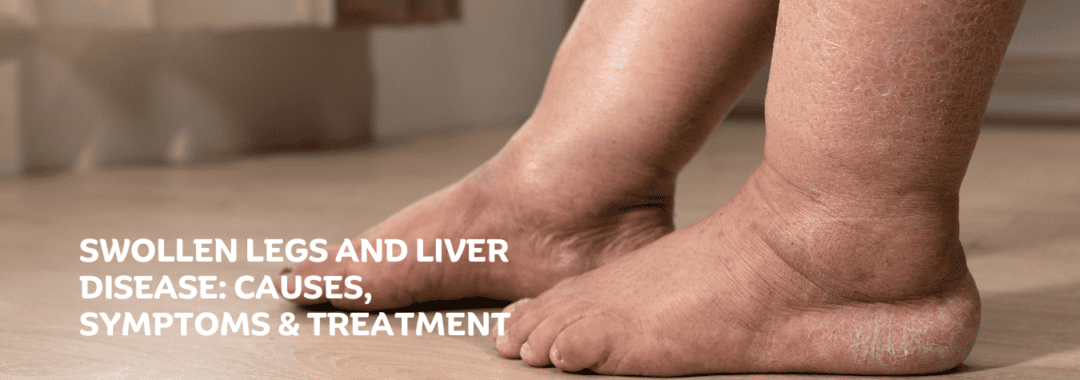
Swelling of the legs, also known as peripheral edema, is the buildup of excess fluid in the tissues of the legs, ankles, or feet.

It may affect one or both legs and can appear suddenly or develop gradually over time.

Common symptoms include:

  • Heavy legs
  • Tight or stretched skin
  • Swollen ankles
  • Pitting edema (a temporary dent remains after pressing the skin)
  • Difficulty wearing shoes

Occasional swelling that improves on its own is usually not a cause for concern. However, persistent or worsening swelling should always be evaluated by a doctor.


2. How Does the Liver Work?

The liver performs more than 500 essential functions to keep your body healthy.

Some of its important jobs include:

  • Producing proteins such as albumin
  • Filtering toxins from the blood
  • Producing bile to aid digestion
  • Storing vitamins and minerals
  • Helping blood clot normally
  • Maintaining the body’s fluid balance

When liver disease develops, these functions become impaired. As a result, fluid begins to accumulate in different parts of the body, including the legs.


3. Can Liver Disease Cause Swollen Legs?

Yes. Liver disease is one of the major medical conditions that can cause swollen legs.

Swelling is most commonly seen in people with advanced liver disease, especially cirrhosis.

As liver damage progresses, the body loses its ability to regulate fluid properly. Excess fluid leaks from blood vessels into surrounding tissues, leading to swelling in the:

  • Feet
  • Ankles
  • Lower legs
  • Abdomen (ascites)

In most cases, this swelling develops gradually over weeks or months.


4. Why Does Liver Disease Cause Swelling?

Several changes occur in the body when liver disease becomes chronic.

Low Albumin Levels

The liver produces a protein called albumin, which helps keep fluid inside the blood vessels.

When the liver cannot produce enough albumin, fluid leaks into surrounding tissues, causing swelling.

Portal Hypertension

As liver scarring increases, blood cannot flow normally through the liver.

This raises pressure in the portal vein, a condition called portal hypertension.

The increased pressure forces fluid into nearby tissues, causing swelling.

Salt and Water Retention

Liver disease also affects kidney function.

The kidneys begin retaining extra sodium and water, leading to even more fluid buildup throughout the body.

Hormonal Changes

Advanced liver disease alters hormone levels, which further increases fluid retention.


5. Common Liver Diseases That Cause Swollen Legs

Several liver conditions can lead to leg swelling.

Liver Cirrhosis

Cirrhosis is the most common liver disease associated with swollen legs.

As the disease progresses, fluid retention becomes more severe.

Alcohol-Related Liver Disease

Long-term alcohol use damages liver cells and can eventually cause swelling.

Fatty Liver Disease (MASLD/MASH)

Most people with fatty liver do not develop leg swelling.

However, once fatty liver progresses to cirrhosis, swelling becomes much more common.

Chronic Hepatitis B or C

Long-standing hepatitis infections can damage the liver over time, eventually leading to fluid retention.

Liver Failure

In advanced liver failure, swelling often affects both the legs and the abdomen.


6. Other Symptoms That May Accompany Leg Swelling

Leg swelling caused by liver disease is rarely the only symptom.

Watch for additional warning signs, including:

  • Yellowing of the skin or eyes (jaundice)
  • Swollen abdomen
  • Easy bruising
  • Poor appetite
  • Unexplained weight loss
  • Fatigue
  • Dark-colored urine
  • Pale stools
  • Itchy or dry skin
  • Confusion or forgetfulness

These symptoms should never be ignored.


7. When Is Swollen Leg a Medical Emergency?

Seek immediate medical attention if leg swelling is accompanied by:

  • Shortness of breath
  • Chest pain
  • Sudden severe swelling
  • High fever
  • Severe abdominal swelling
  • Vomiting
  • Black or bloody stools
  • Confusion or loss of consciousness

These symptoms may indicate a serious complication of liver disease.


8. Diagnosing Liver-Related Swelling

Your doctor will begin by reviewing your symptoms and medical history.

Several tests may be recommended.

Blood Tests

Blood tests evaluate:

  • Liver enzymes
  • Albumin levels
  • Bilirubin
  • Blood clotting
  • Kidney function

Imaging Tests

An ultrasound helps detect liver damage and fluid in the abdomen (ascites).

A FibroScan measures liver stiffness and helps detect liver fibrosis.

Liver Biopsy

A liver biopsy may be performed in selected cases to confirm the diagnosis.


9. Treatments for Swollen Legs Related to Liver Disease

Treatment focuses on managing the underlying liver disease rather than simply reducing swelling.

Diuretics

Diuretics, or water pills, help remove excess fluid from the body.

These medications should always be taken under medical supervision.

Low-Sodium Diet

Reducing salt intake helps prevent the body from retaining excess fluid.

Many patients notice less swelling after following a low-sodium diet.

Compression Stockings

Compression stockings may help reduce swelling, but they should only be used under medical guidance.

Treating the Underlying Liver Disease

Treatment depends on the cause and may include:

  • Antiviral medications
  • Hepatitis treatment
  • Alcohol cessation
  • Weight loss
  • Diabetes management

Paracentesis

If excess fluid builds up in the abdomen, doctors may remove it using a procedure called paracentesis.


10. Habits That Can Help Reduce Swelling

Healthy lifestyle habits can significantly improve swelling.

Follow a Low-Salt Diet

Limit processed foods, packaged foods, and fast food.

Maintain a Healthy Weight

Healthy weight management reduces stress on the liver.

Avoid Alcohol

Stopping alcohol is one of the most effective ways to slow liver damage.

Stay Hydrated

Drink enough water unless your doctor recommends restricting fluids.

Elevate Your Legs

Raise your legs above heart level whenever possible to reduce swelling.

Take Medications as Prescribed

Always follow your doctor’s instructions and never stop medications without medical advice.
11. When Is Liver Transplantation Necessary?

Not everyone with liver disease needs a liver transplant. In many cases, medications, lifestyle changes, and regular monitoring can successfully manage the condition.

However, when the liver becomes permanently damaged and can no longer perform its essential functions, a liver transplant may be the best treatment option. A transplant can improve both quality of life and long-term survival for patients with end-stage liver disease.

Your doctor may recommend a liver transplant evaluation if you have:

  • Repeated buildup of fluid in the abdomen (ascites)
  • Advanced or decompensated cirrhosis
  • Liver failure
  • Frequent or prolonged hospital admissions
  • Persistent poor liver function despite treatment
  • Serious complications such as recurrent infections or gastrointestinal bleeding

If your liver disease has progressed to an advanced stage, it is important to consult an experienced liver specialist as early as possible. Patients who are eligible for transplantation should seek evaluation from the best liver transplant surgeon in India to discuss the most suitable treatment options and improve their chances of a successful outcome.


12. How to Be Proactive About Liver Health

Taking care of your liver today can help prevent serious health problems in the future. Even small lifestyle changes can make a significant difference.

Maintain a Healthy Weight

Being overweight increases the risk of fatty liver disease. A healthy diet and regular exercise can help protect your liver.

Exercise Regularly

Aim for at least 30 minutes of moderate physical activity on most days of the week. Regular exercise supports liver function and improves overall health.

Eat a Balanced Diet

Choose a diet rich in:

  • Fresh fruits
  • Vegetables
  • Whole grains
  • Lean proteins
  • Healthy fats

Try to limit processed foods, sugary snacks, and foods high in saturated fats.

Reduce Sugary Drinks

Soft drinks and other sweetened beverages can contribute to fatty liver disease. Replace them with water or other healthier options whenever possible.

Avoid or Limit Alcohol

Alcohol is one of the leading causes of liver damage. If you already have liver disease, your doctor may advise you to avoid alcohol completely.

Get Vaccinated

Vaccination against Hepatitis A and Hepatitis B can protect your liver from serious infections.

Avoid Sharing Needles

Sharing needles increases the risk of viral hepatitis and other infections that can damage the liver.

Use Medications Safely

Always take medications exactly as prescribed. Avoid self-medicating and never exceed the recommended dose, especially with painkillers like acetaminophen.

Manage Diabetes and Cholesterol

Keeping your blood sugar and cholesterol under control can lower your risk of developing fatty liver disease and other liver-related complications.

Schedule Regular Health Check-Ups

If you have liver disease or are at high risk, regular medical check-ups can help detect problems early and allow timely treatment.

Small, consistent lifestyle changes often have the greatest impact on maintaining a healthy liver.


13. Final Thoughts

Swollen legs are not always a cause for concern, but they should never be ignored if they persist or continue to worsen. While temporary swelling may result from standing for long hours or consuming too much salt, ongoing swelling can sometimes be an early warning sign of liver disease.

If leg swelling is accompanied by symptoms such as abdominal swelling, jaundice, fatigue, loss of appetite, or unexplained weight loss, it is important to seek medical evaluation as soon as possible.

The good news is that early diagnosis and appropriate treatment can help slow liver damage, reduce swelling, and improve your overall quality of life. Lifestyle changes, medications, and regular follow-up with a liver specialist can effectively manage many liver conditions.

For patients with advanced liver disease, timely evaluation by an experienced liver specialist—and, when appropriate, consultation with the best liver transplant surgeon in India—can provide access to life-saving treatment options and significantly improve long-term outcomes.


Frequently Asked Questions (FAQs)

1. Can liver disease cause swollen legs?

Yes. Advanced liver diseases such as cirrhosis can cause swollen legs due to low albumin levels, increased pressure in the portal vein, and the body’s tendency to retain excess sodium and water.


2. Are swollen ankles always a sign of liver disease?

No. Swollen ankles can also be caused by heart disease, kidney disease, vein disorders, pregnancy, certain medications, prolonged standing, or other medical conditions. A healthcare provider can determine the underlying cause.


3. Can swollen legs improve if liver disease is treated?

Yes. Treating the underlying liver condition, reducing salt intake, taking prescribed medications, and following your doctor’s recommendations can significantly reduce swelling in many patients.


4. When should I see a doctor for swollen legs?

You should seek medical attention if your swelling lasts for several days, becomes worse over time, or is accompanied by symptoms such as jaundice, abdominal swelling, shortness of breath, chest pain, or rapid weight gain.


5. Can a liver transplant cure swelling caused by liver failure?

For patients with end-stage liver disease, a successful liver transplant can restore normal liver function. As the new liver begins working properly, leg swelling and fluid retention often improve significantly or resolve completely over time.


Liver Pain During Pregnancy: Causes, Symptoms & Treatment

Pregnancy is one of the most exciting and life-changing experiences in a woman’s life. Along with the joy of expecting a baby come many physical and emotional changes. While some discomforts like morning sickness, back pain, and fatigue are common, pain in the upper right side of the abdomen can be alarming. This pain may sometimes be related to the liver.

Your liver is like your body’s natural filtration system. Imagine it as a hardworking factory operating around the clock—processing nutrients, removing toxins, and producing essential proteins. During pregnancy, this “factory” works even harder to support both the mother and the growing baby.

Most cases of liver pain during pregnancy are not dangerous, but in some situations, they may indicate a serious liver condition that requires immediate medical attention. Recognizing the warning signs early can protect both mother and baby.

If a liver disease progresses to severe liver failure, consulting the best liver transplant surgeon in india becomes essential for expert evaluation and advanced treatment options.

Pregnancy can be a thrilling time, and an amazing experience, but there are many physical changes that accompany this journey. These changes and the attachment of the baby often leave a mother feeling sore and uncomfortable. Some of these discomforts are expected, but pain in the liver can show there are more serious underlying conditions.

Liver pain can present as a few different types of discomfort. Tenderness is the most mild form of this pain, but many people experience sharp pain in the upper right section of the belly, beneath the rib cage. Liver complications are rare in pregnancy, but are very serious to the mother and baby, and can be very dangerous if left untreated.

Knowing what symptoms of liver pain are during pregnancy, how it can be diagnosed, and what treatments are available can help expectant mothers know what the warning signs are so they can get care.

 What Is Liver Pain During Pregnancy?

The liver is a very large, and equally important, organ. Its functions include:

– Remaining full of undigested food and blood

  • clearing the blood of toxins
  • – biaise are produced here
  • – keeping blood sugar balanced
  • – storing energy
  • – aiding the immune system

Pregnancy can cause the liver to work differently, and can cause changes in levels of liver pain from discomfort to severe pain. of the abdomen Pain in this area can also be caused by growing the uterus stretching the muscles, gall bladder issues, or other digestive issues so make sure you get a proper evaluation.

Mild rib pain can be a normal occurrence during pregnancy. This can be a result of the baby pushing on your internal organs. This can feel similar to pain in your liver.

Severe pain on the right side of your abdomen should not be ignored. Pregnancy can increase the chance of developing liver disorders, and some of these can even be quite serious and require immediate attention.

If you experience liver pain and you also have high blood pressure, nausea, and vomiting, if you have a headache and you are also experiencing a change in your vision or you have jaundice, you may be having a medical emergency.

 What Can Cause Liver Pain During Pregnancy?

There are a number of different reasons you may be experiencing pain in your liver during pregnancy. Some can be relatively easy to treat, and some can be quite serious.

1. Pressured Organs

Pain in the liver during pregnancy can be due to the growing liver placing pressure on it. This can be worse in the third trimester.

Symptoms of this can include:

  • Pain in the upper abdomen that is mild
  • – Ribs that feel full
  • – Pain that is worse depending on your position
  • You may also feel better by:
  • – Resting in a position that is more comfortable
  • – Stretching gently
  • – Using supportive pregnancy pillows

– Following your doctor’s recommendations

The discomfort usually goes away on its own after the pregnancy ends.

2. Intrahepatic Cholestasis of Pregnancy (ICP)

Intrahepatic cholestasis of pregnancy is a liver condition that can occur in the second or third trimester. This can occur when there is a blockage of bile flow from the liver.

PREGNANCY COMPLICATIONS & SYMPTOMS

1. INTRAHEPATIC CHOLESTASIS OF PREGNANCY (ICP)

Symptoms:

Intense itching especially in hands and feet

Dark colored urine

Fatigue and mild liver discomfort

Pale colored stools in urine

Symptoms of jaundice

Pregnancy complications and risks:

Cholestasis of pregnancy is associated with an increased risk of:

Stillbirth (in severe cases)

Fetal distress

Premature birth

Treatment:

Cholestasis of pregnancy is typically treated with medications to promote bile flow and reduce the associated pruritis. Due to the increased risks to the fetus, frequent monitoring is done with the possible need for an early, planned delivery.

2. PREECLAMPSIA

Preeclampsia is described as a pregnancy complication that is characterized by high blood pressure and damage to the liver and other organs.

Preeclampsia occurs after 20 weeks of pregnancy.

Symptoms:

  • High blood pressure
  • Nausea, vomiting, and severe headache
  • Blurred vision, swelling of hands and face
  • Pain in the upper right abdomen

Risk:

Complications from untreated preeclampsia can include damage to the liver, seizures, early delivery, and risks to the placenta.

Treatment:

Severity of preeclampsia and the stage of pregnancy impacts management, but continuous monitoring, medications, and even an early delivery are common.

3. HELLP SYNDROME

HELLP syndrome is the most severe type of preeclampsia and stands for Hemolysis, Elevated Liver Enzymes, and Low Platelet Count.

This syndrome is rapidly life threatening.

**Symptoms**

  • Severe abdominal pain in the upper right quadrant
    – Nausea and vomiting
    – Headaches
    – Fatigue
    – Disturbance in vision
    – High blood pressure

**Risks**

For the mother and baby, there are a number of potential risks associated with HELLP syndrome, including:

– Bleeding internally
– Liver rupturing
– Placental abruption

**Treatment**

Immediate hospitalization is needed and one of the best treatment options is delivery of the baby.

Section 5: Acute Fatty Liver of Pregnancy (AFLP)

This condition is a rare but serious condition, during the 3rd trimester of pregnancy where fat is not able to be metabolized by the liver.

**Symptoms**

  • Severe abdominal pain
    – Nausea and vomiting
    – Loss of appetite
    – Jaundice
    – Fatigue

**Risks**

Without swift treatment, this condition can put the mother and baby at risk for:

  • Total Liver failure
    – Renal failure
    – Coagulation disorders

**Treatment**

This condition also warrants hospitalization with swift delivery of the infant as a standard treatment option.

Section 6: Gallbladder Problems

Another pregnancy complication can be a slowing of the gallbladder which causes the increased potential for gallstones.

Since gallbladders are adjacent to the liver, gallbladder pain can be misdiagnosed as liver pain.

**Symptoms**

  • Abdominal pain
    – Eating fatty foods causes pain
    – Nausea
    – Vomiting
    – Indigestion

**Treatment**

Fatty food avoidance, gallbladder pain management, and in more severe cases, gallbladder removal are treatment options.

### Section 7: Viral Hepatitis

Another pregnancy complication and risk to the health of the liver can be a viral infection during pregnancy of any type of hepatitis A-E.

#### Symptoms

  • – Fatigue
  • – Fever
  • – Nausea
  • – Jaundice
  • – Dark Urine

Treatment

The treatment varies based on the severity and type of my hepatitis. Frequent assessments are needed for the safety of both mother and child.

Symptoms of Liver Pain During Pregnancy

Liver pain during this time can arise with many other symptoms. These indications are of concern and include:

Intense pain in the upper right abdomen that is persistent
– Severe itchiness of the skin
– Jaundice, yellow skin and eyes
– Nausea, vomiting, as well as a headache
– Increased blood pressure
– Issues with your sight
– Swelling of the limbs
– Dark urine, and pale stool
– Fatigue and weakness

These symptoms should always be taken seriously, with a focus on the late stages of pregnancy.

When to See a Doctor

Seek help immediately if you have:

Abdominal pain that is severe or persistent
– Sudden swelling
– Increased blood pressure
– Severe headache
– Skin and eyes that are yellow
– Trouble breathing
– Decreased movement of the baby
– Nausea and vomiting that won’t go away

The earlier the symptoms are seen the better the outcome for both mother and child.

How is Liver Pain Diagnosed During Pregnancy

Determining the cause of liver pain during this time is a multi-step process for healthcare providers.

Medical History

Your doctor may ask about:

– Stage of pregnancy
– Medical conditions
– Family history
– Previous pregnancies
– Symptoms

Physical Examination

Your doctor may look for:

– Tender or swollen abdomen
– Blood pressure
– Jaundice

### Blood Tests

Blood tests may look at:

– Function of the liver
– Complete blood count
– Platelet count
– Function of the kidneys
– Levels of bile acids

Urine Testing

Urine can be tested for:

  • Protein
    – Kidney Issues
    – Signs of Pre-Eclampsia

Imaging Studies

An ultrasound may be done to check:

Health of the liver
– Conditions of the gallbladder
– Complications of pregnancy

## Treatment for Liver Pain During Pregnancy

Treatment will depend on the cause of the pain.

 Lifestyle Measures

For mild pain:

Rest
– Maintain good posture
– Small meals
– Hydrate
– Wear loose clothing

### Medications

Your doctor may prescribe:

– medicines for cholestasis
– blood pressure medicine
– pain medicine
– hepatitis treatment, if applicable

These may only be prescribed by doctors.

Hospitalization

Disease like HELLP syndrome, severe preeclampsia and acute fatty liver of pregnancy will require hospitalization.

Early Delivery

The severe cases will require early delivery to protect the mother and baby.

## Can Liver Problems Affect the Baby?

Yes, baby may be impacted with mom’s liver disorders.

If left untreated, the following complications may occur:

– birth occurring earlier than normal
– the baby being born smaller than normal
– stress affecting the baby
– reduced oxygen supply
– stillbirth

This highlights the importance of early detection and continuous assessments.

Liver Problems During Pregnancy

Although there are some conditions of the liver that are not preventable, there are some that can be with certain lifestyle changes.

 Maintain Regular Prenatal Care
Visiting the prenatal doctor regularly, allows the doctor to monitor your pregnancy and detect any possible issues.

### Eat a Balanced Diet
Diet should be mainly:

  • fruits and vegetables
    – whole grains
    – lean protein
    – healthy fats

All other foods should be limited.

Stay Hydrated
Drinking plenty of water helps the liver.

Avoid Alcohol
You should not drink any alcohol while pregnant.

Follow Medical Advice
Women with liver issues should see their doctor regularly during pregnancy.

## FAQs

Can liver pain harm my baby?
It depends on the cause of the pain. Some can be harmless, but others can be very dangerous.

Is liver pain common during pregnancy?
It can be common to have some mild discomfort in the upper abdomen due to the baby pushing on it, but there are very few conditions that affect the liver during pregnancy. Those conditions can be serious.

What does liver pain feel like?
It is common to hear that pain in the liver is a dull ache, pressure, tenderness, or a sharp pain in the right side below the rib cage.

Can pregnancy cause liver disease?
Pregnancy can induce certain temporary liver conditions such as cholestasis, HELLP syndrome, and acute fatty liver of pregnancy.

Does liver pain go away after delivery?

Most pregnancy-related liver issues tend to improve after delivery, but still might need postpartum follow-up care.

Conclusion

Never ignore liver pain while pregnant, especially when symptoms such as severe or persistent pain, swelling, itching, or jaundice present. High blood pressure and headaches are also concerning. While the growing uterus can cause some pain and discomfort, liver pain can indicate serious conditions such as intrahepatic cholestasis of pregnancy, preeclampsia, HELLP syndrome, and acute fatty liver of pregnancy.

Anxiety around diagnosis and the need for interventions to protect the health of the mother and fetus are justified. Regular prenatal care and early recognition of warning signs with prioritized contact for urgent care of the symptoms can normalize many of the pregnancy-related pathologies for both mother and fetus.

Seek immediate care for unexplained upper right abdominal pain in pregnancy.