
Introduction
Your skin can sometimes reveal clues about what is happening inside your body. Because the liver plays a major role in processing waste, producing important proteins, and helping regulate substances in the blood, liver problems can sometimes cause visible changes in the skin.
But does every skin change mean you have liver disease? No. Many skin symptoms have several possible causes. Still, certain changes—especially when they appear together with fatigue, abdominal swelling, dark urine, or yellow eyes—should not be ignored.
Think of your skin as a window into your body’s internal health. A change visible through that window may be a reason to look more closely at what is happening underneath.
This article explains 10 liver problem symptoms on skin, what they may look like, why they can occur, and when you should consider medical evaluation.
Discover 10 liver problem symptoms on the skin, including jaundice, itching, spider angiomas, red palms, bruising, swelling, and nail changes, plus when to consult a best liver transplant surgeon in india .
Table of Contents
| Sr# | Headings |
|---|---|
| 1 | What Does the Liver Have to Do With Your Skin? |
| 2 | Yellow Skin and Eyes: Jaundice |
| 3 | Constantly Itchy Skin |
| 4 | Spider Angiomas and Spider Veins |
| 5 | Red Palms or Palmar Erythema |
| 6 | Easy Bruising and Bleeding |
| 7 | Yellow Skin Bumps and Xanthomas |
| 8 | Darkening or Changes in Skin Color |
| 9 | Skin Changes and Swelling |
| 10 | Changes to the Nails and Fingertips |
| 11 | Why Do Liver Problems Cause Changes in the Skin? |
| 12 | Other Symptoms That May Appear With Skin Changes |
| 13 | When to Consult a Liver Specialist? |
| 14 | Diagnosing Liver Problems |
| 15 | Treatment and Prevention of Liver Disease |
| 16 | Conclusion |
| 17 | FAQs Regarding Liver Disease with Skin Manifestations |
1. What Does the Liver Have to Do With Your Skin?
The liver is a busy organ with many important jobs. It helps process nutrients, manage substances in the blood, produce proteins involved in blood clotting, and process bilirubin and other waste products.
When the liver is not working properly, the effects can sometimes become visible on the skin.
Most importantly, skin symptoms cannot diagnose liver disease on their own. Itching, rashes, bruising, and changes in skin color can have many causes unrelated to the liver.
However, some skin findings can occur with chronic liver disease and cirrhosis. Doctors may look for signs such as jaundice, bruising, spider angiomas, and palmar erythema during an examination.
2. Yellow Skin and Eyes: Jaundice
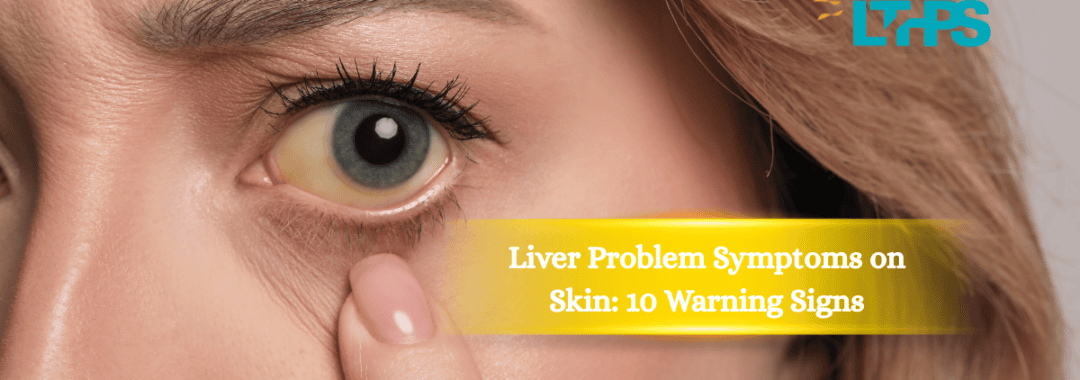
One of the best-known skin symptoms of liver disease is jaundice.
Jaundice causes the skin and whites of the eyes to become yellow. It occurs when bilirubin builds up in the blood and tissues. Liver disease can cause this buildup, but problems outside the liver, including bile-flow obstruction, can also cause jaundice.
Symptoms may include:
- Yellowish skin
- Yellowish whites of the eyes
- Dark-colored urine
- Pale or light-colored stools
- Itchy skin
- Low energy or fatigue
If jaundice occurs with abdominal pain, vomiting, fever, confusion, severe weakness, or sudden worsening, seek medical attention promptly.
Do not assume that yellow skin automatically means cirrhosis. Hepatitis, bile duct obstruction, certain blood disorders, medications, and other conditions can also cause jaundice.
3. Constantly Itchy Skin
Itchy skin without an obvious rash can be extremely frustrating.
Constant itching, known medically as pruritus, can occur with some liver and bile-flow disorders. It may affect the arms, legs, palms, or other parts of the body.
Severe itching can interfere with:
- Sleep
- Work
- Concentration
- Daily activities
Repeated scratching can damage the skin and increase the risk of irritation or infection.
However, liver disease is not the only possible cause. Eczema, dry skin, thyroid disorders, kidney disease, allergies, and certain medications can also cause itching.
If you have persistent unexplained itching together with jaundice or dark urine, speak with a doctor.
4. Spider Angiomas and Spider Veins
A spider angioma is a small red spot with tiny blood vessels radiating outward from the center, creating a spider-like appearance.
They can occur on the:
- Face
- Neck
- Upper chest
- Arms
Having one spider angioma does not necessarily mean you have liver disease. They can occur in healthy people and may also be seen during pregnancy and in other conditions.
However, multiple spider angiomas can be associated with chronic liver disease and cirrhosis.
A doctor will consider these spots alongside other symptoms rather than diagnosing liver disease based on spider angiomas alone.
5. Red Palms or Palmar Erythema
Have you noticed that your palms look unusually red?
Palmar erythema refers to redness of the palms and can occur with chronic liver disease. It is one of the physical findings doctors may consider when evaluating a person for cirrhosis.
The redness may be particularly noticeable around the base of the thumb and little finger.
However, red palms can have many other causes, including pregnancy, rheumatoid arthritis, thyroid conditions, and other medical problems.
Therefore, palmar erythema alone does not prove that liver damage is present.
6. Easy Bruising and Bleeding
Do you seem to bruise more easily than before?
Advanced liver disease can affect the body’s ability to maintain normal blood clotting. Liver disease can also be associated with low platelet levels, which may contribute to easy bruising or bleeding.
You may notice:
- Bruises without an obvious injury
- Bruises that are larger than usual
- Frequent nosebleeds
- Bleeding that takes longer to stop
- Small red or purple spots on the skin
These symptoms can also result from medications, nutritional deficiencies, blood disorders, and other medical conditions.
Unexplained or worsening bruising should be evaluated, particularly when it occurs with other possible signs of liver disease.
Do not stop blood-thinning medication or other prescribed medication because of bruising without speaking to your doctor first.
7. Yellow Skin Bumps and Xanthomas
Some liver and bile-flow disorders can be associated with xanthomas, which are yellowish deposits related to lipid accumulation.
They may appear as yellow bumps or patches on the skin, sometimes around the eyelids.
However, yellow skin deposits can also occur with high cholesterol and other metabolic conditions.
If you notice new yellowish deposits, your healthcare provider may recommend checking your cholesterol levels and liver health, depending on your symptoms and medical history.
8. Darkening or Changes in Skin Color
Changes in skin color can happen for many different reasons.
Certain liver diseases may be associated with pigmentation changes, but skin darkening should not be considered a primary sign of liver disease.
It is also important to distinguish between general pigmentation and jaundice. Jaundice typically produces a yellowish discoloration, rather than simply making the skin darker.
Changes in skin color can also be related to:
- Hormonal conditions
- Nutritional problems
- Medications
- Sun exposure
- Other medical conditions
If your skin color changes unexpectedly or persistently, a healthcare professional can help determine the underlying cause.
9. Skin Changes and Swelling
Liver disease can cause fluid to build up in different parts of the body.
Swelling may occur in the:
- Feet
- Ankles
- Lower legs
- Abdomen
Fluid accumulation in the abdomen is called ascites. It is commonly associated with advanced liver disease and cirrhosis.
The skin over a swollen abdomen may become stretched and uncomfortable.
Sudden abdominal enlargement should not be ignored, particularly if you already have liver disease.
Seek urgent medical attention if abdominal swelling occurs with severe abdominal pain, fever, difficulty breathing, confusion, or vomiting blood.
10. Changes to the Nails and Fingertips
Liver disease can sometimes be associated with changes in the nails and fingertips.
People with cirrhosis may develop pale fingernails or changes in the shape of the fingertips.
However, nail abnormalities can have many other causes, including:
- Iron deficiency
- Nutritional deficiencies
- Heart disease
- Lung disease
- Other medical conditions
If you notice persistent or unexplained nail changes, discuss them with your doctor rather than assuming they are caused by liver disease.
11. Why Do Liver Problems Cause Changes in the Skin?
The liver performs many functions that affect the entire body. You can think of it as the body’s processing and recycling center.
When chronic liver damage interferes with normal liver function, certain changes can become visible.
Bilirubin buildup → Jaundice
When bilirubin accumulates, the skin and eyes can become yellow.
Changes in blood vessels → Spider angiomas
Multiple spider angiomas can occur in people with chronic liver disease.
Changes in clotting → Easy bruising
Advanced liver disease can interfere with the production and balance of substances involved in normal blood clotting.
Changes associated with bile flow → Itching
Some liver and bile duct disorders can cause significant itching.
This is why doctors consider skin findings as one part of a much larger clinical picture.
12. Other Symptoms That May Appear With Skin Changes
Skin changes can be more concerning when they occur with other possible signs of liver dysfunction.
Watch for:
- Persistent tiredness
- Loss of appetite
- Unexplained weight loss
- Nausea
- Upper-right abdominal discomfort
- Dark urine
- Pale stools
- Yellow eyes
- Abdominal swelling
- Swollen legs
- Easy bruising
- Confusion or unusual sleepiness
Liver disease can sometimes develop with few obvious symptoms in its early stages. This is why people with known risk factors should discuss appropriate screening and follow-up with their healthcare provider.
13. When to Consult a Liver Specialist?
You should consider consulting a liver specialist if you develop persistent or unexplained skin changes, particularly when they occur with jaundice, dark urine, abdominal swelling, significant itching, or unexplained bruising.
Seek emergency medical care if you experience:
- Vomiting blood
- Black or bloody stools
- Severe confusion
- Fainting
- Severe abdominal swelling or pain
- Sudden or severe jaundice
- Heavy or uncontrolled bleeding
Bleeding from enlarged veins in the digestive tract can be a serious complication of advanced liver disease and requires immediate medical attention.
If you already have cirrhosis or chronic liver disease, regular follow-up with an experienced liver specialist is important.
When liver disease becomes advanced, evaluation by an experienced transplant team can help determine whether liver transplantation or other advanced treatment options may be appropriate. Patients searching for a best liver transplant surgeon in india should consider factors such as transplant experience, hospital facilities, multidisciplinary support, and the surgeon’s qualifications rather than relying only on online rankings.
14. Diagnosing Liver Problems
A doctor cannot diagnose liver disease simply by looking at your skin.
Your evaluation may include several steps.
Medical History
Your doctor may ask about your symptoms, medications, supplements, alcohol use, previous hepatitis infections, family history, and other medical conditions.
Physical Examination
The doctor may examine your skin, eyes, abdomen, palms, nails, and visible blood vessels for possible signs of liver disease.
Blood Tests
Depending on your symptoms, blood tests may assess:
- Bilirubin
- Liver enzymes
- Albumin
- Blood cell counts
- Blood-clotting function
Imaging Tests
An ultrasound or another imaging test may be used to evaluate the liver, gallbladder, bile ducts, blood vessels, and surrounding organs.
Specialized Testing
Depending on the suspected cause, your doctor may recommend testing for viral hepatitis, autoimmune liver conditions, or liver stiffness using elastography.
The goal is not simply to identify a skin symptom. The goal is to find the underlying cause and understand how well the liver is functioning.
15. Treatment and Prevention of Liver Disease
There is no single treatment for every type of liver disease. Treatment depends on the underlying cause and the extent of liver damage.
Management may involve treatment for:
- Viral hepatitis
- Metabolic liver disease
- Alcohol-associated liver disease
- Medication-related liver injury
- Cirrhosis and its complications
One of the most important principles in liver care is early diagnosis and appropriate treatment.
You can support your overall liver health by:
- Maintaining a healthy weight
- Eating a balanced diet
- Staying physically active
- Avoiding unnecessary medications and supplements
- Following medical advice regarding alcohol
- Receiving recommended hepatitis vaccinations
- Managing blood sugar and cholesterol
- Keeping regular medical appointments when you have liver disease
People with cirrhosis need ongoing medical monitoring because serious complications can sometimes develop even when they feel relatively well.
Conclusion
Skin changes can sometimes provide useful clues about liver health, but they should never be used alone to diagnose liver disease.
Yellow skin and eyes, persistent itching, spider angiomas, red palms, easy bruising, yellowish deposits, swelling, and certain nail changes may occur with liver conditions.
The most important thing is to consider the complete symptom picture. If persistent skin changes occur together with jaundice, dark urine, abdominal swelling, unusual bruising, or other concerning symptoms, speak with a healthcare professional.
Early evaluation can help identify liver problems and determine appropriate treatment. For advanced liver disease, timely assessment by an experienced liver specialist or transplant team may be important.
FAQs Regarding Liver Disease with Skin Manifestations
1. What are the common skin symptoms associated with liver disease?
Common skin-related findings can include jaundice, persistent itching, spider angiomas, red palms, and easy bruising. Some people may also develop certain nail or skin changes depending on the underlying liver condition.
2. Does itchy skin always mean I have a liver problem?
No. Itching can result from dry skin, allergies, eczema, kidney disease, thyroid disorders, medications, and many other conditions. Persistent itching accompanied by jaundice, dark urine, or other liver-related symptoms should be medically evaluated.
3. Can spider angiomas indicate liver disease?
They can, particularly when multiple spider angiomas are present. However, a single spider angioma does not necessarily indicate liver disease because these spots can occur for several other reasons.
4. Does every person with liver disease develop yellow skin?
No. Not everyone with liver disease develops jaundice. Yellow skin and eyes can occur when bilirubin levels become elevated, but liver disease can exist without visible yellowing of the skin.
5. When should I see a liver specialist?
Consider seeing a liver specialist if you have persistent jaundice, unexplained bruising, multiple spider angiomas, significant itching, abdominal swelling, abnormal liver blood tests, or known chronic liver disease. Seek emergency care for vomiting blood, severe confusion, fainting, black or bloody stools, or uncontrolled bleeding.