What Causes Itching in Liver Disease & How to Treat It

Have you ever felt an itch that just won’t go away—no rash, no mosquito bite, no clear reason? Now imagine that itch lasting for weeks or months. For many people with liver disease, this is a daily reality. Itching (also called pruritus) can be one of the most frustrating and sleep-stealing symptoms of liver problems.

What causes this strange itching? Why does it happen even when the skin looks perfectly normal? And most importantly—how can it be treated? Let’s break it down in simple, human language.

Think of your liver as your body’s waste-processing plant. When it struggles, waste products can spill into the bloodstream, and the skin often becomes the messenger of that trouble.


Understand why liver disease causes severe itching, its hidden triggers, and effective treatments to relieve symptoms and protect long-term liver health.

Consult Dr. Neerav Goyal, the best liver transplant surgeon in India for expert evaluation, advanced treatment options, and personalized care for complex liver diseases. 


Table of Contents

Sr# Headings
1 Understanding Itching in Liver Disease
2 Why Liver Disease Causes Itching
3 Role of Bile Salts in Skin Itching
4 Hormones and Chemical Imbalance
5 Types of Liver Diseases Linked to Itching
6 Where and When Does the Itching Occur
7 How Severe Can Liver-Related Itching Be
8 Diagnosing the Cause of Itching
9 Medical Treatments for Liver Itching
10 Home Remedies and Lifestyle Tips
11 Diet Changes That May Reduce Itching
12 When Itching Signals Serious Liver Damage
13 Liver Transplant and Relief from Itching
14 Importance of Early Specialist Consultation
15 Living Comfortably with Liver Disease

Understanding Itching in Liver Disease

Itching in liver disease is not a skin problem– it’s a blood chemistry problem. That’s why creams and soaps often don’t help much. The irritation comes from inside the body, not the surface.

Many patients describe it as

A deep, crawling itch

Worse at night

More intense on palms and soles

Relieved briefly by scratching, then returning stronger

Sound familiar? You’re not alone.

Why Liver Disease Causes Itching

So, what’s really going on?

When the liver is damaged, it struggles to filter toxins and bile properly. These substances then circulate in the blood and irritate nerve endings in the skin.

  • Key point:
    The itch is your body’s alarm system, warning that the liver isn’t working as it should.
  • Role of Bile Salts in Skin Itching
  • Bile helps digest fats. In healthy people, it flows smoothly from the liver to the intestine. But in liver disease:
  • Bile flow slows down or gets blocked
  • Bile salts leak into the bloodstream
  • These salts deposit under the skin
  • Imagine spilling detergent on your hands and not washing it off. Over time, irritation is inevitable. That’s exactly what bile salts do to your skin.
  • Hormones and Chemical Imbalance
  • It’s not just bile.
  • Liver disease can also cause:
  • Increased histamine-like substances
  • Changes in opioid receptors in the brain
  • Altered serotonin levels
  • These changes make the brain interpret normal skin signals as itching, even when there’s no visible trigger.
  • Types of Liver Diseases Linked to Itching
  • Not all liver conditions cause itching, but some are well-known for it:
  • Cholestatic Liver Diseases
  • Primary Biliary Cholangitis (PBC).
  • Primary Sclerosing Cholangitis (PSC).
  • Chronic Liver Conditions.
  • Liver cirrhosis.
  • Chronic hepatitis B or C.
  • Fatty liver disease (advanced stages).
  • Pregnancy-Related Liver Disease.
  • Intrahepatic cholestasis of pregnancy.
  • In some cases, itching appears before other symptoms, making it an early warning sign.
  • Where and When Does the Itching Occur.
  • Most patients notice itching:.
  • On palms and soles.
  • Without any rash.
  • Worse at night.
  • Intensified by heat, stress, or sweating.
  • Why nighttime? Because distractions are fewer, and nerve sensitivity increases when the body rests.
  • How Severe Can Liver-Related Itching Be.
  • Let’s be honest– this isn’t a “minor irritation.”.
  • Severe itching can:.
  • Disrupt sleep.
  • Cause anxiety and depression.
  • Lead to skin wounds and infections.
  • Reduce quality of life.
  • Some patients say it’s more painful than liver pain itself.
  • Diagnosing the Cause of Itching.
  • Doctors don’t guess– they investigate.
  • Common Tests Include.
  • Liver function tests (LFTs).
  • Bilirubin and bile acid levels.
  • Ultrasound or MRI.
  • Autoimmune markers.
  • Identifying the cause helps guide treatment– and sometimes prevents future complications.
  • Medical Treatments for Liver Itching.
  • The good news? Effective treatments exist.

1. Bile Acid Binding Medicines.

These drugs trap bile salts in the intestine and remove them from the body.

2. Liver-Specific Medications.

Drugs like ursodeoxycholic acid improve bile flow.

3. Anti-Itch Medicines.

Certain medications work on the brain’s itch pathways rather than the skin.

4. Advanced Therapies.

For severe, resistant itching, newer treatments and specialist care are required.

Important: Always consult a liver specialist before starting treatment.

Home Remedies and Lifestyle Tips.

While medicines help, daily habits matter too.

Helpful Tips:.

  • Keep skin moisturized.
  • Use lukewarm water for bathing.
  • Wear loose cotton clothes.
  • Avoid harsh soaps.
  • Keep rooms cool.
  • Think of your skin like dry soil– gentle care prevents cracks.
  • Diet Changes That May Reduce Itching.
  • Food won’t cure liver disease, but it can help reduce symptoms.
  • Focus On.
  • Fresh fruits and vegetables.
  • Whole grains.
  • Lean proteins.
  • Avoid.
  • Alcohol (strictly).
  • Fried and oily foods.
  • Excess sugar and salt.
  • A liver-friendly diet supports healing and reduces toxin buildup.
  • When Itching Signals Serious Liver Damage.
  • Sometimes, itching is more than discomfort– it’s a red flag.
  • Seek urgent medical care if itching is accompanied by:.
  • Yellow eyes or skin.
  • Dark urine.
  • Pale stools.
  • Swelling in legs or abdomen.
  • Confusion or extreme fatigue.
  • These signs may indicate advanced liver disease.
  • Liver Transplant and Relief from Itching.
  • In end-stage liver disease, medicines may stop working. This is where liver transplant becomes life-changing.
  • Many patients report:.
  • Complete relief from itching.
  • Better sleep.
  • Improved quality of life.
  • Choosing the best liver transplant surgeon in india is critical for long-term success and safety.
  • Importance of Early Specialist Consultation.
  • The earlier liver disease is diagnosed, the better the outcome.
  • A skilled liver specialist or transplant surgeon can:.
  • Control symptoms early.
  • Slow disease progression.
  • Guide timely transplant decisions.
  • Early action can save years of discomfort– and even lives.
  • Living Comfortably with Liver Disease.
  • Living with liver disease isn’t easy, but it’s manageable.
  • With:.
  • The right medical care.
  • Lifestyle changes.
  • Emotional support.
  • You can regain comfort, dignity, and hope.
  • Remember, itching is not “just an itch.” It’s your body asking for attention.

Conclusion.

Itching in liver disease may seem harmless at first, but it often signals deeper trouble inside the body. Understanding its causes– from bile salt buildup to chemical imbalances– empowers patients to seek the right care at the right time. With proper treatment, lifestyle adjustments, and guidance from experienced specialists, relief is possible. And for advanced cases, consulting the best liver transplant surgeon in india can truly be a turning point toward a healthier, itch-free life.

Frequently Asked Questions (FAQs).
1. Is itching always a sign of liver disease?

No, itching can have many causes, but persistent itching without rash should be checked for liver problems.

2. Can liver itching happen without jaundice?

Yes, itching can appear before jaundice or other visible liver symptoms.

3. Do antihistamines help liver-related itching?

Usually no, because this itching is not caused by allergies.

4. Will itching go away after liver treatment?

In many cases, yes– especially when the underlying liver issue is treated effectively.

5. Does liver transplant completely cure itching?

In most patients, itching resolves completely after a successful liver transplant.
Warning Signs Your Liver Is Not Functioning Properly

Warning Signs Your Liver Is Not Functioning Properly

Introduction

Your liver is like the silent engine of your body—it works nonstop, day and night, without demanding attention. It cleans your blood, helps digest food, stores energy, and fights infections. But what happens when this hardworking organ starts to fail? The tricky part is that liver problems often begin quietly, without loud alarms.

Many people ignore early symptoms, thinking they’re just “normal tiredness” or “a small stomach issue.” But these warning signs are your body’s way of waving a red flag. Recognizing them early can save your liver—and even your life. Let’s break this down in simple words so you know exactly what to watch out for.


Your health matters. Listen to your body– your liver is counting on you.

Dr Neerav Goyal is the Best Liver Transplant Specialist with extensive experience.

Table of Contents

Sr# Headings
1 Understanding the Role of the Liver
2 Why Liver Problems Often Go Unnoticed
3 Constant Fatigue and Weakness
4 Loss of Appetite and Unexplained Weight Loss
5 Yellowing of Eyes and Skin (Jaundice)
6 Abdominal Pain and Swelling
7 Dark Urine and Pale Stool
8 Persistent Nausea and Vomiting
9 Easy Bruising and Bleeding
10 Itchy Skin Without a Rash
11 Swelling in Legs and Ankles
12 Mental Confusion and Memory Issues
13 Frequent Infections and Poor Immunity
14 When Liver Damage Becomes Serious
15 When to See a Liver Specialist

1. Understanding the Role of the Liver

Your liver is one of the largest and most important organs in your body. Think of it as a 24/7 cleaning factory. It removes toxins, processes nutrients, controls cholesterol, and helps your blood clot properly.

When the liver is healthy, you don’t feel it working. But once it’s damaged, multiple body systems start to suffer. That’s why liver disease doesn’t just affect digestion– it affects your entire body.

2. Why Liver Problems Often Go Unnoticed

Here’s the problem: the liver doesn’t complain early. Unlike a toothache or fever, liver damage builds slowly. Many people feel “slightly off” but continue daily life.

By the time clear symptoms appear, the condition may already be advanced. This is why awareness and early detection are crucial– and why knowing these warning signs matters so much.

3. Constant Fatigue and Weakness

Do you feel tired even after a full night’s sleep?
This isn’t just normal exhaustion.

Persistent fatigue is one of the earliest signs of liver trouble. When your liver can’t remove toxins efficiently, those toxins circulate in your blood, making you feel drained, sleepy, and weak all the time.

Key point: If rest doesn’t refresh you, your liver may be struggling.

4. Loss of Appetite and Unexplained Weight Loss

If food suddenly doesn’t interest you, pay attention.

A poorly functioning liver affects digestion and metabolism. You may feel full quickly, nauseous, or completely uninterested in eating. Over time, this leads to unintentional weight loss, which is never a good sign.

Key point: Sudden appetite changes without dieting deserve medical attention.

5. Yellowing of Eyes and Skin (Jaundice).

This is one of the most visible warning signs.

When the liver can’t process bilirubin (a yellow pigment in blood), it builds up, causing yellow eyes, yellow skin, and dark urine. This condition is called jaundice.

Key point: Yellowing is never normal– see a doctor immediately.

6. Abdominal Pain and Swelling.

Pain or heaviness on the upper right side of the abdomen can indicate liver inflammation.

In advanced cases, fluid may build up in the abdomen, causing visible swelling, also known as ascites. Your stomach may look bloated even if you’re not overeating.

Key point: Ongoing abdominal discomfort should not be ignored.

7. Dark Urine and Pale Stool.

Have you noticed your urine turning dark yellow or brown? Or your stool becoming pale or clay-colored?

These changes suggest bile flow problems, often linked to liver dysfunction.

Key point: Changes in urine or stool color are early warning signals.

8. Persistent Nausea and Vomiting.

Occasional nausea happens to everyone. But frequent nausea or vomiting could point to liver issues.

A damaged liver struggles to process waste, which irritates the digestive system.

Key point: Long-term digestive discomfort needs evaluation.

9. Easy Bruising and Bleeding.

Your liver produces proteins that help your blood clot.

When it’s not functioning properly, you may notice frequent nosebleeds, bleeding gums, or bruises appearing easily– even from minor bumps.

Key point: Easy bleeding can signal serious liver damage.

10. Itchy Skin Without a Rash.

Ever felt constant itching with no visible rash?

This happens when bile salts build up under the skin due to liver problems. The itching can be intense, especially at night.

Key point: Chronic itching without skin disease may be liver-related.

11. Swelling in Legs and Ankles.

A failing liver disrupts fluid balance in the body.

This can cause swelling in the feet, ankles, and legs, especially after standing for long periods.

Key point: Persistent swelling is not just a circulation issue.

12. Mental Confusion and Memory Issues.

Have you felt unusually confused, forgetful, or disoriented?

When toxins aren’t filtered properly, they reach the brain, causing hepatic encephalopathy. It may feel like brain fog or personality changes.

Key point: Mental changes can be a serious liver warning sign.

13. Frequent Infections and Poor Immunity.

The liver supports your immune system.

If you’re getting sick often or infections take longer to heal, your liver may not be supporting your body as it should.

Key point: Weak immunity can be linked to liver health.

14. When Liver Damage Becomes Serious.

If liver disease progresses, it can lead to cirrhosis or liver failure. At this stage, medications may not be enough.

In such cases, consulting the best liver transplant surgeon in India becomes critical. A timely liver transplant can restore quality of life and improve survival.

Key point: Advanced liver disease needs expert care without delay.

15. When to See a Liver Specialist.

Don’t wait for all symptoms to appear.

If you notice even two or three warning signs, it’s time to consult a liver specialist. Early diagnosis can prevent complications and avoid the need for transplant.

Key point: Early action saves lives.

Conclusion.

Your liver may be silent, but it’s constantly talking through signs and symptoms– you just need to listen. Ignoring early warnings is like ignoring smoke before a fire. The sooner you act, the better your chances of recovery.

If symptoms worsen or liver damage is advanced, seeking guidance from the best liver transplant surgeon in india can make all the difference. Your liver works hard for you every day– return the favor by taking care of it.

Frequently Asked Questions (FAQs).
1. What are the earliest signs of liver dysfunction?

Early signs include fatigue, loss of appetite, nausea, and dark urine.

2. Can liver problems occur without alcohol consumption?

Yes, fatty liver disease, infections, and medications can damage the liver even without alcohol.

3. Is liver damage reversible?

Early-stage liver damage can often be reversed with treatment and lifestyle changes.

4. When is a liver transplant required?

A transplant is needed when the liver fails and can not recover with medical treatment.

5. How do I choose the best liver transplant surgeon in india?

Look for experience, transplant success rates, hospital infrastructure, and patient outcomes.

Book an Appointment with Dr Neerav Goyal
 
For expert consultation or to discuss liver transplant options, reach out to Dr Neerav Goyal at:
 
📞 +91 8527516541
[email protected]


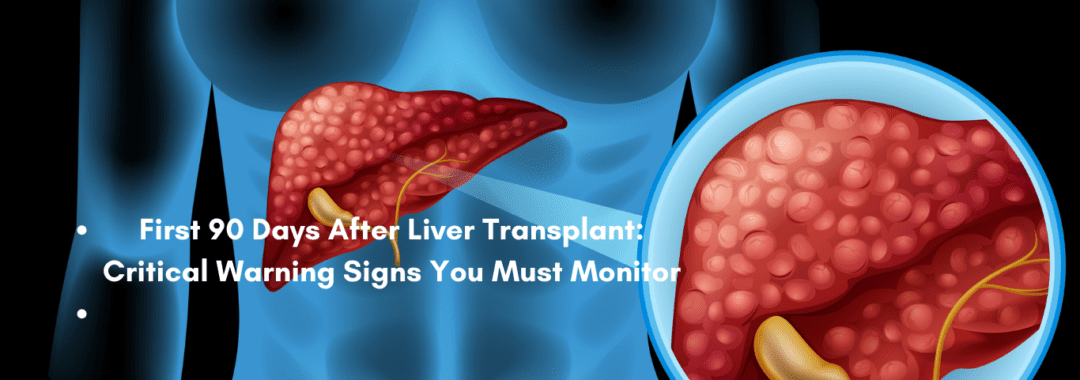
First 90 Days After Liver Transplant: Critical Warning Signs You Must Monitor

A liver transplant is not just a surgery– it’s a second chance at life. But here’s the truth many people don’t talk about enough: the first 90 days after a liver transplant are the most delicate and decisive. Think of this phase like nurturing a newly planted sapling. With the right care, it grows strong. Ignore early signs of trouble, and even a healthy plant can wither.

If you or someone you love has recently undergone a liver transplant, this article is written for you. We’ll walk through the critical warning signs, what’s normal, what’s not, and when to act fast– using simple language, real-life examples, and practical advice you can actually use.

1. Understanding the First 90 Days

The first three months after a liver transplant are like a trial period for your new organ. Your body is learning to accept it, and doctors are adjusting medications to keep rejection at bay. During this time, small symptoms can signal big problems.

This is why doctors insist on frequent follow-ups, blood tests, and strict routines. Skipping even one appointment can be risky.

2. Why Early Monitoring Is Life-Saving

Why all the fuss over early signs?

Because most complications start quietly. A mild fever or fatigue might seem harmless, but in transplant patients, these can be early alarms. Catching issues early often means simple treatment instead of emergency hospitalization.

In short: early action saves lives.

3. Signs of Liver Rejection

Liver rejection happens when your immune system attacks the new liver. It’s common– but manageable if detected early.

Key warning signs include:

Unusual fatigue

Yellowing of eyes or skin

Dark urine

Pain on the right side of the abdomen

Rejection doesn’t mean failure. With timely care from an experienced transplant team– and ideally the best liver transplant surgeon in India— most cases are reversed successfully.

4. Infection Warning Signals

After a transplant, your immunity is intentionally lowered to prevent rejection. This makes you more vulnerable to infections.

Watch out for:

Persistent cough

Burning while urinating

Redness or discharge from surgical wounds

Think of your immune system like a guard on night duty– still working, but not at full strength.

5. Fever: When to Worry

A fever above 100.4°F (38°C) should never be ignored.

Even a low-grade fever can signal:

Infection

Rejection

Medication reaction

Never self-medicate. Call your transplant coordinator immediately.

6. Changes in Urine and Stool

Your body’s waste tells a story– are you listening?

Concerning changes include:

Dark-colored urine

Pale or clay-colored stools

Strong-smelling urine

These signs may indicate bile flow problems or liver dysfunction.

7. Persistent Pain and Swelling

Some discomfort is expected after surgery. But persistent or worsening pain is not.

Red flags:

Abdominal swelling

Severe pain near the liver

Sudden bloating

This could mean fluid buildup, infection, or vascular complications.

8. Digestive Problems You Shouldn’t Ignore

Your digestive system often reacts first when something’s off.

Watch for:

Constant nausea

Vomiting

Loss of appetite

Unexplained weight loss

Occasional upset is okay– but persistent symptoms deserve attention.

9. Mental and Emotional Red Flags

Your mind heals too, not just your body.

Emotional warning signs include:

Severe anxiety

Depression

Confusion or memory issues

Some medications affect mood and thinking. Don’t suffer in silence– mental health is part of recovery.

10. Medication Side Effects

Anti-rejection drugs are lifesavers, but they can cause side effects.

Common ones include:

Tremors

High blood pressure

High blood sugar

Kidney issues

Never adjust doses on your own. Always consult your transplant team.

11. Skin and Eye Colour Changes

Your skin and eyes are visual indicators of liver health.

Seek help if you notice:

Yellowing (jaundice).

Persistent itching.

Unusual rashes.

These symptoms often signal bile or liver function problems.

12. Breathing Difficulties.

Shortness of breath is never normal post-transplant.

Possible causes include:.

Infection.

Fluid in lungs.

Blood clots.

If breathing feels hard, treat it as an emergency.

13. Blood Pressure and Sugar Fluctuations.

Many transplant patients develop:.

High blood pressure.

Diabetes.

Regular monitoring helps prevent long-term damage. Think of it as maintaining balance– like tuning a musical instrument.

14. When to Contact Your Transplant Team.

Call immediately if you experience:.

Fever.

Sudden pain.

Breathing trouble.

Mental confusion.

It’s better to be cautious than sorry.

15. Role of an Expert Transplant Surgeon.

Your recovery doesn’t end in the operating room. Continuous guidance from an experienced specialist– often considered the best liver transplant surgeon in India— makes a real difference.

Expert surgeons:.

Anticipate complications.

Adjust treatments quickly.

Offer long-term recovery strategies.

Dr. Neerav Goyal as a liver transplant specialist:
To seek a consultation with a best liver transplant doctor in New Delhi , India:
Call us at 8527516541 | Email at [email protected]


Conclusion.

The first 90 days after a liver transplant are a make-or-break phase. By staying alert, following medical advice, and responding quickly to warning signs, you dramatically improve your chances of a healthy, fulfilling life. Remember, your new liver is a gift– protect it like one.

Frequently Asked Questions (FAQs).
1. Is fever always dangerous after a liver transplant?

Yes, any fever should be reported immediately as it may indicate infection or rejection.

2. How common is liver rejection in the first 90 days?

Acute rejection is fairly common but usually reversible with early treatment.

3. Can emotional changes be linked to transplant medications?

Yes, many immunosuppressive drugs affect mood and mental clarity.

4. How often should follow-up tests be done initially?

Typically weekly or bi-weekly during the first few months, depending on recovery.

5. Does choosing the best liver transplant surgeon in india improve outcomes?

Absolutely. Experience and expertise significantly reduce complications and improve long-term success.

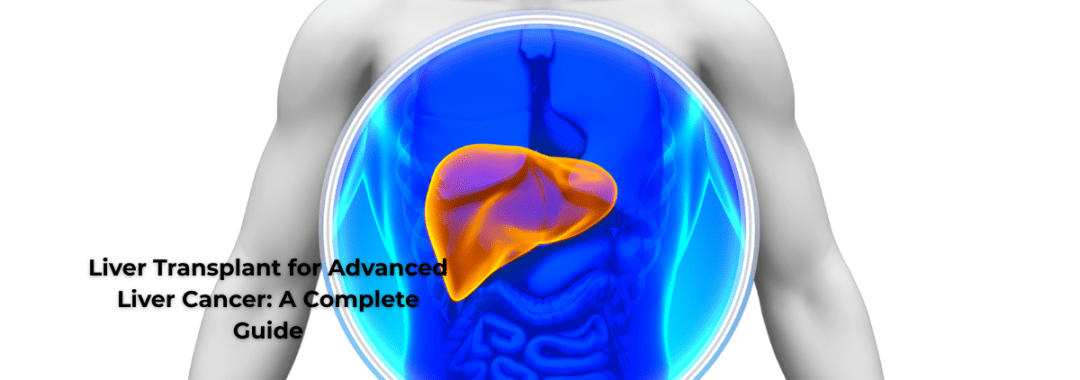
Liver Transplant for Advanced Liver Cancer A Complete Guide

Liver Transplant for Advanced Liver Cancer: A Complete Guide

When someone hears the words “advanced liver cancer,” it often brings fear, confusion, and uncertainty. But while the disease is serious, modern medicine has made incredible progress—and one of the most promising treatment options is liver transplantation. Think of a liver transplant like replacing a damaged engine in a car: instead of repeatedly fixing parts that no longer work well, doctors replace the whole organ to give the body a fresh start.

In this article, written in simple, conversational language, we’ll walk through how liver transplants work, who can benefit from it, what the risks and benefits look like, and why choosing the best liver transplant surgeon in India can make a major difference.


1. Understanding Advanced Liver Cancer

Liver cancer begins when unhealthy cells inside the liver start growing uncontrollably. In early stages, treatments like surgery, medications, or targeted therapies might work well. But once the cancer becomes advanced, things get more complicated.

Advanced liver cancer often means:

The tumour is too large to remove safely

Multiple tumours are present

The liver is too damaged (often due to cirrhosis).

Cancer is close to– or affects– major blood vessels.

In such cases, traditional treatments may not be enough. This is where liver transplant enters the conversation as a powerful alternative.

2. What Makes Liver Transplant a Treatment Option?

A liver transplant doesn’t just remove the cancer– it replaces the entire diseased liver with a healthy one. This offers two major benefits:.

The cancer is removed along with the old liver.

The underlying liver disease is treated, giving the patient a healthy organ to start over with.

For selected patients, this can significantly increase survival and quality of life.

3. How Liver Transplant Helps in Advanced Liver Cancer.

You might wonder, “How can an entire organ replacement help treat cancer?”

Here’s the simple answer:.

Cancer often grows in a liver already damaged by cirrhosis or long-term inflammation. Fixing the cancer alone isn’t enough– if the liver is too unhealthy, the patient’s body still struggles. A transplant offers a clean slate.

Doctors often use the Milan Criteria, which help determine when transplant is safe and effective:.

One tumor ≤ 5 cm.

Or up to 3 tumors, each ≤ 3 cm.

No spread outside the liver.

No major vessel involvement.

Patients in this category often experience excellent long-term outcomes after transplant.

4. When Is a Patient Considered Eligible?

Not everyone with advanced liver cancer is eligible. Doctors consider:.

Tumor size and number.

Liver function.

Overall health.

Absence of spread to other organs.

Response to earlier treatments, if any.

Sometimes doctors use bridging therapies– like radiofrequency ablation or TACE– to keep cancer stable while the patient awaits a transplant.

5. The Evaluation Process Before Transplant.

This evaluation is detailed because doctors must ensure the patient can handle the surgery and recover well.

It generally includes:.

  • Blood tests.
  • Imaging scans (CT, MRI).
  • Heart and lung evaluations.
  • Psychological assessments.
  • Lifestyle assessments, including alcohol abstinence if needed.

Although the process is thorough, it ensures safety and helps doctors plan the best approach.

6. Types of Liver Transplants.

There are two main types:.

a. Deceased Donor Transplant.

A liver from someone who has passed away is transplanted into the patient. Many patients depend on the waiting list, which can take months.

b. Living Donor Transplant.

A healthy person donates a part of their liver. The liver has a unique ability to regenerate, meaning both donor and recipient grow back full-sized livers within months.

Living donor transplants are increasingly popular because they:.

Reduce waiting time.

Offer better planned surgeries.

Often lead to quicker recovery.

7. Living Donor vs. Deceased Donor Transplants.

Choosing between the two depends on medical needs, timing, and availability.

  • Living donor advantages:.
  • Shorter wait times.
  • Reduced risk of cancer spreading while waiting.
  • Planned, scheduled surgery.
  • Often better outcomes in select cases.
  • Deceased donor advantages:.
  • No risk to a living person.

Suitable for patients without an eligible living donor.

Both options work well, especially in the hands of experienced surgeons.

8. Preparing for a Liver Transplant.

Preparation can feel overwhelming, but doctors guide patients every step of the way.

Preparation may include:.

Improving nutrition.

Stopping harmful habits, especially alcohol.

Exercise as tolerated.

Learning about postoperative care.

Family counseling.

Think of this stage as preparing the soil before planting a seed– the better the preparation, the better the outcome.

9. The Transplant Surgery: What Happens Inside the Operating Room.

A liver transplant surgery usually lasts 6– 12 hours. Surgeons:.

Remove the diseased liver.

Implant the healthy donor liver.

Connect major blood vessels.

Reconnect the bile duct.

Ensure the new organ begins functioning.

Modern surgical techniques and advanced monitoring have made liver transplant much safer than before.

10. Recovery After a Liver Transplant.

Recovery begins in the ICU, followed by a hospital stay of about 1– 2 weeks in most cases.

Patients typically:.

Take medications to prevent organ rejection.

Attend regular follow-ups.

Slowly resume normal activities.

Follow a liver-friendly diet.

Many patients return to regular routines, work, and even exercise within months.

11. Life After Transplant: What to Expect.

Life after a liver transplant can be incredibly rewarding.

Patients often report:.

Better energy.

Improved appetite.

Restored daily functioning.

Renewed hope and emotional well-being.

Key responsibilities after transplant include:.

Taking medications daily.

Avoiding infections.

Staying active.

Regular medical checkups.

12. Risks and Challenges of Liver Transplant.

As with all major surgeries, risks exist:.

Organ rejection.

Infections.

Bleeding.

Complications from medications.

Cancer recurrence (rare if criteria are followed).

But with careful monitoring, many patients enjoy long-term survival.

13. Advances in Liver Transplant Technology.

Modern innovations have made transplants safer and more successful:.

Robotic-assisted surgeries.

Improved immunosuppressants.

Better donor– recipient matching.

Organ preservation technologies (like machine perfusion).

These advances mean faster recovery, fewer complications, and better long-term outcomes.

14. Why Choosing the Right Surgeon Matters.

A liver transplant is one of the most complex surgeries in medicine. Experience matters– a lot.

Choosing the best liver transplant surgeon in India can mean:.

Better pre-transplant planning.

Higher surgical success rates.

Reduced complications.

Faster recovery.

Improved long-term survival.

Always look for:.

Strong hospital transplant program.

Experienced multidisciplinary team.

Good patient reviews.

High annual transplant volume.

Your surgeon becomes your long-term partner– and choosing the right one can change the outcome entirely.

15. Conclusion.

A liver transplant is not just a medical procedure– it’s a second chance at life. For people living with advanced liver cancer, it offers hope when other treatments may not work. With advances in technology, improved screening, and the availability of both living and deceased donor transplants, more patients can now benefit from this life-saving treatment.

And remember: the expertise of your surgeon and transplant team plays a crucial role in the overall success of the process. With the guidance of the best liver transplant surgeon in India, patients can look forward to longer, healthier lives.

Frequently Asked Questions.
1. Is liver transplant always recommended for advanced liver cancer?

No. It depends on tumor size, number, spread, and overall health. Doctors evaluate each case individually.

2. How long does it take to recover after a liver transplant?

Most patients recover within 2– 3 months, though full recovery may take six months or more.

3. Can liver cancer come back after a transplant?

If patients meet strict criteria, recurrence is rare but still possible. Regular follow-up is essential.

4. Are living donor liver transplants safe for the donor?

Yes. Donors typically recover in 6– 8 weeks, and the liver regenerates. However, like any surgery, some risks exist.

5. What improves the success rate of liver transplant in liver cancer patients?

Early diagnosis, meeting transplant criteria, choosing an experienced team, and proper post-transplant care increase success.

Can Stem Cell Therapy Replace Liver Transplants? Latest 2025 Research Explained

Introduction

Can stem cells one day replace the need for liver transplants? It’s a question many people are asking, especially with the rapid medical breakthroughs announced every year. Liver disease affects millions, and while transplant surgery saves lives, it comes with challenges like donor shortages and lifelong medications.

Today, we explore what 2025 research reveals about stem cell therapy, the progress toward real-world treatments, and what this means for patients. Think of this article as a friendly guide– simple language, clear explanations, and honest insights.


If you’re exploring advanced liver treatments or planning for a transplant, it’s important to connect with an experienced specialist who understands both traditional and emerging therapies. Dr. Neerav Goyal, a leading liver transplant surgeon in India, is known for his expertise in complex liver diseases, donor transplants, and patient-centric care. His work in integrating modern regenerative techniques with proven surgical excellence makes him a trusted name for individuals seeking the safest and most effective treatment options.


1. What Causes Liver Failure and Why Are Transplants Needed

Liver failure is like a city-wide power outage. When the liver stops working, everything else in the body starts to collapse. Causes include chronic hepatitis, alcohol-related damage, fatty liver disease, and rare genetic conditions.

A transplant becomes necessary when the liver can no longer repair itself. But transplants come with problems:

  • Limited donors
  • Risk of rejection
  • Long recovery
  • High cost

These limitations are exactly why scientists are exploring stem cells.

2. What Exactly Is Stem Cell Therapy?

Stem cells are the body’s “master cells.” They can turn into various types of cells, including liver cells. Stem cell therapy uses these special cells to repair damaged tissue.

Think of stem cells like fresh building blocks delivered to a construction site– ready to fix or rebuild what’s broken.

3. How Stem Cells Could Help the Liver Heal

  • Research shows stem cells may help by:
  • Reducing inflammation
  • Repairing damaged liver cells
  • Improving liver function temporarily
  • Slowing disease progression

While traditional treatment focuses on managing symptoms, stem cell therapy aims to repair the liver itself.

4. 2025 Research Breakthroughs in Liver Regeneration

The year 2025 has seen several promising studies:

Improved lab techniques to grow liver-like tissues

Better survival rates of transplanted stem cells

Encouraging trial results in patients with early-stage liver disease

Some studies even suggest that stem cell– based mini livers might soon be used for small-scale repairs inside the body.

However, experts caution that these breakthroughs are early steps– not complete solutions yet.

5. Types of Stem Cells Used in Liver Treatment

  • Scientists experiment with different types of stem cells:
  • a) Mesenchymal Stem Cells (MSCs).
  • These are derived from bone marrow or fat tissue and possess anti-inflammatory properties.
  • b) Induced Pluripotent Stem Cells (iPSCs).
  • These are adult cells reprogrammed back into stem cells– an exciting option because they can be patient-specific.
  • c) Embryonic Stem Cells.
  • These have the highest potential but face ethical restrictions.

Each type has unique strengths and limitations.

6. Lab-Grown Mini Livers: A Major Step Forward.

One of 2025’s most exciting advances is organoids– tiny lab-grown livers created from stem cells.

These mini organs:.

Mimic real liver function.

Help scientists test treatments safely.

Could eventually patch or replace small sections of damaged liver.

Picture them like spare parts for the body– still in the prototype stage, but promising.

7. Can Stem Cells Replace Liver Transplants Completely?

Here’s the honest answer: Not yet.

Stem cell therapy shows potential, but it can not fully replace a failing liver the way a transplant can. Current therapies may improve function or delay disease progression, especially in early stages, but they can not cure end-stage liver failure at this time.

Instead, stem cells may help reduce the number of people who need a transplant by supporting regeneration earlier.

8. Current Limitations and Safety Concerns.

Stem cell therapy is exciting, but challenges remain:.

Long-term safety still unclear.

Risk of abnormal cell growth.

Not yet widely approved for liver failure.

Expensive and not fully available clinically.

Patients must be cautious about unregulated clinics promising “miracle cures.”.

9. What Experts and Surgeons Say in 2025.

Top hepatologists and transplant surgeons suggest that stem cell therapy will work best as a supportive treatment, not a full replacement– at least for now.

Many leading doctors, including the best liver transplant surgeon in India, emphasize combining traditional medical care with research-based regenerative therapies.

10. Who Might Benefit From Stem Cell Therapy?

Those who may benefit include:.

Patients with early-stage liver disease.

Individuals not fit for major surgery.

People waiting for a donor liver.

Patients seeking improved liver function to delay transplantation.

It’s not a cure, but it may offer relief or longer survival time.

11. Cost Comparison: Stem Cell Therapy vs Transplant.
Liver Transplant Costs.

Transplants are usually expensive due to surgery, hospital stay, lifelong medication, and follow-up care.

Stem Cell Therapy Costs.

Currently high as well– but less than a transplant. Costs may drop as research advances.

Despite this, insurance rarely covers stem cell therapy because many treatments aren’t fully approved.

12. Access to Treatment in India.

India is becoming a global hub for advanced liver treatments due to:.

Experienced surgeons.

Modern hospitals.

Lower treatment costs compared to Western countries.

Many research centers in India also participate in global stem cell trials.

13. Role of the Best Liver Transplant Surgeon in India.

Leading surgeons in India often guide patients through the decision-making process. They help identify whether a transplant, stem cell therapy, or a combination of both is the safest option.

Expert surgeons stress the importance of transparent, science-backed treatment– not hype or unproven claims.

14. What the Future Could Look Like.

Imagine a future where damaged livers can be repaired using your own cells– no donor required, no lifelong rejection medication.

While we’re not there yet, 2025 research shows clear progress. In the coming decades, stem cell therapy might drastically reduce the need for full organ transplants.

The liver is naturally good at regenerating, and stem cells may give it the boost it needs.

15. Final Thoughts.

Stem cell therapy is one of the most promising medical fields today. While it can not replace liver transplants yet, it may enhance treatment options and improve quality of life for many patients.

If you or a loved one is dealing with liver disease, speaking with an experienced specialist– like the best liver transplant surgeon in India– is the safest way to explore your options.

Frequently Asked Questions (FAQs).
1. Can stem cells fully cure liver failure?

Not at present. They can help improve liver function but can not fully replace a transplant for end-stage failure.

2. Are stem cell treatments safe?

Early research is promising, but long-term safety is still being studied. Only regulated, clinical-trial– based treatments are recommended.

3. How long does stem cell therapy take to show results?

Some patients report improvement within weeks or months, but results vary widely.

4. Can stem cell therapy reduce the need for a liver transplant?

Possibly for early-stage disease. It may delay or reduce the severity of liver damage.

5. Should I choose stem cell therapy or a transplant?

This depends on your condition. Consult a qualified liver specialist or the best liver transplant surgeon in India for medical guidance.

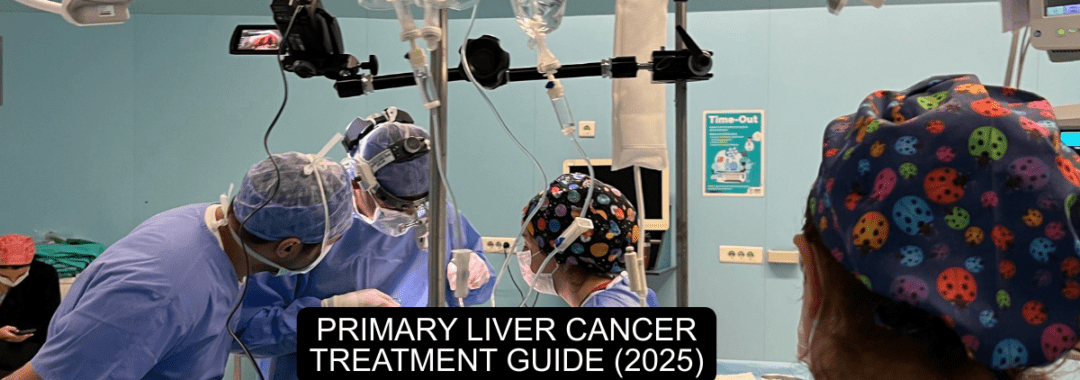
Primary Liver Cancer Treatment Guide (2025)

Primary Liver Cancer Treatment Guide (2025)

When you first hear the words primary liver cancer, it can feel like your world has suddenly tilted. Questions rush in: What now? What treatment options do I have? Who can help? If you’re feeling that way, you’re not alone—and you’re in the right place.

This guide breaks down liver cancer treatments in 2025 using simple, conversational language. Think of it like having a knowledgeable friend sit with you, explain the road ahead, and help you feel more confident about your choices. Let’s walk through it together.


Primary liver cancer guide with insights from the best liver transplant experts.


1. Understanding Primary Liver Cancer

Primary liver cancer begins in the liver itself– not in another organ. The most common type is hepatocellular carcinoma (HCC). Imagine the liver as your body’s natural detox center: when it gets injured repeatedly, the cells may begin to grow abnormally, eventually forming cancer.

Understanding this helps you make sense of the treatments that follow.

2. Key Causes and Risk Factors

Certain conditions can quietly harm the liver for years without showing symptoms. Over time, these injuries increase cancer risk.

  • • Chronic Hepatitis B and C
  • These viral infections are major contributors because they keep the liver inflamed.
  • • Alcohol Overuse
  • Think of it like rusting metal– slow but damaging.
  • • Non-Alcoholic Fatty Liver Disease (NAFLD).
  • Increasingly common with rising obesity and diabetes.
  • • Cirrhosis.

Scar tissue replaces healthy liver tissue, limiting function.

While having risk factors doesn’t guarantee cancer, knowing them helps in early monitoring and prevention.

3. Signs and Symptoms to Watch.

Liver cancer whispers before it shouts. Symptoms often appear late but can include:.

  • Unexplained weight loss.
  • Loss of appetite.
  • Right-side abdominal pain.
  • Jaundice (yellowing of eyes/skin).
  • Fluid buildup (ascites).

If something feels “off,” it’s always better to check with a healthcare provider.

4. How Primary Liver Cancer Is Diagnosed.

Diagnosis is like assembling a puzzle.

  • • Imaging Tests.
  • Ultrasound, CT scans, and MRIs reveal lumps or unusual patterns.
  • • Blood Tests.
  • AFP (Alpha-fetoprotein) can indicate liver cancer.
  • • Biopsy (Only When Needed).

A small tissue sample is examined under a microscope.

Doctors combine these results to form a clear picture before recommending treatment.

5. Staging: Why It Matters.

Cancer staging helps determine how far the disease has progressed.

  • Stage I: A single tumour.
  • Stage II: Tumour with early blood vessel involvement.
  • Stage III: Multiple tumors or major vessel concern.
  • Stage IV: Cancer has spread beyond the liver.

Treatment choices depend heavily on the stage.

6. Treatment Overview for 2025.

In 2025, liver cancer care has evolved with more personalized treatments. Instead of a “one-size-fits-all,” options are tailored to your liver function, tumor size, overall health, and personal preferences.

Major treatment categories include:.

  • Surgery.
  • Liver transplantation.
  • Locoregional therapies.
  • Systemic therapies.
  • Immunotherapy.
  • Targeted drugs.

7. Surgical Options.

Surgery is often recommended for early-stage liver cancer.

• Liver Resection.

The surgeon removes the cancerous portion of the liver.
What’s amazing? The liver can regenerate– like pruning a tree and watching it grow back.

Surgery works best for patients with good liver function and localized tumors.

8. Liver Transplantation.

A liver transplant replaces the diseased liver with a healthy one from a donor. It’s life-changing for patients with cirrhosis or multiple tumors confined to the liver.

Transplantation offers two major benefits:.

Removes the entire diseased liver.

Eliminates the underlying conditions causing cancer.

This is why choosing the best liver transplant surgeon in India becomes crucial– outcomes depend heavily on surgical expertise and transplant-center experience.

9. Choosing the Best Liver Transplant Surgeon.

Finding the right surgeon can feel overwhelming, but here are factors that truly matter:.

  • • Experience and Success Rates.
  • How many transplants have they performed? What are the long-term outcomes?
  • • Multidisciplinary Team.
  • Surgeons who collaborate with oncologists, hepatologists, and radiologists provide more comprehensive care.
  • • Hospital Infrastructure.
  • High-quality ICUs, advanced imaging, and trained nursing staff can significantly impact recovery.
  • • Patient Reviews.

Real stories from real people can provide reassurance.

Remember, choosing a surgeon is like choosing a pilot– you want skill, experience, and calm confidence.

10. Locoregional Therapies.

These treatments target tumors directly within the liver.

  • • Radiofrequency Ablation (RFA).
  • Uses heat to destroy cancer cells.
  • • Microwave Ablation.
  • Similar to RFA but faster and effective for larger tumors.
  • • TACE (Transarterial Chemoembolization).
  • Chemotherapy delivered directly into the tumor’s blood supply.
  • • TARE/ SIRT (Radioembolization).
  • Tiny radioactive beads block the blood supply while delivering radiation.

These are popular for patients not suitable for surgery.

11. Systemic Therapies (2025 Updates).

Systemic therapies treat cancer throughout the body.

• Chemotherapy.

Not the mainstay for liver cancer but still used in selected cases.

• Newer Drug Combinations (2025 ).

Therapies are now more targeted and have fewer side effects. Combinations involving immunotherapy and targeted drugs are gaining importance.

12. Immunotherapy Advances.

Immunotherapy has transformed liver cancer care. It works by “waking up” your own immune system to fight cancer– like giving it night-vision goggles to spot hidden threats.

Common types include:.

Checkpoint inhibitors (PD-1, PD-L1 blockers).

Drug combos that improve survival and quality of life.

Patients with advanced stages often benefit from these modern treatments.

13. Targeted Therapy Options.

Targeted therapy blocks specific molecules that help cancer grow.

• Tyrosine Kinase Inhibitors (TKIs).

These drugs slow tumor growth and cut off blood supply to cancer cells.

• Combination Approaches.

TKIs + immunotherapy can improve outcomes.

These therapies are carefully selected depending on tumour biology.

14. Lifestyle and Supportive Care.

Treatment doesn’t end at the hospital. How you live every day can strengthen your recovery.

• Nutrition.

Balanced meals support liver function.

• Exercise.

Even light walking helps maintain strength.

• Avoid Alcohol.

Essential for slowing liver damage.

• Mental Well-Being.

Counseling, support groups, or simply talking to a friend can make a big difference.

15. Living with Liver Cancer: Emotional & Social Support.

A cancer diagnosis doesn’t just affect the body– it touches your emotions, relationships, and daily routine. Families often feel like they’ve entered a storm without an umbrella.

But support is available:.

Counseling services.

Psychological therapy.

Financial and social support programs.

Online communities offering shared experiences.

No one has to go through it alone.

Conclusion.

Primary liver cancer may be a challenging journey, but today’s treatments in 2025 offer more hope than ever before. From advanced surgical techniques to sophisticated immunotherapies, patients can choose from a wide spectrum of effective options.

And if transplantation becomes necessary, selecting the best liver transplant surgeon in India can be a pivotal step toward recovery and long-term survival.

Remember– knowledge is power, and you’re already taking the first step by reading this guide.

FAQs.
1. What is the most effective treatment for early-stage primary liver cancer?

Surgery or localized treatments like RFA are often effective for early-stage disease, depending on liver function.

2. When is a liver transplant recommended?

A transplant is considered for patients with cirrhosis or limited tumors confined to the liver who are unsuitable for resection.

3. Is immunotherapy safe for liver cancer?

Many patients tolerate immunotherapy well, but suitability depends on overall health and medical history.

4. How long does recovery take after liver transplantation?

Most patients spend 2– 3 weeks in the hospital and require several months for full recovery.

5. Can lifestyle changes improve liver cancer outcomes?

Yes. Healthy eating, alcohol avoidance, medical follow-ups, and emotional support all contribute to better outcomes.

Fatty Liver vs Parenchymal Liver Disease What’s the Difference (1)

Fatty Liver vs Parenchymal Liver Disease: What’s the Difference?

Understanding liver conditions can feel overwhelming, especially when medical terms start sounding like a foreign language. Fatty liver? Parenchymal liver disease? Are they the same? Do they mean something serious? If you’ve ever found yourself wondering these things, you’re not alone.

Think of the liver as a hardworking employee in your body’s “factory.” It filters toxins, manages nutrients, and keeps everything running smoothly. When this employee starts struggling– due to fat buildup or deeper tissue damage– your whole system feels it. In this article, we’ll break down the differences between fatty liver and parenchymal liver disease in the simplest way possible, so you know exactly what they mean and what to watch out for.

Table of Contents

Sr# Headings
1 Understanding the Liver’s Role
2 What Is Fatty Liver Disease?
3 Types of Fatty Liver Disease
4 Causes of Fatty Liver
5 Symptoms of Fatty Liver
6 What Is Parenchymal Liver Disease?
7 Causes of Parenchymal Liver Disease
8 Symptoms of Parenchymal Liver Disease
9 How Fatty Liver and Parenchymal Liver Disease Differ
10 Diagnosis: How Doctors Identify These Conditions
11 Treatment Options for Fatty Liver
12 Treatment Options for Parenchymal Liver Disease
13 When Is a Liver Transplant Needed?
14 How to Prevent Liver Damage
15 When to Visit a Liver Transplant Specialist in India

1. Understanding the Liver’s Role

The liver is one of the body’s most essential organs. It acts like a natural detox machine, cleansing your blood, storing energy, and helping with digestion. When liver issues arise, they can impact your energy, digestion, hormone balance, and overall health.

2. What Is Fatty Liver Disease?

Fatty liver disease occurs when too much fat builds up in the liver’s cells. Imagine pouring oil into a machine that’s supposed to run clean– it eventually clogs.

When fat reaches more than 5– 10% of the liver’s weight, doctors call it fatty liver.

3. Types of Fatty Liver Disease
Non-Alcoholic Fatty Liver Disease (NAFLD).

This occurs in people who drink little to no alcohol. It’s often linked to obesity, diabetes, and lifestyle factors.

Alcoholic Fatty Liver Disease (AFLD).

As the name suggests, this results from heavy alcohol use.

Both types can be reversed if treated early.

4. Causes of Fatty Liver.

Common causes include:.

Obesity.

High cholesterol.

Diabetes.

Excessive alcohol consumption (AFLD).

Poor diet and sedentary lifestyle.

Rapid weight loss.

5. Symptoms of Fatty Liver.

Fatty liver often develops silently. Many people only discover it through routine tests. When symptoms do appear, they may include:.

  • Fatigue.
  • Mild abdominal discomfort.
  • Bloating.
  • Elevated liver enzymes in blood tests.
  • 6. What Is Parenchymal Liver Disease?

The term parenchymal liver disease refers to actual damage to the liver tissue– the functional parts of the liver. This includes:.

  • Hepatitis.
  • Cirrhosis.
  • Chronic liver inflammation.
  • Fibrosis.

Think of parenchymal disease as deeper, structural damage compared to fat accumulation alone.

7. Causes of Parenchymal Liver Disease.

Key causes include:.

  • Chronic viral infections (Hepatitis B or C).
  • Long-term alcohol misuse.
  • Autoimmune diseases.
  • Genetic conditions.
  • Toxic drug reactions.
  • Untreated fatty liver progressing over time.

8. Symptoms of Parenchymal Liver Disease.

Symptoms tend to be more serious, such as:.

  • Persistent fatigue.
  • Yellowing of the skin (jaundice).
  • Swelling in legs or abdomen.
  • Dark urine.
  • Easy bruising.
  • Digestive issues.

These signs suggest the liver is losing its ability to function properly.

9. How Fatty Liver and Parenchymal Liver Disease Differ.

Here’s a simple breakdown:.

  • Fatty LiverParenchymal Liver Disease.
    Fat accumulationActual damage to liver cells.
    Often reversibleMay be progressive.
    Minimal or no symptomsMore obvious symptoms.
    Lifestyle-relatedCould be viral, autoimmune, or alcohol-related.
    Early-stage conditionCan be advanced or chronic.

Think of fatty liver as clutter building up at a workplace, while parenchymal disease is structural damage to the building itself.

10. Diagnosis: How Doctors Identify These Conditions.

Doctors usually use:.

  • Blood Tests.
  • Checking liver enzymes like ALT and AST.
  • Ultrasound or CT Scan.
  • These detect fat deposits and tissue damage.
  • Liver Biopsy.
  • This is the most accurate method to identify severity of damage.
  • FibroScan.
  • A non-invasive way to assess liver stiffness.

11. Treatment Options for Fatty Liver.

The good news? Fatty liver is often reversible.

Lifestyle Changes.

Lose weight gradually.

Exercise regularly.

Eat a balanced diet.

Control Underlying Conditions.

Manage diabetes, cholesterol, and blood pressure.

Avoid Alcohol.

This can significantly reduce liver stress.

12. Treatment Options for Parenchymal Liver Disease.

Treatment depends on the cause:.

  • For Viral Hepatitis.
  • Antiviral medications.
  • For Autoimmune Disorders.
  • Steroids or immunosuppressants.
  • For Alcoholic Liver Damage.
  • Stopping alcohol completely.
  • For Fibrosis and Cirrhosis.
  • Managing symptoms and slowing progression.

13. When Is a Liver Transplant Needed?

A liver transplant may be needed when:.

Liver failure occurs.

Cirrhosis progresses.

Severe complications arise.

Other treatments no longer work.

This is when consulting a liver transplant specialist in India becomes essential.

14. How to Prevent Liver Damage.

Prevention is always better than cure.

Maintain a healthy weight.

Exercise for at least 30 minutes daily.

Limit alcohol.

Eat high-fiber, low-fat foods.

Get vaccinated for hepatitis.

Avoid unnecessary medications.

15. When to Visit a Liver Transplant Specialist in India.

If you experience:.

Jaundice.

Severe abdominal swelling.

Recurring fatigue.

Confusing memory issues.

Gastrointestinal bleeding.

… it’s time to seek specialist care. Early consultation can save lives.

A liver transplant specialist in India can evaluate your condition and recommend the best treatment path, including whether a transplant is necessary.

Conclusion.

Understanding the difference between fatty liver and parenchymal liver disease can help you make informed choices about your health. While fatty liver is often reversible with lifestyle changes, parenchymal liver disease can be more serious, requiring medical intervention and sometimes a transplant. The key is early diagnosis, timely treatment, and knowing when to seek help.

Your liver works non-stop– taking care of it is one of the best gifts you can give your body.

FAQs.
1. Can fatty liver turn into parenchymal liver disease?

Yes. If left untreated, fatty liver can progress to inflammation, fibrosis, and eventually cirrhosis– forms of parenchymal disease.

2. Is fatty liver always caused by alcohol?

No. Non-alcoholic fatty liver disease (NAFLD) is more common and is linked to obesity, diabetes, and poor lifestyle habits.

3. Can parenchymal liver disease be cured?

Some forms can be treated or controlled, but advanced damage like cirrhosis is usually permanent.

4. Does fatty liver cause pain?

Most people feel no pain, but some may experience discomfort on the right side of the abdomen.

5. When should I see a liver transplant specialist in India?

Seek help if you have severe symptoms such as jaundice, abdominal swelling, or signs of liver failure.

Alcoholic Fatty Liver Disease: What Really Happens Inside Your Body After Years of Drinking

Alcoholic Fatty Liver Disease (AFLD) is one of those silent conditions that quietly builds inside your body—often without any major warning signs. If you’ve ever wondered what really happens in your liver after years of drinking, you’re not alone. Think of your liver as the hardworking “filter” of your body. When alcohol enters your system too often or in large amounts, this filter becomes clogged, strained, and eventually damaged.

In this article, we’ll walk through what happens inside your liver, why fatty liver develops, how it progresses, and when it becomes life-threatening.


1. Understanding Alcoholic Fatty Liver Disease

Alcoholic Fatty Liver Disease is the earliest and most common stage of alcohol-related liver damage. When you drink regularly, the liver starts storing fat because it can’t break down alcohol and fats together efficiently.

Imagine trying to clean your house while someone keeps throwing trash inside– it becomes impossible to keep up. That’s exactly what happens inside your liver.

2. How Your Liver Normally Works

Your liver is an incredible organ with over 500 essential functions. Here are some of the most important ones:

Filtering toxins from your blood

Processing fats, sugars, and proteins

Helping with digestion through bile production

Storing vitamins and minerals

Supporting immunity

Normally, it works quietly in the background without any complaints– until alcohol overloads it.

3. What Alcohol Does to Your Liver

Alcohol is treated like a toxin. The liver prioritizes breaking it down, ignoring other important tasks. When this happens repeatedly:

Fat starts accumulating

Inflammation begins

Liver cells become damaged

Scar tissue forms

Over time, the liver becomes less efficient, weaker, and unable to repair itself.

4. Stages of Alcohol-Related Liver Damage

There are three major stages:

a) Alcoholic Fatty Liver (Simple Steatosis).

This is the earliest stage. Fat builds up, but the damage is still reversible if drinking stops.

b) Alcoholic Hepatitis.

Liver cells become inflamed and start dying. Symptoms appear here.

c) Cirrhosis.

Permanent scarring of the liver. This stage is dangerous and can lead to liver failure.

Skipping treatment can turn a mild condition into a life-threatening one.

5. Early Signs and Symptoms You Shouldn’t Ignore.

Alcoholic fatty liver is often silent, but some people develop the following:.

Constant tiredness.

Pain or heaviness in the upper right abdomen.

Loss of appetite.

Nausea.

Unexplained weakness.

Weight loss.

Yellowing of eyes (a later sign).

If you notice these signs– especially along with regular alcohol intake– it’s important to get evaluated.

6. Why Some Drinkers Develop AFLD Faster Than Others.

Not everyone who drinks develops fatty liver at the same speed. Several factors matter:.

Genetics.

Gender (women are more sensitive to alcohol-related liver damage).

Poor nutrition.

Being overweight.

Drinking patterns (binge vs daily drinking).

Some people may develop damage even with moderate drinking.

7. The Silent Danger: Inflammation Inside Your Liver.

Fat in the liver is not the only problem– it’s the inflammation it triggers. When liver cells become inflamed:.

They swell.

They stop functioning properly.

They release chemical signals that damage surrounding cells.

The immune system attacks these unhealthy cells.

Scar tissue begins to form.

Inflammation is a major turning point that shifts fatty liver toward more dangerous stages.

8. Progression to Hepatitis and Cirrhosis.

If drinking continues:.

Alcoholic Hepatitis.

Symptoms may include:.

Fever.

Vomiting.

Jaundice.

Abdominal swelling.

This stage is serious and requires immediate care.

Cirrhosis.

The liver becomes hardened due to scar tissue. At this point:.

Many liver functions fail.

Blood flow through the liver becomes blocked.

Toxins build up.

Liver cancer risk increases.

Transplant may be the only option.

This is why early detection is crucial.

9. Alcoholic Liver Disease vs Non-Alcoholic Fatty Liver.

Both conditions cause fat buildup, but their causes differ:.

Alcoholic Fatty Liver → due to chronic alcohol intake.

Non-Alcoholic Fatty Liver → due to obesity, diabetes, poor diet, genetics.

Symptoms and complications are similar, but treatment differs based on the cause.

10. Can Fatty Liver Be Reversed?

Yes– the earliest stage is fully reversible.

If alcohol is stopped completely:.

Fat reduces in weeks.

Inflammation settles.

Liver cells start regenerating.

Energy levels improve.

Overall health rebounds.

The liver is one of the few organs capable of repairing itself– but only if the damage hasn’t gone too far.

11. How Long the Liver Takes to Heal After Alcohol.

Healing time varies:.

2– 4 weeks: Fat begins to reduce.

3 months: Inflammation decreases.

6– 12 months: Many liver functions return to normal.

Cirrhosis: Damage is permanent and can not fully heal.

Complete abstinence is the most powerful treatment.

12. Tests and Diagnoses Doctors Use.

To confirm alcoholic fatty liver, doctors may recommend:.

Liver function tests (LFTs).

Ultrasound.

FibroScan.

CT scan or MRI.

Liver biopsy (in unclear cases).

Early diagnosis helps prevent complications.

13. Lifestyle Changes That Can Save Your Liver.

Here’s what you can do:.

a) Stop Drinking Completely.

Even small amounts can worsen fatty liver.

b) Eat a Nutritious Diet.

Include:.

Lean proteins.

Whole grains.

Nuts.

Fruits and vegetables.

c) Stay Physically Active.

Exercise helps burn liver fat.

d) Maintain Healthy Weight.

Obesity increases inflammation.

e) Stay Hydrated.

Water helps liver detoxification.

Small changes today can protect your liver for a lifetime.

14. When to See a Liver Specialist.

If you have:.

Persistent fatigue.

Abdominal pain.

Yellowing of skin.

Heavy alcohol intake.

Abnormal liver tests.

… it’s time to consult a hepatologist (liver specialist).

Finding the right specialist early can prevent long-term damage.

15. Liver Transplant: When It Becomes the Only Option.

If cirrhosis advances or your liver stops functioning, transplantation may be required.

A liver transplant can:.

Save your life.

Replace a severely damaged liver.

Restore normal functioning.

Improve quality of life.

If you’re searching for treatment options, consulting the best liver transplant surgeon in India is crucial for timely decisions and successful outcomes.

Conclusion.

Alcoholic Fatty Liver Disease is not just a “drinker’s problem.” It’s a silent condition that quietly damages your liver over years. The good news? It is completely reversible in the early stages. All it takes is awareness, early diagnosis, and lifestyle changes.

Your liver works tirelessly for you– give it the care it deserves. And if you or someone you know has progressed to a serious stage, seeking expert guidance from the best liver transplant surgeon in India could be life-saving.

Frequently Asked Questions.
1. Is alcoholic fatty liver disease reversible?

Yes. If alcohol is stopped early, the liver can heal completely within weeks to months.

2. How long does it take for fatty liver to develop after drinking?

It can begin after a few weeks of heavy drinking but worsens over years.

3. What are the warning signs of advanced alcoholic liver disease?

Jaundice, swelling, vomiting blood, confusion, and weight loss.

4. Can fatty liver turn into liver cancer?

Yes, especially if it progresses to cirrhosis.

5. When should someone see the best liver transplant surgeon in India?

If liver failure, cirrhosis, or complications like recurrent jaundice appear, early consultation is essential.

Alcoholic Liver Disease: When Transplant Is Needed

Introduction

Have you ever wondered how much damage alcohol can truly do to your liver? For many, a glass of alcohol might seem harmless—but for others, it’s a ticking time bomb. Alcoholic Liver Disease (ALD) is a serious and progressive condition caused by long-term alcohol abuse. Over time, it can destroy liver cells, leading to life-threatening complications where only a liver transplant can save a person’s life.

In this guide, we’ll dive deep into understanding alcoholic liver disease, its stages, symptoms, and most importantly, when a liver transplant becomes necessary.

1. What Is Alcoholic Liver Disease (ALD)?

ALD stems from overconsumption of alcohol for long periods. The liver first becomes inflamed and then develops scar tissue. Alcoholic liver disease includes over fatty liver to cirrhosis which is end stage liver disease. Over time, alcohol becomes liver disease and cirrhosis gets worse.

The liver like a filter first becomes impaired, inflamed, and eventually scar tissue is created and then the liver is cirrhosis and cirrhosis.

1. How Does Alcohol Affect Your Liver?

Livers metabolize alcohol and try to detoxify it. The detoxifying process produces toxins and the liver becomes inflamed. The body again tries to repair the inflamed and damaged liver and more scar tissue develops around the liver, cirrhosis develops and replaces the healthy liver tissue. Finally, the liver becomes like a sponge and hardens from cirrhosis. The liver becomes less functional and cirrhosis progresses to liver disease. The liver becomes like a sponge.3. Stages of Alcoholic Liver Disease

The progression of Alcoholic Liver Disease occurs through three principal stages:

a) Fatty Liver (Steatosis)

Steatosis represents the initial stage of the disease and is also the most reversible. After prolonged periods of heavy drinking the liver will accumulate excess fat and begin to develop steatosis. The positive aspect about this stage is that total abstinence from alcohol will reverse the steatosis condition.

b) Alcoholic Hepatitis

Steatosis will eventually lead to Alcoholic Hepatitis. This condition is characterized by the onset of liver inflammation and the appearance of jaundice, abdominal pain, and nausea. Liver failure will most likely occur if this condition is left unmanaged.

c) Cirrhosis

Cirrhosis is the final stage of alcoholic liver disease. It is characterized by the replacement of healthy liver tissue with scar tissue, significantly impairing the liver’s functionality. This condition is detrimental to the individual and increases the risk of life-threatening complications, which may require a liver transplant.

4. Early Warning Signs and Symptoms

The most worrying aspect of ALD is that the condition will reveal its symptoms very late in its progression. This is highly concerning as the first stages can go undetected leading to severe damage. Symptoms that commonly occur are:

Extreme fatigue and persistent weakness,

Loss of appetite and significant weight loss,

Nausea and vomiting,

Jaundice (yellowing of the skin and eyes),

Abdominal swelling (ascites),

Confusion, which results from hepatic encephalopathy,

Easy bruising and bleeding.

If any of these symptoms have occurred in an individual that has a history of alcohol consumption, it is urgent that they see a liver specialist.

5. How Is Alcoholic Liver Disease Diagnosed?

Diagnosis usually follows a sequence involving:

Laboratory Tests: Assessing liver enzymes such as ALT and AST.

Ultrasound or CT Scans: To assess liver dimensions and condition.

Fibroscan: Determines liver elasticity (gauges scarring).

Liver Biopsy: Determines the severity and extent of damage.

Diagnosis needs to be as early as possible because early intervention may prevent damage from becoming permanent.

6. Can Alcoholic Liver Disease Be Reversed?

Yes, but only in the early stages of the disease. Complete alcohol cessation will allow the liver to fully recuperate. Other factors such as a balanced diet, physical activity, and medical assistance are very beneficial.

Once cirrhosis occurs, there will be no further liver healing, and the only option that will save the patient’s life is a liver transplant.

7. Treatment Options Before a Liver Transplant

Prior to a transplant, most clinicians will propose:

Total alcohol abstinence

Nutritional therapy to address vitamin deficiencies

Anti-inflammatory and anti-infection medications

Altered lifestyle including exercise and a balanced diet

Psychiatric counseling and rehabilitative therapy

These interventions will stabilize liver disease and, in some cases, can postpone liver transplantation.

8. When Does a Liver Transplant Become Necessary?

If a patient has completely abstained from alcohol and has received medical treatment, a liver transplant will be necessary when the liver has lost the ability to carry out all of its vital functions.

Common indicators include:

End-stage liver failure

Severe cirrhosis

Repeated hospitalizations for hepatic encephalopathy or bleeding

A MELD score (Model for End-stage Liver Disease) showing critical liver function decline.

At this stage, transplantation is the only hope for survival.

9. Criteria for Liver Transplant in Alcoholic Liver Disease

Not everyone with ALD qualifies for a transplant. Most centers, including those under the best liver transplant surgeon in India, follow strict criteria:

Minimum six months of alcohol abstinence

Psychiatric evaluation ensuring commitment to sobriety

Adequate family or social support post-surgery

Good overall health aside from liver disease

These guidelines ensure that patients make lasting changes and have the best chance at a successful recovery.

10. Preparing for a Liver Transplant

Preparation includes several steps:

Comprehensive medical evaluation to assess overall fitness

Listing on a transplant registry

Finding a suitable donor (living or deceased)

Pre-surgery counseling about risks and expectations

Patients also receive advice on managing diet, exercise, and emotional health while waiting for the transplant.

11. Recovery and Life After Liver Transplant

After a successful transplant, patients can lead normal, fulfilling lives—but discipline is key.

Post-transplant care includes:

– **Immunosuppressant medications** to prevent rejection
– **Regular checkups and blood tests**
– **Avoiding alcohol** permanently
– **Healthy lifestyle**
– **Recovery** takes months but survival rates are excellent under best liver transplant surgeon India provides.

**12. Role of Best Liver Transplant Surgeon India Provides**
Selecting the best surgeon is as valuable as the transplant.** Best liver transplant surgeon India provides has:
– **Extensive experience with complex liver transplants**
– **Great success rates**
– **Advanced surgical methods**
– **Complete pre and post operative care**

**Top liver transplant surgeon India** has allied with a team of clinical nutritionists, clinical psychologists and reactive hepatologists to facilitate full recovery and rehabilitation.

**13. Preventing Alcoholic Liver Disease**
**Good news is; ALD is fully preventable**.
– **Avoid and limit alcohol**
– **Healthy body weight**
– **Balanced meals with fruits, vegetables and proteins**
– **Hydration**
– **Regular liver function tests** if alcohol is consumed,
– **Your liver can heal and so give it the chance**.

**14. Myths About Alcoholic Liver Disease**
– “**Only heavy drinkers get liver disease**”.
– Even moderate drinkers can develop liver problems over time.

“Taking a break from drinking means you won’t develop liver damage.” Regular consumption in small quantities can result in damage over time.

“Liver damage can heal in a short time.” This process takes time, and at some point depend on what stage of damage the liver is in.

“Liver transplant permanently resolves the issue.” This is a treatment, not a cure, and you must abstain from drinking alcohol for the rest of your life.

15. Conclusion

Although alcoholic liver disease is serious, in most of its cases, it is a preventable condition. Being able to identify the condition at most of its earlier stages, and acting on it, can save your life. But when damage is irreversible, a liver transplant is your second lifetime chance.

Do not wait any longer to get a consultation with the best liver transplant surgeon in India if you or especially loved one is a target of irreversible damage to the liver caused by alcohol. Proactive care, alcohol abstinence, and a sober lifestyle will make the difference between life and death.

FAQs

1. Can alcoholic liver disease be cured completely

Yes, at most of its earlier stages it can be by abstaining alcohol. But, once a disease advances to cirrhosis, the damage is mostly irreversible, and will require a liver transplant.

2. How long do I need to stop drinking before I can be considered for a liver transplant?

Most transplant centers require at least six months of sobriety to ensure you’re committed to long-term recovery.

3. What is the survival rate after a liver transplant for alcoholic liver disease?

When supervised by the best liver transplant surgeon in India, the first class survival rates get above 85–90% at five years post transplant.

4. Can a person drink alcohol again after a liver transplant?

No, drinking post-transplant will harm the new liver and cause the new liver to get rejected or will lead to liver failure.

5. What are the signs that liver transplant may be needed?

Major red flags that a transplant may be needed includes persistent jaundice, ascites, confusion, recurrent hospitalizations, and poor liver function tests.


How Liver Transplant Doctors Manage High-Risk Cases

Introduction

Liver transplants are among the most complex and delicate surgeries in the world. They’re not just about replacing a diseased liver — they’re about giving someone a second chance at life. But what happens when the case is considered high-risk?

That’s where the best liver transplant specialist in Delhi steps in — equipped with cutting-edge technology, a brilliant surgical team, and a heart full of courage. Handling high-risk liver transplants isn’t just about medical expertise; it’s about resilience, strategy, and precision.

Let’s explore how these remarkable doctors turn what seems impossible into life-saving success stories.

1. Understanding High-Risk Liver Transplants

A high-risk liver transplant involves patients who have additional medical challenges beyond liver failure. These may include kidney dysfunction, heart disease, severe infections, or older age. Such cases require extreme care because even the slightest complication can impact the entire procedure.

Think of it like repairing the engine of a plane mid-flight– every second and every decision counts.

2. Who Needs a High-Risk Liver Transplant?

Not all liver transplant patients are the same. Some have complex medical conditions that make surgery riskier. Common examples include:

Patients with advanced cirrhosis and multiple organ failures

Those with hepatocellular carcinoma (liver cancer).

Individuals who’ve had previous liver surgeries or transplants.

Patients with severe infections or sepsis before surgery.

Older adults with weak immunity or heart problems.

For these patients, only highly experienced surgeons can manage the delicate balance between risk and recovery.

3. How Doctors Evaluate High-Risk Patients.

Before even considering surgery, the best liver transplant specialists perform a thorough evaluation. This includes:.

Liver function tests (LFTs).

Kidney function tests.

Cardiac evaluation.

Imaging studies (CT/MRI).

Nutritional assessment.

Each patient’s case is discussed in depth, and doctors weigh whether the transplant can offer real, long-term benefits.

4. The Role of the Multidisciplinary Team.

A high-risk liver transplant isn’t a one-person show. It’s a team effort that includes:.

Hepatologists (liver specialists).

Transplant surgeons.

Anesthesiologists.

Critical care specialists.

Nutritionists and physiotherapists.

Every specialist plays a role in ensuring that the patient’s body is ready– and strong enough– to handle the stress of surgery and recovery.

5. Pre-Transplant Optimization: Preparing the Body for Battle.

Before surgery, doctors work hard to improve the patient’s overall condition. This phase, known as optimization, might include:.

Treating infections.

Improving nutrition.

Managing ascites (fluid buildup).

Supporting kidney function.

It’s like strengthening the walls before a storm– preparation is key to survival.

6. Surgical Planning: Precision and Strategy.

When operating on high-risk patients, planning is everything. Surgeons use detailed 3D imaging and preoperative mapping to understand every blood vessel and tissue connection.

The best liver transplant specialist in Delhi spends hours reviewing these details, planning the surgery step-by-step to minimize bleeding and complications.

7. Advanced Technology in High-Risk Liver Transplants.

Technology is a game-changer. Today’s high-risk liver transplants use innovations such as:.

Intraoperative ultrasound for precise navigation.

Real-time imaging systems.

Robotic assistance for delicate sutures.

Machine perfusion systems to preserve donor livers better.

These tools help surgeons operate with confidence and precision, improving success rates even in challenging cases.

8. Managing Complications During Surgery.

Even with preparation, complications can occur– excessive bleeding, heart instability, or organ rejection.

Experienced doctors are trained to act fast. For instance:.

If bleeding occurs, hemostatic techniques are immediately used.

For cardiac instability, anesthesiologists intervene to stabilize vitals.

If donor liver quality is uncertain, the team can replace or repair on the spot.

Quick thinking and teamwork often make the difference between success and failure.

9. Post-Transplant Intensive Care and Monitoring.

After surgery, the patient moves to the intensive care unit (ICU). Here, the focus shifts to monitoring vital signs, liver function, and early signs of rejection.

Doctors use advanced monitoring systems to ensure that the new liver is working well. In some cases, dialysis or mechanical ventilation is required temporarily until the body stabilizes.

10. Immunosuppression Management: Balancing Protection and Risk.

After a liver transplant, the immune system may see the new liver as an intruder. To prevent rejection, immunosuppressant drugs are prescribed.

But these medications lower immunity, making patients more prone to infections. That’s why the best liver transplant specialist in Delhi carefully adjusts dosages– maintaining a balance between preventing rejection and protecting the patient from infection.

11. Nutrition and Lifestyle in Recovery.

Food is medicine after transplant. Nutritionists play a huge role in ensuring recovery by recommending:.

High-protein diets for healing.

Low-salt meals to avoid fluid buildup.

Plenty of fresh fruits and vegetables.

Complete avoidance of alcohol.

Lifestyle changes like regular exercise, quitting smoking, and stress management help protect the new liver for years to come.

12. Psychological Support for Patients and Families.

A liver transplant is not just a physical journey– it’s an emotional one. Many patients face fear, anxiety, and uncertainty.

That’s why top hospitals provide counseling sessions and support groups. A strong mental state improves recovery and helps patients adapt to post-transplant life better.

13. Real-Life Success Stories from the Best Surgeons.

High-risk doesn’t always mean hopeless. Many patients once told they wouldn’t survive have gone on to lead full, active lives.

For example, some surgeons in Delhi have successfully transplanted livers in:.

Patients aged over 70.

Cancer patients previously deemed inoperable.

Individuals with both heart and kidney failure.

Each success story is a reminder of how far medicine– and human determination– have come.

14. The Role of the Best Liver Transplant Specialist in Delhi.

Delhi has emerged as a hub for world-class liver care. The best liver transplant specialist in Delhi is known not just for surgical excellence but also for compassion, communication, and long-term care.

They follow each patient’s journey– from diagnosis to recovery– ensuring personalized treatment at every stage.

15. The Future of High-Risk Liver Transplantation.

The future looks promising. With advances like stem cell therapy, AI-based predictive tools, and 3D bioprinting, outcomes are improving every year.

Soon, even patients who were once considered “too high-risk” may have safe, effective transplant options available.

16. Conclusion.

High-risk liver transplants are truly miracles of modern medicine. Behind every successful surgery is a team of dedicated professionals, advanced technology, and unwavering hope.

The best liver transplant specialist in Delhi proves that even in the most challenging cases, expertise and compassion can turn fear into faith– and sickness into survival.

FAQs.

1. What makes a liver transplant high-risk?
A liver transplant becomes high-risk when the patient has other severe health issues like heart disease, infections, or multiple organ failures.

2. How successful are high-risk liver transplants?
With modern techniques and expert surgeons, success rates for high-risk liver transplants have significantly improved– often exceeding 85% in leading centers.

3. Who is the best liver transplant specialist in Delhi?
Delhi is home to several renowned specialists known for handling high-risk cases successfully. It’s best to consult reputed hospitals offering comprehensive transplant programs.

4. How long does recovery take after a high-risk liver transplant?
Recovery can take anywhere from three months to a year, depending on the patient’s health, complications, and adherence to medical advice.

5. What are the chances of rejection after a high-risk transplant?
Rejection can occur in any transplant, but with proper medication and monitoring, the risk is greatly reduced under the care of experienced specialists.