Chronic Liver Disease Treatment: Understanding, Managing, and Healing

1. Introduction 

Imagine your liver as a busy factory– processing nutrients, detoxifying chemicals, and producing vital proteins every second. But what happens when this factory starts breaking down slowly over time? That’s chronic liver disease (CLD)– a long-term, progressive condition that can seriously impact your health and well-being.

Get expert guidance on chronic liver disease treatment and advanced care options from the best liver transplant surgeon in India. Learn about causes, symptoms, diagnosis, lifestyle changes, and recovery tips to protect your liver health and live a longer, healthier life with effective medical and surgical treatments.

2. What is Chronic Liver Disease?

Chronic liver disease refers to gradual and continuous deterioration of liver function lasting over six months. Unlike sudden liver injury, chronic disease happens slowly and silently, often without early symptoms.

The good news? With the right treatment, lifestyle choices, and expert medical guidance– including from the best liver transplant surgeon in India-– it’s possible to manage and even reverse certain stages of liver damage.

It involves inflammation, fibrosis (scarring), and eventually cirrhosis, where the liver’s healthy tissue is replaced by scar tissue– affecting how the liver works.

3. Common Causes of Chronic Liver Disease

The causes of CLD vary widely, but the most common include:

Alcoholic liver disease– Caused by long-term heavy drinking.

Non-alcoholic fatty liver disease (NAFLD)– Due to fat buildup in the liver, often linked to obesity and diabetes.

Viral hepatitis (B & C)– Chronic infections that damage liver cells.

Autoimmune hepatitis– When your immune system attacks your own liver.

Genetic conditions– Such as Wilson’s disease and hemochromatosis.

Drug-induced liver injury– From certain medications or toxins.

Understanding the root cause helps doctors personalize your treatment plan effectively.

4. Early Signs and Symptoms

Chronic liver disease can be a “silent” condition in its early stages. But as it progresses, symptoms may include:

Fatigue or weakness

Loss of appetite

Yellowing of the eyes or skin (jaundice).

Abdominal swelling (ascites).

Itchy skin.

Easy bruising or bleeding.

Confusion or memory problems (hepatic encephalopathy).

If you notice these symptoms, don’t delay visiting a liver specialist.

5. How Chronic Liver Disease is Diagnosed.

Diagnosis involves a mix of medical history, physical exams, and lab tests, such as:.

Liver function tests (LFTs)– To check enzyme and protein levels.

Ultrasound or FibroScan– To assess liver stiffness and fat buildup.

CT/MRI scans– For detailed imaging of the liver.

Liver biopsy– A small tissue sample to confirm the extent of damage.

Blood tests– To detect hepatitis, autoimmune disorders, or genetic factors.

Accurate diagnosis helps determine the stage of disease and the most effective treatment strategy.

6. Stages of Liver Damage Explained.

Think of liver damage like rust on metal– it starts small but worsens without care. The progression includes:.

Inflammation– The liver is irritated and inflamed.

Fibrosis– Scar tissue begins forming, reducing function.

Cirrhosis– Extensive scarring replaces healthy tissue.

Liver failure– The liver can no longer perform vital tasks.

Catching liver damage early can slow or stop this process entirely.

7. Treatment Options for Chronic Liver Disease.

Treatment depends on the cause, stage, and overall health of the patient. Here are the main approaches:.

a. Treating the Underlying Cause.

For example:.

Antivirals for hepatitis B or C.

Corticosteroids for autoimmune hepatitis.

Lifestyle changes for fatty liver.

b. Preventing Further Damage.

Avoid alcohol and toxins.

Manage diabetes, cholesterol, and obesity.

Take medications only as prescribed.

c. Managing Symptoms.

Doctors may prescribe:.

Diuretics for fluid buildup.

Lactulose for confusion.

Beta-blockers for portal hypertension.

d. Liver Transplantation.

For end-stage disease or liver failure, a liver transplant may be the only life-saving option. This procedure replaces the damaged liver with a healthy donor liver– often offering a second chance at life.

8. Lifestyle Changes That Help Recovery.

Small daily changes can make a big difference:.

Quit alcohol completely.

Eat a balanced diet rich in fruits, vegetables, and lean proteins.

Exercise regularly, even light walking helps.

Stay hydrated and limit salt intake.

Avoid self-medication– many over-the-counter drugs can harm the liver.

Remember, your liver can regenerate– think of it like a plant that can regrow when nurtured properly.

9. Medications and Therapies for Liver Support.

Your doctor may recommend:.

Antiviral drugs (for viral hepatitis).

Immunosuppressants (for autoimmune liver disease).

Vitamin supplements (especially A, D, E, and K).

Bile acid medications to improve digestion.

Experimental therapies like stem cell treatments are being explored in advanced centers.

Always take medicines prescribed by your hepatologist– never based on online advice.

10. Role of Liver Transplant in Advanced Liver Disease.

When chronic liver disease progresses to cirrhosis or liver failure, a transplant becomes the best hope.

Liver transplantation involves removing the damaged liver and replacing it with a healthy one– from a deceased or living donor.

This complex procedure requires an expert team, and choosing the best liver transplant surgeon in India ensures the highest success rate and post-surgery recovery.

Modern liver transplants have a survival rate of over 85– 90%, especially when performed in top hospitals by experienced surgeons.

11. How to Find the Best Liver Transplant Surgeon in India.

Here’s what to look for when choosing your liver transplant specialist:.

Experience and Expertise– Over 500+ successful transplants is a good benchmark.

Hospital Infrastructure– Availability of ICU, donor facilities, and post-op care.

Multidisciplinary Team– Hepatologists, anesthetists, nutritionists, and counselors.

Success Rates and Reviews– High patient satisfaction and outcomes.

Compassionate Care– A good surgeon treats both the disease and the patient’s fears.

Many patients travel across the world to India for liver transplant due to affordable costs and world-class expertise.

12. Post-Transplant Care and Recovery.

After surgery, post-transplant care is crucial for success. It includes:.

Regular follow-ups and blood tests.

Immunosuppressive medicines to prevent rejection.

Balanced nutrition to support healing.

Infection prevention through hygiene and vaccination.

Emotional and psychological support.

Recovery can take 3– 6 months, but most patients go on to lead completely normal lives.

13. Diet Tips for Chronic Liver Disease Patients.

Diet plays a vital role in treatment. Some general tips include:.

Eat small, frequent meals to reduce liver load.

Choose protein-rich foods like fish, beans, and lentils.

Avoid fried, oily, or processed foods.

Limit salt and sugar intake.

Stay away from alcohol and carbonated drinks.

Think of food as your daily medicine– nourishing your liver one bite at a time.

14. Preventing Chronic Liver Disease: Simple Habits for Life.

Prevention is always better than cure. Here’s how to protect your liver:.

Get vaccinated against hepatitis A and B.

Maintain a healthy weight.

Practice safe sex to prevent hepatitis transmission.

Avoid sharing needles or personal items.

Get regular health checkups if you have diabetes or obesity.

Your liver works silently 24/7– the least you can do is care for it consciously.

15. Conclusion.

Chronic liver disease may sound daunting, but it’s not a hopeless journey. With early diagnosis, healthy lifestyle changes, and expert guidance from the best liver transplant surgeon in India, thousands of patients regain their health every year.

Your liver has an incredible ability to heal– all it needs is your commitment to nurture it. If you take the first step today, your body will thank you tomorrow.

16. FAQs.
1. Can chronic liver disease be cured?

While some forms can be reversed in early stages, others like cirrhosis can only be managed. Advanced cases may require a liver transplant.

2. How long can a person live with chronic liver disease?

With proper treatment, lifestyle changes, and monitoring, many people live long, healthy lives. Lifespan depends on the stage of the disease.

3. What is the cost of a liver transplant in India?

The cost typically ranges between 20– 35 lakhs depending on hospital, donor type, and complexity. India offers affordable yet high-quality care.

4. Who is the best liver transplant surgeon in India?

India has several leading specialists known globally for excellence and success rates. Choosing a surgeon with vast experience and a multidisciplinary team is crucial.

5. Can diet alone reverse liver damage?

Diet plays a major role, but reversing liver damage often requires a combination of medical treatment, lifestyle changes, and sometimes surgery.

Keywords Used:.
Chronic liver disease treatment, best liver transplant surgeon in India, liver transplant, liver failure, liver health.

What Diseases Can Be Detected by an Endoscopy?

Endoscopy — the word might sound a bit intimidating, but it’s actually one of the most insightful medical tools available today. Think of it as a “tiny camera detective” that journeys inside your body to uncover what’s really going on when something doesn’t feel right.

If you’ve ever experienced stomach pain, heartburn, or unexplained digestive issues, your doctor might recommend an endoscopy. But what diseases can be detected by an endoscopy, and why is it so important? Let’s find out in simple terms.


. What is an Endoscopy?

An endoscopy is a medical procedure that helps doctors look inside your body using a thin, flexible tube with a camera and light at the end — called an endoscope. It’s like a “window” into your internal organs without the need for surgery.

This tool can explore areas like your esophagus, stomach, small intestine, colon, bile ducts, and more.


2. How Does an Endoscopy Work?

During an endoscopy, the doctor gently inserts the endoscope through your mouth (for upper GI) or rectum (for colonoscopy), depending on the area being examined. The camera transmits real-time images on a screen, helping doctors identify any abnormalities such as inflammation, ulcers, bleeding, or tumors.

You’re usually sedated, so the procedure is comfortable and painless.


3. Why Doctors Recommend Endoscopy

Doctors suggest an endoscopy when you have symptoms like:

  • Persistent stomach pain

  • Difficulty swallowing

  • Unexplained weight loss

  • Chronic acid reflux

  • Blood in vomit or stool

Endoscopy is a diagnostic lifesaver, revealing the root cause of many digestive issues that other tests may miss.


4. Types of Endoscopy Procedures

There are several kinds of endoscopy, each designed for a specific part of your body:

  • Upper GI Endoscopy (EGD): Examines the esophagus, stomach, and small intestine.

  • Colonoscopy: Inspects the large intestine and rectum.

  • ERCP (Endoscopic Retrograde Cholangiopancreatography): Used to diagnose bile duct, gallbladder, and pancreatic issues.

  • EUS (Endoscopic Ultrasound): Combines endoscopy and ultrasound for detailed imaging of digestive organs.

  • Capsule Endoscopy: A swallowable camera capsule that takes pictures throughout your GI tract.


5. Diseases Detected by Upper GI Endoscopy

Upper GI endoscopy can detect several common and serious conditions, such as:

a. Esophagitis and GERD

Inflammation of the esophagus caused by acid reflux can be clearly seen during endoscopy.

b. Hiatal Hernia

This occurs when a part of the stomach pushes up into the chest through the diaphragm.

c. Stomach Ulcers

Endoscopy helps spot open sores (ulcers) on the stomach lining, often caused by H. pylori infection.

d. Tumors or Polyps

Any unusual growths can be detected early, allowing for timely treatment.


6. Diseases Detected by Colonoscopy

A colonoscopy is vital for detecting:

  • Colon Polyps: Small clumps of cells that can become cancerous if not removed.

  • Colorectal Cancer: Early detection through colonoscopy saves countless lives.

  • Inflammatory Bowel Diseases (IBD): Conditions like Crohn’s disease and ulcerative colitis cause intestinal inflammation visible via endoscopy.

  • Diverticulosis and Diverticulitis: Small pouches in the colon wall can lead to infection and pain.


7. Liver and Gallbladder Conditions Detected by Endoscopy

Endoscopy can play a role in diagnosing liver-related complications, especially through ERCP.

a. Bile Duct Blockages

ERCP helps identify obstructions that may cause jaundice or liver damage.

b. Gallstones in the Bile Duct

These can lead to infection or pancreatitis if untreated.

c. Biliary Strictures or Leaks

After gallbladder or liver surgery, ERCP can detect narrowing or leakage in bile ducts.

In advanced cases, such findings may require consultation with the best liver transplant surgeon in India to evaluate the extent of liver involvement.


8. Endoscopy for Pancreatic Disorders

Pancreatic problems can also be diagnosed using EUS or ERCP, including:

  • Pancreatitis (inflammation of the pancreas)

  • Pancreatic cysts or tumors

  • Blockages in the pancreatic duct

These imaging techniques provide a clearer view than traditional scans, helping doctors plan precise treatments.


9. Detecting Gastroesophageal Reflux Disease (GERD)

Chronic heartburn or acid reflux might indicate GERD. Endoscopy shows visible irritation, redness, or narrowing in the esophagus due to acid exposure.

If untreated, GERD can lead to Barrett’s esophagus, a condition that increases the risk of esophageal cancer.


10. Identifying Gastritis and Peptic Ulcers

Stomach pain, nausea, or bloating could be caused by gastritis — inflammation of the stomach lining. Endoscopy detects redness, swelling, or bleeding areas.

Peptic ulcers, on the other hand, are open sores that can cause severe pain or bleeding. Detecting them early helps avoid complications like perforation or anemia.


11. Detecting Celiac Disease

If you experience chronic diarrhea, fatigue, or unexplained weight loss, your doctor might suspect celiac disease — a condition where gluten damages the small intestine.

During endoscopy, tiny samples (biopsies) of the small intestine lining are taken to confirm the diagnosis.


12. Detecting Cancer and Precancerous Conditions

Endoscopy plays a crucial role in cancer detection. It helps identify:

  • Esophageal cancer

  • Gastric (stomach) cancer

  • Colorectal cancer

  • Pancreatic and bile duct cancers

By detecting precancerous lesions, endoscopy allows for early intervention — often before symptoms even appear.

For patients with advanced liver involvement due to metastasis or cirrhosis, timely evaluation by the best liver transplant surgeon in India can be life-saving.


13. Endoscopy and Liver Transplant Evaluation

Endoscopy is often part of the pre-liver transplant evaluation process. It helps identify:

  • Esophageal varices (enlarged veins) in patients with cirrhosis

  • Portal hypertension complications

  • Gastrointestinal bleeding sources

This allows the liver transplant team to assess risks and plan treatment accordingly.


14. Risks and Precautions in Endoscopy

While endoscopy is generally safe, like any procedure, it carries some minimal risks such as:

  • Sore throat (for upper GI)

  • Mild bloating

  • Bleeding from biopsy sites

  • Rarely, infection or perforation

Following your doctor’s post-procedure advice ensures a smooth recovery.


15. When to Consult the Best Liver Transplant Surgeon in India

If your endoscopy shows severe liver cirrhosis, bile duct blockages, or portal hypertension, it’s crucial to seek guidance from a specialist.

The best liver transplant surgeon in India, such as Dr Neerav Goyal, has vast experience in managing complex liver and digestive disorders. Consulting early can help you access advanced treatments, improve your liver function, and enhance long-term survival.


16. Conclusion

An endoscopy is much more than a diagnostic test — it’s a window into your body’s hidden world. From mild digestive problems to serious conditions like cancer or liver disease, it provides accurate, real-time insights that can guide effective treatment.

If you or a loved one experience persistent digestive discomfort, don’t delay seeking medical help. And if liver-related issues are detected, reaching out to the best liver transplant surgeon in India ensures you receive expert evaluation and care for a healthier future.


FAQs

1. Is endoscopy painful?

No, endoscopy is typically performed under sedation, making it comfortable and pain-free for most patients.

2. How long does an endoscopy take?

It usually takes about 15–30 minutes, depending on the type and purpose of the procedure.

3. Can endoscopy detect liver diseases?

Yes, especially through ERCP or EUS, which can detect bile duct and gallbladder issues linked to liver function.

4. How should I prepare for an endoscopy?

You’ll need to fast for several hours and may be asked to stop certain medications before the procedure. Your doctor will give clear instructions.

5. When should I consult a liver specialist after endoscopy?

If the test shows cirrhosis, varices, or bile duct obstruction, you should consult the best liver transplant surgeon in India for specialized treatment options.

Understanding MELD Score: How It Determines Liver Transplant Priority and Survival Chances

Introduction

Have you ever wondered how doctors decide who gets a liver transplant first when many patients are waiting? It’s not random or based on luck– it’s guided by a scientific system called the MELD score.

The Model for End-Stage Liver Disease (MELD) score is like a “report card” for your liver. It helps doctors assess how sick a patient is and how urgently they need a new liver. Understanding your MELD score can offer valuable insight into your liver health and your transplant journey.

Let’s dive into how this score works, what numbers really mean, and why it can be a matter of life and time.

Dr Neerav Goyal, widely regarded as the best liver transplant specialist in Delhi,  is renowned for his exceptional skill and compassionate patient care. 

1. What is the MELD Score?

The MELD (Model for End-Stage Liver Disease) score is a numerical scale ranging from 6 to 40. The higher your score, the more serious your liver disease– and the higher your priority for a liver transplant.

Think of it as a traffic light system:

  • Green (Low score): You’re relatively stable.
  • Yellow (Moderate score): You need close monitoring.
  • Red (High score): You need a liver urgently.

This score helps create fairness in organ distribution, ensuring that patients who are most in need get transplants first.

2. The Origin and Purpose of the MELD System

The MELD system was originally designed to predict the survival of patients undergoing a specific liver procedure called TIPS (Transjugular Intrahepatic Portosystemic Shunt).

Over time, doctors realized it could also accurately predict survival in liver failure patients. So, it became a standard tool worldwide for prioritizing liver transplant candidates.

In India, transplant centers– under the guidance of the best liver transplant surgeon in India– rely on MELD scoring to make ethical and life-saving decisions.

Also Read : 

5 Signs of Liver Damage You Should Never Ignore

3. How is the MELD Score Calculated?

The MELD score is based on three key blood tests and sometimes includes sodium (for MELD-Na). The formula involves:

Bilirubin: Measures how well your liver removes waste.

INR (International Normalized Ratio): Checks blood clotting ability.

Creatinine: Indicates kidney function, often linked to liver failure.

Each result is put into a formula, and the computer gives a score between 6 (least severe) and 40 (most severe).

Don’t worry– your doctor or transplant coordinator does this math for you!

4. Key Blood Tests Used in MELD Calculation

Let’s simplify these terms:

  • Bilirubin: When your liver can’t process bilirubin, it builds up, turning your eyes and skin yellow– a condition known as jaundice.

  • INR: Liver damage affects clotting factors, making INR higher and increasing bleeding risk.

  • Creatinine: A high level signals that your kidneys are under stress, a common issue in severe liver disease.

Together, these numbers paint a detailed picture of how your body is coping.

5. Interpreting MELD Scores: What the Numbers Mean

Here’s a general breakdown:

  • MELD Score RangeSeverityTransplant Priority
    6– 10Mild diseaseLow priority
    11– 18Moderate diseaseMonitor closely
    19– 24Severe diseaseConsider for transplant
    25– 40 Very severe Urgent transplant needed

The higher the MELD score, the higher the risk of death within 3 months without a transplant.

6. MELD-Na Score: A More Accurate Version

Doctors realized that sodium levels also affect survival chances. So they developed the MELD-Na score, which adds serum sodium into the formula.

Low sodium (hyponatremia) often indicates advanced liver failure, helping refine transplant urgency even more accurately.

7. How MELD Determines Liver Transplant Priority

When organs become available, patients are ranked by their MELD scores. The one with the highest score (i.e., most urgent need) gets first priority.

This ensures fairness– not based on age, gender, or financial status– but purely on medical urgency.

Hospitals across India, especially those led by the best liver transplant surgeon in India, strictly follow MELD-based allocation policies.

8. Survival Chances and MELD Score Correlation

Studies show that patients with higher MELD scores have lower survival rates without a transplant. For example:

  • A MELD score of 20 means about 19.6% 3-month mortality.
  • A MELD score of 40 means over 70% 3-month mortality.

This is why MELD is not just a number– it’s a life-saving compass that guides doctors in saving time and lives.

9. When Does a Patient Become Eligible for a Transplant?

  • Generally, patients become eligible when their MELD score crosses 15– 18, indicating serious liver damage.
  • However, eligibility also depends on:
  • Underlying cause of liver disease (like cirrhosis, hepatitis, or fatty liver).
  • Presence of other health conditions.
  • Overall physical strength and mental readiness.
  • A skilled liver specialist will review all factors before recommending transplantation.

10. MELD Score in Acute vs Chronic Liver Disease

Chronic Liver Disease: MELD works best here. It predicts long-term survival and transplant urgency.

Acute Liver Failure: MELD may not always reflect the full picture because the patient’s condition can deteriorate rapidly.

Doctors use other clinical assessments in such cases to ensure timely intervention.

11. Limitations and Challenges of MELD System

While MELD is a powerful tool, it’s not perfect. Some limitations include:

  • It may underestimate risk in patients with certain complications like ascites or hepatic encephalopathy.
  • It doesn’t factor in nutrition, infections, or cancer.
  • It can be manipulated if lab results are inconsistent.

That’s why experienced surgeons and multidisciplinary teams review each case individually before deciding transplant priority.

12. How Doctors Use MELD Along with Other Clinical Factors

  • Doctors don’t rely on MELD alone. They consider:
  • Symptoms: Fatigue, confusion, bleeding, swelling.
  • Imaging: CT or MRI scans showing liver structure.

Response to treatment: Improvement or worsening trends.

Combining MELD with these insights ensures personalised, ethical, and accurate decisions about transplant timing.

13. Role of the Best Liver Transplant Surgeon in India

The best liver transplant surgeon in India plays a vital role beyond surgery– they guide patients through diagnosis, MELD evaluation, and post-transplant recovery.

Top specialists in India are known for:

Accurate MELD interpretation and ethical prioritization.

World-class surgical expertise with high success rates.

Comprehensive patient care, from pre-surgery counselling to lifelong follow-ups.

Choosing an experienced surgeon ensures your treatment journey is safe, transparent, and hopeful.

14. How Patients Can Improve Their MELD Score

While you can’t directly change your MELD number, you can support your liver health with these steps:

Follow a liver-friendly diet: Low salt, high-protein (as advised), and plenty of hydration.

Avoid alcohol and toxins.

Take medications as prescribed and attend regular checkups.

Stay physically active to maintain strength before transplant.

A healthier lifestyle helps your body stay strong enough to handle surgery and recovery.

15. Life After Liver Transplant: What to Expect

After a transplant, most patients regain a normal, active life. You’ll need to take immunosuppressant medicines to prevent rejection and attend regular follow-ups.

Many patients share inspiring stories of renewed energy and gratitude after surgery– proof that a new liver truly means a new life.

Under the guidance of the best liver transplant surgeon in India, recovery becomes smoother, with personalized plans for diet, exercise, and long-term care.

16. Conclusion

Your MELD score isn’t just a number– it’s a story about your liver’s health and your body’s resilience. It helps doctors prioritize who needs a liver transplant the most, ensuring fairness and saving lives every day.

Understanding how MELD works empowers you to take an active role in your care. And with the expertise of the best liver transplant surgeon in India, patients can trust that every decision– from evaluation to surgery– is made with precision, compassion, and hope.

FAQs

1. What is a good MELD score for a liver transplant?
A MELD score above 15 usually indicates the need for evaluation. Scores over 20 often mean a transplant is necessary soon.

2. Can my MELD score improve without a transplant?
Sometimes, yes. If the underlying cause of liver damage (like hepatitis or fatty liver) is treated early, your MELD score can drop.

3. How often is the MELD score updated?
It’s usually updated every 7– 14 days for high scores, and every 30– 90 days for stable patients.

4. Does age affect liver transplant priority?
No, MELD scoring is purely medical. Age doesn’t influence transplant priority, though overall health is considered.

5. Who is the best liver transplant surgeon in India?
India has several renowned specialists known for excellent success rates and compassionate care. Always choose an experienced surgeon at a reputed transplant center for the best outcomes.

How Pemafibrate and Telmisartan Work Together to Improve Fatty Liver Health


Introduction: Understanding Fatty Liver Disease

Have you ever imagined your liver as a kitchen sponge — meant to absorb and clean toxins — but over time, soaked with too much grease? That’s what happens in fatty liver disease, where fat builds up inside liver cells, slowing down its vital functions.

The good news? Science has discovered powerful medications like Pemafibrate and Telmisartan that can work together to restore liver health naturally and effectively. Let’s explore how this combination can protect your liver and overall well-being.


Table of Contents

Sr# Headings
1 Introduction: Understanding Fatty Liver Disease
2 What Is Fatty Liver and Why It Matters
3 Causes and Risk Factors of Fatty Liver
4 How the Liver Functions and Gets Overloaded
5 Introducing Pemafibrate: The New-Generation Fibrate
6 Telmisartan: The Heart and Liver Protector
7 How Pemafibrate and Telmisartan Work Together
8 Clinical Evidence Supporting This Combination
9 Benefits Beyond Fatty Liver Health
10 Who Can Benefit from This Treatment
11 Possible Side Effects and Precautions
12 Lifestyle Tips to Support Liver Healing
13 Role of Early Diagnosis and Regular Monitoring
14 When to See the Best Liver Transplant Surgeon in India
15 Conclusion: A Hopeful Future for Fatty Liver Treatment
16 FAQs

2. What Is Fatty Liver and Why It Matter

Fatty liver disease occurs when fat makes up more than 5– 10% of your liver’s weight. There are two main types:

Alcoholic Fatty Liver Disease (AFLD): Caused by excessive alcohol intake.

Non-Alcoholic Fatty Liver Disease (NAFLD): Occurs even without alcohol, often linked to obesity and diabetes.

If left untreated, it can lead to liver inflammation (steatohepatitis), fibrosis, cirrhosis, or even liver failure– conditions that might eventually need a liver transplant.

3. Causes and Risk Factors of Fatty Liver

Several everyday factors can lead to fat accumulation in the liver, such as:

Unhealthy diet: High in sugars, refined carbs, and processed fats.

Obesity and insulin resistance.

Sedentary lifestyle.

High blood pressure and cholesterol.

Certain medications.

The combination of these risk factors makes the liver work harder– just like a car engine running on dirty oil.

4. How the Liver Functions and Gets Overloaded

Your liver is the body’s natural detox powerhouse. It filters blood, processes nutrients, and helps regulate fats. But when too much fat builds up, the liver becomes sluggish, inflamed, and scarred.

Think of it as a factory overloaded with tasks– when workers (liver cells) are buried under too much “grease” (fat), production slows, and the system breaks down.

5. Introducing Pemafibrate: The New-Generation Fibrate

Pemafibrate is a modern fibrate drug designed to improve lipid metabolism (the way your body processes fats).

How it works:

Activates a protein called PPAR-α, which burns excess fat in the liver.

Reduces harmful triglycerides and increases good cholesterol (HDL).

Improves insulin sensitivity, lowering inflammation.

Unlike older fibrates, Pemafibrate is more selective, meaning it works effectively with fewer side effects.

It’s like upgrading from a regular cleaning brush to a precision tool that scrubs away only the bad stuff.

6. Telmisartan: The Heart and Liver Protector

Telmisartan is a well-known blood pressure medication from the angiotensin receptor blocker (ARB) family.

Its liver-protective benefits include:

Reducing liver inflammation and oxidative stress.

Enhancing fat metabolism through activation of PPAR-γ receptors.

Preventing fibrosis (scarring) in liver tissues.

In simple terms, Telmisartan not only protects your heart but also your liver– a two-in-one benefit that makes it a valuable ally against fatty liver disease.

7. How Pemafibrate and Telmisartan Work Together

When used together, Pemafibrate and Telmisartan create a synergistic (mutually enhancing) effect.

Here’s how this dynamic duo works:

Pemafibrate boosts fat burning and reduces triglycerides.

Telmisartan fights inflammation and protects liver cells.

Together, they enhance insulin sensitivity, reduce fat accumulation, and lower the risk of liver fibrosis.

Imagine them as a cleanup crew– Pemafibrate vacuums the excess fat, while Telmisartan repairs the walls and protects the structure.

8. Clinical Evidence Supporting This Combination

Research studies have shown promising results:

Patients using both drugs demonstrated significant improvements in liver enzymes (ALT, AST) and fat content.

There was also a noticeable reduction in liver stiffness, suggesting lower fibrosis.

Combination therapy proved safe and effective even in patients with diabetes and hypertension.

These findings give hope for managing fatty liver without immediate need for surgery or aggressive interventions.

9. Benefits Beyond Fatty Liver Health

The Pemafibrate– Telmisartan combination doesn’t just target the liver– it improves overall metabolic health.

Additional benefits:

Better blood sugar control in diabetics.

Lower cholesterol and blood pressure levels.

Reduced risk of heart attack and stroke.

This holistic improvement supports long-term liver recovery and reduces complications linked to metabolic syndrome.

10. Who Can Benefit from This Treatment

This combination may benefit people who:

Have non-alcoholic fatty liver disease (NAFLD) or metabolic-associated fatty liver disease (MAFLD).

Struggle with high cholesterol, obesity, or diabetes.

Have hypertension with signs of liver fat accumulation.

However, it’s crucial to use these medications under medical supervision, preferably from a liver specialist or hepatologist.

11. Possible Side Effects and Precautions

While generally safe, some mild side effects may include:

Fatigue or dizziness.

Mild stomach discomfort.

Occasional increase in liver enzymes.

It’s essential to avoid self-medication and get your liver function tested regularly. Always consult a doctor before starting or combining these drugs.

12. Lifestyle Tips to Support Liver Healing

Medications work best when combined with healthy habits. Here’s how you can speed up your liver recovery:

Eat a balanced diet: Focus on vegetables, whole grains, and lean proteins.

Avoid alcohol and sugary drinks.

Exercise regularly: Even a 30-minute walk helps.

Stay hydrated and sleep well.

Remember, your liver loves routine and balance– treat it kindly, and it will reward you with renewed energy and health.

13. Role of Early Diagnosis and Regular Monitoring

Many people discover fatty liver by accident during routine tests. Early detection makes treatment far more effective.

Doctors may recommend:

Ultrasound or FibroScan for liver fat measurement.

Blood tests to monitor liver enzymes (ALT, AST, GGT).

Lifestyle assessments for diet and weight management.

Regular follow-ups with your doctor can help track progress and adjust medication as needed.

14. When to See the Best Liver Transplant Surgeon in India

If fatty liver disease progresses to cirrhosis or liver failure, timely evaluation by the best liver transplant surgeon in India becomes crucial.

These experts can assess whether medical therapy is enough or if a liver transplant might be required.

Modern liver transplant techniques in India offer high success rates and improved quality of life post-surgery. Early intervention can prevent irreversible damage.

15. Conclusion: A Hopeful Future for Fatty Liver Treatment

The combination of Pemafibrate and Telmisartan represents a major step forward in liver care. Together, they reduce fat, control inflammation, and protect liver cells, giving patients a chance to reverse fatty liver naturally.

With medical guidance, healthy lifestyle changes, and awareness, it’s possible to keep your liver– and your life– in balance.

And for advanced cases, consulting the best liver transplant surgeon in India ensures expert care and long-term recovery.


Dr. Neerav Goyal as a liver transplant specialist


To seek a consultation with a best liver transplant doctor in New Delhi, India


Call us at 8527516541 | Email at [email protected]

Continue reading

Viral Hepatitis in Pregnancy: A Complete Guide

Viral Hepatitis in Pregnancy: A Complete Guide

Introduction

Pregnancy is often described as a magical journey– one filled with hope, excitement, and a fair share of nervousness. But imagine navigating that journey while dealing with a serious liver infection like viral hepatitis. Scary, right?

Don’t worry– you’re not alone. Whether you’re an expecting mom, a concerned partner, or just someone curious about health, this guide will break things down in a simple, friendly way. We’ll talk about what viral hepatitis is, how it affects pregnancy, and most importantly, what you can do about it.

Let’s get started with a quick overview of what you’ll find in this article.


Table of Contents

Sr# Headings
1 What is Viral Hepatitis?
2 Types of Viral Hepatitis
3 Why Pregnancy Changes Everything
4 How Does Hepatitis Affect Mother and Baby?
5 Symptoms to Watch Out For
6 How Is It Diagnosed During Pregnancy?
7 Is Treatment Safe for Pregnant Women?
8 Risks of Untreated Hepatitis During Pregnancy
9 Transmission from Mother to Baby
10 Preventing Hepatitis Before and During Pregnancy
11 Hepatitis B Vaccination and Pregnancy
12 Diet and Lifestyle Tips for Pregnant Women with Hepatitis
13 When to See a Liver Specialist
14 Role of the Best Liver Transplant Specialist in Delhi
15 Conclusion: Taking Charge of Your Health


1. What is Viral Hepatitis?

Viral hepatitis is a type of liver infection caused by different viruses. Think of your liver as your body’s personal detox center. When it gets inflamed (which is what happens during hepatitis), it can’t function properly– just like a clogged filter.

There are several types of viral hepatitis, but the ones that mostly affect pregnant women are Hepatitis A, B, C, D, and E.

2. Types of Viral Hepatitis

A different virus causes each type of hepatitis, and they’re not all the same when it comes to risk during pregnancy.

Hepatitis A: Spread through contaminated food or water. Usually mild.

Hepatitis B: Can become chronic and pass to the baby during childbirth.

Hepatitis C: Blood-borne and can cause long-term liver problems.

Hepatitis D: Only affects people with Hepatitis B.

Hepatitis E: More dangerous during pregnancy, especially in the third trimester.

3. Why Pregnancy Changes Everything

When you’re pregnant, your body is already working overtime. Your immune system adjusts to support the baby– and that can make it harder to fight off infections like hepatitis.

Also, some liver conditions get worse during pregnancy, and that’s why proper monitoring is so important.

4. How Does Hepatitis Affect Mother and Baby?

Hepatitis can be tough on both mom and baby, depending on the type and severity.

For the mother:

Increased fatigue

Risk of liver failure (in severe cases).

Complications during labor.

For the baby:.

Premature birth.

Low birth weight.

Risk of infection at birth (especially Hep B and C).

5. Symptoms to Watch Out For.

Not every woman with hepatitis will show symptoms, which is why testing is important. But some signs to look out for include:.

Fatigue or weakness.

Yellowing of the skin or eyes (jaundice).

Nausea or vomiting.

Abdominal pain (especially upper right side).

Dark urine or pale stool.

If you’re experiencing any of these and you’re pregnant, talk to your doctor right away.

6. How Is It Diagnosed During Pregnancy?

Testing for hepatitis during pregnancy is simple and safe. Doctors usually recommend a blood test in early pregnancy to screen for Hepatitis B and C.

If you test positive, don’t panic– with proper care, many women go on to have healthy pregnancies and babies.

7. Is Treatment Safe for Pregnant Women?

Treatment depends on the type of hepatitis and how severe it is. In many cases:.

Hepatitis A and E: Supportive care and hydration.

Hepatitis B: Antiviral medications if needed (some are safe during pregnancy).

Hepatitis C: Treatment is usually postponed until after delivery, unless necessary.

Always consult a liver specialist before starting any treatment.

8. Risks of Untreated Hepatitis During Pregnancy.

Leaving hepatitis untreated during pregnancy can lead to:.

Liver failure.

Preterm labor.

Preeclampsia (high blood pressure and organ damage).

Higher risk of passing the infection to the baby.

It’s like ignoring a warning light on your car dashboard– the longer you wait, the worse it gets.

9. Transmission from Mother to Baby.

Yes, hepatitis can be passed from mother to child, but the risk varies.

Hepatitis B has the highest risk of transmission, especially during delivery.

Hepatitis C transmission rates are lower but still possible.

The good news? Vaccination and timely treatment can prevent transmission in most cases.

10. Preventing Hepatitis Before and During Pregnancy.

Prevention is always better than cure. Here’s what you can do:.

Get vaccinated for Hepatitis A and B (before pregnancy or if advised).

Avoid eating street food or drinking unfiltered water (Hep A, E).

Practice safe sex and avoid sharing needles (Hep B, C).

Make sure any medical or dental equipment is sterile.

These small steps can go a long way in protecting you and your baby.

11. Hepatitis B Vaccination and Pregnancy.

If you’re pregnant and not immune to Hepatitis B, doctors may recommend vaccination– especially if you’re at higher risk.

Newborns of Hepatitis B positive mothers should get a special immune globulin shot and the first dose of the vaccine within 12 hours of birth. This can reduce transmission risk by 90%.

12. Diet and Lifestyle Tips for Pregnant Women with Hepatitis.

Taking care of your liver while you’re pregnant means being kind to your body. Here’s how:.

Eat a liver-friendly diet: Think fresh fruits, veggies, whole grains, and lean proteins.

Avoid alcohol completely.

Stay hydrated.

Get regular check-ups.

Avoid self-medication, especially with painkillers and herbs.

Your liver is already under pressure– don’t make it work harder than it has to.

13. When to See a Liver Specialist.

If you’re pregnant and diagnosed with hepatitis– or if you have a history of liver disease– it’s a good idea to see a hepatologist (a liver doctor).

They’ll help manage your condition throughout pregnancy and prepare you for delivery.


Dr. Neerav Goyal is a distinguished liver and gastrointestinal surgeon with over two decades of surgical excellence. With a remarkable track record of more than 2,500 successful liver transplantations, he is widely recognized for his exceptional expertise in liver transplants, complex organ surgeries, and advanced gastrointestinal procedures.
 
Holding DNB qualifications in Surgery and Gastrointestinal Surgery, and a proud member of MNAMS, Dr. Goyal combines vast clinical experience with compassionate patient care. He is currently associated with the prestigious Indraprastha Apollo Hospital, New Delhi, where he continues to set new benchmarks in surgical outcomes.
 
For appointments and consultations:
📞 +91 8527516541
[email protected]

14. Role of the Best Liver Transplant Specialist in Delhi.

In some rare cases, hepatitis during pregnancy can lead to severe liver damage or even liver failure. That’s when you’ll need expert care from the best liver transplant specialist in Delhi

Delhi is home to some of India’s top liver experts, who can:.

Monitor high-risk pregnancies.

Offer cutting-edge treatments.

Plan for potential liver transplants post-delivery (if needed).

Ensure both mom and baby are safe throughout the journey.

Getting timely care from a skilled specialist can make all the difference between a complicated and a well-managed pregnancy.

15. Conclusion: Taking Charge of Your Health.

Pregnancy is already a roller coaster– dealing with hepatitis shouldn’t make it harder. The key is awareness, regular check-ups, and trusting the right medical team.

If you or someone you love is pregnant and dealing with hepatitis, don’t lose hope. With the right support and a trusted liver specialist by your side, you can still have a smooth and healthy pregnancy.

Frequently Asked Questions (FAQs).

1. Can a pregnant woman with hepatitis B have a normal delivery?
Yes, in most cases, a woman with hepatitis B can have a normal vaginal delivery. The key is proper medical management and ensuring the baby is vaccinated at birth.

2. Is hepatitis B or C more dangerous during pregnancy?
Both have risks, but hepatitis B is more likely to be passed to the baby. Hepatitis C may cause complications but is less infectious.

3. Can hepatitis affect fertility or getting pregnant in the first place?
Generally, no. Most types of viral hepatitis don’t impact your ability to conceive, though chronic liver disease might complicate things.

4. Can hepatitis be cured during pregnancy?
Cure depends on the type. Some like hepatitis A and E go away on their own. Others like B and C may require antiviral medications, which are given based on risk and timing.

5. Should I see the best liver transplant specialist in Delhi even if I don’t need a transplant now?
Yes, especially if your condition is severe or chronic. Early consultation helps manage complications and plan for future needs effectively.

Fetor Hepaticus: A Warning Sign of End-Stage Liver Disease

Fetor Hepaticus: A Warning Sign of End-Stage Liver Disease


Introduction

Have you ever noticed a peculiar, musty, sweet, or even rotten smell in someone’s breath that doesn’t go away with brushing or mouthwash? This isn’t ordinary bad breath—it could be fetor hepaticus, a warning sign of severe liver disease, often linked with end-stage liver failure.

Think of your liver as the body’s natural filter, just like a water purifier at home. When the purifier stops working, impurities spread everywhere. Similarly, when the liver can’t do its job, toxins build up, and one of the unusual signals is this distinct smell in the breath.

In this article, we’ll explore what fetor hepaticus means, why it happens, its link with liver cirrhosis and end-stage disease, treatment options, and the critical role of a liver transplant. We’ll also guide you on when to seek the expertise of the best liver transplant surgeon in India.


Table of Contents

Sr# Headings
1 What is Fetor Hepaticus?
2 Why Does Fetor Hepaticus Happen?
3 The Link Between Fetor Hepaticus and End-Stage Liver Disease
4 How Fetor Hepaticus Differs from Regular Bad Breath
5 Other Symptoms That Accompany Fetor Hepaticus
6 Role of Liver in Filtering Toxins
7 Causes of Liver Damage Leading to Fetor Hepaticus
8 Diagnosis: How Doctors Identify Fetor Hepaticus
9 Can Fetor Hepaticus Be Treated with Home Remedies?
10 Medical Management Before Transplant
11 When is Liver Transplant the Only Solution?
12 Importance of Choosing the Best Liver Transplant Surgeon in India
13 Life After Liver Transplant
14 Preventive Steps to Protect Your Liver
15 Conclusion

1. What is Fetor Hepaticus?

Fetor hepaticus is a medical term used to describe a distinctive, foul-smelling breath that occurs in people with severe liver disease. The odor is often described as sweet, musty, or like raw fish or freshly cut grass.

It is not caused by poor oral hygiene but rather by toxins that escape from the liver and enter the lungs, leading to this unusual smell when the patient exhales.

2. Why Does Fetor Hepaticus Happen?

The smell originates because the damaged liver can not break down certain sulfur-containing compounds. These compounds, such as dimethyl sulfide, circulate in the blood and get exhaled through the lungs, producing the characteristic smell.

In simple words, it’s like when your garbage disposal unit breaks down– the waste has nowhere to go and begins to stink.

3. The Link Between Fetor Hepaticus and End-Stage Liver Disease

Fetor hepaticus is not just bad breath– it is a serious red flag. It usually means the liver is in its final stage of damage, often due to cirrhosis, hepatitis, or liver cancer.

  • At this stage, the liver can no longer filter toxins, leading to complications like:
  • Hepatic encephalopathy (confusion, drowsiness, even coma).
  • Bleeding tendencies.
  • Fluid accumulation in the abdomen (ascites).

4. How Fetor Hepaticus Differs from Regular Bad Breath.

  • Regular bad breath (halitosis) can be caused by:.
  • Poor oral hygiene.
  • Gum disease.
  • Food particles stuck between teeth.

But fetor hepaticus doesn’t improve with brushing, flossing, or mouthwash. That’s what makes it unique and alarming.

5. Other Symptoms That Accompany Fetor Hepaticus.

If someone has fetor hepaticus, chances are they also have other signs of liver failure, such as:.

  • Yellowing of skin and eyes (jaundice).
  • Easy bruising or bleeding.
  • Swelling of legs and abdomen.
  • Mental confusion.
  • Extreme fatigue.

6. Role of Liver in Filtering Toxins.

The liver is like the body’s central cleaning system. It:.

Filters toxins from the blood.

Helps digest food through bile production.

Stores energy and vitamins.

  • When the liver stops working, toxins spread everywhere, leading to problems in the brain, blood, and breath.

7. Causes of Liver Damage Leading to Fetor Hepaticus.

Some of the main causes that damage the liver include:.

  • Alcohol abuse– long-term heavy drinking.
  • Hepatitis infections (B and C).
  • Fatty liver disease– linked to obesity and diabetes.
  • Liver cancer.
  • Autoimmune liver diseases.

8. Diagnosis: How Doctors Identify Fetor Hepaticus.

  • Doctors usually identify it through:.
  • Patient history and symptoms.
  • Physical examination.
  • Blood tests (liver function tests).
  • Imaging (ultrasound, CT, MRI).
  • Sometimes a liver biopsy.

9. Can Fetor Hepaticus Be Treated with Home Remedies?

Unfortunately, no. Mouthwashes or chewing gum may mask the odour briefly, but the root cause lies in the failing liver. Only proper medical treatment can address it.

10. Medical Management Before Transplant.

Before considering transplant, doctors may try to manage symptoms through:.

Medications to reduce ammonia buildup.

Controlling infections.

Managing fluid retention.

Special diets (low protein in some cases).

However, once liver failure advances, these measures are only temporary.

11. When is Liver Transplant the Only Solution?

If fetor hepaticus appears, it usually means the liver is severely damaged. In most cases, liver transplant becomes the only long-term solution.

A transplant replaces the diseased liver with a healthy one from a donor, giving patients a second chance at life.

12. Importance of Choosing the Best Liver Transplant Surgeon in India.

Liver transplant is a complex surgery requiring high expertise, advanced facilities, and experienced surgeons. That’s why choosing the best liver transplant surgeon in India is critical.


Dr. Neerav Goyal is a distinguished liver and gastrointestinal surgeon with over two decades of surgical excellence. With a remarkable track record of more than 2,500 successful liver transplantations, he is widely recognized for his exceptional expertise in liver transplants, complex organ surgeries, and advanced gastrointestinal procedures.

Call us at 8527516541

|Email at  : [email protected]

India is home to world-class transplant centers with specialists who have performed hundreds of successful surgeries. Patients not only get high survival rates but also cost-effective treatment compared to Western countries.

13. Life After Liver Transplant.

  • Life doesn’t stop after a liver transplant– it begins anew. Patients need to:.
  • Take lifelong medicines to prevent rejection.
  • Maintain a healthy lifestyle.
  • Avoid alcohol and smoking.
  • Go for regular follow-ups.
  • Most people return to normal, active lives after recovery.
  • 14. Preventive Steps to Protect Your Liver.

While liver transplant is life-saving, prevention is always better. Here’s how to protect your liver:.

  • Avoid excessive alcohol.
  • Get vaccinated for hepatitis B.
  • Maintain a healthy weight.
  • Exercise regularly.
  • Eat a balanced diet low in processed foods.
  • Go for regular health check-ups.

15. Conclusion.

Fetor hepaticus is not just about bad breath– it’s a life-threatening signal of end-stage liver disease. If you or a loved one notice this symptom along with other liver-related signs, do not ignore it. Immediate medical help and evaluation for a liver transplant may be needed.

Choosing the best liver transplant surgeon in India can make the difference between life and death. With timely treatment and expert care, a healthy and fulfilling life is possible even after liver failure.

FAQs.

1. What does fetor hepaticus smell like?
It is often described as musty, sweet, or like raw fish or freshly cut grass.

2. Can fetor hepaticus go away on its own?
No, it does not disappear without treating the underlying liver disease.

3. Is fetor hepaticus always a sign of liver failure?
In most cases, yes. It is strongly linked with end-stage liver disease and should never be ignored.

4. How is liver transplant decided for patients with fetor hepaticus?
Doctors evaluate liver function tests, symptoms, and overall health before recommending transplant.

5. Who is the best liver transplant surgeon in India?
India has several renowned surgeons with international experience. Patients should choose specialists with proven success rates and advanced hospital facilities.

Liver Cirrhosis with Ascites: Causes, Symptoms, Treatment

Understanding Liver Cirrhosis with Ascites: Causes, Symptoms, and Treatment

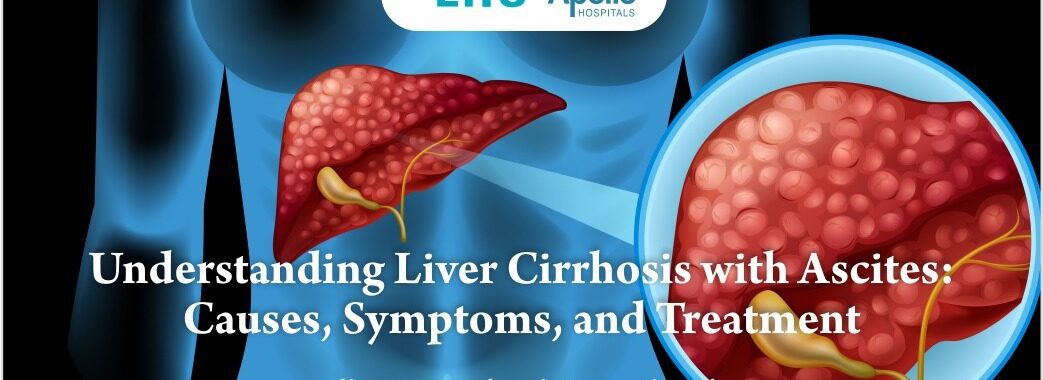
Liver cirrhosis with ascites is a term you might have heard but may not fully understand. Imagine your liver as a sponge, efficiently filtering toxins from your body. What happens if that sponge starts hardening and swelling with water? That’s cirrhosis with ascites in a nutshell.

In this article, we’ll dive into the causes, symptoms, and treatment options for this condition. Most importantly, we’ll guide you in finding the best liver transplant surgeon in India when advanced care becomes necessary. Let’s get started.


Table of Contents

Sr# Headings
1 What is Liver Cirrhosis?
2 What is Ascites?
3 How Are Cirrhosis and Ascites Related?
4 Common Causes of Liver Cirrhosis with Ascites
5 Key Symptoms to Watch Out For
6 Diagnosing Liver Cirrhosis with Ascites
7 Why Timely Diagnosis Matters
8 Lifestyle Changes That Can Help
9 Medications for Cirrhosis with Ascites
10 When Is Liver Transplant Needed?
11 How to Choose the Best Liver Transplant Surgeon in India
12 Risks of Liver Transplant Surgery
13 Recovery After Liver Transplant
14 Preventing Cirrhosis and Ascites
15 Conclusion and Takeaway

1. What is Liver Cirrhosis?

Simply put, liver cirrhosis is when healthy liver tissue is gradually replaced by scar tissue. Think of it like a garden overrun by weeds– eventually, the healthy plants struggle to grow.

Your liver plays a huge role in detoxifying your body, producing proteins, and aiding digestion. But when scar tissue forms, these functions get severely impaired, affecting your overall health.

2. What is Ascites?

Ascites refers to the accumulation of fluid in the abdomen. Imagine filling a balloon with water– it keeps expanding. Similarly, fluid builds up in the space between your abdominal organs and the abdominal wall, causing swelling and discomfort.

Ascites commonly occurs in people with advanced liver disease, particularly cirrhosis.

3. How Are Cirrhosis and Ascites Related?

When the liver is scarred due to cirrhosis, it can no longer function properly. This leads to high pressure in the liver’s blood vessels– a condition called portal hypertension. As a result, fluid leaks from the liver into the abdomen, causing ascites.

Think of it like a blocked river. The pressure builds upstream, and water spills over the banks, flooding nearby areas.

4. Common Causes of Liver Cirrhosis with Ascites

  • Here are some major causes:
  • Chronic Alcohol Consumption: Excessive drinking damages liver cells over time.
  • Hepatitis B and C Infections: These viral infections inflame and damage liver tissue.
  • Non-Alcoholic Fatty Liver Disease (NAFLD): Fat accumulation due to obesity or diabetes leads to liver damage.
  • Autoimmune Hepatitis: The body attacks its own liver cells.
  • Genetic Disorders: Conditions like Wilson’s disease can cause cirrhosis.
  • Long-term Drug Use: Some medications may have liver-damaging side effects.

5. Key Symptoms to Watch Out For

  • Early Stages:
  • Fatigue and weakness
  • Loss of appetite
  • Mild abdominal discomfort
  • Advanced Stages (With Ascites):.
  • Noticeable abdominal swelling.
  • Shortness of breath.
  • Weight gain from fluid retention.
  • Nausea and vomiting.
  • Yellowing of skin and eyes (jaundice).
  • Swollen legs (edema).
  • If you notice any of these, it’s time to consult a doctor immediately.
  • 6. Diagnosing Liver Cirrhosis with Ascites.

Doctors use several tools for diagnosis:.

  • Physical Examination: Checking for swollen abdomen, jaundice, and tenderness.
  • Blood Tests: To evaluate liver function.
  • Ultrasound or CT Scan: Visualizes liver condition and fluid in the abdomen.
  • Paracentesis: A small needle removes abdominal fluid for analysis.
  • Liver Biopsy: Tissue sample helps confirm cirrhosis and its cause.

7. Why Timely Diagnosis Matters.

Diagnosing liver cirrhosis with ascites early improves treatment outcomes. Delay in treatment can lead to serious complications like infections (spontaneous bacterial peritonitis), kidney failure, or even liver cancer.

It’s like fixing a small leak in a dam early rather than dealing with a flood later.

8. ifestyle Changes That Can Help.L

  • While medical treatment is important, lifestyle changes are equally crucial:.
  • Limit Salt Intake: Too much salt worsens fluid retention.
  • Avoid Alcohol Completely: Even small amounts can accelerate liver damage.
  • Balanced Diet: Focus on protein, vitamins, and avoid fatty foods.
  • Exercise Regularly: Helps maintain a healthy weight and reduces fat buildup.
  • Stat Hydrated: Proper hydration helps liver function
  • 9. Medications for Cirrhosis with Ascites.

Doctors may prescribe:.

  • Diuretics (Water Pills): To reduce fluid buildup.
  • Beta-blockers: To reduce portal hypertension.
  • Antibiotics: If infection occurs in ascitic fluid.
  • Albumin Infusions: To help manage severe ascites.
  • These medications help control symptoms but do not cure cirrhosis.

10. When Is Liver Transplant Needed?

In cases where liver damage is too advanced, and the liver fails to function properly, a liver transplant becomes the only option.

Signs that transplant might be needed:.

Severe ascites not responding to treatment.

Hepatic encephalopathy (confusion, personality changes).

Bleeding from varices.

Recurrent infections.

This is a major decision and requires consultation with the best liver transplant surgeon in India.

11. How to Choose the Best Liver Transplant Surgeon in India.

Finding the best liver transplant surgeon in India is crucial for a successful outcome. Look for:.

Experience: Surgeons should have years of specialised experience in liver transplants.

Success Rates: High success and patient satisfaction rates.

Advanced Technology: Hospitals using cutting-edge surgical methods and equipment.

Post-Operative Care: Comprehensive after-surgery support system.

Patient Reviews: Positive testimonials and success stories.

Dr. Neerav Goyal and others are widely regarded among the top liver transplant surgeons in India.

12. Risks of Liver Transplant Surgery.

  • While liver transplants are life-saving, they come with risks:.
  • Infection.
  • Bleeding.
  • Rejection of the donor liver.
  • Blood clots.
  • Side effects from immunosuppressant medications.
  • However, expert surgeons minimize these risks with advanced techniques and thorough care.

13. Recovery After Liver Transplant.

  • Recovery involves:.
  • Hospital stay of about 2-3 weeks.
  • Strict medication schedule (especially immunosuppressants).
  • Regular follow-ups to monitor liver function.
  • Healthy diet and lifestyle changes.
  • Patients usually return to normal life within a few months if there are no complications.

14. Preventing Cirrhosis and Ascites.

Prevention is always better than cure. Here’s what you can do:.

Avoid excessive alcohol.

Get vaccinated against Hepatitis B.

Manage weight and diabetes.

Avoid risky behaviors that increase Hepatitis risk.

Regular liver check-ups if you have risk factors.

Think of your liver as your body’s natural filter. Keep it clean and healthy!

15. Conclusion and Takeaway.

Liver cirrhosis with ascites is a serious condition but manageable with early diagnosis and proper treatment. The key lies in lifestyle changes, medication, and when needed, liver transplant surgery performed by the best liver transplant surgeon in India. Don’t ignore the early warning signs. Your liver deserves care today for a healthier tomorrow.

  • FAQs.
  • 1. Can cirrhosis with ascites be completely cured?
    Cirrhosis can not be completely cured, but its symptoms can be managed, and liver transplant offers a new lease on life in severe cases.
  • 2. How dangerous is ascites in liver cirrhosis?
    Ascites can lead to severe discomfort, infections, and kidney failure if untreated, making it potentially life-threatening.
  • 3. How long can a person live with cirrhosis and ascites?
    Survival varies by individual, but with proper care, people can live several years. A liver transplant can significantly improve life expectancy.
  • 4. Is a liver transplant the only treatment for advanced cirrhosis?
    Yes, in advanced stages where medication and lifestyle changes fail, a liver transplant is the only definitive treatment.
  • 5. Why is choosing the best liver transplant surgeon in India important?
    Expertise ensures high success rates, lower complications, and proper post-operative care, which are crucial for long-term health.
How the Immune System Can Help Fight Liver Cancer

How the Immune System Can Help Fight Liver Cancer

Introduction

When you hear the word “cancer,” it’s easy to imagine a battle — one side being our body, the other a growing enemy. Liver cancer is one of the most challenging forms of this enemy, but what if I told you your body already has an in-built army ready to fight it? That’s right — your immune system is your frontline defense, constantly scanning, attacking, and defending against threats.

In this article, we’ll explore how the immune system can help fight liver cancer, the role of modern medicine in boosting it, and why consulting the Best Liver Transplant Surgeon in India could make all the difference for advanced cases. Think of this as your personal guide to understanding how your body’s defence team works — and how you can help it win.

1. Understanding Liver Cancer
Liver cancer begins when abnormal cells in the liver grow uncontrollably, forming tumors. The two most common types are Hepatocellular carcinoma (HCC) and intrahepatic cholangiocarcinoma. Risk factors include hepatitis infections, fatty liver disease, alcohol abuse, and genetic conditions.

Unlike some cancers, liver cancer often remains hidden until it’s in advanced stages, making early detection and strong immune function crucial for better outcomes.

2. The Immune System: Your Body’s Defense Army
Imagine your immune system as a well-trained army with soldiers, commanders, and intelligence officers. White blood cells, antibodies, and killer T-cells constantly patrol the body, looking for invaders. Their job? Spot anything that doesn’t belong– bacteria, viruses, or even cancer cells– and eliminate it before it causes harm.

3. How Liver Cancer Evades the Immune System
Liver cancer is crafty. It uses several tricks to avoid detection:

Hiding in plain sight– disguising itself as normal cells.

Suppressing immune activity– producing chemicals that weaken immune responses.

Creating a protective environment– building a microenvironment where immune cells can’t easily attack.

These evasive tactics are why some cases require additional medical help to strengthen the immune system’s fight.

4. Natural Immune Responses Against Liver Cancer
Even without medical intervention, the immune system does try to control liver cancer:

Natural killer (NK) cells attack abnormal liver cells.

Macrophages “eat” damaged cells and clean up toxins.

Cytotoxic T lymphocytes target and destroy cancer cells directly.

Unfortunately, if the cancer grows faster than the immune system can act, treatment becomes essential.

5. The Role of Immunotherapy
Immunotherapy is like giving your immune system high-tech weapons. In liver cancer, treatments like immune checkpoint inhibitors and CAR-T cell therapy help immune cells recognize and destroy cancer cells more effectively.

For some patients, this approach has turned previously untreatable cases into manageable conditions– even leading to remission.

6. Vaccines for Liver Cancer Prevention
You may be surprised to know there’s already a form of “vaccine” for liver cancer prevention– the Hepatitis B vaccine. Since Hepatitis B is a leading cause of liver cancer, getting vaccinated significantly reduces risk. Research is ongoing for direct liver cancer vaccines that train the immune system to target cancer cells before they cause harm.

7. Boosting Your Immune System Naturally
While no lifestyle change can guarantee prevention, these habits strengthen your immune system:

Get enough sleep– your immune “army” needs rest to function well.

Exercise regularly– improves circulation, helping immune cells reach every part of the body.

Stay hydrated– water supports detoxification.

Manage stress– chronic stress weakens immune responses.

8. The Connection Between Liver Health and Immunity
Your liver isn’t just a detox machine– it’s an immune hub. It filters blood, processes nutrients, and even produces immune proteins. A damaged liver compromises immunity, making you more vulnerable to infections and slower cancer defense.

9. Liver Transplant and Immune Support
In cases where liver cancer has damaged the liver beyond repair, a liver transplant can be life-saving. After transplantation, patients need immunosuppressant drugs to prevent organ rejection, but doctors also work to maintain the immune system’s ability to fight infections and prevent cancer recurrence.

10. How the Best Liver Transplant Surgeon in India Can Help
Choosing the Best Liver Transplant Surgeon in India isn’t just about the surgery itself– it’s about comprehensive care. An experienced surgeon will:

Assess whether transplantation is the right choice.

Coordinate with oncologists and immunologists.

Ensure optimal immune recovery post-surgery.

Their expertise can mean the difference between short-term recovery and long-term survival.

Dr. Neerav Goyal is a distinguished liver and gastrointestinal surgeon with over two decades of surgical excellence. With a remarkable track record of more than 2,500 successful liver transplantations, he is widely recognized for his exceptional expertise in liver transplants, complex organ surgeries, and advanced gastrointestinal procedures.

Holding DNB qualifications in Surgery and Gastrointestinal Surgery, and a proud member of MNAMS, Dr. Goyal combines vast clinical experience with compassionate patient care. He is currently associated with the prestigious Indraprastha Apollo Hospital, New Delhi, where he continues to set new benchmarks in surgical outcomes.

For appointments and consultations:
📞 +91 8527516541
[email protected]

11. Lifestyle Changes for Stronger Immunity
Post-surgery or not, here are essential lifestyle habits:

Avoid smoking and excessive alcohol.

Maintain a healthy weight.

Get regular medical check-ups.

Stay physically active.

12. Diet Tips to Support the Immune System
Nutrition plays a huge role in immune health:

Eat colorful fruits and vegetables for antioxidants.

Include lean proteins for immune cell production.

Incorporate healthy fats like omega-3s for reduced inflammation.

Limit processed foods and added sugars.

13. Early Detection: Giving the Immune System a Head Start
Early-stage liver cancer is much easier for the immune system– and medical treatments– to handle. Regular screenings, especially if you have risk factors, allow your immune army to attack while the enemy is still small.

14. Future of Immune-Based Liver Cancer Treatments
Researchers are working on personalized cancer vaccines, gene editing, and microbiome-based immune therapies. The goal? Create targeted treatments that work with each patient’s unique immune profile for maximum success.

15. Conclusion and Takeaways
Your immune system is your most loyal defender, but liver cancer is a cunning opponent. The good news is, with modern treatments like immunotherapy, preventive vaccines, and expert surgical care from the Best Liver Transplant Surgeon in India, we have more tools than ever to tip the scales in our favor.

FAQs
1. Can the immune system completely cure liver cancer?
In rare cases, strong immune responses can eliminate cancer, but most patients require medical treatment alongside immune support.

2. What role does the liver play in immunity?
The liver filters toxins, processes nutrients, and produces immune proteins, making it a vital immune organ.

3. How does immunotherapy help with liver cancer?
It enhances the immune system’s ability to recognize and attack cancer cells more effectively.

4. Is a liver transplant always necessary for liver cancer?
Not always– it’s only needed if the cancer has severely damaged the liver or other treatments are ineffective.

5. How do I choose the Best Liver Transplant Surgeon in India?
Look for high success rates, patient testimonials, multidisciplinary team support, and strong post-surgery care programs.

4 Different Stages in Liver Cancer and Treatment Options

4 Different Stages in Liver Cancer and Treatment Options

Introduction

Imagine your liver as a factory—it’s constantly working to process nutrients, filter toxins, and produce vital proteins. Now imagine what happens when something interrupts this finely tuned system—like liver cancer. It sneaks in quietly, often without early symptoms, and progresses in stages. Understanding these stages is crucial for timely treatment, and knowing your options—from medication to surgery—can save lives.

In this guide, we’ll break down the 4 stages of liver cancer, explore effective treatment options, and help you learn when to consult a liver transplant specialist or the best liver transplant surgeon in India.

1. What Is Liver Cancer?

Liver cancer happens when liver cells start multiplying without control. The main type of people get is called hepatocellular carcinoma, or HCC for short. It often shows up after years of liver damage from hepatitis viruses, heavy drinking, fatty liver, or cirrhosis.

2. How Liver Cancer Develops Picture your garden. When a weed pops up, it seems small, maybe just a speck of green. If you pull it out, it’s gone. If you ignore it, it sends runners through the flowers. Liver cancer is like that weed, starting tiny inside the liver and, if untreated, sending tiny “roots” to reach nearby tissues and even distant organs.

3. Stage 1: Localised Tumour – The Silent Beginning. In Stage 1, the tumour is like a quiet guest at a party, small and in one corner. It hasn’t roamed into any blood vessels or nearby organs. Since it doesn’t hurt or show signs, doctors usually find it only on blood tests or scans.

Treatment Options: – Surgery to take out the tumour – Radiofrequency Ablation (RFA) to cook it from the inside – Targeted medicine for people who can’t have surgery

Prognosis: If caught now, the outlook is bright.

4. Stage 2: Early Spread – Trouble Nearby

Here, the tumour has likely grown bigger, or doctors may find several small tumours. It may start wrapping around a nearby blood vessel, but still stays inside the liver.

Tips to watch for:

– Constant tiredness
– A dull ache in the belly
– Dropping weight without trying

Your options now:

Surgery to cut out the tumour
– TACE, which delivers chemotherapy directly to the blood vessels feeding the tumour
– Visiting a liver transplant team to see if you’re a fit

5. Stage 3: Regional Spread – The Growing Threat

At Stage 3, the cancer is pushing out. Tumours may spread to nearby lymph nodes or grow into the larger blood vessels, which makes a clean surgery harder.

Signs you might see:

– Sharp abdominal pain
– Fluid buildup, causing a swollen belly
– Yellowing skin and eyes, called jaundice

Your plans might include:

– A mix of TACE and regular chemotherapy
– Newer immunotherapy medicines that help the body fight back
– Considering a liver transplant if you meet strict guidelines

This is when many families travel to India, seeking the most skilled transplant surgeon for a fresh opinion.

6. Stage 4: Advanced Cancer – Systemic Challenge

At Stage 4, the cancer has broken out of the liver, showing up in far-off places like the lungs or bones.

### Symptoms:
– Extreme tiredness
– Confusion from liver failure
– Loss of muscle

### Treatment Options:
– Comfort-focused care
– Immune-boosting therapies
– Research studies
– Liver transplant (only for select patients)

7. **How Is Liver Cancer Diagnosed?**
Doctors find liver cancer using:
– Blood tests (AFP is one marker)
– Imaging (ultrasound, CT, or MRI)
– A liver biopsy
They also check how well the liver works to see if surgery or a transplant is safe.

8. **Why Staging Matters in Treatment Planning**
Knowing the cancer stage is key because each stage needs a different plan. Treating a sore throat is different from treating a broken bone; similarly, a small Stage 1 tumour needs a different approach than a Stage 4. The stage tells doctors the best mix of surgery, medicines, and other therapies.

9. *Treatment Options for Stage 1 & 2**

*Catching liver cancer early gives the best shot at a cure. Options include:
– Surgical resection: Cutting out the part of the liver with the tumour.
– Ablation: Cooking the cells with heat or injecting alcohol to kill them.
– Liver transplant: A great pick for small tumours in a liver that’s already damaged. That’s when a transplant expert steps in.

10. **Treatment Options for Stage 3 & 4**
When the cancer spreads, the focus shifts from curing to controlling symptoms and keeping the patient comfortable.

Common Strategies
Doctors use different tools to tackle liver cancer:

TACE—this puts glue inside the blood vessels feeding the tumour, so it starves.
Key drugs like Sorafenib aim straight for the cancer cell.
Immunotherapy trains the body’s army to spot and destroy cancer.
Radiation treats the tumour with focused energy.
Sometimes the best way forward is to meet a transplant team and see if a new liver is an option.

11. When Is a Liver Transplant the Best Choice?
A transplant is a strong lifeline if cancer is still only in the liver and you have several tiny tumours. The liver is too weak for traditional surgery.

You check off the Milan Criteria, which tells doctors you’re a good fit.
A transplant expert will guide you through the process.

12. Finding a Liver Transplant Specialist
To find the right transplant surgeon, look for:

many years working with liver surgery,
connection to a top-notch transplant centre,
strong success numbers and happy patient stories,
follow-up and long-term care plans.
Pick someone you trust to stick with you for the long haul.

13. Top Qualities of the Best Liver Transplant Surgeon in India
A Best liver transplant surgeon in India shines thanks to:

long, focused years in the operating room,
leading a team of dietitians, psychiatrists, and nurses,
solving tricky, complicated cases,
hearing you out and planning care just for you,
staying by your side during recovery.
The right surgeon makes a real difference in getting you back to your life.

14. Recovering After Liver Cancer Treatment

After treatment, recovery can stretch from a few weeks to several months. Most people eventually get back to their daily routines, but sticking to a few new habits helps the liver stay strong:

– Eat a diet that’s easy on the liver.
– Stay far away from alcohol.
– Go to every scheduled screening and blood test.
– Lean on family, friends, and care teams, and stay close to the treatment plan far into the future.

15. Smart Tips to Keep Your Liver in Great Shape

You can give your liver a helping hand every day:

– Get the hepatitis B vaccine.
– Keep your weight in a healthy range.
– Drink alcohol in tiny amounts or none at all.
– Fill your plate with fresh fruits and leafy greens.
– Move your body with regular exercise.
– Have a liver check every year, especially if liver problems run in your family.

Conclusion

Facing liver cancer can feel huge, but knowing what’s next can lighten the load. Learn the four cancer stages, and you’ll spot trouble sooner and act faster. Surgery, transplant, or therapy works best if the cancer is caught early and handled by specialists.

If you have questions, talk to a liver transplant expert. For tricky cases, the best liver transplant surgeon in India is just a phone call away. Your liver isn’t just another organ; it’s the body’s filter and the keeper of your health.

FAQs

1. What are the first warning signs of liver cancer?

In the beginning, many people feel fine, but some notice ongoing tiredness, unplanned weight loss, and slight pain on the right side of the tummy.

2. Is liver cancer ever completely cured?

Yes, when it’s caught early, doctors can remove it with surgery, replace the liver with a transplant, or destroy the tumour with heat or other methods.

3. What’s the life expectancy for someone with liver cancer?

It varies by stage. People treated early can live many years, especially if they get a transplant.

4. Who can get a liver transplant for liver cancer?

Candidates are patients with small single tumours that haven’t spread and who meet guidelines like the Milan Criteria.

5. How do I choose the right liver transplant surgeon in India?

Find a surgeon who has done many successful transplants, has positive patient reviews, and works at a top hospital.


Liver transplant procedure for cancer types with survival

Liver Transplant: Treatment for Cancer Types & Survival

The procedure of liver transplantation (LT) is now an important method of treatment for certain kinds of cancers that affect the liver. When a liver is replaced by a healthy liver, it provides not only an opportunity to treat cancer but also gives patients the possibility of living longer and healthier lives. This article explores the significance of liver transplantation in the treatment of various types of cancer, as well as the rate of survival that comes with this procedure, as well as the major advancements made in this area.

In this article, we’ll explore how liver transplants serve as an effective treatment option for various cancer types, the role of the best liver transplant surgeons in India, and what patients can expect in terms of survival and recovery after the procedure.

Introduction to Liver Transplantation

The procedure of liver transplantation can be described as a procedure that involves the removal of the damaged or diseased liver and replacing it with a healthy, functioning liver from an organ donor. It’s a viable treatment for patients suffering from end-of-life liver disease as well as specific forms of cancers in the liver, particularly when the cancer is restricted to the liver. While a liver transplant isn’t appropriate for every cancer patient, however, it is typically looked at when other treatment options like chemotherapy or surgery are not viable anymore or if cancer has progressed. For many patients, a liver transplant may give the possibility of
an opportunity to live again. 

Kinds of Cancer Treatable with  Transplantation of the Liver

Liver transplants are most often utilized to treat two kinds of liver cancers, Hepatocellular
Cancer (HCC) and cholangiocarcinoma. Each one has its distinct characteristics as well as
treatment needs and results

Hepatocellular Carcinoma (HCC)
Hepatocellular cancer is by far the most prevalent type of liver cancer that usually occurs in
people with chronic liver disorders like cirrhosis. HCC is a form of cancer that develops when
the liver cells are cancerous due to damage sustained over time that is usually caused by
hepatitis C infections, alcohol dependence, or non-alcoholic fatty liver disease.
For patients suffering from advanced-stage HCC restricted to the liver, a liver transplant is a
great option for ensuring long-term survival. In certain cases, it’s the only treatment that is
curative, particularly when the tumor is not surgically removed because of the liver’s deficient
function.
Other Types of Cancers
Although HCC is by far the most commonly diagnosed liver cancer that is treated through
transplantation, other types of cancer like cholangiocarcinoma (bile duct cancer) and liver
metastases (cancer that has taken hold of the liver after having spread to other organs) can
be treated through the transplantation of a liver, but the incidence of these types is less.
Cholangiocarcinoma may be difficult to treat, however, liver transplants may provide patients
with a possibility of treatment if the cancer is located in the liver, and there is no evidence of
spreading. 

Indications for Liver Transplantation
The decision of whether to undergo the idea of a liver transplant to help with cancer
treatment depends on various aspects.
Cancer Stage and Liver Function
The stage of the cancer, as well as the general condition of the liver, are key factors. Inmanyn 
instances, a transplant is suggested when the tumour is not large and restricted to the liver
and when your liver is not functioning properly due to cancer or cirrhosis.
In patients with a severe stage, liver transplants may be le

How Does a Liver Transplant Work?
A liver transplant is an extensive procedure that involves taking out the damaged liver before
transferring the healthy liver from an organ donor. The procedure is carried out under general
anesthesia, and typically, the procedure takes up to an hour

Surgical Procedure
The surgeon cuts an incision through the abdomen to allow access to the liver. A damaged or
destroyed liver will be removed, and the donor’s liver is then carefully transferred into the
body of the patient. The bile ducts and blood vessels are connected so that the liver can
perform as it should.
Donor Liver Types
Donor livers can be derived from deceased donors or living donors

Living Donor Vs. deceased Donor
In a live-donor transplant, the donor is healthy and donates part of their liver. Because the
liver can regenerate, both the donor’s and the recipient’s livers can likely grow with time.
Donors who have died will receive organs from deceased donors, and the organs must be
sized to match the body of the recipient as well as blood types.

Success Rates of Liver Transplants

for Cancer
The rate of success for liver transplantation for cancer is dependent on many factors, which
include the kind of cancer, the stage of the disease, as well as the general health of the patient.
Statistical Data on Survival Rates
The general rule is that the survival rate for transplants to the liver can be very high.
According to the latest statistics, the five-year survival rate of recipients of liver transplants
is between 70 and 80 per cent, however, this can vary depending on the patient’s medical
condition and the kind that is being received.

Factors Affecting Survival
Many factors affect the chance of survival, including patients’ age and general health as well
as to what degree the patient’s liver is compatible with the donor’s liver, and whether the cancer
will recur following transplantation. For instance, younger patients who are
diagnosed with hepatocellular cancer in early stages are more likely to survive as compared
to patients with higher-grade cancer

Post-Transplant Care and Management

Following a liver transplant, the patient’s recovery requires a long and extensive treatment
regimen.
Lifelong Care for Liver Transplant Recipients
After this procedure, the patients are required to be on immunosuppressive medication to
stop the body’s rejection of the newly created liver. These medicines must be taken for the
rest of their lives.
Lifestyle modifications, like eating a balanced diet and consistent exercising, are crucial to
keeping the health of the new liver. Regular follow-up visits with the medical team will make
sure your transplant is working properly and that there are no indications of cancer
recurrence.
Risks and Complications
Like any major operation, liver transplantation comes with risks. Possible complications
could include rejection, infection of the donor’s liver and the recurrence or recurrence. Close
monitoring of the transplant is vital in identifying any problems in the early stages.

Survival Rates and Prognosis
The outlook for patients who have received a liver transplant and have cancer is generally
good, particularly when they meet the requirements for a successful transplant. Cancer
recurrence is a possibility; however, advancements in medical treatment, such as
post-transplant surveillance, have led to improved survival rates over the long term.
Advances in Liver Transplantation
Technology
In recent times, there have been major improvements in technology for liver transplantation, 
which include improved immunosuppressive medications and better methods for preserving
organs. These advancements continue to improve the safety and effectiveness of liver
transplants.

What You Need to Know Before a
Liver Transplant
Anyone considering a liver transplant must be aware of the conditions for being put on the list
for transplants that include medical examinations, tests and the necessity to keep a healthy
lifestyle.

FAQs

Q1 Who is eligible for liver transplants for cancer?
A1 The eligibility criteria are based on the kind of cancer it is, its stage, liver function and
general health. A1: The Milan Criteria are commonly used to determine whether a patient is
eligible.

Q2 How long will it take to heal from an organ transplant?
A2 Recovery may take a few weeks, the initial couple of weeks of recovery being the most
crucial. Recovery and returning to normal activities could take as long as 1 year.

Q3 What are the dangers of undergoing a liver transplant?
A3 The risks include rejection of the organ as well as bleeding, infection and an increase in
cancer recurrence. Monitoring and treatment with care can help manage these risks.

Q4 What is the survival rate of liver transplant recipients?
A4 Five-year rate of survival of recipients of liver transplants is between 70-80%, based on
factors such as health, age and the stage of cancer.

Q5 What is the possibility of a liver transplant to help treat liver cancer?
A5 In certain instances, the liver transplant can treat liver cancer, particularly in cases where
the cancer is located within the liver and has not progressed.

Q6. What can I expect following the liver transplant?
A6 The post-transplant treatment includes the use of immunosuppressive drugs along with
lifestyle changes and regular checks to check the function of the liver and identify indications
of cancer or recurrence.

Conclusion
Liver transplantation can be a lifesaving procedure for a lot of cancer patients, providing an
opportunity to live and an improved quality. Although the procedure and recovery
process require meticulous planning and monitoring, the results are significant. As
technology advances, the prospects for patients who undergo liver transplantation remain
positive with higher success rates and better handling of any complications.

Dr. Neerav Goyal is the Best liver transplant surgeon in India, specializing in complex liver surgeries. With years of experience, he is dedicated to providing the best care for his patients. Contact him today to explore the best treatment options for your liver health.