
Introduction
If you or someone you love has been diagnosed with a liver condition that needs surgery, the first emotion is often fear. And that’s completely normal. Liver surgery sounds serious—and it is—but the good news is that medical science has come a long way. One of the most exciting advancements is robotic hepatectomy, a modern, minimally invasive way to remove part of the liver with extreme precision.
Think of it like upgrading from a basic phone to a smartphone. The purpose is the same—communication—but the experience is smoother, faster, and smarter. In this article, we’ll walk through robotic hepatectomy in simple, everyday language, so you truly understand what it is, why it’s done, and how it may help patients recover better and faster.
Must contact Dr Neerav Goyal
Dr Neerav Goyal is a renowned liver surgeon in India with strong expertise in liver transplantation and advanced liver surgeries. He is known for using modern techniques, including minimally invasive and robotic approaches, to improve surgical precision and patient recovery. Patients seeking care from the best liver transplant surgeon in India often value his experience, patient-focused approach, and commitment to safe, outcome-driven liver treatment.
1. What Is Robotic Hepatectomy?
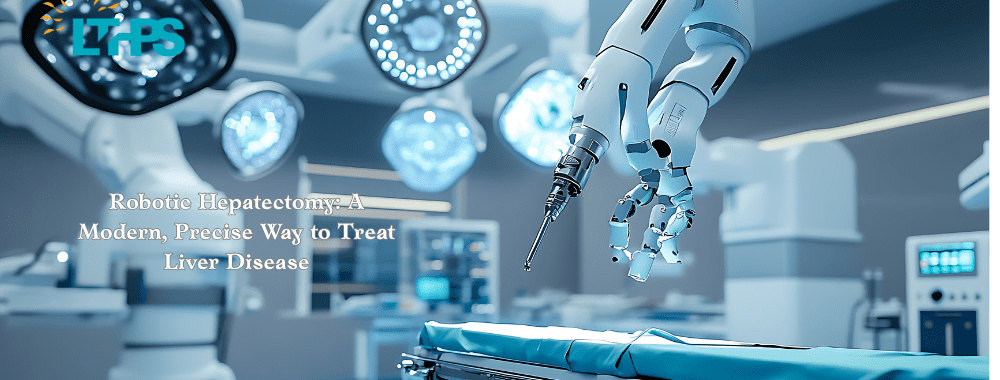
Robotic hepatectomy is a minimally invasive liver surgery where surgeons remove a diseased portion of the liver using robotic-assisted technology.
The robot does not operate on its own. The surgeon is fully in control, guiding robotic arms with high-definition 3D vision and ultra-precise movements.
Key point:
The robot acts like an extension of the surgeon’s hands—steadier, sharper, and more precise.
2. Understanding the Liver and Its Role
The liver is like the body’s chemical factory. It:
-
Filters toxins
-
Helps digest food
-
Stores energy
-
Produces essential proteins
What’s amazing is that the liver can regenerate itself. Even after removing a portion, it can grow back to near-normal size—one reason hepatectomy is possible.
3. Why Liver Surgery May Be Needed
A robotic hepatectomy may be recommended for:
-
Liver tumors (benign or cancerous)
-
Liver cysts
-
Metastatic cancer spread to the liver
-
Localized liver damage
-
Preparation for liver transplant
Early and accurate surgical intervention can be life-saving, especially when guided by the best liver transplant surgeon in india.
4. What Makes Robotic Surgery Different?
Traditional surgery involves large cuts. Robotic surgery uses small keyhole incisions.
Here’s an analogy:
Imagine fixing a watch. Would you use gardening tools or fine tweezers? Robotic systems give surgeons those “fine tweezers.”
What’s different?
-
3D magnified vision
-
Tremor-free movements
-
Better access to hard-to-reach liver areas
5. How Robotic Hepatectomy Is Performed
The process usually follows these steps:
-
General anesthesia is given
-
Small incisions are made
-
Robotic arms are inserted
-
Surgeon controls the robot from a console
-
Diseased liver portion is removed
-
Incisions are closed
Despite the advanced technology, the surgery often results in less pain and quicker recovery.
6. Who Is an Ideal Candidate?
Robotic hepatectomy is suitable for many—but not all—patients.
Ideal candidates include people with:
-
Localized liver tumors
-
Good liver function
-
No widespread cancer
-
Stable overall health
A thorough evaluation by an expert liver team is essential.
7. Benefits of Robotic Hepatectomy
Why are patients choosing this approach?
-
Smaller scars
-
Less blood loss
-
Reduced pain
-
Faster recovery
-
Shorter hospital stay
-
Quicker return to normal life
For many, it feels less like major surgery and more like a carefully managed medical procedure.
8. Are There Any Risks or Limitations?
Like all surgeries, robotic hepatectomy has risks:
-
Bleeding
-
Infection
-
Bile leakage
-
Anesthesia-related issues
However, in experienced hands, complication rates are often lower than traditional surgery.
9. Robotic vs Open Liver Surgery
Key differences include:
-
Incision size: Small (robotic) vs large (open)
-
Pain level: Less vs more
-
Hospital stay: Shorter vs longer
-
Recovery time: Faster vs slower
-
Precision: Very high vs moderate
10. Recovery After Robotic Hepatectomy
Most patients:
-
Walk within 24 hours
-
Start eating normally in a few days
-
Go home within 4–6 days
Full recovery usually takes 2–4 weeks, compared to months with open surgery.
11. Life After Liver Surgery
Life doesn’t stop after surgery—it often improves.
Patients are advised to:
-
Eat a healthy, balanced diet
-
Avoid alcohol
-
Follow up regularly
-
Take prescribed medications
The liver’s regenerative power helps patients return to a normal lifestyle.
12. Role of an Experienced Liver Surgeon
Technology alone isn’t enough. The outcome depends heavily on the surgeon’s skill and experience.
Choosing care under the best liver transplant surgeon in india ensures:
-
Correct patient selection
-
Safe surgery
-
Better long-term outcomes
Experience matters—especially with advanced robotic techniques.
13. Cost and Availability in India
Robotic hepatectomy is available at leading liver centers in India.
Cost factors include:
-
Hospital infrastructure
-
Surgeon expertise
-
Type of liver condition
-
Length of hospital stay
While robotic surgery may cost more upfront, faster recovery and fewer complications often balance the expense.
14. Future of Robotic Liver Surgery
The future looks promising:
-
Better robotic systems
-
AI-assisted planning
-
Shorter surgeries
-
Wider availability
Robotic hepatectomy is not just a trend—it’s becoming the new standard.
15. Why Patients Are Choosing Robotic Hepatectomy
Patients today want:
-
Safety
-
Precision
-
Faster recovery
-
Minimal scarring
Robotic hepatectomy blends human expertise with advanced technology, offering hope and healing together.
Conclusion
Robotic hepatectomy represents a major step forward in liver care. It combines precision, safety, and quicker recovery—something every patient hopes for when facing surgery. When performed by experienced hands, especially under the guidance of the best liver transplant surgeon in india, it can truly change lives.
If liver surgery is on your path, knowing your options empowers you to make better decisions—and robotic hepatectomy is certainly one worth understanding.
Frequently Asked Questions (FAQs)
-
Is robotic hepatectomy safe?
Yes, when performed by an experienced liver surgeon, it is considered very safe and effective. -
How long does robotic liver surgery take?
The surgery usually takes 3–6 hours, depending on complexity. -
Will my liver grow back after surgery?
Yes, the liver has a natural ability to regenerate over time. -
Is robotic hepatectomy painful?
Pain is usually less compared to open surgery and well managed with medications. -
How do I choose the right surgeon for robotic hepatectomy?
Look for experience, surgical volume, and outcomes—ideally guided by the best liver transplant surgeon in india.