Minimally Invasive Liver Examination Methods: Modern Ways to Detect Liver Disease Early

The liver is one of the hardest-working organs in the human body. It filters toxins, stores energy, supports digestion, and helps fight infections. Yet, many people don’t realize their liver is in trouble until serious damage has already occurred. That’s because liver disease often develops silently, without clear symptoms in the early stages.

Thankfully, modern medicine has changed the way doctors examine liver health. Gone are the days when painful surgical procedures were the only option. Today, minimally invasive liver examination methods allow doctors to detect liver disease early, quickly, and with much less discomfort.

Think of it like servicing a car before the engine breaks down completely. Early liver testing helps doctors find problems before they become severe. This is especially important for conditions like fatty liver disease, hepatitis, cirrhosis, and liver cancer.

In this article, we’ll explore the latest minimally invasive liver examination methods, how they work, who needs them, and why early diagnosis can save lives. We’ll also discuss the importance of consulting the best liver transplant surgeon in India when advanced liver care is needed.


Table of Contents

Sr# Headings
1 Understanding the Importance of Liver Health
2 Why Early Detection of Liver Disease Matters
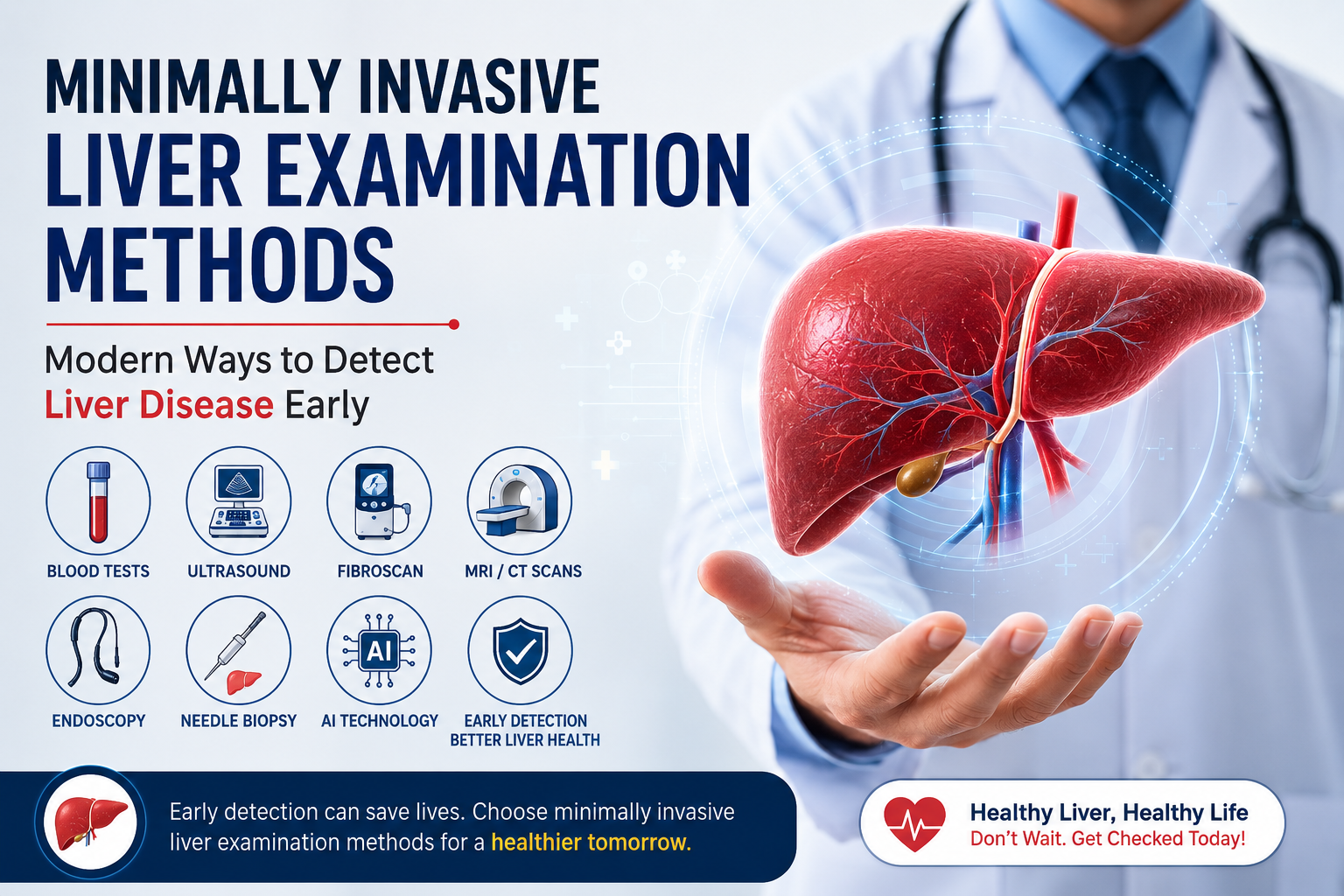
3 What Are Minimally Invasive Liver Examination Methods?
4 Blood Tests for Liver Health
5 Ultrasound and Advanced Liver Imaging
6 FibroScan: A Breakthrough in Liver Testing
7 MRI and CT Scans for Liver Diagnosis
8 Endoscopic Examination of the Liver
9 Needle Biopsy: Less Painful Than Before
10 AI and Digital Technology in Liver Diagnosis
11 Who Should Get Liver Screening?
12 Benefits of Minimally Invasive Liver Examination
13 Role of Lifestyle in Liver Disease Prevention
14 When to Consult a Liver Specialist
15 Conclusion and FAQs

1. Understanding the Importance of Liver Health

Your liver performs more than 500 essential functions every day. It helps digest food, stores vitamins, regulates blood clotting, and removes harmful toxins from the body.

But unhealthy habits such as excessive alcohol consumption, obesity, poor diet, smoking, and viral infections can slowly damage the liver. Over time, this damage may lead to serious conditions like:

  • Fatty liver disease
  • Hepatitis
  • Liver fibrosis
  • Cirrhosis
  • Liver failure
  • Liver cancer

The scary part? Many liver diseases show no symptoms initially. That’s why regular examination is so important.


2. Why Early Detection of Liver Disease Matters

Early diagnosis can make a huge difference in treatment success. When liver disease is found early:

  • Treatment becomes easier
  • Damage may be reversible
  • Complications can be prevented
  • Liver transplant risks reduce
  • Recovery chances improve significantly

For example, fatty liver disease detected in its early stage can often be controlled through diet, exercise, and medication. However, untreated fatty liver may progress into cirrhosis or liver failure.

This is where modern minimally invasive testing methods become life-changing.


3. What Are Minimally Invasive Liver Examination Methods?

Minimally invasive liver examination methods are diagnostic procedures that cause little discomfort and require fewer surgical interventions. These tests help doctors evaluate liver function, detect damage, and identify disease progression.

Unlike traditional surgery-based methods, modern examinations use:

  • Blood samples
  • Imaging technology
  • Elasticity measurements
  • Tiny needles
  • Advanced scanning systems

These techniques are safer, faster, and more patient-friendly.


4. Blood Tests for Liver Health

Liver Function Tests (LFTs)

One of the most common and simple methods for checking liver health is the Liver Function Test.

This blood test measures:

  • ALT (Alanine transaminase)
  • AST (Aspartate transaminase)
  • Bilirubin
  • Albumin
  • Alkaline phosphatase

Abnormal levels may indicate liver inflammation or damage.

Advantages of Blood Tests

  • Quick and affordable
  • No hospitalization needed
  • Minimal discomfort
  • Useful for routine screening

Doctors often recommend blood tests as the first step in diagnosing liver disease.


5. Ultrasound and Advanced Liver Imaging

Traditional Ultrasound

Ultrasound uses sound waves to create images of the liver. It helps identify:

  • Fatty liver
  • Liver enlargement
  • Tumors
  • Cysts
  • Blockages

It is painless and takes only a few minutes.

Doppler Ultrasound

This advanced form checks blood flow within liver vessels. It is especially useful for patients with cirrhosis or portal hypertension.

Contrast-Enhanced Ultrasound

Special contrast agents improve image quality and help detect liver tumors more accurately.


6. FibroScan: A Breakthrough in Liver Testing

One of the biggest advancements in liver examination is FibroScan.

What Is FibroScan?

FibroScan is a non-invasive technology that measures liver stiffness. Increased stiffness usually indicates fibrosis or cirrhosis.

The procedure works like an ultrasound and takes around 10–15 minutes.

Why FibroScan Is Popular

  • Completely painless
  • No needles involved
  • Immediate results
  • Accurate fibrosis assessment
  • Suitable for fatty liver patients

Doctors now widely use FibroScan to monitor chronic liver diseases.

It’s similar to checking the softness or hardness of a fruit from the outside without cutting it open. That’s how FibroScan evaluates the liver internally without surgery.


7. MRI and CT Scans for Liver Diagnosis

MRI (Magnetic Resonance Imaging)

MRI provides highly detailed liver images using magnetic fields and radio waves.

It helps detect:

  • Liver tumors
  • Fat accumulation
  • Cirrhosis
  • Blood vessel abnormalities

MR Elastography

This advanced MRI technique measures liver stiffness with exceptional precision.

CT Scan

CT scans create cross-sectional liver images and are useful for:

  • Cancer detection
  • Trauma evaluation
  • Liver infections
  • Surgical planning

Doctors may use contrast dye for better visibility.


8. Endoscopic Examination of the Liver

What Is Endoscopy?

Endoscopy involves inserting a thin flexible tube with a camera through the mouth or small incision.

For liver-related conditions, doctors use procedures like:

  • Endoscopic Ultrasound (EUS)
  • ERCP (Endoscopic Retrograde Cholangiopancreatography)

These help examine bile ducts and surrounding organs.

Benefits of Endoscopic Methods

  • Smaller incisions
  • Faster recovery
  • Better visualization
  • Reduced pain

These procedures are especially helpful in diagnosing bile duct disorders and liver-related complications.


9. Needle Biopsy: Less Painful Than Before

What Is a Liver Biopsy?

A liver biopsy involves removing a tiny tissue sample for microscopic analysis.

Although it sounds intimidating, modern liver biopsies are far less painful than older methods.

Types of Minimally Invasive Biopsies

Percutaneous Biopsy

A thin needle is inserted through the skin.

Transjugular Biopsy

Performed through a neck vein for high-risk patients.

Laparoscopic Biopsy

Uses small surgical tools and a camera.

Why Biopsy Is Still Important

Biopsy remains one of the most accurate ways to:

  • Confirm liver disease
  • Assess fibrosis stage
  • Detect cancer cells
  • Evaluate unexplained liver abnormalities

10. AI and Digital Technology in Liver Diagnosis

Technology is transforming liver healthcare rapidly.

Artificial Intelligence in Imaging

AI-powered software can now analyze scans more accurately and quickly.

It helps doctors identify:

  • Tiny tumors
  • Fibrosis progression
  • Fat accumulation
  • Abnormal tissue patterns

Digital Monitoring Tools

Wearable devices and mobile apps also help monitor:

  • Diet
  • Weight
  • Alcohol intake
  • Medication schedules

These tools improve long-term liver care and patient awareness.


11. Who Should Get Liver Screening?

Many people assume liver tests are only for heavy drinkers. That’s not true.

You should consider liver screening if you:

  • Have obesity
  • Have diabetes
  • Consume alcohol regularly
  • Have hepatitis infection
  • Experience unexplained fatigue
  • Have abdominal swelling
  • Notice yellowing of eyes or skin
  • Have a family history of liver disease

Even healthy-looking individuals can develop silent liver conditions.


12. Benefits of Minimally Invasive Liver Examination

Modern examination methods offer several advantages compared to traditional surgery-based diagnosis.

Key Benefits

Less Pain

Most procedures involve minimal discomfort.

Faster Recovery

Patients usually return home the same day.

Lower Risk

Reduced infection and complication risks.

Early Diagnosis

Diseases are detected before major damage occurs.

Cost-Effective

Early treatment prevents expensive advanced care later.

These benefits encourage more people to undergo timely liver screening.


13. Role of Lifestyle in Liver Disease Prevention

While medical technology is important, lifestyle choices still play the biggest role in liver health.

Healthy Habits for a Strong Liver

Eat Nutritious Foods

Focus on fruits, vegetables, whole grains, and lean proteins.

Limit Alcohol

Excess alcohol is one of the leading causes of liver damage.

Exercise Regularly

Physical activity reduces fatty liver risk.

Maintain Healthy Weight

Obesity increases liver disease chances.

Avoid Self-Medication

Overuse of medicines can harm the liver.

Get Vaccinated

Vaccines for hepatitis A and B can protect liver health.

Small daily habits can make a huge difference over time.


14. When to Consult a Liver Specialist

If your tests show liver abnormalities, it’s important to consult an experienced liver expert.

A hepatologist or liver transplant specialist can guide you regarding:

  • Further diagnosis
  • Medication
  • Lifestyle management
  • Surgical treatment
  • Liver transplantation if necessary

In advanced cases, seeking care from the best liver transplant surgeon in india can significantly improve treatment outcomes. Experienced specialists use advanced technology, minimally invasive surgical techniques, and personalized treatment plans for better recovery.

India has become a global destination for liver treatment due to highly skilled surgeons, modern hospitals, and affordable healthcare facilities.


15. Conclusion

Modern medicine has completely transformed liver disease diagnosis. Today, minimally invasive liver examination methods allow doctors to detect problems earlier, faster, and with far less discomfort than traditional procedures.

From blood tests and FibroScan to MRI scans and advanced endoscopy, these technologies are helping save lives every day. Early detection not only improves treatment success but can also prevent irreversible liver damage.

Your liver works silently for you every single day. The least we can do is pay attention to its health before warning signs appear. If you have risk factors or symptoms, don’t delay testing. Timely examination and guidance from the best liver transplant surgeon in india can make all the difference.


FAQs

1. What is the most common minimally invasive liver examination method?

The most common methods include liver function blood tests, ultrasound, and FibroScan because they are painless, quick, and widely available.


2. Is FibroScan better than liver biopsy?

FibroScan is non-invasive and very useful for assessing liver stiffness, but biopsy may still be needed for detailed tissue analysis in certain cases.


3. Can liver disease be detected early without surgery?

Yes, many liver diseases can now be detected early using blood tests, imaging scans, FibroScan, and other minimally invasive techniques.


4. Who is at high risk for liver disease?

People with obesity, diabetes, alcohol use, hepatitis infections, or a family history of liver problems are at higher risk.


5. When should someone consult the best liver transplant surgeon in india?

You should consult a liver transplant specialist if you have advanced liver disease, cirrhosis, liver failure, or if your doctor recommends transplant evaluation.

Why Patients Choose India for Liver Cancer Treatment

Why International Patients Travel to India for Liver Cancer Treatment

Liver cancer is one of the most serious health conditions affecting people around the world. Hearing the words “You have liver cancer” can feel like standing in the middle of a storm with no clear direction. But today, many patients are finding hope thousands of miles away—in India.

Over the last decade, India has become a trusted destination for advanced liver cancer treatment. Patients from Africa, the Middle East, Southeast Asia, Europe, and even developed countries like the USA and the UK are choosing Indian hospitals for treatment. But why exactly are people travelling so far for healthcare?

The answer is simple: world-class doctors, modern technology, affordable costs, and high success rates.

India is home to some of the best liver transplant surgeon in India, offering advanced treatment options such as liver transplantation, targeted therapy, robotic surgery, chemotherapy, immunotherapy, and minimally invasive procedures. For many patients, treatment in India feels like getting premium healthcare without the overwhelming financial burden.

Think of it like flying business class at the price of economy. Patients receive high-quality medical care, but at a much lower cost compared to many Western countries.

In this article, we’ll explore why India has become a global hub for liver cancer treatment and what international patients can expect during their medical journey.

1. Understanding Liver Cancer

Liver cancer is a condition that occurs when abnormal cells multiply in the liver, uncontrollably. The liver is among the most vital organs in the body since it helps eliminate the toxins, process food, and stores energy.

The most commonly used kind of cancer in the liver can be Hepatocellular Carcinoma (HCC).

Common Symptoms of Liver Cancer

  • Unexplained weight loss
  • A loss of appetite
  • Upper abdominal pain
  • The eyes and skin are prone to yellowing (jaundice)
  • Insomnia and fatigue
  • Abdominal swelling

Most patients don’t show any signs in the first stages and that’s why the diagnosis of liver cancer often comes in the later stages.

2. Why Liver Cancer Cases Are Increasing

Liver cancer incidences are rising across the globe. Numerous health and lifestyle causes are behind the increase.

Major Causes Include

  • Hepatitis B as well as C-related infections
  • Fat-liver disease
  • Excessive alcohol use
  • Obesity
  • Diabetes
  • Smoking

In a number of nations, access to the latest liver treatment is not available or extremely costly. This is among the primary reasons that patients are forced to seek treatments in other countries.

3. Why India Is a Global Healthcare Destination

India has earned a solid reputation for medical tourism. Each year, thousands of patients from around the world travel to India to receive complex treatments, such as liver cancer care.

Why Patients Prefer India

  • Highly skilled and experienced doctors
  • Hospitals internationally accredited
  • Affordable healthcare
  • Advanced medical equipment
  • Medical staff who speak English
  • Faster treatment scheduling

Many Indian hospitals follow international health standards and offer care that is comparable to international benchmarks for quality.

Cities such as Delhi, Mumbai, Chennai, Hyderabad, and Bangalore are famous for their modern centres for liver treatments.

4. Affordable Treatment Costs in India

One of the major reasons that international travelers visit India is the cost.

In nations like those of the USA and the UK treatments for cancer of the liver is expensive. The procedure of a liver transplant alone could cost millions of dollars.

Cost Comparison

Treatment Approximate Cost in USA Approximate Cost in India
Liver Transplant $300,000+ $30,000-$50,000
Chemotherapy Very High Much Lower
Radiofrequency Ablation Expensive Affordable
Immunotherapy Costly Budget-Friendly

Patients could save as much as 60-80% on their treatment expenses while still receiving high-quality medical treatment.

If you have a family that is already emotionally overwhelmed and financially stressed, this financial relief can help a lot.

5. Access to the Best Liver Specialists

India is renowned as having the most skilled liver surgeons and oncologists around the globe.

The  liver transplant specialist in india usually includes:

  • International training
  • Experience gained from years of surgery
  • Expertise in complicated liver surgery
  • High success rates
  • Experience in dealing with international patients

A lot of surgeons in India carry out thousands of liver transplants each year, which gives them a the expertise needed to handle difficult cases.

Why Experience Matters

Liver surgery can be extremely delicate. It’s just like fixing the engine of an aircraft the precision and experience are essential.

Doctors with experience increase the odds of a successful treatment and speedier recovery.

6. Advanced Technology and Modern Hospitals

The top hospitals in India are outfitted with the latest medical technology that allows for precise diagnostics and treatments.

Modern Facilities Often Include

  • Robotic surgical systems
  • PET-CT scans
  • Advanced imaging and MRI
  • Therapy with a specific goal
  • Immunotherapy
  • Minimally surgery that is not invasive
  • Advanced ICU medical care

These techniques help doctors identify cancer earlier and develop more effective treatment strategies.

A lot of hospitals have liver transplantation units that have specialized teams available 24 hours a day.

7. High Success Rate of Liver Transplants

Transplantation of the liver is usually the most effective treatment option for cases of advanced liver cancer.

India has seen astounding success rates for liver transplant operation. The top hospitals have survival rates that are comparable to international standards.

Why Success Rates Are High

  • Teams of skilled surgeons
  • Advanced post-operative care
  • Improved control of infections
  • Individualized recovery plans for each client
  • Regularly-scheduled monitoring

Many patients find that an organ transplant is an opportunity to live again.

8. Personalized Treatment Plans

No two liver cancer patients are alike.

Indian doctors typically create custom treatment plans that are based on:

  • Cancer stage
  • Patient age
  • Overall general health
  • Condition of the liver
  • Medical background

Treatment Options May Include

  • Surgery
  • Transplantation of the liver
  • Chemotherapy
  • Therapy with radiation
  • Immunotherapy
  • Therapy with a specific goal
  • Procedures for ablation

This individualized approach can improve results and helps reduce unnecessary treatments.

9. Short Waiting Time for Treatment

In certain nations, patients might have to be waiting for weeks, or even months for appointments with a specialist or procedures.

India provides much quicker access to treatments.

Benefits of Faster Treatment

  • Early intervention
  • The disease is less likely to progress
  • Patients are less stressed and have less stress
  • Better survival chances

In the case of cancer patients, timing is vitally important. The speed of treatment may be the difference between a cure or worsening the illness.

10. Medical Visa and International Patient Support

India has made it easier for medical travel.

Many hospitals offer complete international support for patients.

Support Services Include

  • Visa assistance
  • Airport pickup at the airport
  • Hotel arrangements
  • Language interpreters
  • Information on exchange rates
  • Diet planning
  • Follow-up coordination

This eases the process for the patients and their families.

Hospitals recognize that patients from abroad are far from their homes and can often offer practical and emotional support as well.

11. Comfort and Hospitality for Foreign Patients

Indian culture is renowned for its warmth and hospitality. International patients are often welcomed and treated with respect throughout their stay.

Why Patients Feel Comfortable

  • Hospital staff are friendly and welcoming.
  • Affordable accommodations
  • Food items from around the world are readily available.
  • Cultural sensitivity
  • Family-centered care

Some hospitals even have areas and coordinators specifically for international patients.

Many families find this supportive environment eases anxiety when undergoing treatments.

12. Popular Liver Cancer Treatments in India

India provides a broad range of treatments for cancers of the liver that are based on international medical standards.

Surgical Removal

Doctors will remove the cancerous section of the liver, if it is discovered in the early stages of.

Liver Transplant

The damaged liver is replaced by an organ that is healthy.

Chemotherapy

Drugs are used to kill cancerous cells.

Targeted Therapy

These medications specifically target cancer cells while also protecting healthy tissues.

Immunotherapy

This treatment aids the immune system fight against cancer naturally.

Radiofrequency Ablation

Energy from heat destroys cancerous tumors.

Patients usually receive a mix of treatments to achieve the most effective outcomes.

13. How to Choose the Right Hospital and Surgeon

The choice of the best hospital is among the most crucial decisions.

Things to Check Before Choosing

  • The experience of a doctor
  • Accreditation of hospitals
  • Rate of success
  • Patient reviews
  • Technology is available
  • International patient care services

It’s always good to talk about:

  • Treatment options
  • Expected outcomes
  • Time to recover
  • Risks and complication
  • Total cost

Research can help patients make confident decisions based on facts.

14. Recovery and Follow-Up Care

The recovery process following treatment for cancer of the liver requires patience and a proper treatment.

Important Recovery Tips

  • Take the advice of a doctor.
  • Eat a healthy diet
  • Beware of smoking and drinking alcohol.
  • Make sure you take your medicine frequently
  • Follow-up appointments should be scheduled.

A lot of Indian hospitals also offer online follow-up consultations following patients’ have returned home.

This guarantees that you will receive medical advice regardless of where you are in the world.

15. Final Thoughts

India is now one of the most sought-after locations for treatment of liver cancer — and with reason.

Patients who travel to India typically find a potent combination of:

  • Accessible treatment
  • Experts with years of experience
  • Modern hospitals
  • Personalized care
  • Access to surgery faster

If you’re battling liver cancer the importance of hope is just as much as the treatment. India has both.

A presence by the liver transplant surgeons in India and internationally renowned hospitals provides patients with confidence in an extremely challenging experiences of their lives.

Going abroad for treatment can appear daunting at first, however for a lot of patients, it’s the experience that alters and sometimes even saves their lives.

FAQs

1. Why do international patients go to India for treatment of liver cancer?

International tourists opt for India due to the low cost and experienced doctors, as well as the latest technology, and top-quality hospitals.

2. Does treatment for liver cancer in India secure?

Yes Many Indian hospitals adhere to internationally accepted safety guidelines and employ highly skilled liver specialists who have excellent rate of success.

3. How much will treatment for liver cancer price in India?

The price varies based on the type of treatment, the hospital, and patient’s health however, it is usually less expensive than Western countries.

4. Are foreign patients able to obtain medical permits for India?

Indeed, India offers medical visas for patients from abroad Numerous hospitals can assist in the process of obtaining visas.

5. Where can I find the top surgeon for liver transplants in india?

It is possible to research accreditations for hospitals and doctor experiences, as well as patients’ reviews as well as success rates and international patient services prior to making a final decision.

Causes of Liver Disease You Should Know

Introduction

Have you ever thought about how much work your liver does for you– every single day? It quietly filters toxins, processes nutrients, and keeps your body running like a well-oiled machine. But what happens when this silent hero starts to fail?

Liver disease often develops slowly, without loud warning signs. By the time symptoms appear, the damage may already be serious. The tricky part? Many causes are hidden in everyday habits we barely notice.

Explore the liver transplant procedure, cost, recovery, and how to choose the best liver transplant surgeon in india

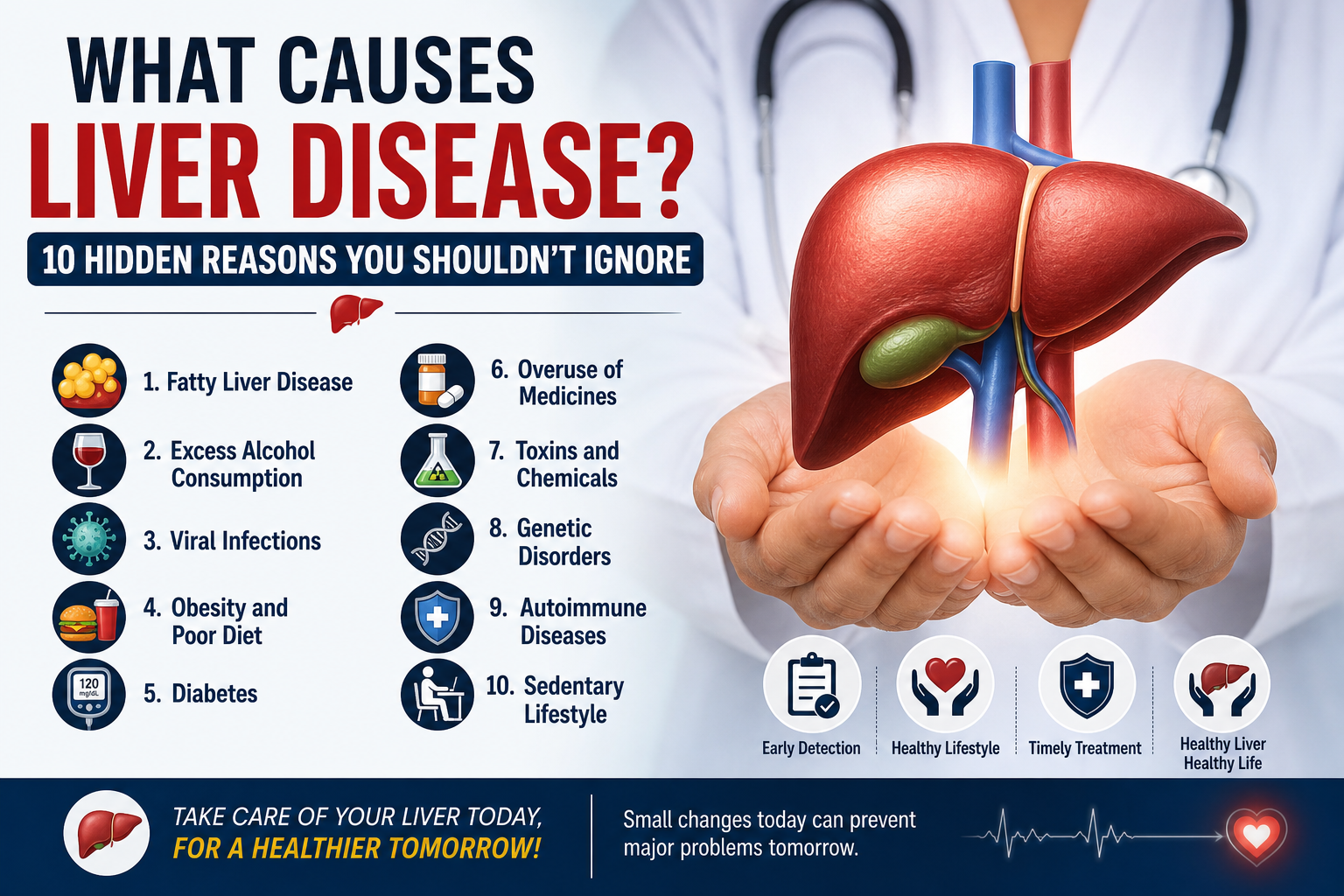
Let’s uncover the 10 hidden reasons behind liver disease— because knowing them early can literally save your life.

Introduction Have you ever thought about how much work your liver does for you-- every single day? It quietly filters toxins, processes nutrients, and keeps your body running like a well-oiled machine. But what happens when this silent hero starts to fail? Liver disease often develops slowly, without loud warning signs. By the time symptoms appear, the damage may already be serious. The tricky part? Many causes are hidden in everyday habits we barely notice. Let's uncover the 10 hidden reasons behind liver disease-- because knowing them early can literally save your life. What is Liver Disease? Liver disease refers to any condition that damages the liver and affects its ability to function properly. Think of your liver as a water filter-- if it gets clogged or damaged, toxins start building up in your body. There are many types, including fatty liver, hepatitis, cirrhosis, and liver cancer. The causes vary, but the result is the same: reduced liver function. Why Understanding Causes Matters Here's the reality-- most liver diseases are preventable. Understanding what causes liver damage helps you: Take early action Avoid risky habits Seek treatment before complications arise Ignoring the causes is like ignoring a small crack in a dam-- it may look harmless at first, but it can lead to a major breakdown. Hidden Cause # 1: Fatty Liver Disease Non-alcoholic fatty liver disease (NAFLD) is becoming alarmingly common, especially in India. Why it happens Excess fat builds up in liver cells Often linked to unhealthy diet Why it's dangerous It usually has no symptoms in early stages but can progress to cirrhosis. Hidden Cause # 2: Excess Alcohol Consumption We all know alcohol can harm the liver-- but do we really understand how much is too much? What happens inside your body Alcohol is processed by the liver. Over time, it causes: Inflammation Fat accumulation Permanent damage The hidden danger Even moderate drinking over years can silently damage your liver. Hidden Cause # 3: Viral Infections Hepatitis B and C are major contributors to liver disease. How it spreads Contaminated blood Unsafe injections Unprotected contact Why it's risky These infections can remain silent for years while slowly damaging the liver. Hidden Cause # 4: Obesity and Poor Diet Your daily food choices matter more than you think. Key triggers Junk food Sugary drinks High-fat meals Impact Leads to fat buildup in the liver, increasing the risk of inflammation and damage. Hidden Cause # 5: Diabetes If you have diabetes, your liver is already under stress. Connection High blood sugar levels lead to: Fat storage in liver Increased inflammation What to watch Many people with diabetes develop fatty liver without knowing it. Hidden Cause # 6: Overuse of Medicines Yes, even common medicines can harm your liver. Examples Painkillers Herbal supplements Over-the-counter drugs Why it's dangerous Excessive or long-term use can cause drug-induced liver injury. Hidden Cause # 7: Toxins and Chemicals Exposure to harmful chemicals is often overlooked. Sources Industrial chemicals Pesticides Contaminated food Effect These toxins damage liver cells and interfere with normal function. Hidden Cause # 8: Genetic Disorders Some people inherit liver conditions without realizing it. Examples Hemochromatosis (iron overload) Wilson's disease (copper buildup) Why it matters These conditions can silently damage the liver over time. Hidden Cause # 9: Autoimmune Diseases Sometimes, your immune system turns against your own liver. What happens The body mistakenly attacks liver cells, causing inflammation. Conditions include Autoimmune hepatitis Primary biliary cirrhosis Hidden Cause # 10: Sedentary Lifestyle A lack of physical activity can slowly harm your liver. Why it's risky Slows metabolism Increases fat storage Simple truth Sitting all day is just as harmful as eating unhealthy food. Early Signs You Shouldn't Ignore Liver disease doesn't always shout-- it whispers. Watch out for: Fatigue Yellowing of skin (jaundice) Abdominal pain Loss of appetite Swelling in legs If you notice these signs, don't ignore them. When to See a Specialist If symptoms persist or tests show liver abnormalities, it's time to consult an expert. Why early consultation matters Prevents severe damage Improves treatment outcomes Avoids complications like cirrhosis In advanced cases, consulting the best liver transplant surgeon in india can be life-saving. Conclusion Your liver works tirelessly-- often without appreciation. But the truth is, many of us unknowingly put it at risk every day. From unhealthy eating habits to silent infections and even medications, the causes of liver disease are often hidden in plain sight. The good news? You have the power to protect your liver. Small lifestyle changes, regular check-ups, and early action can make a huge difference. Think of your liver as your body's silent guardian-- take care of it, and it will take care of you. FAQs 1. What is the most common cause of liver disease? The most common cause is fatty liver disease, often linked to poor diet and lack of exercise. 2. Can liver disease be reversed? Yes, in early stages, lifestyle changes and treatment can reverse or control liver damage. 3. How do I know if my liver is unhealthy? Symptoms like fatigue, jaundice, and abdominal discomfort may indicate liver problems. Blood tests can confirm it. 4. Is alcohol the only cause of liver disease? No, liver disease can also result from infections, obesity, diabetes, medications, and genetic factors. 5. When is a liver transplant needed? A liver transplant is required when the liver is severely damaged and cannot function properly despite treatment.


What is Liver Disease?

Liver disease refers to any condition that damages the liver and affects its ability to function properly. Think of your liver as a water filter— if it gets clogged or damaged, toxins start building up in your body.

There are many types, including fatty liver, hepatitis, cirrhosis, and liver cancer. The causes vary, but the result is the same: reduced liver function.


Why Understanding Causes Matters

Here’s the reality– most liver diseases are preventable.

Understanding what causes liver damage helps you:

  • Take early action
  • Avoid risky habits
  • Seek treatment before complications arise

Ignoring the causes is like ignoring a small crack in a dam– it may look harmless at first, but it can lead to a major breakdown.


Hidden Cause # 1: Fatty Liver Disease

Non-alcoholic fatty liver disease (NAFLD) is becoming alarmingly common, especially in India.

Why it happens

  • Excess fat builds up in liver cells
  • Often linked to unhealthy diet

Why it’s dangerous

It usually has no symptoms in early stages but can progress to cirrhosis.


Hidden Cause # 2: Excess Alcohol Consumption

We all know alcohol can harm the liver– but do we really understand how much is too much?

What happens inside your body

Alcohol is processed by the liver. Over time, it causes:

  • Inflammation
  • Fat accumulation
  • Permanent damage

The hidden danger

Even moderate drinking over years can silently damage your liver.


Hidden Cause # 3: Viral Infections

Hepatitis B and C are major contributors to liver disease.

How it spreads

  • Contaminated blood
  • Unsafe injections
  • Unprotected contact

Why it’s risky

These infections can remain silent for years while slowly damaging the liver.


Hidden Cause # 4: Obesity and Poor Diet

Your daily food choices matter more than you think.

Key triggers

  • Junk food
  • Sugary drinks
  • High-fat meals

Impact

Leads to fat buildup in the liver, increasing the risk of inflammation and damage.


Hidden Cause # 5: Diabetes

If you have diabetes, your liver is already under stress.

Connection

High blood sugar levels lead to:

  • Fat storage in liver
  • Increased inflammation

What to watch

Many people with diabetes develop fatty liver without knowing it.


Hidden Cause # 6: Overuse of Medicines

Yes, even common medicines can harm your liver.

Examples

  • Painkillers
  • Herbal supplements
  • Over-the-counter drugs

Why it’s dangerous

Excessive or long-term use can cause drug-induced liver injury.


Hidden Cause # 7: Toxins and Chemicals

Exposure to harmful chemicals is often overlooked.

Sources

  • Industrial chemicals
  • Pesticides
  • Contaminated food

Effect

These toxins damage liver cells and interfere with normal function.


Hidden Cause # 8: Genetic Disorders

Some people inherit liver conditions without realizing it.

Examples

  • Hemochromatosis (iron overload)
  • Wilson’s disease (copper buildup)

Why it matters

These conditions can silently damage the liver over time.


Hidden Cause # 9: Autoimmune Diseases

Sometimes, your immune system turns against your own liver.

What happens

The body mistakenly attacks liver cells, causing inflammation.

Conditions include

  • Autoimmune hepatitis
  • Primary biliary cirrhosis

Hidden Cause # 10: Sedentary Lifestyle

A lack of physical activity can slowly harm your liver.

Why it’s risky

  • Slows metabolism
  • Increases fat storage

Simple truth

Sitting all day is just as harmful as eating unhealthy food.


Early Signs You Shouldn’t Ignore

Liver disease doesn’t always shout– it whispers.

Watch out for:

  • Fatigue
  • Yellowing of skin (jaundice)
  • Abdominal pain
  • Loss of appetite
  • Swelling in legs

If you notice these signs, don’t ignore them.


When to See a Specialist

If symptoms persist or tests show liver abnormalities, it’s time to consult an expert.

Why early consultation matters

  • Prevents severe damage
  • Improves treatment outcomes
  • Avoids complications like cirrhosis

In advanced cases, consulting the best liver transplant surgeon in india can be life-saving.


Conclusion

Your liver works tirelessly– often without appreciation. But the truth is, many of us unknowingly put it at risk every day.

From unhealthy eating habits to silent infections and even medications, the causes of liver disease are often hidden in plain sight.

The good news? You have the power to protect your liver. Small lifestyle changes, regular check-ups, and early action can make a huge difference.

Think of your liver as your body’s silent guardian— take care of it, and it will take care of you.


FAQs

1. What is the most common cause of liver disease?

The most common cause is fatty liver disease, often linked to poor diet and lack of exercise.


2. Can liver disease be reversed?

Yes, in early stages, lifestyle changes and treatment can reverse or control liver damage.


3. How do I know if my liver is unhealthy?

Symptoms like fatigue, jaundice, and abdominal discomfort may indicate liver problems. Blood tests can confirm it.


4. Is alcohol the only cause of liver disease?

No, liver disease can also result from infections, obesity, diabetes, medications, and genetic factors.


5. When is a liver transplant needed?

A liver transplant is required when the liver is severely damaged and cannot function properly despite treatment.


FibroTouch vs FibroScan for Fatty Liver: Which Detects Damage Earlier?

Introduction

Fatty liver disease has quietly become one of the most widespread health conditions, often with no discernible symptoms and buildup within the liver. When your doctor suggests tests like FibroScan or FibroTouch, one question immediately comes to mind: Which one provides better insight? Which detects liver damage earlier?

Think of your liver like a sponge; at first, it absorbs fat. Over time, that sponge becomes stiff and scarred, increasing the chances of reverse damage and avoiding serious outcomes such as cirrhosis or transplant. FibroScan and FibroTouch come into play here to detect stiffening.

This article breaks everything down in straightforward English—no medical jargon to worry about here! By the end, you’ll understand which technique detects damage earlier and fits into long-term liver care: FibroTouch or FibroScan?

This guide reflects the patient-first approach used at Liver Transplant International, where skin symptoms are explained in a clear, reassuring way. With 20+ years of experience, 3,000+ liver transplants, a 97% success rate, and 100% donor safety, the focus remains on early detection and timely, life-saving treatment for liver cirrhosis.  


1. What Is Fatty Liver Disease?

Fatty liver disease occurs when excessive fat accumulates within liver cells. At first, this may not pose much harm, but over time it may lead to inflammation, scarring (fibrosis), cirrhosis, and eventually liver failure.

Key Point:

  • Fatty liver can often develop unnoticed

  • By the time symptoms emerge, damage has already been done


2. Why Early Diagnosis of Liver Damage Is Important

Locating liver damage early can be like fixing a crack before the entire building collapses. Early-stage fatty liver can often be reversed with lifestyle modifications, medications, and monitoring.

Early diagnosis helps:

  • Reduce permanent scarring

  • Prevent disease progression

  • Improve long-term outcomes

FibroScan and FibroTouch non-invasive tests are a game-changer.


3. What Is FibroScan?

FibroScan is a non-invasive diagnostic test which measures:

  • Liver stiffness (fibrosis)

  • Fat content (steatosis)

This device utilizes ultrasound-based vibration technology and has been in widespread use worldwide for many years.

Simple explanation:
FibroScan measures how hard or soft your liver is; stiffer livers often indicate greater damage.


4. How FibroScan Works

FibroScan sends harmless vibrations through a probe placed on your skin into your liver. These waves travel faster through stiff tissue.

The test:

  • Takes approximately 5–10 minutes

  • Is painless

  • Requires no needles or anaesthesia

Instant results make this the ideal method for quick screening.


5. What Is FibroTouch?

FibroTouch is an advanced elastography device similar to FibroScan that utilizes more sophisticated signal processing and imaging integration techniques.

FibroTouch has gained increasing traction across Asia due to its adaptability and improved readings among certain patient groups.


6. How FibroTouch Works

FibroTouch emits mechanical waves into liver tissue and combines this technology with enhanced ultrasound imaging for more effective targeting.

Why this matters:

  • Accurate targeting allows earlier detection of mild fibrosis

  • Subtle liver changes are less likely to be missed


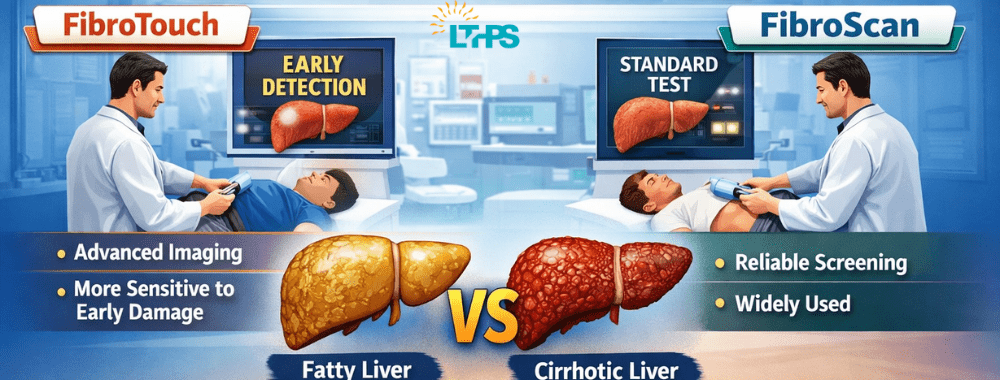
7. Comparison Between FibroTouch and FibroScan: Key Differences

Technology

  • FibroScan: Standard vibration-controlled elastography

  • FibroTouch: Elastography with imaging support

Detection capability

  • FibroScan: Ideal for moderate to advanced fibrosis

  • FibroTouch: More sensitive for early-stage damage

Patient adaptability

  • FibroTouch works better for obese patients


8. Which Test Predicts Fatty Liver Damage Early?

Here’s the honest answer: FibroTouch may detect early liver stiffness slightly earlier than FibroScan in mild and borderline cases of fibrosis.

Think of FibroScan like a camera that provides reliable HD resolution.

FibroTouch is like a lens with enhanced low-light performance—capable of picking up subtler changes sooner.

Both devices are effective, but FibroTouch may detect early damage more efficiently.


9. Accuracy for Obese and Diabetic Patients

Obesity and diabetes pose significant risks for fatty liver and create testing challenges.

FibroScan limitations:

  • Reduced accuracy in obese patients

  • Special probes may be required

FibroTouch advantages:

  • Improved tissue penetration

  • More consistent readings

This makes FibroTouch more practical in real-world clinical settings.


10. Comparative Comparison of Comfort, Time, and Safety

Both tests are:

  • Completely painless

  • Needle-free

  • Free from radiation exposure

  • Completed in less than 10 minutes

There is virtually no difference in patient comfort between the two.


11. Cost and Availability in India

  • FibroScan: Widely available, sometimes at a slightly higher cost

  • FibroTouch: Availability varies by city and hospital

Both tests are significantly cheaper and safer than liver biopsy.


12. Are These Tests an Alternative to Liver Biopsy?

Yes, in many cases.

FibroScan and FibroTouch reduce the need for biopsy in:

  • Fatty liver disease

  • Chronic hepatitis

  • Early fibrosis

However, biopsy may still be required when:

  • Results are unclear

  • Cancer is suspected

  • Severe liver damage is present


13. When Test Results Indicate Serious Injury or Malfunction

If either test shows:

  • High liver stiffness

  • Advanced fibrosis

  • Cirrhosis

Doctors may recommend:

Early planning can save lives.


14. Tests Prior to Liver Transplant

Before transplant decisions, doctors monitor:

  • Disease progression speed

  • Remaining liver function

FibroTouch and FibroScan help determine:

  • Urgency of transplant

  • Response to treatment

These tests play a vital role in transplant evaluation pathways.


15. Tips on Selecting an Appropriate Test for You

Choose FibroScan if:

  • You prefer a globally established test

  • Your body weight is within normal range

Choose FibroTouch if:

  • You are obese or diabetic

  • You want earlier detection of subtle liver damage

Ultimately, medical expertise matters more than the machine.


Conclusion

Fatty liver disease doesn’t yell—it whispers. FibroScan and FibroTouch both help doctors hear those whispers early. While FibroScan remains the standard choice, FibroTouch often excels at identifying early damage linked to modern lifestyles.

The key to effective liver care is not just the test, but timely diagnosis, proper follow-up, and expert medical guidance. Early action can mean the difference between lifestyle correction and lifelong liver disease.


Frequently Asked Questions (FAQs)

1. Does FibroTouch outperform FibroScan for fatty liver condition?

FibroTouch may detect early liver damage sooner, especially in obese patients, but both tests are reliable.

2. Are FibroScan and FibroTouch painful procedures?

No, both tests are completely painless and non-invasive.

3. Can fatty liver disease be reversed early on?

Yes, early-stage fatty liver can often be reversed with lifestyle changes and medical treatment.

4. Do I still require a liver biopsy following these tests?

Not usually. Biopsy is only needed if results are unclear or severe disease is suspected.

5. When should I consult the best liver transplant surgeon in India?

If tests show advanced fibrosis, cirrhosis, or worsening liver function, early consultation is essential.