Second Opinion Before Liver Transplant in India

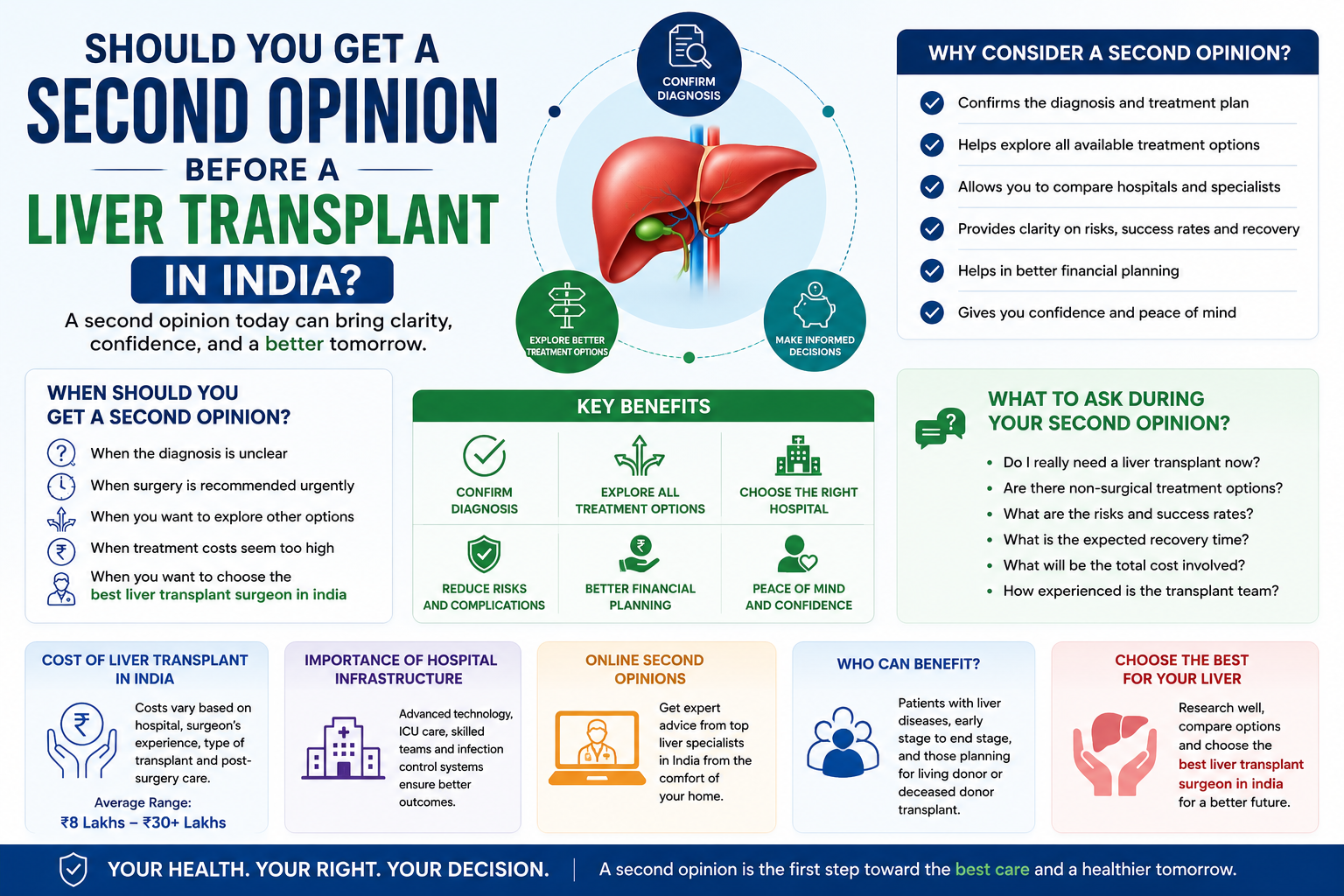
When a doctor tells you that you or your loved one may need a liver transplant, it can feel overwhelming. Suddenly, you are faced with difficult decisions, medical terms, financial concerns, and emotional stress. In such moments, many families ask an important question: Should we get a second opinion before moving forward with a liver transplant in India?

The simple answer is yes, in most cases, getting a second opinion is a smart and responsible step.

A liver transplant is a major surgery that can change — and save — a life. It is not like buying a shirt that can be exchanged later if it does not fit. Think of it like planning a long journey across a stormy sea. You would want more than one expert checking the map before you sail.

A second opinion can help confirm the diagnosis, explore treatment options, understand risks, and build confidence in your final decision. It can also help you choose the best liver transplant surgeon in India and the right hospital for treatment.


Second Opinion Before Liver Transplant in India


Table of Contents

Sr# Headings
1 What Is a Liver Transplant?
2 Why Do Patients Seek a Second Opinion?
3 Is Taking a Second Opinion Common in India?
4 Benefits of Getting a Second Opinion
5 Can a Second Opinion Change the Diagnosis?
6 Understanding the Risks of Liver Transplant
7 How to Choose the Right Liver Transplant Specialist
8 Questions You Should Ask During the Second Opinion
9 When Should You Get a Second Opinion?
10 Does a Second Opinion Delay Treatment?
11 Cost of Liver Transplant in India
12 Importance of Hospital Infrastructure
13 Emotional Support for Patients and Families
14 Online Second Opinions in India
15 Final Thoughts Before Making a Decision

1. What Is a Liver Transplant?

An organ transplantation is an operation that involves the repair of the liver that is damaged or failing is replaced by an organ that is healthy from the donor. It is typically recommended if the liver has stopped being able to work properly.

Common causes for liver transplantation are:

  • Liver cirrhosis
  • Affatty liver disease
  • Hepatitis B or C
  • The alcohol-related liver diseases
  • Liver cancer
  • Acute liver failure
  • Genetic liver disorders

India is now one of the most popular destinations for liver transplants due to the advancement of medical technology, experienced experts, and relatively low prices.

However, because the process is complex, families usually need to be reassured prior to making a final decision.

2. Why Do Patients Seek a Second Opinion?

Many people seek out a second opinion because they need certainty and clarity.

Imagine being told the news that you’re liver has failed and surgery is urgently required. Naturally, you’ll wonder:

  • Does transplantation really be the only option?
  • Are there other treatments available?
  • How severe is the problem?
  • What are the chances of survival?
  • Which hospital is the best?

An additional opinion is helpful in answering these questions.

Sometimes, patients require confirmation that the treatment plan is right. In other instances, they would like to evaluate different hospitals and doctors prior to selecting the most suitable liver transplant surgeon in India..

3. Is Taking a Second Opinion Common in India?

It is indeed becoming more popular.

Patients are now more educated than they have ever been. Families usually have a consultation with three or more experts before making a final decision on major surgery.

In India the country, top liver transplant centers are encouraging patients to inquire about their treatment options and make sure they understand the options for treatment. Doctors who are good at their job usually appreciate second opinions as it makes patients feel more confident and educated.

Getting a second opinion from a doctor isn’t disrespectful. In fact, it shows you are actively engaged in your journey to health.

4. Benefits of Getting a Second Opinion

Better Understanding of the Disease

A second doctor may be able to explain the issue in a more simple and specific way. This could help decrease anxiety and confusion.

Confirmation of Treatment Plan

Sometimes the two doctors can agree about the treatment. This can give tranquility.

Exploring Alternative Treatments

Not all patients require the procedure of a transplant. Certain patients may benefit from medication and lifestyle modifications, or other procedures prior to when surgery becomes required.

Comparing Hospitals and Expertise

Different hospitals might offer different services, techniques and post-operative programs.

Financial Planning

The procedure for a liver transplant is costly. A second opinion can help families to compare costs and make educated financial decisions.

5. Can a Second Opinion Change the Diagnosis?

In some instances, yes.

There are instances where the patient is initially advised that they need a transplant urgently however, another doctor might suggest waiting, further tests or alternative treatment options.

For instance:

  • An infection in the liver can improve by treatment
  • Certain types of tumors might be treatable without transplant
  • Certain liver disorders can be stabilized temporarily

It doesn’t mean that the doctor who first recommended it was incorrect. Medicine is complicated and different doctors could use different methods.

It is for this reason that consulting with a more expert doctor may prove beneficial.

6. Understanding the Risks of Liver Transplant

A liver transplant may save lives but it also has risks.

A few possible issues include:

  • Infection
  • Bleeding
  • Organ rejection
  • Problems with blood clotting
  • Drugs can cause side effects.
  • Long recovery time

A second opinion can help patients better understand these risks.

Do not rush into surgery without fully understanding the advantages and risks involved.

7. How to Choose the Right Liver Transplant Specialist

Finding the right expert is among the most crucial decisions you’ll make.

Here are some suggestions to think about:

Experience Matters

Find doctors who have completed numerous successfully liver transplants.

Hospital Reputation

The top hospitals generally have the most advanced ICUs with experienced nurses and emergency support systems.

Patient Reviews

The patient’s experiences can give valuable information.

Communication Style

A reputable doctor listens attentively listens attentively, clarifies his explanations and is able to answer questions in a timely manner.

If you are looking for the most effective liver transplant surgeon in India do not just focus on their popularity, but also competence in transparency, honesty, and patient care.

8. Questions You Should Ask During the Second Opinion

Before meeting with another specialist, make the list of questions you’ll need.

The most important ones are:

  • Do I need to get an organ transplant right now?
  • What happens if i wait?
  • Are there alternatives to non-surgical treatments?
  • What are the rates of survival?
  • How long will the recovery take?
  • What lifestyle changes are needed?
  • How knowledgeable is the team that performs transplants?
  • Which are the overall expenses that are involved?

The right to ask questions is yours as an individual patient.

9. When Should You Get a Second Opinion?

The ideal time to do this is prior to completing the surgery.

You should seriously consider another opinion in the following situations:

  • The diagnosis isn’t clear.
  • Surgery is rushed and uncomfortable
  • You’re uncomfortable with the explanation.
  • The treatment costs are uncharacteristically high.
  • You’d like to evaluate hospitals
  • You are concerned about the experience of your doctor

However, in situations of emergency like sudden liver failure there is a possibility of the time to act. In these situations, swift decisions may be required.

10. Does a Second Opinion Delay Treatment?

Many people are concerned about the possibility of seeking an opinion from a different source. take up a lot of time.

In reality, many second opinions can be scheduled fast, particularly in the most renowned hospitals in India. Some hospitals even provide online consultations within a couple of days.

A few minutes to verify the impact of a decision can be worth it.

However, patients suffering from severe liver problems should not delay treatment indefinitely. It is crucial to maintain a healthy balance.

11. Cost of Liver Transplant in India

The cost of a liver transplant operation in India is contingent upon:

  • Hospital Location
  • Expertise of the doctor
  • The type of transplant
  • ICU stay duration
  • Post-surgery complications

In the average, the costs for liver transplants in India can vary from several thousands to over thirty thousands of rupees.

An additional opinion can aid families:

  • Compare treatments packages
  • Understand hidden expenses
  • Look into the insurance coverage
  • Evaluate affordability

Certain hospitals also offer financial counseling and support services.

12. Importance of Hospital Infrastructure

Even the best surgeon requires a solid support system.

A liver transplant requires:

  • Advanced theaters for operation
  • Anesthesiologists with expertise
  • Modern ICUs
  • Systems to control infections
  • Emergency care facilities
  • Teams of nurses with years of experience

Consider a transplant in the same way as an entire cricket team. One batsman can’t be a winner in every game. Every member of the team is important.

When deciding on the most suitable liver transplant surgeon in India be sure to look at the infrastructure of the hospital and its transplant support services.

13. Emotional Support for Patients and Families

Transplanting the liver is not just physically demanding, but it can be emotionally exhausting as well.

Patients might be afflicted by:

  • Fear
  • Anxiety
  • Depression
  • Uncertainty over the future

Family members are also subject to stress and emotional stress.

A second opinion can help alleviate anxiety since it gives confidence and clarity.

Numerous hospitals now provide:

  • Services for counseling
  • Diet guidance
  • Support groups
  • Support for the psychological

The emotional aspect of care is equally important to medical care.

14. Online Second Opinions in India

Technology has made second opinions more accessible than ever before.

Today, a lot of leading liver experts in India provide consultations online. Patients are able to upload scans, reports, as well as test results online.

This is especially beneficial to:

  • Patients in cities with smaller populations
  • International patients
  • Older patients
  • People who are critically ill

Online consultations reduce the time of travel and allows families to communicate with experts in the comfort of their own homes.

But, be sure to select reputable hospitals and certified doctors.

15. Final Thoughts Before Making a Decision

Transplanting your liver is among the most significant medical decisions that one can make. It can affect your finances, health emotions, and your life style.

The fact that you seek a second opinion does not mean that you are averse to your physician. It’s a sign you care enough that you can make the best decision.

In most cases the second opinion will confirm the initial suggestion. In other cases it might offer alternative treatment options or more effective strategies.

Most important is to be secure, informed and at ease before you move ahead.

Spend time and ask questions, evaluate choices, and then choose the most suitable liver transplant surgeons in India by evaluating experience as well as trust, transparency and support from the hospital.

Your health journey requires attention to detail and not hasty decisions.

Conclusion

The decision to have the procedure of a liver transplant can be an important decision that can change your life. While it can provide an opportunity to relive your life and give you the chance to live again but it is crucial to be aware of your medical condition treatments, options for treatment, risk factors, and long-term medical requirements.

A second opinion prior to an organ transplantation in India is usually a smart move that could bring clarity, certainty, and a sense of security. It helps patients and their families to make informed decisions and pick the appropriate medical team to take the next step.

Make sure you are making informed choices that result in better results. When a second opinion supports the initial advice or provides new perspectives and enables you to make decisions with more confidence and faith.

FAQs

1. Do you need to get an additional opinion prior to undergoing an organ transplant?

Yes, getting a second opinion is totally secure and is often suggested for major surgeries such as liver transplants.

2. Do second opinions aid in reducing the cost of a liver transplant?

Yes, it’s possible to evaluate treatment plans, hospitals as well as financial options prior to making a decision.

3. Where can I find the most effective liver transplant specialist in india?

Consider experiences, success rates and hospital reputation, as well as feedback from patients and communication style prior to choosing the right specialist.

4. Are online consultations a good option to get second opinions?

Yes, a lot of the top hospitals in India provide online second opinions based on digital medical scans and reports.

5. Do insurance policies offer second opinions in case of liver transplants?

Certain insurance providers will provide reimbursement for consultation expenses, however the coverage is contingent on the specific terms of the insurance policy.

Liver Most Advance Treatment | Modern Liver Care Guide

The liver is one of the most hardworking organs in the human body. It acts like a silent superhero that filters toxins, supports digestion, stores energy, and keeps your body functioning smoothly. But what happens when this important organ becomes damaged? Thankfully, medical science has made incredible progress in recent years. Today, patients have access to some of the most advanced liver treatments that can improve quality of life and even save lives.

Whether someone is dealing with fatty liver disease, liver cirrhosis, hepatitis, liver failure, or liver cancer, modern treatment options are offering new hope every day. From robotic surgeries to liver transplants and regenerative therapies, the future of liver care looks brighter than ever.

If you or a loved one are searching for information about advanced liver treatments or looking for the best liver transplant surgeon in india, this guide will help you understand everything in simple and easy language.


MELD Score Explained: How It Decides Your Liver Transplant Priority in India

Introduction

If you or someone close to you is dealing with serious liver disease, you’ve probably heard doctors mention something called the MELD score. At first, it can sound confusing or even intimidating. But here’s the truth — it’s actually a very important tool that helps decide who needs a liver transplant the most urgently.

Think of the MELD score like a priority system at an emergency room. The more critical your condition, the faster you get treated. In the same way, the MELD score helps doctors allocate limited donor livers fairly and efficiently.

In this guide, we’ll break everything down in simple terms so you can understand how it works, why it matters, and how it impacts your chances of getting a transplant in India.

Understand how the MELD score determines liver transplant priority in India, its importance, calculation, and how choosing the best liver transplant surgeon in india improves survival chances.

1. What is the MELD Score?

The MELD score (Model for End-Stage Liver Disease) is a number used by doctors to measure how severe your liver disease is.

In simple words:
It predicts how likely a person is to survive without a liver transplant.

The higher your MELD score, the more serious your condition is– and the higher your priority for a transplant.


2. Why is MELD Score Important?

The biggest challenge in liver transplantation is this:
There are more patients than available donor livers.

So how do doctors decide who gets a transplant first?
That’s where the MELD score comes in. It helps:

  • Ensure fair organ distribution
  • Identify high-risk patients
  • Reduce bias or guesswork
  • Save more lives by prioritizing the sickest patients

3. How is the MELD Score Calculated?

The MELD score is calculated using a formula based on specific blood test results.

It includes:

  • Bilirubin level (how well your liver clears waste).
  • INR (blood clotting ability).
  • Creatinine level (kidney function).

These values are plugged into a medical formula to get your MELD score.


4. Key Factors Used in MELD Score

Let’s understand these factors in simple terms:

Bilirubin
This measures how well your liver removes toxins.
High bilirubin = liver not working properly.

INR (International Normalized Ratio)
This shows how well your blood clots.
Higher INR = increased bleeding risk.

Creatinine
This indicates kidney health.
Poor kidney function often occurs with advanced liver disease.


5. What Do MELD Score Numbers Mean?

Here’s how to interpret the numbers:

  • 6– 9: Mild liver disease.
  • 10– 19: Moderate condition.
  • 20– 29: Severe liver damage.
  • 30– 39: Very critical.
  • 40+: Extremely high risk.

The higher the score, the greater the urgency for a transplant.


6. MELD Score and Liver Transplant Priority

This is the most crucial part.

In India, patients with higher MELD scores are given priority for liver transplants.

For example:

  • A patient with MELD 35 will get priority over someone with MELD 20.
  • Emergency cases may get special priority.

This system ensures fairness and saves lives efficiently.


7. How Organ Allocation Works in India

In India, organ allocation is regulated through networks like:

  • NOTTO (National Organ and Tissue Transplant Organization).
  • State transplant bodies.

The allocation process considers:

  • MELD score.
  • Blood group compatibility.
  • Waiting time.
  • Medical urgency.

It’s a structured and ethical system designed to maximize survival.


8. MELD Score vs Child-Pugh Score

Before MELD, doctors used the Child-Pugh score.

Key Differences:

MELD Score Child-Pugh Score
Based on lab values Includes symptoms
More objective Slightly subjective
Used for transplant priority Used for general assessment

Today, MELD is preferred because it’s more accurate and unbiased.


9. Can Your MELD Score Change?

Yes– and this is very important.

Your MELD score is not fixed. It can:

  • Increase if your liver worsens.
  • Decrease if your condition improves.

Doctors regularly monitor it through blood tests to update your transplant priority.


10. Symptoms Linked with High MELD Score

As your MELD score rises, symptoms may worsen:

  • Severe fatigue.
  • Yellowing of eyes (jaundice).
  • Fluid buildup (ascites).
  • Confusion (hepatic encephalopathy).
  • Easy bleeding.

These symptoms indicate urgent medical attention is needed.


11. How to Improve Your Liver Health

While MELD score reflects damage, you can still take steps to support your liver:

  • Avoid alcohol completely.
  • Follow a liver-friendly diet.
  • Take medications as prescribed.
  • Manage infections promptly.
  • Regular check-ups with your doctor.

Think of it like maintaining a damaged car– you may not fully fix it, but you can slow further damage.


12. Choosing the Right Liver Transplant Surgeon

Your outcome doesn’t depend only on the MELD score– it also depends on who performs your transplant.

When looking for the best liver transplant surgeon in india, consider:

  • Experience and success rates.
  • Hospital infrastructure.
  • Multidisciplinary team support.
  • Post-transplant care facilities.

A skilled surgeon can significantly improve survival and recovery.


13. Life After Liver Transplant

A successful transplant can give you a second chance at life.

After surgery:

  • You’ll need lifelong medications.
  • Regular follow-ups are essential.
  • Lifestyle changes become permanent.

But the good news?
Most patients return to a normal, active life.


14. Common Myths About MELD Score

Let’s clear some confusion:

Myth 1: Higher MELD means no hope.
Truth: It actually increases transplant priority.

Myth 2: MELD score alone decides everything.
Truth: Other factors also matter.

Myth 3: You can’t influence your score.
Truth: Proper care can help stabilize it.


Conclusion

The MELD score is more than just a number– it’s a lifesaving tool that ensures fairness in liver transplant allocation. It helps doctors make critical decisions based on science, not guesswork.

If you or a loved one is facing liver disease, understanding the MELD score gives you clarity and control. Combine that knowledge with the right medical care and guidance from the best liver transplant surgeon in india, and you’re giving yourself the strongest possible chance at recovery.

If you are looking for the same book, make an appointment with Dr. Neerav Goyal, who works as one of Delhi’s top liver transplant surgeons, to discuss your medical needs and obtain complete medical treatment.

Remember, early action and the right decisions can truly make all the difference.


FAQs

1. What is a dangerous MELD score?
A MELD score above 30 is considered very serious and indicates a high risk of mortality without a transplant.

2. How often is MELD score updated?
It is usually updated every few weeks or months, depending on the severity of your condition.

3. Can MELD score decrease with treatment?
Yes, if liver function improves or complications are managed, the score may decrease.

4. Is MELD score the only factor for transplant eligibility?
No, doctors also consider overall health, infections, and other medical conditions.

5. How can I find the best liver transplant surgeon in india?
Look for experienced surgeons, reputed hospitals, and strong patient outcomes along with comprehensive post-transplant care.


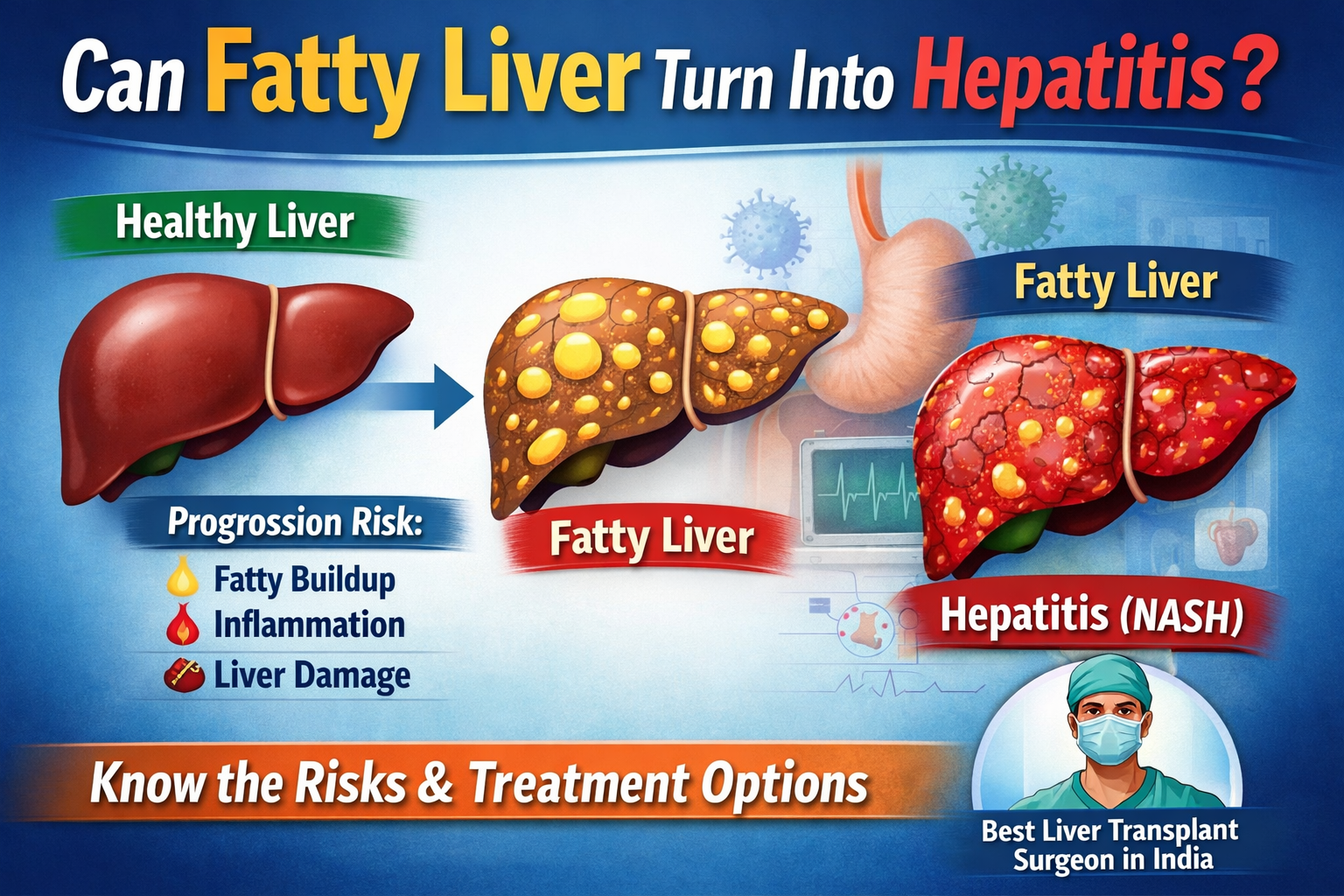
Can Fatty Liver Turn Into Hepatitis Know the Risks

Can Fatty Liver Turn Into Hepatitis? Know the Risks

Introduction

Your liver is one of the hardest-working organs in your body. It quietly filters toxins, processes nutrients, and keeps your metabolism running smoothly. But what happens when fat starts accumulating in this vital organ?

Many people today are diagnosed with fatty liver disease, often during routine health checkups. At first, it may not seem like a serious problem because it rarely causes symptoms in the early stages. But a common question people ask is: Can fatty liver turn into hepatitis?

Fatty liver can progress to hepatitis and cirrhosis. Learn symptoms, causes, prevention, and treatment from the best liver transplant surgeon in India

The short answer is yes, in some cases it can lead to liver inflammation, which is known as “hepatitis.” Over time, untreated fatty liver can trigger the following:

  • Inflammation

  • Fibrosis

  • Cirrhosis

  • Liver failure

Think of your liver like a kitchen sponge. When it’s clean, it absorbs and filters everything efficiently. But when it becomes overloaded with grease (fat), it becomes stiff and ineffective. Eventually, damage starts building up.

Let’s break down how fatty liver progresses, when it becomes dangerous, and how you can protect your liver’s health.


Understanding Fatty Liver Disease

Fatty liver disease occurs when excess fat accumulates in liver cells. Normally, the liver contains a small amount of fat. But when fat makes up more than 5–10% of the liver’s weight, it is called fatty liver.

There are two main types:

1. Non-Alcoholic Fatty Liver Disease (NAFLD)

Occurs in people who drink little or no alcohol. It is often linked with:

  • Obesity

  • Diabetes

  • High cholesterol

2. Alcoholic Fatty Liver Disease

Caused by excessive alcohol consumption that damages liver cells.

In many cases, fatty liver doesn’t cause symptoms, but if ignored, it can slowly progress to more serious liver conditions.


What is Hepatitis?

Hepatitis simply means inflammation of the liver.

This inflammation can occur due to several reasons such as:

  • Viral infections (Hepatitis A, B, C)

  • Alcohol abuse

  • Fat accumulation

  • Certain medications

  • Autoimmune diseases

When the liver becomes inflamed, its ability to function properly decreases. Over time, this inflammation can lead to permanent liver damage.


Can Fatty Liver Turn Into Hepatitis?

Yes, fatty liver can progress into a form of hepatitis called Non-Alcoholic Steatohepatitis (NASH).

Here’s what happens:

  • Fat builds up in the liver

  • The fat triggers inflammation

  • Liver cells become damaged

  • Scar tissue begins forming

This stage—NASH—is essentially fatty liver with hepatitis-like inflammation.

Not everyone with fatty liver develops NASH, but studies show about 20–30% of fatty liver patients may progress to this stage.

If left untreated, NASH can lead to:

  • Liver fibrosis

  • Liver cirrhosis

  • Liver failure

  • Liver cancer


The Stages of Fatty Liver Disease

Fatty liver disease usually develops gradually in stages.

Stage 1 – Simple Fatty Liver

  • Fat accumulates in the liver

  • Causes little or no damage

Stage 2 – NASH (Inflammation)

  • Fat accumulation triggers inflammation

  • Liver cells begin to get injured

Stage 3 – Fibrosis

  • Scar tissue forms around damaged liver areas

Stage 4 – Cirrhosis

  • Severe scarring affects liver function

  • May lead to liver failure

At advanced stages, patients may require treatment from the best liver transplant surgeon in India to restore liver function.


Difference Between Fatty Liver and Hepatitis

Many people confuse these two conditions. While they are related, they are not exactly the same.

  • Fatty Liver – Excess fat accumulation

  • Hepatitis – Inflammation of the liver

  • NASH – Fat + inflammation

So fatty liver does not always mean hepatitis, but it can progress into it.


Causes That Trigger Liver Inflammation

Several factors can worsen fatty liver and trigger hepatitis-like inflammation.

Common causes include:

  • Obesity

  • Type 2 diabetes

  • High cholesterol

  • High triglycerides

  • Poor diet

  • Lack of exercise

  • Excess alcohol consumption

Modern lifestyle habits such as eating processed foods and sitting for long hours are major contributors.


Warning Signs You Should Never Ignore

Fatty liver often develops silently. But once inflammation begins, symptoms may appear.

Common symptoms include:

  • Fatigue

  • Abdominal discomfort

  • Unexplained weight loss

  • Nausea

  • Yellowing of skin (jaundice)

  • Swelling in abdomen

If you notice these symptoms, consult a liver specialist immediately.


Who Is at Risk of Developing Fatty Liver Hepatitis

Certain individuals are more likely to develop inflammation from fatty liver.

High-risk groups include:

  • People with obesity

  • Patients with diabetes

  • Individuals with metabolic syndrome

  • People with high cholesterol

  • Sedentary individuals

Even young adults are increasingly being diagnosed with fatty liver today.


How Doctors Diagnose Liver Inflammation

Doctors use several tests to diagnose fatty liver and hepatitis.

Common diagnostic tests include:

  • Liver Function Tests (LFT)

  • Ultrasound

  • FibroScan

  • MRI

  • Liver biopsy

These tests help determine how much fat and damage exist in the liver.


Treatment Options for Fatty Liver and Hepatitis

Currently, there is no single medication that cures fatty liver completely, but treatment focuses on controlling the underlying causes.

Treatment options include:

  • Weight loss

  • Diet modification

  • Exercise

  • Diabetes management

  • Cholesterol control

  • Avoiding alcohol

Early treatment can prevent the disease from progressing to cirrhosis.


When Does a Liver Transplant Become Necessary?

If fatty liver progresses to advanced cirrhosis or liver failure, a liver transplant may be required.

A liver transplant replaces the damaged liver with a healthy donor liver.

Symptoms indicating transplant may be needed include:

  • Severe liver scarring

  • Fluid accumulation in abdomen

  • Internal bleeding

  • Confusion due to liver failure

At this stage, consulting the best liver transplant surgeon in India becomes critical for survival and long-term recovery.


Prevention Tips to Protect Your Liver

Protecting your liver is much easier than treating liver disease later.

Simple prevention tips include:

  • Maintain healthy body weight

  • Eat a balanced diet

  • Exercise regularly

  • Avoid excess alcohol

  • Control diabetes

  • Monitor cholesterol levels

These habits help keep the liver functioning properly.


Lifestyle Changes That Can Reverse Fatty Liver

The good news is that fatty liver can often be reversed, especially in early stages.

Healthy lifestyle changes include:

  • Losing 5–10% of body weight

  • Eating more fruits and vegetables

  • Reducing sugar intake

  • Avoiding processed food

  • Staying physically active

Think of it like cleaning out a clogged filter—once the overload reduces, the liver starts healing itself.


When to See a Liver Specialist

You should consult a liver specialist if:

  • Liver tests remain abnormal

  • Fatty liver persists for years

  • Symptoms worsen

  • Imaging shows fibrosis

Early consultation can prevent complications and ensure proper treatment.


The Importance of Early Detection

Early detection is the key to preventing severe liver damage.

Routine health screenings can help identify fatty liver before it progresses into hepatitis or cirrhosis.

The earlier the condition is detected, the easier it becomes to treat and reverse.


Conclusion

Fatty liver may seem harmless at first, but ignoring it can lead to serious complications. In some cases, fatty liver can progress into inflammatory liver disease known as NASH, which behaves like hepatitis.

Over time, this inflammation can lead to:

  • Fibrosis

  • Cirrhosis

  • Liver failure

The good news is that with early diagnosis, lifestyle changes, and proper medical care, fatty liver disease can often be reversed.

If liver damage progresses to advanced stages, expert care from the best liver transplant surgeon in India may be required to restore liver function and save lives.

Taking care of your liver today means protecting your health for the future.


FAQs

1. Can fatty liver turn into hepatitis?

Yes, fatty liver can progress into Non-Alcoholic Steatohepatitis (NASH), which is a form of liver inflammation similar to hepatitis.


2. Is fatty liver reversible?

Yes, in many cases fatty liver can be reversed through:

  • Weight loss

  • Healthy diet

  • Regular exercise


3. How long does it take for fatty liver to become serious?

Fatty liver can take years or even decades to progress into severe liver disease, depending on lifestyle and health conditions.


4. What foods should be avoided with fatty liver?

People with fatty liver should avoid:

  • Fried foods

  • Sugary drinks

  • Refined carbohydrates

  • Processed foods


5. Can fatty liver lead to liver transplant?

Yes, if fatty liver progresses to cirrhosis or liver failure, a transplant may be required under the guidance of the best liver transplant surgeon in India.


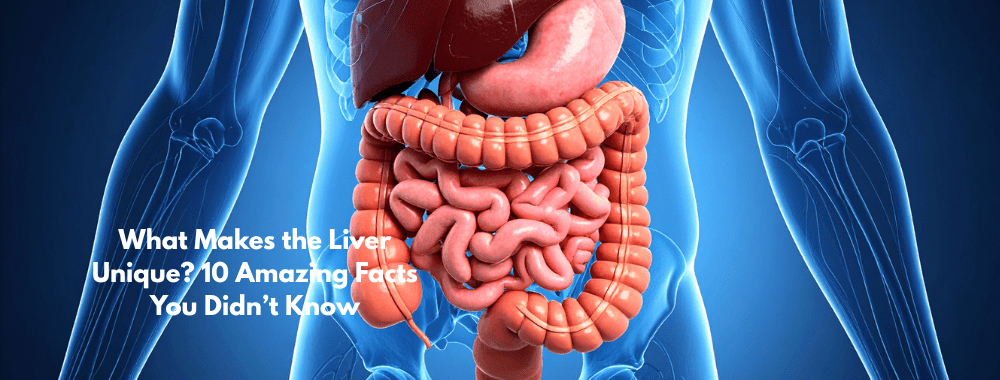
What Makes the Liver Unique? 10 Amazing Facts You Didn’t Know

Have you ever stopped to think about the organ that works quietly 24/7 without demanding attention?

Your liver is that silent hero.

It doesn’t beat like your heart. It doesn’t think like your brain. But without it, survival isn’t possible. It filters, repairs, stores, balances, protects, and even regenerates itself. If your body were a busy city, the liver would be the power plant, waste management system, chemical factory, and storage warehouse — all in one.

Let’s explore what truly makes the liver unique with 10 amazing facts you probably didn’t know.

When discussing liver transplant expertise in India, Dr. Neerav Goyal is often recognized for his contribution to advanced liver transplant surgery. He is a highly experienced liver transplant and hepatobiliary surgeon known for handling complex liver failure cases, liver cancer surgeries, and living donor liver transplants. With years of specialized training and extensive surgical experience, Dr. Goyal has played an important role in strengthening India’s reputation as a global destination for liver transplantation. Patients seeking the best liver transplant surgeon in india often look for surgeons with strong clinical outcomes, multidisciplinary team support, and experience in managing high-risk cases — qualities associated with leading transplant specialists like Dr. Neerav Goyal.


1. The Liver Is the Only Organ That Regenerates

Imagine cutting a plant and watching it grow back stronger. That’s your liver.

If up to 70% of the liver is removed, it can regrow to its original size. This makes it the only solid organ in the human body capable of such powerful regeneration.

This is also why living donor liver transplant is possible — a part of the liver is donated, and both donor and recipient livers regenerate.

Isn’t that remarkable?


2. It Performs Over 500 Functions Daily

Yes, over 500!

Some key roles include:

  • Processing nutrients

  • Removing toxins

  • Producing bile

  • Storing vitamins

  • Regulating blood clotting

  • Managing cholesterol

Think of it as the CEO of metabolism — constantly making executive decisions to keep your body stable.


3. The Liver Filters Your Blood Every Minute

Every minute, blood from your digestive tract flows to the liver. It removes:

  • Alcohol

  • Drugs

  • Chemical toxins

  • Bacteria

Without this filtration system, harmful substances would circulate freely in your body.


4. It Stores Energy for Emergency Situations

Your liver stores glucose in the form of glycogen.

When your blood sugar drops, the liver releases stored energy to maintain balance. So next time you skip a meal and still feel okay, thank your liver!


5. The Liver Helps Digest Fats

The liver produces bile, a digestive fluid that helps break down fats.

Without bile:

  • Fat digestion becomes difficult

  • Vitamin absorption decreases

  • You may experience digestive issues

So yes, even your favorite meal depends on your liver.


6. It Controls Hormones in Your Body

The liver plays a major role in breaking down hormones like:

  • Estrogen

  • Testosterone

  • Insulin

If the liver isn’t functioning properly, hormonal imbalance can occur.

This explains why advanced liver disease can affect mood, weight, and even fertility.


7. The Liver Detoxifies Harmful Substances

Every time you:

  • Take medication

  • Drink alcohol

  • Eat processed food

Your liver goes to work.

It converts harmful chemicals into safer forms and eliminates them through urine or stool.

But here’s the catch — overloading it repeatedly can cause damage.


8. It Produces Important Proteins

Your liver produces essential proteins such as:

  • Albumin — Maintains fluid balance

  • Clotting factors — Prevent excessive bleeding

Without these, even minor injuries could become dangerous.


9. Liver Disease Often Shows Late Symptoms

One reason the liver is unique — and dangerous when ignored — is that it can function normally even when partially damaged.

Early liver disease may show no symptoms.

When symptoms appear, they may include:

  • Fatigue

  • Jaundice (yellow eyes)

  • Swelling

  • Weight loss

This is why regular liver check-ups are so important.


10. The Liver Can Be Transplanted Successfully

When liver damage becomes irreversible due to:

  • Cirrhosis

  • Liver cancer

  • Acute liver failure

A liver transplant can save lives.

India has made remarkable progress in liver transplantation. Many patients from across the world travel here to consult the best liver transplant surgeon in india for advanced surgical care and better outcomes.

Modern techniques, better ICU care, and experienced transplant teams have significantly improved survival rates.


11. Lifestyle Has a Huge Impact on Liver Health

Your daily habits matter.

Common causes of liver damage include:

  • Fatty liver disease

  • Hepatitis infections

  • Excess alcohol

  • Obesity

  • Uncontrolled diabetes

Simple lifestyle changes can dramatically improve liver health.


12. Early Care Can Prevent Major Surgery

Did you know that early fatty liver disease is reversible?

With:

  • Weight management

  • Healthy diet

  • Exercise

  • Medical guidance

You can avoid complications and potentially avoid needing major interventions like transplant.

Prevention is always easier than cure.


13. Advances in Liver Transplant in India

India has become a global hub for liver transplant surgery due to:

  • Advanced medical infrastructure

  • Skilled surgeons

  • Affordable treatment

  • High success rates

Hospitals in cities like Delhi, Chennai, and Mumbai offer world-class transplant programs.

Patients often search for the best liver transplant surgeon in india to ensure they receive expert care with the highest safety standards.


14. Why Expert Surgical Care Matters

Liver transplantation is one of the most complex surgeries in medicine.

It requires:

  • Experienced transplant surgeons

  • Dedicated anesthesiologists

  • Skilled ICU teams

  • Strict infection control

Choosing the right surgical expert significantly improves survival and long-term recovery.

When dealing with something as vital as your liver, experience matters.


15. Protecting Your Liver for Life

So how can you protect this incredible organ?

Here’s a simple checklist:

  • Maintain a healthy weight

  • Limit alcohol

  • Get vaccinated for hepatitis

  • Avoid unnecessary medications

  • Eat balanced meals

  • Exercise regularly

  • Get regular liver function tests

Your liver doesn’t complain loudly — but it deserves attention.


Conclusion

The liver is truly one of the most extraordinary organs in the human body. It regenerates, detoxifies, stores energy, balances hormones, and performs hundreds of life-saving functions every single day.

Yet, it works silently — until something goes wrong.

Understanding what makes the liver unique empowers you to take better care of it. And if severe liver disease ever occurs, consulting the best liver transplant surgeon in india can offer hope, advanced treatment, and a second chance at life.

Take care of your liver today — because it takes care of you every moment.


Frequently Asked Questions (FAQs)

1. Why is the liver considered a unique organ?

Because it can regenerate, perform over 500 functions, filter toxins, store energy, and support digestion — all at the same time.

2. Can a person live without a liver?

No. The liver is essential for survival. However, liver transplant surgery can replace a failing liver.

3. What are early warning signs of liver disease?

Early stages may show no symptoms. Later signs include fatigue, jaundice, abdominal swelling, and weight loss.

4. Is liver transplant safe in India?

Yes. With experienced transplant teams and modern facilities, outcomes are excellent, especially when treated by the best liver transplant surgeon in India.

5. How can I naturally improve my liver health?

  • Maintain a healthy weight

  • Eat balanced meals

  • Exercise regularly

  • Limit alcohol

  • Get routine health check-ups


Post-Liver Transplant Medicines Explained: Role of Immunosuppressants

Introduction

A liver transplant is often described as a second chance at life—and rightly so. But did you know that the surgery is only half the journey? What truly determines long-term success after a liver transplant is how well the body accepts the new liver. This is where post-liver transplant medicines, especially immunosuppressants, play a life-saving role.

Think of your immune system like a loyal security guard. It protects you day and night. But after a liver transplant, this guard may mistake the new liver for an intruder. Immunosuppressant medicines gently “calm down” this guard so your new liver can settle in peacefully.

In this article, we’ll explain post-liver transplant medicines in simple language, focusing on the role of immunosuppressants, why they are essential, how to take them safely, and why expert care from the best liver transplant surgeon in India makes all the difference.

1. What Happens to the Body After a Liver Transplant

After a liver transplant, your body enters a healing and adjustment phase. While the new liver starts working almost immediately, your immune system reacts differently. It sees the new liver as something “foreign.”

This reaction is natural—but dangerous if left uncontrolled. That’s why medicines become just as important as the surgery itself.


2. Understanding the Immune System in Simple Terms

Your immune system is like an army trained to fight enemies such as bacteria and viruses. Unfortunately, it doesn’t understand that a transplanted liver is there to save your life.

Without medication, this army may attack the new liver, leading to organ rejection. Immunosuppressants help keep this army calm and controlled.


3. What Are Immunosuppressants?

Immunosuppressants are medicines that reduce the activity of the immune system. They don’t shut it down completely—just enough to protect your new liver.

Key point: These medicines help your body accept the transplanted liver as its own.


4. Why Immunosuppressants Are Critical After Transplant

Without immunosuppressants, liver rejection can occur within days or weeks. These medicines:

  • Prevent liver rejection

  • Protect long-term liver function

  • Increase survival rates

  • Improve quality of life

This is why transplant specialists stress strict adherence to medication schedules.


5. Types of Immunosuppressant Medicines

Most patients take a combination of medicines, especially in the first year.

a. Calcineurin Inhibitors

Examples: Tacrolimus, Cyclosporine

  • Main backbone of treatment

  • Prevent immune cells from attacking the liver

b. Steroids

Examples: Prednisolone

  • Used in early months

  • Help control inflammation

c. Antiproliferative Agents

Examples: Mycophenolate

  • Reduce immune cell production

Each patient’s medicine plan is personalized by the transplant team.


6. How Long Do You Need Immunosuppressants?

For most patients, immunosuppressants are lifelong. Over time, doses may reduce, but stopping them completely can be risky.

Think of it like wearing spectacles—your eyes may feel better, but removing them suddenly can cause problems.


7. Common Side Effects and How to Manage Them

Like all medicines, immunosuppressants can have side effects, such as:

  • Weight gain

  • High blood pressure

  • Diabetes

  • Increased infection risk

The good news? With regular monitoring and guidance from an experienced doctor, these effects can be managed effectively.


8. Importance of Medicine Timing and Consistency

Missing doses is one of the biggest causes of liver rejection.

Best practices include:

  • Taking medicines at the same time daily

  • Using alarms or pill boxes

  • Never stopping medicines without medical advice

Consistency is your liver’s best friend.


9. What Happens If Medicines Are Missed?

Skipping doses—even for a few days—can trigger rejection. Symptoms may include:

  • Fever

  • Fatigue

  • Yellowing of eyes

  • Abnormal blood reports

Early detection and immediate treatment can save the liver, which is why discipline is crucial.


10. Monitoring and Blood Tests After Transplant

Regular blood tests help doctors:

  • Adjust medicine doses

  • Detect side effects early

  • Ensure the liver is functioning well

Follow-up schedules are designed carefully by the best liver transplant surgeon in india and their team.


11. Lifestyle Changes That Support Medicines

Medicines work best when supported by healthy habits:

  • Balanced diet

  • Avoid alcohol completely

  • Practice good hygiene

  • Exercise as advised

  • Avoid self-medication

These habits reduce infection risk and improve long-term outcomes.


12. Role of the Transplant Team and Doctor

Post-transplant care is a team effort involving:

  • Transplant surgeon

  • Hepatologist

  • Nurses

  • Dieticians

An experienced team ensures medicines are optimized and complications are minimized.


13. Why Choosing the Best Liver Transplant Surgeon in India Matters

The expertise of the surgeon doesn’t end in the operation theatre. The best liver transplant surgeon in india ensures:

  • Personalized immunosuppressant plans

  • Accurate dose adjustments

  • Early detection of complications

  • Better survival and quality of life

Experience truly saves lives in transplant medicine.


14. Cost and Accessibility of Post-Transplant Medicines

Immunosuppressants are a long-term expense. However:

  • Generic options are available

  • Government and insurance support may help

  • Proper planning reduces financial stress

Your transplant center can guide you on cost-effective solutions.


15. Long-Term Outlook After Liver Transplant

With proper medicines and follow-up, many patients live 20–30 years or more after a liver transplant. They return to work, travel, and enjoy family life.

The key? Discipline, trust in your doctor, and lifelong commitment to medicines.


Conclusion

A liver transplant gives you a new beginning—but immunosuppressants protect that gift every single day. They are not just medicines; they are silent guardians of your new liver.

With expert care from the best liver transplant surgeon in india, strict medicine adherence, and healthy lifestyle choices, life after liver transplant can be fulfilling, active, and long-lasting.


Frequently Asked Questions (FAQs)

1. Are immunosuppressants mandatory after a liver transplant?

Yes, immunosuppressants are essential to prevent the immune system from rejecting the transplanted liver.

2. Can immunosuppressant doses be reduced over time?

Yes, doses are often reduced gradually under medical supervision, but complete stoppage is usually not advised.

3. What happens if liver rejection occurs?

Early rejection can often be reversed with timely treatment and medication adjustments.

4. Do immunosuppressants increase infection risk?

Yes, they lower immunity slightly, which is why hygiene and regular monitoring are important.

5. How does the best liver transplant surgeon in India help after surgery?

They guide medicine plans, monitor recovery, manage complications, and ensure long-term transplant success.
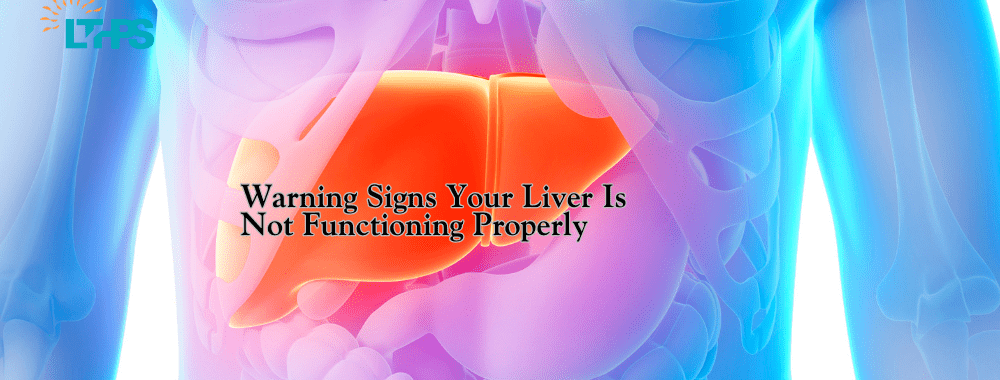
Warning Signs Your Liver Is Not Functioning Properly

Warning Signs Your Liver Is Not Functioning Properly

Introduction

Your liver is like the silent engine of your body—it works nonstop, day and night, without demanding attention. It cleans your blood, helps digest food, stores energy, and fights infections. But what happens when this hardworking organ starts to fail? The tricky part is that liver problems often begin quietly, without loud alarms.

Many people ignore early symptoms, thinking they’re just “normal tiredness” or “a small stomach issue.” But these warning signs are your body’s way of waving a red flag. Recognizing them early can save your liver—and even your life. Let’s break this down in simple words so you know exactly what to watch out for.


Your health matters. Listen to your body– your liver is counting on you.

Dr Neerav Goyal is the Best Liver Transplant Specialist with extensive experience.

Table of Contents

Sr# Headings
1 Understanding the Role of the Liver
2 Why Liver Problems Often Go Unnoticed
3 Constant Fatigue and Weakness
4 Loss of Appetite and Unexplained Weight Loss
5 Yellowing of Eyes and Skin (Jaundice)
6 Abdominal Pain and Swelling
7 Dark Urine and Pale Stool
8 Persistent Nausea and Vomiting
9 Easy Bruising and Bleeding
10 Itchy Skin Without a Rash
11 Swelling in Legs and Ankles
12 Mental Confusion and Memory Issues
13 Frequent Infections and Poor Immunity
14 When Liver Damage Becomes Serious
15 When to See a Liver Specialist

1. Understanding the Role of the Liver

Your liver is one of the largest and most important organs in your body. Think of it as a 24/7 cleaning factory. It removes toxins, processes nutrients, controls cholesterol, and helps your blood clot properly.

When the liver is healthy, you don’t feel it working. But once it’s damaged, multiple body systems start to suffer. That’s why liver disease doesn’t just affect digestion– it affects your entire body.

2. Why Liver Problems Often Go Unnoticed

Here’s the problem: the liver doesn’t complain early. Unlike a toothache or fever, liver damage builds slowly. Many people feel “slightly off” but continue daily life.

By the time clear symptoms appear, the condition may already be advanced. This is why awareness and early detection are crucial– and why knowing these warning signs matters so much.

3. Constant Fatigue and Weakness

Do you feel tired even after a full night’s sleep?
This isn’t just normal exhaustion.

Persistent fatigue is one of the earliest signs of liver trouble. When your liver can’t remove toxins efficiently, those toxins circulate in your blood, making you feel drained, sleepy, and weak all the time.

Key point: If rest doesn’t refresh you, your liver may be struggling.

4. Loss of Appetite and Unexplained Weight Loss

If food suddenly doesn’t interest you, pay attention.

A poorly functioning liver affects digestion and metabolism. You may feel full quickly, nauseous, or completely uninterested in eating. Over time, this leads to unintentional weight loss, which is never a good sign.

Key point: Sudden appetite changes without dieting deserve medical attention.

5. Yellowing of Eyes and Skin (Jaundice).

This is one of the most visible warning signs.

When the liver can’t process bilirubin (a yellow pigment in blood), it builds up, causing yellow eyes, yellow skin, and dark urine. This condition is called jaundice.

Key point: Yellowing is never normal– see a doctor immediately.

6. Abdominal Pain and Swelling.

Pain or heaviness on the upper right side of the abdomen can indicate liver inflammation.

In advanced cases, fluid may build up in the abdomen, causing visible swelling, also known as ascites. Your stomach may look bloated even if you’re not overeating.

Key point: Ongoing abdominal discomfort should not be ignored.

7. Dark Urine and Pale Stool.

Have you noticed your urine turning dark yellow or brown? Or your stool becoming pale or clay-colored?

These changes suggest bile flow problems, often linked to liver dysfunction.

Key point: Changes in urine or stool color are early warning signals.

8. Persistent Nausea and Vomiting.

Occasional nausea happens to everyone. But frequent nausea or vomiting could point to liver issues.

A damaged liver struggles to process waste, which irritates the digestive system.

Key point: Long-term digestive discomfort needs evaluation.

9. Easy Bruising and Bleeding.

Your liver produces proteins that help your blood clot.

When it’s not functioning properly, you may notice frequent nosebleeds, bleeding gums, or bruises appearing easily– even from minor bumps.

Key point: Easy bleeding can signal serious liver damage.

10. Itchy Skin Without a Rash.

Ever felt constant itching with no visible rash?

This happens when bile salts build up under the skin due to liver problems. The itching can be intense, especially at night.

Key point: Chronic itching without skin disease may be liver-related.

11. Swelling in Legs and Ankles.

A failing liver disrupts fluid balance in the body.

This can cause swelling in the feet, ankles, and legs, especially after standing for long periods.

Key point: Persistent swelling is not just a circulation issue.

12. Mental Confusion and Memory Issues.

Have you felt unusually confused, forgetful, or disoriented?

When toxins aren’t filtered properly, they reach the brain, causing hepatic encephalopathy. It may feel like brain fog or personality changes.

Key point: Mental changes can be a serious liver warning sign.

13. Frequent Infections and Poor Immunity.

The liver supports your immune system.

If you’re getting sick often or infections take longer to heal, your liver may not be supporting your body as it should.

Key point: Weak immunity can be linked to liver health.

14. When Liver Damage Becomes Serious.

If liver disease progresses, it can lead to cirrhosis or liver failure. At this stage, medications may not be enough.

In such cases, consulting the best liver transplant surgeon in India becomes critical. A timely liver transplant can restore quality of life and improve survival.

Key point: Advanced liver disease needs expert care without delay.

15. When to See a Liver Specialist.

Don’t wait for all symptoms to appear.

If you notice even two or three warning signs, it’s time to consult a liver specialist. Early diagnosis can prevent complications and avoid the need for transplant.

Key point: Early action saves lives.

Conclusion.

Your liver may be silent, but it’s constantly talking through signs and symptoms– you just need to listen. Ignoring early warnings is like ignoring smoke before a fire. The sooner you act, the better your chances of recovery.

If symptoms worsen or liver damage is advanced, seeking guidance from the best liver transplant surgeon in india can make all the difference. Your liver works hard for you every day– return the favor by taking care of it.

Frequently Asked Questions (FAQs).
1. What are the earliest signs of liver dysfunction?

Early signs include fatigue, loss of appetite, nausea, and dark urine.

2. Can liver problems occur without alcohol consumption?

Yes, fatty liver disease, infections, and medications can damage the liver even without alcohol.

3. Is liver damage reversible?

Early-stage liver damage can often be reversed with treatment and lifestyle changes.

4. When is a liver transplant required?

A transplant is needed when the liver fails and can not recover with medical treatment.

5. How do I choose the best liver transplant surgeon in india?

Look for experience, transplant success rates, hospital infrastructure, and patient outcomes.

Book an Appointment with Dr Neerav Goyal
 
For expert consultation or to discuss liver transplant options, reach out to Dr Neerav Goyal at:
 
📞 +91 8527516541
[email protected]


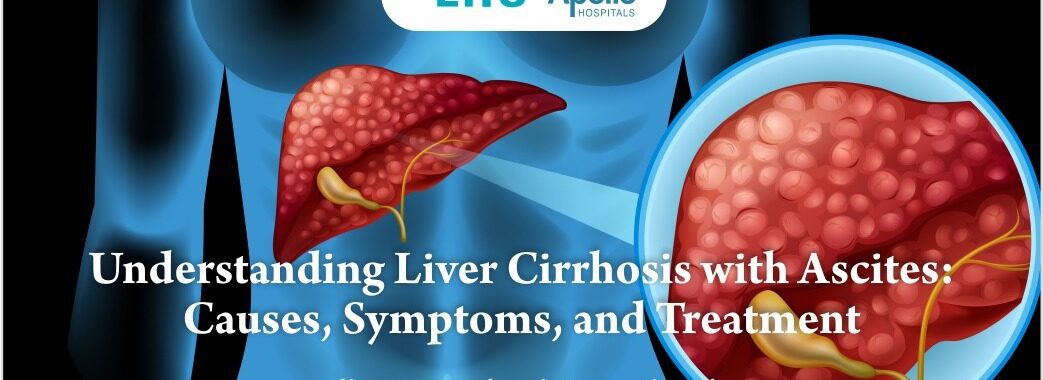
Liver Cirrhosis with Ascites: Causes, Symptoms, Treatment

Understanding Liver Cirrhosis with Ascites: Causes, Symptoms, and Treatment

Liver cirrhosis with ascites is a term you might have heard but may not fully understand. Imagine your liver as a sponge, efficiently filtering toxins from your body. What happens if that sponge starts hardening and swelling with water? That’s cirrhosis with ascites in a nutshell.

In this article, we’ll dive into the causes, symptoms, and treatment options for this condition. Most importantly, we’ll guide you in finding the best liver transplant surgeon in India when advanced care becomes necessary. Let’s get started.


Table of Contents

Sr# Headings
1 What is Liver Cirrhosis?
2 What is Ascites?
3 How Are Cirrhosis and Ascites Related?
4 Common Causes of Liver Cirrhosis with Ascites
5 Key Symptoms to Watch Out For
6 Diagnosing Liver Cirrhosis with Ascites
7 Why Timely Diagnosis Matters
8 Lifestyle Changes That Can Help
9 Medications for Cirrhosis with Ascites
10 When Is Liver Transplant Needed?
11 How to Choose the Best Liver Transplant Surgeon in India
12 Risks of Liver Transplant Surgery
13 Recovery After Liver Transplant
14 Preventing Cirrhosis and Ascites
15 Conclusion and Takeaway

1. What is Liver Cirrhosis?

Simply put, liver cirrhosis is when healthy liver tissue is gradually replaced by scar tissue. Think of it like a garden overrun by weeds– eventually, the healthy plants struggle to grow.

Your liver plays a huge role in detoxifying your body, producing proteins, and aiding digestion. But when scar tissue forms, these functions get severely impaired, affecting your overall health.

2. What is Ascites?

Ascites refers to the accumulation of fluid in the abdomen. Imagine filling a balloon with water– it keeps expanding. Similarly, fluid builds up in the space between your abdominal organs and the abdominal wall, causing swelling and discomfort.

Ascites commonly occurs in people with advanced liver disease, particularly cirrhosis.

3. How Are Cirrhosis and Ascites Related?

When the liver is scarred due to cirrhosis, it can no longer function properly. This leads to high pressure in the liver’s blood vessels– a condition called portal hypertension. As a result, fluid leaks from the liver into the abdomen, causing ascites.

Think of it like a blocked river. The pressure builds upstream, and water spills over the banks, flooding nearby areas.

4. Common Causes of Liver Cirrhosis with Ascites

  • Here are some major causes:
  • Chronic Alcohol Consumption: Excessive drinking damages liver cells over time.
  • Hepatitis B and C Infections: These viral infections inflame and damage liver tissue.
  • Non-Alcoholic Fatty Liver Disease (NAFLD): Fat accumulation due to obesity or diabetes leads to liver damage.
  • Autoimmune Hepatitis: The body attacks its own liver cells.
  • Genetic Disorders: Conditions like Wilson’s disease can cause cirrhosis.
  • Long-term Drug Use: Some medications may have liver-damaging side effects.

5. Key Symptoms to Watch Out For

  • Early Stages:
  • Fatigue and weakness
  • Loss of appetite
  • Mild abdominal discomfort
  • Advanced Stages (With Ascites):.
  • Noticeable abdominal swelling.
  • Shortness of breath.
  • Weight gain from fluid retention.
  • Nausea and vomiting.
  • Yellowing of skin and eyes (jaundice).
  • Swollen legs (edema).
  • If you notice any of these, it’s time to consult a doctor immediately.
  • 6. Diagnosing Liver Cirrhosis with Ascites.

Doctors use several tools for diagnosis:.

  • Physical Examination: Checking for swollen abdomen, jaundice, and tenderness.
  • Blood Tests: To evaluate liver function.
  • Ultrasound or CT Scan: Visualizes liver condition and fluid in the abdomen.
  • Paracentesis: A small needle removes abdominal fluid for analysis.
  • Liver Biopsy: Tissue sample helps confirm cirrhosis and its cause.

7. Why Timely Diagnosis Matters.

Diagnosing liver cirrhosis with ascites early improves treatment outcomes. Delay in treatment can lead to serious complications like infections (spontaneous bacterial peritonitis), kidney failure, or even liver cancer.

It’s like fixing a small leak in a dam early rather than dealing with a flood later.

8. ifestyle Changes That Can Help.L

  • While medical treatment is important, lifestyle changes are equally crucial:.
  • Limit Salt Intake: Too much salt worsens fluid retention.
  • Avoid Alcohol Completely: Even small amounts can accelerate liver damage.
  • Balanced Diet: Focus on protein, vitamins, and avoid fatty foods.
  • Exercise Regularly: Helps maintain a healthy weight and reduces fat buildup.
  • Stat Hydrated: Proper hydration helps liver function
  • 9. Medications for Cirrhosis with Ascites.

Doctors may prescribe:.

  • Diuretics (Water Pills): To reduce fluid buildup.
  • Beta-blockers: To reduce portal hypertension.
  • Antibiotics: If infection occurs in ascitic fluid.
  • Albumin Infusions: To help manage severe ascites.
  • These medications help control symptoms but do not cure cirrhosis.

10. When Is Liver Transplant Needed?

In cases where liver damage is too advanced, and the liver fails to function properly, a liver transplant becomes the only option.

Signs that transplant might be needed:.

Severe ascites not responding to treatment.

Hepatic encephalopathy (confusion, personality changes).

Bleeding from varices.

Recurrent infections.

This is a major decision and requires consultation with the best liver transplant surgeon in India.

11. How to Choose the Best Liver Transplant Surgeon in India.

Finding the best liver transplant surgeon in India is crucial for a successful outcome. Look for:.

Experience: Surgeons should have years of specialised experience in liver transplants.

Success Rates: High success and patient satisfaction rates.

Advanced Technology: Hospitals using cutting-edge surgical methods and equipment.

Post-Operative Care: Comprehensive after-surgery support system.

Patient Reviews: Positive testimonials and success stories.

Dr. Neerav Goyal and others are widely regarded among the top liver transplant surgeons in India.

12. Risks of Liver Transplant Surgery.

  • While liver transplants are life-saving, they come with risks:.
  • Infection.
  • Bleeding.
  • Rejection of the donor liver.
  • Blood clots.
  • Side effects from immunosuppressant medications.
  • However, expert surgeons minimize these risks with advanced techniques and thorough care.

13. Recovery After Liver Transplant.

  • Recovery involves:.
  • Hospital stay of about 2-3 weeks.
  • Strict medication schedule (especially immunosuppressants).
  • Regular follow-ups to monitor liver function.
  • Healthy diet and lifestyle changes.
  • Patients usually return to normal life within a few months if there are no complications.

14. Preventing Cirrhosis and Ascites.

Prevention is always better than cure. Here’s what you can do:.

Avoid excessive alcohol.

Get vaccinated against Hepatitis B.

Manage weight and diabetes.

Avoid risky behaviors that increase Hepatitis risk.

Regular liver check-ups if you have risk factors.

Think of your liver as your body’s natural filter. Keep it clean and healthy!

15. Conclusion and Takeaway.

Liver cirrhosis with ascites is a serious condition but manageable with early diagnosis and proper treatment. The key lies in lifestyle changes, medication, and when needed, liver transplant surgery performed by the best liver transplant surgeon in India. Don’t ignore the early warning signs. Your liver deserves care today for a healthier tomorrow.

  • FAQs.
  • 1. Can cirrhosis with ascites be completely cured?
    Cirrhosis can not be completely cured, but its symptoms can be managed, and liver transplant offers a new lease on life in severe cases.
  • 2. How dangerous is ascites in liver cirrhosis?
    Ascites can lead to severe discomfort, infections, and kidney failure if untreated, making it potentially life-threatening.
  • 3. How long can a person live with cirrhosis and ascites?
    Survival varies by individual, but with proper care, people can live several years. A liver transplant can significantly improve life expectancy.
  • 4. Is a liver transplant the only treatment for advanced cirrhosis?
    Yes, in advanced stages where medication and lifestyle changes fail, a liver transplant is the only definitive treatment.
  • 5. Why is choosing the best liver transplant surgeon in India important?
    Expertise ensures high success rates, lower complications, and proper post-operative care, which are crucial for long-term health.