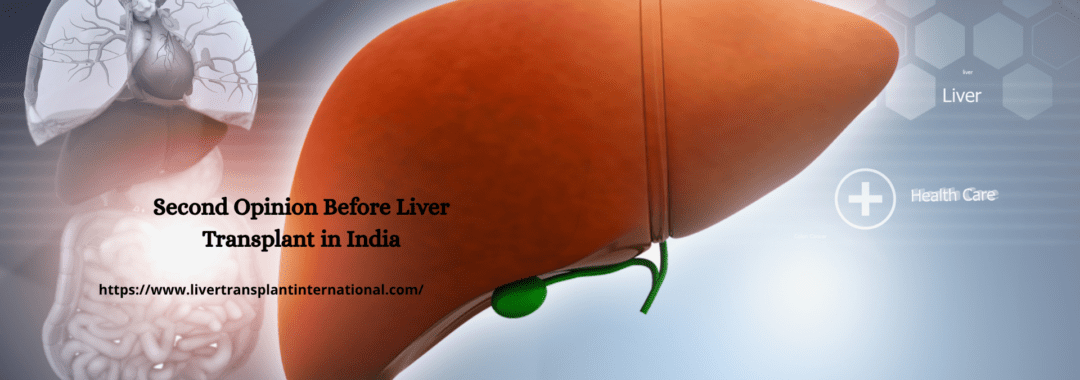
Second Opinion Before Liver Transplant in India

When a doctor tells you that you or your loved one may need a liver transplant, it can feel overwhelming. Suddenly, you are faced with difficult decisions, medical terms, financial concerns, and emotional stress. In such moments, many families ask an important question: Should we get a second opinion before moving forward with a liver transplant in India?

The simple answer is yes, in most cases, getting a second opinion is a smart and responsible step.

A liver transplant is a major surgery that can change — and save — a life. It is not like buying a shirt that can be exchanged later if it does not fit. Think of it like planning a long journey across a stormy sea. You would want more than one expert checking the map before you sail.

A second opinion can help confirm the diagnosis, explore treatment options, understand risks, and build confidence in your final decision. It can also help you choose the best liver transplant surgeon in India and the right hospital for treatment.
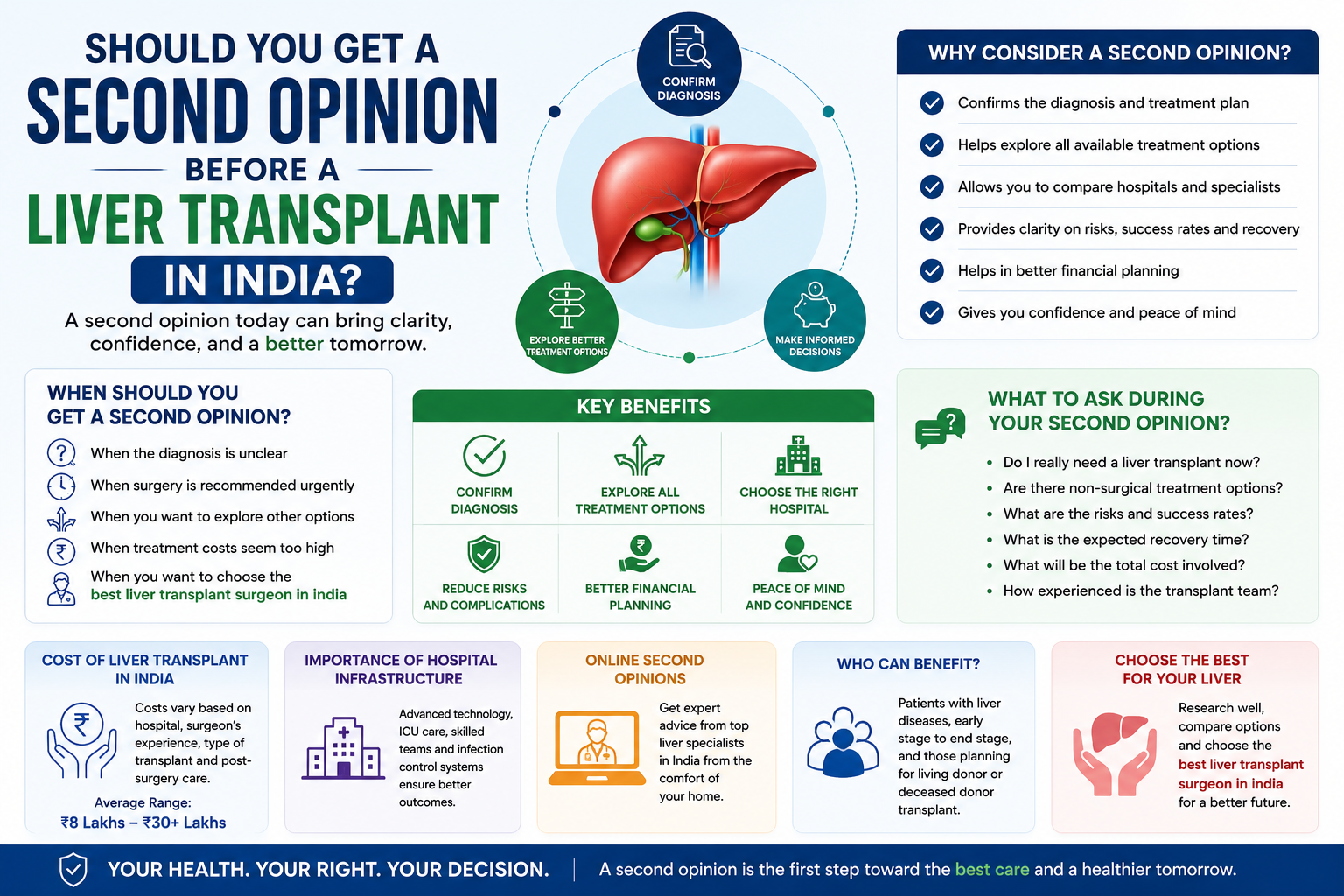
 

Second Opinion Before Liver Transplant in India


Table of Contents

Sr# Headings
1 What Is a Liver Transplant?
2 Why Do Patients Seek a Second Opinion?
3 Is Taking a Second Opinion Common in India?
4 Benefits of Getting a Second Opinion
5 Can a Second Opinion Change the Diagnosis?
6 Understanding the Risks of Liver Transplant
7 How to Choose the Right Liver Transplant Specialist
8 Questions You Should Ask During the Second Opinion
9 When Should You Get a Second Opinion?
10 Does a Second Opinion Delay Treatment?
11 Cost of Liver Transplant in India
12 Importance of Hospital Infrastructure
13 Emotional Support for Patients and Families
14 Online Second Opinions in India
15 Final Thoughts Before Making a Decision

1. What Is a Liver Transplant?

An organ transplantation is an operation that involves the repair of the liver that is damaged or failing is replaced by an organ that is healthy from the donor. It is typically recommended if the liver has stopped being able to work properly.

Common causes for liver transplantation are:

  • Liver cirrhosis
  • Affatty liver disease
  • Hepatitis B or C
  • The alcohol-related liver diseases
  • Liver cancer
  • Acute liver failure
  • Genetic liver disorders

India is now one of the most popular destinations for liver transplants due to the advancement of medical technology, experienced experts, and relatively low prices.

However, because the process is complex, families usually need to be reassured prior to making a final decision.

2. Why Do Patients Seek a Second Opinion?

Many people seek out a second opinion because they need certainty and clarity.

Imagine being told the news that you’re liver has failed and surgery is urgently required. Naturally, you’ll wonder:

  • Does transplantation really be the only option?
  • Are there other treatments available?
  • How severe is the problem?
  • What are the chances of survival?
  • Which hospital is the best?

An additional opinion is helpful in answering these questions.

Sometimes, patients require confirmation that the treatment plan is right. In other instances, they would like to evaluate different hospitals and doctors prior to selecting the most suitable liver transplant surgeon in India..

3. Is Taking a Second Opinion Common in India?

It is indeed becoming more popular.

Patients are now more educated than they have ever been. Families usually have a consultation with three or more experts before making a final decision on major surgery.

In India the country, top liver transplant centers are encouraging patients to inquire about their treatment options and make sure they understand the options for treatment. Doctors who are good at their job usually appreciate second opinions as it makes patients feel more confident and educated.

Getting a second opinion from a doctor isn’t disrespectful. In fact, it shows you are actively engaged in your journey to health.

4. Benefits of Getting a Second Opinion

Better Understanding of the Disease

A second doctor may be able to explain the issue in a more simple and specific way. This could help decrease anxiety and confusion.

Confirmation of Treatment Plan

Sometimes the two doctors can agree about the treatment. This can give tranquility.

Exploring Alternative Treatments

Not all patients require the procedure of a transplant. Certain patients may benefit from medication and lifestyle modifications, or other procedures prior to when surgery becomes required.

Comparing Hospitals and Expertise

Different hospitals might offer different services, techniques and post-operative programs.

Financial Planning

The procedure for a liver transplant is costly. A second opinion can help families to compare costs and make educated financial decisions.

5. Can a Second Opinion Change the Diagnosis?

In some instances, yes.

There are instances where the patient is initially advised that they need a transplant urgently however, another doctor might suggest waiting, further tests or alternative treatment options.

For instance:

  • An infection in the liver can improve by treatment
  • Certain types of tumors might be treatable without transplant
  • Certain liver disorders can be stabilized temporarily

It doesn’t mean that the doctor who first recommended it was incorrect. Medicine is complicated and different doctors could use different methods.

It is for this reason that consulting with a more expert doctor may prove beneficial.

6. Understanding the Risks of Liver Transplant

A liver transplant may save lives but it also has risks.

A few possible issues include:

  • Infection
  • Bleeding
  • Organ rejection
  • Problems with blood clotting
  • Drugs can cause side effects.
  • Long recovery time

A second opinion can help patients better understand these risks.

Do not rush into surgery without fully understanding the advantages and risks involved.

7. How to Choose the Right Liver Transplant Specialist

Finding the right expert is among the most crucial decisions you’ll make.

Here are some suggestions to think about:

Experience Matters

Find doctors who have completed numerous successfully liver transplants.

Hospital Reputation

The top hospitals generally have the most advanced ICUs with experienced nurses and emergency support systems.

Patient Reviews

The patient’s experiences can give valuable information.

Communication Style

A reputable doctor listens attentively listens attentively, clarifies his explanations and is able to answer questions in a timely manner.

If you are looking for the most effective liver transplant surgeon in India do not just focus on their popularity, but also competence in transparency, honesty, and patient care.

8. Questions You Should Ask During the Second Opinion

Before meeting with another specialist, make the list of questions you’ll need.

The most important ones are:

  • Do I need to get an organ transplant right now?
  • What happens if i wait?
  • Are there alternatives to non-surgical treatments?
  • What are the rates of survival?
  • How long will the recovery take?
  • What lifestyle changes are needed?
  • How knowledgeable is the team that performs transplants?
  • Which are the overall expenses that are involved?

The right to ask questions is yours as an individual patient.

9. When Should You Get a Second Opinion?

The ideal time to do this is prior to completing the surgery.

You should seriously consider another opinion in the following situations:

  • The diagnosis isn’t clear.
  • Surgery is rushed and uncomfortable
  • You’re uncomfortable with the explanation.
  • The treatment costs are uncharacteristically high.
  • You’d like to evaluate hospitals
  • You are concerned about the experience of your doctor

However, in situations of emergency like sudden liver failure there is a possibility of the time to act. In these situations, swift decisions may be required.

10. Does a Second Opinion Delay Treatment?

Many people are concerned about the possibility of seeking an opinion from a different source. take up a lot of time.

In reality, many second opinions can be scheduled fast, particularly in the most renowned hospitals in India. Some hospitals even provide online consultations within a couple of days.

A few minutes to verify the impact of a decision can be worth it.

However, patients suffering from severe liver problems should not delay treatment indefinitely. It is crucial to maintain a healthy balance.

11. Cost of Liver Transplant in India

The cost of a liver transplant operation in India is contingent upon:

  • Hospital Location
  • Expertise of the doctor
  • The type of transplant
  • ICU stay duration
  • Post-surgery complications

In the average, the costs for liver transplants in India can vary from several thousands to over thirty thousands of rupees.

An additional opinion can aid families:

  • Compare treatments packages
  • Understand hidden expenses
  • Look into the insurance coverage
  • Evaluate affordability

Certain hospitals also offer financial counseling and support services.

12. Importance of Hospital Infrastructure

Even the best surgeon requires a solid support system.

A liver transplant requires:

  • Advanced theaters for operation
  • Anesthesiologists with expertise
  • Modern ICUs
  • Systems to control infections
  • Emergency care facilities
  • Teams of nurses with years of experience

Consider a transplant in the same way as an entire cricket team. One batsman can’t be a winner in every game. Every member of the team is important.

When deciding on the most suitable liver transplant surgeon in India be sure to look at the infrastructure of the hospital and its transplant support services.

13. Emotional Support for Patients and Families

Transplanting the liver is not just physically demanding, but it can be emotionally exhausting as well.

Patients might be afflicted by:

  • Fear
  • Anxiety
  • Depression
  • Uncertainty over the future

Family members are also subject to stress and emotional stress.

A second opinion can help alleviate anxiety since it gives confidence and clarity.

Numerous hospitals now provide:

  • Services for counseling
  • Diet guidance
  • Support groups
  • Support for the psychological

The emotional aspect of care is equally important to medical care.

14. Online Second Opinions in India

Technology has made second opinions more accessible than ever before.

Today, a lot of leading liver experts in India provide consultations online. Patients are able to upload scans, reports, as well as test results online.

This is especially beneficial to:

  • Patients in cities with smaller populations
  • International patients
  • Older patients
  • People who are critically ill

Online consultations reduce the time of travel and allows families to communicate with experts in the comfort of their own homes.

But, be sure to select reputable hospitals and certified doctors.

15. Final Thoughts Before Making a Decision

Transplanting your liver is among the most significant medical decisions that one can make. It can affect your finances, health emotions, and your life style.

The fact that you seek a second opinion does not mean that you are averse to your physician. It’s a sign you care enough that you can make the best decision.

In most cases the second opinion will confirm the initial suggestion. In other cases it might offer alternative treatment options or more effective strategies.

Most important is to be secure, informed and at ease before you move ahead.

Spend time and ask questions, evaluate choices, and then choose the most suitable liver transplant surgeons in India by evaluating experience as well as trust, transparency and support from the hospital.

Your health journey requires attention to detail and not hasty decisions.

Conclusion

The decision to have the procedure of a liver transplant can be an important decision that can change your life. While it can provide an opportunity to relive your life and give you the chance to live again but it is crucial to be aware of your medical condition treatments, options for treatment, risk factors, and long-term medical requirements.

A second opinion prior to an organ transplantation in India is usually a smart move that could bring clarity, certainty, and a sense of security. It helps patients and their families to make informed decisions and pick the appropriate medical team to take the next step.

Make sure you are making informed choices that result in better results. When a second opinion supports the initial advice or provides new perspectives and enables you to make decisions with more confidence and faith.

FAQs

1. Do you need to get an additional opinion prior to undergoing an organ transplant?

Yes, getting a second opinion is totally secure and is often suggested for major surgeries such as liver transplants.

2. Do second opinions aid in reducing the cost of a liver transplant?

Yes, it’s possible to evaluate treatment plans, hospitals as well as financial options prior to making a decision.

3. Where can I find the most effective liver transplant specialist in india?

Consider experiences, success rates and hospital reputation, as well as feedback from patients and communication style prior to choosing the right specialist.

4. Are online consultations a good option to get second opinions?

Yes, a lot of the top hospitals in India provide online second opinions based on digital medical scans and reports.

5. Do insurance policies offer second opinions in case of liver transplants?

Certain insurance providers will provide reimbursement for consultation expenses, however the coverage is contingent on the specific terms of the insurance policy.


Understanding Liver Fibrosis and Scar Tissue Progression

Understanding Liver Fibrosis and Scar Tissue Progression


Your liver is among the most demanding organs of your body. It removes toxins, aids in digestive function, and stores nutrition and aids in maintaining general health. But what happens when your liver begins to develop scar tissue as time passes? This is known as the liver fibrosis and can slowly progress, without any obvious warning indicators.

Imagine your liver as it’s a sponge. Healthy sponges are soft and flexible, and efficient. However, if you damage it repeatedly it, it becomes rigid and hard. Liver fibrosis functions similarly. The constant trauma to the liver causes scar tissue to grow and makes it hard for your liver’s function to be normally.

The positive side? Liver fibrosis is often controlled, slowed down and even reversed if it is detected early. Knowing the symptoms can allow you to safeguard your liver and prevent serious complications such as cirrhosis or liver failure.

Understand liver fibrosis, scar tissue progression, symptoms, diagnosis, and treatment options. Learn when to consult the best liver transplant surgeon in india for advanced liver care and better long-term health outcomes.

1. What Is Liver Fibrosis?

The condition known as liver fibrosis is the growth of scar tissue in the liver as a result of frequent injury or inflammation. The liver attempts to heal itself following injury however, over time this process of healing creates fibrous tissue.

Scar tissue isn’t like the healthy tissue of your liver. It restricts blood flow and can interfere with normal function of the liver. If fibrosis is persistent for long periods it could eventually cause the condition known as cirrhosis which is an advanced form of and irreparable liver scarring.

Fibrosis by itself isn’t an illness. It is instead the result of liver damage due to alcohol, infections and fatty liver disease or other ailments.

2. How Scar Tissue Forms in the Liver

When the liver is damaged the liver’s cells are activated for repair. In this process collagen and other fibers accumulate within the liver.

The liver will continue to function normally despite small scarring. However, repeated trauma creates scar tissue. The healthy liver structure gets deformed.

Imagine patching up cracks repeatedly in the wall. After some repairs it is will no longer look or function in the same way. It’s similar to the way fibrosis alters the liver over time.

3. Common Causes of Liver Fibrosis

A variety of health issues and lifestyle choices can harm the liver, causing the development of fibrosis.

Chronic Hepatitis B and C

Viral Hepatitis can cause chronic inflammation that eventually causes scarring of the liver.

Fatty Liver Disease

Non-alcoholic fat liver illness (NAFLD) becomes more prevalent due to diabetes, obesity and a inadequate diet.

Alcohol-Related Liver Disease

The consumption of alcohol is among of the most common reasons for liver problems in the world.

Autoimmune Liver Diseases

Sometimes, the body’s immune system targets liver cells through making a mistake.

Certain Medications and Toxins

Exposure to chemicals that are harmful for long periods or the misuse of medications can harm the liver.

Genetic Disorders

The inherited conditions like hemochromatosis and Wilson’s disease can be a contributing factor to fibrosis.

4. Stages of Liver Fibrosis

Doctors typically classify fibrosis in stages that range from F0 up to F4.

Stage Description
F0 No Fibrosis
F1 Scarring that is mild
F2 Moderate Fibrosis
F3 Fibrosis severe
F4 Cirrhosis

The higher the level the stage, the more damage to the liver.

Why Staging Matters

Knowing the stage can help doctors choose the most appropriate treatment strategy and track the progress of the disease.

5. Early Warning Signs and Symptoms

One of the most difficult issues in liver fibrosis often it does not cause any symptoms until the beginning stages.

As the condition deteriorates the possibility of:

  • Fatigue
  • Weakness
  • Appetit loss
  • Nausea
  • Abdominal discomfort
  • Unexplained loss of weight

Acute fibrosis or cirrhosis could result in:

  • Jaundice
  • Leg swelling
  • Fluid accumulation inside the abdomen
  • Confusion
  • Easy bruising

Since symptoms can develop late due to the fact that symptoms may not be apparent until later, regular health checks are crucial for those who are who are at high risk.

6. How Doctors Diagnose Liver Fibrosis

A variety of tests can help determine if you have the presence of liver fibrosis. There are several tests that can help identify liver.

Blood Tests

Tests for liver function may identify liver damage or inflammation.

Imaging Tests

Ultrasounds, CT scans, and MRI scans are used to evaluate the liver structure.

FibroScan

This test, which is painless, determines stiffness in the liver. It is widely used today.

Liver Biopsy

In some instances doctors will remove a tiny tissue sample to conduct a thorough exam.

The early diagnosis lets doctors begin treatment before serious damage is caused.

7. Can Liver Fibrosis Be Reversed?

This is among the most frequent questions people are asked.

The good news is that Early-stage liver fibrosis in the beginning can occasionally improve or even reverse when the root causes are addressed.

For instance:

  • The cessation of alcohol consumption can aid in healing the liver.
  • The treatment of hepatitis infections can help reduce inflammation.
  • Losing weight can help aid in the treatment of the severity of fatty liver disease.

However advanced fibrosis and cirrhosis are harder for a complete reverse.

8. Treatment Options for Liver Fibrosis

There is no one medicine that can completely treat liver fibrosis However, many treatments may stop or slow the progression.

Treating the Underlying Cause

Doctors are focused on treating the conditions that cause liver damage.

Examples Include:

  • Antiviral medications for Hepatitis
  • Management of diabetes
  • Weight loss
  • Beware of the consumption of alcohol

Medications

Certain medicines can reduce inflammation and safeguard liver cells.

Regular Monitoring

Patients frequently require routine blood tests and scans to monitor liver health.

Advanced Care

Patients with severe liver diseases might require specialized care by the top liver transplant surgeons in India in the event that liver function decreases dramatically.

9. Lifestyle Changes That Support Liver Health

A healthy lifestyle can have a significant impact on.

Eat a Balanced Diet

Concentrate on:

  • Fruits and vegetables
  • Whole grains
  • Lean protein
  • Healthy fats

Avoid:

  • Foods processed for processing
  • Drinks with sugary substances
  • Salt in excess

Maintain a Healthy Weight

Obesity can increase the risk of developing fatty liver disease.

Avoid Alcohol

Even tiny amounts of alcohol can cause the damage to the liver in certain patients.

Exercise Regularly

Physical activity can improve the metabolic rate and reduce fat in the liver.

Stay Hydrated

Drinking enough fluids can improve the overall health of your body.

10. The Link Between Fibrosis and Cirrhosis

It is not the case that everyone who has fibrosis develops cirrhosis. However, chronic liver damage can raise the chance.

Cirrhosis is a condition that occurs when scar tissue grows and permanently interferes with the liver’s function.

The complications could include:

  • Internal bleeding
  • Infections
  • Liver failure
  • Hypertension at the portal

The the treatment is focused on preventing the development of complications while preserving the remaining liver function.

11. Liver Fibrosis and Liver Cancer Risk

The presence of advanced fibrosis and cirrhosis increases the risk of developing liver cancer.

People suffering from chronic hepatitis and cirrhosis usually require regular screening tests like:

  • Ultrasounds
  • AFP blood tests
  • The MRI scans

Early detection significantly improves the chance of success in treatment.

12. When Is a Liver Transplant Needed?

A liver transplant can be essential if the liver is unable to no longer fulfill its essential duties.

Signs That a Transplant May Be Required

  • Cirrhosis severe
  • Recurring fluid buildup
  • Liver failure
  • Liver cancer in certain instances

Selecting a reputable medical team is crucial. A lot of patients seek advice from the top liver transplant surgeons in India to receive the most advanced treatment and evaluation of transplants.

India is now a renowned location for liver transplants due to highly skilled surgeons and modern medical infrastructure.

13. Importance of Early Detection

Early detection is a great way to increase the chances of success.

The most at-risk people need to have regular liver checks for the following reasons:

  • Hepatitis-infected people
  • People suffering from diabetes
  • Heavy alcohol users
  • Patients with obesity or the fatty liver disease

The early detection of fibrosis can keep liver damage from becoming irreparable.

14. Tips to Prevent Liver Fibrosis

It is better to prevent than cure.

Get Vaccinated

Hepatitis vaccinations A and B to protect the liver.

Practice Safe Hygiene

Be wary of sharing needles or personal items that can transmit infections.

Limit Alcohol Intake

The reduction in alcohol consumption reduces stress on the liver.

Control Diabetes and Cholesterol

Monitoring metabolic health can protect the liver.

Avoid Self-Medication

Certain medicines and supplements may harm the liver when used incorrectly.

Schedule Regular Health Checkups

Monitoring routinely helps to identify issues before they get more serious.

15. Final Thoughts

Liver fibrosis can sound scary but knowing the cause can be the initial step to safeguarding your health. The liver is extremely resilient and is able to heal provided the right care.

The most important thing is to take action as soon as possible. If the reason is the hepatitis virus, fatty liver disease or alcohol consumption, or other condition, prompt treatment may slow or reverse liver damage in a lot of instances.

If you or someone close to you is suffering from liver issues for a long time Do not overlook the warning indicators. Seek out a specialist who is qualified and adhere to a healthy life style, and seek professional assistance when required. For more serious cases, contacting the top liver transplant surgeons in India will help patients consider the best options for life-saving treatments and enhance the long-term outcome.

FAQs

1. What is the primary reason for liver fibrosis?

The most frequent causes are the hepatitis infection as well as fatty liver disease. excessive alcohol consumption and chronic inflammation of the liver.

2. Does liver fibrosis disappear completely?

Early-stage fibrosis can be reversed or improved when the causes are treated promptly.

3. Is liver fibrosis the exact same as cirrhosis?

No. Fibrosis can be characterized as mild or early scarring, while cirrhosis can be severe and has extensive liver damage.

4. How long will the progression of liver fibrosis last?

The course of treatment varies from one person to the next individual. Certain people will have severe fibrosis before the age of but others can require several decades.

5. When should one consult a specialist in the field of liver?

Anyone who has chronic liver problems, hepatitis the fatty liver disease and abnormal tests for the liver, should seek out a doctor for a medical evaluation.

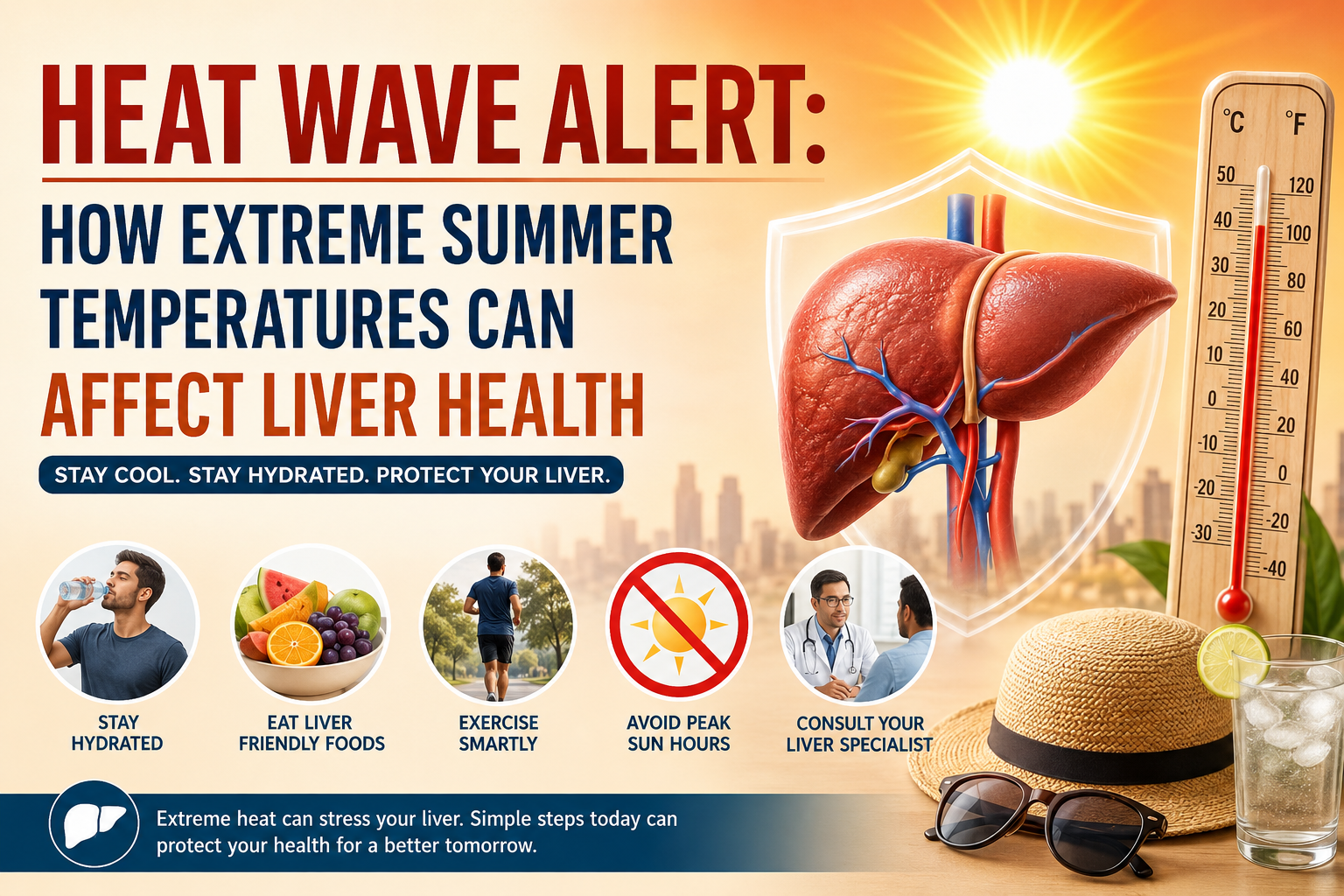
Heat Wave Alert: Summer Heat and Liver Health Risks

Heat Wave Alert: Summer Heat and Liver Health Risks

Summer heat can be exhausting for most people. If temperatures get too much your body can be afflicted with more than only discomfort. The heat waves can cause serious harm to vital organs, like the liver. The majority of people think of dehydration, heatstroke or skin issues when it gets hot, but only a few people are aware that extreme heat could put a lot of stress on the liver.

Imagine your liver as it’s “chemical factory.” It operates throughout the day and night to cleanse the body of toxins, process nutrients as well as balance hormones and aid digestion. When it’s hot the liver’s factory must perform at a high level. If your body loses too much fluid or is suffering due to heat stress, the liver function may be disrupted.

In recent times, India and many other countries have faced prolonged and intense heat wave. This has caused concern with doctors, particularly for those suffering from Hepatitis, fatty liver disease liver cirrhosis or people recovering from a liver transplant. Knowing the relationship between heat and health of the liver will help you safeguard your family and friends in extreme summer temperatures.

Protect your liver during heat waves with hydration, healthy habits, and expert advice from the best liver transplant surgeon in India.

best liver transplant surgeon in india

1. Understanding Heat Waves

What Is a Heat Wave?

It is an event with unusually high temperatures which lasts for a number of days. In a lot of parts of India temperatures can exceed 45 degrees Celsius during summer peak times. The high humidity can make the situation even more challenging because sweat is unable to evaporate as efficiently.

They aren’t just uncomfortable. They could be dangerous in a short time. The body is unable to cool itself down, leading to dehydration, weakness dizziness and, in some cases, life-threatening issues.

Why Heat Waves Are Becoming More Common

Urban heat, climate change and pollution from the environment are contributing to the rise in temperatures across the globe. Cities that have a lot of buildings and more greenery tend to hold heat like an oven.

As heat waves increase in frequency the need to be aware of their effects to internal organs and systems, particularly the liver is crucial.

2. Why the Liver Is Important

The liver is among the most demanding organs of the human body. It performs over 500 vital functions each day.

Major Functions of the Liver

Eliminates toxins from blood
Helps digest fats
Vitamins and minerals are stored in the storage area
Controls blood sugar levels
Produces proteins to aid in blood for clotting
Helps to strengthen resistance

If the liver is not healthy, the body is unable to function. In extreme temperatures the liver can become overloaded due to the fact that the body is stressed.

3. How Heat Affects the Human Body

The Body’s Cooling System

When temperatures increase then the body is forced to cool itself by sweating. The blood vessels are enlarged to let heat escape via the skin. This process requires enough electrolytes and fluids.

If the body is losing enough water, organs start to become weak.

What Happens During Extreme Heat?

When there is a heat wave there are a variety of things that can occur:

Heavy sweating
Minerals and sodium are lost due to the loss of sodium
Heart rate increases
A decrease in blood flow to organs
The weakness and fatigue of the body

The liver might not get sufficient oxygen-rich blood, which can lead to injury or stress.

4. The Connection Between Heat and Liver Health

Can Heat Really Damage the Liver?

Yes, extreme heat can affect liver function. Research has shown that extreme heatstroke and dehydration can result in liver inflammation or even injury to the liver.

If the body temperature is too high, the liver cells can be damaged. In extreme instances acute liver failure may occur.

Why the Liver Becomes Vulnerable

The liver is dependent on a the health of blood circulation. The effects of heat stress decrease the fluid levels and also thickens blood making it difficult for nutrients and oxygen to reach the liver.

Imagine operating an industrial facility during the event of a power outage. The machines will slow down, overheat and struggle to operate effectively. Similar to the way that liver cells react when it is in extreme temperatures.

5. Dehydration and Liver Stress

How Dehydration Affects the Liver

Dehydration is among the most serious risks during the summer months. When your body isn’t getting enough fluids:

Blood flow is reduced
Toxin removal slows down
The balance of electrolytes is disturbed
Liver metabolism weakens

This can exacerbate existing liver issues.

Symptoms of Dehydration

Be on the lookout for these warning indications:

Dry mouth
Urine that is dark
Extreme thirst
Headache
Muscle cramps
Fatigue
Confusion

Many people ignore the slight dehydration until it turns serious.

6. Heat Exhaustion vs Heatstroke

Heat Exhaustion

It happens because the body has lost excess salt and water.

Common Symptoms

Heavy sweating
Weakness
Nausea
Dizziness
Rapid heartbeat

If treated early, with fluids and rest the recovery will usually be fast.

Heatstroke

The medical emergency of heatstroke is. The body temperature can reach 40degC.

Symptoms of Heatstroke

Confusion
Fainting
Dry and hot skin
Seizures
Breathing difficulties

The effects of heatstroke could be devastating to the kidneys, liver, and even the brain.

7. Fatty Liver Disease During Summer

Why Fatty Liver Patients Need Extra Care

Patients suffering from the condition of fatty liver may already be suffering from inflammation in the liver. Heat extremes can cause worsening of the condition by putting more the stress over the human body.

Common Summer Triggers

Sweet cold drinks
Alcohol consumption
Fast food that is oily and greasy
Inactivity and lack of exercise
Dehydration

These lifestyles can cause the amount of fat in your liver.

How to Stay Safe

Make sure you drink enough water
Consume fresh fruits and vegetables
Beware of eating too many fried items
Limit the consumption of sugary drinks
Exercise during cooler hours

8. Risks for Liver Cirrhosis Patients

Why Cirrhosis Patients Are More Vulnerable

Liver cirrhosis affects the liver’s capacity to function normally. When the weather is hot patients with cirrhosis may have difficulty to keep their fluid levels in check.

Many patients already use medications such as diuretics, which may increase the risk of dehydration.

Possible Complications

Low blood pressure
Kidney issues
Confusion due to ammonia levels that are high levels
Swelling of the abdomen and legs

The doctors often advise patients suffering from cirrhosis to stay clear of direct sunlight and keep hydrated throughout heat waves.

9. Heat Wave Risks After Liver Transplant

Special Care After Liver Transplant Surgery

Patients recovering from liver transplant surgery require additional protection in the summer months. The immune system of these patients may be weakened due to the anti-rejection medications.

Extreme heat can raise the chance of getting infections and dehydration.

Important Summer Precautions

Avoid outdoor exposure during afternoon hours
Drink safe, clean water
Wear loose cotton clothes
Be sure to follow the medication schedules
Make sure you attend regular follow-up appointments

Referring to the most reputable liver transplant specialist in India will allow patients undergoing a transplant to receive individualized summer care advice.

10. Warning Signs You Should Never Ignore

Symptoms That Need Immediate Medical Attention

Seek medical help if you experience:

Eyes or skin are yellowing
Severe vomiting
High fever
Mental confusion
Trouble staying awake
Extreme abdominal pain
The reduction in urine

These symptoms could indicate the presence of a serious stress on the liver or heat-related problems.

11. Foods and Drinks That Protect the Liver

Hydrating Foods for Summer

Certain foods can help keep the body cool and hydrated.

Best Summer Foods

Watermelon
Cucumber
Coconut water
Oranges
Muskmelon
Leafy vegetables

Drinks That Support Liver Health

Lemon water
Buttermilk
Fresh fruit juices
Coconut water

Avoid drinking excessive soft drinks and alcohol as they can cause dehydration to worsen.

12. Summer Lifestyle Tips for Better Liver Health

Simple Daily Habits Matter

Protecting your liver during summer does not require complicated changes.

Helpful Tips

Drink water frequently even if not thirsty
Keep cool during peak heat hours
Wear light-colored clothes
Wear sunscreen and hats when outdoors
Sleep well
Reduce alcohol intake
Do not eat too much or a lot of heavy meals

Exercise Smartly

Exercise is vital however, avoid intense workouts during extreme heat. Morning or evening walks are better during summer.

13. Who Is at Higher Risk During Heat Waves

Certain groups are more prone to complications related to heat in the liver.

High-Risk Groups Include

People who are elderly
Children
Outdoor workers
People suffering from liver disease
Alcohol users
Obese people
Diabetic patients
Transplant recipients of the liver

They should be extra vigilant in the event of heat alerts.

14. When to See a Doctor

Do Not Ignore Persistent Symptoms

If the symptoms of nausea, fatigue or jaundice persist for a long time an evaluation by a doctor is necessary.

Doctors can recommend:

Liver test its function
Hydration therapy
Adjustments to medication
Dietary changes

Early detection can avoid serious complications.

Choosing the Right Specialist

For serious liver issues seeking the advice of a knowledgeable liver specialist is vital. Patients suffering from serious liver diseases or issues related to transplants typically search for the most experienced liver transplant surgeons in India for advice from a professional as well as treatment alternatives.

15. Final Thoughts

They are more than just a minor nuisance. They can cause significant strain on the liver, and aggravate existing liver issues. From dehydration to heatstroke extreme temperatures can alter the way that the liver functions and the body’s ability to recover from the effects of illness.

The positive side is that a few steps can make a big difference. Being hydrated, eating healthful food choices, avoiding extreme heat exposure, and seeking prompt medical treatment are all effective methods to ensure the liver from damage during the summer.

Your liver performs a gruelling job every day to ensure your health. When temperatures are extremely hot you should give it a little more care and attention.

FAQs

1. Does the hot summer weather impact the function of the liver?

Yes excessive heat as well as dehydration could hinder circulation to the liver and make it more likely for injuries or stress.

2. Do you think dehydration is a risk for people who suffer from liver disease?

Absolutely. Dehydration can cause liver-related complications to worsen particularly in those with the liver disease fatty or cirrhosis.

3. What are the symptoms of liver issues related to heat?

The symptoms can include nausea, fatigue and confusion. Other symptoms include jaundice, fatigue as well as weakness and dehydration.

4. How can patients who have had a liver transplant remain safe in the heat of summer?

It is important to be hydrated, stay away from direct sunlight, adhere to the correct dosage, and keep regular medical check-ups.

5. What is the best time to consult an expert in liver disease during the heatwave?

It is recommended to seek medical attention for frequent vomiting, jaundice, extreme weakness, confusion or decreased urination in extreme temperatures.


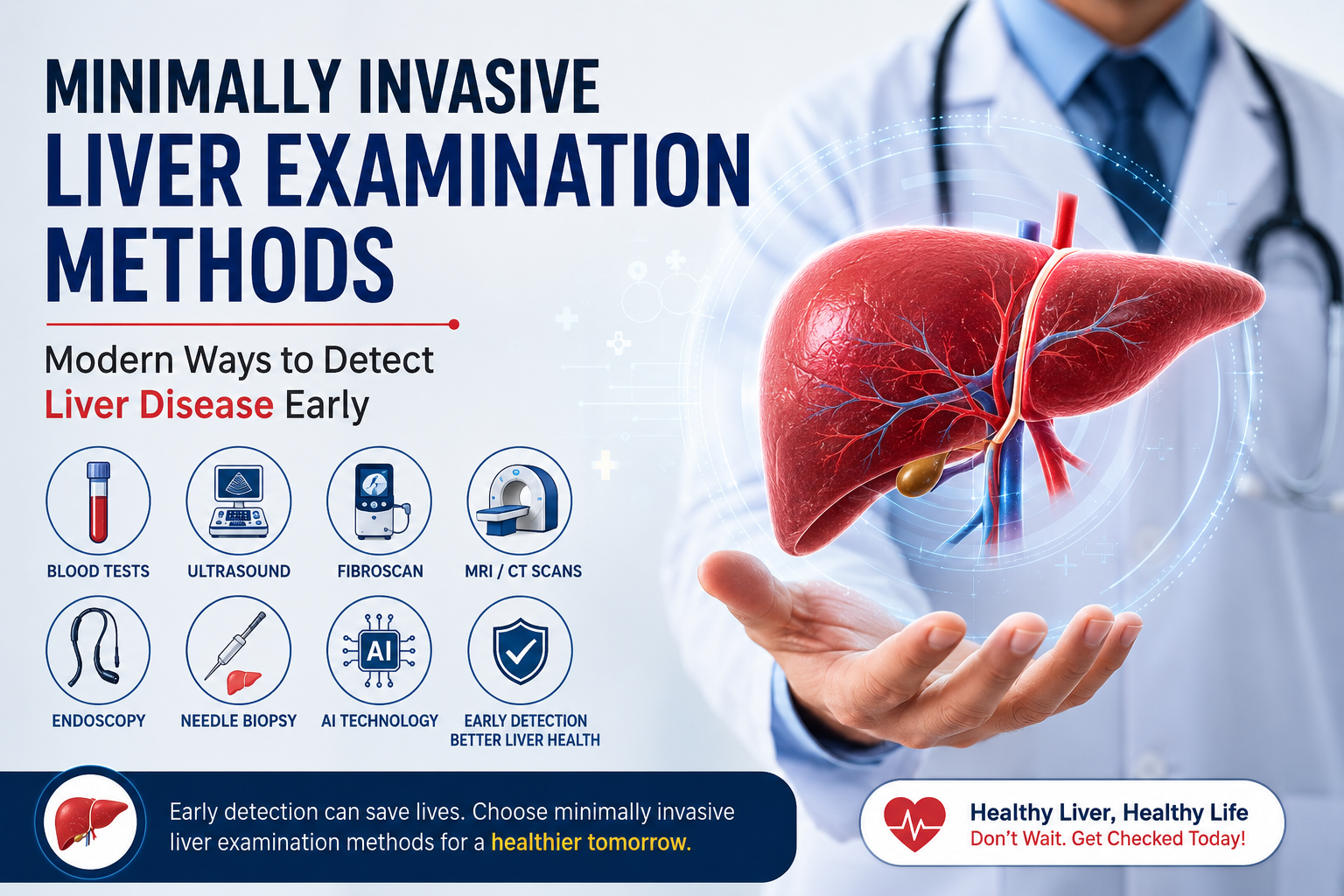
Minimally Invasive Liver Examination Methods: Modern Ways to Detect Liver Disease Early

The liver is one of the hardest-working organs in the human body. It filters toxins, stores energy, supports digestion, and helps fight infections. Yet, many people don’t realize their liver is in trouble until serious damage has already occurred. That’s because liver disease often develops silently, without clear symptoms in the early stages.

Thankfully, modern medicine has changed the way doctors examine liver health. Gone are the days when painful surgical procedures were the only option. Today, minimally invasive liver examination methods allow doctors to detect liver disease early, quickly, and with much less discomfort.

Think of it like servicing a car before the engine breaks down completely. Early liver testing helps doctors find problems before they become severe. This is especially important for conditions like fatty liver disease, hepatitis, cirrhosis, and liver cancer.

In this article, we’ll explore the latest minimally invasive liver examination methods, how they work, who needs them, and why early diagnosis can save lives. We’ll also discuss the importance of consulting the best liver transplant surgeon in India when advanced liver care is needed.


Table of Contents

Sr# Headings
1 Understanding the Importance of Liver Health
2 Why Early Detection of Liver Disease Matters
3 What Are Minimally Invasive Liver Examination Methods?
4 Blood Tests for Liver Health
5 Ultrasound and Advanced Liver Imaging
6 FibroScan: A Breakthrough in Liver Testing
7 MRI and CT Scans for Liver Diagnosis
8 Endoscopic Examination of the Liver
9 Needle Biopsy: Less Painful Than Before
10 AI and Digital Technology in Liver Diagnosis
11 Who Should Get Liver Screening?
12 Benefits of Minimally Invasive Liver Examination
13 Role of Lifestyle in Liver Disease Prevention
14 When to Consult a Liver Specialist
15 Conclusion and FAQs

1. Understanding the Importance of Liver Health

Your liver performs more than 500 essential functions every day. It helps digest food, stores vitamins, regulates blood clotting, and removes harmful toxins from the body.

But unhealthy habits such as excessive alcohol consumption, obesity, poor diet, smoking, and viral infections can slowly damage the liver. Over time, this damage may lead to serious conditions like:

  • Fatty liver disease
  • Hepatitis
  • Liver fibrosis
  • Cirrhosis
  • Liver failure
  • Liver cancer

The scary part? Many liver diseases show no symptoms initially. That’s why regular examination is so important.


2. Why Early Detection of Liver Disease Matters

Early diagnosis can make a huge difference in treatment success. When liver disease is found early:

  • Treatment becomes easier
  • Damage may be reversible
  • Complications can be prevented
  • Liver transplant risks reduce
  • Recovery chances improve significantly

For example, fatty liver disease detected in its early stage can often be controlled through diet, exercise, and medication. However, untreated fatty liver may progress into cirrhosis or liver failure.

This is where modern minimally invasive testing methods become life-changing.


3. What Are Minimally Invasive Liver Examination Methods?

Minimally invasive liver examination methods are diagnostic procedures that cause little discomfort and require fewer surgical interventions. These tests help doctors evaluate liver function, detect damage, and identify disease progression.

Unlike traditional surgery-based methods, modern examinations use:

  • Blood samples
  • Imaging technology
  • Elasticity measurements
  • Tiny needles
  • Advanced scanning systems

These techniques are safer, faster, and more patient-friendly.


4. Blood Tests for Liver Health

Liver Function Tests (LFTs)

One of the most common and simple methods for checking liver health is the Liver Function Test.

This blood test measures:

  • ALT (Alanine transaminase)
  • AST (Aspartate transaminase)
  • Bilirubin
  • Albumin
  • Alkaline phosphatase

Abnormal levels may indicate liver inflammation or damage.

Advantages of Blood Tests

  • Quick and affordable
  • No hospitalization needed
  • Minimal discomfort
  • Useful for routine screening

Doctors often recommend blood tests as the first step in diagnosing liver disease.


5. Ultrasound and Advanced Liver Imaging

Traditional Ultrasound

Ultrasound uses sound waves to create images of the liver. It helps identify:

  • Fatty liver
  • Liver enlargement
  • Tumors
  • Cysts
  • Blockages

It is painless and takes only a few minutes.

Doppler Ultrasound

This advanced form checks blood flow within liver vessels. It is especially useful for patients with cirrhosis or portal hypertension.

Contrast-Enhanced Ultrasound

Special contrast agents improve image quality and help detect liver tumors more accurately.


6. FibroScan: A Breakthrough in Liver Testing

One of the biggest advancements in liver examination is FibroScan.

What Is FibroScan?

FibroScan is a non-invasive technology that measures liver stiffness. Increased stiffness usually indicates fibrosis or cirrhosis.

The procedure works like an ultrasound and takes around 10–15 minutes.

Why FibroScan Is Popular

  • Completely painless
  • No needles involved
  • Immediate results
  • Accurate fibrosis assessment
  • Suitable for fatty liver patients

Doctors now widely use FibroScan to monitor chronic liver diseases.

It’s similar to checking the softness or hardness of a fruit from the outside without cutting it open. That’s how FibroScan evaluates the liver internally without surgery.


7. MRI and CT Scans for Liver Diagnosis

MRI (Magnetic Resonance Imaging)

MRI provides highly detailed liver images using magnetic fields and radio waves.

It helps detect:

  • Liver tumors
  • Fat accumulation
  • Cirrhosis
  • Blood vessel abnormalities

MR Elastography

This advanced MRI technique measures liver stiffness with exceptional precision.

CT Scan

CT scans create cross-sectional liver images and are useful for:

  • Cancer detection
  • Trauma evaluation
  • Liver infections
  • Surgical planning

Doctors may use contrast dye for better visibility.


8. Endoscopic Examination of the Liver

What Is Endoscopy?

Endoscopy involves inserting a thin flexible tube with a camera through the mouth or small incision.

For liver-related conditions, doctors use procedures like:

  • Endoscopic Ultrasound (EUS)
  • ERCP (Endoscopic Retrograde Cholangiopancreatography)

These help examine bile ducts and surrounding organs.

Benefits of Endoscopic Methods

  • Smaller incisions
  • Faster recovery
  • Better visualization
  • Reduced pain

These procedures are especially helpful in diagnosing bile duct disorders and liver-related complications.


9. Needle Biopsy: Less Painful Than Before

What Is a Liver Biopsy?

A liver biopsy involves removing a tiny tissue sample for microscopic analysis.

Although it sounds intimidating, modern liver biopsies are far less painful than older methods.

Types of Minimally Invasive Biopsies

Percutaneous Biopsy

A thin needle is inserted through the skin.

Transjugular Biopsy

Performed through a neck vein for high-risk patients.

Laparoscopic Biopsy

Uses small surgical tools and a camera.

Why Biopsy Is Still Important

Biopsy remains one of the most accurate ways to:

  • Confirm liver disease
  • Assess fibrosis stage
  • Detect cancer cells
  • Evaluate unexplained liver abnormalities

10. AI and Digital Technology in Liver Diagnosis

Technology is transforming liver healthcare rapidly.

Artificial Intelligence in Imaging

AI-powered software can now analyze scans more accurately and quickly.

It helps doctors identify:

  • Tiny tumors
  • Fibrosis progression
  • Fat accumulation
  • Abnormal tissue patterns

Digital Monitoring Tools

Wearable devices and mobile apps also help monitor:

  • Diet
  • Weight
  • Alcohol intake
  • Medication schedules

These tools improve long-term liver care and patient awareness.


11. Who Should Get Liver Screening?

Many people assume liver tests are only for heavy drinkers. That’s not true.

You should consider liver screening if you:

  • Have obesity
  • Have diabetes
  • Consume alcohol regularly
  • Have hepatitis infection
  • Experience unexplained fatigue
  • Have abdominal swelling
  • Notice yellowing of eyes or skin
  • Have a family history of liver disease

Even healthy-looking individuals can develop silent liver conditions.


12. Benefits of Minimally Invasive Liver Examination

Modern examination methods offer several advantages compared to traditional surgery-based diagnosis.

Key Benefits

Less Pain

Most procedures involve minimal discomfort.

Faster Recovery

Patients usually return home the same day.

Lower Risk

Reduced infection and complication risks.

Early Diagnosis

Diseases are detected before major damage occurs.

Cost-Effective

Early treatment prevents expensive advanced care later.

These benefits encourage more people to undergo timely liver screening.


13. Role of Lifestyle in Liver Disease Prevention

While medical technology is important, lifestyle choices still play the biggest role in liver health.

Healthy Habits for a Strong Liver

Eat Nutritious Foods

Focus on fruits, vegetables, whole grains, and lean proteins.

Limit Alcohol

Excess alcohol is one of the leading causes of liver damage.

Exercise Regularly

Physical activity reduces fatty liver risk.

Maintain Healthy Weight

Obesity increases liver disease chances.

Avoid Self-Medication

Overuse of medicines can harm the liver.

Get Vaccinated

Vaccines for hepatitis A and B can protect liver health.

Small daily habits can make a huge difference over time.


14. When to Consult a Liver Specialist

If your tests show liver abnormalities, it’s important to consult an experienced liver expert.

A hepatologist or liver transplant specialist can guide you regarding:

  • Further diagnosis
  • Medication
  • Lifestyle management
  • Surgical treatment
  • Liver transplantation if necessary

In advanced cases, seeking care from the best liver transplant surgeon in india can significantly improve treatment outcomes. Experienced specialists use advanced technology, minimally invasive surgical techniques, and personalized treatment plans for better recovery.

India has become a global destination for liver treatment due to highly skilled surgeons, modern hospitals, and affordable healthcare facilities.


15. Conclusion

Modern medicine has completely transformed liver disease diagnosis. Today, minimally invasive liver examination methods allow doctors to detect problems earlier, faster, and with far less discomfort than traditional procedures.

From blood tests and FibroScan to MRI scans and advanced endoscopy, these technologies are helping save lives every day. Early detection not only improves treatment success but can also prevent irreversible liver damage.

Your liver works silently for you every single day. The least we can do is pay attention to its health before warning signs appear. If you have risk factors or symptoms, don’t delay testing. Timely examination and guidance from the best liver transplant surgeon in india can make all the difference.


FAQs

1. What is the most common minimally invasive liver examination method?

The most common methods include liver function blood tests, ultrasound, and FibroScan because they are painless, quick, and widely available.


2. Is FibroScan better than liver biopsy?

FibroScan is non-invasive and very useful for assessing liver stiffness, but biopsy may still be needed for detailed tissue analysis in certain cases.


3. Can liver disease be detected early without surgery?

Yes, many liver diseases can now be detected early using blood tests, imaging scans, FibroScan, and other minimally invasive techniques.


4. Who is at high risk for liver disease?

People with obesity, diabetes, alcohol use, hepatitis infections, or a family history of liver problems are at higher risk.


5. When should someone consult the best liver transplant surgeon in india?

You should consult a liver transplant specialist if you have advanced liver disease, cirrhosis, liver failure, or if your doctor recommends transplant evaluation.

Why Patients Choose India for Liver Cancer Treatment

Why International Patients Travel to India for Liver Cancer Treatment

Liver cancer is one of the most serious health conditions affecting people around the world. Hearing the words “You have liver cancer” can feel like standing in the middle of a storm with no clear direction. But today, many patients are finding hope thousands of miles away—in India.

Over the last decade, India has become a trusted destination for advanced liver cancer treatment. Patients from Africa, the Middle East, Southeast Asia, Europe, and even developed countries like the USA and the UK are choosing Indian hospitals for treatment. But why exactly are people travelling so far for healthcare?

The answer is simple: world-class doctors, modern technology, affordable costs, and high success rates.

India is home to some of the best liver transplant surgeon in India, offering advanced treatment options such as liver transplantation, targeted therapy, robotic surgery, chemotherapy, immunotherapy, and minimally invasive procedures. For many patients, treatment in India feels like getting premium healthcare without the overwhelming financial burden.

Think of it like flying business class at the price of economy. Patients receive high-quality medical care, but at a much lower cost compared to many Western countries.

In this article, we’ll explore why India has become a global hub for liver cancer treatment and what international patients can expect during their medical journey.

1. Understanding Liver Cancer

Liver cancer is a condition that occurs when abnormal cells multiply in the liver, uncontrollably. The liver is among the most vital organs in the body since it helps eliminate the toxins, process food, and stores energy.

The most commonly used kind of cancer in the liver can be Hepatocellular Carcinoma (HCC).

Common Symptoms of Liver Cancer

  • Unexplained weight loss
  • A loss of appetite
  • Upper abdominal pain
  • The eyes and skin are prone to yellowing (jaundice)
  • Insomnia and fatigue
  • Abdominal swelling

Most patients don’t show any signs in the first stages and that’s why the diagnosis of liver cancer often comes in the later stages.

2. Why Liver Cancer Cases Are Increasing

Liver cancer incidences are rising across the globe. Numerous health and lifestyle causes are behind the increase.

Major Causes Include

  • Hepatitis B as well as C-related infections
  • Fat-liver disease
  • Excessive alcohol use
  • Obesity
  • Diabetes
  • Smoking

In a number of nations, access to the latest liver treatment is not available or extremely costly. This is among the primary reasons that patients are forced to seek treatments in other countries.

3. Why India Is a Global Healthcare Destination

India has earned a solid reputation for medical tourism. Each year, thousands of patients from around the world travel to India to receive complex treatments, such as liver cancer care.

Why Patients Prefer India

  • Highly skilled and experienced doctors
  • Hospitals internationally accredited
  • Affordable healthcare
  • Advanced medical equipment
  • Medical staff who speak English
  • Faster treatment scheduling

Many Indian hospitals follow international health standards and offer care that is comparable to international benchmarks for quality.

Cities such as Delhi, Mumbai, Chennai, Hyderabad, and Bangalore are famous for their modern centres for liver treatments.

4. Affordable Treatment Costs in India

One of the major reasons that international travelers visit India is the cost.

In nations like those of the USA and the UK treatments for cancer of the liver is expensive. The procedure of a liver transplant alone could cost millions of dollars.

Cost Comparison

Treatment Approximate Cost in USA Approximate Cost in India
Liver Transplant $300,000+ $30,000-$50,000
Chemotherapy Very High Much Lower
Radiofrequency Ablation Expensive Affordable
Immunotherapy Costly Budget-Friendly

Patients could save as much as 60-80% on their treatment expenses while still receiving high-quality medical treatment.

If you have a family that is already emotionally overwhelmed and financially stressed, this financial relief can help a lot.

5. Access to the Best Liver Specialists

India is renowned as having the most skilled liver surgeons and oncologists around the globe.

The  liver transplant specialist in india usually includes:

  • International training
  • Experience gained from years of surgery
  • Expertise in complicated liver surgery
  • High success rates
  • Experience in dealing with international patients

A lot of surgeons in India carry out thousands of liver transplants each year, which gives them a the expertise needed to handle difficult cases.

Why Experience Matters

Liver surgery can be extremely delicate. It’s just like fixing the engine of an aircraft the precision and experience are essential.

Doctors with experience increase the odds of a successful treatment and speedier recovery.

6. Advanced Technology and Modern Hospitals

The top hospitals in India are outfitted with the latest medical technology that allows for precise diagnostics and treatments.

Modern Facilities Often Include

  • Robotic surgical systems
  • PET-CT scans
  • Advanced imaging and MRI
  • Therapy with a specific goal
  • Immunotherapy
  • Minimally surgery that is not invasive
  • Advanced ICU medical care

These techniques help doctors identify cancer earlier and develop more effective treatment strategies.

A lot of hospitals have liver transplantation units that have specialized teams available 24 hours a day.

7. High Success Rate of Liver Transplants

Transplantation of the liver is usually the most effective treatment option for cases of advanced liver cancer.

India has seen astounding success rates for liver transplant operation. The top hospitals have survival rates that are comparable to international standards.

Why Success Rates Are High

  • Teams of skilled surgeons
  • Advanced post-operative care
  • Improved control of infections
  • Individualized recovery plans for each client
  • Regularly-scheduled monitoring

Many patients find that an organ transplant is an opportunity to live again.

8. Personalized Treatment Plans

No two liver cancer patients are alike.

Indian doctors typically create custom treatment plans that are based on:

  • Cancer stage
  • Patient age
  • Overall general health
  • Condition of the liver
  • Medical background

Treatment Options May Include

  • Surgery
  • Transplantation of the liver
  • Chemotherapy
  • Therapy with radiation
  • Immunotherapy
  • Therapy with a specific goal
  • Procedures for ablation

This individualized approach can improve results and helps reduce unnecessary treatments.

9. Short Waiting Time for Treatment

In certain nations, patients might have to be waiting for weeks, or even months for appointments with a specialist or procedures.

India provides much quicker access to treatments.

Benefits of Faster Treatment

  • Early intervention
  • The disease is less likely to progress
  • Patients are less stressed and have less stress
  • Better survival chances

In the case of cancer patients, timing is vitally important. The speed of treatment may be the difference between a cure or worsening the illness.

10. Medical Visa and International Patient Support

India has made it easier for medical travel.

Many hospitals offer complete international support for patients.

Support Services Include

  • Visa assistance
  • Airport pickup at the airport
  • Hotel arrangements
  • Language interpreters
  • Information on exchange rates
  • Diet planning
  • Follow-up coordination

This eases the process for the patients and their families.

Hospitals recognize that patients from abroad are far from their homes and can often offer practical and emotional support as well.

11. Comfort and Hospitality for Foreign Patients

Indian culture is renowned for its warmth and hospitality. International patients are often welcomed and treated with respect throughout their stay.

Why Patients Feel Comfortable

  • Hospital staff are friendly and welcoming.
  • Affordable accommodations
  • Food items from around the world are readily available.
  • Cultural sensitivity
  • Family-centered care

Some hospitals even have areas and coordinators specifically for international patients.

Many families find this supportive environment eases anxiety when undergoing treatments.

12. Popular Liver Cancer Treatments in India

India provides a broad range of treatments for cancers of the liver that are based on international medical standards.

Surgical Removal

Doctors will remove the cancerous section of the liver, if it is discovered in the early stages of.

Liver Transplant

The damaged liver is replaced by an organ that is healthy.

Chemotherapy

Drugs are used to kill cancerous cells.

Targeted Therapy

These medications specifically target cancer cells while also protecting healthy tissues.

Immunotherapy

This treatment aids the immune system fight against cancer naturally.

Radiofrequency Ablation

Energy from heat destroys cancerous tumors.

Patients usually receive a mix of treatments to achieve the most effective outcomes.

13. How to Choose the Right Hospital and Surgeon

The choice of the best hospital is among the most crucial decisions.

Things to Check Before Choosing

  • The experience of a doctor
  • Accreditation of hospitals
  • Rate of success
  • Patient reviews
  • Technology is available
  • International patient care services

It’s always good to talk about:

  • Treatment options
  • Expected outcomes
  • Time to recover
  • Risks and complication
  • Total cost

Research can help patients make confident decisions based on facts.

14. Recovery and Follow-Up Care

The recovery process following treatment for cancer of the liver requires patience and a proper treatment.

Important Recovery Tips

  • Take the advice of a doctor.
  • Eat a healthy diet
  • Beware of smoking and drinking alcohol.
  • Make sure you take your medicine frequently
  • Follow-up appointments should be scheduled.

A lot of Indian hospitals also offer online follow-up consultations following patients’ have returned home.

This guarantees that you will receive medical advice regardless of where you are in the world.

15. Final Thoughts

India is now one of the most sought-after locations for treatment of liver cancer — and with reason.

Patients who travel to India typically find a potent combination of:

  • Accessible treatment
  • Experts with years of experience
  • Modern hospitals
  • Personalized care
  • Access to surgery faster

If you’re battling liver cancer the importance of hope is just as much as the treatment. India has both.

A presence by the liver transplant surgeons in India and internationally renowned hospitals provides patients with confidence in an extremely challenging experiences of their lives.

Going abroad for treatment can appear daunting at first, however for a lot of patients, it’s the experience that alters and sometimes even saves their lives.

FAQs

1. Why do international patients go to India for treatment of liver cancer?

International tourists opt for India due to the low cost and experienced doctors, as well as the latest technology, and top-quality hospitals.

2. Does treatment for liver cancer in India secure?

Yes Many Indian hospitals adhere to internationally accepted safety guidelines and employ highly skilled liver specialists who have excellent rate of success.

3. How much will treatment for liver cancer price in India?

The price varies based on the type of treatment, the hospital, and patient’s health however, it is usually less expensive than Western countries.

4. Are foreign patients able to obtain medical permits for India?

Indeed, India offers medical visas for patients from abroad Numerous hospitals can assist in the process of obtaining visas.

5. Where can I find the top surgeon for liver transplants in india?

It is possible to research accreditations for hospitals and doctor experiences, as well as patients’ reviews as well as success rates and international patient services prior to making a final decision.

Causes of Liver Disease You Should Know

Introduction

Have you ever thought about how much work your liver does for you– every single day? It quietly filters toxins, processes nutrients, and keeps your body running like a well-oiled machine. But what happens when this silent hero starts to fail?

Liver disease often develops slowly, without loud warning signs. By the time symptoms appear, the damage may already be serious. The tricky part? Many causes are hidden in everyday habits we barely notice.

Explore the liver transplant procedure, cost, recovery, and how to choose the best liver transplant surgeon in india

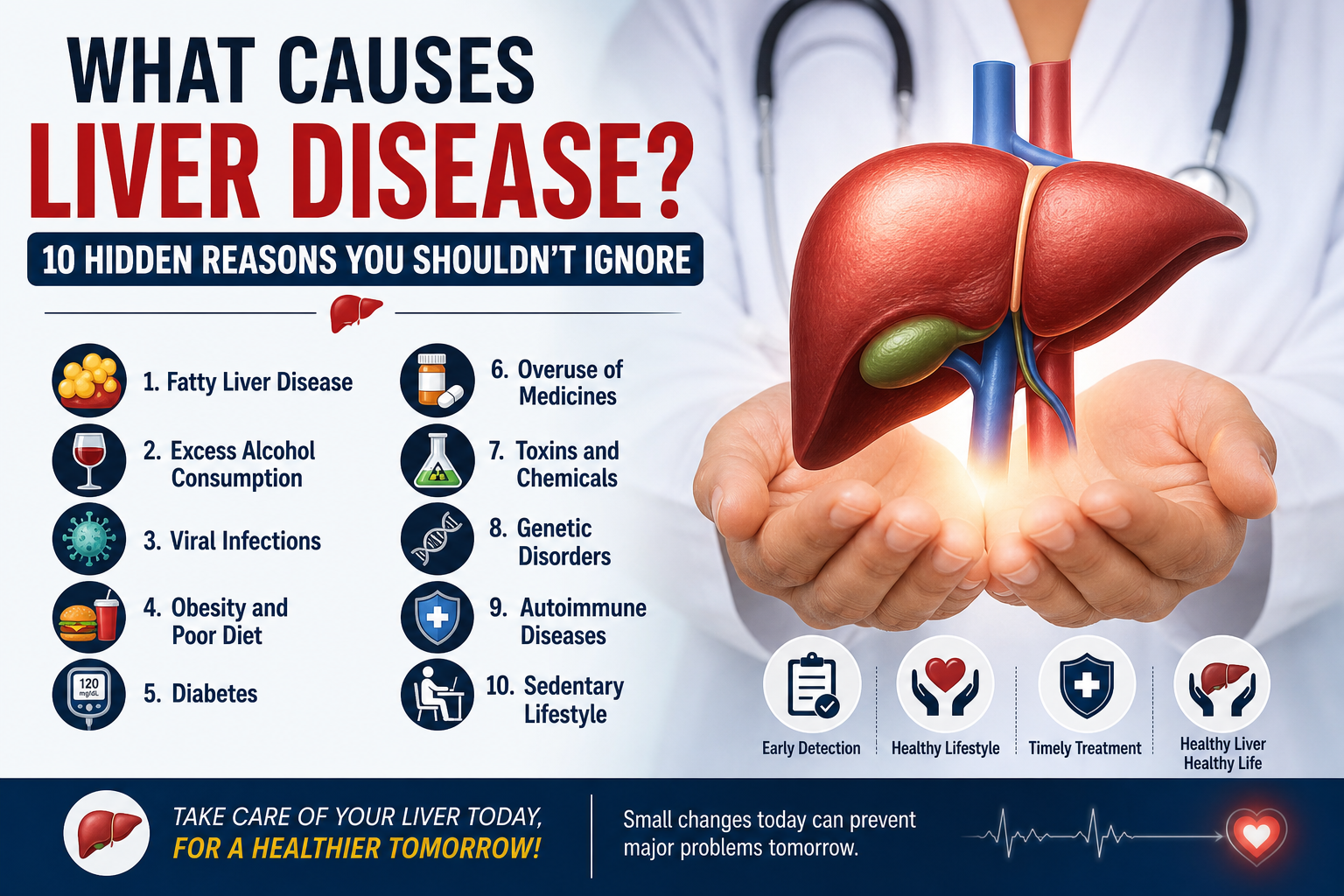
Let’s uncover the 10 hidden reasons behind liver disease— because knowing them early can literally save your life.

Introduction Have you ever thought about how much work your liver does for you-- every single day? It quietly filters toxins, processes nutrients, and keeps your body running like a well-oiled machine. But what happens when this silent hero starts to fail? Liver disease often develops slowly, without loud warning signs. By the time symptoms appear, the damage may already be serious. The tricky part? Many causes are hidden in everyday habits we barely notice. Let's uncover the 10 hidden reasons behind liver disease-- because knowing them early can literally save your life. What is Liver Disease? Liver disease refers to any condition that damages the liver and affects its ability to function properly. Think of your liver as a water filter-- if it gets clogged or damaged, toxins start building up in your body. There are many types, including fatty liver, hepatitis, cirrhosis, and liver cancer. The causes vary, but the result is the same: reduced liver function. Why Understanding Causes Matters Here's the reality-- most liver diseases are preventable. Understanding what causes liver damage helps you: Take early action Avoid risky habits Seek treatment before complications arise Ignoring the causes is like ignoring a small crack in a dam-- it may look harmless at first, but it can lead to a major breakdown. Hidden Cause # 1: Fatty Liver Disease Non-alcoholic fatty liver disease (NAFLD) is becoming alarmingly common, especially in India. Why it happens Excess fat builds up in liver cells Often linked to unhealthy diet Why it's dangerous It usually has no symptoms in early stages but can progress to cirrhosis. Hidden Cause # 2: Excess Alcohol Consumption We all know alcohol can harm the liver-- but do we really understand how much is too much? What happens inside your body Alcohol is processed by the liver. Over time, it causes: Inflammation Fat accumulation Permanent damage The hidden danger Even moderate drinking over years can silently damage your liver. Hidden Cause # 3: Viral Infections Hepatitis B and C are major contributors to liver disease. How it spreads Contaminated blood Unsafe injections Unprotected contact Why it's risky These infections can remain silent for years while slowly damaging the liver. Hidden Cause # 4: Obesity and Poor Diet Your daily food choices matter more than you think. Key triggers Junk food Sugary drinks High-fat meals Impact Leads to fat buildup in the liver, increasing the risk of inflammation and damage. Hidden Cause # 5: Diabetes If you have diabetes, your liver is already under stress. Connection High blood sugar levels lead to: Fat storage in liver Increased inflammation What to watch Many people with diabetes develop fatty liver without knowing it. Hidden Cause # 6: Overuse of Medicines Yes, even common medicines can harm your liver. Examples Painkillers Herbal supplements Over-the-counter drugs Why it's dangerous Excessive or long-term use can cause drug-induced liver injury. Hidden Cause # 7: Toxins and Chemicals Exposure to harmful chemicals is often overlooked. Sources Industrial chemicals Pesticides Contaminated food Effect These toxins damage liver cells and interfere with normal function. Hidden Cause # 8: Genetic Disorders Some people inherit liver conditions without realizing it. Examples Hemochromatosis (iron overload) Wilson's disease (copper buildup) Why it matters These conditions can silently damage the liver over time. Hidden Cause # 9: Autoimmune Diseases Sometimes, your immune system turns against your own liver. What happens The body mistakenly attacks liver cells, causing inflammation. Conditions include Autoimmune hepatitis Primary biliary cirrhosis Hidden Cause # 10: Sedentary Lifestyle A lack of physical activity can slowly harm your liver. Why it's risky Slows metabolism Increases fat storage Simple truth Sitting all day is just as harmful as eating unhealthy food. Early Signs You Shouldn't Ignore Liver disease doesn't always shout-- it whispers. Watch out for: Fatigue Yellowing of skin (jaundice) Abdominal pain Loss of appetite Swelling in legs If you notice these signs, don't ignore them. When to See a Specialist If symptoms persist or tests show liver abnormalities, it's time to consult an expert. Why early consultation matters Prevents severe damage Improves treatment outcomes Avoids complications like cirrhosis In advanced cases, consulting the best liver transplant surgeon in india can be life-saving. Conclusion Your liver works tirelessly-- often without appreciation. But the truth is, many of us unknowingly put it at risk every day. From unhealthy eating habits to silent infections and even medications, the causes of liver disease are often hidden in plain sight. The good news? You have the power to protect your liver. Small lifestyle changes, regular check-ups, and early action can make a huge difference. Think of your liver as your body's silent guardian-- take care of it, and it will take care of you. FAQs 1. What is the most common cause of liver disease? The most common cause is fatty liver disease, often linked to poor diet and lack of exercise. 2. Can liver disease be reversed? Yes, in early stages, lifestyle changes and treatment can reverse or control liver damage. 3. How do I know if my liver is unhealthy? Symptoms like fatigue, jaundice, and abdominal discomfort may indicate liver problems. Blood tests can confirm it. 4. Is alcohol the only cause of liver disease? No, liver disease can also result from infections, obesity, diabetes, medications, and genetic factors. 5. When is a liver transplant needed? A liver transplant is required when the liver is severely damaged and cannot function properly despite treatment.


What is Liver Disease?

Liver disease refers to any condition that damages the liver and affects its ability to function properly. Think of your liver as a water filter— if it gets clogged or damaged, toxins start building up in your body.

There are many types, including fatty liver, hepatitis, cirrhosis, and liver cancer. The causes vary, but the result is the same: reduced liver function.


Why Understanding Causes Matters

Here’s the reality– most liver diseases are preventable.

Understanding what causes liver damage helps you:

  • Take early action
  • Avoid risky habits
  • Seek treatment before complications arise

Ignoring the causes is like ignoring a small crack in a dam– it may look harmless at first, but it can lead to a major breakdown.


Hidden Cause # 1: Fatty Liver Disease

Non-alcoholic fatty liver disease (NAFLD) is becoming alarmingly common, especially in India.

Why it happens

  • Excess fat builds up in liver cells
  • Often linked to unhealthy diet

Why it’s dangerous

It usually has no symptoms in early stages but can progress to cirrhosis.


Hidden Cause # 2: Excess Alcohol Consumption

We all know alcohol can harm the liver– but do we really understand how much is too much?

What happens inside your body

Alcohol is processed by the liver. Over time, it causes:

  • Inflammation
  • Fat accumulation
  • Permanent damage

The hidden danger

Even moderate drinking over years can silently damage your liver.


Hidden Cause # 3: Viral Infections

Hepatitis B and C are major contributors to liver disease.

How it spreads

  • Contaminated blood
  • Unsafe injections
  • Unprotected contact

Why it’s risky

These infections can remain silent for years while slowly damaging the liver.


Hidden Cause # 4: Obesity and Poor Diet

Your daily food choices matter more than you think.

Key triggers

  • Junk food
  • Sugary drinks
  • High-fat meals

Impact

Leads to fat buildup in the liver, increasing the risk of inflammation and damage.


Hidden Cause # 5: Diabetes

If you have diabetes, your liver is already under stress.

Connection

High blood sugar levels lead to:

  • Fat storage in liver
  • Increased inflammation

What to watch

Many people with diabetes develop fatty liver without knowing it.


Hidden Cause # 6: Overuse of Medicines

Yes, even common medicines can harm your liver.

Examples

  • Painkillers
  • Herbal supplements
  • Over-the-counter drugs

Why it’s dangerous

Excessive or long-term use can cause drug-induced liver injury.


Hidden Cause # 7: Toxins and Chemicals

Exposure to harmful chemicals is often overlooked.

Sources

  • Industrial chemicals
  • Pesticides
  • Contaminated food

Effect

These toxins damage liver cells and interfere with normal function.


Hidden Cause # 8: Genetic Disorders

Some people inherit liver conditions without realizing it.

Examples

  • Hemochromatosis (iron overload)
  • Wilson’s disease (copper buildup)

Why it matters

These conditions can silently damage the liver over time.


Hidden Cause # 9: Autoimmune Diseases

Sometimes, your immune system turns against your own liver.

What happens

The body mistakenly attacks liver cells, causing inflammation.

Conditions include

  • Autoimmune hepatitis
  • Primary biliary cirrhosis

Hidden Cause # 10: Sedentary Lifestyle

A lack of physical activity can slowly harm your liver.

Why it’s risky

  • Slows metabolism
  • Increases fat storage

Simple truth

Sitting all day is just as harmful as eating unhealthy food.


Early Signs You Shouldn’t Ignore

Liver disease doesn’t always shout– it whispers.

Watch out for:

  • Fatigue
  • Yellowing of skin (jaundice)
  • Abdominal pain
  • Loss of appetite
  • Swelling in legs

If you notice these signs, don’t ignore them.


When to See a Specialist

If symptoms persist or tests show liver abnormalities, it’s time to consult an expert.

Why early consultation matters

  • Prevents severe damage
  • Improves treatment outcomes
  • Avoids complications like cirrhosis

In advanced cases, consulting the best liver transplant surgeon in india can be life-saving.


Conclusion

Your liver works tirelessly– often without appreciation. But the truth is, many of us unknowingly put it at risk every day.

From unhealthy eating habits to silent infections and even medications, the causes of liver disease are often hidden in plain sight.

The good news? You have the power to protect your liver. Small lifestyle changes, regular check-ups, and early action can make a huge difference.

Think of your liver as your body’s silent guardian— take care of it, and it will take care of you.


FAQs

1. What is the most common cause of liver disease?

The most common cause is fatty liver disease, often linked to poor diet and lack of exercise.


2. Can liver disease be reversed?

Yes, in early stages, lifestyle changes and treatment can reverse or control liver damage.


3. How do I know if my liver is unhealthy?

Symptoms like fatigue, jaundice, and abdominal discomfort may indicate liver problems. Blood tests can confirm it.


4. Is alcohol the only cause of liver disease?

No, liver disease can also result from infections, obesity, diabetes, medications, and genetic factors.


5. When is a liver transplant needed?

A liver transplant is required when the liver is severely damaged and cannot function properly despite treatment.


Inflammatory Liver Disease: Causes & Treatment Guide

Inflammatory Liver Disease: Causes & Treatment Guide

Introduction

Have you ever thought about how hard your liver works every single day? It’s like your body’s silent worker– filtering toxins, aiding digestion, and keeping everything balanced. But what happens when this hardworking organ becomes inflamed?

Inflammatory liver disease is a condition where the liver becomes swollen or irritated due to various causes. Sometimes it’s mild and reversible, but in other cases, it can lead to serious complications like liver failure. Think of it like a machine overheating– if not cooled down in time, it can break down completely.

Let’s break it down in simple terms so you can understand what’s happening inside your body and how to protect your liver.

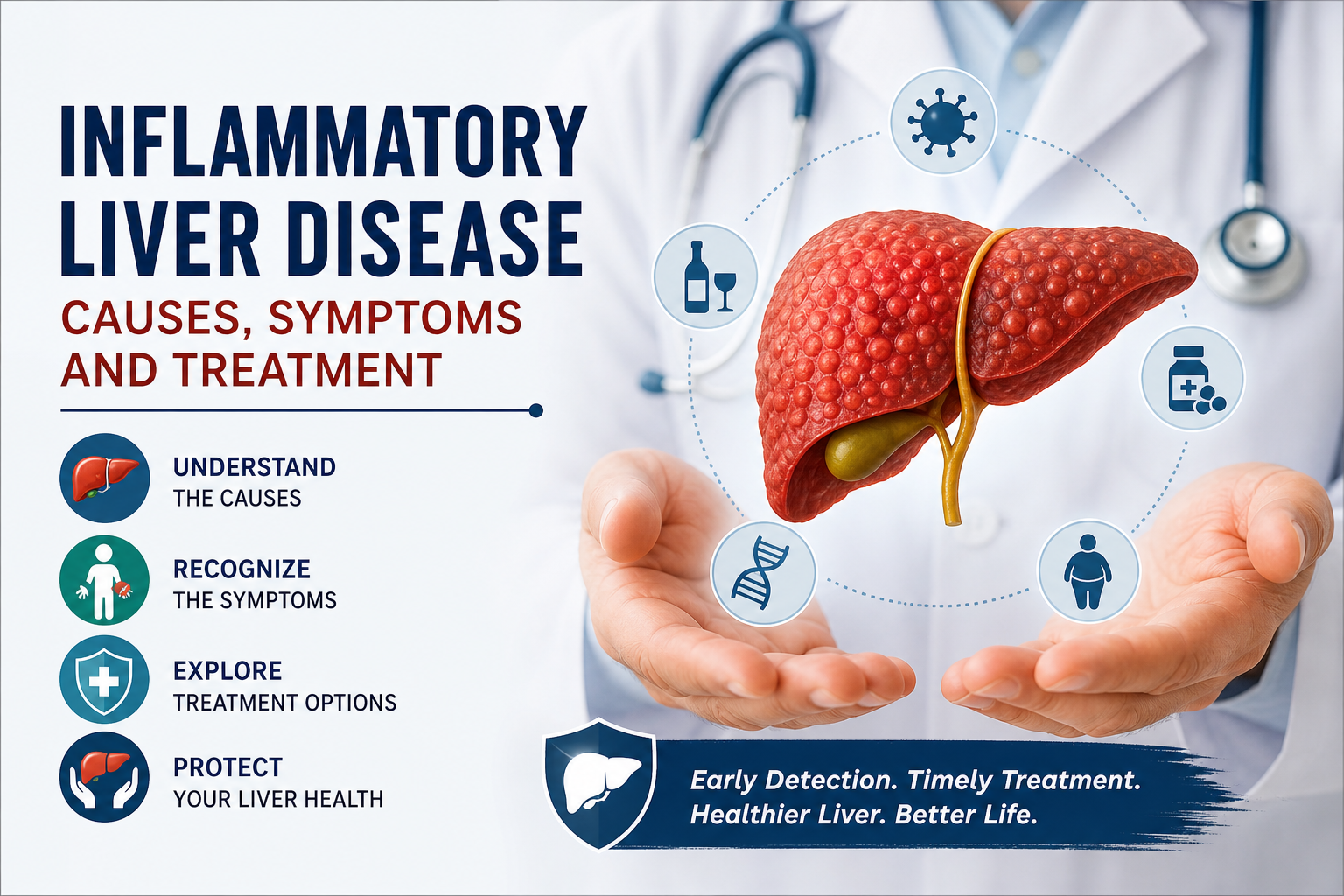
Understand inflammatory liver disease, its causes, symptoms, and treatment options. Get expert guidance and advanced care from the best liver transplant surgeon in india for better liver health.

Inflammatory Liver Disease: Causes & Treatment Guide


What is Inflammatory Liver Disease?

Inflammatory liver disease refers to conditions where the liver becomes inflamed due to infection, toxins, or autoimmune reactions.

Key point:
Inflammation is your body’s natural response to injury– but when it persists, it can damage liver cells.


2. Types of Inflammatory Liver Disease

a) Hepatitis (Viral and Non-Viral)

Hepatitis is one of the most common forms of liver inflammation.

  • Hepatitis A, B, C (viral)
  • Alcoholic hepatitis
  • Drug-induced hepatitis

b) Autoimmune Hepatitis

Your immune system mistakenly attacks your liver.

c) Non-Alcoholic Fatty Liver Disease (NAFLD)

Fat builds up in the liver, causing inflammation.


3. Common Causes

So, what actually triggers liver inflammation?

  • Viral infections
  • Excess alcohol consumption
  • Obesity and poor diet
  • Medications or toxins
  • Autoimmune disorders

Think of it like this: If your liver is a sponge filtering harmful substances, constant overload can wear it out.


4. Risk Factors

Certain people are more at risk:

  • Heavy alcohol use
  • Obesity or diabetes
  • Family history of liver disease
  • Unsafe injections or blood exposure
  • Long-term medication use

Tip: Knowing your risk factors helps you act early.


5. Signs and Symptoms

Early-stage liver inflammation often shows no symptoms– which makes it dangerous.

Common symptoms include:

  • Fatigue
  • Yellowing of skin (jaundice)
  • Abdominal pain
  • Nausea or vomiting
  • Dark urine

Important: Symptoms may appear only when damage has progressed.


6. How It Affects the Body

When the liver is inflamed:

  • It can not detoxify properly
  • Digestion slows down
  • Toxins build up in the body

Analogy: It’s like a clogged water filter– everything becomes dirty and inefficient.


7. Diagnosis and Tests

Doctors use several methods:

Blood Tests

Check liver enzymes and function.

Imaging Tests

Ultrasound, CT scan, or MRI.

Liver Biopsy

A small tissue sample to confirm diagnosis.

Early diagnosis = better outcomes.


8. Treatment Options

Treatment depends on the cause.

a) Medications

  • Antiviral drugs
  • Immunosuppressants
  • Anti-inflammatory drugs

b) Lifestyle Changes

  • Stop alcohol consumption
  • Maintain a healthy weight
  • Balanced diet

c) Monitoring

Regular checkups to track progress.


9. Lifestyle Changes for Liver Health

Want to protect your liver? Start here:

  • Eat fresh fruits and vegetables
  • Avoid processed and oily foods
  • Exercise regularly
  • Stay hydrated
  • Avoid unnecessary medications

Small changes = big impact.


10. When is Liver Transplant Needed?

Sometimes, inflammation leads to irreversible damage (cirrhosis or liver failure).

Signs you may need a transplant:

  • Severe liver damage
  • Liver failure
  • No response to treatment

In such cases, consulting the best liver transplant surgeon in India becomes crucial for survival and recovery.


11. Importance of Early Detection

Catching liver disease early can:

  • Prevent complications
  • Reverse damage
  • Improve quality of life

Don’t ignore mild symptoms– they could be early warnings.


12. Prevention Tips

Prevention is always better than cure:

  • Get vaccinated for hepatitis
  • Limit alcohol intake
  • Maintain healthy weight
  • Practice safe hygiene
  • Avoid sharing needles

13. Complications to Watch For

If untreated, inflammatory liver disease can lead to:

  • Liver cirrhosis
  • Liver cancer
  • Internal bleeding
  • Liver failure

This is why timely care matters.


14. Living with Liver Disease

Managing liver disease is possible with:

  • Regular medical care
  • Healthy lifestyle
  • Emotional support

Remember: You’re not alone– many people live full lives with proper management.


15. When to See a Specialist

Consult a doctor if you experience:

  • Persistent fatigue
  • Yellowing of skin
  • Unexplained weight loss
  • Severe abdominal pain

For advanced cases, seeking help from the best liver transplant surgeon in india ensures expert guidance and treatment.


Conclusion

Inflammatory liver disease may sound scary, but understanding it is the first step toward prevention and treatment. Your liver is incredibly resilient– but only if you take care of it.

Think of your liver as your body’s personal detox center. Treat it well, and it will keep you healthy for years. Ignore it, and problems can build up silently.

Stay informed, stay proactive, and never hesitate to seek expert care when needed.


FAQs

1. What causes inflammatory liver disease?

It can be caused by infections, alcohol, obesity, medications, or autoimmune conditions.


2. Can inflammatory liver disease be cured?

Yes, many cases are reversible if detected early and treated properly.


3. Is fatty liver an inflammatory liver disease?

Yes, fatty liver can cause inflammation, especially in advanced stages.


4. When should I consider a liver transplant?

A transplant is needed when liver damage becomes severe and irreversible.


5. How can I keep my liver healthy?

Eat a balanced diet, avoid alcohol, exercise regularly, and go for routine checkups.

Liver Bile Duct Disease Symptoms & Treatment Guide

Liver Bile Duct Disease: Symptoms & Treatment Guide

Introduction

Have you ever wondered how your body gets rid of waste after digesting food? The liver plays a huge role here, and the bile ducts are like tiny pipelines carrying bile to help digestion. But what happens when these ducts get blocked or damaged? That’s where liver bile duct disease comes into the picture.

Think of your bile ducts as drainage pipes in your home. If they get clogged, everything backs up—and your body starts showing warning signs. In this article, we’ll break down everything you need to know in a simple, easy-to-understand way.

Learn about liver bile duct disease, its symptoms, causes, and treatment options. Discover when to consult the best liver transplant surgeon in india for advanced care and better recovery outcomes.

Liver Bile Duct Disease: Causes, Symptoms & Treatment Guide

1. What Is Liver Bile Duct Disease?

Liver bile duct disease refers to conditions that affect the bile ducts– small tubes that carry bile from your liver to your intestine. When these ducts are blocked, inflamed, or damaged, bile can not flow properly.

Key Point:
When bile builds up, it can damage liver cells and lead to serious liver problems.


2. How Do Bile Ducts Work?

Your liver produces bile, a fluid that helps digest fats. The bile ducts act like highways, transporting this bile to the small intestine.

Simple Analogy:
Imagine bile as traffic and bile ducts as roads. If roads are blocked, traffic jams happen– and your body suffers.


3. Types of Bile Duct Diseases

There are several types, including:

Primary Biliary Cholangitis (PBC)– Autoimmune condition
Primary Sclerosing Cholangitis (PSC)– Chronic inflammation
Bile Duct Obstruction– Due to stones or tumors
Biliary Atresia– Common in infants

Important Note:
Each type has different causes and treatment approaches.


4. Common Causes

So, what actually causes bile duct disease?

Gallstones blocking ducts
Infections
Autoimmune disorders
Tumors or cancers
Liver diseases

Key Insight:
Sometimes, the immune system mistakenly attacks bile ducts, causing long-term damage.


5. Risk Factors You Should Know

You may be at higher risk if you:

Have a family history of liver disease
Are female (especially for PBC).
Have autoimmune conditions.
Are overweight.
Consume alcohol excessively.


6. Early Symptoms

In the early stages, symptoms may be mild or unnoticed.

Common early signs include:

Fatigue.
Itchy skin.
Mild abdominal discomfort.
Dry eyes or mouth.

Why It Matters:
Early detection can prevent serious complications later.


7. Advanced Symptoms

As the disease progresses, symptoms become more noticeable:

Yellowing of skin (jaundice).
Dark urine.
Pale stools.
Severe itching.
Swelling in abdomen.

Warning Sign:
Jaundice is often a sign that bile flow is significantly blocked.


8. How It Is Diagnosed

Doctors use several tests to diagnose bile duct disease:

Blood tests (liver function tests).
Ultrasound.
MRI or CT scan.
Liver biopsy.

Pro Tip:
Routine health check-ups can catch problems early– even before symptoms appear.


9. Treatment Options

Treatment depends on the cause and severity.

Common treatments include:

Medications to reduce inflammation.
Antibiotics for infections.
Procedures to remove blockages.
Endoscopic treatments.

Goal of Treatment:
Restore bile flow and protect the liver.


10. Role of Liver Transplant

In severe cases, when the liver is badly damaged, a liver transplant may be needed.

When is it required?

Advanced liver failure.
Cirrhosis.
Severe bile duct damage.

Consulting the best liver transplant surgeon in india can make a significant difference in outcomes and recovery.


11. Diet and Lifestyle Tips

Managing your lifestyle can greatly improve your condition.

Healthy habits include:

Eating low-fat foods.
Avoiding alcohol.
Staying hydrated.
Maintaining a healthy weight.

Simple Tip:
Your liver loves clean, balanced meals– think fresh fruits, vegetables, and whole grains.


12. Complications to Watch For

If untreated, bile duct disease can lead to:

Liver cirrhosis.
Liver failure.
Infections.
Bile duct cancer.

Important:
Ignoring symptoms can turn a manageable condition into a life-threatening one.


13. Prevention Tips

While not all cases are preventable, you can reduce risk:

Maintain a healthy diet.
Avoid excessive alcohol.
Get vaccinated for hepatitis.
Manage autoimmune conditions.


14. When to See a Doctor

You should seek medical advice if you notice:

Persistent itching.
Yellow skin or eyes.
Unexplained fatigue.
Abdominal swelling.

Don’t Ignore:
Even mild symptoms can signal serious underlying issues.


15. Choosing the Right Specialist

Selecting the right doctor is crucial for proper treatment.

Look for:

Experience in liver diseases.
Advanced treatment facilities.
Good patient reviews.

For serious cases, consulting the best liver transplant surgeon in india ensures expert care and better survival chances.


Conclusion

Liver bile duct disease may sound complicated, but understanding it doesn’t have to be. Think of your bile ducts as essential pipelines– when they work well, your body runs smoothly. But when they’re blocked or damaged, problems begin to show.

The good news? Early diagnosis, proper treatment, and a healthy lifestyle can make a big difference. And if things become serious, expert care from the best liver transplant surgeon in india can offer a new lease on life.

Your liver works hard for you every day– taking care of it is one of the best investments you can make in your health.


FAQs

1. What is the main cause of bile duct disease?

The most common causes include gallstones, autoimmune diseases, infections, and tumors blocking the bile ducts.

2. Can bile duct disease be cured?

Some types can be managed effectively with treatment, while others may require long-term care or even a liver transplant.

3. Is bile duct disease serious?

Yes, if left untreated, it can lead to liver damage, cirrhosis, or even liver failure.

4. What foods should be avoided?

Avoid fatty, fried, and processed foods, as they can worsen liver and bile duct problems.

5. When is a liver transplant needed?

A transplant is required when the liver is severely damaged and can not function properly anymore.

Hepatitis C Symptoms, Treatment & Prevention Guide

Hepatitis C: Symptoms, Treatment & Prevention Guide

Introduction

Hepatitis C is a liver infection caused by the hepatitis C virus (HCV). Many people live with it for years without knowing because symptoms can be mild or hidden at first. But if left untreated, it can damage the liver over time and lead to serious problems like cirrhosis, liver failure, or even liver cancer.

The good news? Hepatitis C is now one of the most treatable viral infections. With modern medicines, many people can be fully cured. Think of your liver like your body’s silent engine—it keeps working day and night. When hepatitis C attacks it, that engine slowly loses power. The earlier you act, the better the outcome.

This guide explains everything in simple language—symptoms, causes, treatment, prevention, and when to seek expert help, including support from the best liver transplant surgeon in india if advanced liver damage occurs.

1. What Is Hepatitis C?
Hepatitis C is a viral infection that causes inflammation in the liver. The liver helps digest food, stores energy, removes toxins, and supports many body functions. When the virus stays in the body for a long time, it can scar the liver.

There are two main stages:

Acute Hepatitis C:
This is the first six months after infection. Some people clear the virus naturally.

Chronic Hepatitis C:
If the virus stays longer than six months, it becomes chronic. This is more common and needs treatment.

Many people don’t know they have it until a blood test shows a problem.


2. How Hepatitis C Spreads
Hepatitis C spreads through contact with infected blood. It does not spread through hugging, sharing food, coughing, or casual contact.

Common Ways It Spreads:

  • Sharing needles or syringes
  • Unsafe blood transfusions (older cases)
  • Unsterile tattoo or piercing tools
  • Sharing razors or toothbrushes with blood traces
  • Needle-stick injuries in healthcare settings
  • Rarely through sexual contact
  • From mother to baby during childbirth (less common)

Knowing how it spreads helps you protect yourself and others.


3. Common Symptoms of Hepatitis C
Here’s the tricky part– many people have no symptoms for years. When symptoms appear, they may be mistaken for stress, tiredness, or poor digestion.

Possible Symptoms Include:

  • Fatigue or constant tiredness
  • Loss of appetite
  • Nausea
  • Mild fever
  • Joint pain
  • Dark urine
  • Yellow skin or eyes (jaundice)
  • Abdominal discomfort
  • Itchy skin
  • Brain fog or poor concentration

If these signs continue, it’s wise to get tested.


4. Early vs Long-Term Signs

Early Signs:
These may be mild and easy to ignore:

  • Feeling tired often
  • Upset stomach
  • Weakness
  • Low appetite

Long-Term Signs:
As liver damage increases, symptoms can become serious:

  • Swelling in legs or belly
  • Easy bruising
  • Yellow eyes
  • Severe weakness
  • Weight loss
  • Confusion
  • Bleeding problems

Your body often whispers before it screams. Listening early matters.


5. Who Is at Risk?
Anyone can get hepatitis C, but some people have a higher chance.

Higher-Risk Groups:

  • People who inject drugs
  • Those with old blood transfusions (before proper screening)
  • Healthcare workers exposed to blood
  • People on long-term dialysis
  • Babies born to infected mothers
  • People with HIV
  • Those with unsafe tattooing or piercing

If you fall into any of these groups, screening is a smart step.


6. How Doctors Diagnose Hepatitis C
Diagnosis usually starts with blood tests.

Tests Commonly Used:

1. Antibody Test:
Checks if you were ever exposed to the virus.

2. HCV RNA Test:
Confirms whether the virus is currently active.

3. Liver Function Tests:
Shows how well your liver is working.

4. Fibroscan or Imaging:
Measures liver scarring or stiffness.

5. Ultrasound or CT Scan:
Used if complications are suspected.

Testing is simple, quick, and can change your future.


7. Treatment Options
Modern hepatitis C treatment has improved dramatically. Older treatments were difficult and had more side effects. Today, many patients take tablets for a short period.

Main Treatment: Direct-Acting Antivirals (DAAs)
These medicines attack the virus directly.

Benefits:

  • High cure rates
  • Short treatment time (8–12 weeks in many cases)
  • Fewer side effects
  • Easy oral tablets

Possible Side Effects:

  • Mild headache
  • Tiredness
  • Nausea
  • Sleep changes

Always take medicines exactly as prescribed.


8. Can Hepatitis C Be Cured?
Yes, in many cases, hepatitis C can be cured. Doctors usually confirm cure when no virus is found in the blood after treatment is completed.

This is called SVR (Sustained Virologic Response).

A cure means:

  • Virus is gone
  • Liver damage may stop progressing
  • Risk of complications reduces
  • Energy and health may improve

However, a person can get infected again, so prevention still matters.


9. Lifestyle Tips for Recovery
Treatment works best when supported by healthy habits.

Helpful Tips:

  • Avoid alcohol– it increases liver damage
  • Eat balanced meals– fruits, vegetables, whole grains
  • Stay active– regular walking helps
  • Maintain healthy weight
  • Drink enough water
  • Take medicines only with doctor advice
  • Get vaccinated for Hepatitis A and B if advised
  • Sleep well

Think of treatment as repairing the roof, while lifestyle changes strengthen the whole house.


10. How to Prevent Hepatitis C
There is no vaccine for hepatitis C yet, so prevention is very important.

Best Prevention Steps:

  • Never share needles
  • Use sterile tattoo/piercing equipment
  • Avoid sharing razors or toothbrushes
  • Practice safe sex when risk exists
  • Ensure medical tools are sterile
  • Get tested if at risk
  • Follow safety steps in healthcare jobs

Awareness is your first shield.


11. Complications of Untreated Hepatitis C
Without treatment, chronic infection can seriously harm the liver.

Possible Complications:

  • Cirrhosis (severe liver scarring)
  • Liver failure
  • Portal hypertension
  • Fluid buildup in abdomen
  • Bleeding veins in food pipe
  • Liver cancer
  • Need for liver transplant

This is why early testing and treatment are so important.


12. When Is Liver Transplant Needed?
Not everyone with hepatitis C needs a transplant. It is considered when the liver is badly damaged and can not do its job.

Signs It May Be Needed:

  • End-stage cirrhosis
  • Repeated fluid buildup
  • Severe jaundice
  • Frequent confusion
  • Liver cancer in selected cases
  • Liver failure

At this stage, choosing the right specialist matters. Many families search for the best liver transplant surgeon in india because experience can make a huge difference in outcomes.


13. Importance of Expert Liver Care
Liver disease can be complex. A skilled liver team may include:

  • Hepatologist
  • Gastroenterologist
  • Radiologist
  • Dietitian
  • Transplant surgeon

If advanced disease is present, consulting the best liver transplant surgeon in india can help you understand options, risks, timing, and recovery plans.

Good care is not just about surgery– it’s about the right decision at the right time.


14. Conclusion
Hepatitis C may sound frightening, but it is now highly treatable and often curable. The biggest challenge is that many people don’t know they have it. Simple testing, timely treatment, and healthy habits can protect your liver and your future.

If symptoms, risk factors, or abnormal liver tests are present, don’t delay. Early action can prevent serious complications. And for advanced liver disease, guidance from the best liver transplant surgeon in india can be life-changing.

Your liver works for you every day– return the favor by taking care of it.


15. FAQs

1. Can hepatitis C go away on its own?
Yes, some people clear the virus naturally in the early stage, but many develop chronic infection and need treatment.

2. Is hepatitis C contagious through food or touch?
No. It does not spread through hugging, sharing food, or casual contact.

3. How long does hepatitis C treatment take?
Many modern treatments last about 8 to 12 weeks, but it depends on the patient.

4. Can a cured person get hepatitis C again?
Yes. Cure does not give lifelong immunity, so reinfection is possible.

5. When should I see a liver specialist?
If you have symptoms, abnormal liver tests, known exposure, or signs of liver damage, consult a specialist promptly.

Liver Disease Bruising on Arms Causes, Signs & When to Worry

Liver Disease Bruising on Arms: Causes, Signs & When to Worry

Introduction

Have you noticed strange bumps on your arms that you thought, “Where did that originate?” If this is a regular occurrence, even with no injury, your body could be trying to communicate something vital, possibly about your liver.

Your liver functions as an invisible hero, removing toxic substances and helping your blood get clots in the right way. If it’s not operating well, even a minor bump can result in massive bruises. Consider your liver as a “quality management administrator” for your blood. If it’s not functioning properly, it can cause problems fast.

This article will explain all you should be aware of about the bruising caused by liver disease on the arms in easy-to-understand terminology.

Unexplained arm bruising may signal liver disease. Learn causes, symptoms, and when to consult best liver transplant surgeon in India.

Table of Contents

Sr# Headings
1 What is Liver Disease?
2 Why Does Liver Disease Cause Bruising?
3 How Bruising Appears on Arms
4 Early Signs You Shouldn’t Ignore
5 Types of Liver Diseases Linked to Bruising
6 Risk Factors for Easy Bruising
7 When is Bruising a Serious Concern?
8 Diagnosis and Tests
9 Treatment Options
10 Lifestyle Changes to Improve Liver Health
11 Role of Nutrition
12 When You May Need a Liver Transplant
13 Prevention Tips
14 Emotional Impact of Liver Disease
15 When to See a Specialist

1. What exactly is Liver Disease?

The term “liver disease” is a term used to describe any condition which affects your liver and alters the way it functions. It may progress gradually over time or occur abruptly.

Common types of them include:

  • Affatty liver disease
  • Hepatitis
  • Cirrhosis
  • Liver cancer

The liver is accountable for many functions, including the creation of proteins that aid the blood form clots. If this function is compromised it can cause bruising to become more frequent.

2. What Causes Liver Disease Cause Bruising?

Let’s make this simple.

The liver produces blood clotting factors that stop bleeding after you’ve been injured. If your liver has been damaged:

  • It makes fewer clotting proteins.
  • The level of platelets may drop
  • The blood vessels become more fragile

The result? You bruise easily–even from bumps that aren’t noticeable or minor.

Imagine attempting to fix leaks without the right tools. This is what happens to your body when the clotting factors are not as high.

3. How Bruising appears on arms

Bruising due to liver disease can follow certain patterns:

  • Large blue, purple or dark patches
  • It is not clear if the bruising has caused injury.
  • Slow healing as compared to normal bruises
  • A frequent occurrence on legs and arms

Sometimes, these bruisings appear tender, whereas at other times, they might not cause any pain at all.

4. The Signs to Watch for Early on

The appearance of bruises is usually only one of the symptoms. Watch out for:

  • Skin yellowing (eyes) (jaundice)
  • Constant fatigue
  • Swelling of the abdomen or in the legs
  • Urine that is dark-colored
  • A loss of appetite

If you experience bruising with these indications it is important to consult a doctor.

5. Different types of liver diseases Related to bruising

Certain liver conditions can cause bleeding:

  • The condition of cirrhosis – significant liver scarring
  • ALD – Alcohol related liver disease
  • Chronic Hepatitis B and C
  • Non-alcoholic fat liver disease (NAFLD)

The conditions can affect the way the liver makes factors that clot, resulting in easily bruising.

6. Risk Factors to Avoid Bruising

You might be more susceptible to bruises if:

  • Consume alcohol regularly
  • Are overweight or obese
  • Make sure you are taking blood thinners
  • Are you suffering from viral infections such as Hepatitis
  • Are you getting older? (skin is thinner as you the advancing years)

7. If bruising is a serious concern?

Every bruise is not dangersome, but a few warning signs are:

  • The bruises appear often without cause
  • A painful or large bruise
  • Nosebleeds, bleeding gums, or bleeding gums frequently

These may indicate more serious liver issues and should not be overlooked.

8. Diagnostics and tests

Doctors utilize a variety of techniques to determine the cause of liver-related bruising.

  • The blood tests are used to assess liver function
  • Ultrasound, or CT scans to look at the liver
  • Liver biopsy in certain cases

These tests aid in determining how serious the illness.

9. Treatment Options

The treatment depends on the root of the damage to the liver:

  • The treatment for viral Hepatitis
  • Lifestyle modifications for fat liver
  • Vitamin supplements (like Vitamin K)
  • Monitoring and advanced treatment for liver cirrhosis

Early treatment can reduce the risk of problems and improve the health of your liver.

10. Lifestyle changes that improve the health of your liver

Your lifestyle plays an important part in your the health of your liver. You can:

  • Stop or cut down on alcohol consumption
  • Maintain an appropriate weight
  • Exercise regularly
  • Do not take unnecessary medicines

Consider the idea of giving your liver the chance to recuperate and function more effectively.

11. The role of Nutrition

A healthy diet can strengthen your liver and help reduce the risk of problems:

Take More of

  • Leafy green vegetables
  • Fresh fruits
  • Whole grains
  • Lean proteins

Avoid:

  • Fried food
  • Processed snack foods
  • Sugar that is not needed

Dietary habits can help increase clotting along with overall functioning of your liver.

12. There are times when you may need an Organ Transplant

In the most severe instances the liver could cease to function properly.

Signs can include:

  • Bloody and severe bruising
  • Abdominal fluid build-up
  • Mental confusion

In this moment it is time to consult the top liver transplant surgeons in India is crucial. A liver transplant may save your life in cases where other treatments do not are effective.

13. Prevention Tips

Here are some easy methods to safeguard your liver:

  • Limit alcohol consumption
  • Get vaccinated against hepatitis.
  • Be sure to maintain a healthy and balanced lifestyle
  • Get regular health checkups

Prevention is always more effective than treatment.

14. The emotional effects of liver disease

The liver condition may affect your mental well-being as well.

It is possible to be feeling:

  • Self-conscious about bruising
  • Are you worried about your health?
  • Drained emotionally

Speak to a doctor or family members can reduce the burden.

15. When should you see a specialist?

It is recommended to consult with a physician for advice if:

  • Bruises can occur without injury
  • You are always tired
  • The eyes or skin change color and turn yellow.

A specialist will guide you in the right direction to determine the best diagnostic and treatment plans. If required, they will direct patients to most skilled liver transplant surgeons in India to receive the most advanced treatment.

Conclusion

Arm bruising may seem like a minor problem however, if it occurs often and without a reason, it could indicate an issue that is more serious, such as liver disease. The liver plays an essential function in maintaining your blood’s health and your body running smoothly.

By understanding the reasons and recognizing the early signs and taking action promptly to protect your liver from severe complications. If you are in a more severe situation the latest medical advances like liver transplants can provide the possibility of a fresh start and hope.

FAQs

1. Does the liver disease cause bruising and swelling without injury?

Indeed, damage to the liver can reduce the clotting factor, which makes bruising more likely even if there is no injury.

2. Are arm bruises always a sign of liver issues?

However, frequent unanswered bruises should be examined by a physician.

3. How can I minimize the the bruising that is caused by liver disease?

The underlying liver issue should be treated by eating a healthy and balanced diet, and adhere to medical recommendations.

4. Is bruising an indication of liver disease that is advanced?

It could be particularly when it is accompanied by symptoms such as swelling or jaundice.

5. When should I see with a doctor about bruises?

If you notice frequent bruising and severe, or isn’t explained Consult a physician promptly.