Introduction
When you hear the word “cancer,” it’s easy to imagine a battle — one side being our body, the other a growing enemy. Liver cancer is one of the most challenging forms of this enemy, but what if I told you your body already has an in-built army ready to fight it? That’s right — your immune system is your frontline defense, constantly scanning, attacking, and defending against threats.
In this article, we’ll explore how the immune system can help fight liver cancer, the role of modern medicine in boosting it, and why consulting the Best Liver Transplant Surgeon in India could make all the difference for advanced cases. Think of this as your personal guide to understanding how your body’s defence team works — and how you can help it win.
1. Understanding Liver Cancer
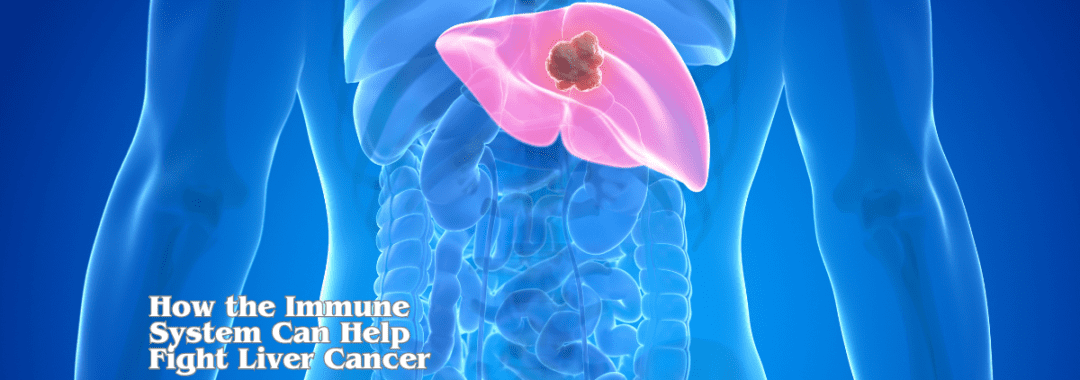
Liver cancer begins when abnormal cells in the liver grow uncontrollably, forming tumors. The two most common types are Hepatocellular carcinoma (HCC) and intrahepatic cholangiocarcinoma. Risk factors include hepatitis infections, fatty liver disease, alcohol abuse, and genetic conditions.
Unlike some cancers, liver cancer often remains hidden until it’s in advanced stages, making early detection and strong immune function crucial for better outcomes.
2. The Immune System: Your Body’s Defense Army
Imagine your immune system as a well-trained army with soldiers, commanders, and intelligence officers. White blood cells, antibodies, and killer T-cells constantly patrol the body, looking for invaders. Their job? Spot anything that doesn’t belong– bacteria, viruses, or even cancer cells– and eliminate it before it causes harm.
3. How Liver Cancer Evades the Immune System
Liver cancer is crafty. It uses several tricks to avoid detection:
Hiding in plain sight– disguising itself as normal cells.
Suppressing immune activity– producing chemicals that weaken immune responses.
Creating a protective environment– building a microenvironment where immune cells can’t easily attack.
These evasive tactics are why some cases require additional medical help to strengthen the immune system’s fight.
4. Natural Immune Responses Against Liver Cancer
Even without medical intervention, the immune system does try to control liver cancer:
Natural killer (NK) cells attack abnormal liver cells.
Macrophages “eat” damaged cells and clean up toxins.
Cytotoxic T lymphocytes target and destroy cancer cells directly.
Unfortunately, if the cancer grows faster than the immune system can act, treatment becomes essential.
5. The Role of Immunotherapy
Immunotherapy is like giving your immune system high-tech weapons. In liver cancer, treatments like immune checkpoint inhibitors and CAR-T cell therapy help immune cells recognize and destroy cancer cells more effectively.
For some patients, this approach has turned previously untreatable cases into manageable conditions– even leading to remission.
6. Vaccines for Liver Cancer Prevention
You may be surprised to know there’s already a form of “vaccine” for liver cancer prevention– the Hepatitis B vaccine. Since Hepatitis B is a leading cause of liver cancer, getting vaccinated significantly reduces risk. Research is ongoing for direct liver cancer vaccines that train the immune system to target cancer cells before they cause harm.
7. Boosting Your Immune System Naturally
While no lifestyle change can guarantee prevention, these habits strengthen your immune system:
Get enough sleep– your immune “army” needs rest to function well.
Exercise regularly– improves circulation, helping immune cells reach every part of the body.
Stay hydrated– water supports detoxification.
Manage stress– chronic stress weakens immune responses.
8. The Connection Between Liver Health and Immunity
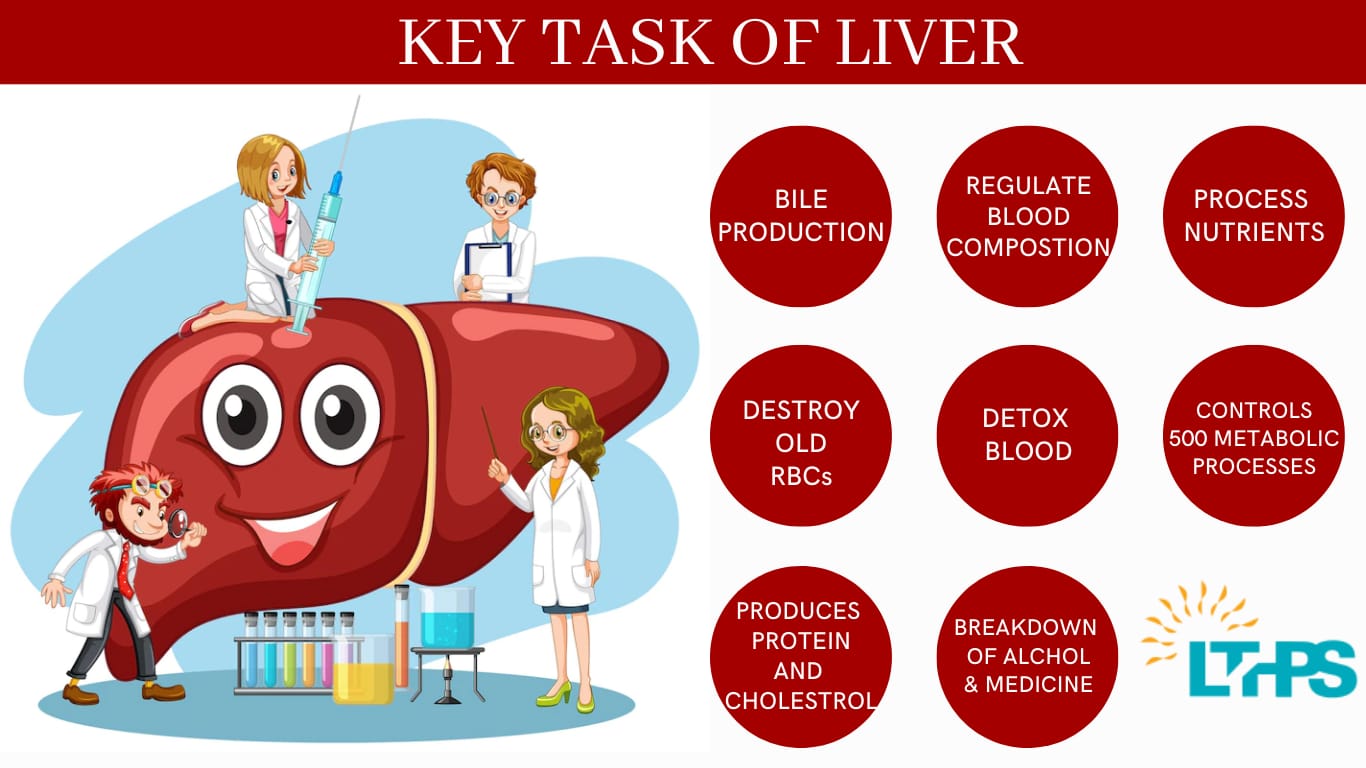
Your liver isn’t just a detox machine– it’s an immune hub. It filters blood, processes nutrients, and even produces immune proteins. A damaged liver compromises immunity, making you more vulnerable to infections and slower cancer defense.
9. Liver Transplant and Immune Support
In cases where liver cancer has damaged the liver beyond repair, a liver transplant can be life-saving. After transplantation, patients need immunosuppressant drugs to prevent organ rejection, but doctors also work to maintain the immune system’s ability to fight infections and prevent cancer recurrence.
10. How the Best Liver Transplant Surgeon in India Can Help
Choosing the Best Liver Transplant Surgeon in India isn’t just about the surgery itself– it’s about comprehensive care. An experienced surgeon will:
Assess whether transplantation is the right choice.
Coordinate with oncologists and immunologists.
Ensure optimal immune recovery post-surgery.
Their expertise can mean the difference between short-term recovery and long-term survival.
Dr. Neerav Goyal is a distinguished liver and gastrointestinal surgeon with over two decades of surgical excellence. With a remarkable track record of more than 2,500 successful liver transplantations, he is widely recognized for his exceptional expertise in liver transplants, complex organ surgeries, and advanced gastrointestinal procedures.
Holding DNB qualifications in Surgery and Gastrointestinal Surgery, and a proud member of MNAMS, Dr. Goyal combines vast clinical experience with compassionate patient care. He is currently associated with the prestigious Indraprastha Apollo Hospital, New Delhi, where he continues to set new benchmarks in surgical outcomes.
For appointments and consultations:
📞 +91 8527516541
✉ [email protected]
11. Lifestyle Changes for Stronger Immunity
Post-surgery or not, here are essential lifestyle habits:
Avoid smoking and excessive alcohol.
Maintain a healthy weight.
Get regular medical check-ups.
Stay physically active.
12. Diet Tips to Support the Immune System
Nutrition plays a huge role in immune health:
Eat colorful fruits and vegetables for antioxidants.
Include lean proteins for immune cell production.
Incorporate healthy fats like omega-3s for reduced inflammation.
Limit processed foods and added sugars.
13. Early Detection: Giving the Immune System a Head Start
Early-stage liver cancer is much easier for the immune system– and medical treatments– to handle. Regular screenings, especially if you have risk factors, allow your immune army to attack while the enemy is still small.
14. Future of Immune-Based Liver Cancer Treatments
Researchers are working on personalized cancer vaccines, gene editing, and microbiome-based immune therapies. The goal? Create targeted treatments that work with each patient’s unique immune profile for maximum success.
15. Conclusion and Takeaways
Your immune system is your most loyal defender, but liver cancer is a cunning opponent. The good news is, with modern treatments like immunotherapy, preventive vaccines, and expert surgical care from the Best Liver Transplant Surgeon in India, we have more tools than ever to tip the scales in our favor.
FAQs
1. Can the immune system completely cure liver cancer?
In rare cases, strong immune responses can eliminate cancer, but most patients require medical treatment alongside immune support.
2. What role does the liver play in immunity?
The liver filters toxins, processes nutrients, and produces immune proteins, making it a vital immune organ.
3. How does immunotherapy help with liver cancer?
It enhances the immune system’s ability to recognize and attack cancer cells more effectively.
4. Is a liver transplant always necessary for liver cancer?
Not always– it’s only needed if the cancer has severely damaged the liver or other treatments are ineffective.
5. How do I choose the Best Liver Transplant Surgeon in India?
Look for high success rates, patient testimonials, multidisciplinary team support, and strong post-surgery care programs.