Liver Diseases & Liver Transplant in India Complete Guide

Liver Diseases & Liver Transplant in India | Complete Guide

Introduction

Liver disease is becoming increasingly common in India due to unhealthy lifestyles, viral infections, chronic illnesses, and inherited conditions. While many liver diseases can be managed with medications and healthy lifestyle changes, some progress to end-stage liver disease, where a liver transplant becomes the only life-saving treatment.

The encouraging news is that India has become one of the world’s leading destinations for advanced liver care. Modern hospitals, experienced transplant teams, and cutting-edge technology have made liver transplantation safer and more successful than ever before. Thousands of patients undergo successful liver transplants in India every year.

If you or someone you love has been diagnosed with liver disease, learning about the condition is the first step toward recovery. The liver is the largest internal organ and performs hundreds of vital functions. When it becomes damaged, it affects almost every system in the body. Early diagnosis and timely treatment can prevent serious complications and improve long-term health

Learn about liver diseases, symptoms, diagnosis, treatment, and liver transplantation in India. Discover expert care from the best liver transplant surgeon in India for better health outcomes and recovery.


1. Understanding the Liver

The liver is one of the body’s hardest-working organs. It performs more than 500 essential functions that keep you healthy every day.

Some of its most important functions include:

  • Producing bile to help digest fats
  • Filtering toxins from the bloodstream
  • Producing proteins that help blood clot
  • Supporting the immune system
  • Storing vitamins and nutrients
  • Regulating blood sugar and metabolism

Without a healthy liver, the body cannot function properly.


2. What Are Liver Diseases?

Liver diseases are conditions that damage the liver and interfere with its normal function. Some liver diseases are temporary and reversible, while others become chronic and may eventually lead to liver failure.

The earlier liver disease is diagnosed, the better the chances of successful treatment.

Some of the most common liver diseases include:

  • Fatty Liver Disease
  • Hepatitis (A, B, C, D, and E)
  • Liver Cirrhosis
  • Liver Cancer
  • Alcohol-Related Liver Disease
  • Autoimmune Liver Disease
  • Genetic Liver Disorders
  • Acute Liver Failure

Fatty Liver Disease

Fatty liver disease develops when excess fat builds up inside the liver.

There are two main types:

  • Alcoholic Fatty Liver Disease (AFLD)
  • Non-Alcoholic Fatty Liver Disease (NAFLD/MASLD)

If detected early, fatty liver disease can often be reversed through weight loss, regular exercise, and a healthy diet.


Hepatitis

Hepatitis is inflammation of the liver caused mainly by viral infections.

The five major types are:

  • Hepatitis A
  • Hepatitis B
  • Hepatitis C
  • Hepatitis D
  • Hepatitis E

Some forms clear up on their own, while others become chronic and require long-term medical treatment.


Liver Cirrhosis

Cirrhosis develops when healthy liver tissue is gradually replaced by scar tissue.

Common causes include:

  • Chronic hepatitis
  • Fatty liver disease
  • Long-term alcohol consumption
  • Autoimmune liver disorders

Advanced cirrhosis may eventually require a liver transplant.


Liver Cancer

Primary liver cancer usually develops in people with chronic hepatitis B, hepatitis C, or liver cirrhosis.

Early diagnosis provides more treatment options and improves survival.


Acute Liver Failure

Acute liver failure develops suddenly and requires emergency medical care.

Possible causes include:

  • Drug overdose
  • Severe hepatitis
  • Viral infections
  • Poisoning
  • Severe autoimmune diseases

3. Causes and Risk Factors

Many factors can increase the risk of liver disease.

Lifestyle Risk Factors

  • Obesity
  • Diabetes
  • Poor diet
  • Lack of physical activity
  • Excessive alcohol consumption

Medical Risk Factors

  • Hepatitis infection
  • High cholesterol
  • Autoimmune diseases
  • Genetic disorders

Other Risk Factors

  • Smoking
  • Unsafe blood transfusions
  • Sharing needles
  • Exposure to harmful chemicals and toxins

4. Signs and Symptoms of Liver Disease

Many liver diseases develop silently, with few or no symptoms in the early stages.

As the condition progresses, symptoms may include:

  • Persistent fatigue
  • Loss of appetite
  • Nausea or vomiting
  • Yellowing of the skin and eyes (jaundice)
  • Dark-colored urine
  • Swelling of the abdomen or legs
  • Easy bruising or bleeding
  • Unexplained weight loss
  • Confusion or difficulty concentrating

If you notice any of these symptoms, consult a liver specialist promptly.


5. Diagnosing Liver Diseases

Doctors use several tests to assess liver health and determine the cause of liver disease.

Blood Tests

These measure liver enzymes and evaluate overall liver function.

Ultrasound

Ultrasound helps detect:

  • Fatty liver
  • Liver tumors
  • Cirrhosis

CT Scan or MRI

These imaging tests provide detailed pictures of the liver and surrounding structures.

FibroScan

FibroScan is a painless, non-invasive test that measures liver stiffness and helps detect liver fibrosis.

Liver Biopsy

In selected cases, a small sample of liver tissue is collected to confirm the diagnosis.

Early diagnosis makes treatment more effective and helps prevent serious complications.


6. Treatment Options for Liver Diseases

Treatment depends on the underlying cause and severity of liver disease.

Lifestyle Changes

Many patients improve with simple lifestyle modifications such as:

  • Losing excess weight
  • Exercising regularly
  • Following a balanced diet
  • Completely avoiding alcohol

Medications

Doctors may prescribe medications to treat:

  • Viral hepatitis
  • Autoimmune liver diseases
  • High cholesterol
  • Diabetes

Minimally Invasive Procedures

Some liver tumors can be treated using advanced techniques such as:

  • Radiofrequency Ablation (RFA)
  • Transarterial Chemoembolization (TACE)
  • Targeted therapies

Surgery

When required, surgery may be performed to remove liver tumors or damaged portions of the liver.


7. When Is a Liver Transplant Needed?

A liver transplant is recommended when the liver becomes permanently damaged and can no longer perform its essential functions.

Common reasons include:

  • End-stage liver cirrhosis
  • Acute liver failure
  • Certain liver cancers
  • Congenital liver disorders
  • Primary biliary diseases
  • Primary sclerosing cholangitis

Each patient undergoes a detailed medical evaluation before transplantation is recommended.


8. Liver Transplant Procedure in India

India is recognized worldwide for its experienced liver transplant specialists and advanced transplant centers.

The transplant process generally includes:

Step 1: Comprehensive Evaluation

Patients undergo blood tests, imaging studies, heart evaluation, and counseling.

Step 2: Finding a Suitable Donor

A transplant can be performed using:

  • A living donor
  • A deceased donor

Step 3: Liver Transplant Surgery

The damaged liver is removed and replaced with a healthy donor liver.

The surgery typically lasts several hours.

Step 4: Intensive Care

Patients are closely monitored in the ICU after surgery.

Step 5: Long-Term Follow-Up

Regular follow-up appointments and lifelong medications help prevent organ rejection.


9. Recovery After Liver Transplant

Recovery varies from one patient to another.

Most patients can expect:

  • A hospital stay of one to three weeks
  • Gradual return to daily activities
  • Increased energy levels
  • Improved quality of life

For a smooth recovery:

  • Take medications exactly as prescribed.
  • Follow infection prevention measures.
  • Eat a healthy, balanced diet.
  • Stay physically active as advised.
  • Attend all follow-up appointments.

10. Liver Transplant Success Rates

Liver transplantation is one of the most successful organ transplant procedures performed today.

Success depends on several factors, including:

  • Early diagnosis
  • Overall patient health
  • Donor quality
  • Surgical expertise
  • Long-term follow-up care

Many patients return to work, travel, and enjoy a healthy, active life after transplantation.


11. Choosing the Right Liver Transplant Surgeon in India

Selecting an experienced liver transplant surgeon is one of the most important decisions during treatment.

Consider the following factors:

  • Extensive experience in liver transplantation
  • High transplant success rates
  • Advanced hospital infrastructure
  • Dedicated transplant team
  • Comprehensive pre- and post-transplant care
  • Long-term patient follow-up

A multidisciplinary team including hepatologists, surgeons, anesthesiologists, radiologists, nutritionists, and physiotherapists plays a vital role in achieving successful outcomes.


12. Cost of Liver Transplant in India

The cost of liver transplantation varies depending on:

  • Hospital
  • City
  • Complexity of surgery
  • ICU stay
  • Medications
  • Diagnostic investigations

India offers internationally recognized liver transplant care at a significantly lower cost than many Western countries, while maintaining excellent treatment standards.

Patients should also consider the long-term cost of medications and follow-up care.


13. Tips to Keep Your Liver Healthy

Healthy lifestyle habits can greatly reduce your risk of liver disease.

Eat More

  • Fruits
  • Vegetables
  • Whole grains
  • Lean proteins

Limit

  • Fried foods
  • Sugary drinks
  • Processed foods

Also Remember To

  • Maintain a healthy weight.
  • Exercise for at least 150 minutes each week.
  • Avoid alcohol.
  • Get vaccinated against Hepatitis A and B.
  • Avoid unnecessary medications and herbal supplements.
  • Schedule regular liver health check-ups.

Small lifestyle changes today can protect your liver for years to come.


Conclusion

Liver disease ranges from mild, treatable conditions to life-threatening illnesses that may require transplantation. Fortunately, India offers world-class liver care with experienced specialists, advanced technology, and excellent transplant outcomes.

Recognizing symptoms early, maintaining a healthy lifestyle, and seeking timely medical care can prevent many liver-related complications. If a liver transplant becomes necessary, choosing an experienced transplant surgeon and a well-equipped transplant center can significantly improve your chances of a successful recovery and a better quality of life. With the right treatment and regular follow-up, many patients go on to live long, healthy, and fulfilling lives.


The Future of Liver Treatment Understanding Precision Medicine for Chronic Liver Disease

The Future of Liver Treatment: Understanding Precision Medicine for Chronic Liver Disease

Introduction

Chronic liver disease affects millions of people worldwide and is one of the leading causes of serious health complications. Conditions such as fatty liver disease, hepatitis, cirrhosis, and liver cancer often develop silently, with symptoms appearing only after significant liver damage has occurred. The good news is that liver treatment is evolving rapidly, offering new hope to patients.

One of the most exciting advances is precision medicine—a personalized approach to healthcare that considers your genes, lifestyle, environment, and disease characteristics to develop treatment plans tailored specifically to you. Instead of using the same treatment for every patient, doctors can now recommend therapies based on an individual’s unique health profile.

Imagine traditional medicine as using one key for every lock. Precision medicine, however, creates a custom-made key designed specifically for each patient. This personalized approach has the potential to improve treatment success, reduce side effects, and even prevent chronic liver disease from progressing.

Whether you are living with a liver condition or simply want to learn about the future of liver healthcare, this guide explains everything you need to know in clear, easy-to-understand language.

Discover how precision medicine is transforming chronic liver disease treatment through personalized care, advanced diagnostics, and AI. Learn why choosing the best liver transplant surgeon in India can improve outcomes.


1. What Is Precision Medicine?

Precision medicine is an advanced healthcare approach that customizes treatment based on an individual’s unique biological and lifestyle factors, rather than following a one-size-fits-all model.

To develop a personalized treatment plan, doctors evaluate several important factors, including:

  • Genetic makeup
  • Medical history
  • Lifestyle habits
  • Diet and nutrition
  • Environmental exposure
  • Stage of liver disease
  • Response to previous treatments

Instead of prescribing the same treatment to every patient, precision medicine helps doctors choose therapies that are most likely to deliver the best results.

For people with liver disease, this can lead to:

  • Earlier diagnosis
  • More targeted treatments
  • Fewer unnecessary medications
  • Better long-term health outcomes

2. Understanding Chronic Liver Disease

Chronic liver disease refers to long-term damage to the liver that develops gradually over months or even years. Without proper treatment, it can eventually lead to liver failure.

Some of the most common chronic liver diseases include:

  • Metabolic Dysfunction-Associated Steatotic Liver Disease (MASLD)
  • Metabolic Dysfunction-Associated Steatohepatitis (MASH)
  • Hepatitis B
  • Hepatitis C
  • Alcohol-related liver disease
  • Autoimmune liver disease
  • Primary Biliary Cholangitis (PBC)
  • Liver cirrhosis
  • Liver cancer

One of the biggest challenges is that many people experience no noticeable symptoms during the early stages.

As the disease progresses, symptoms may include:

  • Persistent fatigue
  • Yellowing of the skin and eyes (jaundice)
  • Abdominal swelling
  • Unexplained weight loss
  • Easy bruising
  • Loss of appetite

Early detection gives doctors the best opportunity to use precision medicine to slow or even prevent disease progression.


3. Why Traditional Treatments Have Limitations

Conventional liver treatments are generally based on clinical guidelines developed from studies involving large groups of patients. While these treatments have helped millions of people, they don’t always work equally well for everyone.

Some patients may:

  • Respond exceptionally well
  • Experience only limited improvement
  • Develop medication side effects
  • Require frequent treatment adjustments

Why does this happen?

Because every person’s body is different. Genetics, immune function, metabolism, and lifestyle all influence how someone responds to treatment.

Two patients with the same diagnosis may require completely different therapies.

This is where precision medicine bridges the gap, helping doctors choose treatments that are tailored to each individual.


4. How Precision Medicine Works

Precision medicine combines advanced medical technologies to better understand a patient’s condition and develop highly personalized treatment strategies.

Doctors may use several tools, including:

Genetic Testing

Identifies inherited genetic variations that may increase the risk of liver disease or influence treatment response.

Biomarker Testing

Measures specific proteins and biological markers that indicate liver inflammation, fibrosis, or disease activity.

Blood Tests

Evaluate liver function and detect signs of ongoing liver damage.

Advanced Imaging

High-resolution MRI scans, CT scans, FibroScan, and ultrasound provide detailed information about liver structure and scarring.

Artificial Intelligence (AI)

AI analyzes vast amounts of patient data to identify disease patterns and recommend the most effective treatment options.

Together, these technologies create a personalized roadmap for managing liver disease.


5. The Role of Genetic Testing

Genes play a significant role in determining who develops liver disease, how severe it becomes, and how well treatments work.

Genetic testing can help doctors identify:

  • Risk of developing fatty liver disease
  • Likelihood of liver cancer
  • Response to antiviral medications
  • Inherited liver disorders
  • Sensitivity to certain drugs

For example, two people with fatty liver disease may have similar symptoms, yet genetic testing can reveal completely different underlying causes.

This information allows doctors to recommend highly individualized treatment plans.


6. Artificial Intelligence in Liver Care

Artificial Intelligence (AI) is revolutionizing modern liver care by helping doctors make faster and more accurate decisions.

AI can:

  • Analyze medical images with remarkable accuracy
  • Predict disease progression
  • Detect liver cancer at earlier stages
  • Estimate transplant success rates
  • Recommend personalized treatment strategies

While AI does not replace doctors, it serves as a powerful decision-support tool that processes enormous amounts of medical information within seconds.

The combination of AI and precision medicine is expected to significantly improve patient outcomes.


7. Precision Medicine for Fatty Liver Disease

Fatty liver disease is one of the fastest-growing liver disorders worldwide.

However, not everyone experiences the disease in the same way.

Some individuals remain stable for many years, while others quickly develop liver fibrosis or cirrhosis.

Precision medicine helps doctors identify:

  • Patients at higher risk
  • Levels of liver inflammation
  • Progression of fibrosis
  • Most effective lifestyle changes
  • Best medication options

This personalized approach ensures that every patient receives the treatment most appropriate for their condition.


8. Personalized Treatment for Hepatitis

Modern antiviral medications have transformed the treatment of hepatitis.

Precision medicine makes these therapies even more effective by helping doctors determine:

  • Which antiviral drug is most suitable
  • How long treatment should continue
  • The likelihood of relapse
  • Future liver cancer risk
  • The need for ongoing monitoring

Personalized treatment plans improve outcomes while reducing unnecessary medication exposure.


9. Precision Medicine in Liver Cancer

Liver cancer treatment has entered a new era of personalized care.

Instead of relying only on surgery or chemotherapy, doctors now analyze the tumor’s unique molecular characteristics.

Personalized treatment options may include:

  • Targeted therapy
  • Immunotherapy
  • Precision chemotherapy
  • Clinical trials
  • Combination therapies

These treatments attack cancer cells more precisely while minimizing damage to healthy tissues, improving both survival rates and quality of life.


10. Liver Transplantation and Personalized Care

For patients with advanced liver failure, a liver transplant remains the most effective treatment.

Precision medicine is improving every stage of the transplant journey by personalizing:

  • Donor-recipient matching
  • Immunosuppressive medications
  • Rejection monitoring
  • Infection prevention
  • Recovery and follow-up care

Choosing the best liver transplant surgeon in India is equally important. Successful transplantation depends on surgical expertise, advanced medical facilities, comprehensive post-operative care, and long-term personalized monitoring.


11. Future Technologies in Liver Treatment

The future of liver care is filled with exciting innovations.

Emerging technologies include:

Gene Therapy

Corrects faulty genes responsible for inherited liver diseases.

Stem Cell Therapy

May help regenerate damaged liver tissue and reduce the need for transplantation.

Liquid Biopsy

Detects liver cancer through a simple blood test, allowing earlier diagnosis.

Digital Health Monitoring

Wearable devices continuously monitor patient health and alert doctors to potential concerns.

3D Bioprinting

Scientists are exploring lab-grown liver tissues that may one day reduce the shortage of donor organs.

Although many of these technologies are still under development, they represent the future of personalized liver care.


12. Benefits and Challenges

Benefits

Precision medicine offers several important advantages:

  • Earlier diagnosis
  • Personalized treatment plans
  • Higher treatment success rates
  • Reduced side effects
  • Improved survival
  • Better quality of life
  • More efficient healthcare

Challenges

Despite its promise, precision medicine still faces several challenges:

  • Higher testing costs
  • Limited availability in some regions
  • Need for specialized laboratories
  • Data privacy concerns
  • Unequal access to advanced technologies

As research continues and technology becomes more affordable, these barriers are expected to decrease.


13. Who Can Benefit Most?

Precision medicine can benefit many individuals, particularly those with:

  • Fatty liver disease
  • Chronic hepatitis
  • Liver fibrosis
  • Liver cirrhosis
  • Inherited liver disorders
  • Liver cancer
  • Patients awaiting liver transplantation
  • Recurrent liver disease

Even healthy individuals with a family history of liver disease may benefit from early risk assessment and preventive screening.


14. Choosing the Right Liver Specialist

Technology alone cannot replace the knowledge and experience of an expert liver specialist.

An experienced liver doctor knows how to combine modern diagnostic tools with personalized treatment strategies to achieve the best possible outcomes.

When selecting a liver specialist, consider:

  • Experience managing complex liver diseases
  • Access to advanced diagnostic technologies
  • A multidisciplinary care team
  • Expertise in liver transplantation
  • Comprehensive long-term follow-up care
  • Strong clinical outcomes and success rates

Patients with advanced liver disease should consult the best liver transplant surgeon in India or an experienced transplant team to discuss the most appropriate treatment options.


15. The Future of Precision Medicine

The future of liver treatment is becoming increasingly personalized.

Researchers continue to develop:

  • Smarter medications
  • Advanced diagnostic tests
  • AI-powered healthcare solutions
  • Predictive disease models
  • Personalized vaccines
  • Gene-editing technologies

Rather than waiting for liver disease to cause irreversible damage, future healthcare will focus on predicting, preventing, and treating disease much earlier.

This shift has the potential to dramatically improve patient outcomes while reducing complications and healthcare costs.


Conclusion

Precision medicine is transforming the future of chronic liver disease management. By combining genetic insights, advanced imaging, biomarker testing, artificial intelligence, and personalized therapies, healthcare providers can deliver treatments tailored to each patient’s unique needs.

Although traditional treatment approaches remain valuable, personalized medicine is paving the way for earlier diagnosis, more effective therapies, and improved long-term outcomes. For patients with advanced liver disease, consulting an experienced liver specialist or the best liver transplant surgeon in India can play a vital role in receiving the right treatment at the right time.

As medical science continues to advance, precision medicine offers new hope for millions of people worldwide, bringing us closer to a future where liver diseases can be detected earlier, treated more effectively, and, in many cases, prevented altogether.


Frequently Asked Questions (FAQs)

1. What is precision medicine in liver disease?

Precision medicine is a personalized approach that uses genetic information, biomarkers, lifestyle factors, and medical history to create treatment plans tailored to each patient’s specific liver condition.

2. Can precision medicine prevent chronic liver disease?

While it cannot prevent every case, it can identify people at high risk, enabling early screening, lifestyle modifications, and targeted treatments that may slow or prevent disease progression.

3. Is precision medicine effective for fatty liver disease?

Yes. It helps doctors identify patients at greater risk of liver fibrosis or cirrhosis and recommends personalized treatment strategies based on individual risk factors and disease severity.

4. Does precision medicine improve liver transplant outcomes?

Yes. Precision medicine supports better donor matching, personalized immunosuppressive therapy, early rejection detection, and customized follow-up care, leading to improved transplant success rates.

5. Why is choosing an experienced liver transplant specialist important?

An experienced liver transplant specialist provides expert surgical care, accurate diagnosis, personalized treatment planning, and comprehensive long-term follow-up, all of which contribute to better outcomes for patients with advanced liver disease.


Fetor Hepaticus: A Warning Sign of End-Stage Liver Disease

Fetor Hepaticus: A Warning Sign of End-Stage Liver Disease


Introduction

Have you ever noticed a peculiar, musty, sweet, or even rotten smell in someone’s breath that doesn’t go away with brushing or mouthwash? This isn’t ordinary bad breath—it could be fetor hepaticus, a warning sign of severe liver disease, often linked with end-stage liver failure.

Think of your liver as the body’s natural filter, just like a water purifier at home. When the purifier stops working, impurities spread everywhere. Similarly, when the liver can’t do its job, toxins build up, and one of the unusual signals is this distinct smell in the breath.

In this article, we’ll explore what fetor hepaticus means, why it happens, its link with liver cirrhosis and end-stage disease, treatment options, and the critical role of a liver transplant. We’ll also guide you on when to seek the expertise of the best liver transplant surgeon in India.


Table of Contents

Sr# Headings
1 What is Fetor Hepaticus?
2 Why Does Fetor Hepaticus Happen?
3 The Link Between Fetor Hepaticus and End-Stage Liver Disease
4 How Fetor Hepaticus Differs from Regular Bad Breath
5 Other Symptoms That Accompany Fetor Hepaticus
6 Role of Liver in Filtering Toxins
7 Causes of Liver Damage Leading to Fetor Hepaticus
8 Diagnosis: How Doctors Identify Fetor Hepaticus
9 Can Fetor Hepaticus Be Treated with Home Remedies?
10 Medical Management Before Transplant
11 When is Liver Transplant the Only Solution?
12 Importance of Choosing the Best Liver Transplant Surgeon in India
13 Life After Liver Transplant
14 Preventive Steps to Protect Your Liver
15 Conclusion

1. What is Fetor Hepaticus?

Fetor hepaticus is a medical term used to describe a distinctive, foul-smelling breath that occurs in people with severe liver disease. The odor is often described as sweet, musty, or like raw fish or freshly cut grass.

It is not caused by poor oral hygiene but rather by toxins that escape from the liver and enter the lungs, leading to this unusual smell when the patient exhales.

2. Why Does Fetor Hepaticus Happen?

The smell originates because the damaged liver can not break down certain sulfur-containing compounds. These compounds, such as dimethyl sulfide, circulate in the blood and get exhaled through the lungs, producing the characteristic smell.

In simple words, it’s like when your garbage disposal unit breaks down– the waste has nowhere to go and begins to stink.

3. The Link Between Fetor Hepaticus and End-Stage Liver Disease

Fetor hepaticus is not just bad breath– it is a serious red flag. It usually means the liver is in its final stage of damage, often due to cirrhosis, hepatitis, or liver cancer.

  • At this stage, the liver can no longer filter toxins, leading to complications like:
  • Hepatic encephalopathy (confusion, drowsiness, even coma).
  • Bleeding tendencies.
  • Fluid accumulation in the abdomen (ascites).

4. How Fetor Hepaticus Differs from Regular Bad Breath.

  • Regular bad breath (halitosis) can be caused by:.
  • Poor oral hygiene.
  • Gum disease.
  • Food particles stuck between teeth.

But fetor hepaticus doesn’t improve with brushing, flossing, or mouthwash. That’s what makes it unique and alarming.

5. Other Symptoms That Accompany Fetor Hepaticus.

If someone has fetor hepaticus, chances are they also have other signs of liver failure, such as:.

  • Yellowing of skin and eyes (jaundice).
  • Easy bruising or bleeding.
  • Swelling of legs and abdomen.
  • Mental confusion.
  • Extreme fatigue.

6. Role of Liver in Filtering Toxins.

The liver is like the body’s central cleaning system. It:.

Filters toxins from the blood.

Helps digest food through bile production.

Stores energy and vitamins.

  • When the liver stops working, toxins spread everywhere, leading to problems in the brain, blood, and breath.

7. Causes of Liver Damage Leading to Fetor Hepaticus.

Some of the main causes that damage the liver include:.

  • Alcohol abuse– long-term heavy drinking.
  • Hepatitis infections (B and C).
  • Fatty liver disease– linked to obesity and diabetes.
  • Liver cancer.
  • Autoimmune liver diseases.

8. Diagnosis: How Doctors Identify Fetor Hepaticus.

  • Doctors usually identify it through:.
  • Patient history and symptoms.
  • Physical examination.
  • Blood tests (liver function tests).
  • Imaging (ultrasound, CT, MRI).
  • Sometimes a liver biopsy.

9. Can Fetor Hepaticus Be Treated with Home Remedies?

Unfortunately, no. Mouthwashes or chewing gum may mask the odour briefly, but the root cause lies in the failing liver. Only proper medical treatment can address it.

10. Medical Management Before Transplant.

Before considering transplant, doctors may try to manage symptoms through:.

Medications to reduce ammonia buildup.

Controlling infections.

Managing fluid retention.

Special diets (low protein in some cases).

However, once liver failure advances, these measures are only temporary.

11. When is Liver Transplant the Only Solution?

If fetor hepaticus appears, it usually means the liver is severely damaged. In most cases, liver transplant becomes the only long-term solution.

A transplant replaces the diseased liver with a healthy one from a donor, giving patients a second chance at life.

12. Importance of Choosing the Best Liver Transplant Surgeon in India.

Liver transplant is a complex surgery requiring high expertise, advanced facilities, and experienced surgeons. That’s why choosing the best liver transplant surgeon in India is critical.


Dr. Neerav Goyal is a distinguished liver and gastrointestinal surgeon with over two decades of surgical excellence. With a remarkable track record of more than 2,500 successful liver transplantations, he is widely recognized for his exceptional expertise in liver transplants, complex organ surgeries, and advanced gastrointestinal procedures.

Call us at 8527516541

|Email at  : [email protected]

India is home to world-class transplant centers with specialists who have performed hundreds of successful surgeries. Patients not only get high survival rates but also cost-effective treatment compared to Western countries.

13. Life After Liver Transplant.

  • Life doesn’t stop after a liver transplant– it begins anew. Patients need to:.
  • Take lifelong medicines to prevent rejection.
  • Maintain a healthy lifestyle.
  • Avoid alcohol and smoking.
  • Go for regular follow-ups.
  • Most people return to normal, active lives after recovery.
  • 14. Preventive Steps to Protect Your Liver.

While liver transplant is life-saving, prevention is always better. Here’s how to protect your liver:.

  • Avoid excessive alcohol.
  • Get vaccinated for hepatitis B.
  • Maintain a healthy weight.
  • Exercise regularly.
  • Eat a balanced diet low in processed foods.
  • Go for regular health check-ups.

15. Conclusion.

Fetor hepaticus is not just about bad breath– it’s a life-threatening signal of end-stage liver disease. If you or a loved one notice this symptom along with other liver-related signs, do not ignore it. Immediate medical help and evaluation for a liver transplant may be needed.

Choosing the best liver transplant surgeon in India can make the difference between life and death. With timely treatment and expert care, a healthy and fulfilling life is possible even after liver failure.

FAQs.

1. What does fetor hepaticus smell like?
It is often described as musty, sweet, or like raw fish or freshly cut grass.

2. Can fetor hepaticus go away on its own?
No, it does not disappear without treating the underlying liver disease.

3. Is fetor hepaticus always a sign of liver failure?
In most cases, yes. It is strongly linked with end-stage liver disease and should never be ignored.

4. How is liver transplant decided for patients with fetor hepaticus?
Doctors evaluate liver function tests, symptoms, and overall health before recommending transplant.

5. Who is the best liver transplant surgeon in India?
India has several renowned surgeons with international experience. Patients should choose specialists with proven success rates and advanced hospital facilities.

Food and Nutrition for the patient after Liver Transplant Surgery

Even while returning home following a liver transplant is a joyous occasion, a high level of worry may mark the initial weeks. Despite possible issues, most transplant patients resume their regular activities and habits within three months. They engage in employment, family life, child-rearing, community service, and leisure activities.

You may have to modify your food after a liver transplant to maintain the health and function of your liver and to avoid gaining too much weight. Maintaining a healthy weight can prevent infections, elevated blood pressure, and other problems.

You will collaborate with your nutritionist (dietitian) and other parts of your care team to develop a healthy eating strategy that suits your requirements and enhances your way of life.

Why is food safety crucial for someone who has had a liver transplant?

After a big procedure like a liver transplant, you’ll need to take immunosuppressive drugs for the rest of your life. You can avoid the dangers of organ rejection by taking these medications, but your body’s natural defenses will significantly weaken once you begin taking them. As a result, it is crucial to concentrate on the diet to replace all the minerals you have lost, support you as you adjust to the alterations, and deal with any post-surgical damage. As a result, you must concentrate on consuming healthy food and preparing it correctly.

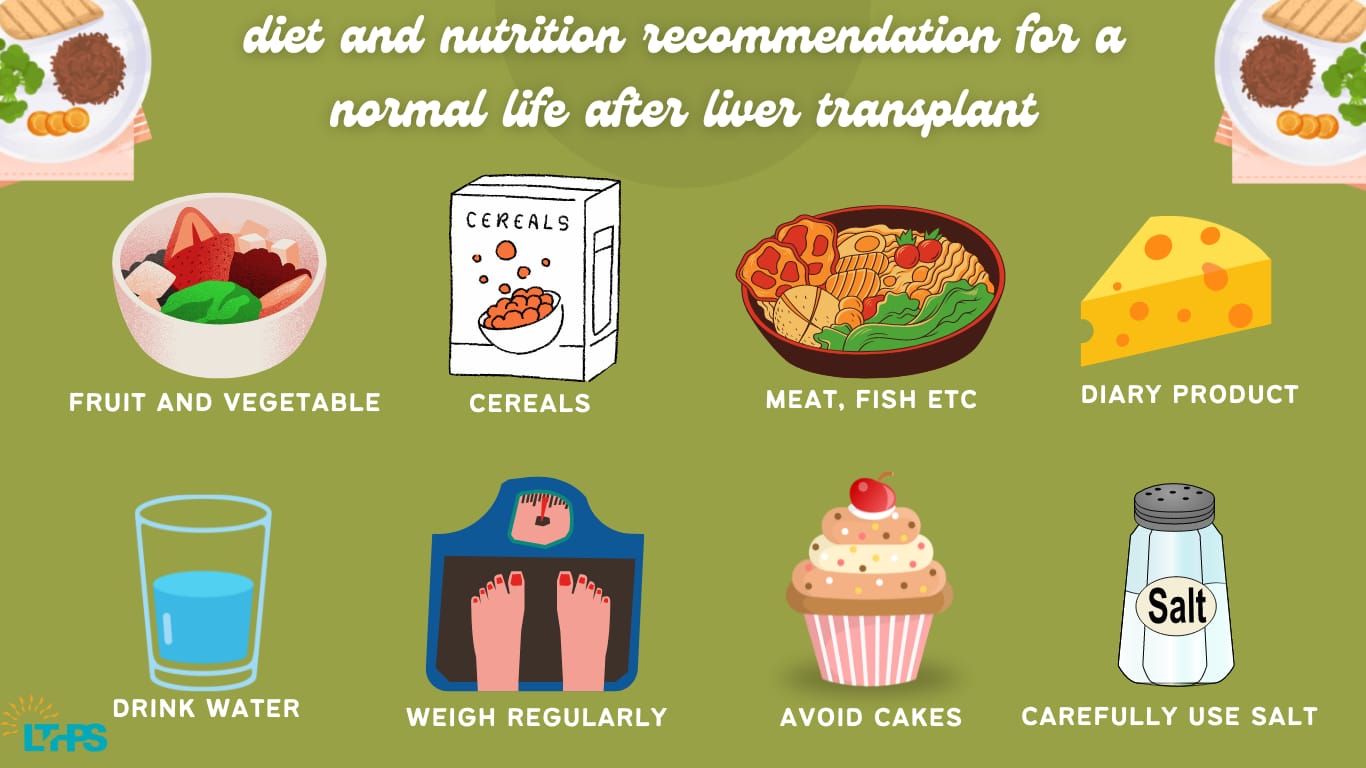
Diet and nutrition recommendations for a normal life after a transplant

food safety crucial for someone who has had a liver transplant

Before the transplant, you were sick for a considerable time and likely lost significant weight. As a result, eating right is crucial to your healing process, and a good, balanced diet will assist in getting you back on track.


  • Fruits and vegetables are an important part of your diet.
  • Whole-grain baked goods and cereals
  • Lean meats, fish, chicken, and other protein sources. Low-fat and dairy foods or other calcium-containing foods.

Additional Suggestions  for Food After a Liver Transplant include:

  • Weighing yourself daily.
  • Steer clear of sugary snacks like cakes and cookies between meals. Consume some fruit or veggies if you’re hungry.
  • Try to consume two liters of fluid daily. This benefits your kidneys and aids in the body’s elimination of waste. Fruit drinks, herbal beverages, pasteurized low-fat milk, and packaged mineral water are all healthy options.
  • Peel and carefully wash fresh fruit.
  • Potatoes and other vegetables cultivated in the soil must always be peeled and prepared in boiling water. Vitamin concentration in vegetables can be preserved by pressure cooking them. Consume no raw veggies, such as lettuce.
  • Prevent cheeses with mold, and never eat cheese manufactured from unpasteurized milk.
  • Purchase little quantities of dairy products frequently so you can consume them while they’re still fresh.


Salt (Sodium)

Use salt carefully while cooking, avoid salting cooked foods or salads, and steer clear of salty items like potato chips, pickles, and canned goods while using steroids.

Exercise

Following a daily workout regimen is crucial to strengthen your muscles after a protracted sickness has weakened them. You must increase the number of workouts you do slowly. Walking, swimming, biking, and improving your general muscle tone are all excellent ways to build stamina. If all goes well, you can start participating in other activities three months after the surgery. Never begin an exercise routine without first consulting your transplant team.

Driving

Driving a car is not advised for the first four weeks after liver transplantation. You should not consume alcoholic beverages. The liver breaks down alcohol, which can harm the liver. 

Smoking

Give up smoking! Smoking is bad for your health in general.

Sexual Behavior

As soon as you feel healthy enough, you can start having sexual relations again. A few months following surgery, most men restore their sexual ability, while most women discover that the menstrual cycle has returned to normal.

Fertility

Many men have effectively fathered offspring following transplantation, and a sizable number of individuals have given birth to viable offspring. Women should talk to their physician or a transplant teammate about their desire to begin a family.

It would help if you typically waited at least one year before trying to conceive. You must also undergo low-dose immunosuppressive medication, have the good renal function, and be clear of any conditions that could compromise the health of you or your unborn child.

Vacation

If you apply common sense, there is no explanation for why you shouldn’t enjoy your travels. Always bring enough medicines with you for the duration of the trip. Always provide contact information, such as an address.

Household Pets

Having pets in the home is typically not advised due to the elevated risk of infection.

Protein

Nutrition for the patient after Liver Transplant surgery Any competent and knowledgeable liver transplant specialist in a place with such modern medical technology would advise protein to make up one-fourth of the food for at least two months following the liver transplant as part of the rehabilitation program. You must have protein in your meals and beverages if you want long-term medical benefits. Lean meat, eggs, seafood, and chicken are also satisfying options for non-vegetarians. Vegans can benefit from soy milk, and vegetarians need not fear because dairy products, beans, and lentils are also excellent protein sources. In addition to this, nuts and seeds are sources of protein. A key piece of advice is to consume low-fat milk products to prevent weight gain. 

Fats

In addition to slowing recovery, a rise in bad cholesterol might result in other health issues. Healthy fats, however, can increase the positive effects on your health. Consume cold-water fish, like tuna. Omega 3 fatty acids, abundant in fish, are very good for your health. Nuts, vegetable oils, and seeds are excellent sources of good fats.

Conclusion

A sophisticated medical operation called a liver transplant includes replacing a patient’s diseased or non-functioning liver with a healthy part retrieved from a compatible donor. Patients with end-stage liver problems who are not reacting well to medicine or other treatments are advised to have an operation. It is crucial to watch your diet after a liver transplant because the liver is crucial to digestion. You need to pay close attention to what you eat and don’t consume, keep a healthy weight, and steer clear of any conditions that can harm your liver.