Alcoholic Liver Disease Insights from Dr. Neerav Goyal

Alcoholic Liver Disease: Insights from Dr. Neerav Goyal

Alcoholic Liver Disease (ALD) is a significant cause of liver health problems and death around the world, usually causing problems after one drinks alcohol heavily for a long time. The disease has various types of liver damage, from simple steatosis (fatty liver) to liver cirrhosis and even liver cancer. ALD is preventable, but remains underdiagnosed and undertreated due to overlooking its slow progression and nonspecific signs. To understand ALD with greater detail, we would like to reach out to Dr. Neerav Goyal, one of the hepatology specialists, who provided useful information regarding pathophysiology, diagnosis, treatment, and even preventive measures concerning this disease.

Understanding Alcoholic Liver Disease: The Spectrum of Damage

ALD progresses over time, starting as a fatty liver and leading to advanced cirrhosis. Liver processing capacity for alcohol increases over time, but only to a certain point, after which the liver becomes overwhelmed. ALD can be described in components as follows:

Alcoholic Fatty Liver (Steatosis):

ALD’s first and most common stage is alcoholic fatty liver, which is characterised by fat accumulation in the liver cells. Most patients with steatosis are symptom-free, but the extra fat in the liver should alarm the patient because it means alcohol is beginning to impair liver metabolism. The positive news is, as Dr. Goyal points out, the liver can recover fully if alcohol intake ceases at this stage.

Alcoholic Hepatitis:

With further exposure to alcohol, liver inflammation and cell damage deepen, progressing toward alcoholic hepatitis. This condition is marked by jaundice, nausea, persistent abdominal pain, and fever, and in some cases, can progress to dangerously severe alcoholic hepatitis. Dr. Goyal says this condition is an emergency and needs to be treated right away. A timely treatment, on the other hand, can lead one to a healthier life.

Fibrosis and Cirrhosis:

Chronic drinking can lead to scarring of the tissue, known as fibrosis, which can advance to cirrhosis. The damage becoming permanent liver cirrhosis is the obliteration of the architecture and function of the organ. Complications include variceal bleeding, fluid buildup in the abdomen (ascites), and brain dysfunction due to liver failure (hepatic encephalopathy). “Dr. Goyal stated that while there is no turning back from cirrhosis, slowing down the liver’s deterioration is possible with early medical intervention.”

Hepatocellular Carcinoma (Liver Cancer):

Long-lasting cirrhosis, especially due to chronic alcohol consumption, sets the stage for liver cancer. Having liver cancer because of cirrhosis puts patients in a vulnerable situation. “Dr. Goyal emphasised the importance of continual monitoring for liver cancer in patients with cirrhosis, as the earlier it is diagnosed, the better the chances of surviving.”

The Pathophysiology: How Alcohol Damages the Liver

Dr. Goyal’s experience and research indicate that the harm to the liver from Alcoholic Liver Disease (ALD) is due to several reasons. It is mainly attributed to the breakdown of alcohol into acetaldehyde, due to alcohol dehydrogenase (ADH) and cytochrome P450 2E1 (CYP2E1). Acetaldehyde is such a substance that causes oxidative stress along with inflammation, and immune responses. All these lead to the liver cell damage.

Many other components worsen this process:

Oxidative Stress: The secondary damage to liver cells during oxidative stress is increased due to the free radicals caused by Alcohol metabolism.

Inflammatory response towards Acetaldehyde and its metabolites in the liver can start an immune response and release cytokines which invoke a fervent cascade inflicting additional damage to liver tissue.

Excessive inflammation is not alone, alcohol also disrupts the liver’s ability to break down and move fat which causes an increase of fat in liver cells.

As Dr. Goyal notes, steroid hormones have a considerable impact, too. Changes in the genes related to do with alcohol consumption, like ALDH2 (Aldehyde Dehydrogenase), greatly weaken someone’s resistance to Alcoholic liver Disease (ALD) because someone lacking ALDH2 is likely to suffer from severe injury to liver injury after consumption, while growing up in East Asian countries makes it even worse.

Main Danger Elements When Attempting to Diagnose Alcoholic Liver Disease

The primary suspect and tragic risk for ALD liver disease is severe drinking, but a variety of underlying factors could be contributing to simultaneously increasing ALD susceptibility:

Nationality is one of the most vital risk factors for suffering from ALD liver. As Dr. Goyal in-depth, changes in all metabolic uses and whether the immune system is involved in liver inflammation affect the rate of ALD cirrhosis.

Gender: Even taking into consideration a woman’s lower alcohol intake in comparison to males, they still tend to develop ALD at a greater rate. This is due to AFLD’s unique metabolism and hormonal composition, as well as body structure factors.

Comorbid Conditions: Existing causes like obesity, diabetes, and viral hepatitis worsen liver damage. These patients with double diseases are more susceptible due to the amplified impact these conditions tend to possess with alcohol intake. According to Dr. Goyal, these illnesses tend to enhance the already damaging impact alcohol has towards the liver.

Binge Drinking: The act of infrequently binge-drinking poses to be highly detrimental to the liver’s wellbeing. According to Dr. Goyal, binge drinking triggers acute alcoholic hepatitis, even in those who do not drink deeply.

Nutritional Deficiencies: In most cases, consuming alcohol for long periods without breaks leads to malnutrition. This does strenuous work to the liver since it greatly limits self-restoration capabilities. Dr. Goyal stresses full diet is essential in sustaining ALD and impersoning AFLD.

Diagnosing Alcoholic Liver Disease

As Dr. Goyal notes, to diagnose ALD, the history of alcohol intake along with ancillary methods of evaluation must be woven together.

Blood Tests: Liver function tests (LFTS) alongside some blood markers like gamma-glutamyl transferase (GGT) and mean corpuscular volume (MCV) can reflect some degree of liver damage. These do not cause alcoholic liver disorder; however, the diagnosis of ALD requires more answers. Investigations are usually incomplete.

Imaging: Fatty liver, liver fibrosis, and liver cirrhosis are some of the stages of the liver which can be evaluated using non-invasive imaging techniques like ultrasound, CT scan, or MRI. They play an important role in staging the disease.

Liver Biopsy: Liver biopsy is considered the gold standard of diagnosis ALD but it is seldom done because of its invasive nature. It is done while staging fibrosis of the liver in patients when there is some doubt regarding the diagnosis.

Management and Treatment of Alcoholic Liver Disease

Treating ALD is a complex process, as there are multiple strategies, but the common denominator remains preventing more damage and promoting repair to the liver. As presented by Dr. Goyal, these are some central principles of treatment:

Alcohol Abstinence: From the therapeutic perspective in ARL, the most effective measure is stopping alcohol. Dr. Goyal notes that even if the patient is in an advanced stage of the disease, stopping alcohol will control the damage, and liver function can improve.

Nutritional Support: Proper nutrition is essential for properly managing the health of ALD patients. Malnutrition is very common among patients with ALD. Having an increased dietary protein, while simultaneously lowering lipid intake, can enhance liver function and assist in recovery.

Medications: Corticosteroids and pentoxifylline are used in the treatment of severe alcoholic hepatitis to reduce inflammation. Patients who have cirrhosis also require treatment for complications of ascites, variceal bleeding, and hepatic encephalopathy.

Liver Transplantation: Liver transplantation is a therapy option for patients with end-stage liver disease (cirrhosis), but as Dr. Goyal points out, one of the requirements is having a history of abstaining from alcohol for a certain period.

Preventing Alcoholic Liver Disease

Dr. Goyal outlines focusing exclusively on prevention to manage ALD. He proposes public policy initiatives that aim to educate people on the dangers associated with alcohol misuse, as well as more proactive measures, such as early screening coupled with counselling for people prone to ALD.

Conclusion: Laying Out The Next Steps

ALD continues to be a public health concern for many people, and Dr. Goyal’s ALD lectures about the pathophysiology, diagnosis and treatment of the disease help accentuate the reality of proactive measures and the role of lifestyle modifications. The rising burden of ALD can be alleviated with timely diagnosis, increased healthcare access, lifted awareness levels, improved quality of care, and a shift towards responsible drinking practices.

ALD is complex in nature, and hepatologists from around the world highlight the importance of adopting a holistic strategy for prevention and management of the condition. This analysis advocates for tailored treatment strategies based on individual patient needs.

 

Yellowing eyes and skin – common symptom of jaundice

Jaundice: Understanding the Yellow Signal Your Body Sends

Jaundice. It’s one of those words you’ve probably heard from a doctor or seen in a movie. But do you know what it means? That yellowish tint in the eyes or skin isn’t just a random occurrence—it’s your body waving a big, yellow flag saying, “Hey! Something’s not right with the liver!”

In this article, we’re diving deep into jaundice in a way that’s easy to understand, even if you’ve never picked up a medical book in your life. We’ll also talk about what to do if things get serious, including how to find the Best Liver Transplant Surgeon in India—because when your liver talks, you need the right expert to listen.

1. What is Jaundice?

Jaundice isn’t an illness, but just a manifestation. Consider it an indication of a “check engine” light for the body, particularly your liver. If your eyes or skin change colour is due to the accumulation of a chemical known as bilirubin that your liver usually disposes of. When your liver isn’t functioning properly, the bilirubin levels start to build up, and the yellowing appears.

2. What Causes Jaundice?

Why does this alert turn yellow? There are a variety of reasons that can cause problems with the processing of bilirubin:

  • Liver ailments such as cirrhosis or hepatitis
  • Gallstones blocking the bile ducts
  • The infection that causes liver damage
  • Certain medications or alcohol damage
  • Gene-related disorders like Gilbert’s Syndrome

Simply put, everything that hinders or blocks the liver’s ability to perform its job could trigger jaundice.

3. Types of Jaundice

There are three major types of problems, based on the location where the issue first appears:

Pre-Hepatic Jaundice

It occurs before the liver gets involved. It’s typically due to ailments like sickle cell anaemia, in which red blood cells are destroyed too quickly.

Hepatic Jaundice

It is caused by issues in the liver that cause it, such as fatty liver disease, hepatitis, or cirrhosis.

Post-Hepatic Jaundice

Also referred to as Obstructive jaundice. Also known as obstructive, it happens following the liver is blocked, think of the liver ducts, because of cancerous gallstones.

4. Signs and Symptoms to Watch For

The most obvious indicator? The skin is yellowing or the eyes. But that’s not all. It is also possible to notice:

  • Urine with dark-colored hues
  • Pale-colored stool
  • Affective or weak
  • Nausea or vomiting
  • Abdominal discomfort or swelling
  • Itchy skin

If you notice any combination or combination of them, do not dismiss your liver’s attempt to speak to you!

5. Jaundice in Newborns

It’s normal for newborns to appear somewhat yellow following the birth. It’s because their livers still learning how to deal with the hormone bilirubin. Most times it will go away by itself. In some instances when bilirubin levels are too high the risk of a heart attack increases and require treatment such as the phototherapy (special treatment with light).

6. How Jaundice is Diagnosed

Doctors don’t simply go by appearances. Here’s how they make sense of things:

  • The blood tests are used to determine the liver’s function and levels of bilirubin
  • Ultrasounds or CT scans that look at the liver and bile ducts.
  • The biopsy of the Liver in certain severe instances

These tests allow you to pinpoint the exact cause and then identify the most effective treatment.

7. Is Jaundice Dangerous?

Sometimes, but not always. In cases of mild severity, especially when the cause is temporary, it’s possible to be cured by itself. If it’s related to an ongoing liver problem and is not treated, it could be dangerous if not addressed.

This is why obtaining the correct diagnosis in the early stages is vital.

8. How is Jaundice Treated?

The treatment is based on the cause:

  • Antibiotics to treat infections
  • Lifestyle modifications to treat fatty liver or alcohol-related issues
  • Stents or surgery to treat obstructions in the bile duct
  • Antiviral medication for Hepatitis
  • A liver transplant if the liver is damaged beyond repair

9. When is Liver Transplant Considered?

When the liver has reached an age where it is unable to no longer perform its function and the other treatment options have been unsuccessful, liver transplant is the only alternative. It’s a big decision, but it’s also life-saving.

Signs of warning that could cause a transplant:

  • Multiple jaundice episodes
  • Liver failure
  • Hepatocellular carcinoma (liver cancer)
  • Cirrhosis severe

This is why choosing the best liver transplant surgeon in India is essential, since experience can make all the difference.

10. Best Liver Transplant Surgeon in India

India is recognised globally for its highly skilled surgeons and sophisticated liver transplantation programs. The best Liver Transplant Surgeon in India will provide:

  • High rate of success during transplant surgeries
  • Modern medical facilities that have liver ICUS
  • Affordable treatment options
  • Post-transplant assistance and rehabilitation

No matter if you’re living in Delhi, Chennai, Hyderabad, or Mumbai, make sure you verify credentials, testimonials from patients and the hospital’s infrastructure before making a decision.

11. Preventing Jaundice – Can It Be Avoided?

In many cases, yes. Here’s how to keep your liver well:

  • Avoid excessive alcohol
  • Be vaccinated against Hepatitis A and B
  • Keep a healthy weight and diet. lose weight
  • Take your medication with care.
  • Do not share needles or personal objects

Consider your liver as the body’s filter. Take care of it!

12. Jaundice Diet – What to Eat and What to Avoid

Food can be your most effective remedy. Here’s how:

Eat More Of:

  • Fresh fruits (papaya, apples, berries)
  • Leafy greens
  • Turmeric (anti-inflammatory)
  • Plenty of water

Avoid:

  • Foods that are oily, fried or processed
  • Alcohol
  • Sugary drinks
  • Salt that is too much

Keep in mind that the food you put in your mouth can affect your liver’s function directly.

13. Myths and Facts About Jaundice

Let’s dispel a few of the most common myths:

Myth: Jaundice is transmitted from one person to the next.

Fact: It’s not contagious–unless it’s caused by an infectious disease such as Hepatitis.

The myth: You should avoid the use of turmeric in jaundice.

Fact: Turmeric has liver-protecting properties!

The myth: Only alcoholics get jaundice.

Fact: Even non-drinkers can be suffering from liver problems because of an unhealthy liver, infections or genetic issues.

14. Emotional and Mental Health During Liver Illness

A chronic liver problem can take a toll not only on your body, but also on your mental and emotional well-being. Stress, anxiety, and stress are all common. This is why counselling, support groups, and conversations with loved ones could be as effective as medications.

15. Final Thoughts – Listen to Your Liver

Jaundice isn’t just about the colour of your eyes. It’s a sign that your liver could be getting a little shaky. The faster you act on the signs, the greater your chance of avoiding damage that could last for a long time. If the problem becomes severe, do not be afraid to seek out the most reputable liver transplant surgeon in India. Because your liver deserves nothing less than the very highest quality.

Frequently Asked Questions (FAQS)

1. Does jaundice disappear by itself? Yes, mild jaundice will disappear in its own time, especially when it is caused by temporary problems such as minor infections or medication adverse effects.

2. What is the time frame to heal from jaundice? It’s dependent on the cause. For instance, viral jaundice could last a few weeks, while chronic liver problems can last for months or require a lifetime of treatment.

3. Is a liver transplant the only option for severe jaundice, but not always. A transplant is only required in cases of liver failure, and all other treatment options have not worked.

4. How can I locate the most effective liver transplant specialist in India? Do you look for surgeons who are board-certified in the top hospitals, who have excellent customer reviews with high success rates and excellent aftercare service?.

5. Does jaundice in adults differ from that of newborns? The answer is yes, newborn jaundice is generally harmless and only temporary, but adult jaundice typically suggests an underlying liver problem.


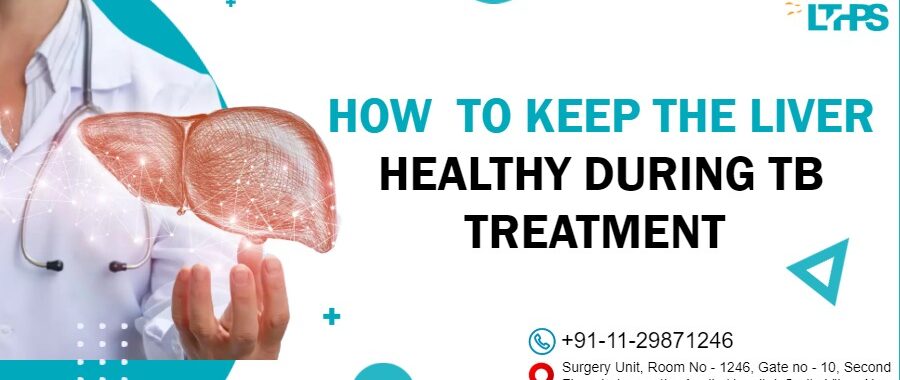
How to Keep the Liver Healthy During Tb Treatment

How to Keep the Liver Healthy During Tb Treatment?

Even though active tuberculosis requires a lengthy course of treatment, which can last up to a year of regular antibiotics, you can assist yourself in feeling good sooner and aid your body in fighting the illness by ensuring you’re eating the correct nutrients. More than ever before, your body requires wholesome nourishment.

Individuals who are underweight or malnourished have a higher risk of contracting tb and are more susceptible to recurrence after treatment. Your body has to be as strong as possible to protect itself against those nasty tuberculosis bacteria because malnutrition lowers immunity.

Malnutrition gets worse as active tb spreads, which in turn encourages poor nutrition. Therefore, you must properly nourish your body to keep it ready to fight TB.

It is a silent disease: tuberculosis.

Death by tuberculosis is silent. Due to a lack of signs, a physician may be oblivious that he has the disease. A diagnosis may not be made for many years. This is a medical ailment that has an impact on your lungs. The bacteria Mycobacterium tuberculosis is the cause of the contagious disease tuberculosis. The signs and symptoms of asthma include a chronic cough, chest pain, exhaustion, fever, shivers, night sweats, unintentional weight loss, and breathing difficulties.

In addition to your lungs, tb can harm your spine, kidneys, or brain. You will see blood in your stool if TB has harmed your kidneys. You will feel back discomfort if it has impacted your spine.

How does TB affect dietary habits?

Someone with TB must take their medicine promptly and regularly. Diet, though, also has a significant impact on healing and recovery. You are not required to eat unique and organic foods. Consuming wholesome, nutritious meals is what makes it easier to fight off this bacterial infection. TB produces pathophysiological alterations that might contribute to undernourishment. As a TB patient, you decrease your appetite since TB impairs your body’s capacity to synthesize protein. This causes nutrient deficiencies and weight loss due to muscle loss, slightly overweight, and finally, weight.

Guidelines for a TB patient’s healthy and beneficial diet

For patients to beat the illness, a macro- and micronutrient-rich diet is crucial. Essential amino acids in protein-rich foods like dairy, eggs, soy, or tofu can help strengthen your body’s defenses against TB bacteria. These food groups assist with building muscles and battling weariness. Also, they offer the stamina to continue one’s normal activities during therapy and rehabilitation.

How to Keep the Liver Healthy During Tb Treatment

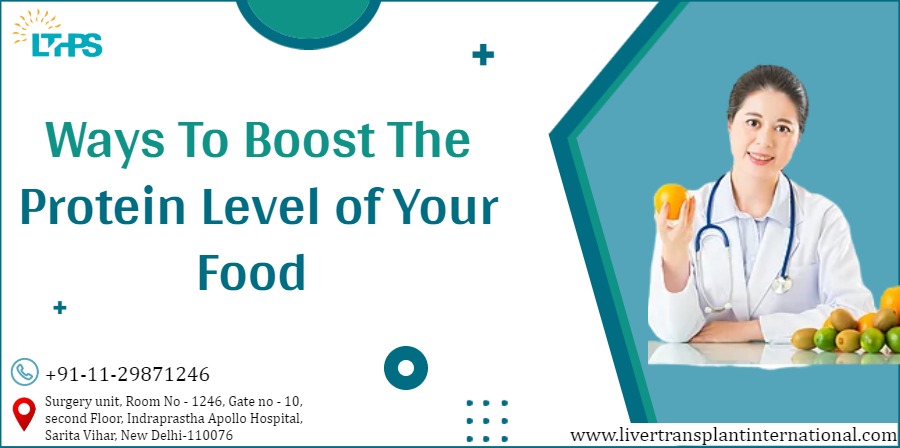
Ways to boost the protein level of your food:

Fruit milkshakes can be a tasty and wholesome way to jumpstart your day’s energy.

Whole grains, cereal grains, and millet, high in calories and carbohydrates, can give your body the energy to fight off infection-causing bacteria.

Ideas for delectable, healthful meals include a khichdi dish with rice, lentils, and fresh veggies.

A nutritious porridge made with rice or semolina balls.

Vitamin depletion brought on by the illness and its treatment can be replenished with fruits and vegetables high in vitamins A, B, C, and E 5. Foods contain antioxidants, which help your body eliminate pollutants and give you the strength you require. These potent antioxidants also assist in reducing the negative effects of excessive medicine dosages and disease-causing free radicals.

Fruity meals are simple to prepare!

A bowl filled with various fruits, including guava, mango, apple, banana, grape, and orange.

The liberal use of fresh tomatoes as a culinary and food preparation item.

A chicken breast or fish fillet that has been cooked to perfection and is served with steamed or cooked broccoli.

Meals that provide the body with extra minerals like iron, copper, and selenium are also crucial for TB patients’ nutritional profiles.

Being Healthy While Having Active TB

It may be challenging to eat well due to the negative effects of several medications prescribed for treating active tuberculosis. You could have the following side effects from some medications: loss of appetite, nausea, vomiting, and abdominal cramps.

You can’t stop taking your anti-TB medications, so discuss how to lessen the side effects with your doctor.

Please make every effort to provide your body with the nutrients required to keep a healthy weight, develop the strength to eradicate tuberculosis germs, and lessen your risk of relapsing. You’ll recover more quickly if you eat a healthy diet and avoid bad habits.

Things to Avoid If You Have Active TB

There are some foods and chemicals you shouldn’t be using, as is always the situation for optimum health.

  • Avoid any tobacco products.
  • Avoid drinking alcohol since it may raise the likelihood of liver failure from some TB medications.
  • Keep coffee or other caffeinated beverages to a minimum.
  • Refined foods like sweets, white bread, or white rice should be avoided.
  • Steer clear of red meat, which is full of fat and cholesterol, and fill up on lean protein sources such as poultry, legumes, soy, and fish.

Conclusion

Mycobacterium tuberculosis bacteria cause the lethal common infectious disease called tuberculosis. Globally, almost ten million individuals have active TB. While being contagious, TB is difficult to spread from one person to another. Although it mostly harms the lungs, it also harms the kidneys, brain, and nervous system. TB is entirely treatable and avoidable. The disease tuberculosis is treatable and avoidable. A good diet, proper mouth protection, and the TB vaccine can prevent TB. For more information, Consult Today with doctor.