
1. Introduction
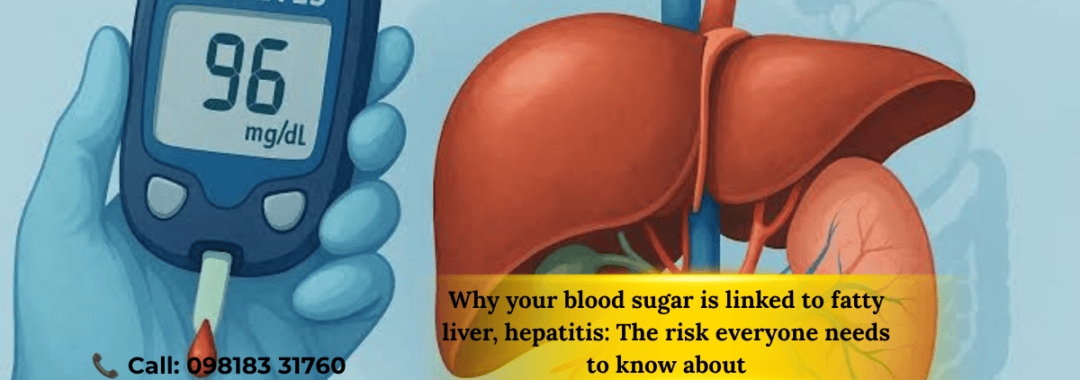
Your liver health may seem completely separate from your blood sugar health. People commonly associate blood sugar with diabetes and liver health with diseases such as cirrhosis and alcoholic or non-alcoholic fatty liver disease. However, blood sugar, insulin, and liver health have more connections than you may think.
As insulin resistance gets worse, more fat can be stored in the liver. On the other hand, higher levels of fat in the liver can make it more difficult for the body to regulate blood sugar. In certain patients with chronic hepatitis C, infection with the hepatitis C virus may contribute to insulin resistance and even type 2 diabetes.
Your liver is a center of control for your body’s metabolism. High levels of stress on the liver may cause inflammation and hepatitis. This combined stress may increase the chances of cellular scarring, cirrhosis, and more complicated conditions.
Because of the relationship between blood sugar and liver health, it is important to address blood sugar problems as they arise instead of waiting until liver health issues become more advanced.
Learn how blood sugar, insulin resistance, fatty liver, and hepatitis affect liver health, and when to consult the best liver transplant surgeon in India for advanced liver disease.
The liver has a significant role in blood sugar management. It stores extra glucose for later use and releases it when your body needs energy.
2. How Insulin Resistance Leads to Fatty Liver
In healthy individuals, insulin helps glucose move into cells, reducing the amount of glucose circulating in the blood. The liver senses these changes and adjusts its own glucose production accordingly. In people with insulin resistance, however, the body’s cells do not respond properly to insulin, and the liver may continue producing glucose when it is not needed.
Insulin helps manage this process, but with insulin resistance, cells do not react to insulin as they should. The pancreas may compensate by producing more insulin as blood glucose levels rise.
Insulin resistance also affects the way the liver processes fat.
This is where the connection becomes important:
Insulin resistance → abnormal fat handling → fat accumulation in the liver → fatty liver → further metabolic problems.
Not everyone with insulin resistance will develop liver problems, but these conditions often occur together.
3. How Insulin Resistance Leads to Fatty Liver
Insulin resistance is one of the metabolic conditions associated with fatty liver disease, which is now commonly known as metabolic dysfunction-associated steatotic liver disease (MASLD).
When the effects of insulin are diminished, the body has difficulty controlling glucose and fat metabolism. Fatty acids can accumulate in the liver, while the liver can also produce and store additional fat.
Eventually, fat can build up inside liver cells.
The NIDDK states that insulin resistance and type 2 diabetes are significant risk factors for fatty liver disease.
What is concerning is that fatty liver can develop into a more serious condition.
In some individuals, inflammation, liver-cell injury, and fat deposits can develop into more severe conditions, including liver fibrosis and cirrhosis.
4. Can Fatty Liver Increase the Risk of Diabetes?
Yes, the relationship can work in both directions.
Diabetes can increase the risk of fatty liver, while fatty liver is also associated with insulin resistance and an increased risk of developing type 2 diabetes.
This can create a vicious cycle.
Imagine your metabolism as a traffic system. When everything is functioning correctly, glucose and fat move efficiently through the liver, muscles, and other tissues. Insulin resistance can create a series of “traffic jams.” Once that occurs, the entire system becomes less efficient.
It has been well researched and clinically documented that when MASLD, obesity, and insulin resistance occur together, they are closely associated with type 2 diabetes.
Therefore, a person with diabetes should not focus only on their blood glucose levels. Liver health is also an important part of overall metabolic health.
5. What Is the Link Between Blood Sugar and Hepatitis?
The word hepatitis indicates inflammation of the liver. There are many causes, including infections, alcohol, medications, autoimmune diseases, and metabolic liver conditions.
The relationship between blood sugar and hepatitis depends on the type of hepatitis being discussed.
Chronic hepatitis C has a well-documented association with insulin resistance and type 2 diabetes. There are several pathways through which hepatitis C infection may alter glucose metabolism.
This does not mean that everybody who has hepatitis will necessarily develop diabetes.
It means that patients with chronic liver inflammation who also have metabolic risk factors may benefit from increased monitoring of blood sugar levels, weight, cholesterol, and other metabolic health markers.
6. Why Hepatitis C Deserves Special Attention
Hepatitis C is caused by the hepatitis C virus and can become a chronic infection. Without proper treatment, chronic infection can lead to cirrhosis and liver cancer. Fortunately, most people with hepatitis C can be cured with modern antiviral medicines.
Hepatitis C also has a strong metabolic connection.
Many studies have associated chronic HCV infection with insulin resistance, abnormal glucose metabolism, type 2 diabetes, and liver fat accumulation.
Why Is This Important?
When the liver is already inflamed, additional metabolic problems may complicate the situation.
Fortunately, effective hepatitis C treatment can eliminate the virus and may improve some of the metabolic problems associated with the infection. A recent review examining direct-acting antiviral treatment for chronic HCV found improvement in insulin resistance among patients without diabetes.
Of course, treatment options should always be carefully designed by a doctor who specializes in liver disease.
7. Can Diabetes Worsen Liver Disease?
Type 2 diabetes does not guarantee advanced liver disease, but fatty liver disease and chronic liver disease become more concerning when combined with poor metabolic health.
Fatty liver disease is common among people with type 2 diabetes. In this population, diabetes is an important factor doctors consider when evaluating the risk of liver disease progression.
The presence of:
- Type 2 diabetes
- Insulin resistance
- Excess body weight
- High triglycerides
- High blood pressure
- Fatty liver
- Liver inflammation
may indicate metabolic problems that affect the liver and potentially other organs as well.
Treating only some of these issues may not address the underlying metabolic problem.
8. Warning Signs You Should Not Ignore
One of the most challenging things about fatty liver is that it can remain completely silent for many years.
Often, individuals may have significant liver disease with few or no noticeable symptoms. Some people may experience discomfort in the upper-right side of the abdomen or persistent tiredness.
Some warning signs that deserve medical attention include:
- Persistent fatigue
- Yellowing of the eyes or skin
- Dark urine
- Swelling of the abdomen or legs
- Easy bruising or bleeding
- Loss of appetite
- Unexplained weight loss
- Confusion or excessive sleepiness
- Persistent nausea
- Abdominal pain
These symptoms should be taken seriously, particularly if you already have fatty liver disease, hepatitis, diabetes, or another liver-related condition.
9. How Doctors Check Blood Sugar and Liver Health
When doctors evaluate liver health and metabolic health, several tests may be used depending on the individual case.
Common Blood Sugar Tests
- Fasting blood glucose
- HbA1c
- Other glucose tests when appropriate
Common Liver-Related Blood Tests
- ALT
- AST
- Bilirubin
- Albumin
- Platelet count
- Additional tests based on your medical history
Your doctor may also recommend an ultrasound or other non-invasive tests that evaluate liver stiffness and fibrosis.
According to the NIDDK, doctors use a combination of medical history, physical examination, imaging, blood tests, and occasionally liver biopsy to assess fatty liver disease and determine the different forms of the condition.
It is important to note that even with normal liver enzymes, the liver may not necessarily be completely healthy. Your doctor may consider several factors rather than relying on a single blood test.
10. How to Protect Your Liver and Stabilize Blood Sugar
Many major risk factors can be modified.
For people with fatty liver, insulin resistance, or type 2 diabetes, doctors may emphasize the following:
1. Control Blood Sugar
Follow the diabetes treatment plan prescribed by your healthcare professional.
2. Aim for Gradual Weight Loss
If you are overweight or have obesity, gradual weight loss may help reduce liver fat and improve liver inflammation and fibrosis.
According to the NIDDK, losing around 3% to 5% of body weight can reduce liver fat, while greater weight loss may be needed to improve inflammation and fibrosis.
3. Exercise Regularly
Regular physical activity can improve metabolic health, even when significant weight loss does not occur.
4. Make Healthier Food Choices
Reduce highly processed foods, excessive calories, and added sugars while emphasizing nutritious whole foods.
5. Avoid Unnecessary Liver Stress
Alcohol and certain medications or supplements can be harmful to the liver in some circumstances. Always discuss medications and supplements with your doctor if you have liver disease.
11. Diet Changes That Can Help
A complicated “liver detox” is usually not necessary.
Your liver performs important detoxification functions every day.
A better approach is to develop healthy eating habits that you can maintain over the long term.
Consider including:
- Vegetables and fruits
- Whole grains
- Legumes
- Lean protein
- Healthy fats
- Nuts
- Seeds
- Fiber-rich foods
At the same time, limit sugary treats, sugary beverages, and highly processed foods that contain large amounts of added sugar.
The NIDDK encourages limiting simple sugars and avoiding large amounts of fructose from beverages and processed foods as part of dietary management for fatty liver disease.
An extreme diet followed for only a few weeks is unlikely to provide lasting benefits. Consistency and moderation are generally more sustainable than highly restrictive diets.
12. Exercise and Weight Management
Improving liver health and supporting your metabolic system is possible through a variety of physical activities.
Some examples include:
- Walking
- Swimming
- Cycling
- Strength training
- Yoga
The type, intensity, and duration of exercise should depend on your health and fitness level.
Your healthcare professional can help you create appropriate exercise goals if you have diabetes, advanced liver disease, heart disease, or another medical condition.
You do not have to start with an intense workout routine.
The key is consistency. Getting your body moving regularly can support long-term metabolic and liver health. Physical activity may benefit fatty liver even when substantial weight loss does not occur.
13. When Should a Liver Specialist Be Consulted?
If you or a loved one has any of the following, you should consider consulting a doctor for evaluation and possible liver-related testing:
- Obesity
- Diabetes or prediabetes
- Known fatty liver
- Chronic hepatitis
- Abnormal liver tests
- Significant metabolic risk factors
- Family history of liver disease
- Symptoms of advanced liver disease
Because liver disease can progress quietly, early evaluation can be valuable.
A liver specialist can determine whether your liver has excess fat or whether there are signs of inflammation, fibrosis, or cirrhosis.
This is an important distinction because excess fat in the liver does not automatically mean advanced liver failure.
The earlier significant liver disease is identified, the more opportunities there may be to slow or manage its progression.
Fatty liver disease does not always progress to the point where a transplant is required. In many cases, appropriate weight management, exercise, and treatment of underlying health conditions can help improve metabolic and liver health.
However, some liver diseases can progress to advanced liver failure or liver cancer. MASH, for example, can cause inflammation and scarring that may eventually progress to cirrhosis and liver failure.
Chronic viral hepatitis can also cause serious long-term liver damage.
Some complications associated with decompensated liver disease include:
- Ascites
- Gastrointestinal bleeding
- Jaundice
- Confusion
- Severe weakness
- Other signs of liver failure
These conditions require specialized medical care.
14. The Role of a Liver Transplant Specialist
A liver transplant may become necessary when liver damage is so severe that the liver can no longer perform its essential functions adequately. Liver cancer and selected other serious liver diseases may also be indications for transplantation.
When a patient reaches advanced liver disease, the careful selection of an experienced transplant team becomes especially important.
When patients search online for the best liver transplant surgeon in India, they should look beyond advertisements and consider factors such as:
- Relevant surgical qualifications
- Experience with complex liver surgery
- Liver transplant experience
- Multidisciplinary transplant support
- Hospital infrastructure and facilities
- Post-transplant care
- Experience managing complex and high-risk patients
A transplant is not simply an operation. It is a long-term medical journey that can involve evaluation, surgery, intensive medical care, medications, monitoring, and lifelong follow-up.
Therefore, patients should speak directly with a qualified liver transplant specialist rather than relying only on internet-based rankings.
For patients with advanced liver disease, timely referral to a specialized transplant center can help them understand available treatment options.
15. Final Takeaway
The link between blood sugar levels, insulin resistance, fatty liver, and hepatitis is real and important.
Insulin resistance can promote fatty liver, while fatty liver is closely associated with worsening metabolic health. Chronic hepatitis, especially chronic hepatitis C, can also be associated with insulin resistance and diabetes.
The point is not to panic, but to pay attention.
If you have diabetes, prediabetes, fatty liver, or hepatitis, ask your doctor whether your liver needs evaluation. Managing blood sugar, improving your diet, staying physically active, and treating underlying liver disease can all play an important role in protecting your health.
If your liver disease is more advanced, seek advice from an experienced liver transplant team. If you are researching the best liver transplant surgeon in India, look carefully at qualifications, experience, transplant expertise, hospital facilities, outcomes, and comprehensive long-term care.
Your liver may be relatively silent, but that does not mean it should be ignored.
Frequently Asked Questions
1. Can high blood sugar cause fatty liver?
Yes. High blood sugar is linked with insulin resistance, which is an important metabolic risk factor for fatty liver disease. Fatty liver and diabetes often occur together.
2. Can fatty liver cause diabetes?
Fatty liver disease is strongly associated with insulin resistance and may increase the risk of developing type 2 diabetes. However, having fatty liver does not mean that a person will definitely develop diabetes.
3. Can hepatitis C affect blood sugar?
Yes. Chronic hepatitis C has been linked with insulin resistance and an increased risk of type 2 diabetes. Successful treatment of hepatitis C may improve some metabolic abnormalities in certain patients.
4. Can fatty liver turn into cirrhosis?
Yes, in some people. Fatty liver disease can progress to inflammation and fibrosis, which may eventually lead to cirrhosis. The risk varies depending on factors such as diabetes, obesity, metabolic health, and the severity of liver inflammation and fibrosis.
5. When should I consult the best liver transplant surgeon in India?
You generally do not need to consult a liver transplant surgeon simply because you have fatty liver disease or diabetes. However, you may need evaluation at a liver transplant center if you have advanced cirrhosis, liver failure, certain liver cancers, or another condition that may require liver transplantation. Your hepatologist or treating physician can advise you when a transplant evaluation may be appropriate.