
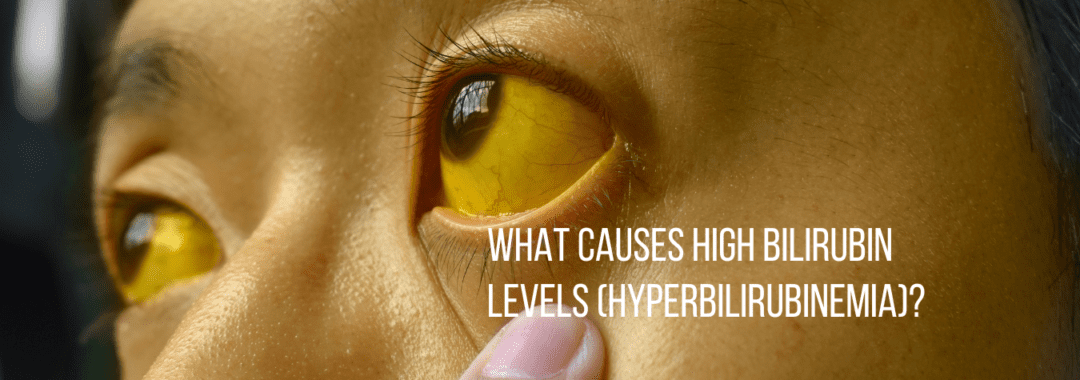
Have you ever noticed someone’s eyes or skin turning yellow and wondered what caused it? That yellow colour is often linked to high bilirubin levels, a condition known as hyperbilirubinemia. While it may sound alarming, high bilirubin isn’t a disease by itself. Instead, it’s a sign that something may be affecting your liver, blood, or bile ducts.
Think of your liver as your body’s natural recycling center. Every day, it processes old red blood cells, removes waste products, and helps your body stay healthy. Bilirubin is one of those waste products. When this recycling system works properly, bilirubin is removed from the body through bile and stool. But when something disrupts this process, bilirubin begins to build up in the bloodstream.
In this guide, you’ll learn what causes high bilirubin levels, the symptoms to watch for, how doctors diagnose the condition, treatment options, and when liver disease becomes serious enough to require expert care from the best liver transplant surgeon in India
Table of Contents
| Sr# | Headings |
|---|---|
| 1 | What Is Bilirubin? |
| 2 | What Is Hyperbilirubinemia? |
| 3 | Types of Bilirubin |
| 4 | Common Causes of High Bilirubin Levels |
| 5 | Liver Diseases That Increase Bilirubin |
| 6 | Symptoms of Hyperbilirubinemia |
| 7 | How Doctors Diagnose High Bilirubin |
| 8 | Treatment Options |
| 9 | When High Bilirubin Becomes Dangerous |
| 10 | Can High Bilirubin Be Prevented? |
| 11 | Lifestyle Tips for Better Liver Health |
| 12 | When Is Liver Transplant Needed? |
| 13 | When Should You See a Liver Specialist? |
| 14 | Key Takeaways |
| 15 | Conclusion and FAQs |
1. What Is Bilirubin?
Bilirubin is a substance that your body makes when it breaks down old red blood cells.
Normally old red blood cells get. Then bilirubin is made.
The liver takes care of bilirubin. Then it leaves your body through bile, stool and a little bit in your urine.
This happens all the time. Usually you do not even notice it.
Problems start when your body makes too much bilirubin or when your liver cannot get rid of it properly.
2. What Is Hyperbilirubinemia?
Hyperbilirubinemia means you have much bilirubin in your blood.
This can happen because your body is making bilirubin than it should or your liver is not working properly to get rid of it.
It can also happen if your bile ducts are blocked or if your liver is damaged from a disease.
Anyone can get bilirubin from babies to older adults.
3. Types of Bilirubin
There are two types of bilirubin: unconjugated and conjugated.
Unconjugated bilirubin is the type that has not been processed by the liver yet.
This type can go up if your body is breaking down many red blood cells or if you have certain genetic conditions or if you are taking certain medicines.
Conjugated bilirubin is the type that has already been processed by the liver.
High levels of this type can mean you have liver disease or blocked bile ducts or gallstones or tumors that are affecting bile flow.
Knowing which type of bilirubin is high helps doctors figure out what is going on.
4. Causes of High Bilirubin Levels
Many medical conditions can make bilirubin levels go up.
One big reason is liver disease.
When your liver gets damaged it cannot process bilirubin like it should.
Other reasons include gallstones, which can block the bile ducts and hemolytic anemia, where your red blood cells break down fast.
Some people are born with disorders that affect how their body handles bilirubin.
Infections like hepatitis can also make bilirubin levels go up.
Some medicines can hurt your liver and make it harder for it to process bilirubin.
5. Liver Diseases That Increase Bilirubin
Some liver diseases are closely linked to bilirubin levels.
Fatty liver disease is one, where fat builds up in your liver and damages it.
If you do not take care of it fatty liver can turn into inflammation, scarring and even cirrhosis.
Liver cirrhosis is when your liver gets scarred and cannot work properly.
Liver cancer can also make bilirubin levels go up.
All these conditions can lead to bilirubin and other serious health problems.
6. Symptoms of Hyperbilirubinemia
The symptoms of bilirubin depend on what is causing it.
Common signs include skin and eyes dark urine, pale stools feeling tired losing your appetite, nausea, belly pain, itchy skin and fever.
Not everyone gets all these symptoms at first.
7. How Doctors Diagnose High Bilirubin
Doctors use your history, a physical exam and some tests to figure out what is going on.
They might do blood tests to check your bilirubin levels, liver function and other things.
They might also do imaging tests like an ultrasound CT scan or MRI to look for problems like gallstones or tumors.
Sometimes they need to take a sample of your liver tissue to see what is wrong.
8. Treatment Options
The treatment for bilirubin depends on what is causing it.
If you have liver disease your doctor might recommend things like losing weight eating healthy exercising, taking medicines and not drinking alcohol.
If you have gallstones you might need to have them removed.
If you have a blood disorder you might need medicines or blood transfusions.
If a medicine is causing the problem your doctor might need to change it or stop it.
9. When High Bilirubin Becomes Dangerous
A little bit of bilirubin might not be a big deal.
If it gets very high or if you have other serious health problems it can be dangerous.
You should see a doctor away if you have liver failure, severe hepatitis, cirrhosis or other serious conditions.
10. Can High Bilirubin Be Prevented?
Some cases of bilirubin can be prevented.
You can help your liver by maintaining a weight exercising, eating a balanced diet not drinking too much alcohol getting vaccinated against hepatitis and being careful with medicines.
These habits can help keep your liver healthy.
11. Lifestyle Tips for Better Liver Health
There are things you can do every day to help your liver.
You should eat foods that’re good for your liver like fruits, vegetables, whole grains, lean proteins and healthy fats.
You should also drink plenty of water to help your body get rid of waste.
Try to limit foods that’re not good for you like sugary drinks, fried foods and processed snacks.
Exercise days of the week to help reduce your risk of fatty liver.
12. When Is Liver Transplant Needed?
Not everyone with bilirubin needs a liver transplant.
If your liver is very damaged and cannot work properly you might need a transplant.
This can happen if you have end-stage liver disease, advanced cirrhosis, liver failure or certain liver cancers.
If you need a transplant you should see a specialist who can help you.
13. When Should You See a Liver Specialist?
If you have symptoms that will not go away you should see a liver specialist.
These symptoms might include eyes, yellow skin feeling very tired dark urine, pale stools, bad belly pain losing weight without trying or swelling in your belly.
You should also see a specialist if you have liver tests.
Seeing a specialist early can help you get better and prevent liver damage.
14. Key Takeaways
Here are the things to remember:
High bilirubin is a sign that something is wrong not a disease itself.
Liver disease is the common reason for high bilirubin.
Other things like gallstones, blood disorders, infections and genetic conditions can also cause it.
Jaundice is a symptom.
Blood tests and imaging tests can help figure out what is wrong.
Treatment depends on the cause.
Healthy habits can help your liver.
If you have liver disease you might need to see a specialist.
15. Conclusion
High bilirubin levels can be a warning sign that something’s wrong with your body.
Sometimes the cause is easy to fix. Other times it can be a sign of a more serious liver condition that needs special care.
The good news is that there are diagnostic tools and treatments for most causes of high bilirubin.
If you notice symptoms like eyes or dark urine you should see a doctor.
If your liver disease gets worse you might need to see a specialist or even get a liver transplant.
Frequently Asked Questions (FAQs)
1. What is the common cause of high bilirubin levels?
The common causes are liver diseases like hepatitis fatty liver disease and cirrhosis.
Gallstones and breaking down many red blood cells are also common reasons.
2. Can high bilirubin levels return to normal?
Yes if the cause is treated successfully bilirubin levels can go back to normal.
It depends on how bad the condition’s how healthy your liver is.
3. Is bilirubin always a sign of liver disease?
No while liver disease is a cause high bilirubin can also be from blood disorders, genetic conditions, certain medicines or blocked bile ducts.
4. What foods should I avoid if my bilirubin is high?
You should try to limit alcohol, fried foods, sugary drinks and processed foods.
Eating a diet with fruits, vegetables, whole grains and lean proteins can help your liver.
5. When should I see the liver transplant surgeon in India?
You should see a specialist if you have advanced liver disease, persistent jaundice, cirrhosis, liver failure or if your doctor thinks you might need a liver transplant.