
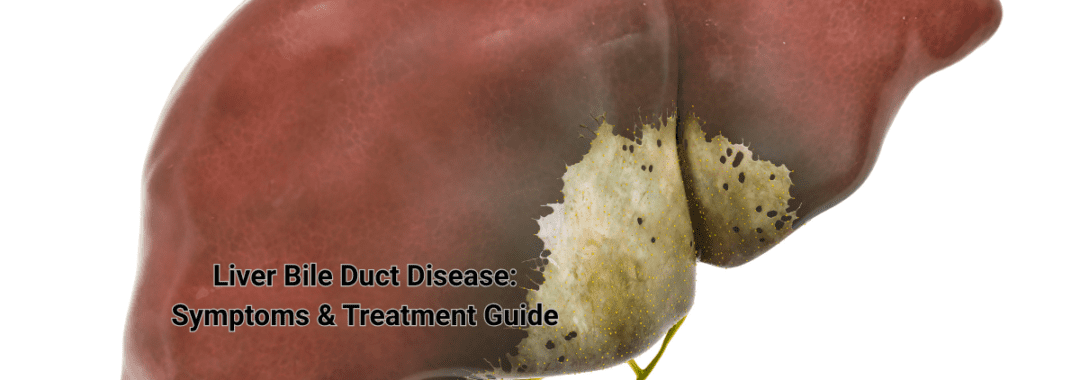
Introduction
Have you ever wondered how your body gets rid of waste after digesting food? The liver plays a huge role here, and the bile ducts are like tiny pipelines carrying bile to help digestion. But what happens when these ducts get blocked or damaged? That’s where liver bile duct disease comes into the picture.
Think of your bile ducts as drainage pipes in your home. If they get clogged, everything backs up—and your body starts showing warning signs. In this article, we’ll break down everything you need to know in a simple, easy-to-understand way.
Learn about liver bile duct disease, its symptoms, causes, and treatment options. Discover when to consult the best liver transplant surgeon in india for advanced care and better recovery outcomes.
1. What Is Liver Bile Duct Disease?
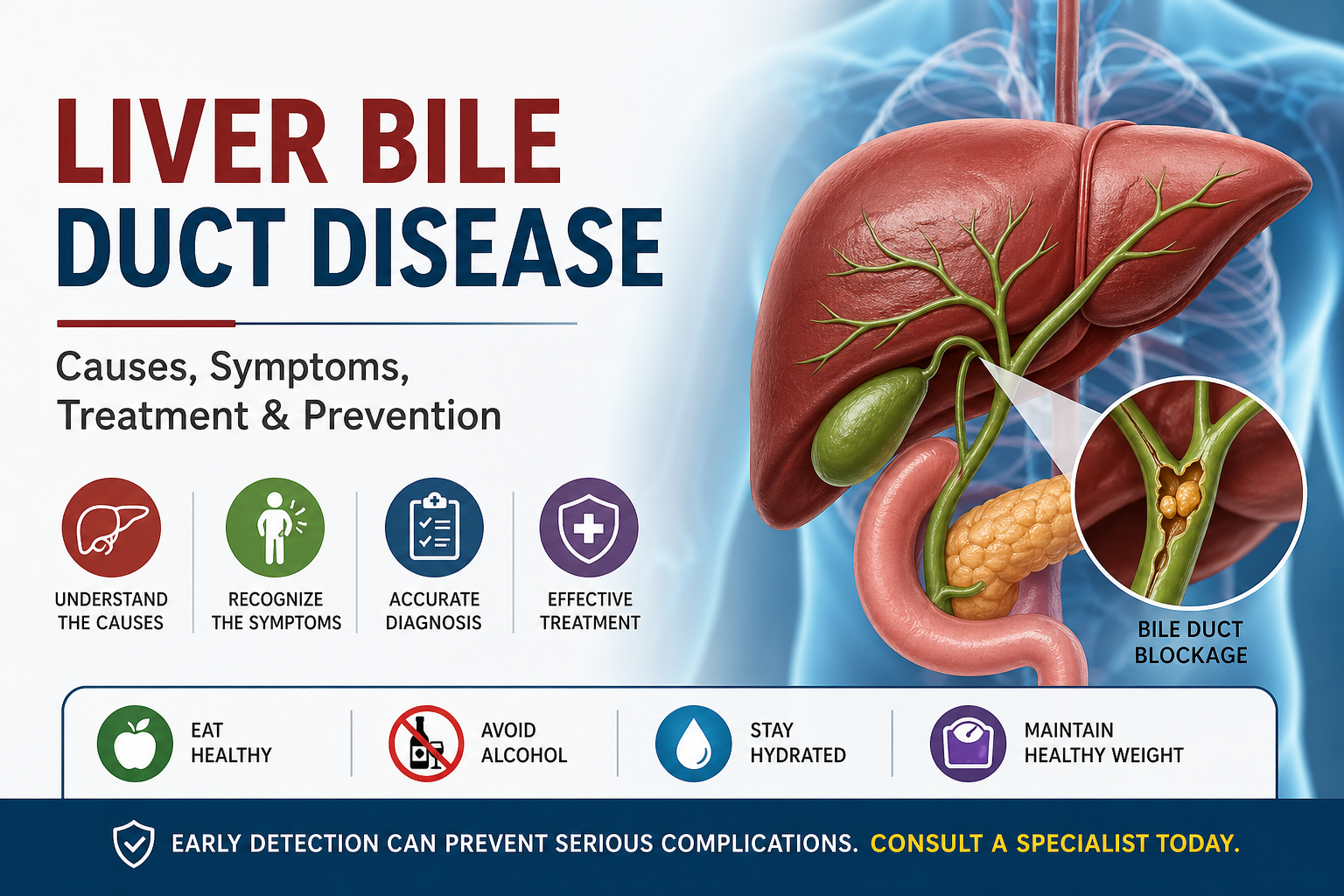
Liver bile duct disease refers to conditions that affect the bile ducts– small tubes that carry bile from your liver to your intestine. When these ducts are blocked, inflamed, or damaged, bile can not flow properly.
Key Point:
When bile builds up, it can damage liver cells and lead to serious liver problems.
2. How Do Bile Ducts Work?
Your liver produces bile, a fluid that helps digest fats. The bile ducts act like highways, transporting this bile to the small intestine.
Simple Analogy:
Imagine bile as traffic and bile ducts as roads. If roads are blocked, traffic jams happen– and your body suffers.
3. Types of Bile Duct Diseases
There are several types, including:
Primary Biliary Cholangitis (PBC)– Autoimmune condition
Primary Sclerosing Cholangitis (PSC)– Chronic inflammation
Bile Duct Obstruction– Due to stones or tumors
Biliary Atresia– Common in infants
Important Note:
Each type has different causes and treatment approaches.
4. Common Causes
So, what actually causes bile duct disease?
Gallstones blocking ducts
Infections
Autoimmune disorders
Tumors or cancers
Liver diseases
Key Insight:
Sometimes, the immune system mistakenly attacks bile ducts, causing long-term damage.
5. Risk Factors You Should Know
You may be at higher risk if you:
Have a family history of liver disease
Are female (especially for PBC).
Have autoimmune conditions.
Are overweight.
Consume alcohol excessively.
6. Early Symptoms
In the early stages, symptoms may be mild or unnoticed.
Common early signs include:
Fatigue.
Itchy skin.
Mild abdominal discomfort.
Dry eyes or mouth.
Why It Matters:
Early detection can prevent serious complications later.
7. Advanced Symptoms
As the disease progresses, symptoms become more noticeable:
Yellowing of skin (jaundice).
Dark urine.
Pale stools.
Severe itching.
Swelling in abdomen.
Warning Sign:
Jaundice is often a sign that bile flow is significantly blocked.
8. How It Is Diagnosed
Doctors use several tests to diagnose bile duct disease:
Blood tests (liver function tests).
Ultrasound.
MRI or CT scan.
Liver biopsy.
Pro Tip:
Routine health check-ups can catch problems early– even before symptoms appear.
9. Treatment Options
Treatment depends on the cause and severity.
Common treatments include:
Medications to reduce inflammation.
Antibiotics for infections.
Procedures to remove blockages.
Endoscopic treatments.
Goal of Treatment:
Restore bile flow and protect the liver.
10. Role of Liver Transplant
In severe cases, when the liver is badly damaged, a liver transplant may be needed.
When is it required?
Advanced liver failure.
Cirrhosis.
Severe bile duct damage.
Consulting the best liver transplant surgeon in india can make a significant difference in outcomes and recovery.
11. Diet and Lifestyle Tips
Managing your lifestyle can greatly improve your condition.
Healthy habits include:
Eating low-fat foods.
Avoiding alcohol.
Staying hydrated.
Maintaining a healthy weight.
Simple Tip:
Your liver loves clean, balanced meals– think fresh fruits, vegetables, and whole grains.
12. Complications to Watch For
If untreated, bile duct disease can lead to:
Liver cirrhosis.
Liver failure.
Infections.
Bile duct cancer.
Important:
Ignoring symptoms can turn a manageable condition into a life-threatening one.
13. Prevention Tips
While not all cases are preventable, you can reduce risk:
Maintain a healthy diet.
Avoid excessive alcohol.
Get vaccinated for hepatitis.
Manage autoimmune conditions.
14. When to See a Doctor
You should seek medical advice if you notice:
Persistent itching.
Yellow skin or eyes.
Unexplained fatigue.
Abdominal swelling.
Don’t Ignore:
Even mild symptoms can signal serious underlying issues.
15. Choosing the Right Specialist
Selecting the right doctor is crucial for proper treatment.
Look for:
Experience in liver diseases.
Advanced treatment facilities.
Good patient reviews.
For serious cases, consulting the best liver transplant surgeon in india ensures expert care and better survival chances.
Conclusion
Liver bile duct disease may sound complicated, but understanding it doesn’t have to be. Think of your bile ducts as essential pipelines– when they work well, your body runs smoothly. But when they’re blocked or damaged, problems begin to show.
The good news? Early diagnosis, proper treatment, and a healthy lifestyle can make a big difference. And if things become serious, expert care from the best liver transplant surgeon in india can offer a new lease on life.
Your liver works hard for you every day– taking care of it is one of the best investments you can make in your health.
FAQs
1. What is the main cause of bile duct disease?
The most common causes include gallstones, autoimmune diseases, infections, and tumors blocking the bile ducts.
2. Can bile duct disease be cured?
Some types can be managed effectively with treatment, while others may require long-term care or even a liver transplant.
3. Is bile duct disease serious?
Yes, if left untreated, it can lead to liver damage, cirrhosis, or even liver failure.
4. What foods should be avoided?
Avoid fatty, fried, and processed foods, as they can worsen liver and bile duct problems.
5. When is a liver transplant needed?
A transplant is required when the liver is severely damaged and can not function properly anymore.