
Introduction
Have you ever heard the term liver calcification during a medical scan and wondered what it actually means? It can sound alarming at first. The word “calcification” often makes people think of something serious happening inside the body.
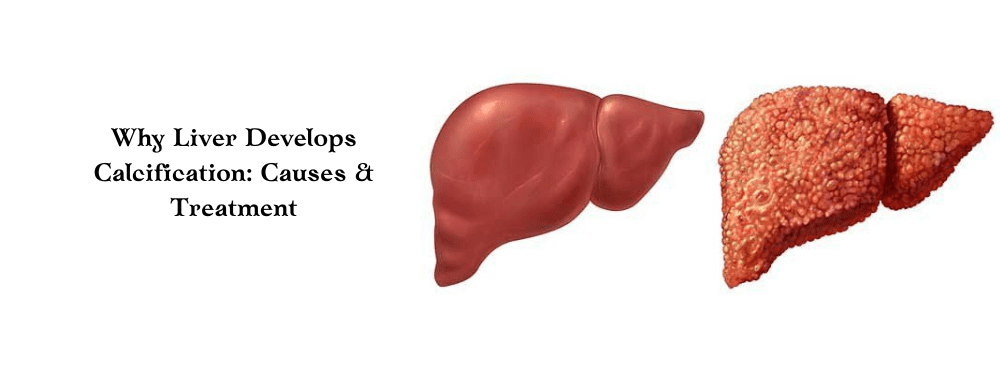
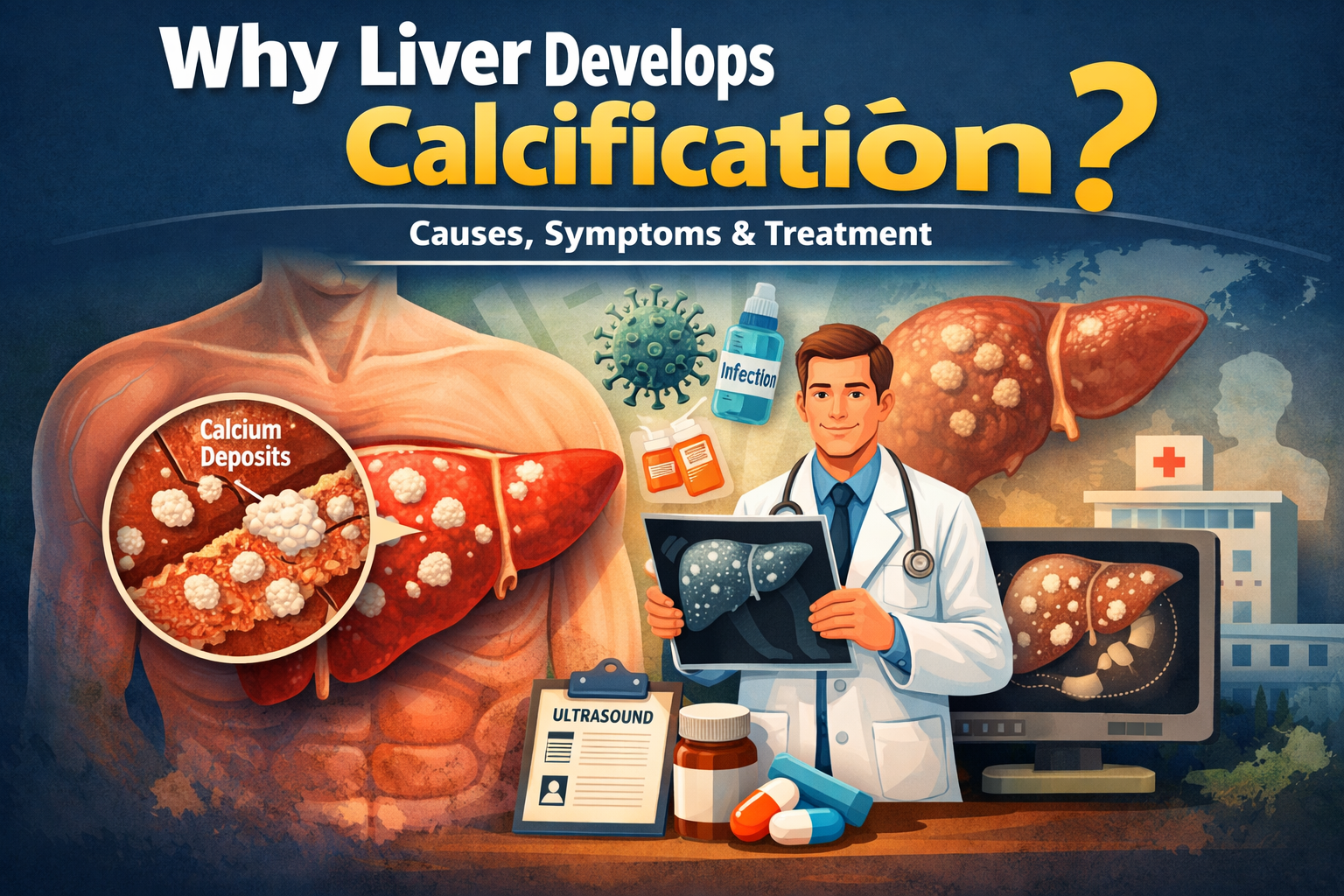
In simple terms, liver calcification happens when calcium deposits build up in the liver tissue. Think of it like small chalky spots forming inside the liver after the body heals from certain infections, injuries, or medical conditions.
The liver is one of the most important organs in the body. It works like a natural detox factory, cleaning your blood, processing nutrients, and helping digestion. When calcium deposits form in this organ, doctors usually investigate the underlying cause.
Sometimes liver calcification is harmless and discovered accidentally during scans. But in other situations, it may indicate infections, inflammation, or previous liver damage.
In this article, we will explore why the liver develops calcification, what symptoms to watch for, how it is diagnosed, and when medical care is necessary. We will also discuss situations where advanced treatment, such as consultation with the best liver transplant surgeon in india may become important.
1. What Is Liver Calcification?
Liver calcification refers to the accumulation of calcium deposits within liver tissues.
Such deposits typically appear as small white spots on imaging tests such as CT scans or ultrasounds.
Key Facts about Liver Calcification:
-
These symptoms often indicate infection or injury to the body.
-
Sometimes no symptoms appear at all.
-
Signs may point to liver disease.
-
Doctors typically detect these cases through imaging tests.
Imagine scar tissue becoming mineral deposits once healed by your body.
2. How Does Calcification Form in the Liver?
Calcium helps the body repair damaged tissues. In cases of inflammation, infection, or injury, calcium may accumulate at the site where healing takes place and accelerate its effect on tissue.
Here is a simple way of understanding it:
Consider your liver as an injured wall that’s been scratched; when the body repairs it, sometimes leaving behind chalk-like deposits of calcium that resemble chalk marks on a chalkboard wall.
This process typically includes:
-
Healing Process Commences in Liver Damage or Infection
-
Calcium Deposits Form in Repaired Tissue
-
Calcification often appears on imaging tests
Dystrophic calcification is a process in which calcium deposits form on dystrophic bone tissue.
3. Common Causes of Liver Calcification
Calcium deposits in the liver may result from various medical conditions.
The most frequently-cited causes include:
1. Previous Infections
-
Liver infections can damage tissues and leave behind scars which will require time and healing resources to completely heal.
2. Liver Tumors
-
Benign or malignant liver tumors may contain calcium deposits.
3. Parasitic Diseases
-
Parasites, like those that cause hydatid disease, can lead to liver cysts that later calcify.
4. Liver Trauma
-
Injury or surgery affecting the liver can cause it to form hardened spots on its surface that eventually become calcified areas.
5. Chronic Liver Diseases
-
Cirrhosis or long-term inflammation can contribute to liver calcification.
4. Liver Infections Leading to Calcification
Infections are one of the main contributors to liver calcification.
These infections could include:
-
Tuberculosis
-
TB infection can damage liver tissue and leave behind calcium deposits.
-
-
Histoplasmosis
-
A fungal infection which may spread to the liver and eventually calcify during healing.
-
-
Parasitic infections
-
Hydatid cysts
-
Schistosomiasis
-
When an infection clears up, your body often seals off affected areas with calcium deposits, creating additional protection from further infections.
5. Role of Liver Damage and Inflammation in Liver Injuries and Disease
When the liver becomes inflamed, its tissues may become damaged.
Inflammation may occur for various reasons:
-
Hepatitis infections
-
Alcohol abuse
-
Fatty liver disease
-
Autoimmune liver diseases
As part of the healing process, calcium deposits may accumulate in damaged areas.
Over time, these deposits become visible on imaging tests.
6. Tumors and Liver Calcification
Some liver tumors may contain calcium deposits.
These tumors may include:
Benign tumors
-
Hemangiomas
-
Hepatic adenomas
Malignant tumors
-
Some liver cancers that exhibit calcification patterns
Doctors conduct extensive analyses on calcifications to determine whether they pose any danger.
7. Congenital and Prenatal Liver Calcification
Sometimes calcification develops before a baby has even been born.
This is known as fetal liver calcification.
Possible Causes may include:
-
Maternal infection during pregnancy
-
Genetic conditions involving fetuses
-
Circulatory issues
Many babies born with small calcifications grow up without experiencing health complications.
Doctors closely monitor such cases.
8. Symptoms of Liver Calcification
Notably, many individuals with liver calcification do not experience noticeable symptoms.
Imaging tests conducted for other reasons often reveal the disorder.
However, symptoms may include:
-
Abdominal pain
-
Fatigue
-
Nausea
-
Loss of appetite
-
Jaundice (yellowing of skin and eyes)
When symptoms worsen due to advanced liver conditions, their impact may become increasingly serious.
9. How Do Doctors Diagnose Liver Calcification
Doctors usually detect calcification using medical imaging tests.
Common diagnostic tools include:
-
Ultrasound
-
Often the first method used to diagnose liver abnormalities.
-
-
CT Scan
-
Provides clearer images of calcium deposits.
-
-
MRI Scan
-
Allows doctors to examine liver tissues in detail.
-
-
Blood Tests
Doctors may evaluate:-
Liver enzymes
-
Infection markers
-
Liver function tests
-
These tests help determine the cause of calcification.
10. Solutions for Liver Calcification
Treatment depends entirely on the underlying cause.
If calcification is harmless, no treatment may be necessary.
Possible treatments include:
-
Medication
-
Used for infections or inflammatory conditions.
-
-
Monitoring
-
Doctors may monitor calcification through regular scans.
-
-
Surgery
-
May be required in cases involving tumors or cysts that have calcified.
-
11. Signs That Liver Calcification Is Serious
Calcifications typically do not pose danger, however they may become concerning if associated with:
-
Liver tumors
-
Severe infections
-
Chronic liver disease
-
Cirrhosis
These conditions may require specialized medical treatment.
Patients with advanced liver problems may require evaluation by experienced liver specialists or the best liver transplant surgeon in india
12. Tips to Prevent Liver Damage
While not all calcifications can be avoided, proper liver care can reduce risks.
Helpful tips include:
-
Maintain a balanced diet
-
Focus on fruits, vegetables, and whole grains.
-
-
Drink responsibly
-
Too much alcohol can damage liver cells.
-
-
Get vaccinated
-
Vaccines are available for Hepatitis A and B.
-
-
Practice safe hygiene
-
Helps reduce infection risks.
-
-
Regular health checkups
-
Early detection helps prevent complications.
-
13. When Should You Consult With a Liver Specialist
Consult a doctor if you experience:
-
Persistent abdominal pain
-
Unexplained fatigue
-
Yellowing of skin or eyes
-
Sudden weight loss
A liver specialist can evaluate your condition and recommend appropriate treatment.
In severe cases, consultation with the best liver transplant surgeon in india may provide advanced treatment options.
14. Implication of Liver Transplant in Severe Cases
Rarely, liver calcification may develop in people suffering from advanced liver damage or liver failure.
When liver damage becomes severe, liver transplantation may be the only life-saving solution.
A transplant involves replacing the diseased liver with a healthy donor liver.
India has become a major destination for liver transplants because of:
-
Advanced medical facilities
-
Experienced surgeons
-
High success rates
Consulting the best liver transplant surgeon in india ensures accurate diagnosis and access to world-class treatment.
Conclusion
Liver calcification may appear alarming, but in many cases it is simply the result of previous infection or healing in the liver. Calcium deposits often cause no symptoms and are discovered accidentally during imaging tests.
However, calcification can also indicate underlying liver disease, tumors, or infections that require medical evaluation.
Understanding the causes, symptoms, and treatment options helps people stay informed about liver health. If you experience persistent symptoms or have been diagnosed with significant liver problems, consulting a specialist is essential.
Early diagnosis and proper medical guidance can make a huge difference in treatment outcomes. In complex liver conditions, consulting the best liver transplant surgeon in india ensures access to advanced care and expert treatment.
FAQs
1. Is liver calcification dangerous?
Many cases of liver calcification are benign and discovered accidentally through imaging tests, but doctors still evaluate the condition to rule out serious causes.
2. Is liver calcification likely to clear on its own?
Most calcifications remain permanently, but they usually do not cause problems unless linked with liver disease.
3. What infections lead to liver calcification?
Common infections include:
-
Tuberculosis
-
Histoplasmosis
-
Parasitic infections such as hydatid disease
4. Does fatty liver cause calcification?
Fatty liver usually does not cause calcification, but long-term inflammation and liver damage may lead to calcium deposits.
5. When should someone contact a liver transplant specialist?
If liver calcification is associated with severe liver damage, cirrhosis, or liver failure, consulting the best liver transplant surgeon in india may help determine advanced treatment options.