
Introduction
Have you noticed strange bumps on your arms that you thought, “Where did that originate?” If this is a regular occurrence, even with no injury, your body could be trying to communicate something vital, possibly about your liver.
Your liver functions as an invisible hero, removing toxic substances and helping your blood get clots in the right way. If it’s not operating well, even a minor bump can result in massive bruises. Consider your liver as a “quality management administrator” for your blood. If it’s not functioning properly, it can cause problems fast.
This article will explain all you should be aware of about the bruising caused by liver disease on the arms in easy-to-understand terminology.
Unexplained arm bruising may signal liver disease. Learn causes, symptoms, and when to consult best liver transplant surgeon in India.
Table of Contents
| Sr# | Headings |
|---|---|
| 1 | What is Liver Disease? |
| 2 | Why Does Liver Disease Cause Bruising? |
| 3 | How Bruising Appears on Arms |
| 4 | Early Signs You Shouldn’t Ignore |
| 5 | Types of Liver Diseases Linked to Bruising |
| 6 | Risk Factors for Easy Bruising |
| 7 | When is Bruising a Serious Concern? |
| 8 | Diagnosis and Tests |
| 9 | Treatment Options |
| 10 | Lifestyle Changes to Improve Liver Health |
| 11 | Role of Nutrition |
| 12 | When You May Need a Liver Transplant |
| 13 | Prevention Tips |
| 14 | Emotional Impact of Liver Disease |
| 15 | When to See a Specialist |
1. What exactly is Liver Disease?
The term “liver disease” is a term used to describe any condition which affects your liver and alters the way it functions. It may progress gradually over time or occur abruptly.
Common types of them include:
- Affatty liver disease
- Hepatitis
- Cirrhosis
- Liver cancer
The liver is accountable for many functions, including the creation of proteins that aid the blood form clots. If this function is compromised it can cause bruising to become more frequent.
2. What Causes Liver Disease Cause Bruising?
Let’s make this simple.
The liver produces blood clotting factors that stop bleeding after you’ve been injured. If your liver has been damaged:
- It makes fewer clotting proteins.
- The level of platelets may drop
- The blood vessels become more fragile
The result? You bruise easily–even from bumps that aren’t noticeable or minor.
Imagine attempting to fix leaks without the right tools. This is what happens to your body when the clotting factors are not as high.
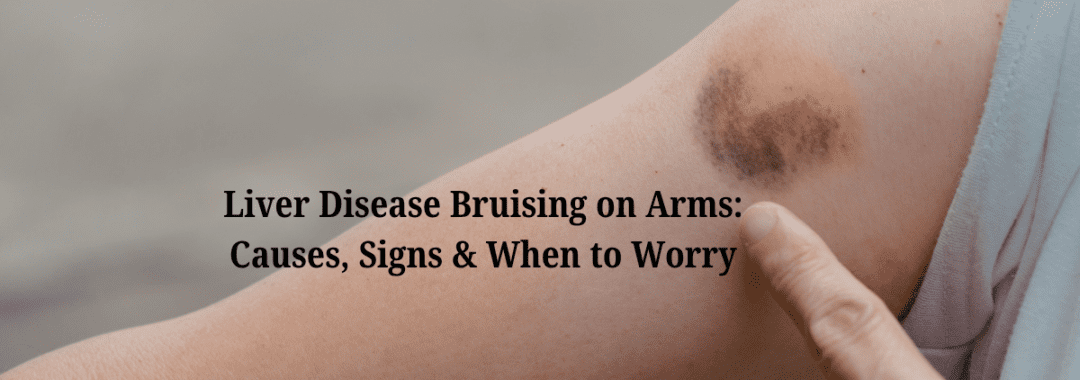
3. How Bruising appears on arms
Bruising due to liver disease can follow certain patterns:
- Large blue, purple or dark patches
- It is not clear if the bruising has caused injury.
- Slow healing as compared to normal bruises
- A frequent occurrence on legs and arms
Sometimes, these bruisings appear tender, whereas at other times, they might not cause any pain at all.
4. The Signs to Watch for Early on
The appearance of bruises is usually only one of the symptoms. Watch out for:
- Skin yellowing (eyes) (jaundice)
- Constant fatigue
- Swelling of the abdomen or in the legs
- Urine that is dark-colored
- A loss of appetite
If you experience bruising with these indications it is important to consult a doctor.
5. Different types of liver diseases Related to bruising
Certain liver conditions can cause bleeding:
- The condition of cirrhosis – significant liver scarring
- ALD – Alcohol related liver disease
- Chronic Hepatitis B and C
- Non-alcoholic fat liver disease (NAFLD)
The conditions can affect the way the liver makes factors that clot, resulting in easily bruising.
6. Risk Factors to Avoid Bruising
You might be more susceptible to bruises if:
- Consume alcohol regularly
- Are overweight or obese
- Make sure you are taking blood thinners
- Are you suffering from viral infections such as Hepatitis
- Are you getting older? (skin is thinner as you the advancing years)
7. If bruising is a serious concern?
Every bruise is not dangersome, but a few warning signs are:
- The bruises appear often without cause
- A painful or large bruise
- Nosebleeds, bleeding gums, or bleeding gums frequently
These may indicate more serious liver issues and should not be overlooked.
8. Diagnostics and tests
Doctors utilize a variety of techniques to determine the cause of liver-related bruising.
- The blood tests are used to assess liver function
- Ultrasound, or CT scans to look at the liver
- Liver biopsy in certain cases
These tests aid in determining how serious the illness.
9. Treatment Options
The treatment depends on the root of the damage to the liver:
- The treatment for viral Hepatitis
- Lifestyle modifications for fat liver
- Vitamin supplements (like Vitamin K)
- Monitoring and advanced treatment for liver cirrhosis
Early treatment can reduce the risk of problems and improve the health of your liver.
10. Lifestyle changes that improve the health of your liver
Your lifestyle plays an important part in your the health of your liver. You can:
- Stop or cut down on alcohol consumption
- Maintain an appropriate weight
- Exercise regularly
- Do not take unnecessary medicines
Consider the idea of giving your liver the chance to recuperate and function more effectively.
11. The role of Nutrition
A healthy diet can strengthen your liver and help reduce the risk of problems:
Take More of
- Leafy green vegetables
- Fresh fruits
- Whole grains
- Lean proteins
Avoid:
- Fried food
- Processed snack foods
- Sugar that is not needed
Dietary habits can help increase clotting along with overall functioning of your liver.
12. There are times when you may need an Organ Transplant
In the most severe instances the liver could cease to function properly.
Signs can include:
- Bloody and severe bruising
- Abdominal fluid build-up
- Mental confusion
In this moment it is time to consult the top liver transplant surgeons in India is crucial. A liver transplant may save your life in cases where other treatments do not are effective.
13. Prevention Tips
Here are some easy methods to safeguard your liver:
- Limit alcohol consumption
- Get vaccinated against hepatitis.
- Be sure to maintain a healthy and balanced lifestyle
- Get regular health checkups
Prevention is always more effective than treatment.
14. The emotional effects of liver disease
The liver condition may affect your mental well-being as well.
It is possible to be feeling:
- Self-conscious about bruising
- Are you worried about your health?
- Drained emotionally
Speak to a doctor or family members can reduce the burden.
15. When should you see a specialist?
It is recommended to consult with a physician for advice if:
- Bruises can occur without injury
- You are always tired
- The eyes or skin change color and turn yellow.
A specialist will guide you in the right direction to determine the best diagnostic and treatment plans. If required, they will direct patients to most skilled liver transplant surgeons in India to receive the most advanced treatment.
Conclusion
Arm bruising may seem like a minor problem however, if it occurs often and without a reason, it could indicate an issue that is more serious, such as liver disease. The liver plays an essential function in maintaining your blood’s health and your body running smoothly.
By understanding the reasons and recognizing the early signs and taking action promptly to protect your liver from severe complications. If you are in a more severe situation the latest medical advances like liver transplants can provide the possibility of a fresh start and hope.
FAQs
1. Does the liver disease cause bruising and swelling without injury?
Indeed, damage to the liver can reduce the clotting factor, which makes bruising more likely even if there is no injury.
2. Are arm bruises always a sign of liver issues?
However, frequent unanswered bruises should be examined by a physician.
3. How can I minimize the the bruising that is caused by liver disease?
The underlying liver issue should be treated by eating a healthy and balanced diet, and adhere to medical recommendations.
4. Is bruising an indication of liver disease that is advanced?
It could be particularly when it is accompanied by symptoms such as swelling or jaundice.
5. When should I see with a doctor about bruises?
If you notice frequent bruising and severe, or isn’t explained Consult a physician promptly.