
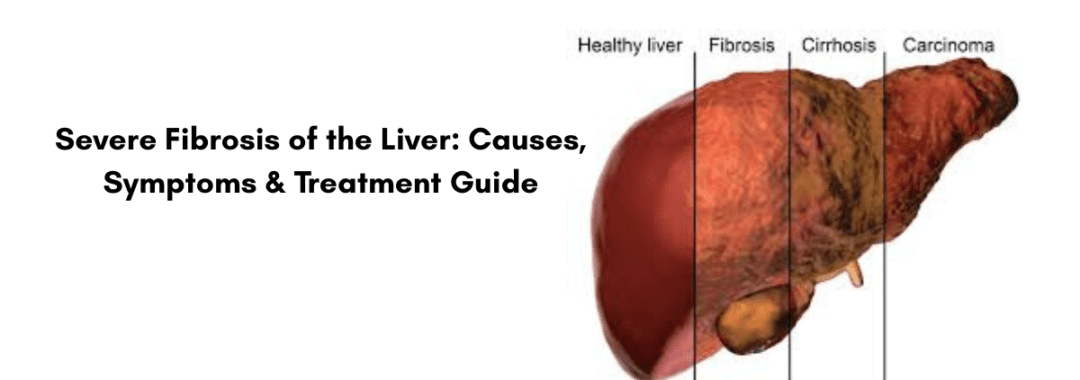
Introduction
Have you ever wondered what happens when your liver silently starts getting damaged over time? The truth is, liver problems often develop quietly—without obvious warning signs—until they become serious. One such condition is severe fibrosis of the liver, a stage where healthy liver tissue is replaced by scar tissue.
Think of your liver like a sponge. A healthy sponge absorbs and filters efficiently. But when it becomes stiff and scarred, it loses its ability to function properly. That’s precisely what happens in severe fibrosis.
In this article, we’ll break down everything you need to know—from causes and symptoms to treatment options and when you might need help from the best liver transplant surgeon in India.
1. What is Liver Fibrosis?
Liver fibrosis is the process where repeated liver damage leads to the formation of scar tissue. This happens when the liver tries to repair itself after injury.
Key Point:
Scar tissue replaces healthy cells, reducing liver function over time.
2. Understanding Severe Fibrosis
Severe fibrosis is an advanced stage of liver damage, often just one step before cirrhosis.
What makes it severe?
- Extensive scarring
- Reduced blood flow through the liver
- Declining liver function
At this stage, the damage becomes more serious and harder to reverse.
3. Causes of Severe Liver Fibrosis
Several conditions can lead to severe fibrosis. Let’s look at the most common ones:
Chronic Alcohol Consumption
Long-term alcohol use damages liver cells.
Viral Hepatitis (B & C)
These infections cause long-term inflammation.
Fatty Liver Disease
Especially common due to obesity and diabetes.
Autoimmune Diseases
The body attacks its own liver cells.
Long-term Medication Use
Certain drugs can harm the liver over time.
4. Risk Factors You Should Know
Are you at risk? Here are some factors:
- Obesity
- Diabetes
- High cholesterol
- Excess alcohol intake
- Family history of liver disease
Tip: If you fall into any of these categories, regular liver checkups are essential.
5. Early vs Severe Fibrosis: Key Difference
| Feature | Early Fibrosis | Severe Fibrosis |
|---|---|---|
| Damage Level | Mild | Extensive |
| Symptoms | Rare | Noticeable |
| Reversibility | High | Limited |
| Risk | Low | High |
6. Symptoms of Severe Liver Fibrosis
Here’s the tricky part—symptoms often appear late.
Common Symptoms
- Fatigue
- Loss of appetite
- Weight loss
- Yellowing of skin (jaundice)
- Swelling in legs and abdomen
Important: Many people ignore early signs, thinking it’s just weakness.
7. How Liver Fibrosis is Diagnosed
Doctors use several methods:
Blood Tests
Check liver enzyme levels.
Imaging Tests
Ultrasound, FibroScan, MRI.
Liver Biopsy
A small tissue sample is examined.
Key Point:
Early diagnosis can prevent progression to severe stages.
8. Stages of Liver Fibrosis
Fibrosis is graded from F0 to F4:
- F0: No fibrosis
- F1: Mild fibrosis
- F2: Moderate fibrosis
- F3: Severe fibrosis
- F4: Cirrhosis
9. Complications of Severe Fibrosis
If untreated, severe fibrosis can lead to:
- Cirrhosis
- Liver failure
- Portal hypertension
- Liver cancer
This is why timely intervention is critical.
10. Can Liver Fibrosis Be Reversed?
Good news—yes, but only in early stages.
In severe fibrosis:
- Some improvement is possible
- But complete reversal is difficult
Analogy:
It’s like a cracked wall—minor cracks can be repaired, but deep damage requires major reconstruction.
11. Treatment Options Available
Treatment depends on the cause.
Medications
- Antiviral drugs for hepatitis
- Medicines to reduce inflammation
Lifestyle Changes
- Healthy diet
- Weight management
- Avoid alcohol
Advanced Treatments
- Monitoring for complications
- Preparing for transplant if needed
12. Lifestyle Changes That Help
Small changes can make a big difference:
- Eat a balanced diet
- Exercise regularly
- Avoid alcohol completely
- Control diabetes & BP
Tip: Think of your liver as a machine—it needs proper fuel and maintenance.
13. When is Liver Transplant Needed?
A liver transplant becomes necessary when:
- Liver stops functioning properly
- Severe cirrhosis develops
- Complications become life-threatening
At this stage, consulting the best liver transplant surgeon in India can be life-saving.
14. Prevention Tips
Prevention is always better than cure:
- Get vaccinated for hepatitis
- Maintain a healthy weight
- Avoid risky alcohol use
- Regular health checkups
15. Final Thoughts
Severe liver fibrosis is a serious condition, but it doesn’t happen overnight. It develops gradually—giving you time to act if detected early.
The key is awareness, timely diagnosis, and lifestyle changes. And in advanced cases, expert care from the best liver transplant surgeon in India can offer a second chance at life.
Your liver works hard for you every day—maybe it’s time to return the favor.
FAQs
1. What is the difference between fibrosis and cirrhosis?
Fibrosis is early scarring, while cirrhosis is advanced, permanent liver damage.
2. Can severe liver fibrosis be cured?
It can be managed and partially improved, but complete reversal is difficult.
3. Is liver fibrosis life-threatening?
Yes, if it progresses to cirrhosis or liver failure.
4. How long does it take for fibrosis to become severe?
It can take years or even decades, depending on the cause.
5. When should I see a liver specialist?
If you have symptoms or risk factors like fatty liver, hepatitis, or alcohol use, consult a specialist early.