
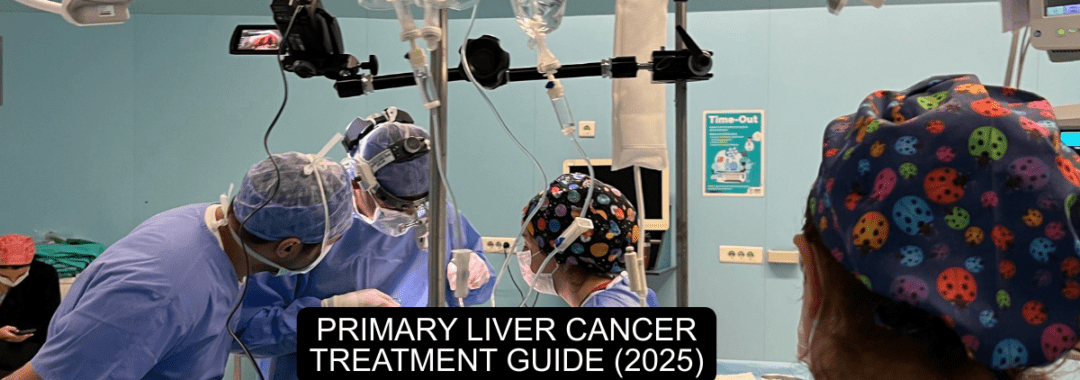
When you first hear the words primary liver cancer, it can feel like your world has suddenly tilted. Questions rush in: What now? What treatment options do I have? Who can help? If you’re feeling that way, you’re not alone—and you’re in the right place.
This guide breaks down liver cancer treatments in 2025 using simple, conversational language. Think of it like having a knowledgeable friend sit with you, explain the road ahead, and help you feel more confident about your choices. Let’s walk through it together.
Primary liver cancer guide with insights from the best liver transplant experts.
1. Understanding Primary Liver Cancer
Primary liver cancer begins in the liver itself– not in another organ. The most common type is hepatocellular carcinoma (HCC). Imagine the liver as your body’s natural detox center: when it gets injured repeatedly, the cells may begin to grow abnormally, eventually forming cancer.
Understanding this helps you make sense of the treatments that follow.
2. Key Causes and Risk Factors
Certain conditions can quietly harm the liver for years without showing symptoms. Over time, these injuries increase cancer risk.
- • Chronic Hepatitis B and C
- These viral infections are major contributors because they keep the liver inflamed.
- • Alcohol Overuse
- Think of it like rusting metal– slow but damaging.
- • Non-Alcoholic Fatty Liver Disease (NAFLD).
- Increasingly common with rising obesity and diabetes.
- • Cirrhosis.
Scar tissue replaces healthy liver tissue, limiting function.
While having risk factors doesn’t guarantee cancer, knowing them helps in early monitoring and prevention.
3. Signs and Symptoms to Watch.
Liver cancer whispers before it shouts. Symptoms often appear late but can include:.
- Unexplained weight loss.
- Loss of appetite.
- Right-side abdominal pain.
- Jaundice (yellowing of eyes/skin).
- Fluid buildup (ascites).
If something feels “off,” it’s always better to check with a healthcare provider.
4. How Primary Liver Cancer Is Diagnosed.
Diagnosis is like assembling a puzzle.
- • Imaging Tests.
- Ultrasound, CT scans, and MRIs reveal lumps or unusual patterns.
- • Blood Tests.
- AFP (Alpha-fetoprotein) can indicate liver cancer.
- • Biopsy (Only When Needed).
A small tissue sample is examined under a microscope.
Doctors combine these results to form a clear picture before recommending treatment.
5. Staging: Why It Matters.
Cancer staging helps determine how far the disease has progressed.
- Stage I: A single tumour.
- Stage II: Tumour with early blood vessel involvement.
- Stage III: Multiple tumors or major vessel concern.
- Stage IV: Cancer has spread beyond the liver.
Treatment choices depend heavily on the stage.
6. Treatment Overview for 2025.
In 2025, liver cancer care has evolved with more personalized treatments. Instead of a “one-size-fits-all,” options are tailored to your liver function, tumor size, overall health, and personal preferences.
Major treatment categories include:.
- Surgery.
- Liver transplantation.
- Locoregional therapies.
- Systemic therapies.
- Immunotherapy.
- Targeted drugs.
7. Surgical Options.
Surgery is often recommended for early-stage liver cancer.
• Liver Resection.
The surgeon removes the cancerous portion of the liver.
What’s amazing? The liver can regenerate– like pruning a tree and watching it grow back.
Surgery works best for patients with good liver function and localized tumors.
8. Liver Transplantation.
A liver transplant replaces the diseased liver with a healthy one from a donor. It’s life-changing for patients with cirrhosis or multiple tumors confined to the liver.
Transplantation offers two major benefits:.
Removes the entire diseased liver.
Eliminates the underlying conditions causing cancer.
This is why choosing the best liver transplant surgeon in India becomes crucial– outcomes depend heavily on surgical expertise and transplant-center experience.
9. Choosing the Best Liver Transplant Surgeon.
Finding the right surgeon can feel overwhelming, but here are factors that truly matter:.
- • Experience and Success Rates.
- How many transplants have they performed? What are the long-term outcomes?
- • Multidisciplinary Team.
- Surgeons who collaborate with oncologists, hepatologists, and radiologists provide more comprehensive care.
- • Hospital Infrastructure.
- High-quality ICUs, advanced imaging, and trained nursing staff can significantly impact recovery.
- • Patient Reviews.
Real stories from real people can provide reassurance.
Remember, choosing a surgeon is like choosing a pilot– you want skill, experience, and calm confidence.
10. Locoregional Therapies.
These treatments target tumors directly within the liver.
- • Radiofrequency Ablation (RFA).
- Uses heat to destroy cancer cells.
- • Microwave Ablation.
- Similar to RFA but faster and effective for larger tumors.
- • TACE (Transarterial Chemoembolization).
- Chemotherapy delivered directly into the tumor’s blood supply.
- • TARE/ SIRT (Radioembolization).
- Tiny radioactive beads block the blood supply while delivering radiation.
These are popular for patients not suitable for surgery.
11. Systemic Therapies (2025 Updates).
Systemic therapies treat cancer throughout the body.
• Chemotherapy.
Not the mainstay for liver cancer but still used in selected cases.
• Newer Drug Combinations (2025 ).
Therapies are now more targeted and have fewer side effects. Combinations involving immunotherapy and targeted drugs are gaining importance.
12. Immunotherapy Advances.
Immunotherapy has transformed liver cancer care. It works by “waking up” your own immune system to fight cancer– like giving it night-vision goggles to spot hidden threats.
Common types include:.
Checkpoint inhibitors (PD-1, PD-L1 blockers).
Drug combos that improve survival and quality of life.
Patients with advanced stages often benefit from these modern treatments.
13. Targeted Therapy Options.
Targeted therapy blocks specific molecules that help cancer grow.
• Tyrosine Kinase Inhibitors (TKIs).
These drugs slow tumor growth and cut off blood supply to cancer cells.
• Combination Approaches.
TKIs + immunotherapy can improve outcomes.
These therapies are carefully selected depending on tumour biology.
14. Lifestyle and Supportive Care.
Treatment doesn’t end at the hospital. How you live every day can strengthen your recovery.
• Nutrition.
Balanced meals support liver function.
• Exercise.
Even light walking helps maintain strength.
• Avoid Alcohol.
Essential for slowing liver damage.
• Mental Well-Being.
Counseling, support groups, or simply talking to a friend can make a big difference.
15. Living with Liver Cancer: Emotional & Social Support.
A cancer diagnosis doesn’t just affect the body– it touches your emotions, relationships, and daily routine. Families often feel like they’ve entered a storm without an umbrella.
But support is available:.
Counseling services.
Psychological therapy.
Financial and social support programs.
Online communities offering shared experiences.
No one has to go through it alone.
Conclusion.
Primary liver cancer may be a challenging journey, but today’s treatments in 2025 offer more hope than ever before. From advanced surgical techniques to sophisticated immunotherapies, patients can choose from a wide spectrum of effective options.
And if transplantation becomes necessary, selecting the best liver transplant surgeon in India can be a pivotal step toward recovery and long-term survival.
Remember– knowledge is power, and you’re already taking the first step by reading this guide.
FAQs.
1. What is the most effective treatment for early-stage primary liver cancer?
Surgery or localized treatments like RFA are often effective for early-stage disease, depending on liver function.
2. When is a liver transplant recommended?
A transplant is considered for patients with cirrhosis or limited tumors confined to the liver who are unsuitable for resection.
3. Is immunotherapy safe for liver cancer?
Many patients tolerate immunotherapy well, but suitability depends on overall health and medical history.
4. How long does recovery take after liver transplantation?
Most patients spend 2– 3 weeks in the hospital and require several months for full recovery.
5. Can lifestyle changes improve liver cancer outcomes?
Yes. Healthy eating, alcohol avoidance, medical follow-ups, and emotional support all contribute to better outcomes.