
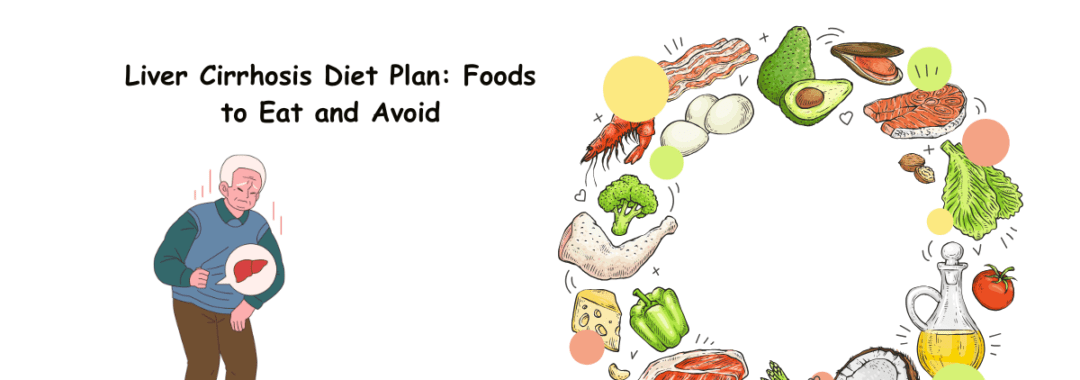
Liver Cirrhosis Diet Plan: What to Eat and Avoid for Better Liver Health
Liver cirrhosis can be one of several stages on the spectrum of liver disease. Cirrhosis occurs when the liver is damaged and is unable to effectively perform its functions. Liver damage can be caused by disease, alcohol, fatty liver, and other factors. Treatments for cirrhosis vary and can be supplemented by specific dietary changes.
Just as cars need high-quality fuel to run effectively after being damaged, the body also needs the appropriate foods after the damage has been inflicted upon it. Following a liver cirrhosis diet has been shown to help people with liver cirrhosis maintain energy and overall health.
Discover the best liver cirrhosis diet plan, foods to eat and avoid, and expert liver care tips. Learn when to consult the best liver transplant surgeon in India for advanced treatment options.
This liver cirrhosis diet plan will help you learn the cirrhosis diet basics, including what foods you should and shouldn’t consume, how you should plan your meals, and other helpful lifestyle tips.
Table of Contents
| Sr# | Headings |
|---|---|
| 1 | What is Liver Cirrhosis? |
| 2 | Why Nutrition is a Key Factor in Liver Cirrhosis? |
| 3 | Nutrition Objectives for Patients with Cirrhosis |
| 4 | Optimal Foods for Liver Cirrhosis |
| 5 | Dietary Proteins and Their Sources |
| 6 | The Role of Vegetables and Fruits |
| 7 | Beneficial Carbs for Energy |
| 8 | Beneficial Fats and Their Value |
| 9 | Foods That Should Be Avoided When You Have Liver Cirrhosis |
| 10 | Balancing Your Salt and Fluid Consumption |
| 11 | Practical Diet Plan for Those with Liver Cirrhosis |
| 12 | Unique Factors to Consider for Those with Advanced Cirrhosis |
| 13 | Adjustments in Life Habits for Improved Liver Function |
| 14 | When a Liver Transplant is Inevitable |
| 15 | Conclusion |
What is Liver Cirrhosis?
Liver cirrhosis is the result of permanent liver damage and the development of liver fibrosis (scarring). Liver cirrhosis can stem from a number of different diseases and conditions that impact the liver in different ways, including:
- Hepatitis (chronic hepatitis B or C infection)
- Liver steatosis (non-alcoholic fatty liver disease)
- Liver disease resulting from excessive alcohol use
- Autoimmune diseases of the liver
- Hereditary liver diseases
Symptoms of liver cirrhosis may include:
- Persistent fatigue
- Reduced appetite
- Weight loss
- Swelling of the lower extremities (edema)
- Accumulation of fluid in the abdominal cavity (ascites)
- Yellow discoloration of the skin and eyes (jaundice)
- Easy bruising
Nutrition cannot heal liver scarring, but a healthy diet can slow the progression of liver disease and help reduce complications.
Diet and Liver Cirrhosis: What to Know
Liver cirrhosis causes several nutritional challenges. One of the most common is malnutrition. A damaged liver struggles to store and process nutrients effectively.
The benefits of a balanced diet include:
- Maintaining muscle mass
- Improving energy levels
- Supporting the immune system
- Minimizing fluid retention
- Preventing nutrient deficiencies
- Reducing the risk of complications
The foods you eat have a direct impact on your overall health and liver function.
Nutrition Goals for Liver Cirrhosis
A liver-friendly diet should include the following:
Sufficient Calories
Cirrhosis can lead to muscle wasting. A calorie-rich diet helps prevent excessive muscle loss.
Adequate Protein
Protein is essential for tissue repair, healing, and maintaining muscle mass.
Low Sodium Intake
Too much salt contributes to fluid retention in the abdomen and legs.
Vitamins and Minerals
A variety of foods helps provide the vitamins and minerals your body needs.
Frequent Small Meals
Eating smaller meals throughout the day helps maintain energy levels and prevents muscle breakdown.
Foods Best Suited for Liver Cirrhosis
Choosing nutrient-rich foods can support liver health and overall well-being.
Whole Grains
- Brown rice
- Whole oats
- Whole wheat
- Quinoa
- Millet
Whole grains provide fiber, vitamins, and long-lasting energy.
Lean Proteins
- Fish
- Skinless chicken
- Eggs
- Tofu
- Lentils
- Beans
These foods help preserve muscle mass and support recovery.
Low-Fat Dairy Products
- Yogurt
- Milk
- Cottage cheese
These foods provide protein, calcium, and other essential nutrients.
Healthy Snacks
- Unsalted nuts
- Fresh fruits
- Roasted chickpeas
- Whole-grain crackers
Healthy snacks can help meet daily calorie and nutrient requirements.
Protein Needs and Sources
In the past, people with cirrhosis were often advised to restrict protein. Today, experts recognize the importance of adequate protein intake.
Benefits of Protein
- Prevents muscle loss
- Supports healing
- Strengthens immunity
- Helps maintain normal body functions
Best Sources of Protein
Animal-Based Sources
- Fish
- Chicken
- Eggs
- Low-fat dairy products
Plant-Based Sources
- Lentils
- Beans
- Soy products
- Peas
Plant proteins are often easier to digest and provide additional fiber.
Why Fruits and Vegetables Matter
Fruits and vegetables are rich in vitamins, minerals, antioxidants, and fiber.
Fruits to Prioritize
- Apples
- Oranges
- Papaya
- Pears
- Berries
- Watermelon
Vegetables to Prioritize
- Spinach
- Broccoli
- Carrots
- Cucumber
- Pumpkin
- Bell peppers
These foods help support immunity and reduce inflammation.
Healthy Carbohydrates for Energy
Healthy carbohydrates can help combat fatigue by providing a steady source of energy.
Best Choices
- Brown rice
- Oatmeal
- Sweet potatoes
- Whole wheat chapati
- Quinoa
Why They Are Beneficial
These carbohydrates release energy gradually and help maintain stable blood sugar levels.
Healthy Fats and Their Benefits
Healthy fats are an important part of a balanced diet.
Best Sources
- Olive oil
- Avocados
- Nuts
- Seeds
- Fatty fish
Benefits
When consumed in moderation, healthy fats support nutrition, heart health, and energy needs.
Foods to Avoid with Liver Cirrhosis
Certain foods can worsen symptoms and increase complications.
High-Sodium Foods
Avoid:
- Chips
- Pickles
- Instant noodles
- Processed meats
- Packaged snacks
Alcohol
Alcohol should be avoided completely, regardless of the cause of cirrhosis.
Sugary Foods
Limit:
- Soft drinks
- Candy
- Cakes
- Pastries
Fried Foods
Avoid:
- French fries
- Fried chicken
- Deep-fried snacks
Raw Seafood
Raw seafood may contain harmful bacteria that can cause serious infections in people with cirrhosis.
Managing Salt and Fluid Intake
Fluid retention is a common complication of liver cirrhosis.
How to Reduce Sodium Intake
- Read food labels carefully
- Avoid processed foods
- Use herbs and spices instead of salt
- Prepare meals at home whenever possible
Fluid Restrictions
People experiencing severe fluid retention should follow their doctor’s recommendations regarding fluid intake.
Sample Liver Cirrhosis Diet Plan
Early Morning
- Warm water
- One banana
Breakfast
- Oatmeal
- Low-fat milk
Mid-Morning Snack
- One apple
- Handful of unsalted nuts
Lunch
- Brown rice
- Lentil soup
- Mixed vegetables
- Fresh salad
Evening Snack
- Roasted chickpeas
- Green tea
Dinner
- Grilled fish or tofu
- Whole wheat chapati
- Steamed vegetables
Bedtime Snack
- One glass of milk
- Whole-grain crackers
This sample meal plan provides balanced nutrition while supporting liver function.
Advanced Cirrhosis: Special Considerations
Advanced cirrhosis often requires individualized nutritional management.
Muscle Loss
Higher protein intake may be recommended.
Ascites (Fluid in the Abdomen)
A stricter low-sodium diet may be necessary.
Hepatic Encephalopathy
Some patients may need adjustments in the type of protein they consume.
Vitamin Deficiencies
Doctors may recommend supplements such as:
- Vitamin D
- Zinc
- Vitamin B Complex
- Calcium
Always take supplements under medical supervision.
Lifestyle Tips for Better Liver Health
Diet and lifestyle changes work best together.
Stay Active
Regular physical activity helps maintain muscle strength and reduce fatigue.
Maintain a Healthy Weight
A healthy weight can reduce stress on the liver.
Get Vaccinated
Vaccination against hepatitis A and B can help protect liver health.
Avoid Self-Medication
Some herbal products and medications may be harmful to the liver.
Attend Regular Health Checkups
Routine monitoring helps identify complications early.
When Liver Transplant Becomes Necessary
Sometimes liver cirrhosis continues to progress despite medical treatment and dietary changes. In such cases, a liver transplant may become necessary.
Symptoms of advanced liver failure include:
- Repeated fluid buildup
- Frequent infections
- Internal bleeding
- Severe jaundice
- Confusion and memory problems
It is important to consult a liver specialist promptly. Many patients seek guidance from the best liver transplant surgeon in India to evaluate treatment options and determine whether transplantation is required.
Early referral to a liver transplant center can significantly improve outcomes and quality of life.
Final Thoughts
A carefully planned liver cirrhosis diet can play a major role in managing symptoms and supporting overall health. By choosing nutritious foods, reducing sodium intake, avoiding alcohol, and eating regular meals, you can help your liver function more effectively.
It is important to remember that there is no one-size-fits-all diet for cirrhosis. Every patient has unique nutritional needs, and the ideal diet should be tailored with the guidance of a doctor and dietitian.
Think of your daily meals as an investment in your health. Just as a vehicle requires proper maintenance to perform at its best, your body needs consistent nourishment to function efficiently. Every healthy food choice contributes to better energy levels, improved liver health, and a higher quality of life.
FAQs
1. What is the best diet for liver cirrhosis?
A balanced diet rich in fruits, vegetables, whole grains, lean proteins, and low-sodium foods is generally recommended for people with liver cirrhosis.
2. Can liver cirrhosis patients eat eggs?
Yes. Eggs are an excellent source of high-quality protein and can be consumed in moderation unless advised otherwise by a healthcare provider.
3. Why is sodium restriction important in liver cirrhosis?
Excess sodium can lead to fluid retention, causing swelling in the legs and fluid buildup in the abdomen.
4. Can liver cirrhosis be reversed through diet?
Diet cannot reverse established cirrhosis, but it can help slow disease progression, improve symptoms, and reduce complications.
5. When is liver transplantation needed for cirrhosis?
Liver transplantation may be considered when cirrhosis becomes advanced and the liver can no longer perform its essential functions despite treatment.