
Introduction
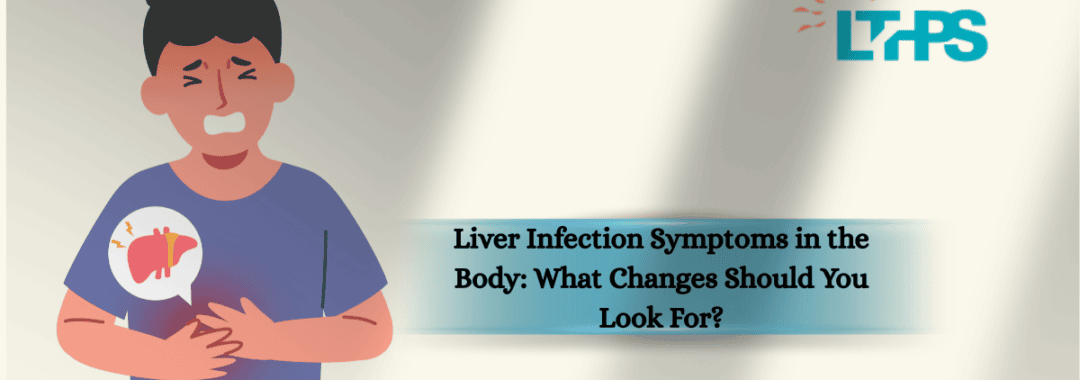
Your liver works quietly every day, helping your body process nutrients, remove harmful substances, and perform many essential functions. But what happens when an infection causes inflammation in the liver?
A liver infection can sometimes produce obvious changes, such as yellow eyes or dark urine. In other cases, there may be few or no symptoms at all. This is particularly important with some forms of viral hepatitis, where a person may not realize they are infected.
Think of your liver as your body’s chemical processing plant. When that plant becomes inflamed or damaged, the effects can gradually appear in different parts of the body.
Learn the key liver infection symptoms, warning signs, causes, and when to seek care from the best liver transplant surgeon in india.
Recognizing unusual changes early can encourage timely medical evaluation and treatment.
Table of Contents
| Sr # | Headings |
|---|---|
| 1 | What Is a Liver Infection? |
| 2 | What Causes Liver Infections? |
| 3 | What Are the Early Symptoms of a Liver Infection? |
| 4 | Yellow Eyes and Skin: A Common Warning Sign |
| 5 | Dark Urine and Pale Stools |
| 6 | Fatigue, Weakness and Loss of Appetite |
| 7 | Abdominal Pain, Nausea and Vomiting |
| 8 | Fever, Joint Pain and Flu-Like Symptoms |
| 9 | Itchy Skin and Other Skin Changes |
| 10 | When Liver Infection Causes More Serious Symptoms |
| 11 | How Is a Liver Infection Diagnosed? |
| 12 | Treatment and Prevention of Liver Infections |
| 13 | When Should You See a Liver Specialist? |
| 14 | Frequently Asked Questions |
1. What Is a Liver Infection?
A liver infection occurs when an infectious organism, most commonly a virus, affects the liver and causes inflammation. Viral hepatitis is one of the best-known examples. Hepatitis A, B, C, D and E are different viral infections that can affect the liver.
However, not every liver problem is caused by an infection. Liver inflammation can also occur because of alcohol, certain medicines, autoimmune conditions, metabolic problems and other causes.
The symptoms can vary considerably from person to person. Some people develop noticeable symptoms within a short period, while others have mild symptoms or none at all.
That is why feeling healthy does not always mean your liver is healthy.
2. What Causes Liver Infections?
Viral infections are a major cause of liver infection. Different hepatitis viruses spread in different ways.
For example, hepatitis A is commonly associated with contaminated food or water, while hepatitis B can spread through infected blood or body fluids. Hepatitis C is also primarily transmitted through infected blood.
Other possible causes of liver inflammation include:
- Certain medications or drug-related liver injury
- Alcohol-related liver damage
- Autoimmune hepatitis
- Other infections
- Conditions affecting bile flow
- Certain metabolic or inherited disorders
Because the causes are different, treatment also varies. A person should not assume that every case of jaundice or abdominal discomfort is caused by the same condition.
3. What Are the Early Symptoms of a Liver Infection?
One of the challenges with liver infections is that early symptoms can look like many ordinary illnesses.
You may experience:
- Tiredness or unusual weakness
- Loss of appetite
- Nausea or vomiting
- Mild abdominal discomfort
- Fever
- Joint or muscle aches
- Dark urine
- Pale stools
- Itchy skin
- Yellowing of the eyes or skin
Some people may initially feel as though they have a mild flu or stomach infection. Flu-like symptoms, tiredness, nausea, vomiting, abdominal discomfort and fever can occur before more recognizable hepatitis symptoms appear.
This is why persistent or unusual symptoms should not simply be ignored.
4. Yellow Eyes and Skin: A Common Warning Sign
Have you noticed that the whites of your eyes look yellow? Or has your skin developed a yellowish tone?
This condition is called jaundice.
Jaundice can occur when bilirubin, a yellow substance produced during the normal breakdown of red blood cells, builds up in the body. Liver and bile-flow problems can interfere with the normal processing and removal of bilirubin.
Yellowing of the eyes or skin is an important warning sign that deserves medical attention. It can occur with hepatitis and other liver or biliary conditions.
Jaundice may be easier to notice in the whites of the eyes than in the skin, particularly in people with darker skin tones.
Do not assume that jaundice automatically means you have a liver infection. Gallbladder and bile-duct problems and other conditions can also cause it.
5. Dark Urine and Pale Stools
Changes in urine and stool color can sometimes provide another clue.
Dark or tea-colored urine may occur when bilirubin levels increase. At the same time, stools may become unusually pale or clay-colored when bile is not reaching the intestine normally. These changes can occur with hepatitis and certain bile-duct problems.
For example, you may notice:
- Urine becoming darker than usual
- Stool becoming unusually pale
- Yellowing of the eyes
- Itching
- Abdominal discomfort
If several of these symptoms appear together, it is sensible to seek medical advice rather than waiting for them to disappear.
6. Fatigue, Weakness and Loss of Appetite
Persistent tiredness is one of the symptoms that people often overlook.
Everyone feels tired sometimes. Lack of sleep, stress, work pressure and many other everyday issues can make you exhausted. But if unusual fatigue continues and occurs alongside nausea, poor appetite, abdominal discomfort or jaundice, it deserves attention.
Liver infections can cause fatigue and loss of appetite. Acute hepatitis B, for example, may cause tiredness, fever, abdominal or joint pain, nausea, vomiting and reduced appetite.
You might also experience:
- Reduced interest in food
- Weakness
- Unintentional weight loss
- Feeling unwell for several days
- Reduced ability to perform normal activities
Fatigue alone does not prove that you have a liver infection. But persistent fatigue combined with other symptoms should be evaluated.
7. Abdominal Pain, Nausea and Vomiting
The liver is located in the upper-right portion of the abdomen, beneath the rib cage.
Some liver conditions can cause discomfort in this area. Hepatitis may also be associated with nausea, vomiting and abdominal pain.
The discomfort may feel like:
- A dull ache
- Pressure or fullness
- Tenderness beneath the right ribs
- General upper-abdominal discomfort
However, abdominal pain has many possible causes, including gallstones, stomach problems, pancreatitis and other digestive conditions.
Therefore, location alone cannot identify a liver infection. Doctors may need blood tests and imaging to determine the actual cause.
8. Fever, Joint Pain and Flu-Like Symptoms
Some liver infections can begin with symptoms that seem unrelated to the liver.
You might develop:
- Fever
- Headache
- Body aches
- Joint pain
- Tiredness
- Nausea
- Reduced appetite
These symptoms can occur during acute viral hepatitis. Hepatitis A, for example, may cause flu-like symptoms, tiredness, muscle pain, nausea, abdominal pain and fever.
This can make early liver infection difficult to recognize.
If these symptoms are followed by dark urine, pale stools or jaundice, you should speak with a healthcare professional.
9. Itchy Skin and Other Skin Changes
Persistent itching can sometimes accompany liver and bile-flow disorders.
Some liver conditions can cause itching, and it may occur with jaundice or other symptoms.
Other changes may include:
- Yellowing of the skin
- Easy bruising in advanced liver disease
- Swelling of the legs
- Other changes associated with chronic liver disease
It is important to remember that itching by itself is very common and can be caused by dry skin, allergies, medications and numerous other conditions.
The combination of persistent itching + jaundice + dark urine or abdominal symptoms is more concerning and warrants medical assessment.
10. When Liver Infection Causes More Serious Symptoms
Many liver infections resolve or can be effectively managed, but some infections can become chronic and contribute to long-term liver damage.
For example, chronic hepatitis B may cause few symptoms for a long time. Over the years, untreated chronic infection can contribute to cirrhosis and increase the risk of liver cancer.
As serious liver damage develops, symptoms may include:
- Swelling of the abdomen
- Swelling of the legs or ankles
- Easy bruising or bleeding
- Confusion or difficulty thinking
- Unexplained weight loss
- Severe weakness
- Jaundice
- Dark urine
Symptoms such as ascites, leg swelling, jaundice, confusion and bleeding can occur as cirrhosis becomes more advanced.
Vomiting blood, severe confusion, significant abdominal swelling, or rapidly worsening jaundice requires urgent medical evaluation.
11. How Is a Liver Infection Diagnosed?
Symptoms can raise suspicion, but symptoms alone cannot confirm a liver infection.
A doctor may begin with your medical history and physical examination. Depending on your symptoms and risk factors, testing may include:
Blood Tests
Blood tests can check liver enzymes, bilirubin and other indicators of liver injury or function. Specific hepatitis blood tests can help determine whether a viral infection is present.
Ultrasound or Other Imaging
Imaging may help doctors examine the liver, gallbladder and bile ducts and look for structural abnormalities.
Additional Tests
Depending on the suspected condition, doctors may recommend additional tests such as elastography or, in selected cases, a liver biopsy.
Do not try to diagnose hepatitis based only on urine color, fatigue or jaundice. Proper testing is important.
12. Treatment and Prevention of Liver Infections
Treatment depends on the cause.
Some acute viral infections may improve with supportive care, while chronic viral infections may require antiviral treatment and long-term monitoring. Hepatitis B, for instance, can become chronic and may require ongoing specialist care.
Treatment may involve:
- Medicines when appropriate
- Regular liver-function monitoring
- Management of complications
- Healthy lifestyle changes
- Avoiding substances or medicines that could further injure the liver
- Regular follow-up with a liver specialist
Prevention of Liver Infections
Prevention is equally important.
Depending on the infection, preventive steps can include:
- Vaccination where available
- Safe food and water practices
- Avoiding shared needles
- Avoiding the sharing of personal items that may carry blood
- Practicing safer sex
- Following medical advice after a known exposure
If you have been diagnosed with hepatitis, ask your doctor how to reduce the risk of transmission to other people.
13. When Should You See a Liver Specialist?
You should consider medical evaluation if you develop unexplained or persistent symptoms such as jaundice, dark urine, pale stools, ongoing fatigue, upper-abdominal pain, nausea or loss of appetite.
You should be particularly proactive if you have:
- A known hepatitis exposure
- A history of abnormal liver tests
- Previous hepatitis infection
- Symptoms of jaundice
- Persistent abdominal swelling
- Unexplained weight loss
- Symptoms suggesting advanced liver disease
If the liver is significantly damaged, specialist care becomes increasingly important. Patients with advanced liver disease may eventually need assessment by a transplant team.
When researching specialist care, people may search for the best liver transplant surgeon in india. However, choosing a liver specialist should involve more than a search ranking. Consider the doctor’s qualifications, experience, hospital facilities, transplant-team support, treatment approach and suitability for your particular condition.
The right time to seek specialist care is not necessarily when transplantation becomes necessary. Early evaluation can help identify the cause of liver problems and, in some cases, prevent progression.
Conclusion
Liver infection symptoms can range from mild tiredness and nausea to more noticeable changes such as jaundice, dark urine, pale stools, abdominal discomfort and itching. Some infections, however, may cause few or no symptoms, making appropriate testing especially important.
If you notice persistent or unusual changes in your body, do not try to diagnose yourself. Speak with a qualified healthcare professional, especially if symptoms are worsening or multiple warning signs appear together.
Early recognition, appropriate testing and timely medical care can make a meaningful difference in protecting liver health.
Frequently Asked Questions
1. What are the most common liver infection symptoms?
Common symptoms can include fatigue, loss of appetite, nausea, vomiting, abdominal discomfort, fever, dark urine, pale stools, itching and jaundice. However, some people with hepatitis may have no symptoms at all.
2. Is yellow skin always a sign of liver infection?
No. Jaundice can have several causes, including liver disease, hepatitis and problems affecting the gallbladder or bile ducts. A doctor may recommend blood tests and other investigations to determine the cause.
3. Can a liver infection cause dark urine?
Yes. Dark urine can occur with hepatitis and other conditions involving increased bilirubin or impaired bile flow. Dark urine together with jaundice or pale stools should be medically evaluated.
4. Can you have hepatitis without symptoms?
Yes. Some people with hepatitis have no noticeable symptoms, particularly with certain chronic infections. Hepatitis B and C can remain unnoticed for long periods, which is why appropriate screening and testing are important for people at risk.
5. When should I see a liver specialist?
You should seek medical advice if you develop jaundice, persistent fatigue, dark urine, pale stools, unexplained abdominal discomfort, ongoing nausea or other unusual symptoms. Prompt specialist assessment is particularly important when symptoms are severe, persistent or accompanied by signs of advanced liver disease.
Medical Disclaimer: This article is intended for general educational purposes and does not replace examination, diagnosis or treatment from a qualified healthcare professional.