
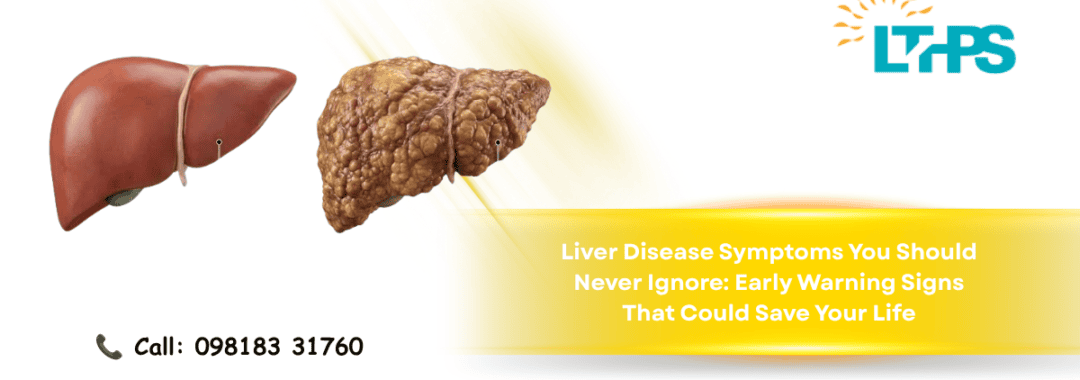
The liver is one of the hardest-working organs in your body. It quietly performs more than 500 essential functions every day, from filtering toxins and producing bile to storing nutrients and supporting your immune system. Yet, despite its importance, liver disease often develops silently. Many people don’t notice anything is wrong until significant damage has already occurred.
Imagine your liver as your body’s natural water filter. If the filter becomes clogged, the water quality slowly worsens without obvious signs at first. Similarly, your liver can continue working even after suffering considerable damage. That’s why recognizing the early warning signs is so important.
Whether the cause is fatty liver disease, hepatitis, alcohol-related liver disease, cirrhosis, or liver cancer, early diagnosis can make treatment more effective and may even prevent permanent damage. In severe cases, consulting the best liver transplant surgeon in india can offer life-saving treatment options.
This guide explains the liver disease symptoms you should never ignore, why they happen, and when you should seek medical care.
The Importance of Early Detection of Liver Disease
Many liver diseases develop silently, showing little or no symptoms during their early stages. Conditions such as Metabolic Dysfunction-Associated Steatotic Liver Disease (MASLD), hepatitis B, hepatitis C, and early-stage cirrhosis can gradually damage the liver over several years without causing noticeable problems.
The encouraging news is that early diagnosis can often stop or even reverse liver damage. Depending on the underlying condition, treatment may include:
- Lifestyle changes, such as a healthier diet and regular exercise
- Medications to treat the underlying disease
- Weight management
- Regular monitoring by a liver specialist
Without timely treatment, liver disease can continue to progress, leading to serious complications such as:
- Liver cirrhosis
- Liver failure
- Portal hypertension
- Liver cancer
- The need for a liver transplant
Early detection can make a life-saving difference.
## Understanding the Functions of the Liver
Your liver is one of the most important organs in your body. It performs more than 500 essential functions that help keep you healthy every day.
Some of its key responsibilities include:
- Filtering toxins from the bloodstream
- Producing bile to help digest fats
- Storing vitamins and minerals
- Regulating blood sugar levels
- Producing proteins needed for blood clotting
- Supporting the immune system
- Breaking down medications and harmful substances
When the liver becomes damaged, these vital functions begin to decline, leading to symptoms throughout the body.
## Persistent Fatigue
An Early Warning Sign You Shouldn’t Ignore
Everyone feels tired after a long day. However, constant exhaustion that doesn’t improve with rest could be an early sign of liver disease.
People with liver problems often experience:
- Persistent fatigue
- Low energy levels
- Muscle weakness
- Difficulty concentrating
- Reduced motivation
This happens because a damaged liver cannot efficiently remove toxins or process nutrients, leaving you feeling drained.
If fatigue continues for several weeks without an obvious cause, it’s important to consult a healthcare professional.
## Yellow Skin and Eyes (Jaundice)
A Serious Warning Sign
Jaundice occurs when the liver cannot properly remove bilirubin, a yellow pigment produced during the normal breakdown of red blood cells.
As bilirubin builds up in the bloodstream, it causes:
- Yellowing of the skin
- Yellowing of the whites of the eyes
- Dark-colored urine
- Pale or clay-colored stools
Jaundice may be caused by:
- Hepatitis
- Cirrhosis
- Liver failure
- Blocked bile ducts
- Liver cancer
Never ignore new-onset jaundice. Seek medical attention immediately.
## Abdominal Pain and Swelling
Pain or discomfort in the upper right side of the abdomen may indicate that the liver is inflamed or enlarged.
Common symptoms include:
- Dull aching pain
- Pressure under the ribs
- Bloating
- Feeling full after eating small amounts
As liver disease progresses, fluid can build up inside the abdomen, causing a condition known as ascites.
Symptoms of ascites include:
- A swollen or tight abdomen
- Rapid increase in abdominal size
- Difficulty breathing
- Loss of appetite
Ascites is a serious complication that requires immediate medical evaluation.
## Unexplained Weight Loss and Poor Appetite
Unexpected weight loss without changes in diet or exercise may be another warning sign of liver disease.
A damaged liver can affect your body’s ability to process nutrients, leading to:
- Poor appetite
- Feeling full quickly
- Nausea
- Muscle loss
- Unexplained weight loss
If these symptoms persist, consult your doctor for a proper evaluation.
## Dark Urine and Pale Stools
Changes in urine and stool color often indicate that the liver or bile ducts are not functioning properly.
Dark Urine
Urine may appear:
- Dark brown
- Tea-colored
- Dark amber
Pale Stools
Stools may become:
- Gray
- Clay-colored
- Light yellow
These changes usually occur because bile is not flowing normally through the digestive system.
## Persistent Itchy Skin
Many people assume itchy skin is simply a skin problem, but sometimes it can be a sign of liver disease.
When bile salts build up in the bloodstream, they can irritate the nerves beneath the skin.
Symptoms include:
- Persistent itching
- Itching without a visible rash
- Itching that becomes worse at night
- Little or no relief from scratching
If itching continues without an obvious cause, your liver function should be evaluated.
## Easy Bruising and Bleeding
The liver produces proteins that help your blood clot properly.
When liver function declines, these proteins decrease, making bleeding more likely.
You may notice:
- Bruising easily
- Frequent nosebleeds
- Bleeding gums
- Cuts that take longer to stop bleeding
These symptoms should always be assessed by a healthcare professional.
## Swelling in the Legs and Ankles
A damaged liver may produce less albumin, an important protein that helps keep fluid inside your blood vessels.
When albumin levels fall, fluid leaks into surrounding tissues, causing swelling.
Common signs include:
- Swollen ankles
- Swollen feet
- Leg swelling
- Shoes feeling unusually tight
This swelling often occurs alongside fluid buildup in the abdomen.
## Mental Confusion and Memory Problems
Advanced liver disease can allow harmful toxins to build up in the bloodstream and reach the brain, causing hepatic encephalopathy.
Early symptoms include:
- Forgetfulness
- Difficulty concentrating
- Confusion
- Mood or personality changes
- Sleep disturbances
- Slurred speech
- Hand tremors
These symptoms require urgent medical attention.
## When to Seek Emergency Medical Care
Certain liver disease symptoms can be life-threatening and require immediate treatment.
Go to the nearest emergency department if you experience:
- Vomiting blood
- Black or tarry stools
- Sudden confusion
- Severe jaundice
- Difficulty staying awake
- Rapid abdominal swelling
- High fever with jaundice
- Loss of consciousness
Prompt treatment can be life-saving.
## Diagnosis and Treatment Options
Doctors use several tests to diagnose liver disease and determine its severity.
Blood Tests
These may include:
- Liver Function Tests (LFTs)
- Bilirubin levels
- Albumin levels
- Blood clotting tests
Imaging Tests
Your doctor may recommend:
- Ultrasound
- CT Scan
- MRI Scan
- FibroScan
Liver Biopsy
In some cases, a small sample of liver tissue may be taken to confirm the diagnosis and assess the extent of liver damage.
Treatment
Treatment depends on the underlying cause but may include:
- Eating a healthy diet
- Regular physical activity
- Weight management
- Stopping alcohol consumption
- Medications for viral hepatitis or autoimmune liver disease
- Regular follow-up with a liver specialist
If liver damage becomes irreversible, a liver transplant may be the best treatment option. Consulting the best liver transplant surgeon in India, along with an experienced multidisciplinary transplant team, can improve outcomes through advanced surgical techniques, careful patient selection, and comprehensive post-transplant care.
## How to Protect Your Liver
You can lower your risk of liver disease by following these healthy habits:
- Maintain a healthy body weight
- Eat a balanced, nutritious diet
- Exercise regularly
- Limit or avoid alcohol
- Get vaccinated against hepatitis A and B
- Avoid unnecessary medications
- Manage diabetes and cholesterol
- Have regular health check-ups
- Avoid smoking
- Practice safe hygiene and safe sex to reduce the risk of viral hepatitis
Small lifestyle changes today can protect your liver for years to come.
## Final Thoughts
Your liver works tirelessly every day to keep your body healthy, often without you even noticing. Unfortunately, liver disease can remain silent until significant damage has already occurred.
Pay attention to warning signs such as persistent fatigue, jaundice, abdominal swelling, unexplained weight loss, dark urine, pale stools, itchy skin, easy bruising, and mental confusion.
Seeking medical advice early can help detect liver disease before it progresses to serious complications such as cirrhosis, liver failure, or liver cancer. If advanced liver disease develops, consulting an experienced hepatologist and the best liver transplant surgeon in India can help you explore the most effective treatment options and improve your chances of a successful recovery.
## Frequently Asked Questions (FAQs)
1. What is the earliest symptom of liver disease?
Persistent fatigue is often one of the first signs of liver disease. Other early symptoms may include poor appetite, mild abdominal discomfort, nausea, and weakness.
2. Can liver disease develop without any symptoms?
Yes. Many liver conditions, including fatty liver disease and early hepatitis, may not cause noticeable symptoms until significant liver damage has occurred.
3. Which liver disease symptoms should never be ignored?
Symptoms such as jaundice, persistent fatigue, abdominal swelling, dark urine, pale stools, unexplained weight loss, itchy skin, easy bruising, and confusion should always be evaluated by a healthcare professional.
4. Can early liver disease be reversed?
In many cases, yes. Early-stage fatty liver disease, alcohol-related liver disease, and some forms of hepatitis can often improve with lifestyle changes, appropriate treatment, and regular medical follow-up.
5. When is a liver transplant necessary?
A liver transplant is usually recommended when the liver has suffered irreversible damage due to advanced cirrhosis, liver failure, certain liver cancers, or inherited liver disorders. A liver specialist can determine whether transplantation is the most appropriate treatment option.