
Introduction
Do you feel especially tired, even after a good night’s rest? Do you find that daily tasks leave you feeling extremely drained? There are a lot of reasons that might make someone feel tired, but one less known cause is something called fatty liver.
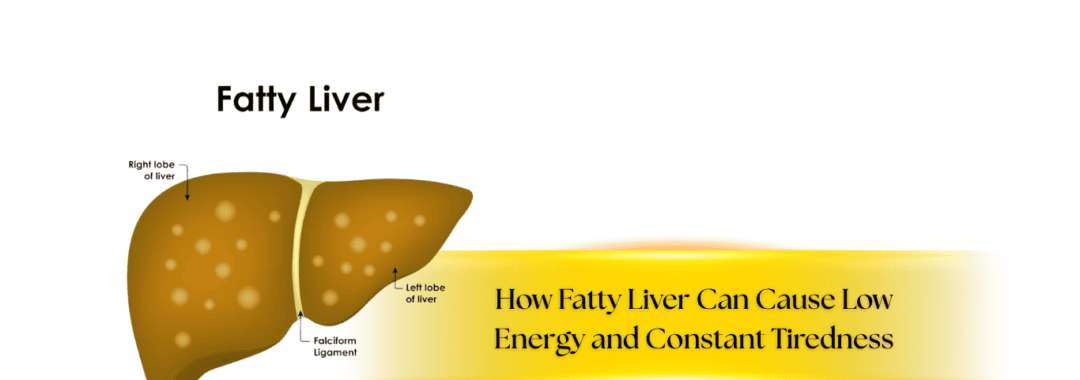
Fatty liver is when a good amount of fat builds up in the liver. In the early stages of fatty liver, it might not show any symptoms. As it further develops, the liver begins to show more signs. These signs may include continual fatigue and low energy.
Like any other organ, when your liver is stressed, your body is impacted as a whole. Now that you know that fatty liver can be a reason you feel tired, you can learn to recognize the signs.
Discover how fatty liver can cause low energy and constant tiredness, understand the warning signs, and learn when to consult the best liver transplant surgeon in India.
What Is Fatty Liver?
Fatty liver disease describes a condition in which there is a pathological accumulation of fat in the liver. Every organ has a small reserve of fat, however, some organs can develop issues when too much fat builds up.
Fatty liver can be associated with many metabolic disorders as well as being overweight or suffering from type 2 diabetes and high cholesterol. Alcohol can also lead to another type of fatty liver disease.
Liver disease has a lot of different forms. Fatty liver can stay mild for a long time, but for some, it can become more severe and develop inflammation and damage even further.
You may not even know you have it, but fatty liver could be affecting you! In the majority of cases, symptoms don’t show up until the disease advances. For this reason, you should definitely not overlook fatigue, especially when you are experiencing other risk factors.
Can Fatty Liver Make You Tired?
Fatty liver disease is one of the many conditions that can cause fatigue and low energy.
People with fatty liver can be so tired that it interferes with their daily life. Not only do they feel tired, but they feel physically weak and unmotivated. Even after sleeping all night, some people say they feel like they did not sleep at all.
What Is the Cause?
Fatty liver and fatigue do have a complex relationship. Researchers think a combination of things are at play, like inflammation, metabolic changes, insulin resistance, and sleep issues, as well as a number of other conditions that fatty liver tends to be associated with.
Persistent fatigue should not be placed on fatty liver as the first assumption. It is important to discover its actual cause.
Does Fatty Liver Make You Tired?
Combinations of the hundreds of processes that the liver helps the body with, like nutrient processing and storage, could be impaired when the liver has excess fat.
Picture the liver as a factory. Healthy livers help their owners feel energized and less fatigued. But when things start to malfunction, producing the energy needed for all the body systems starts to feel like an effort. That’s when fatigue kicks in.
There are many conditions that include fatigue as a symptom, but those conditions can also be accompanied by something like a fatty liver – diabetes, high cholesterol, obesity, and poor sleep.
Inflammation May Also Be Tied to Fatigue
Fatty liver on its own may not cause inflammation. But in some people, liver fat may be tied to injury and inflammation of the liver. This is especially the case with MASLD (metabolic dysfunction-associated steatotic liver disease) and more formally with MASH (metabolic dysfunction-associated steatohepatitis).
Inflammation causes the body to function abnormally and can play a part in fatigue.
Fatigue that lasts a long period of time, especially with added symptoms like lack of concentration, should be evaluated by a healthcare professional.
Fatty Liver, Insulin Resistance, and Fatigue
Many associate fatty liver with insulin resistance and a host of other metabolic concerns.
Insulin is the hormone in charge of telling the body to use the sugar in the blood for energy. With insulin resistance, the body no longer responds to insulin like it should.
It can affect how the body controls energy.
When insulin is not working well, then one can feel sleepy and experience weight control problems and blood sugar problems. Fatigue becomes much worse when all three problems of fatty liver, insulin resistance, and diabetes are present.
This shows how management of fatty liver needs to take more than just the liver into account. It also needs to consider body weight, blood sugar, blood fats, blood pressure, the amount and type of food, and physical activity.
How Fatty Liver May Impact Your Sleep and Daily Routine
Have you ever had the experience of feeling fatigued during the day and not feeling the refreshing effects of a good night’s sleep?
Having a fatty liver may correlate with some other lifestyle and metabolic issues that may adversely impact the quality of sleep. One of these issues is excess body weight, which can lead to sleep-related breathing problems. These problems can cause you to feel sleepy during the day.
Poor sleep can create a frustrating cycle:
Poor sleep → feel fatigued during the day → less physically active → metabolic issues → more fatigue.
Breaking the cycle can have a positive effect on your energy.
Managing your sleep and any underlying health issues can also help maintain a healthy lifestyle with regular physical activity and a balanced diet.
Other Symptoms of Fatty Liver to Watch Out For
Fatigue is not the only possible symptom that can also be present with having a fatty liver.
Some of these symptoms may occur:
- Tiredness and weakness
- Generally not feeling well
- Mild discomfort on the upper-right side of the abdomen
- Difficulty concentrating
- Less ability to tolerate exercise
- Unexplained odd changes in your health
Advanced liver disease results in yellowing of the skin and/or eyes, swelling of the abdomen and/or legs, bruising more easily than normal, being more confused than normal, dark urine, and changes in the appearance of your poop.
These symptoms warrant urgent evaluation by a doctor.
Keep in mind, many people with early stages of fatty liver do not have symptoms.
Is Tiredness Always Caused by Fatty Liver?
Most likely not.
Fatigue is a common symptom of many things. Not enough sleep, stress, anemia, thyroid problems, nutritional deficiency, infection, diabetes, some medications, and many other health conditions can all contribute fatigue.
That is why it is important to diagnose fatty liver.
If you have fatty liver and chronic fatigue, your doctor will check your liver and consider other things as potential causes. Your doctor may do blood tests and other tests based on your medical history and the symptoms you are experiencing.
Do not self-diagnose based on fatigue.
When to See a Doctor?
If you are tired after a busy day, fatigue is likely not the cause. If you have chronic fatigue or fatigue that is otherwise unexplained, you should seek a doctor.
You should see a doctor when you:
- Experience chronic fatigue for greater than a few weeks.
- Are regularly waking up exhausted.
- Experience fatigue during daily activities.
- Already have fatty liver disease.
- Are experiencing diabetes, obesity, high cholesterol, or other metabolic changes.
- Have abdominal pain and constant fatigue.
- Are showing more signs of more serious liver issues.
Seek immediate medical help if you experience severe confusion, nausea and vomiting with blood, black and tar-like bowel movements, severe swelling in the abdomen, severe jaundice, or any other severe symptoms.
How Is Fatty Liver Diagnosed?
There are multiple ways to assess fatty liver. These include:
Medical history: A doctor will ask questions about your diet and lifestyle including your weight, alcohol and drug use, your current and past health, and your symptoms.
Physical examination: This will help find signs of liver or metabolic issues.
Blood tests: Blood tests to check liver enzymes may provide more liver health information. Fatty liver and significant liver problems may exist even with normal liver enzymes.
Imaging: This helps check if the liver has excess fat and may help assess the liver in general.
Fibrosis assessment: This estimates the presence of fibrosis or scarring with non-invasive tests.
Not all of these tests are necessary and the extent of testing is based on your personal assessment.
Fatty Liver and Lifestyle Changes That May Improve Energy
This may especially help if fatty liver is in part responsible for your low energy. This helps overall metabolic health. This includes:
1. A Healthy Diet
This includes a variety of vegetables, fruits, whole grains, legumes, lean meats, and healthy fats. Limit heavily processed foods, sweetened foods and drinks, and foods with high added sugars.
2. Keep Moving
Activity helps many body systems and can help lower fat in the liver. Exercise does not have to be extreme. Activities can be things like walking, biking, and swimming.
3. Achieve a Healthy Weight
Small changes over time, like steady weight loss, can be better for liver health and body systems for those who are overweight.
Avoid diets that have a goal to quickly lose weight.
4. Control Sugar and Cholesterol
If your cholesterol is too high, your blood pressure is high, or you have diabetes, make sure to follow your doctor’s advice.
5. Sleep Well
Sleep the same amount each night and try to sleep better. If you are still tired after sleeping and you snore and wake many times, talk to your doctor.
Can Fatty Liver Ever Go Away?
Changing lifestyle habits to be healthier can help manage fatty liver. This is especially true for the metabolic conditions that are fatty liver’s underlying causes.
How much fatty liver can improve depends on how bad the liver condition is, if there is liver inflammation and liver scarring (fibrosis), and other health conditions.
Liver conditions are best to find and manage early to help not worsen liver conditions.
Fatty liver does have many causes, but ongoing tiredness should not be explained away due to being busy or older.
When Does Fatty Liver Cause Serious Issues?
Most people who have fatty liver do not have serious liver conditions, but some people develop liver inflammation and more serious liver conditions and cause serious liver scarring (fibrosis).
Significant fibrosis can become cirrhosis over time. Advanced cirrhosis can compromise liver function and create new problems.
At this stage the condition requires the attention of a specialist.
In cases of severe, permanent liver failure, liver transplant may be indicated for select patients.
At the moment, the majority of patients with fatty liver are not potential liver transplant candidates. We want to diagnose liver disease and treat it early to decrease the chance of it getting worse.
Why You Need a Liver Specialist
If you have persistent fatigue with a known liver condition, you need to make sure you are receiving the right medical care.
A liver specialist can help to determine whether your symptoms are related to fatty liver, evaluate the level of liver damage, and help construct a plan for your liver health.
For patients with advanced liver disease, finding a highly qualified transplant team is vital. Anyone looking for the best liver transplant surgeon in India should think past advertising and rankings and consider the surgeon’s experience and their hospital, their multidisciplinary team, the outcomes from their transplants, and how they monitor and evaluate patients.
The right specialist explains the condition and the treatment options available.
Conclusion
Fatty liver does cause fatigue, but there are so many reasons for fatigue. In addition to fatty liver there can be inflammation, metabolic issues, and poor quality of sleep to name a few.
If you are always tired, don’t just assume it’s normal. Seek out a proper diagnosis. Your constant fatigue may be due to a health issue, like a problem with your liver.
Catching fatty liver disease early provides the opportunity to reverse the changes. Things such as a balanced diet, routine exercise, sufficient quality sleep, better weight control, and the right medical treatments can shield the liver’s health.
Frequently Asked Questions
1. Can fatty liver make you tired all the time?
Some may feel constant tiredness or low energy when they have a fatty liver. Fatigue, however, is not exclusive to fatty liver. There are many factors that can affect fatigue. Only your doctor will be able to provide you with the answers to your fatigue.
2. Does fatty liver cause weakness and lack of energy?
Weakness and lack of energy can especially be the case when liver inflammation or other metabolic disorders exist. Other disorders that need to be equally considered are anemia, thyroid disorders, diabetes, insufficient sleep, and lack of nutrients.
3. Can improving fatty liver improve energy levels?
Some may especially feel better when fatty liver improves and be more active. Good health can be promoted by regular exercise, a balanced diet, better weight control, quality sleep and the treatment of diabetes.
4. Does tiredness mean fatty liver is serious now?
Fatigue does not signify the severity of liver damage. Fatigue can happen in both mild and more serious cases of fatty liver. Only a medical professional can evaluate and perform tests to determine the level of liver damage and the presence of liver inflammation or fibrosis.
5. When should I go to a liver doctor for fatty liver?
If you have serious fatty liver symptoms and/or serious metabolic risk factors and/or abnormal liver tests and/or suspected liver fibrosis and/or signs of advanced liver disease, a liver doctor should be consulted. If liver disease is evaluated as advanced by the medical team, then a transplant evaluation by a specialist is warranted.