
Living With Cirrhosis Without a Transplant – Is It Possible

Living With Cirrhosis Without a Transplant – Is It Possible?

Cirrhosis. For many people, the first thought that comes to mind is whether that person will need a liver transplant. 

The honest answer is—not always. 

Living with cirrhosis without a transplant is not just possible—for many, it’s a reality. With knowledge, discipline, and expert guidance, life can still be meaningful, active, and hopeful.

Living with cirrhosis without a transplant is possible. Learn management options and when to consult the best liver transplant surgeon in India.

Many people can live with cirrhosis without a transplant, especially if the disease is caught and managed early. Think of your liver as a factory. If a part of the factory is damaged, the remaining sections can keep the factory running—as long as you protect and don’t overwork the damaged part.

In this article, we aim to discuss what living with cirrhosis looks like, when a transplant is needed, and how many people live meaningful lives without the need for surgery. We will guide you through the process without the use of overly complicated terms and without using fear to cloud the journey. We value transparency and use it to provide a light of hope to our readers.

Understanding Cirrhosis in Simple Terms

Cirrhosis is a disease that is characterized by long-term liver damage that leads to the formation of scars. Healthy tissue is replaced by harder tissue, which makes it increasingly challenging for the liver to perform its tasks that including cleaning the blood of toxins, digestion, and the immune system. 

It’s also important to remember:

Cirrhosis doesn’t happen overnight.

It’s a slow process that can take many years to develop. 


Because of the gradual nature of liver damage, some patients can endure very long periods of time without the need for a liver transplant.

What are the causes of Cirrhosis?

Cirrhosis is a condition brought on by ongoing damage to the liver. Some of the most common causes of liver damage are:

  • – Alcohol-related liver disease
  • – Fatty liver disease (NAFLD / NASH)
  • – Chronic hepatitis B or C
  • – Autoimmune liver diseases
  • – Genetic conditions
  • – Long-term bile duct problems

Cirrhosis is like a fire analogy. Once a fire has started, it is important to remove sources of ignition to prevent further damage.

What are the stages of cirrhosis?

Cirrhosis can be split into two very broad categories:

1) Compensated Cirrhosis

The liver is still capable of functioning almost all of its roles. Some symptoms may be present, or the individual may present with none whatsoever (asymptomatic). Most patients are unaware they are affected.

2) Decompensated Cirrhosis

Liver function is greatly reduced, and symptoms of liver average arise. Patients in this category are at an elevated risk of requiring a transplant.

When is a transplant necessary?

It is important to highlight that in the very early stages of cirrhosis, a transplant is very rarely needed.

Is it possible to live without a liver transplant?

Yes. Living with cirrhosis of the liver without a transplant is possible when:

  • – The liver continues to function well
  • – The source of liver damage has been addressed (stopped)
  • – Complications are managed or prevented early

A transplant is not typically the first step in treating liver cirrhosis. It is generally the last resort when all other options are exhausted.

Compensated Cirrhosis: Life Can Still Feel Normal.

In compensated cirrhosis:

  •  People may work a regular 40-hour week
  •  Travel a lot
  •  Have a good quality of life

With proper care, a lot of patients remain stable for 10-15 years and sometimes longer without needing surgery. Maintaining regular follow ups is imperative, but life may still feel surprisingly easy.

Decompensated Cirrhosis: When Symptoms Start to show.

This is when the liver starts to fail, and the following symptoms start to show:

  •  Abdominal ascites
  •  Jaundice
  •  Vomiting blood or passing black stool.
  •  Hepatic encephalopathy (confusion and drowsiness)

At this stage most people still manage to get by without needing a transplant, though some will require evaluation by the top liver transplant surgeon in india eventually.

Signs that Cirrhosis is Worsening.

Be mindful of:

  •  Escalating tiredness
  •  Fluid retention (weight gain)
  •  More infections than usual
  •  Easy bruising or bleeding.
  •  Confusion

Consider these symptoms the warning lights on a car dashboard. Ignoring them is not a good approach.

Medical Treatment that is available without a transplant.

Doctors concern themselves with:

For root causes (antivirals, alcohol cessation, and weight loss)

Complication prevention

Active symptom management

Unfortunately, most patients will remain stable for years under these interventional techniques.

Lifestyle Changes that do Surely Make a Difference

This is where you take back control.

There are strict lifestyle recommendations to follow:

  • – No alcoholic beverages
  • – Managing to keep the weight in a healthy range
  • – Engaging in moderate physical activity
  • – Staying away from unnecessary prescription drugs
  • – Keep vaccinations up to date

Research shows small daily alterations are more beneficial than large changes accomplished in a short time span.

Living With Cirrhosis Dietary Recommendations. Food serves a medicinal purpose.

Useful recommendations:

  • – Reduced salt to avoid fluid retention
  • – Enough protein to avoid muscle wasting
  • – Increased intake of fresh fruits and veggies
  • – No raw fish
  • – Decreased intake of processed foods

A dietary pattern that is supportive of liver health helps the organ function more efficiently to meet the body’s needs.

Chronic Liver Disease and Mental and Emotional Well-Being

The ramifications of having cirrhosis extend beyond the physical aspect.

Common feelings include:

  • – Cortical anxiety
  • – Worry about what is to come
  • – Emotional collapse

Providing emotionally supportive spaces and expressing oneself can be very beneficial. You are more than just your illness.

The Importance of Regularly Scheduled Monitoring

Stability is a result of the presence of:

  • – blood work
  • – ultrasounds or fibroscans
  • – visits to the gastroenterologist
  • – liver cancer screenings

Omitting follow up visits and monitoring is very risky and is not recommended.

When Is a Liver Transplant the Best Option? When the following characteristics are present a liver transplant can be seen as a suitable option: relentless recurrent complications; significantly declining quality of life; and worsening liver function in the presence of effective medical therapies. At this stage, the timing of the consultation with the top liver transplant surgeon in India is crucial to not be too early or too late.

Given India’s expertise, we take world-class liver care very seriously.

An experienced liver care specialist:

  • *Helps avoid unnecessary liver transplants*
  • *Identifies the }rupture timing, if needed*
  • *Offers true, patient-first advice*
  • Making the right decisions can impact the entire course of care.
  • **Living With Hope: Long-Term Outlook**
  • *Cirrhosis* is serious — it is not the end, though; it can be managed.
  • With the right care:
    * Many people live long, productive lives
    * A transplant is often delayed or avoided

*The hope will remain.

Your liver may be scarred, but your future doesn’t have to be.

**Frequently Asked Questions (FAQs)**

*Can early-stage cirrhosis be reversed?*

Despite your best efforts, early cirrhosis cannot fully reverse; however, further damage can be stopped or slowed.

*How long can someone live with cirrhosis without a transplant?*

With proper managed care, many people live 10–20 years or more (even compensated cirrhosis).

*Does everyone with cirrhosis eventually need a transplant?*

No. A large number of patients managed well never need a transplant.

*When should I consult a liver transplant specialist?*

Consult early once function starts to decline or if complications appear.

5. How do I choose the best liver transplant surgeon in india?

Consider the surgeon’s experience, the quality of communication, the availability of multidisciplinary care, and the support of long-term follow-up.


Book an Appointment with Dr. Neerav Goyal


For expert consultation or to discuss liver transplant options, reach out to Dr. Neerav Goyal at:


📞 +91 8527516541
[email protected]


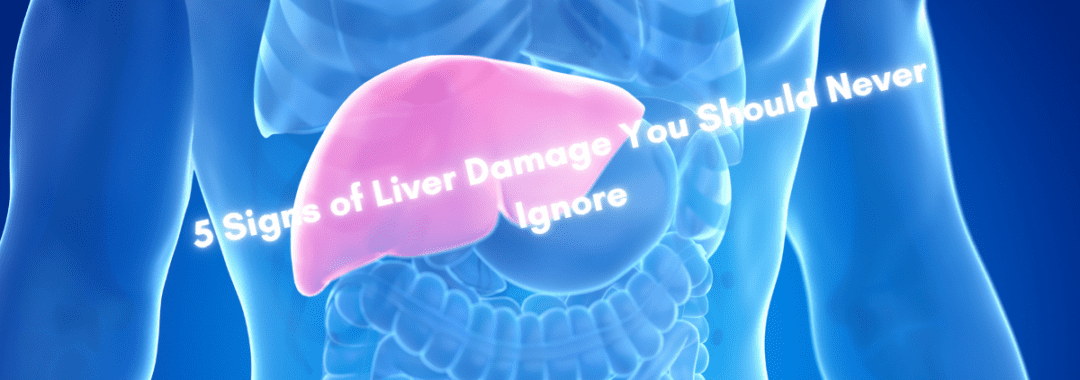
5 Signs of Liver Damage You Should Never Ignore

Have you ever wondered how your liver silently keeps you healthy every single day? Think of it as your body’s personal “detox factory” — working tirelessly to filter toxins, digest fats, and store energy. But what happens when this hardworking organ starts to fail?

Liver damage often creeps in quietly, showing signs that are easy to overlook. By the time symptoms become noticeable, significant damage may have already occurred. Recognizing these early warnings can make all the difference between timely treatment and serious complications.

In this article, we’ll explore the five major signs of liver damage, their causes, and when to seek help from a liver transplant specialist in India.


Table of Contents

Sr# Headings
1 What Does the Liver Do?
2 Why Liver Damage Happens
3 Sign #1: Constant Fatigue and Weakness
4 Sign #2: Yellowing of Skin and Eyes (Jaundice)
5 Sign #3: Swelling in the Abdomen and Legs
6 Sign #4: Dark Urine and Pale Stool
7 Sign #5: Itchy Skin and Easy Bruising
8 Additional Signs You Should Watch Out For
9 How Is Liver Damage Diagnosed?
10 Early Treatment and Lifestyle Management
11 When to Visit a Liver Transplant Specialist in India
12 Importance of Timely Medical Attention
13 Preventing Liver Damage – Everyday Tips
14 Foods That Help Heal the Liver Naturally
15 Conclusion

1. What Does the Liver Do?

Your liver is one of the busiest organs in your body. It performs over 500 essential functions, including:

  • Filtering toxins from the blood
  • Producing bile to aid digestion
  • Regulating blood sugar levels
  • Storing vitamins and minerals
  • Breaking down alcohol and medications
  • In short, your liver acts like your body’s “chemical factory”, constantly processing and filtering everything you eat, drink, and absorb.

2. Why Liver Damage Happens

Liver damage can result from many factors, including:

  • Excessive alcohol consumption
  • Fatty liver disease (both alcoholic and non-alcoholic types).
  • Viral hepatitis (Hepatitis A, B, or C).
  • Obesity or diabetes.
  • Certain medications and toxins.

When your liver is overloaded or inflamed, it starts to lose its ability to function properly. Over time, this can lead to liver cirrhosis, liver failure, or even the need for a liver transplant.

3. Sign # 1: Constant Fatigue and Weakness.

Feeling tired all the time– even after resting? Persistent fatigue is often one of the earliest signs of liver damage.

When your liver can’t effectively filter toxins, they start accumulating in your bloodstream. This can make you feel sluggish, foggy, or exhausted without a clear reason.

Tip: If tiredness lingers for weeks, accompanied by loss of appetite or mild nausea, don’t ignore it. A simple blood test can help detect early liver issues.

4. Sign # 2: Yellowing of Skin and Eyes (Jaundice).

Jaundice is a classic symptom of liver trouble. It causes your skin, eyes, and even nails to turn yellow due to the buildup of bilirubin– a yellow pigment produced during the breakdown of red blood cells.

A healthy liver processes bilirubin efficiently, but when damaged, this process slows down, leading to visible yellowing.

Watch out for:.

  • Yellow-tinted skin or eyes.
  • Dark urine and pale stools.
  • Itching.

If you notice these changes, it’s crucial to consult a liver transplant specialist in India for evaluation and treatment.

5. Sign # 3: Swelling in the Abdomen and Legs.

If your stomach feels bloated or your legs appear puffy, it could be fluid buildup due to poor liver function. This condition is called ascites (in the abdomen) and edema (in the legs).

The liver produces proteins that help maintain fluid balance in the bloodstream. When it fails, fluid leaks into surrounding tissues, causing visible swelling.

  • Seek help immediately if you experience:.
  • A tight or bloated belly.
  • Rapid weight gain.
  • Difficulty breathing due to abdominal pressure.

This is often a sign of advanced liver disease requiring urgent attention.

6. Sign # 4: Dark Urine and Pale Stool.

Changes in urine and stool color can reveal a lot about your liver’s health.

Dark urine (tea or cola-colored) indicates excess bilirubin.

Pale or clay-colored stool suggests that bile isn’t reaching the intestines properly.

Together, these are telltale signs that your liver or bile ducts are not functioning as they should.

7. Sign # 5: Itchy Skin and Easy Bruising.

Ever noticed unexplained itching or bruising? Damaged livers struggle to produce clotting proteins, making bruises appear easily.

Itching, on the other hand, occurs due to bile salts accumulating in the skin, which irritates nerve endings.

In short:.
When your skin starts talking, your liver might be crying for help.

8. Additional Signs You Should Watch Out For.

  • Apart from the five major signs, other subtle symptoms of liver damage include:.
  • Nausea or vomiting.
  • Loss of appetite.
  • Unintentional weight loss.
  • Confusion or memory problems (hepatic encephalopathy).
  • Bad breath or metallic taste.

While these may seem harmless, they can point to ongoing liver inflammation.

9. How Is Liver Damage Diagnosed?

  • Diagnosing liver damage involves a combination of tests, including:.
  • Liver function tests (LFTs): Measure enzyme and protein levels.
  • Ultrasound or MRI: Detects fatty changes or tumors.
  • Liver biopsy: Confirms the extent of damage.

A liver transplant specialist in India may also recommend additional imaging or viral screening to determine the cause.

10. Early Treatment and Lifestyle Management.

If detected early, liver damage is often reversible with proper care.

Lifestyle tips:.

Avoid alcohol completely.

Eat a liver-friendly diet rich in fruits, veggies, and whole grains.

Maintain a healthy weight.

Get vaccinated against hepatitis A and B.

Avoid unnecessary medications and herbal supplements.

11. When to Visit a Liver Transplant Specialist in India.

You should consult a liver transplant specialist in India if:.

Your doctor detects cirrhosis or liver failure.

Your symptoms don’t improve despite lifestyle changes.

You have a known liver condition like hepatitis or fatty liver.

Specialists not only manage advanced liver disease but also guide you through transplant options if needed, ensuring the best possible outcome.

12. Importance of Timely Medical Attention.

Delaying treatment can allow liver damage to progress silently into irreversible failure. Remember, the liver has an incredible capacity to heal– but only if given a chance.

Ignoring early signs is like ignoring warning lights on your car’s dashboard. The sooner you act, the better your chances of recovery.

13. Preventing Liver Damage– Everyday Tips.

Stay hydrated.

Limit processed and fried foods.

Exercise regularly.

Get routine liver function tests, especially if you have diabetes or obesity.

Simple daily choices can protect your liver from long-term harm.

14. Foods That Help Heal the Liver Naturally.

Include these in your diet for a healthier liver:.

  • Garlic– aids detoxification.
  • Turmeric– reduces inflammation.
  • Green tea– rich in antioxidants.
  • Leafy greens– help flush toxins.
  • Coffee– surprisingly beneficial in moderation.

These foods support liver repair and overall health.

15. Conclusion.

Your liver is the ultimate multitasker– working day and night to keep you alive and well. The signs of liver damage often start small, but early recognition can save your life.

If you notice persistent fatigue, yellowing of the eyes, or swelling, don’t ignore them. Consult a liver transplant specialist in India for expert diagnosis and guidance.

Caring for your liver today ensures a healthier, happier tomorrow.

FAQs.

1. What are the early signs of liver damage?
Early signs include fatigue, yellowing of the eyes (jaundice), dark urine, and mild abdominal swelling.

2. Can liver damage be reversed?
Yes, if caught early and the cause is removed– such as stopping alcohol or treating hepatitis.

3. When should I see a liver transplant specialist in India?
If you have cirrhosis, severe symptoms, or poor liver test results, consult a specialist immediately.

4. What foods are good for liver health?
Garlic, turmeric, green tea, and leafy greens support detoxification and repair.

5. Is liver transplant the only option for severe liver damage?
Not always. Early medical management can stabilize the liver, but advanced cases may require a transplant.