
Liver Disease Bruising on Arms Causes, Signs & When to Worry

Liver Disease Bruising on Arms: Causes, Signs & When to Worry

Introduction

Have you noticed strange bumps on your arms that you thought, “Where did that originate?” If this is a regular occurrence, even with no injury, your body could be trying to communicate something vital, possibly about your liver.

Your liver functions as an invisible hero, removing toxic substances and helping your blood get clots in the right way. If it’s not operating well, even a minor bump can result in massive bruises. Consider your liver as a “quality management administrator” for your blood. If it’s not functioning properly, it can cause problems fast.

This article will explain all you should be aware of about the bruising caused by liver disease on the arms in easy-to-understand terminology.

Unexplained arm bruising may signal liver disease. Learn causes, symptoms, and when to consult best liver transplant surgeon in India.

Table of Contents

Sr# Headings
1 What is Liver Disease?
2 Why Does Liver Disease Cause Bruising?
3 How Bruising Appears on Arms
4 Early Signs You Shouldn’t Ignore
5 Types of Liver Diseases Linked to Bruising
6 Risk Factors for Easy Bruising
7 When is Bruising a Serious Concern?
8 Diagnosis and Tests
9 Treatment Options
10 Lifestyle Changes to Improve Liver Health
11 Role of Nutrition
12 When You May Need a Liver Transplant
13 Prevention Tips
14 Emotional Impact of Liver Disease
15 When to See a Specialist

1. What exactly is Liver Disease?

The term “liver disease” is a term used to describe any condition which affects your liver and alters the way it functions. It may progress gradually over time or occur abruptly.

Common types of them include:

  • Affatty liver disease
  • Hepatitis
  • Cirrhosis
  • Liver cancer

The liver is accountable for many functions, including the creation of proteins that aid the blood form clots. If this function is compromised it can cause bruising to become more frequent.

2. What Causes Liver Disease Cause Bruising?

Let’s make this simple.

The liver produces blood clotting factors that stop bleeding after you’ve been injured. If your liver has been damaged:

  • It makes fewer clotting proteins.
  • The level of platelets may drop
  • The blood vessels become more fragile

The result? You bruise easily–even from bumps that aren’t noticeable or minor.

Imagine attempting to fix leaks without the right tools. This is what happens to your body when the clotting factors are not as high.

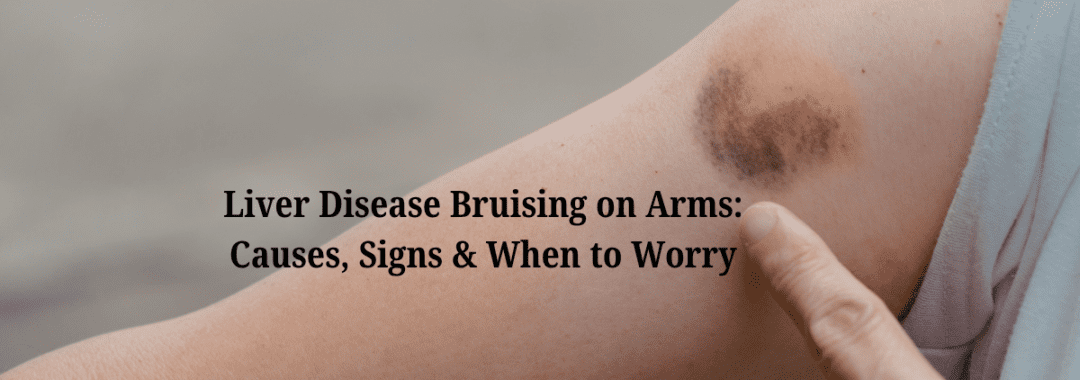
3. How Bruising appears on arms

Bruising due to liver disease can follow certain patterns:

  • Large blue, purple or dark patches
  • It is not clear if the bruising has caused injury.
  • Slow healing as compared to normal bruises
  • A frequent occurrence on legs and arms

Sometimes, these bruisings appear tender, whereas at other times, they might not cause any pain at all.

4. The Signs to Watch for Early on

The appearance of bruises is usually only one of the symptoms. Watch out for:

  • Skin yellowing (eyes) (jaundice)
  • Constant fatigue
  • Swelling of the abdomen or in the legs
  • Urine that is dark-colored
  • A loss of appetite

If you experience bruising with these indications it is important to consult a doctor.

5. Different types of liver diseases Related to bruising

Certain liver conditions can cause bleeding:

  • The condition of cirrhosis – significant liver scarring
  • ALD – Alcohol related liver disease
  • Chronic Hepatitis B and C
  • Non-alcoholic fat liver disease (NAFLD)

The conditions can affect the way the liver makes factors that clot, resulting in easily bruising.

6. Risk Factors to Avoid Bruising

You might be more susceptible to bruises if:

  • Consume alcohol regularly
  • Are overweight or obese
  • Make sure you are taking blood thinners
  • Are you suffering from viral infections such as Hepatitis
  • Are you getting older? (skin is thinner as you the advancing years)

7. If bruising is a serious concern?

Every bruise is not dangersome, but a few warning signs are:

  • The bruises appear often without cause
  • A painful or large bruise
  • Nosebleeds, bleeding gums, or bleeding gums frequently

These may indicate more serious liver issues and should not be overlooked.

8. Diagnostics and tests

Doctors utilize a variety of techniques to determine the cause of liver-related bruising.

  • The blood tests are used to assess liver function
  • Ultrasound, or CT scans to look at the liver
  • Liver biopsy in certain cases

These tests aid in determining how serious the illness.

9. Treatment Options

The treatment depends on the root of the damage to the liver:

  • The treatment for viral Hepatitis
  • Lifestyle modifications for fat liver
  • Vitamin supplements (like Vitamin K)
  • Monitoring and advanced treatment for liver cirrhosis

Early treatment can reduce the risk of problems and improve the health of your liver.

10. Lifestyle changes that improve the health of your liver

Your lifestyle plays an important part in your the health of your liver. You can:

  • Stop or cut down on alcohol consumption
  • Maintain an appropriate weight
  • Exercise regularly
  • Do not take unnecessary medicines

Consider the idea of giving your liver the chance to recuperate and function more effectively.

11. The role of Nutrition

A healthy diet can strengthen your liver and help reduce the risk of problems:

Take More of

  • Leafy green vegetables
  • Fresh fruits
  • Whole grains
  • Lean proteins

Avoid:

  • Fried food
  • Processed snack foods
  • Sugar that is not needed

Dietary habits can help increase clotting along with overall functioning of your liver.

12. There are times when you may need an Organ Transplant

In the most severe instances the liver could cease to function properly.

Signs can include:

  • Bloody and severe bruising
  • Abdominal fluid build-up
  • Mental confusion

In this moment it is time to consult the top liver transplant surgeons in India is crucial. A liver transplant may save your life in cases where other treatments do not are effective.

13. Prevention Tips

Here are some easy methods to safeguard your liver:

  • Limit alcohol consumption
  • Get vaccinated against hepatitis.
  • Be sure to maintain a healthy and balanced lifestyle
  • Get regular health checkups

Prevention is always more effective than treatment.

14. The emotional effects of liver disease

The liver condition may affect your mental well-being as well.

It is possible to be feeling:

  • Self-conscious about bruising
  • Are you worried about your health?
  • Drained emotionally

Speak to a doctor or family members can reduce the burden.

15. When should you see a specialist?

It is recommended to consult with a physician for advice if:

  • Bruises can occur without injury
  • You are always tired
  • The eyes or skin change color and turn yellow.

A specialist will guide you in the right direction to determine the best diagnostic and treatment plans. If required, they will direct patients to most skilled liver transplant surgeons in India to receive the most advanced treatment.

Conclusion

Arm bruising may seem like a minor problem however, if it occurs often and without a reason, it could indicate an issue that is more serious, such as liver disease. The liver plays an essential function in maintaining your blood’s health and your body running smoothly.

By understanding the reasons and recognizing the early signs and taking action promptly to protect your liver from severe complications. If you are in a more severe situation the latest medical advances like liver transplants can provide the possibility of a fresh start and hope.

FAQs

1. Does the liver disease cause bruising and swelling without injury?

Indeed, damage to the liver can reduce the clotting factor, which makes bruising more likely even if there is no injury.

2. Are arm bruises always a sign of liver issues?

However, frequent unanswered bruises should be examined by a physician.

3. How can I minimize the the bruising that is caused by liver disease?

The underlying liver issue should be treated by eating a healthy and balanced diet, and adhere to medical recommendations.

4. Is bruising an indication of liver disease that is advanced?

It could be particularly when it is accompanied by symptoms such as swelling or jaundice.

5. When should I see with a doctor about bruises?

If you notice frequent bruising and severe, or isn’t explained Consult a physician promptly.

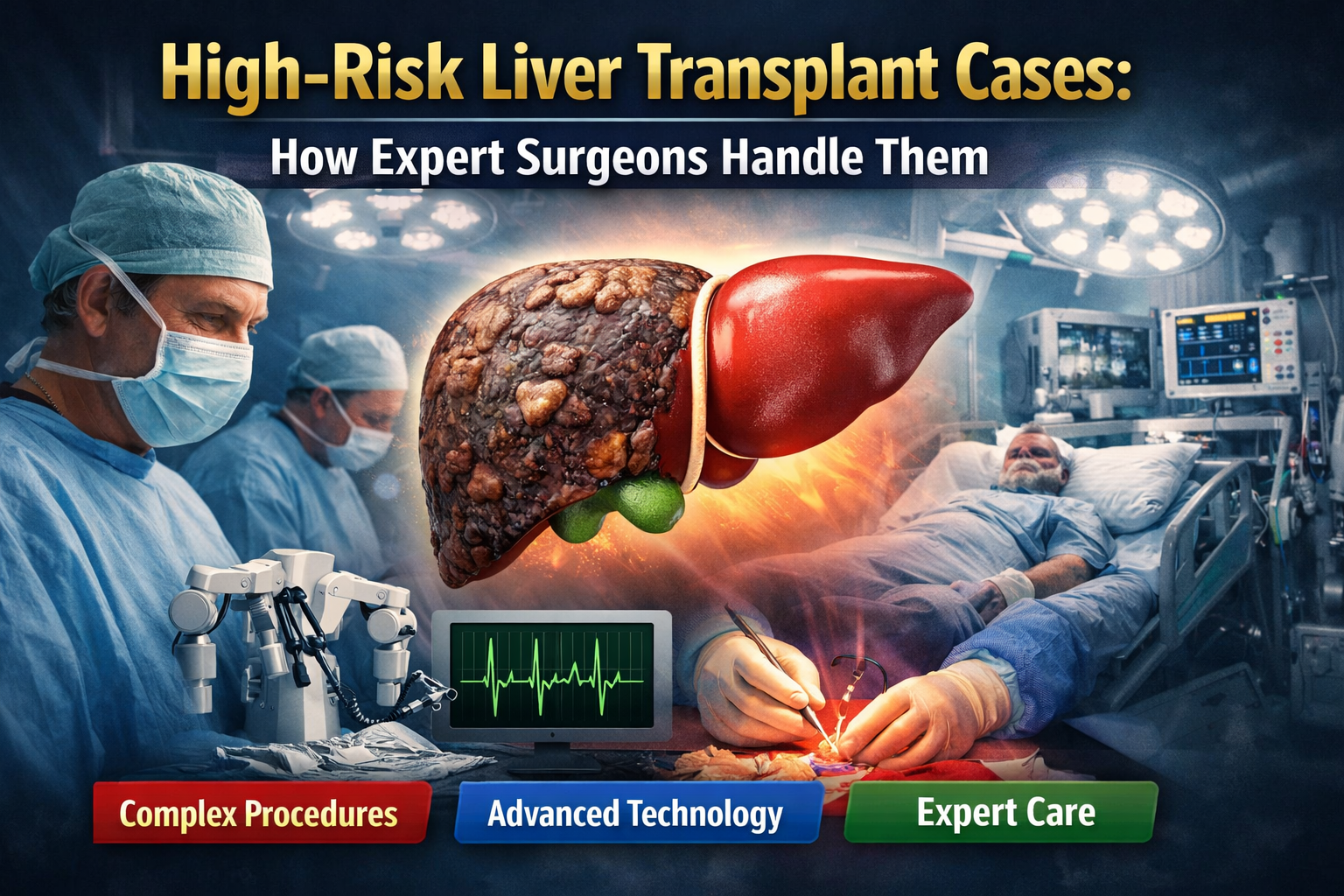
High-Risk Liver Transplant Cases: How Expert Surgeons Handle Them

Introduction

When we hear about liver transplants, most of us imagine a complex yet routine medical procedure. But what happens when the case is high-risk? That’s where things get far more challenging—and fascinating.

High-risk liver transplant cases are like walking a tightrope in a storm. Every step matters, and even the smallest mistake can have serious consequences. Yet, thanks to the skills of the best liver transplant surgeon in india, many patients not only survive but go on to live healthy, fulfilling lives.

So, how do expert surgeons handle such complicated situations? Let’s break it down in simple terms.

Table of Contents

Sr# Headings
1 What Is a High-Risk Liver Transplant?
2 Who Falls Into the High-Risk Category?
3 Challenges Faced During High-Risk Transplants
4 Importance of Pre-Transplant Evaluation
5 Role of Advanced Technology
6 Multidisciplinary Team Approach
7 Surgical Expertise and Precision
8 Managing Blood Loss and Complications
9 Handling Donor-Related Complexities
10 Post-Operative Critical Care
11 Infection Control and Immunosuppression
12 Patient Monitoring and Follow-Up
13 Emotional and Psychological Support
14 Success Rates and Outcomes
15 Choosing the Right Surgeon

1. What Is a High-Risk Liver Transplant?

The term “high-risk” refers to cases where a risky liver transplant refers to situations where the chance of complications is significantly greater than normal.

They could be involving:

  • Severe liver damage
  • Multiple health problems
  • Previous surgeries
  • Unusual anatomy

Imagine it as fixing damaged engines when the car is running. It is a feat of skills and timing.

2. Who Falls Into the High-Risk Category?

Every patient is not exactly the same. Certain aspects instantly make a patient high-risk:

Key Factors Include:

  • Advanced liver disease
  • Older age
  • Obesity
  • Kidney or heart issues
  • Previous transplant failure

Patients suffering from tumors or infections might also fall into this category.

3. Challenges Faced During High-Risk Transplants

A high-risk transplant is no easy feat. Surgeons must overcome a variety of obstacles:

  • The uncontrolled flow of blood
  • Longer duration of surgery
  • Risk of higher infection
  • Organ rejection chances

It’s like solving a game in which the pieces change shape.

4. Importance of Pre-Transplant Evaluation

Before surgery, the doctors conduct an in-depth examination.

It includes

  • Blood tests
  • Images scans
  • Heart and lung evaluation
  • The state of nutrition

Why is this so important? Because it reduces risks substantially.

A patient who is well-prepared is similar to an athlete who has been trained to be ready for whatever challenge lies ahead.

5. Role of Advanced Technology

Modern medicine has altered the game.

Technologies that are used are:

  • 3D imaging
  • Robotic-assisted surgery
  • Advanced monitoring systems revolutionized the game.

Technologies that are used are:

  • 3D imaging
  • Robotic-assisted surgery
  • Advanced monitoring systems for advanced monitoring

These tools aid surgeons in planning each step with precision and minimize the chance of unexpected unpleasant surprises.

6. Multidisciplinary Team Approach

There is no surgeon who works on his own in high-risk situations.

The whole team is in place:

  • Hepatologists
  • Anesthetists
  • Critical care specialists
  • Nurses

This teamwork ensures that each aspect of the patient’s health is taken care of.

7. Surgical Expertise and Precision

That’s where the best liver transplant surgeon in India is distinguished.

The importance of expertise:

  • Better decision-making during surgery
  • Ability to resolve issues quickly
  • Increased rates of success

Experience is similar to muscle memory. The more you’ve accumulated more experience, the better you can perform under stress.

8. Managing Blood Loss and Complications

One of the greatest dangers is bleeding that is excessive.

Surgeons can manage this by:

  • With the help of advanced surgical tools
  • Making precise cuts
  • Continuously monitoring blood flow

Rapid decisions could mean an instant difference in life or death.

9. Handling Donor-Related Complexities

Sometimes, the organ donor itself can pose difficulties.

Common issues:

  • Size not matching
  • Fatty liver in the donor
  • Partial liver grafts

Specialist surgeons are able to adjust and make the best use of organs that are available.

10. Post-Operative Critical Care

The procedure doesn’t stop in the operating room.

After a transplant the patient is closely monitored within the ICU.

The key areas of focus are:

  • Organ function
  • Blood pressure
  • Oxygen levels

This phase is essential for recuperation.

11. Infection Control and Immunosuppression

After the transplant, your body might reject the new liver.

To avoid this doctors employ immune-suppressant drugs.

But here’s the thing:

  • These medications increase the risk of infection

Therefore, doctors must carefully make sure that protection and prevention are in harmony.

12. Patient Monitoring and Follow-Up

Recovery doesn’t stop after discharge.

Patients require:

  • Regular check-ups
  • Blood tests
  • Modifications to medications

Think of it as taking care of a brand new car – you require regular maintenance to keep it in good condition.

13. Emotional and Psychological Support

High-risk procedures can be stressful emotionally.

Patients are often feeling:

  • Anxiety
  • Fear
  • Stress

Family, medical professionals and counselors play an important role in recovering.

14. Success Rates and Outcomes

It is possible to ask if high-risk transplants are success?

The answer is Yes, and it is becoming more so.

Advancements in:

  • Surgical techniques
  • Technology
  • Post-care

Survival rates have risen dramatically.

15. Choosing the Right Surgeon

This is among the most crucial decision-making processes.

What to look out for:

  • Experience with high-risk situations
  • Hospital infrastructure
  • Patient reviews
  • Rates of success

Selecting the most effective liver transplant surgeon from India will greatly improve the likelihood of a favorable result.

Conclusion

The cases of high-risk liver transplants represent among the top difficult procedures available in the field of modern medicine. However, with the help of experienced surgeons, modern technology and a dedicated medical team even the most difficult cases can be dealt with successfully.

If you or a loved ones are facing such circumstances, don’t feel all on your own. With the proper medical attention and the advice of the top liver transplant surgeon in India, there’s hope for healing, recuperation and a second chance to live a full living a full and healthy life.

FAQs

1. What are the factors that make a liver transplant high-risk?

A transplant is deemed high-risk if a patient is suffering from additional health issues, liver damage or other complications that can increase the difficulty of surgery.

2. Will patients with high risk of liver transplants Survive?

Yes, with skilled medical treatment and modern techniques numerous high-risk patients can have excellent results.

3. How long is recovery after a liver transplant with a high risk?

Recovery may take several months, based on the condition of the patient and the underlying issues.

4. Are there higher odds of rejection in cases with high risk?

Yes, but correct medications and monitoring can in reducing and preventing rejection risks.

5. How can I select the most reputable surgeon for liver transplants in india?

Consider experiences, hospital facilities, success rates and feedback from patients to make an informed choice.

Can Fatty Liver Turn Into Hepatitis Know the Risks

Can Fatty Liver Turn Into Hepatitis? Know the Risks

Introduction

Your liver is one of the hardest-working organs in your body. It quietly filters toxins, processes nutrients, and keeps your metabolism running smoothly. But what happens when fat starts accumulating in this vital organ?

Many people today are diagnosed with fatty liver disease, often during routine health checkups. At first, it may not seem like a serious problem because it rarely causes symptoms in the early stages. But a common question people ask is: Can fatty liver turn into hepatitis?

Fatty liver can progress to hepatitis and cirrhosis. Learn symptoms, causes, prevention, and treatment from the best liver transplant surgeon in India

The short answer is yes, in some cases it can lead to liver inflammation, which is known as “hepatitis.” Over time, untreated fatty liver can trigger the following:

  • Inflammation

  • Fibrosis

  • Cirrhosis

  • Liver failure

Think of your liver like a kitchen sponge. When it’s clean, it absorbs and filters everything efficiently. But when it becomes overloaded with grease (fat), it becomes stiff and ineffective. Eventually, damage starts building up.

Let’s break down how fatty liver progresses, when it becomes dangerous, and how you can protect your liver’s health.


Understanding Fatty Liver Disease

Fatty liver disease occurs when excess fat accumulates in liver cells. Normally, the liver contains a small amount of fat. But when fat makes up more than 5–10% of the liver’s weight, it is called fatty liver.

There are two main types:

1. Non-Alcoholic Fatty Liver Disease (NAFLD)

Occurs in people who drink little or no alcohol. It is often linked with:

  • Obesity

  • Diabetes

  • High cholesterol

2. Alcoholic Fatty Liver Disease

Caused by excessive alcohol consumption that damages liver cells.

In many cases, fatty liver doesn’t cause symptoms, but if ignored, it can slowly progress to more serious liver conditions.


What is Hepatitis?

Hepatitis simply means inflammation of the liver.

This inflammation can occur due to several reasons such as:

  • Viral infections (Hepatitis A, B, C)

  • Alcohol abuse

  • Fat accumulation

  • Certain medications

  • Autoimmune diseases

When the liver becomes inflamed, its ability to function properly decreases. Over time, this inflammation can lead to permanent liver damage.


Can Fatty Liver Turn Into Hepatitis?

Yes, fatty liver can progress into a form of hepatitis called Non-Alcoholic Steatohepatitis (NASH).

Here’s what happens:

  • Fat builds up in the liver

  • The fat triggers inflammation

  • Liver cells become damaged

  • Scar tissue begins forming

This stage—NASH—is essentially fatty liver with hepatitis-like inflammation.

Not everyone with fatty liver develops NASH, but studies show about 20–30% of fatty liver patients may progress to this stage.

If left untreated, NASH can lead to:

  • Liver fibrosis

  • Liver cirrhosis

  • Liver failure

  • Liver cancer


The Stages of Fatty Liver Disease

Fatty liver disease usually develops gradually in stages.

Stage 1 – Simple Fatty Liver

  • Fat accumulates in the liver

  • Causes little or no damage

Stage 2 – NASH (Inflammation)

  • Fat accumulation triggers inflammation

  • Liver cells begin to get injured

Stage 3 – Fibrosis

  • Scar tissue forms around damaged liver areas

Stage 4 – Cirrhosis

  • Severe scarring affects liver function

  • May lead to liver failure

At advanced stages, patients may require treatment from the best liver transplant surgeon in India to restore liver function.


Difference Between Fatty Liver and Hepatitis

Many people confuse these two conditions. While they are related, they are not exactly the same.

  • Fatty Liver – Excess fat accumulation

  • Hepatitis – Inflammation of the liver

  • NASH – Fat + inflammation

So fatty liver does not always mean hepatitis, but it can progress into it.


Causes That Trigger Liver Inflammation

Several factors can worsen fatty liver and trigger hepatitis-like inflammation.

Common causes include:

  • Obesity

  • Type 2 diabetes

  • High cholesterol

  • High triglycerides

  • Poor diet

  • Lack of exercise

  • Excess alcohol consumption

Modern lifestyle habits such as eating processed foods and sitting for long hours are major contributors.


Warning Signs You Should Never Ignore

Fatty liver often develops silently. But once inflammation begins, symptoms may appear.

Common symptoms include:

  • Fatigue

  • Abdominal discomfort

  • Unexplained weight loss

  • Nausea

  • Yellowing of skin (jaundice)

  • Swelling in abdomen

If you notice these symptoms, consult a liver specialist immediately.


Who Is at Risk of Developing Fatty Liver Hepatitis

Certain individuals are more likely to develop inflammation from fatty liver.

High-risk groups include:

  • People with obesity

  • Patients with diabetes

  • Individuals with metabolic syndrome

  • People with high cholesterol

  • Sedentary individuals

Even young adults are increasingly being diagnosed with fatty liver today.


How Doctors Diagnose Liver Inflammation

Doctors use several tests to diagnose fatty liver and hepatitis.

Common diagnostic tests include:

  • Liver Function Tests (LFT)

  • Ultrasound

  • FibroScan

  • MRI

  • Liver biopsy

These tests help determine how much fat and damage exist in the liver.


Treatment Options for Fatty Liver and Hepatitis

Currently, there is no single medication that cures fatty liver completely, but treatment focuses on controlling the underlying causes.

Treatment options include:

  • Weight loss

  • Diet modification

  • Exercise

  • Diabetes management

  • Cholesterol control

  • Avoiding alcohol

Early treatment can prevent the disease from progressing to cirrhosis.


When Does a Liver Transplant Become Necessary?

If fatty liver progresses to advanced cirrhosis or liver failure, a liver transplant may be required.

A liver transplant replaces the damaged liver with a healthy donor liver.

Symptoms indicating transplant may be needed include:

  • Severe liver scarring

  • Fluid accumulation in abdomen

  • Internal bleeding

  • Confusion due to liver failure

At this stage, consulting the best liver transplant surgeon in India becomes critical for survival and long-term recovery.


Prevention Tips to Protect Your Liver

Protecting your liver is much easier than treating liver disease later.

Simple prevention tips include:

  • Maintain healthy body weight

  • Eat a balanced diet

  • Exercise regularly

  • Avoid excess alcohol

  • Control diabetes

  • Monitor cholesterol levels

These habits help keep the liver functioning properly.


Lifestyle Changes That Can Reverse Fatty Liver

The good news is that fatty liver can often be reversed, especially in early stages.

Healthy lifestyle changes include:

  • Losing 5–10% of body weight

  • Eating more fruits and vegetables

  • Reducing sugar intake

  • Avoiding processed food

  • Staying physically active

Think of it like cleaning out a clogged filter—once the overload reduces, the liver starts healing itself.


When to See a Liver Specialist

You should consult a liver specialist if:

  • Liver tests remain abnormal

  • Fatty liver persists for years

  • Symptoms worsen

  • Imaging shows fibrosis

Early consultation can prevent complications and ensure proper treatment.


The Importance of Early Detection

Early detection is the key to preventing severe liver damage.

Routine health screenings can help identify fatty liver before it progresses into hepatitis or cirrhosis.

The earlier the condition is detected, the easier it becomes to treat and reverse.


Conclusion

Fatty liver may seem harmless at first, but ignoring it can lead to serious complications. In some cases, fatty liver can progress into inflammatory liver disease known as NASH, which behaves like hepatitis.

Over time, this inflammation can lead to:

  • Fibrosis

  • Cirrhosis

  • Liver failure

The good news is that with early diagnosis, lifestyle changes, and proper medical care, fatty liver disease can often be reversed.

If liver damage progresses to advanced stages, expert care from the best liver transplant surgeon in India may be required to restore liver function and save lives.

Taking care of your liver today means protecting your health for the future.


FAQs

1. Can fatty liver turn into hepatitis?

Yes, fatty liver can progress into Non-Alcoholic Steatohepatitis (NASH), which is a form of liver inflammation similar to hepatitis.


2. Is fatty liver reversible?

Yes, in many cases fatty liver can be reversed through:

  • Weight loss

  • Healthy diet

  • Regular exercise


3. How long does it take for fatty liver to become serious?

Fatty liver can take years or even decades to progress into severe liver disease, depending on lifestyle and health conditions.


4. What foods should be avoided with fatty liver?

People with fatty liver should avoid:

  • Fried foods

  • Sugary drinks

  • Refined carbohydrates

  • Processed foods


5. Can fatty liver lead to liver transplant?

Yes, if fatty liver progresses to cirrhosis or liver failure, a transplant may be required under the guidance of the best liver transplant surgeon in India.


AI in Liver Disease Diagnosis The Future of Healthcare (1)

AI in Liver Disease Diagnosis: The Future of Healthcare

Introduction

Liver diseases are becoming increasingly common around the world. Conditions such as fatty liver disease, hepatitis, liver cirrhosis, and liver cancer affect millions of people every year. Unfortunately, many patients are diagnosed late, when the disease has already progressed. This is where Artificial Intelligence (AI) is beginning to change the game.

Imagine your liver as a complex factory working inside your body 24/7. When something goes wrong in that factory, doctors need tools to quickly identify the problem. AI acts like a highly intelligent assistant, analysing medical data faster and more accurately than traditional methods.

From analyzing medical images to predicting disease progression, AI is transforming how doctors diagnose and treat liver conditions. It is helping healthcare professionals detect diseases earlier, recommend better treatments, and guide patients to the best liver transplant surgeon in india when advanced care is needed.

So, how exactly does AI work in liver disease diagnosis? And why is it considered the future of healthcare? Let’s explore.

1. Understanding Liver Diseases

The liver is one of the most important organs in the human body. It helps with digestion, detoxification, metabolism, and nutrient storage. However, many diseases can damage the liver over time.

Common liver diseases include:

  • Fatty liver disease

  • Hepatitis B and C

  • Liver cirrhosis

  • Liver cancer

  • Alcohol-related liver damage

Many of these conditions develop silently. People may not notice symptoms until the disease becomes severe. That is why early diagnosis is extremely important.


2. What is Artificial Intelligence in Healthcare?

Artificial Intelligence refers to computer systems designed to analyze data, learn patterns, and make decisions similar to human intelligence.

In healthcare, AI can analyze:

  • Medical images

  • Blood test reports

  • Patient history

  • Genetic information

  • Hospital records

Think of AI as a super-powered microscope for doctors. It helps them see patterns and signals that might otherwise go unnoticed.

This technology allows doctors to diagnose diseases faster and more accurately than ever before.


3. Why Early Detection of Liver Disease Matters

Early detection can make a huge difference in liver disease treatment.

If liver disease is detected early:

  • Lifestyle changes can reverse fatty liver

  • Medications can control hepatitis

  • Liver damage can be slowed or stopped

However, if the disease progresses to advanced stages like cirrhosis or liver failure, patients may require liver transplantation.

This is why many patients eventually seek treatment from the best liver transplant surgeon in india, especially when advanced care becomes necessary.

AI helps bridge this gap by identifying disease much earlier.


4. How AI Detects Liver Disease Earlier

AI systems are trained using thousands or even millions of medical records. They learn patterns linked with specific diseases.

For example, AI can analyze:

  • Blood test markers

  • Liver enzyme levels

  • Imaging scans

  • Medical histories

By comparing this information with large medical databases, AI can identify subtle warning signs that may indicate liver disease.

Sometimes these signs are too small for the human eye to detect.

The result? Earlier diagnosis and faster treatment.


5. AI in Medical Imaging for Liver Diagnosis

Medical imaging is one of the biggest areas where AI is making a difference.

AI can analyze images from:

  • Ultrasound

  • CT scans

  • MRI scans

These images contain huge amounts of data. AI algorithms can scan thousands of images within seconds and detect abnormalities such as:

  • Liver tumors

  • Fat accumulation

  • Fibrosis

  • Cirrhosis

Doctors then use this information to make better treatment decisions.

AI doesn’t replace doctors — it supports them like a second pair of highly trained eyes.


6. Predicting Liver Disease Progression with AI

One of the most exciting uses of AI is predicting how a disease will progress.

Using patient data, AI can estimate:

  • Risk of liver failure

  • Probability of cirrhosis

  • Chances of liver cancer development

  • Need for liver transplant in the future

This predictive capability allows doctors to plan treatment earlier.

For example, if AI predicts rapid disease progression, doctors may recommend early consultation with the best liver transplant surgeon in india before complications worsen.


7. AI and Non-Invasive Liver Tests

Traditionally, liver biopsies were used to diagnose serious liver damage.

However, biopsies can be painful and carry some risk.

AI is now helping develop non-invasive alternatives, such as:

  • AI-assisted ultrasound analysis

  • FibroScan data interpretation

  • Blood-based diagnostic models

These methods reduce the need for invasive procedures while still providing accurate results.

Patients benefit from faster, safer testing.


8. Role of AI in Liver Cancer Detection

Liver cancer is one of the most dangerous complications of chronic liver disease.

The problem is that early tumors are often very small and difficult to detect.

AI tools can analyze imaging scans to detect tiny tumors that doctors might miss.

This early detection allows for:

  • Faster treatment

  • Improved survival rates

  • Better surgical planning

In many cases, early diagnosis means patients can avoid transplant surgery altogether.


9. AI in Liver Transplant Decision Making

Liver transplantation is a life-saving treatment for patients with severe liver failure.

However, deciding who needs a transplant and when can be complex.

AI systems help doctors analyze factors such as:

  • MELD score

  • Disease progression

  • Patient survival probability

  • Donor compatibility

These insights help transplant teams make more informed decisions.

Patients may then be referred to the best liver transplant surgeon in India for specialized treatment and surgical care.


10. Benefits of AI for Patients and Doctors

AI provides numerous advantages in liver disease management.

For Patients

  • Faster diagnosis

  • Early treatment

  • Reduced testing risks

  • Better survival chances

For Doctors

  • Improved accuracy

  • Faster data analysis

  • Better treatment planning

  • Enhanced patient monitoring

Ultimately, AI helps both doctors and patients make better decisions.


11. Challenges and Limitations of AI in Healthcare

Despite its benefits, AI still faces several challenges.

Some limitations include:

  • Data privacy concerns

  • High implementation costs

  • Need for medical supervision

  • Training healthcare professionals

AI should always be used as a support tool, not a replacement for doctors.

Human expertise remains essential in patient care.


12. AI and Personalized Treatment for Liver Patients

Every patient is different. Two people with the same disease may respond differently to treatment.

AI helps doctors create personalized treatment plans by analyzing:

  • Genetic data

  • Lifestyle habits

  • Medical history

  • Disease progression patterns

This personalized approach improves treatment success and patient outcomes.


13. Future Innovations in AI for Liver Care

The future of AI in liver healthcare is extremely promising.

Emerging technologies include:

  • AI-powered wearable health monitoring

  • Real-time disease prediction systems

  • AI-guided robotic liver surgery

  • Virtual health assistants for liver patients

These innovations may soon transform liver care into a highly predictive and preventive healthcare system.


14. How Patients Can Benefit from AI-Powered Healthcare

Patients can benefit from AI by:

  • Getting regular liver screenings

  • Using AI-based health apps

  • Tracking liver health indicators

  • Consulting specialists early

Early diagnosis and expert care are critical. When liver disease becomes advanced, patients should consult the best liver transplant surgeon in india to explore life-saving treatment options.


Conclusion

Artificial Intelligence is revolutionizing liver disease diagnosis and treatment. By analyzing vast amounts of medical data, AI can detect diseases earlier, predict complications, and support doctors in making better treatment decisions.

Think of AI as a powerful assistant in the healthcare system, helping doctors see what was previously invisible. From detecting fatty liver to identifying early liver cancer, AI is improving patient outcomes worldwide.

While AI will never replace experienced doctors, it will certainly enhance their capabilities. Combined with expert medical care and guidance from the best liver transplant surgeon in india, AI technology has the potential to significantly improve the future of liver healthcare.

The future of liver disease management is not just about treatment — it’s about early detection, smarter decisions, and better patient outcomes.


FAQs

1. Can AI detect liver disease earlier than traditional methods?

Yes. AI can analyze medical data and imaging scans to detect subtle changes in the liver earlier than traditional diagnostic methods.


2. Is AI used in liver transplant evaluation?

Yes. AI helps doctors assess transplant eligibility, disease progression, and patient survival probability before recommending liver transplantation.


3. Can AI replace doctors in diagnosing liver diseases?

No. AI supports doctors by analyzing data and providing insights, but final diagnosis and treatment decisions are always made by medical professionals.


4. How accurate is AI in detecting liver cancer?

Studies show that AI can detect small liver tumors with high accuracy, sometimes identifying abnormalities earlier than traditional imaging analysis.


5. When should someone consult a liver transplant specialist?

Patients should consult the best liver transplant surgeon in india when they have advanced liver disease, liver failure, or complications like cirrhosis or liver cancer.

FibroTouch vs FibroScan for Fatty Liver: Which Detects Damage Earlier?

Introduction

Fatty liver disease has quietly become one of the most widespread health conditions, often with no discernible symptoms and buildup within the liver. When your doctor suggests tests like FibroScan or FibroTouch, one question immediately comes to mind: Which one provides better insight? Which detects liver damage earlier?

Think of your liver like a sponge; at first, it absorbs fat. Over time, that sponge becomes stiff and scarred, increasing the chances of reverse damage and avoiding serious outcomes such as cirrhosis or transplant. FibroScan and FibroTouch come into play here to detect stiffening.

This article breaks everything down in straightforward English—no medical jargon to worry about here! By the end, you’ll understand which technique detects damage earlier and fits into long-term liver care: FibroTouch or FibroScan?

This guide reflects the patient-first approach used at Liver Transplant International, where skin symptoms are explained in a clear, reassuring way. With 20+ years of experience, 3,000+ liver transplants, a 97% success rate, and 100% donor safety, the focus remains on early detection and timely, life-saving treatment for liver cirrhosis.  


1. What Is Fatty Liver Disease?

Fatty liver disease occurs when excessive fat accumulates within liver cells. At first, this may not pose much harm, but over time it may lead to inflammation, scarring (fibrosis), cirrhosis, and eventually liver failure.

Key Point:

  • Fatty liver can often develop unnoticed

  • By the time symptoms emerge, damage has already been done


2. Why Early Diagnosis of Liver Damage Is Important

Locating liver damage early can be like fixing a crack before the entire building collapses. Early-stage fatty liver can often be reversed with lifestyle modifications, medications, and monitoring.

Early diagnosis helps:

  • Reduce permanent scarring

  • Prevent disease progression

  • Improve long-term outcomes

FibroScan and FibroTouch non-invasive tests are a game-changer.


3. What Is FibroScan?

FibroScan is a non-invasive diagnostic test which measures:

  • Liver stiffness (fibrosis)

  • Fat content (steatosis)

This device utilizes ultrasound-based vibration technology and has been in widespread use worldwide for many years.

Simple explanation:
FibroScan measures how hard or soft your liver is; stiffer livers often indicate greater damage.


4. How FibroScan Works

FibroScan sends harmless vibrations through a probe placed on your skin into your liver. These waves travel faster through stiff tissue.

The test:

  • Takes approximately 5–10 minutes

  • Is painless

  • Requires no needles or anaesthesia

Instant results make this the ideal method for quick screening.


5. What Is FibroTouch?

FibroTouch is an advanced elastography device similar to FibroScan that utilizes more sophisticated signal processing and imaging integration techniques.

FibroTouch has gained increasing traction across Asia due to its adaptability and improved readings among certain patient groups.


6. How FibroTouch Works

FibroTouch emits mechanical waves into liver tissue and combines this technology with enhanced ultrasound imaging for more effective targeting.

Why this matters:

  • Accurate targeting allows earlier detection of mild fibrosis

  • Subtle liver changes are less likely to be missed


7. Comparison Between FibroTouch and FibroScan: Key Differences

Technology

  • FibroScan: Standard vibration-controlled elastography

  • FibroTouch: Elastography with imaging support

Detection capability

  • FibroScan: Ideal for moderate to advanced fibrosis

  • FibroTouch: More sensitive for early-stage damage

Patient adaptability

  • FibroTouch works better for obese patients


8. Which Test Predicts Fatty Liver Damage Early?

Here’s the honest answer: FibroTouch may detect early liver stiffness slightly earlier than FibroScan in mild and borderline cases of fibrosis.

Think of FibroScan like a camera that provides reliable HD resolution.

FibroTouch is like a lens with enhanced low-light performance—capable of picking up subtler changes sooner.

Both devices are effective, but FibroTouch may detect early damage more efficiently.


9. Accuracy for Obese and Diabetic Patients

Obesity and diabetes pose significant risks for fatty liver and create testing challenges.

FibroScan limitations:

  • Reduced accuracy in obese patients

  • Special probes may be required

FibroTouch advantages:

  • Improved tissue penetration

  • More consistent readings

This makes FibroTouch more practical in real-world clinical settings.


10. Comparative Comparison of Comfort, Time, and Safety

Both tests are:

  • Completely painless

  • Needle-free

  • Free from radiation exposure

  • Completed in less than 10 minutes

There is virtually no difference in patient comfort between the two.


11. Cost and Availability in India

  • FibroScan: Widely available, sometimes at a slightly higher cost

  • FibroTouch: Availability varies by city and hospital

Both tests are significantly cheaper and safer than liver biopsy.


12. Are These Tests an Alternative to Liver Biopsy?

Yes, in many cases.

FibroScan and FibroTouch reduce the need for biopsy in:

  • Fatty liver disease

  • Chronic hepatitis

  • Early fibrosis

However, biopsy may still be required when:

  • Results are unclear

  • Cancer is suspected

  • Severe liver damage is present


13. When Test Results Indicate Serious Injury or Malfunction

If either test shows:

  • High liver stiffness

  • Advanced fibrosis

  • Cirrhosis

Doctors may recommend:

Early planning can save lives.


14. Tests Prior to Liver Transplant

Before transplant decisions, doctors monitor:

  • Disease progression speed

  • Remaining liver function

FibroTouch and FibroScan help determine:

  • Urgency of transplant

  • Response to treatment

These tests play a vital role in transplant evaluation pathways.


15. Tips on Selecting an Appropriate Test for You

Choose FibroScan if:

  • You prefer a globally established test

  • Your body weight is within normal range

Choose FibroTouch if:

  • You are obese or diabetic

  • You want earlier detection of subtle liver damage

Ultimately, medical expertise matters more than the machine.


Conclusion

Fatty liver disease doesn’t yell—it whispers. FibroScan and FibroTouch both help doctors hear those whispers early. While FibroScan remains the standard choice, FibroTouch often excels at identifying early damage linked to modern lifestyles.

The key to effective liver care is not just the test, but timely diagnosis, proper follow-up, and expert medical guidance. Early action can mean the difference between lifestyle correction and lifelong liver disease.


Frequently Asked Questions (FAQs)

1. Does FibroTouch outperform FibroScan for fatty liver condition?

FibroTouch may detect early liver damage sooner, especially in obese patients, but both tests are reliable.

2. Are FibroScan and FibroTouch painful procedures?

No, both tests are completely painless and non-invasive.

3. Can fatty liver disease be reversed early on?

Yes, early-stage fatty liver can often be reversed with lifestyle changes and medical treatment.

4. Do I still require a liver biopsy following these tests?

Not usually. Biopsy is only needed if results are unclear or severe disease is suspected.

5. When should I consult the best liver transplant surgeon in India?

If tests show advanced fibrosis, cirrhosis, or worsening liver function, early consultation is essential.

Alcoholic Liver Disease: When Transplant Is Needed

Introduction

Have you ever wondered how much damage alcohol can truly do to your liver? For many, a glass of alcohol might seem harmless—but for others, it’s a ticking time bomb. Alcoholic Liver Disease (ALD) is a serious and progressive condition caused by long-term alcohol abuse. Over time, it can destroy liver cells, leading to life-threatening complications where only a liver transplant can save a person’s life.

In this guide, we’ll dive deep into understanding alcoholic liver disease, its stages, symptoms, and most importantly, when a liver transplant becomes necessary.

1. What Is Alcoholic Liver Disease (ALD)?

ALD stems from overconsumption of alcohol for long periods. The liver first becomes inflamed and then develops scar tissue. Alcoholic liver disease includes over fatty liver to cirrhosis which is end stage liver disease. Over time, alcohol becomes liver disease and cirrhosis gets worse.

The liver like a filter first becomes impaired, inflamed, and eventually scar tissue is created and then the liver is cirrhosis and cirrhosis.

1. How Does Alcohol Affect Your Liver?

Livers metabolize alcohol and try to detoxify it. The detoxifying process produces toxins and the liver becomes inflamed. The body again tries to repair the inflamed and damaged liver and more scar tissue develops around the liver, cirrhosis develops and replaces the healthy liver tissue. Finally, the liver becomes like a sponge and hardens from cirrhosis. The liver becomes less functional and cirrhosis progresses to liver disease. The liver becomes like a sponge.3. Stages of Alcoholic Liver Disease

The progression of Alcoholic Liver Disease occurs through three principal stages:

a) Fatty Liver (Steatosis)

Steatosis represents the initial stage of the disease and is also the most reversible. After prolonged periods of heavy drinking the liver will accumulate excess fat and begin to develop steatosis. The positive aspect about this stage is that total abstinence from alcohol will reverse the steatosis condition.

b) Alcoholic Hepatitis

Steatosis will eventually lead to Alcoholic Hepatitis. This condition is characterized by the onset of liver inflammation and the appearance of jaundice, abdominal pain, and nausea. Liver failure will most likely occur if this condition is left unmanaged.

c) Cirrhosis

Cirrhosis is the final stage of alcoholic liver disease. It is characterized by the replacement of healthy liver tissue with scar tissue, significantly impairing the liver’s functionality. This condition is detrimental to the individual and increases the risk of life-threatening complications, which may require a liver transplant.

4. Early Warning Signs and Symptoms

The most worrying aspect of ALD is that the condition will reveal its symptoms very late in its progression. This is highly concerning as the first stages can go undetected leading to severe damage. Symptoms that commonly occur are:

Extreme fatigue and persistent weakness,

Loss of appetite and significant weight loss,

Nausea and vomiting,

Jaundice (yellowing of the skin and eyes),

Abdominal swelling (ascites),

Confusion, which results from hepatic encephalopathy,

Easy bruising and bleeding.

If any of these symptoms have occurred in an individual that has a history of alcohol consumption, it is urgent that they see a liver specialist.

5. How Is Alcoholic Liver Disease Diagnosed?

Diagnosis usually follows a sequence involving:

Laboratory Tests: Assessing liver enzymes such as ALT and AST.

Ultrasound or CT Scans: To assess liver dimensions and condition.

Fibroscan: Determines liver elasticity (gauges scarring).

Liver Biopsy: Determines the severity and extent of damage.

Diagnosis needs to be as early as possible because early intervention may prevent damage from becoming permanent.

6. Can Alcoholic Liver Disease Be Reversed?

Yes, but only in the early stages of the disease. Complete alcohol cessation will allow the liver to fully recuperate. Other factors such as a balanced diet, physical activity, and medical assistance are very beneficial.

Once cirrhosis occurs, there will be no further liver healing, and the only option that will save the patient’s life is a liver transplant.

7. Treatment Options Before a Liver Transplant

Prior to a transplant, most clinicians will propose:

Total alcohol abstinence

Nutritional therapy to address vitamin deficiencies

Anti-inflammatory and anti-infection medications

Altered lifestyle including exercise and a balanced diet

Psychiatric counseling and rehabilitative therapy

These interventions will stabilize liver disease and, in some cases, can postpone liver transplantation.

8. When Does a Liver Transplant Become Necessary?

If a patient has completely abstained from alcohol and has received medical treatment, a liver transplant will be necessary when the liver has lost the ability to carry out all of its vital functions.

Common indicators include:

End-stage liver failure

Severe cirrhosis

Repeated hospitalizations for hepatic encephalopathy or bleeding

A MELD score (Model for End-stage Liver Disease) showing critical liver function decline.

At this stage, transplantation is the only hope for survival.

9. Criteria for Liver Transplant in Alcoholic Liver Disease

Not everyone with ALD qualifies for a transplant. Most centers, including those under the best liver transplant surgeon in India, follow strict criteria:

Minimum six months of alcohol abstinence

Psychiatric evaluation ensuring commitment to sobriety

Adequate family or social support post-surgery

Good overall health aside from liver disease

These guidelines ensure that patients make lasting changes and have the best chance at a successful recovery.

10. Preparing for a Liver Transplant

Preparation includes several steps:

Comprehensive medical evaluation to assess overall fitness

Listing on a transplant registry

Finding a suitable donor (living or deceased)

Pre-surgery counseling about risks and expectations

Patients also receive advice on managing diet, exercise, and emotional health while waiting for the transplant.

11. Recovery and Life After Liver Transplant

After a successful transplant, patients can lead normal, fulfilling lives—but discipline is key.

Post-transplant care includes:

– **Immunosuppressant medications** to prevent rejection
– **Regular checkups and blood tests**
– **Avoiding alcohol** permanently
– **Healthy lifestyle**
– **Recovery** takes months but survival rates are excellent under best liver transplant surgeon India provides.

**12. Role of Best Liver Transplant Surgeon India Provides**
Selecting the best surgeon is as valuable as the transplant.** Best liver transplant surgeon India provides has:
– **Extensive experience with complex liver transplants**
– **Great success rates**
– **Advanced surgical methods**
– **Complete pre and post operative care**

**Top liver transplant surgeon India** has allied with a team of clinical nutritionists, clinical psychologists and reactive hepatologists to facilitate full recovery and rehabilitation.

**13. Preventing Alcoholic Liver Disease**
**Good news is; ALD is fully preventable**.
– **Avoid and limit alcohol**
– **Healthy body weight**
– **Balanced meals with fruits, vegetables and proteins**
– **Hydration**
– **Regular liver function tests** if alcohol is consumed,
– **Your liver can heal and so give it the chance**.

**14. Myths About Alcoholic Liver Disease**
– “**Only heavy drinkers get liver disease**”.
– Even moderate drinkers can develop liver problems over time.

“Taking a break from drinking means you won’t develop liver damage.” Regular consumption in small quantities can result in damage over time.

“Liver damage can heal in a short time.” This process takes time, and at some point depend on what stage of damage the liver is in.

“Liver transplant permanently resolves the issue.” This is a treatment, not a cure, and you must abstain from drinking alcohol for the rest of your life.

15. Conclusion

Although alcoholic liver disease is serious, in most of its cases, it is a preventable condition. Being able to identify the condition at most of its earlier stages, and acting on it, can save your life. But when damage is irreversible, a liver transplant is your second lifetime chance.

Do not wait any longer to get a consultation with the best liver transplant surgeon in India if you or especially loved one is a target of irreversible damage to the liver caused by alcohol. Proactive care, alcohol abstinence, and a sober lifestyle will make the difference between life and death.

FAQs

1. Can alcoholic liver disease be cured completely

Yes, at most of its earlier stages it can be by abstaining alcohol. But, once a disease advances to cirrhosis, the damage is mostly irreversible, and will require a liver transplant.

2. How long do I need to stop drinking before I can be considered for a liver transplant?

Most transplant centers require at least six months of sobriety to ensure you’re committed to long-term recovery.

3. What is the survival rate after a liver transplant for alcoholic liver disease?

When supervised by the best liver transplant surgeon in India, the first class survival rates get above 85–90% at five years post transplant.

4. Can a person drink alcohol again after a liver transplant?

No, drinking post-transplant will harm the new liver and cause the new liver to get rejected or will lead to liver failure.

5. What are the signs that liver transplant may be needed?

Major red flags that a transplant may be needed includes persistent jaundice, ascites, confusion, recurrent hospitalizations, and poor liver function tests.


What Diseases Can Be Detected by an Endoscopy?

Endoscopy — the word might sound a bit intimidating, but it’s actually one of the most insightful medical tools available today. Think of it as a “tiny camera detective” that journeys inside your body to uncover what’s really going on when something doesn’t feel right.

If you’ve ever experienced stomach pain, heartburn, or unexplained digestive issues, your doctor might recommend an endoscopy. But what diseases can be detected by an endoscopy, and why is it so important? Let’s find out in simple terms.


. What is an Endoscopy?

An endoscopy is a medical procedure that helps doctors look inside your body using a thin, flexible tube with a camera and light at the end — called an endoscope. It’s like a “window” into your internal organs without the need for surgery.

This tool can explore areas like your esophagus, stomach, small intestine, colon, bile ducts, and more.


2. How Does an Endoscopy Work?

During an endoscopy, the doctor gently inserts the endoscope through your mouth (for upper GI) or rectum (for colonoscopy), depending on the area being examined. The camera transmits real-time images on a screen, helping doctors identify any abnormalities such as inflammation, ulcers, bleeding, or tumors.

You’re usually sedated, so the procedure is comfortable and painless.


3. Why Doctors Recommend Endoscopy

Doctors suggest an endoscopy when you have symptoms like:

  • Persistent stomach pain

  • Difficulty swallowing

  • Unexplained weight loss

  • Chronic acid reflux

  • Blood in vomit or stool

Endoscopy is a diagnostic lifesaver, revealing the root cause of many digestive issues that other tests may miss.


4. Types of Endoscopy Procedures

There are several kinds of endoscopy, each designed for a specific part of your body:

  • Upper GI Endoscopy (EGD): Examines the esophagus, stomach, and small intestine.

  • Colonoscopy: Inspects the large intestine and rectum.

  • ERCP (Endoscopic Retrograde Cholangiopancreatography): Used to diagnose bile duct, gallbladder, and pancreatic issues.

  • EUS (Endoscopic Ultrasound): Combines endoscopy and ultrasound for detailed imaging of digestive organs.

  • Capsule Endoscopy: A swallowable camera capsule that takes pictures throughout your GI tract.


5. Diseases Detected by Upper GI Endoscopy

Upper GI endoscopy can detect several common and serious conditions, such as:

a. Esophagitis and GERD

Inflammation of the esophagus caused by acid reflux can be clearly seen during endoscopy.

b. Hiatal Hernia

This occurs when a part of the stomach pushes up into the chest through the diaphragm.

c. Stomach Ulcers

Endoscopy helps spot open sores (ulcers) on the stomach lining, often caused by H. pylori infection.

d. Tumors or Polyps

Any unusual growths can be detected early, allowing for timely treatment.


6. Diseases Detected by Colonoscopy

A colonoscopy is vital for detecting:

  • Colon Polyps: Small clumps of cells that can become cancerous if not removed.

  • Colorectal Cancer: Early detection through colonoscopy saves countless lives.

  • Inflammatory Bowel Diseases (IBD): Conditions like Crohn’s disease and ulcerative colitis cause intestinal inflammation visible via endoscopy.

  • Diverticulosis and Diverticulitis: Small pouches in the colon wall can lead to infection and pain.


7. Liver and Gallbladder Conditions Detected by Endoscopy

Endoscopy can play a role in diagnosing liver-related complications, especially through ERCP.

a. Bile Duct Blockages

ERCP helps identify obstructions that may cause jaundice or liver damage.

b. Gallstones in the Bile Duct

These can lead to infection or pancreatitis if untreated.

c. Biliary Strictures or Leaks

After gallbladder or liver surgery, ERCP can detect narrowing or leakage in bile ducts.

In advanced cases, such findings may require consultation with the best liver transplant surgeon in India to evaluate the extent of liver involvement.


8. Endoscopy for Pancreatic Disorders

Pancreatic problems can also be diagnosed using EUS or ERCP, including:

  • Pancreatitis (inflammation of the pancreas)

  • Pancreatic cysts or tumors

  • Blockages in the pancreatic duct

These imaging techniques provide a clearer view than traditional scans, helping doctors plan precise treatments.


9. Detecting Gastroesophageal Reflux Disease (GERD)

Chronic heartburn or acid reflux might indicate GERD. Endoscopy shows visible irritation, redness, or narrowing in the esophagus due to acid exposure.

If untreated, GERD can lead to Barrett’s esophagus, a condition that increases the risk of esophageal cancer.


10. Identifying Gastritis and Peptic Ulcers

Stomach pain, nausea, or bloating could be caused by gastritis — inflammation of the stomach lining. Endoscopy detects redness, swelling, or bleeding areas.

Peptic ulcers, on the other hand, are open sores that can cause severe pain or bleeding. Detecting them early helps avoid complications like perforation or anemia.


11. Detecting Celiac Disease

If you experience chronic diarrhea, fatigue, or unexplained weight loss, your doctor might suspect celiac disease — a condition where gluten damages the small intestine.

During endoscopy, tiny samples (biopsies) of the small intestine lining are taken to confirm the diagnosis.


12. Detecting Cancer and Precancerous Conditions

Endoscopy plays a crucial role in cancer detection. It helps identify:

  • Esophageal cancer

  • Gastric (stomach) cancer

  • Colorectal cancer

  • Pancreatic and bile duct cancers

By detecting precancerous lesions, endoscopy allows for early intervention — often before symptoms even appear.

For patients with advanced liver involvement due to metastasis or cirrhosis, timely evaluation by the best liver transplant surgeon in India can be life-saving.


13. Endoscopy and Liver Transplant Evaluation

Endoscopy is often part of the pre-liver transplant evaluation process. It helps identify:

  • Esophageal varices (enlarged veins) in patients with cirrhosis

  • Portal hypertension complications

  • Gastrointestinal bleeding sources

This allows the liver transplant team to assess risks and plan treatment accordingly.


14. Risks and Precautions in Endoscopy

While endoscopy is generally safe, like any procedure, it carries some minimal risks such as:

  • Sore throat (for upper GI)

  • Mild bloating

  • Bleeding from biopsy sites

  • Rarely, infection or perforation

Following your doctor’s post-procedure advice ensures a smooth recovery.


15. When to Consult the Best Liver Transplant Surgeon in India

If your endoscopy shows severe liver cirrhosis, bile duct blockages, or portal hypertension, it’s crucial to seek guidance from a specialist.

The best liver transplant surgeon in India, such as Dr Neerav Goyal, has vast experience in managing complex liver and digestive disorders. Consulting early can help you access advanced treatments, improve your liver function, and enhance long-term survival.


16. Conclusion

An endoscopy is much more than a diagnostic test — it’s a window into your body’s hidden world. From mild digestive problems to serious conditions like cancer or liver disease, it provides accurate, real-time insights that can guide effective treatment.

If you or a loved one experience persistent digestive discomfort, don’t delay seeking medical help. And if liver-related issues are detected, reaching out to the best liver transplant surgeon in India ensures you receive expert evaluation and care for a healthier future.


FAQs

1. Is endoscopy painful?

No, endoscopy is typically performed under sedation, making it comfortable and pain-free for most patients.

2. How long does an endoscopy take?

It usually takes about 15–30 minutes, depending on the type and purpose of the procedure.

3. Can endoscopy detect liver diseases?

Yes, especially through ERCP or EUS, which can detect bile duct and gallbladder issues linked to liver function.

4. How should I prepare for an endoscopy?

You’ll need to fast for several hours and may be asked to stop certain medications before the procedure. Your doctor will give clear instructions.

5. When should I consult a liver specialist after endoscopy?

If the test shows cirrhosis, varices, or bile duct obstruction, you should consult the best liver transplant surgeon in India for specialized treatment options.

Which Types of Liver Cancer May Require a Liver Transplant (1)

Which Types of Liver Cancer May Require a Liver Transplant?

Introduction

When you hear the word “cancer,” your heart may skip a beat — and rightly so. But what if the fight against liver cancer didn’t just involve surgery, chemo, or radiation? What if replacing the entire liver was the best shot at survival?

That’s where liver transplantation comes in. But here’s the twist—not all liver cancers are treated this way. So, which types of liver cancer actually need a liver transplant? Let’s break it down in plain language, just like a friendly conversation over a cup of tea.

In this guide, we’ll simplify everything—from the types of liver cancer to when and why a liver transplant becomes essential. We’ll also help you understand the role of the Best Liver Transplant Surgeon in India and how they guide patients through this life-saving journey .

What Is Liver Cancer?
Liver cancer originates when malignant cells proliferate in the liver tissue, disrupting its critical roles in filtration, digestion, toxin removal, and energy storage. The liver, designed to maintain systemic equilibrium, can no longer perform effectively when infiltrated by cancerous growth, resulting in wide-ranging metabolic disturbances. The tumor’s type—Hepatocellular Carcinoma (HCC), intrahepatic cholangiocarcinoma, or others—determines its growth patterns, metastatic behavior, and, consequently, the appropriateness of specific therapeutic interventions.

How Common Is Liver Cancer in India?
Liver cancer incidence is climbing steadily in India, notably among patients with chronic hepatitis B, hepatitis C, and advanced cirrhosis. The ICMR identifies HCC as the predominant adult liver cancer. Alarmingly, a substantial proportion of Indian patients present with advanced disease, when extrahepatic spread has occurred and curative strategies are substantially hampered. Surveillance programs aimed at earlier imaging diagnosis and prompt referral to specialized centres can significantly improve prognostic outcomes, underscoring the essential roles of multi-disciplinary teams and specialized transplant surgeons.

Also Read : 

4 Different Stages in Liver Cancer and Treatment Options

Understanding Liver Transplantation
Liver transplantation entails surgical excision of the malignant or cirrhotic liver and its replacement with a donor organ sourced from a deceased or living individual. The procedure is indicated at the advanced stage when the liver has irreversibly decompensated or when liver-confined neoplasms fulfill strict anatomical and biological criteria. Successful transplantation restores near-normal hepatic function and can achieve long-term survival in select patients with limited liver-directed cancer. Rigorous pre-operative staging, adherence to transplant protocols, and vigilant post-operative surveillance are crucial to mitigating recurrence and optimizing graft function.

Picture your liver as a sponge fully saturated with murky fluid (the cancerous tissue). Attempts to flush out the impurities through chemotherapy or local heat will only manage surface cleanliness; the toxic fluid will remain trapped within the sponge’s fibers. The definitive intervention, therefore, is to excise the sponge—and only then to install a pristine, uncontaminated replacement.

The Threshold for Eligibility

You may pause to ask why a liver transplant is not the universal answer for every cancer patient. The reason is that liver cancer, when it breaches critical limits, invites hazards that transplantation cannot neutralize. Tumor extension beyond the portal branches guarantees that a new liver, seated in the same metabolic environment, is unlikely to stay uninvolved. Beyond oncologic contraindications, a patient’s overall medical condition, the availability of a suitable donor, and rapid rehabilitative potential must all align within a tight scorecard of cirrhosis, comorbidities, and prior surgeries.

Criteria for Consideration

Within these circumscribed boundaries, only certain liver cancer profiles merit a place on the transplant roster. The following categories, each restricted in number and growth, are the ones for which the procedure yields measurable disease-free longevity:

1. Hepatocellular carcinoma (HCC) displays the highest incidence in adult populations in the West. When it presents as a solitary tumor no larger than three centimetres, or as up to three lesions each under three centimeters, the clinical literature converges on 5-year survival greater than 70 percent, far exceeding that of remaining liver in situ.

A liver transplant becomes a recommended option for hepatocellular carcinoma (HCC) under the following conditions: (1) the indexed tumor is small and confined within liver parenchyma, (2) the overall clinical state of the patient qualifies under the Milan Criteria—which we will elaborate upon, and (3) local therapies such as ablation or partial hepatectomy are ruled out due to patient-specific limitations.

HCC patients derive distinct advantages from transplantation. The procedure eliminates the malignant neoplasm and concurrently removes the non-viable, often cirrhotic liver parenchyma. This comprehensive resection markedly lowers the probability of tumor recurrence and, when stratified across multicenter registries, correlates with a five-year survival probability of approximately 70 percent.

Intrahepatic cholangiocarcinoma, originating from the intrahepatic biliary epithelium, was historically viewed as a contraindication for transplant. Emerging cohort analyses suggest, however, that select patients harbouring very early-stage disease—when the tumor is confined within a single liver segment—may obtain survival benefit following orthotopic liver replacement, particularly if neoadjuvant chemoradiotherapy is administered. Nonetheless, programmatic application remains limited, with only a small number of transplant centres in India currently offering liver replacement for intrahepatic cholangiocarcinoma. Thorough pre-transplant evaluation by the best liver transplant surgeon in India is thus indispensable to ascertain candidacy.

Pediatric liver malignancies predominantly manifest as hepatoblastoma. Although infrequent, the tumour is biologically aggressive. When systemic chemotherapy fails to achieve sufficient cytoreduction, transplantation constitutes the sole curative intervention rationalised by the need to eliminate both the neoplasm and the associated cirrhotic parenchyma.

Pediatric transplants demand advanced specialization. Always select a center with dedicated pediatric transplant teams that combine surgical, metabolic, and psychosocial expertise.

Milan Criteria and Liver Transplant

You’ve likely encountered the term Milan Criteria. Here’s what it encompasses: it constitutes internationally accepted guidelines for identifying liver transplant candidacy in patients with hepatocellular carcinoma. Specifically, eligibility is affirmed when the following criteria are satisfied:

  • a solitary neoplasm measuring fewer than 5 cm, or
  • a maximum of three neoplasms, with each measuring less than 3 cm, and
  • absence of extrahepatic disease or vascular invasion.
  • Adherence to these stipulations significantly enhances post-transplant outcomes, augmenting both graft and patient survival rates.
  • Liver Transplant Eligibility for Cancer Patients
  • In addition to the neoplastic burden, the transplant evaluation includes:
  • calculation of the Model for End-Stage Liver Disease (MELD) score or Child-Pugh classification,
  • monitoring the response to locoregional therapies,
  • assessing the patient’s overall medical status,
  • considering age, functional status, substance use, and absence of other severe comorbidities.

Transplant candidacy is ultimately a multidisciplinary consensus comprising hepatologists, surgical teams, oncologists, radiologists, infectious disease specialists, and, when needed, transplant psychologists.

Living Donor vs Deceased Donor Transplants

In India, liver allografts may be procured from living donors, typically a close relative, or from deceased donors, following brain stem death protocols. Each pathway carries distinct ethical and medical considerations and endpoints that are discussed with the family and the transplant team.

Living Donor Advantages

Living donation permits immediate access, minimizing the suspense of the waitlist. Because the procedure can be pre-scheduled, the surgical outcome is often more favorable compared to an emergent donation. This approach is particularly advantageous when malignant lesions are advancing and the clock is rigid.

Challenges and Risks in Transplantation for Cancer

No illusions: transplantation commands substantial operative exposure. Key complications include:

– Acute rejection of the graft.
– Nosocomial infections post-surgery.
– Escort of the former malignancy within the new host.
– Dependency on immunosuppressive regimens of lifelong duration.

Nevertheless, coordinated interdisciplinary management and vigilant surveillance can attenuate these liabilities to tolerable thresholds.

Why Timing Is Everything

The cardinal principle is unmistakable: deferral is dangerous. Hepatic malignancies can expand without herald and, binary to the clock, a minor delay can annul transplant candidacy. Thus, timeliness in diagnosis and immediate referral to a distinguished liver transplant service in India is non-negotiable.

Choosing the Best Liver Transplant Surgeon in India

When prognosis is under siege, the surgeon’s pedigree is decisive. Seek an operative leader who:

– Demonstrates statistically superior graft and patient survival.
– Functions within an institution of acknowledged transplant excellence.
– Delivers bespoke perioperative and follow-up stewardship.
– Remains tethered to evolving global guidelines and research.

Dr. Neerav Goyal represents a pre-eminent reference for complex transplants within India, merging technical acuity with empathetic practice. Surgeons of his calibre do not merely transplant organs; they preserve lives with precision and humanity. CALL US :  8527516541

Conclusion and Next Steps

Liver cancers differ fundamentally, and their management must be tailored accordingly. For select individuals with hepatocellular carcinoma, childhood malignancies, or very early-stage cholangiocarcinoma, a liver transplant can offer a cure. Optimal outcomes depend, however, on precise timing, multidisciplinary expertise, and careful selection.

If you or a family member is confronting liver cancer, prioritize seeking a transplant centre with established hepatobiliary and transplant oncologists. Timely referral can expand survival and quality of life.

FAQs

1. Does liver cancer ever recur after transplant? Yes, recurrence is possible, especially outside the Milan Criteria, yet careful selection and rigorous surveillance considerably lower the risk.

2. What is the duration of liver transplant surgery? Procedures generally last between 6 and 12 hours, tailored to donor type and associated vascular or oncological complexities.

3. How much pain is involved? General anesthesia eliminates intraoperative pain, while postoperative discomfort is managed with tailored analgesic regimens.

4. What is the financial burden of a liver transplant in India? Expenses generally range from ₹20 to ₹30 lakhs, influenced by institutional protocol, surgical teams, and the extent of postoperative care.

When transplantation criteria are appropriately satisfied, five-year survival estimates for oncologic recipients approximate 65–70 percent, with these figures being particularly applicable to patients with hepatocellular carcinoma (HCC).


Which Liver Transplant Type Is Right for You?

When you or someone close is faced with liver failure, the word “transplant” can sound overwhelming. Add in medical jargon, complex procedures, and a bunch of options, and it can feel like you’re trying to solve a jigsaw puzzle without the picture on the box.

But here’s the good news: You’re not alone. In this article, Dr. Neerav Goyal, one of the Best Liver Transplant Surgeons in India, breaks down the different types of liver transplants in a way that’s easy to understand. Think of this as a friendly guide, not a medical textbook.

Let’s get started by laying everything out on the table.

. What Is a Liver Transplant?
Imagine your liver as the body’s cleaning crew. It filters toxins, processes nutrients, and helps digestion. But when it stops working– due to disease, damage, or genetic issues– a transplant may be your only option. A liver transplant replaces your damaged liver with a healthy one from a donor.

2. Why Might You Need a Liver Transplant?
There are several reasons your doctor might suggest a liver transplant. Some of the most common include:

  • Cirrhosis– long-term liver damage often caused by alcohol or hepatitis.
  • Liver cancer– when tumors affect liver function.
  • Genetic disorders– like Wilson’s disease or hemochromatosis.
  • Acute liver failure– a sudden loss of liver function.
  • If your liver is no longer able to keep up with your body’s needs, it may be time to explore transplant options.

3. Types of Liver Transplants
There’s more than one way to receive a new liver. The main types are:

  • Deceased Donor Liver Transplant (DDLT).
  • Living Donor Liver Transplant (LDLT).
  • Split Liver Transplant.
  • Auxiliary Liver Transplant.
  • Each type has its own pros, cons, and best-use scenarios. Let’s look at them one by one.

4. Deceased Donor Liver Transplant.
This is the most common type. The liver comes from a person who has passed away but has donated their organs. Here’s how it works:.

  • Who is it for? People with advanced liver disease waiting on the transplant list.
  • Pros: Entire liver is transplanted, good long-term outcomes.
  • Cons: Long waiting times; availability depends on donor rates.
  • Think of it like waiting for a rare book at the library. It’s available, but you’re in line with many others.

5. Living Donor Liver Transplant.
In this type, a healthy person (often a relative or friend) donates a portion of their liver. Remarkably, both the donor’s and recipient’s liver parts grow back to full size!

  • Who is it for? People who have a willing and compatible donor.
  • Pros: Reduced waiting time, planned surgery, excellent survival rates.
  • Cons: Risk to the donor, surgical complexity.
  • This method is like sharing your umbrella in a rainstorm– you’re helping someone, and you both stay dry in the long run.

6. Split Liver Transplant.
In this procedure, one liver from a deceased donor is split between two recipients, usually an adult and a child.

  • Who is it for? Pediatric patients and smaller adult patients.
  • Pros: Helps more people with one organ.
  • Cons: Technically complex, more risks involved.

7. Auxiliary Liver Transplant.
Instead of replacing your liver, a new one is added alongside the existing one, often used when liver recovery is possible.

  • Who is it for? People with acute liver failure who might recover.
  • Pros: Temporary support, potential for original liver to heal.
  • Cons: Not commonly done, very specific use cases.
  • It’s like having a backup generator when your power goes out– temporary but life-saving.

8. Pediatric vs Adult Liver Transplants.
Children and adults have different needs. Kids often receive part of a liver from a living donor or from a split transplant. Adults may receive full or partial livers depending on availability and compatibility.

Understanding your age and size can help narrow down which option suits you best.

  • 9. How Do You Know Which Type Is Right for You?
    This depends on several things:.
  • Urgency of your condition.
  • Availability of donors.
  • Medical history.
  • Support system and caregivers.
  • Blood type and body size compatibility.
  • Your doctor and transplant team will guide you through the decision, but being informed helps you ask the right questions.

10. Factors That Influence Your Choice.
Some key elements that affect the type of transplant you might get:.

Geographic location: Access to donor hospitals or transplant centers.

Donor availability: More common in urban centers.

Financial considerations: Costs vary based on type.

Time sensitivity: Some liver failures need urgent surgery.

  • 11. Recovery and Aftercare.
    No matter the type, recovering from a liver transplant is a journey:.
  • Hospital stay– typically 1 to 3 weeks.
  • Medication– immunosuppressants to prevent rejection.
  • Lifestyle changes– healthy diet, no alcohol, regular checkups.
  • Emotional support– counseling and family help are key.
  • Your recovery is like planting a new tree. With the right care, it will take root and flourish.
  • 12. Costs Involved in Liver Transplants.
    Costs can be substantial, including:.

Surgery expenses.

Hospital stay.

Post-op medication.

Donor care (in LDLT).

Fortunately, India offers high-quality care at a fraction of global costs, making it a top destination for medical tourism.

13. Finding the Best Liver Transplant Surgeon in India.
Choosing the Best Liver Transplant Surgeon in India can make a world of difference. Look for:.

Years of experience.

Successful transplant rates.

Reputation and patient testimonials.

Hospital accreditation.

Many renowned surgeons in India offer world-class care with state-of-the-art facilities, especially in cities like Delhi, Chennai, and Hyderabad.

Dr. Neerav Goyal is a highly experienced surgeon with over 20 years of expertise in the field of liver and gastrointestinal surgeries. With more than 2,500 successful transplantations to his credit, he is renowned for his exceptional skills in liver transplants, organ surgeries, and advanced gastrointestinal procedures. Dr. Goyal holds DNB qualifications in Surgery and Gastrointestinal Surgery and is a member of MNAMS. He practices at the prestigious Indraprastha Apollo Hospital, New Delhi. For consultations, you can contact him at +91 8527516541 or via email at [email protected].

14. Success Rates and Outcomes.
Modern liver transplant techniques have excellent success rates:.

  • 1-year survival rate: Over 90%.
  • 5-year survival rate: Around 75%.
  • Living donor transplants: Often higher success due to planned procedures.
  • The better the match and timing, the better the outcome.

15. Conclusion and Final Thoughts.
Liver transplants are not just about replacing an organ– they’re about giving someone a second chance at life. The type of transplant you need depends on your unique situation, but with the right information, team, and support, you can make the best choice for your health and future.

If you or a loved one is considering this path, connect with the Best Liver Transplant Surgeon in India to ensure you’re in the safest, most capable hands.

❓ Frequently Asked Questions (FAQs).
1. How long does it take to recover from a liver transplant?
Most patients recover within 3 to 6 months, though full recovery can take up to a year depending on individual health and aftercare.

2. Is a living donor liver transplant safe for the donor?
Yes, it is generally safe. The liver regenerates within a few months, and donors typically return to normal life after a short recovery period.

3. Can you live a normal life after a liver transplant?
Absolutely. With regular medication, healthy habits, and follow-up care, most people live full, active lives.

4. How do I know if I qualify for a liver transplant?
Your doctor will assess your liver function, overall health, and other factors to determine if you’re a candidate.

5. Why choose India for a liver transplant?
India offers world-class healthcare at affordable costs, skilled surgeons, and shorter waiting times, making it a top choice for many international patients.

Acute Liver Failure: When Every Hour Counts

By the Liver Transplant and HPB Surgery Unit, Indraprastha Apollo Hospital

At the Liver Transplant and HPB Surgery Unit at Indraprastha Apollo Hospital, we see many lives changed by liver disease—but few situations are as urgent and emotionally charged as Acute Liver Failure (ALF). It strikes suddenly and without warning. In India, the most common culprits are Hepatitis A and E, viruses often spread through contaminated food and water.

The Silent Threats: Hepatitis A & E

Unlike chronic liver conditions, ALF from Hepatitis A or E affects previously healthy individuals, including:

  • Young adults
  • Pregnant women (especially vulnerable to Hepatitis E)
  • People with no history of liver disease

It often begins like a flu—fever, nausea, or mild jaundice. But within days, the liver stops working.

How Fast Does It Progress?

Very fast.

ALF can lead to:

  • Confusion or coma (due to hepatic encephalopathy)
  • Bleeding (from impaired clotting)
  • Kidney failure
  • Multi-organ dysfunction

We’ve seen patients go from being fully functional to critically ill in just 48–72 hours.

What We Do at Apollo

As one of India’s premier liver transplant centers, we act immediately. Our multi-disciplinary team—hepatologists, intensivists, and liver transplant surgeons—work together to:

  1. Stabilize the patient in ICU
  2. Start CRRT (Dialysis) or plasma exchange to improve chances of salvaging the patient without transplant. Almost 60% of acute liver failure patients can be salvaged without transplant at our centre.
  3. Identify the cause and prognosis
  4. Prepare for emergency liver transplantation if needed

 Liver Transplant: A Second Chance at Life

For patients who don’t improve with supportive care, timely liver transplant is often the only option. At our unit, we’ve successfully performed emergency transplants for ALF, including young mothers and teenagers struck by viral hepatitis.

With timely intervention, survival rates exceed 88-90%. Many of our patients return to school, work, and family life completely healthy.

A Real Story (De-identified)

One of our most inspiring recoveries was a 19-year-old boy who developed ALF from Hepatitis A. He was unconscious when admitted. Within 48 hours, he underwent a successful living donor liver transplant. Today, he’s back at college, playing cricket, and mentoring other young patients.

What You Should Know

  • Prevention matters: Hepatitis A and E spread through unsafe water and food. Vaccination (for Hep A) and good hygiene can prevent infection.
  • Early signs: Jaundice with confusion, vomiting, or drowsiness is a red flag. Seek immediate care.
  • Apollo is equipped: We are among the few centers in India performing life-saving liver transplants 24×7 for acute liver failure.