Yellowing eyes and skin – common symptom of jaundice

Jaundice: Understanding the Yellow Signal Your Body Sends

Jaundice. It’s one of those words you’ve probably heard from a doctor or seen in a movie. But do you know what it means? That yellowish tint in the eyes or skin isn’t just a random occurrence—it’s your body waving a big, yellow flag saying, “Hey! Something’s not right with the liver!”

In this article, we’re diving deep into jaundice in a way that’s easy to understand, even if you’ve never picked up a medical book in your life. We’ll also talk about what to do if things get serious, including how to find the Best Liver Transplant Surgeon in India—because when your liver talks, you need the right expert to listen.

1. What is Jaundice?

Jaundice isn’t an illness, but just a manifestation. Consider it an indication of a “check engine” light for the body, particularly your liver. If your eyes or skin change colour is due to the accumulation of a chemical known as bilirubin that your liver usually disposes of. When your liver isn’t functioning properly, the bilirubin levels start to build up, and the yellowing appears.

2. What Causes Jaundice?

Why does this alert turn yellow? There are a variety of reasons that can cause problems with the processing of bilirubin:

  • Liver ailments such as cirrhosis or hepatitis
  • Gallstones blocking the bile ducts
  • The infection that causes liver damage
  • Certain medications or alcohol damage
  • Gene-related disorders like Gilbert’s Syndrome

Simply put, everything that hinders or blocks the liver’s ability to perform its job could trigger jaundice.

3. Types of Jaundice

There are three major types of problems, based on the location where the issue first appears:

Pre-Hepatic Jaundice

It occurs before the liver gets involved. It’s typically due to ailments like sickle cell anaemia, in which red blood cells are destroyed too quickly.

Hepatic Jaundice

It is caused by issues in the liver that cause it, such as fatty liver disease, hepatitis, or cirrhosis.

Post-Hepatic Jaundice

Also referred to as Obstructive jaundice. Also known as obstructive, it happens following the liver is blocked, think of the liver ducts, because of cancerous gallstones.

4. Signs and Symptoms to Watch For

The most obvious indicator? The skin is yellowing or the eyes. But that’s not all. It is also possible to notice:

  • Urine with dark-colored hues
  • Pale-colored stool
  • Affective or weak
  • Nausea or vomiting
  • Abdominal discomfort or swelling
  • Itchy skin

If you notice any combination or combination of them, do not dismiss your liver’s attempt to speak to you!

5. Jaundice in Newborns

It’s normal for newborns to appear somewhat yellow following the birth. It’s because their livers still learning how to deal with the hormone bilirubin. Most times it will go away by itself. In some instances when bilirubin levels are too high the risk of a heart attack increases and require treatment such as the phototherapy (special treatment with light).

6. How Jaundice is Diagnosed

Doctors don’t simply go by appearances. Here’s how they make sense of things:

  • The blood tests are used to determine the liver’s function and levels of bilirubin
  • Ultrasounds or CT scans that look at the liver and bile ducts.
  • The biopsy of the Liver in certain severe instances

These tests allow you to pinpoint the exact cause and then identify the most effective treatment.

7. Is Jaundice Dangerous?

Sometimes, but not always. In cases of mild severity, especially when the cause is temporary, it’s possible to be cured by itself. If it’s related to an ongoing liver problem and is not treated, it could be dangerous if not addressed.

This is why obtaining the correct diagnosis in the early stages is vital.

8. How is Jaundice Treated?

The treatment is based on the cause:

  • Antibiotics to treat infections
  • Lifestyle modifications to treat fatty liver or alcohol-related issues
  • Stents or surgery to treat obstructions in the bile duct
  • Antiviral medication for Hepatitis
  • A liver transplant if the liver is damaged beyond repair

9. When is Liver Transplant Considered?

When the liver has reached an age where it is unable to no longer perform its function and the other treatment options have been unsuccessful, liver transplant is the only alternative. It’s a big decision, but it’s also life-saving.

Signs of warning that could cause a transplant:

  • Multiple jaundice episodes
  • Liver failure
  • Hepatocellular carcinoma (liver cancer)
  • Cirrhosis severe

This is why choosing the best liver transplant surgeon in India is essential, since experience can make all the difference.

10. Best Liver Transplant Surgeon in India

India is recognised globally for its highly skilled surgeons and sophisticated liver transplantation programs. The best Liver Transplant Surgeon in India will provide:

  • High rate of success during transplant surgeries
  • Modern medical facilities that have liver ICUS
  • Affordable treatment options
  • Post-transplant assistance and rehabilitation

No matter if you’re living in Delhi, Chennai, Hyderabad, or Mumbai, make sure you verify credentials, testimonials from patients and the hospital’s infrastructure before making a decision.

11. Preventing Jaundice – Can It Be Avoided?

In many cases, yes. Here’s how to keep your liver well:

  • Avoid excessive alcohol
  • Be vaccinated against Hepatitis A and B
  • Keep a healthy weight and diet. lose weight
  • Take your medication with care.
  • Do not share needles or personal objects

Consider your liver as the body’s filter. Take care of it!

12. Jaundice Diet – What to Eat and What to Avoid

Food can be your most effective remedy. Here’s how:

Eat More Of:

  • Fresh fruits (papaya, apples, berries)
  • Leafy greens
  • Turmeric (anti-inflammatory)
  • Plenty of water

Avoid:

  • Foods that are oily, fried or processed
  • Alcohol
  • Sugary drinks
  • Salt that is too much

Keep in mind that the food you put in your mouth can affect your liver’s function directly.

13. Myths and Facts About Jaundice

Let’s dispel a few of the most common myths:

Myth: Jaundice is transmitted from one person to the next.

Fact: It’s not contagious–unless it’s caused by an infectious disease such as Hepatitis.

The myth: You should avoid the use of turmeric in jaundice.

Fact: Turmeric has liver-protecting properties!

The myth: Only alcoholics get jaundice.

Fact: Even non-drinkers can be suffering from liver problems because of an unhealthy liver, infections or genetic issues.

14. Emotional and Mental Health During Liver Illness

A chronic liver problem can take a toll not only on your body, but also on your mental and emotional well-being. Stress, anxiety, and stress are all common. This is why counselling, support groups, and conversations with loved ones could be as effective as medications.

15. Final Thoughts – Listen to Your Liver

Jaundice isn’t just about the colour of your eyes. It’s a sign that your liver could be getting a little shaky. The faster you act on the signs, the greater your chance of avoiding damage that could last for a long time. If the problem becomes severe, do not be afraid to seek out the most reputable liver transplant surgeon in India. Because your liver deserves nothing less than the very highest quality.

Frequently Asked Questions (FAQS)

1. Does jaundice disappear by itself? Yes, mild jaundice will disappear in its own time, especially when it is caused by temporary problems such as minor infections or medication adverse effects.

2. What is the time frame to heal from jaundice? It’s dependent on the cause. For instance, viral jaundice could last a few weeks, while chronic liver problems can last for months or require a lifetime of treatment.

3. Is a liver transplant the only option for severe jaundice, but not always. A transplant is only required in cases of liver failure, and all other treatment options have not worked.

4. How can I locate the most effective liver transplant specialist in India? Do you look for surgeons who are board-certified in the top hospitals, who have excellent customer reviews with high success rates and excellent aftercare service?.

5. Does jaundice in adults differ from that of newborns? The answer is yes, newborn jaundice is generally harmless and only temporary, but adult jaundice typically suggests an underlying liver problem.



5 Reasons You May Be at Risk for Liver Disease + Essential Tips for Prevention

Liver disease is a serious health condition that affects millions of people worldwide. From alcohol consumption to genetics, several factors can put you at risk for liver-related issues. Understanding these risks is the first step toward taking control of your liver health. In this article, we explore the five key reasons you may be at risk for liver disease and offer essential prevention tips.

Introduction: Understanding Liver Disease and Its Risks

Liver diseases are a major health issue that affects millions of people. The liver plays an essential part in the detoxification of the body, making vital proteins as well as processing nutrition. When the organ is damaged, it could cause serious problems such as the failure of the liver. Recognizing the factors that place your health at risk is the initial step to the prevention.

What Is Liver Disease?

Liver disease covers a range of diseases, including fatty liver disease, cirrhosis and cancer of the liver. These diseases are usually caused by factors like inadequate nutrition or viral infections as well as lifestyle choices. Prevention and early detection is crucial for ensuring the health of your liver.

Why Liver Health Matters

The liver is an essential organ that has many roles which include filtering out harmful substances from bloodstreams as well as storing energy and aiding digestion. A well-functioning liver is vital to general well-being. Neglecting the health of your liver can cause irreparable damage.

Reason #1: Unhealthy Diet and Poor Nutrition

One of the major causes of liver disease is poor eating habits. Consuming a lot of unhealthy sugars, fats, and processed food items can result in fat-rich liver disease, as well as various liver problems.

The Role of Diet in Liver Health

A balanced diet helps support liver function by supplying essential nutrients, and also lessening the load of toxic substances. Diets high in fat, especially those high in trans fats can lead to fat accumulation in the liver. This can lead to the condition known as non-alcoholic fatty liver disease (NAFLD).

Common Dietary Habits That Contribute to Liver Disease

  • A high intake of sweet drinks and foods A high intake of sugar could lead to fatty liver
  • Foods that are processed and fatty are loaded with harmful fats and preservatives which put stress on the liver.
  • Addiction to alcohol Alcohol may damage liver cells, which can lead to the condition known as cirrhosis.

Reason #2: Excessive Alcohol Consumption

Alcoholism is among the leading causes of liver diseases. When the liver is metabolized by alcohol, it creates toxic byproducts which can harm liver cells and cause swelling, liver fatty and eventually, cirrhosis.

How Alcohol Affects the Liver

A long-term habit of drinking can result in an illness called alcoholic liver disease which can lead to fatty liver, alcoholic liver disease, and cirrhosis. As time passes, excessive drinking can impair the liver’s ability to repair itself.

Recognizing the Signs of Alcohol-Related Liver Damage

  • Jaundice Jaundice is the term used to describe the appearance of yellowing on the eyes or
  • The abdomen is swollen and painful. The cause is discomfort in the area of the
  • Fatigue: Persistent tiredness, even after adequate
  • Easy bruising: Liver dysfunction affects blood

Reason #3: Viral Infections and Hepatitis

Hepatitis B as well as C are among the major causes of liver diseases. These infections can cause chronic inflammation, and damage to the liver and increase the chance of developing liver cancer.

What Is Hepatitis?

Hepatitis causes inflammation of the liver caused by a virus. There are many types of hepatitis. However, hepatitis B as well as C is the two most damaging which can cause chronic liver problems.

How Hepatitis Increases Liver Disease Risk

  • Hepatitis B as well as C can lead to chronic disease of the liver, which can lead to cirrhosis and even liver cancer.
  • The virus causes damage to liver cells, reducing the ability of them to

Reason #4: Obesity and Poor Physical Activity

Physical inactivity and excess activities are both significant risk factors for developing liver disease. A build-up of fat in the liver is common in people who are overweight or obese.

The Connection Between Obesity and Fatty Liver Disease

Non-alcoholic fat-liver illness (NAFLD) is tightly linked to weight gain. The condition is caused by excess fat stored in liver cells, which causes inflammation, fibrosis, as well as liver dysfunction.

How Regular Exercise Protects the Liver

Regular physical activity can help maintain body weight and decrease the accumulation of fat within the liver. Exercise can also increase the sensitivity of insulin which is crucial to maintain the health of the liver.

Reason #5: Genetics and Family History

Genetics play a major part in the risk of liver disease. If you’re a parent with a history of liver diseases like cirrhosis or cancer of the liver You could be more likely to develop similar problems.

How Your Family History Influences Liver Disease Risk

Genetic factors may affect the way your liver processes the toxins and fats. An ancestor’s history of liver disease increases the chance of inheriting risk factors.

The Role of Genetics in Liver Health

Genetically inherited conditions, such as Wilson’s disease and hemochromatosis can increase the chance of developing liver diseases. Genetic testing can help you identify these risk factors early.

Essential Tips for Liver Disease Prevention

The prevention of liver disease requires an integrated strategy to improve your health. Following these tips will greatly reduce your chance of developing liver issues.

Healthy Eating Habits for Liver Protection

  • A balanced diet and focus on vegetables, fruits whole grains, lean
  • Limit processed food Eliminate trans fats and sweet food items that may affect the liver’s
  • Include foods that are liver-friendly Garlic, turmeric, as well as green leafy vegetables aid in detoxification of the liver.

How to Safely Manage Alcohol Consumption

If you consume alcohol take it slowly. The suggested limit on alcohol consumption is not less than one beverage a day for women, and two drinks a day for males.

Vaccination and Screening for Hepatitis

Hepatitis vaccines are available for A and B and routine screenings for Hepatitis B as well as C is vital for people at high risk.

Weight Management and the Importance of Physical Activity

Keep a healthy weight a balanced diet and exercise regularly. Try to get at minimum thirty minutes of moderate exercise every day of the week.

FAQ Section

1.  Can the liver condition be reversed?

Although some liver diseases are treatable or reversed, more serious liver diseases, for example, cirrhosis, usually require a lifetime treatment. The earlier intervention is crucial.

2.  What are the signs that indicate early onset of liver diseases?

The signs include fatigue as well jaundice (yellowing on the face) abdominal pain as well as dark, muddy urine.

3.  Is the cause of liver disease genetic?

Genetic factors can cause the development of liver disease. If you have a family history of liver disease could increase the risk.

4.  How can I safeguard my liver from harm?

Commit to a healthy lifestyle which includes an appropriate diet, regular exercising, and moderate consumption of alcohol. Beware of exposure to the hepatitis virus.

5.  What are the best foods for your liver health?

Foods such as garlic as well as leafy greens, berries and nuts are good for the health of your liver due to their anti-inflammatory and antioxidant properties.

6.  What is the best time to be checked to check for liver diseases?

Screenings will depend on your risk factors. Anyone with a family history or exposure to the hepatitis virus must ask their doctor for individualized advice.

Conclusion: Protect Your Liver for a Healthier Future

The liver disease can be severe but treatable. Identifying the most risky factors and taking preventive steps can protect your liver and ensure long-term health. Concentrate on healthy lifestyles like well-balanced food intake, consistent exercise and moderate drinking to ensure your liver is protected and have a better future.

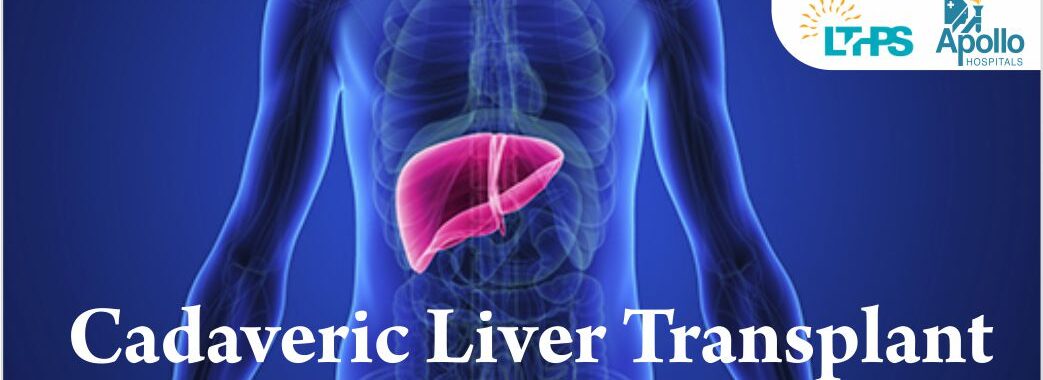
Cadaveric Liver Transplant: What you need to know

Cadaveric Liver Transplant: What you need to know
Liver transplants are frequently performed using cadavers, or deceased donors, as a source of organs. The deceased donors gave their prior permission to donate their organs. A donor’s liver is removed and maintained for transplantation, which needs to happen within 24 hours of the donor being deemed legally dead (brain dead). The cadaveric donor programme aims to achieve maximum organ by harvesting from potential donors, including the liver, and provide easy access to transplant services.

What is Cadaveric Liver Transplant?
The procedure known as “cadaver donor liver transplantation” or “deceased donor liver transplantation”  involves removing the liver from a brain-dead patient. A patient who is nearing the end of their liver failure receives a deceased donor liver transplant. Among the two liver transplantation techniques, cadaveric liver transplantation is one in which the deceased donor may have suffered a brain injury or been involved in an accident. What happens in a cadaveric liver transplant procedure?
 
A cerebral hemorrhage, head injury, or accident could possibly have affected the donor in a cadaveric liver transplant. Following the doctor’s official declaration of brain death, the organ is removed for donation with the family’s permission. A dead donor’s identity and the circumstances of their passing are kept private. The recipient’s waiting list position can always be discussed with the transplant coordinator and liver transplant surgeon.
 
A liver transplant from a deceased donor often requires four to fourteen hours of operation. The liver that was donated is transplanted after the injured liver is removed. 

Post-operative care for cadaveric liver transplant procedure
After surgery, recipients will be closely watched in the intensive care unit (ICU) to ensure that their bodies are not rejecting their organs. Depending on the patient’s condition, they may be sent to the general ward. Testing for liver rejection helps to determine the probability of rejection. Immunosuppressants are given to patients to avoid rejection. There is also nutritional guidance and physiotherapy provided. Individuals who undergo cadaveric liver transplant surgery usually recover successfully. Approximately 90% of patients receive a liver transplant and survive for a minimum of a year, and many go on to live considerably longer. The total success rate is between 85 and 90%. 

Final thoughts
The liver is an important organ in a body and is referred as human body’s powerhouse. It is the largest internal organ in the body which is situated beneath the diaphragm and above the stomach. Individuals who are suffering from end-stage liver illnesses or acute liver failure can benefit from cadaveric donor programme for liver transplants because these conditions may not be treated with therapy.

Avail the Best Treatment of Liver Transplant in New Delhi


Liver Transplant is a very crucial process and the success of any liver transplant mainly dependable on the experience and expertise of the team taking care of the transplant, including the surgeons, anesthesiologists, hepatologists, and nurses. Research the qualifications and experience of the medical professionals involved in the transplant program.

Know your surgeon:
Neerav Goyal – Head – DNB (Surgery) DNB (G.I. Surgery), MNAMS
He is holding specialization in Liver Transplants and Gastrointestinal Surgery and he is an experienced surgeon with various awards in liver transplant surgery. He has only one aim that he always delivers the best outcome to the patients with best consultancy options. He carries an experience of performing more than 2500+ liver transplants successfully.

What is the importance of liver?
The liver has captured its position under the body’s most vital organs, essential for sustaining life. Its multifaceted role encompasses crucial functions such as metabolizing substances, eliminating waste products, and synthesizing enzymes and proteins.

Who shall be considered themselves for liver transplant?
Only individuals whose liver disease has gotten so bad that their overall health is in danger should be considered for a liver transplant. These individuals typically have either developed liver cancer along with other conditions or have exhausted all available therapeutic options. The waiting period for cadaveric transplants can vary greatly, and some patients may pass away in the meantime before receiving a donor’s liver. Moreover, because living donor liver transplantation is a planned procedure, it can be performed only when a person truly requires it and when everyone on the team is accessible.

What we manage?
At our centre, we provide comprehensive treatment, care, and amenities for the liver and biliary system.

Liver failure: When the liver begins to fail, either from acute liver failure or cirrhosis, the illness is known as liver failure. Liver function is a rare condition that has to be treated right away.

Hepatitis: Hepatitis is an infection that results in liver inflammation. It may manifest in several forms, such as
autoimmune illness, alcohol- or non-alcoholic-induced fatty liver, hepatitis b, or hepatitis c.

Hepatocellular: Individuals with chronic liver disorders, including acute liver failure, are frequently detected with hepatocellular carcinoma.

Liver metastases: One type of secondary liver cancer is hepatic metastasis, which begins in another area of the body and
gradually moves into the liver. The malignant cells that begin to grow in the individual’s breast, liver, and any other region of their body are transported there and eventually settle to create another tumor.

Bile duct cancer: A condition termed cholangiocarcinoma, or bile duct cancer, arises in the bile ducts, which are tubes
that join the liver and gall bladder. The digesting liquid bile, a waste byproduct of the liver, is transported by the bile ducts. For the best liver transplant and to avail the best treatment of liver transplant in New Delhi, we are known as the greatest liver transplant doctor. We work with a group of other medical professionals at the liver transplant clinic in New Delhi to offer patients cutting-edge medical care.

Dr Neerav Liver Transplant Surgeon

Liver Transplant Procedure in India for foreigners

A dysfunctional liver has a significant effect on the rest of your body. The organ carries out hundreds of essential functions, from assisting with food digestion to removing dangerous toxins from your blood. You might need a liver transplant procedure to repair your failing liver if the problem is serious enough.

We have information for you if you want to learn more about liver transplants in India or why it’s the best country for foreigners. So let’s get this conversation started.

When Is A Liver Transplant Necessary?

There are numerous reasons for liver disease to be serious enough to necessitate a liver transplant. Cirrhosis is the most frequent cause of liver transplants in adults. In cirrhosis, a prolonged insult to the liver causes it to steadily degrade and malfunction. Scar tissue takes the place of healthy liver tissue, partially restricting blood flow through the liver. Drinking, autoimmune liver illnesses, fat deposits in the liver, genetic diseases, and viruses like hepatitis B and C can all lead to cirrhosis.

Many persons with liver cirrhosis from binge drinking also require a liver transplant. Some of them will often experience considerable improvements with alcohol abstinence and problem management for six months, and these individuals may live for extended periods without a transplant. Liver transplantation is the only option for people with severe liver disease when long-term abstinence and medical care don’t improve their health.

What Makes India the Best Country for Liver Transplant Surgery for Foreign people?

We all know that India is quickly becoming a center for medical tourism for all types of healthcare services, making it possible for many Indian hospitals to accept patients from throughout the globe. Indian hospitals are taking advantage of the chance to provide the best medical care for those in need.

A liver transplant in India has several wonderful advantages, including:

Affordability

India is primarily recognized for its accessibility. The rupee’s position on the international market is the main factor influencing India’s affordable healthcare. It has changed the liver transplantation trend in India. The best hospital and liver transplant facilities are less costly than any hospital or institution in other wealthy countries.

Knowledge and Experience of Indian Physicians

Patients from industrialized countries like the US, UK, France, etc., hold doctors from India in high regard. They meet the needs of individuals and are recognized as some of the best in the world.

Create Facilities of the Highest Quality

Indian hospitals are comparable to those in developed countries. They are expanding continuously to compete with hospitals from wealthy countries. As we all know, a liver transplant needs specialist equipment and is a highly technical surgery, both of which Indian hospitals can provide.

Use modern technology

The most modern Indian hospitals have their own research centers and equipment and constantly search for ways to enhance patient care. Moreover, Indian medical facilities use the most recent diagnostic and treatment equipment for liver transplants. They also have no concerns about using the newest liver transplantation innovation.

Conclusion

A liver transplant surgery removes a sick liver and implants a healthy one in its place. Around 38 years have passed since such operations began. Some liver transplant recipients go on to have completely normal lives.