Understanding Stage 2 Liver Cirrhosis Early Signs You Shouldn’t Ignore (1)

Understanding Stage 2 Liver Cirrhosis: Early Signs You Shouldn’t Ignore

When we think of liver disease, many of us imagine something that happens only after years of alcohol abuse or old age. But liver cirrhosis, especially Stage 2, can quietly creep up on anyone, sometimes with little warning. It’s like a silent intruder, slowly damaging your liver without you even realising it. The good news? Catching it early can make a world of difference.

In this article, we’ll break down what Stage 2 Liver Cirrhosis really means, the early signs you should look out for, and how to get the right treatment, including why finding the Best Liver Transplant Surgeon in India could be life-saving.

1. What is Liver Cirrhosis?

Liver cirrhosis is a disease in which normally healthy liver tissue is slowly replaced by scar tissue, reducing the organ’s ability to perform essential life-sustaining tasks. Picture the liver as a soft, responsive sponge that absorbs nutrients and filters blood. When that sponge hardens in spots, it loses flexibility and effectiveness; that hardening is cirrhosis.

2. Understanding the Stages of Liver Cirrhosis

Cirrhosis does not develop overnight. It is a step-by-step condition that unfolds over four stages:

  • Stage 1: Inflammation. Lab tests may change, yet most people feel fine.
  • Stage 2: Scar tissue replaces some healthy cells. The liver begins to slow.
  • Stage 3: Extensive scarring leads to noticeable symptoms such as swelling.
  • Stage 4: Advanced liver failure; transplant is often the only option.
  • Stage 2 is an important crossroads-the calm before any major storm.

3. What Exactly is Stage 2 Liver Cirrhosis?

At Stage 2, damage is clear under a microscope even if you feel well. Blood vessels through the liver become narrowed, and early symptoms-slight fatigue or pale stool-are too vague to link directly to the organ. The liver can still do most jobs, but like a tired engine, it cannot operate at top speed.

4. Common Causes of Liver Cirrhosis

Curious about what actually triggers liver scarring? Here are the most frequent offenders:

  • *Heavy, long-term alcohol use*
  • *Hepatitis B or C infection*
  • *Fatty liver disease, now known as NAFLD*
  • *Hereditary metabolic disorders*
  • *Abuse of certain toxic medications*

Alcohol gets a lot of headlines, yet non-alcoholic causes are steadily climbing, largely because of modern lifestyle choices.

5. Early Warning Signs of Stage 2 Liver Cirrhosis

Stage 2 is when the picture begins to sharpen. Watch for these signs:

  • *Persistent fatigue that won’t lift*
  • *Swelling in the legs or ankles*
  • *Subtle abdominal bloating*
  • *Loss of appetite*
  • *Unexplained weight loss*
  • *Itchy skin*
  • *Spider-like vessels across the skin*
  • *Easy bruising or prolonged bleeding*

Sure, you might blame late nights or junk food, but those symptoms could actually be your liver sending smoke signals.

6. Why You Shouldn’t Ignore These Signs

Think about it: would you hit snooze on a smoke alarm simply because the house isn’t burning? Early clues are the body’s loudest bell. Brush them off and more scar tissue develops, edging you closer to liver failure.

7. How Stage 2 Impacts Your Body Internally

  • Under the surface, the landscape has already begun to shift:
  • *Blood runs a rougher course through the hardened organ.*
  • *The liver itself begins to lose its pliable, life-sustaining quality.*
  • Harmful substances begin to accumulate in the liver as damage progresses.
  • The organ’s ability to process nutrients slows down noticeably.
  • These internal burdens show themselves through outward signs. You might feel perfectly healthy today yet, underneath, the cells continue to struggle.

8. Diagnosing Stage 2 Liver Cirrhosis

  • Clinicians establish the diagnosis through:
  • Blood panels that reveal elevated liver enzymes.
  • Imaging—often an ultrasound or CT—showing structural changes.
  • Fibroscan gauging stiffness across the liver tissue.
  • Occasionally, a biopsy for microscopic confirmation.
  • Catching the stage early expands the treatment toolbox and improves prognosis.

9. Treatment Options Before Transplantation

Therapy at this stage centres on slowing degradation, easing symptoms, and addressing the underlying cause. Steps typically include:

  • Anti-inflammatory medication calming liver swelling.
  • Antivirals when chronic hepatitis is a triggering agent.
  • Lifestyle overhauls: stopping alcohol, trimming body weight.
  • Routine surveillance for ascites, varices, and other hazards.
  • Because Stage 2 retains partial function, many patients move forward without a transplant.

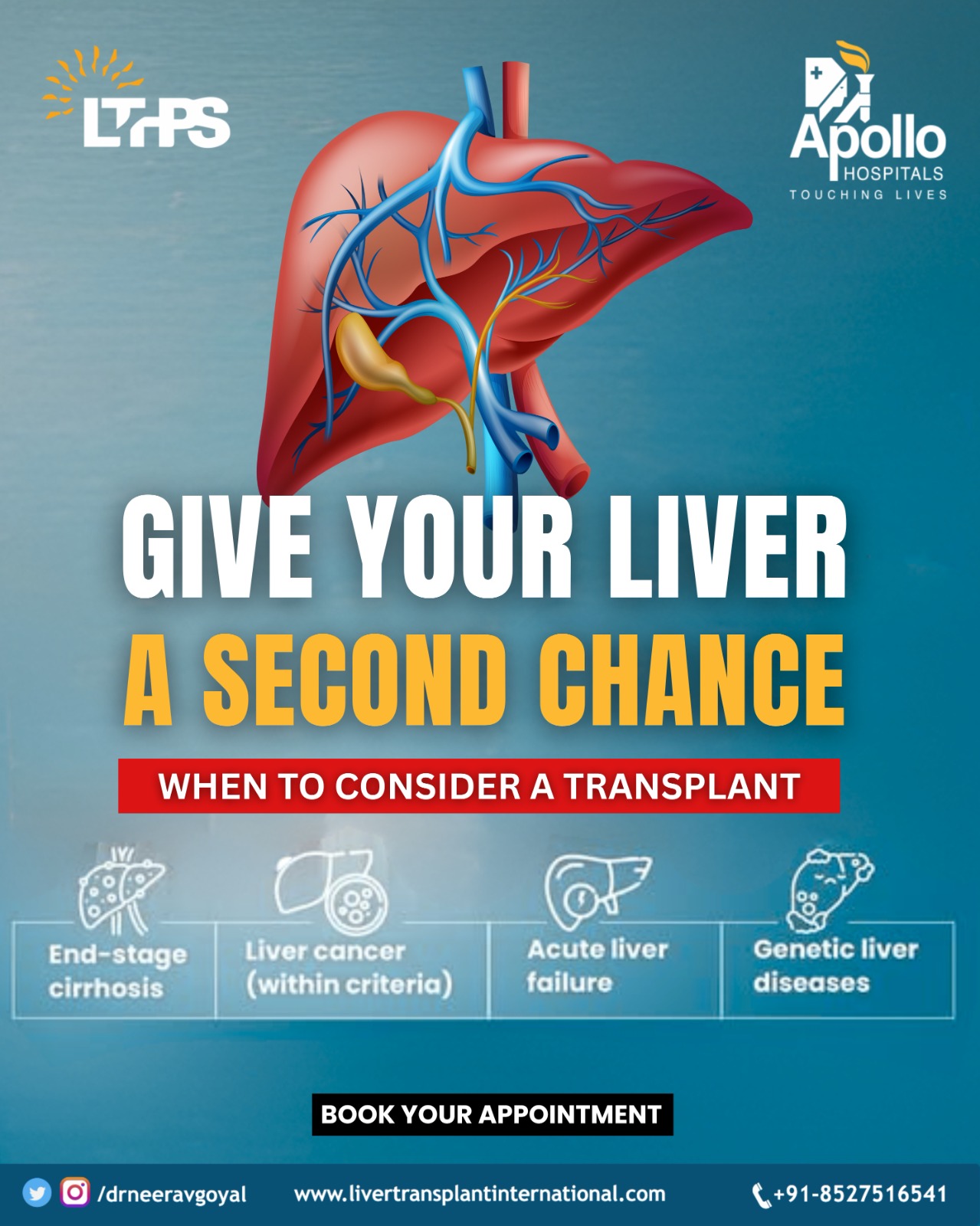
10. When is Liver Transplant Considered?

Surgery becomes urgent when liver performance sinks beneath a set threshold. Worsening symptoms or hazards—internal bleeding, severe confusion—demand an immediate consult with a transplant team.

11. Finding the Best Liver Transplant Surgeon in India

  • India now stands among the leading nations for liver transplantation, offering world-class talent and cutting-edge facilities at costs far lower than those charged in North America or Europe.
  • To identify the best surgeon for your needs, consider these criteria:
  • Years spent operating on difficult cases.
  • Recorded success rates across diversified patients.
  • Affiliation with a JCI- or NABH-accredited hospital.
  • Independent patient reviews and video testimonials.
  • Every year, hundreds of people fly to India knowing they will be treated with the latest technology by teams accustomed to demanding international standards.

12. Living with Stage 2: Lifestyle and Diet Tips

At Stage 2, your liver still has a fighting chance, but it needs sensible, sustained support from you.

  • Cut daily salt intake to ease swelling.
  • Stop drinking alcohol, even in moderation.
  • Fill your plate with colorful fruit, leafy vegetables, and lean protein.
  • Move gently every day—walking or swimming is ideal—but rest at the first sign of fatigue.
  • Drink plenty of water, herbal tea, or diluted juice.
  • Remember, small, regular choices matter more than occasional extremes.

13. Monitoring and Regular Check-ups

Routine clinic visits can feel tiresome, yet they are the best line of defence.

  • Every few months, your doctor will order:
  • Liver enzyme blood tests.
  • Ultrasound, CT, or MRI scans as needed.
  • Checks on vitamin levels and iron stores.
  • Screens for early liver cancer.
  • By spotting changes quickly, you and your team can adapt treatment before serious problems form.

14. Can Stage 2 Be Reversed or Managed?

Stage 2 liver cirrhosis cannot be reversed, yet it can be managed with careful lifestyle changes and medical supervision. Eliminating the underlying cause-cessation of alcohol consumption or effective treatment of viral hepatitis- allows the liver to perform adequately for several more years. One analogy is a cracked bridge: the crack may remain, but preventive measures can stop further erosion and permit continued safe use.

15. Conclusion: Listen to What Your Liver is Telling You

The liver performs over 500 biochemical tasks every day, often going unnoticed until something goes awry. When it begins to emit warning signals, attending promptly to those signs greatly improves long-term prognosis. Detecting Stage 2 cirrhosis early opens the door to meaningful intervention, and should deterioration occur despite all effort a leading transplant centre may ultimately offer the most reliable opportunity for renewed health.

FAQs

1. Is Stage 2 Liver Cirrhosis life-threatening?

Stage 2 cirrhosis is rarely immediately life-threatening, yet leaving it unchecked brings substantial risk. By following medical advice and attending regular follow-up appointments, many patients enjoy good quality of life for years.

2. How do I know if I need a liver transplant?

A transplant becomes advisable when liver failure undermines basic functions and complications such as persistent confusion, gastrointestinal bleeding, or lower-extremity swelling grow steadily worse.

3. Can Stage 2 liver damage improve with treatment? Although scar tissue does not disappear, careful management of early cirrhosis often stops the condition from advancing.

4. What foods should I avoid with Stage 2 liver cirrhosis? Steer clear of alcohol, salty snacks, raw seafood, and heavy or fried dishes. Instead, aim for well-rounded, nourishing meals.

5. How do I find the best liver transplant surgeon in India? Look at hospital rankings, surgeon credentials and track records, and reviews from past patients. Most leading Indian hospitals assist international visitors.

Dr. Neerav Goyal as a liver transplant specialist:
To seek a consultation with a best liver transplant doctor in New Delhi , India:
Call us at 8527516541 | Email at [email protected]


Which Liver Transplant Type Is Right for You?

When you or someone close is faced with liver failure, the word “transplant” can sound overwhelming. Add in medical jargon, complex procedures, and a bunch of options, and it can feel like you’re trying to solve a jigsaw puzzle without the picture on the box.

But here’s the good news: You’re not alone. In this article, Dr. Neerav Goyal, one of the Best Liver Transplant Surgeons in India, breaks down the different types of liver transplants in a way that’s easy to understand. Think of this as a friendly guide, not a medical textbook.

Let’s get started by laying everything out on the table.

. What Is a Liver Transplant?
Imagine your liver as the body’s cleaning crew. It filters toxins, processes nutrients, and helps digestion. But when it stops working– due to disease, damage, or genetic issues– a transplant may be your only option. A liver transplant replaces your damaged liver with a healthy one from a donor.

2. Why Might You Need a Liver Transplant?
There are several reasons your doctor might suggest a liver transplant. Some of the most common include:

  • Cirrhosis– long-term liver damage often caused by alcohol or hepatitis.
  • Liver cancer– when tumors affect liver function.
  • Genetic disorders– like Wilson’s disease or hemochromatosis.
  • Acute liver failure– a sudden loss of liver function.
  • If your liver is no longer able to keep up with your body’s needs, it may be time to explore transplant options.

3. Types of Liver Transplants
There’s more than one way to receive a new liver. The main types are:

  • Deceased Donor Liver Transplant (DDLT).
  • Living Donor Liver Transplant (LDLT).
  • Split Liver Transplant.
  • Auxiliary Liver Transplant.
  • Each type has its own pros, cons, and best-use scenarios. Let’s look at them one by one.

4. Deceased Donor Liver Transplant.
This is the most common type. The liver comes from a person who has passed away but has donated their organs. Here’s how it works:.

  • Who is it for? People with advanced liver disease waiting on the transplant list.
  • Pros: Entire liver is transplanted, good long-term outcomes.
  • Cons: Long waiting times; availability depends on donor rates.
  • Think of it like waiting for a rare book at the library. It’s available, but you’re in line with many others.

5. Living Donor Liver Transplant.
In this type, a healthy person (often a relative or friend) donates a portion of their liver. Remarkably, both the donor’s and recipient’s liver parts grow back to full size!

  • Who is it for? People who have a willing and compatible donor.
  • Pros: Reduced waiting time, planned surgery, excellent survival rates.
  • Cons: Risk to the donor, surgical complexity.
  • This method is like sharing your umbrella in a rainstorm– you’re helping someone, and you both stay dry in the long run.

6. Split Liver Transplant.
In this procedure, one liver from a deceased donor is split between two recipients, usually an adult and a child.

  • Who is it for? Pediatric patients and smaller adult patients.
  • Pros: Helps more people with one organ.
  • Cons: Technically complex, more risks involved.

7. Auxiliary Liver Transplant.
Instead of replacing your liver, a new one is added alongside the existing one, often used when liver recovery is possible.

  • Who is it for? People with acute liver failure who might recover.
  • Pros: Temporary support, potential for original liver to heal.
  • Cons: Not commonly done, very specific use cases.
  • It’s like having a backup generator when your power goes out– temporary but life-saving.

8. Pediatric vs Adult Liver Transplants.
Children and adults have different needs. Kids often receive part of a liver from a living donor or from a split transplant. Adults may receive full or partial livers depending on availability and compatibility.

Understanding your age and size can help narrow down which option suits you best.

  • 9. How Do You Know Which Type Is Right for You?
    This depends on several things:.
  • Urgency of your condition.
  • Availability of donors.
  • Medical history.
  • Support system and caregivers.
  • Blood type and body size compatibility.
  • Your doctor and transplant team will guide you through the decision, but being informed helps you ask the right questions.

10. Factors That Influence Your Choice.
Some key elements that affect the type of transplant you might get:.

Geographic location: Access to donor hospitals or transplant centers.

Donor availability: More common in urban centers.

Financial considerations: Costs vary based on type.

Time sensitivity: Some liver failures need urgent surgery.

  • 11. Recovery and Aftercare.
    No matter the type, recovering from a liver transplant is a journey:.
  • Hospital stay– typically 1 to 3 weeks.
  • Medication– immunosuppressants to prevent rejection.
  • Lifestyle changes– healthy diet, no alcohol, regular checkups.
  • Emotional support– counseling and family help are key.
  • Your recovery is like planting a new tree. With the right care, it will take root and flourish.
  • 12. Costs Involved in Liver Transplants.
    Costs can be substantial, including:.

Surgery expenses.

Hospital stay.

Post-op medication.

Donor care (in LDLT).

Fortunately, India offers high-quality care at a fraction of global costs, making it a top destination for medical tourism.

13. Finding the Best Liver Transplant Surgeon in India.
Choosing the Best Liver Transplant Surgeon in India can make a world of difference. Look for:.

Years of experience.

Successful transplant rates.

Reputation and patient testimonials.

Hospital accreditation.

Many renowned surgeons in India offer world-class care with state-of-the-art facilities, especially in cities like Delhi, Chennai, and Hyderabad.

Dr. Neerav Goyal is a highly experienced surgeon with over 20 years of expertise in the field of liver and gastrointestinal surgeries. With more than 2,500 successful transplantations to his credit, he is renowned for his exceptional skills in liver transplants, organ surgeries, and advanced gastrointestinal procedures. Dr. Goyal holds DNB qualifications in Surgery and Gastrointestinal Surgery and is a member of MNAMS. He practices at the prestigious Indraprastha Apollo Hospital, New Delhi. For consultations, you can contact him at +91 8527516541 or via email at [email protected].

14. Success Rates and Outcomes.
Modern liver transplant techniques have excellent success rates:.

  • 1-year survival rate: Over 90%.
  • 5-year survival rate: Around 75%.
  • Living donor transplants: Often higher success due to planned procedures.
  • The better the match and timing, the better the outcome.

15. Conclusion and Final Thoughts.
Liver transplants are not just about replacing an organ– they’re about giving someone a second chance at life. The type of transplant you need depends on your unique situation, but with the right information, team, and support, you can make the best choice for your health and future.

If you or a loved one is considering this path, connect with the Best Liver Transplant Surgeon in India to ensure you’re in the safest, most capable hands.

❓ Frequently Asked Questions (FAQs).
1. How long does it take to recover from a liver transplant?
Most patients recover within 3 to 6 months, though full recovery can take up to a year depending on individual health and aftercare.

2. Is a living donor liver transplant safe for the donor?
Yes, it is generally safe. The liver regenerates within a few months, and donors typically return to normal life after a short recovery period.

3. Can you live a normal life after a liver transplant?
Absolutely. With regular medication, healthy habits, and follow-up care, most people live full, active lives.

4. How do I know if I qualify for a liver transplant?
Your doctor will assess your liver function, overall health, and other factors to determine if you’re a candidate.

5. Why choose India for a liver transplant?
India offers world-class healthcare at affordable costs, skilled surgeons, and shorter waiting times, making it a top choice for many international patients.

Avail the Best Treatment of Liver Transplant in New Delhi


Liver Transplant is a very crucial process and the success of any liver transplant mainly dependable on the experience and expertise of the team taking care of the transplant, including the surgeons, anesthesiologists, hepatologists, and nurses. Research the qualifications and experience of the medical professionals involved in the transplant program.

Know your surgeon:
Neerav Goyal – Head – DNB (Surgery) DNB (G.I. Surgery), MNAMS
He is holding specialization in Liver Transplants and Gastrointestinal Surgery and he is an experienced surgeon with various awards in liver transplant surgery. He has only one aim that he always delivers the best outcome to the patients with best consultancy options. He carries an experience of performing more than 2500+ liver transplants successfully.

What is the importance of liver?
The liver has captured its position under the body’s most vital organs, essential for sustaining life. Its multifaceted role encompasses crucial functions such as metabolizing substances, eliminating waste products, and synthesizing enzymes and proteins.

Who shall be considered themselves for liver transplant?
Only individuals whose liver disease has gotten so bad that their overall health is in danger should be considered for a liver transplant. These individuals typically have either developed liver cancer along with other conditions or have exhausted all available therapeutic options. The waiting period for cadaveric transplants can vary greatly, and some patients may pass away in the meantime before receiving a donor’s liver. Moreover, because living donor liver transplantation is a planned procedure, it can be performed only when a person truly requires it and when everyone on the team is accessible.

What we manage?
At our centre, we provide comprehensive treatment, care, and amenities for the liver and biliary system.

Liver failure: When the liver begins to fail, either from acute liver failure or cirrhosis, the illness is known as liver failure. Liver function is a rare condition that has to be treated right away.

Hepatitis: Hepatitis is an infection that results in liver inflammation. It may manifest in several forms, such as
autoimmune illness, alcohol- or non-alcoholic-induced fatty liver, hepatitis b, or hepatitis c.

Hepatocellular: Individuals with chronic liver disorders, including acute liver failure, are frequently detected with hepatocellular carcinoma.

Liver metastases: One type of secondary liver cancer is hepatic metastasis, which begins in another area of the body and
gradually moves into the liver. The malignant cells that begin to grow in the individual’s breast, liver, and any other region of their body are transported there and eventually settle to create another tumor.

Bile duct cancer: A condition termed cholangiocarcinoma, or bile duct cancer, arises in the bile ducts, which are tubes
that join the liver and gall bladder. The digesting liquid bile, a waste byproduct of the liver, is transported by the bile ducts. For the best liver transplant and to avail the best treatment of liver transplant in New Delhi, we are known as the greatest liver transplant doctor. We work with a group of other medical professionals at the liver transplant clinic in New Delhi to offer patients cutting-edge medical care.

Dr Neerav Liver Transplant Surgeon

Liver Transplant Procedure in India for foreigners

A dysfunctional liver has a significant effect on the rest of your body. The organ carries out hundreds of essential functions, from assisting with food digestion to removing dangerous toxins from your blood. You might need a liver transplant procedure to repair your failing liver if the problem is serious enough.

We have information for you if you want to learn more about liver transplants in India or why it’s the best country for foreigners. So let’s get this conversation started.

When Is A Liver Transplant Necessary?

There are numerous reasons for liver disease to be serious enough to necessitate a liver transplant. Cirrhosis is the most frequent cause of liver transplants in adults. In cirrhosis, a prolonged insult to the liver causes it to steadily degrade and malfunction. Scar tissue takes the place of healthy liver tissue, partially restricting blood flow through the liver. Drinking, autoimmune liver illnesses, fat deposits in the liver, genetic diseases, and viruses like hepatitis B and C can all lead to cirrhosis.

Many persons with liver cirrhosis from binge drinking also require a liver transplant. Some of them will often experience considerable improvements with alcohol abstinence and problem management for six months, and these individuals may live for extended periods without a transplant. Liver transplantation is the only option for people with severe liver disease when long-term abstinence and medical care don’t improve their health.

What Makes India the Best Country for Liver Transplant Surgery for Foreign people?

We all know that India is quickly becoming a center for medical tourism for all types of healthcare services, making it possible for many Indian hospitals to accept patients from throughout the globe. Indian hospitals are taking advantage of the chance to provide the best medical care for those in need.

A liver transplant in India has several wonderful advantages, including:

Affordability

India is primarily recognized for its accessibility. The rupee’s position on the international market is the main factor influencing India’s affordable healthcare. It has changed the liver transplantation trend in India. The best hospital and liver transplant facilities are less costly than any hospital or institution in other wealthy countries.

Knowledge and Experience of Indian Physicians

Patients from industrialized countries like the US, UK, France, etc., hold doctors from India in high regard. They meet the needs of individuals and are recognized as some of the best in the world.

Create Facilities of the Highest Quality

Indian hospitals are comparable to those in developed countries. They are expanding continuously to compete with hospitals from wealthy countries. As we all know, a liver transplant needs specialist equipment and is a highly technical surgery, both of which Indian hospitals can provide.

Use modern technology

The most modern Indian hospitals have their own research centers and equipment and constantly search for ways to enhance patient care. Moreover, Indian medical facilities use the most recent diagnostic and treatment equipment for liver transplants. They also have no concerns about using the newest liver transplantation innovation.

Conclusion

A liver transplant surgery removes a sick liver and implants a healthy one in its place. Around 38 years have passed since such operations began. Some liver transplant recipients go on to have completely normal lives.