Stem Cells for Treatment of Liver Fibrosis and Cirrhosis

Introduction

Imagine your liver as the body’s natural filter, tirelessly cleaning toxins and keeping you healthy. But what happens when this filter gets clogged and damaged? Conditions like liver fibrosis and cirrhosis scar the liver, reducing its ability to function. For many years, liver transplant was seen as the only real hope. But today, stem cell therapy is emerging as a promising ray of hope — almost like giving your liver a chance at “self-repair.”

In this article, we’ll break down how stem cells work for treating liver fibrosis and cirrhosis, how far research has come, and where the future might take us. We’ll also touch upon the importance of consulting the best liver transplant surgeon in India when advanced treatment options are needed.


Table of Contents

Sr# Headings
1 Understanding Liver Fibrosis and Cirrhosis
2 What Are Stem Cells?
3 How Do Stem Cells Help the Liver?
4 Types of Stem Cells Used in Liver Treatment
5 Stem Cell Therapy vs. Liver Transplant
6 Current Research and Clinical Trials
7 Benefits of Stem Cell Therapy for Liver Patients
8 Limitations and Challenges of Stem Cell Therapy
9 Who Can Benefit From Stem Cell Therapy?
10 The Process of Stem Cell Treatment for Liver Diseases
11 Risks and Safety Concerns
12 Cost and Accessibility in India
13 Role of the Best Liver Transplant Surgeon in India
14 Future of Stem Cell Therapy in Liver Care
15 Conclusion

1. Understanding Liver Fibrosis and Cirrhosis

The condition known as liver fibrosis is a condition that occurs when scar tissue develops in the liver because of injuries sustained over time, usually caused by alcohol, hepatitis or fatty liver diseases. In time, this scarring may progress to cirrhosis, an extreme stage in which the liver is weakened and ceases to function.

Imagine it as an ointment: a well-functioning liver can be soft and abrasive; however, fibrosis can make it dry and stiff. When the damage gets more severe conventional medicine usually suggests the possibility of a liver transplant.

2. What Are Stem Cells?

Stem cells are cells that act as the “master keys” of our body. In contrast to regular cells, which can perform one task they can change into various types of cells. When there is a liver problem they may transform to healthier liver cells to replace damaged ones.

3. How Do Stem Cells Help the Liver?

Stem cells do more than just replace damaged tissue. They also:

  • Reducing the inflammation of the liver.

  • The scarring slows down caused by the fibrosis.

  • Boost regeneration of healthy liver cells.

  • Increase the blood supply inside the liver.

In simpler terms they are similar to gardeners that not only grow new seeds, but also help to heal the soil to allow for greater growth.

4. Types of Stem Cells Used in Liver Treatment

A variety of stem cells being studied for use in liver treatment:

  • Mesenchymal Stem Cells (MSCs): Found in bone marrow, fat and umbilical cord tissues; widely used in research.

  • Hematopoietic Stem Cells (HSCs): Found in blood and bone marrow They help to regenerate tissues.

  • Induced pluripotent Stem Cells (iPSCs): In labs, scientists have created iPSCs by altering normal cells to behave as stem cells.

  • The Fetal and the Embryonic Stem Cells They have a lot of potential, however, they raise ethical questions.

5. Stem Cell Therapy vs. Liver Transplant

Although stem cells have shown promise however, they’re not an ideal replacement for liver transplant.

  • Stem Cell Therapie: Minimally invasive, more secure, and less risky.

  • Liver Transplants: Proven lifesaving option for patients suffering from end-stage liver disease.

A approach to think about it is that stem cell therapy is similar to fixing your car’s engine, whereas the liver transplant is similar to replacing the engine completely.

6. Current Research and Clinical Trials

All over the world, numerous clinical trials are currently testing stem cells to treat cirrhosis as well as fibrosis. Initial results show improvements in the following areas:

  • The tests for liver functions (ALT, AST, Bilirubin).

  • The reduction in fibrosis is evident on images.

  • Improved health and quality of life to patients.

However, data from the long-term is still being gathered to verify the effectiveness and safety of the product.

7. Benefits of Stem Cell Therapy for Liver Patients

  • Non-surgical treatment option for patients who are not able to undergo transplant.

  • Enhances symptoms such as fatigue, swelling and jaundice.

  • Improves the liver’s function without causing major adverse consequences.

  • delay the necessity to transplant in certain situations.

8. Limitations and Challenges of Stem Cell Therapy

  • It is still in the process of being a trial in a majority of countries.

  • Results may vary greatly among patients.

  • It requires the use of specialized labs and experts.

  • Costs are high and availability is limited in a variety of regions.

9. Who Can Benefit From Stem Cell Therapy?

Patients that could benefit include:

  • Patients suffering from moderate to early fibrosis who have a mild to moderate.

  • Patients with cirrhosis who are who are not yet at the stage of transplantation.

  • Some people aren’t suitable for surgery due to their age or health problems.

10. The Process of Stem Cell Treatment for Liver Diseases

  1. Collection The stem cells can be obtained from bone marrow blood, or the umbilical Cord.

  2. Processing The Processing is purified, then then prepared in a laboratory.

  3. Infusion The stem cells can be infused into patients typically via a vein or directly into the liver.

  4. Monitors: The patients are monitored by scans and blood tests.

11. Risks and Safety Concerns

While generally safe, there are risks. These are:

  • Fatigue or mild fever after an infusion.

  • A rare risk of developing an infection or a reaction to the immune system.

  • Unknown long-term consequences.

12. Cost and Accessibility in India

Stem cell treatment in India is offered in certain research hospitals as well as private clinics. Prices can vary, but could vary from 3 to 7 lakhs dependent on the procedure.

Although it isn’t yet mainstream, India is becoming a place to be for advanced regenerative therapies and is more accessible to Western nations.

13. Role of the Best Liver Transplant Surgeon in India

With the advent of new therapies seeking out liver transplants in India is still essential. Why?

  • To determine if stem cells are a viable possibility.

  • To plan for transplants if stem cell therapy doesn’t work.

  • To provide holistic health care using the latest advances in medicine.

A top surgeon will guide patients in choosing between stem cells, medical management or even surgery.

14. Future of Stem Cell Therapy in Liver Care

The future is promising:

  • More individualized treatments made with patients’ stem cells from their own.

  • Combining stem cells and genetic therapy to achieve better outcomes.

  • Clinical trials that have advanced clinical studies show the long-term safety of this product.

Someday, the stem cell could help reduce the demand worldwide for liver transplants.

15. Conclusion

Stem cell therapy provides an opportunity to rekindle possibility for patients suffering from liver fibrosis or cirrhosis. Although it isn’t yet able to substitute organ transplants for the liver, it is able to slow the progression of disease, enhance the quality of life for patients and save valuable time.

For those who are interested in this route be sure to seek advice from the  Best liver transplant surgeons in India and who will help you weigh the pros and cons and assist you in choosing the best treatment.

FAQs

1. Can stem cells reverse liver cirrhosis totally However, they are not yet. Stem cells can help improve the function of the liver and reduce the damage, but they cannot completely eliminate cirrhosis.

2. How long will stem cell therapy be effective some patients see improvement after a couple of months, while longer-term studies continue.

3. Are stem cell therapies suitable for patients with liver disease It is generally a yes. The side effects are not severe however the long-term safety remains examined.

4. What is the main difference between stem treatment with cells and liver transplant? The stem cells can repair the liver’s existing tissue, whereas transplants replace the liver completely.

5. How can I find the top liver transplant doctor in India You should look for surgeons who have high success rates, expertise in complicated cases, and a connection to well-known hospitals.

Can Fatty Liver Problem Cause Cirrhosis of the Liver? Full Guide

Introduction

Imagine your liver as a hardworking sponge, absorbing toxins, breaking down fats, and maintaining your body’s balance. Now imagine that sponge slowly filling with fat instead of doing its job. Over time, it stiffens, hardens, and stops working altogether. This is what happens when fatty liver disease progresses to cirrhosis.

Yes. An untreated fatty liver can progress all the way to cirrhosis. In our clinic at Apollo, New Delhi, we often explain it this way: When fat makes up more than 5-10% of liver weight, we refer to it as fatty liver (simple steatosis).

Sounds scary? It can be—but there’s good news. If caught early, fatty liver is reversible. But if ignored, it could lead to permanent liver damage. In this guide, we’ll walk you through how fatty liver can evolve into cirrhosis, who’s at risk, symptoms to look out for, and what treatment options are available—including when to consult the best liver transplant surgeon in India.


If you’re seeking the best doctor for liver cirrhosis in India, Dr. Neerav Goyal offers advanced care plans tailored to your liver condition.


  1. What is Fatty Liver Disease?

Fatty liver disease means there’s too much fat stored in liver cells. A little fat is okay, but when it gets excessive (more than 5– 10% of the liver’s weight), it starts interfering with liver function.

Think of it like a clogged air filter in a car. Your liver can’t “breathe” or work properly when it’s packed with fat.

2. Types of Fatty Liver: NAFLD vs. AFLD

There are two main types:

NAFLD (Non-Alcoholic Fatty Liver Disease)– Happens in people who drink little or no alcohol. It’s often linked to obesity, diabetes, and high cholesterol.

AFLD (Alcoholic Fatty Liver Disease)– Caused by excessive alcohol intake over time.

Both types can lead to inflammation, scarring, and eventually cirrhosis if left unchecked.

3. What Causes Fatty Liver?

Several things can lead to fatty liver:

Poor diet (especially high in sugar and unhealthy fats).

Obesity.

Type 2 diabetes.

High blood pressure.

High cholesterol.

Rapid weight loss.

Excessive alcohol use (in AFLD).

Even thin people can develop fatty liver if their lifestyle or genes put them at risk.

4. Early Signs and Symptoms of Fatty Liver.

Here’s the tricky part: Fatty liver is often silent in the early stages. Many people don’t feel any different.

But some possible early signs include:.

Fatigue.

Mild pain or discomfort in the upper right abdomen.

Slightly elevated liver enzymes in blood tests.

These are easy to ignore, which is why many cases go undetected until the liver is already damaged.

5. What is Liver Cirrhosis?

Cirrhosis is the late stage of chronic liver disease. It happens when the liver becomes permanently scarred and hardened.

Imagine turning a soft sponge into a stiff brick. That’s what cirrhosis does– it makes the liver lose its ability to filter blood, produce essential proteins, and perform other vital tasks.

6. How Does Fatty Liver Turn into Cirrhosis?

It’s a slow process, but here’s how it happens:.

Fat buildup in the liver (steatosis).

Inflammation and liver cell damage (steatohepatitis).

Fibrosis (scar tissue forms).

Cirrhosis (severe scarring disrupts function).

Think of it like a wound that keeps getting hurt before it heals– eventually, it turns into a scar that never goes away.

7. Stages of Liver Damage.

Liver disease doesn’t go from zero to cirrhosis overnight. There are stages:.

Stage 1: Simple fatty liver.

Stage 2: Inflammation and liver cell damage.

Stage 3: Fibrosis (some scar tissue).

Stage 4: Cirrhosis (severe, irreversible damage).

The earlier you catch it, the better your chances of reversing it.

8. Who is Most at Risk?

Some people are more likely to develop fatty liver and cirrhosis:.

Overweight or obese individuals.

People with Type 2 diabetes or insulin resistance.

Those with high cholesterol or triglycerides.

Heavy drinkers.

People with certain genes or family history.

Age, poor diet, lack of exercise, and metabolic conditions all add fuel to the fire.

9. Can Fatty Liver Be Reversed?

Yes! The amazing thing is that in its early stages, fatty liver can be completely reversed with the right lifestyle changes.

Lose weight (even 5– 10% can help).

Eat a liver-friendly diet (low sugar, low fat).

Exercise regularly.

Control blood sugar and cholesterol.

Avoid alcohol.

It’s like cleaning out a clogged engine– get rid of the gunk, and it runs smoothly again.

10. Warning Signs You’re Progressing Toward Cirrhosis.

If your liver disease is advancing, you might notice:.

Constant fatigue.

Yellowing of skin or eyes (jaundice).

Swelling in legs or belly.

Confusion or forgetfulness.

Itchy skin.

Easy bruising.

If you notice these, don’t delay– see a liver specialist immediately.

11. Diagnosis: How Doctors Detect the Damage.

Doctors use several methods to check your liver health:.

Blood tests (liver enzymes, bilirubin).

Ultrasound or MRI.

FibroScan (measures liver stiffness).

Liver biopsy (if needed).

Regular check-ups are crucial if you have risk factors.

12. Treatment Options for Fatty Liver and Cirrhosis.

Treatment depends on the stage:.

Early fatty liver: Lifestyle changes and monitoring.

Inflammation or fibrosis: Medications, strict lifestyle changes.

Cirrhosis: Meds to manage symptoms, avoid further damage.

Advanced cirrhosis may require a liver transplant.

13. When is Liver Transplant the Only Option?

When the liver can no longer function due to cirrhosis, a transplant becomes the only way to survive.

Signs you may need one include:.

Frequent hospitalizations.

Internal bleeding.

Kidney issues due to liver failure.

Liver cancer.

It’s a life-saving option– but it’s critical to consult the best liver transplant surgeon in India for expert care and a better outcome.

14. Finding the Best Liver Transplant Surgeon in India.

India is home to some world-class liver transplant specialists. Look for:.

Board certification and experience.

Successful transplant history.

Modern hospital infrastructure.

Strong post-transplant care team.

Patient testimonials and reviews.

A trusted, skilled surgeon can make all the difference when facing liver failure.

15. Lifestyle Tips to Protect Your Liver.

Whether you’re at risk or already dealing with fatty liver, these tips can help:.

Eat fresh fruits, vegetables, and lean proteins.

Avoid sugary drinks, processed foods, and fried items.

Exercise for at least 30 minutes a day.

Stay hydrated.

Avoid alcohol and unnecessary medications.

Get regular check-ups.

Your liver is a silent hero– treat it kindly.

Conclusion.

Fatty liver disease might seem harmless at first, but it can quietly progress into something far more serious– cirrhosis, a condition that could demand a liver transplant.

But here’s the silver lining: you can prevent, manage, and even reverse early-stage fatty liver with the right steps. Awareness is the first step toward action.

If you or a loved one are facing advanced liver disease, don’t wait. Reach out to the best liver transplant surgeon in India and explore your options.

Your liver deserves care. After all, it works hard for you– every single day.

FAQs.

1. Can fatty liver be cured completely?
Yes, if caught early and lifestyle changes are made, fatty liver can be reversed completely.

2. How long does it take for fatty liver to turn into cirrhosis?
It varies, but it can take 10– 20 years. However, progression may be faster in people with risk factors or poor lifestyle habits.

3. Is liver transplant the only treatment for cirrhosis?
Not always. Early-stage cirrhosis can be managed, but advanced cirrhosis often requires a transplant.

4. How can I know if my fatty liver is progressing?
Look for worsening symptoms like fatigue, swelling, or jaundice, and regularly check with your doctor.

5. Who is the best liver transplant surgeon in India?
India has several top specialists. Research hospitals like Medanta, Apollo, or Fortis, and choose a surgeon with a strong track record and patient success stories.

Artificial Liver Support Systems

The liver is a complicated organ that carries out crucial synthesis, heat generation, purification, and regulating tasks; failure would be extremely dangerous. A few artificial liver devices started to be developed at the turn of the 20th century to be used as supportive treatment before liver transplantation.

It would be impossible to discover a suitable substitute for all the duties carried out by the liver. An affected patient’s body gets toxic when their liver fails. Acute liver failure will only take a few hours to progress into a life-threatening disease that affects all of the body’s cells. Even the brain won’t be able to perform at its best.

The only choice for treating many people with liver failure is liver transplantation, but due to a lack of donors, just one in twenty of these patients receives one.

What do synthetic liver support systems entail?

For those with acute liver failure, artificial liver support devices are becoming a more popular treatment.

 A dangerous illness with a higher mortality and morbidity rate is ALF. Hepatitis A or E or drug-induced damage are the two primary causes of ALF. Another disorder that impairs liver function and has a high death rate is ACLF.

For both ALF and ACLF, transplant is the only effective therapeutic option. Researchers have created additional therapeutic methods due to the poor success rate of transplants and the scarcity of donors.

Artificial liver supports are one such strategy. Between the time a donor becomes available and the time the patient’s liver function returns to normal, these can sustain the patient with ALF or ACLF.

Liver function

The liver is a flexible organ that performs several crucial tasks. It interacts with practically every organ system in the body, makes up around 2% of a patient’s body weight, and has a variety of purposes.

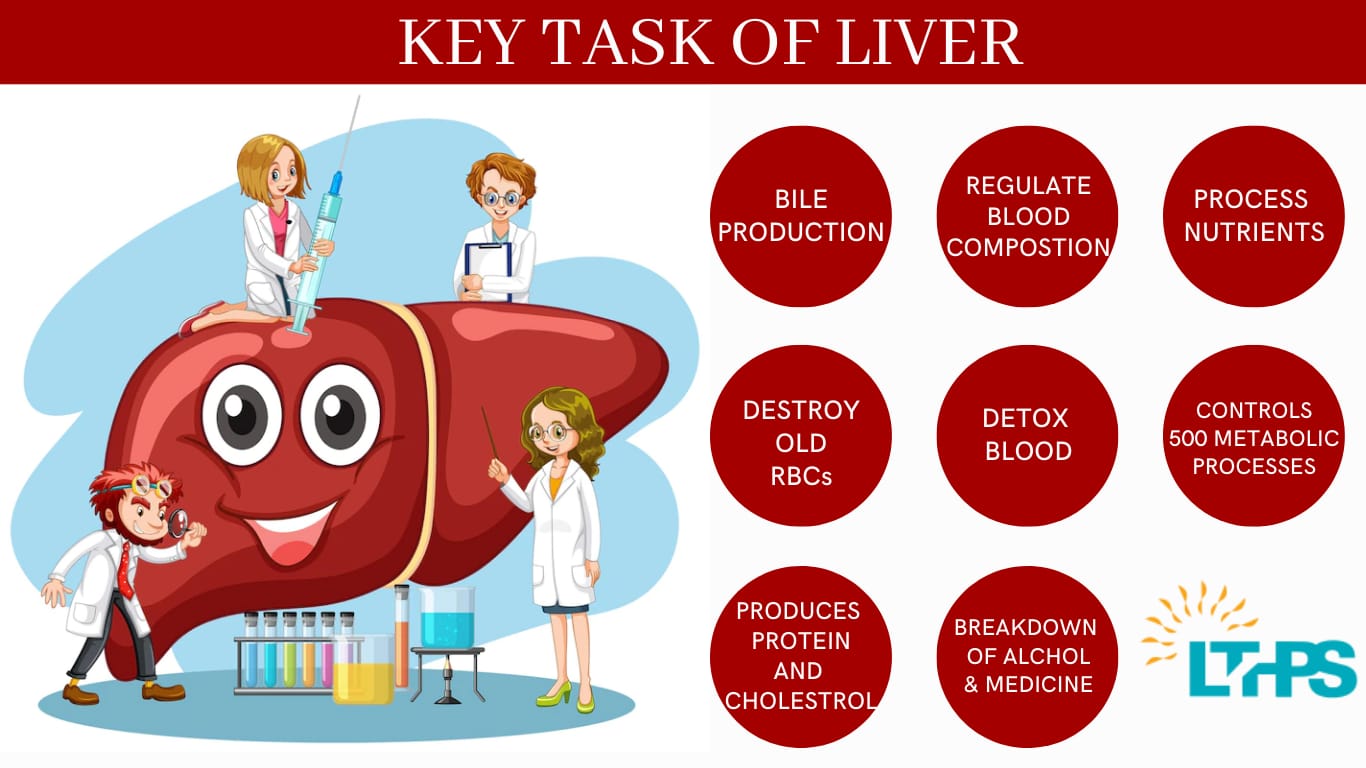
The following are a few of the liver’s key tasks:

  • Bile production: This aids in the assimilation of several vitamins and lipids.
  • Synthesis of blood plasma: The liver does this by creating certain proteins.
  • Producing cholesterol also results in the synthesis of unique proteins that aid in moving fats throughout the body.
  • The body can store extra glucose and turn it back into glucose for power when needed by turning it into glycogen.
  • Bilirubin, a yellowish component in bile, is produced due to the disintegration of red blood cells.
  • Eliminating medicines and toxins from the bloodstream The liver assists in removing poisonous and damaging compounds from the blood.
  • Additionally, it controls blood coagulation by manufacturing specific plasma proteins.

Cheaper medical care

Patients with chronic illnesses require close observation, specialized care, and recurrent hospital admissions. Because it is challenging to have this condition and hold down a career simultaneously, they frequently have a low quality of life.

Since individuals with liver failure have complicated clinical signs, including aberrant blood parameter readings, monitoring them requires specialized abilities. They must consequently have access to experts who can evaluate their medical needs. The d-LIVER initiative aims to lessen the significant economic strain that patient care places on society.

liver's key tasks- Artificial Liver Support Systems

Blood circulated through the liver

The researchers are currently working on building an artificial liver component outside of the body rather than an artificial liver inside the body. In it, cells from pigs or people survive, develop, and carry out the functions of liver cells. The reactor resembles an “incubator,” allowing the cells to increase in a three-dimensional framework.

It guarantees that the environment is suitable for the liver cells to operate well. The reactor needs to be able to regulate the temperature and deliver the proper amounts of nutrients and oxygen to each cell.

Patients experience acute liver failure, which causes waste materials to accumulate in the body and cause crisis moments. This frequently occurs when individuals have illnesses or colds, which a healthy liver is more than capable of handling.

Until they recuperate and their liver function is adequate to keep the body functioning, liver patients may benefit from therapy with an artificial liver.

Prevention is as crucial.

If we can figure out how to tell when a liver patient is starting to experience issues, we might be able to stop these issues in their tracks by altering their medical care. This is beneficial for the patient because it allows them to prevent the worst crises while being less costly and simpler for the healthcare system. For this reason, it’s critical to recognize the earliest indications that a liver isn’t working properly.

The researchers are creating wearable sensors that individuals can use to monitor their physical state and exercise since the homeostasis of the liver is directly linked to illnesses and a weakened immune system.

Summary

Support networks for acute and acute-on-chronic liver problems include artificial liver therapy. They might enable the restoration of liver function or act as a stopgap measure before a liver transplant. To prevent significant complications, it’s crucial for people who exhibit signs of acute liver illness or liver failure to speak with a physician as soon as possible.